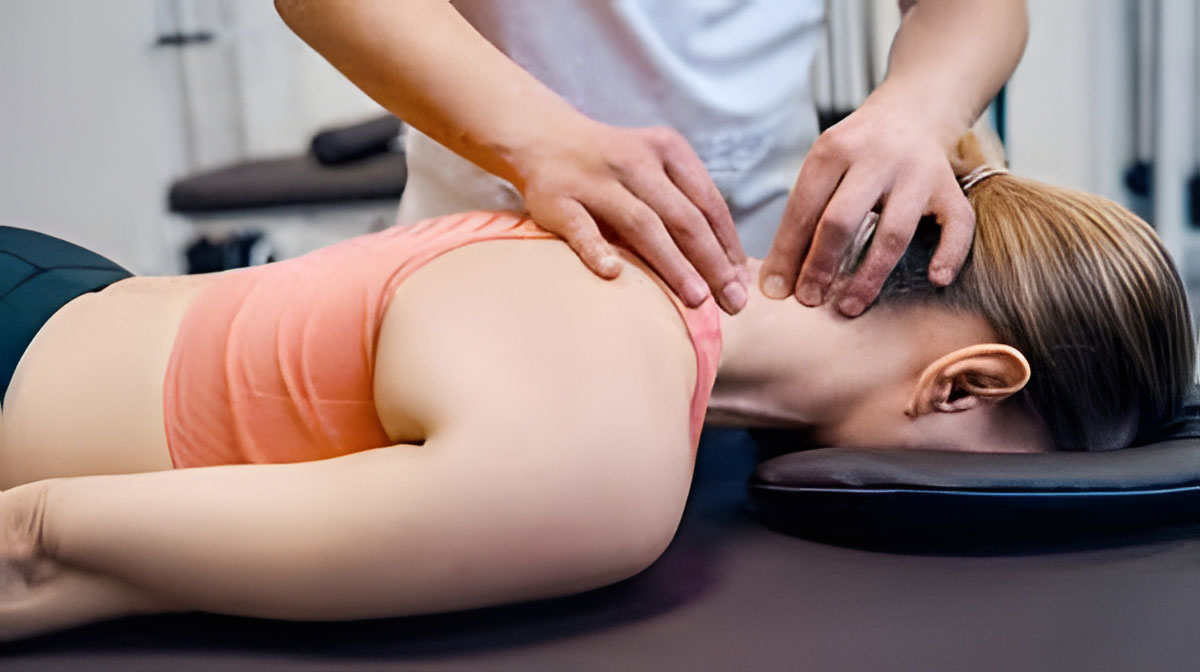
Osteopathy in Canada: Benefits, Treatment & Recovery Guide
A Complete Guide to Natural Pain Relief, Better Movement, and Healthier Living
Osteopathy is becoming increasingly popular across Canada, and it’s easy to understand why. More people are looking for natural, hands-on treatments that don’t simply cover up pain but instead help address the underlying cause of discomfort.
Have you ever woken up with a stiff neck after sleeping in what seemed like a perfectly comfortable position? Or perhaps your lower back started complaining after a weekend of gardening, moving furniture, or enthusiastically convincing yourself that lifting that “not-so-heavy” box was a good idea.
You’re not alone.
Millions of Canadians experience muscle pain, joint stiffness, headaches, and mobility problems every year. These issues don’t just affect athletes or older adults—they can impact students, office workers, parents, construction workers, healthcare professionals, and anyone who uses… well… their body.
The good news is that many of these conditions can improve with conservative, evidence-informed care. Osteopathy is one approach that focuses on restoring balance, improving movement, and helping the body function more efficiently.
Unlike treatments that focus only on symptoms, osteopathy looks at how different parts of the body work together. A sore knee, for example, might be connected to the way your hips move. Persistent neck tension may have something to do with posture, stress, or even how your upper back functions.
Throughout this guide, you’ll learn what osteopathy is, how it works, what conditions it may help with, what scientific research says, and how to decide whether it might be a suitable option for you.
If you’re looking for personalized rehabilitation and manual therapy services in Canada, Sync Move Rehab Centre provides patient-centred care designed to improve mobility, reduce pain, and support long-term wellness. You can learn more by visiting https://syncmove.ca/.
What Is Osteopathy?
Let’s start with the most common question.
What exactly is osteopathy?
Osteopathy is a form of manual healthcare that focuses on the body’s muscles, joints, connective tissues, and overall movement. The central idea is simple:
When the body moves well, it often functions better.
Osteopathic practitioners use gentle hands-on techniques to evaluate how different areas of the body move and interact. Rather than treating one isolated symptom, they consider how the entire body works as a connected system.
Imagine an orchestra.
If one violin is out of tune, the audience notices something isn’t quite right.
The same thing can happen inside the body.
A stiff ankle may influence the knee.
The knee may affect the hip.
The hip may alter posture.
Eventually, discomfort appears somewhere completely different from where the original problem began.
Osteopathy aims to identify these movement relationships and encourage better overall function.
A Whole-Body Approach
One of the defining features of osteopathy is its holistic perspective.
This doesn’t mean mystical or mysterious.
It simply means recognizing that the body is interconnected.
For example:
- Tight chest muscles may contribute to neck discomfort.
- Limited hip mobility may place additional stress on the lower back.
- Poor posture can affect breathing, shoulder movement, and even headaches.
- Muscle weakness in one area may cause other muscles to work harder than they should.
Instead of asking only:
“Where does it hurt?”
An osteopathic practitioner may also ask:
“Why might your body be moving this way?”
That broader perspective often helps create a more individualized treatment plan.
How Does Osteopathy Work?
Osteopathic treatment typically begins with a detailed conversation.
Your practitioner wants to understand:
- Your symptoms.
- Your daily activities.
- Previous injuries.
- Medical history.
- Work environment.
- Exercise habits.
- Personal goals.
Next comes a physical assessment.
This may include observing posture, walking, flexibility, joint mobility, muscle balance, and movement patterns.
Based on these findings, treatment may include gentle manual techniques designed to improve movement and reduce unnecessary tension.
Depending on the individual, practitioners may also recommend:
- Stretching exercises.
- Strengthening exercises.
- Postural advice.
- Ergonomic adjustments.
- Lifestyle recommendations.
- Activity modification.
Education plays an important role because understanding your condition often helps you manage it more confidently.
Is Osteopathy the Same as Massage Therapy?
This is one of the most common questions.
The short answer is no.
Massage therapy primarily focuses on muscles and soft tissues to reduce tension and promote relaxation.
Osteopathy has a broader scope of assessment.
It considers how muscles, joints, fascia, posture, and movement patterns work together.
While massage may help relieve muscle tightness, osteopathic care often combines manual techniques with movement assessment and functional recommendations.
The two approaches are different but may complement one another depending on the individual’s needs.
Is Osteopathy the Same as Physiotherapy?
Another common misconception.
Although both professions aim to improve movement and reduce pain, they are not identical.
Physiotherapy often places greater emphasis on rehabilitation exercises, functional training, and recovery after injury or surgery.
Osteopathy focuses on hands-on assessment and manual treatment while also considering the body’s overall mechanics and interconnected movement.
In many situations, these approaches can work together.
Rather than competing, they often complement one another within a comprehensive rehabilitation plan.
Why More Canadians Are Exploring Osteopathy
Healthcare has changed significantly over the past decade.
Many Canadians are becoming more proactive about their health.
Instead of waiting until pain becomes severe, they are seeking early assessment and conservative treatment options.
This shift has contributed to growing interest in osteopathy.
People appreciate treatments that encourage movement, education, and long-term self-management rather than relying solely on short-term symptom relief.
Research also continues to explore how manual therapy, exercise, and patient education can work together to improve outcomes for many common musculoskeletal conditions.
Osteopathy Is About More Than Pain
Many first-time patients arrive because something hurts.
A stiff neck.
A sore shoulder.
Persistent lower back pain.
But during treatment, they often notice additional improvements.
Some people report:
- Better mobility.
- Easier movement.
- Improved posture awareness.
- Greater confidence during physical activity.
- Less muscle tension.
- Improved quality of life.
While individual results vary, these broader functional improvements are often just as meaningful as pain reduction itself.
After all, most people don’t simply want less pain.
They want to get back to living their lives.
Whether that’s hiking in the Rockies, skating with the grandchildren, enjoying a weekend bike ride, or simply sleeping comfortably through the night, movement matters.
What Conditions Can Osteopathy Help With?
One of the most common questions people ask is:
“Can osteopathy help my condition?”
The answer depends on the nature of the problem, your overall health, and a thorough assessment by a qualified practitioner.
Osteopathy is not a cure-all, and it should never replace emergency medical care or treatment for serious diseases. However, many people seek osteopathic care for musculoskeletal conditions—problems involving muscles, joints, ligaments, tendons, and connective tissues. The Canadian Federation of Osteopaths describes manual osteopathy as a patient-centred approach that focuses on improving function by addressing restrictions in the body’s movement systems. (Fédération Canadienne des Ostéopathes)
Let’s look at some of the conditions commonly managed with osteopathic care.
Back Pain
Lower back pain is one of the leading causes of disability worldwide.
In Canada, millions of adults experience back pain every year, making it one of the most common reasons for visiting healthcare providers.
Sometimes the pain appears suddenly after lifting something heavy.
Sometimes it develops slowly after months of sitting at a desk.
And sometimes it seems to arrive for absolutely no obvious reason—almost as if your back decided to file a formal complaint.
Fortunately, many episodes of uncomplicated back pain improve with conservative management that includes movement, education, and, when appropriate, manual therapy.
An osteopathic assessment looks beyond the painful area.
Instead of focusing only on the lower back, a practitioner may also evaluate:
- Hip mobility
- Pelvic alignment
- Walking pattern
- Core stability
- Muscle balance
- Everyday movement habits
The goal is to understand how the body functions as a whole rather than concentrating on a single painful spot.
Neck Pain
Modern life has created a new challenge.
Many of us spend hours every day looking at laptops, tablets, and smartphones.
Our heads weigh several kilograms.
When we lean forward for long periods, the muscles supporting the neck and shoulders work much harder.
Eventually, those muscles may begin sending complaints.
Common symptoms include:
- Neck stiffness
- Shoulder tightness
- Tension headaches
- Reduced range of motion
- Pain while driving
- Difficulty turning the head
Osteopathic treatment may include gentle manual techniques alongside advice about posture, workstation setup, and movement habits.
Interestingly, recent evidence suggests that manual therapies may provide short-term improvements for some people with neck pain, particularly when combined with exercise and patient education rather than being used alone. (PubMed)
Shoulder Problems
The shoulder is one of the most mobile joints in the human body.
Unfortunately, that flexibility also makes it vulnerable.
Common shoulder complaints include:
- Rotator cuff irritation
- Frozen shoulder
- Muscle strain
- Reduced mobility
- Overuse injuries
Simple activities such as reaching into a cupboard, fastening a seatbelt, or putting on a winter coat can suddenly become surprisingly uncomfortable.
An osteopathic assessment considers how the shoulder interacts with nearby structures, including the neck, upper back, ribs, and shoulder blade.
Sometimes improving movement in these surrounding areas contributes to more comfortable shoulder function.
Headaches Related to Muscle Tension
Not every headache begins inside the head.
Muscle tension around the neck, shoulders, and upper back can sometimes contribute to certain headache patterns.
Poor posture, prolonged computer work, stress, and muscle tightness are common contributing factors.
When appropriate, osteopathic care may focus on improving movement and reducing tension in these regions.
However, persistent, severe, or unusual headaches should always be assessed by an appropriate medical professional to rule out serious underlying conditions.
Joint Stiffness
Many people notice that their joints become stiffer over time.
Perhaps your knees feel tight after sitting through a long movie.
Maybe your hips complain after a long drive.
Or perhaps getting out of bed in the morning now requires a little more planning than it used to.
Gentle manual therapy, combined with appropriate movement and strengthening exercises, may help improve mobility for some individuals.
The objective is not simply to “crack” joints.
It is to encourage smoother, more comfortable movement.
Sports Injuries
Canadians love staying active.
From skiing in British Columbia to hockey in Ontario, kayaking in Nova Scotia, and hiking through Alberta’s national parks, physical activity is part of everyday life.
Unfortunately, injuries occasionally interrupt those adventures.
Osteopathy may form part of a broader rehabilitation program for conditions such as:
- Muscle strains
- Ligament sprains
- Overuse injuries
- Joint stiffness after injury
- Movement restrictions
However, rehabilitation is rarely limited to hands-on treatment.
Exercise, education, gradual return to activity, and strength training remain important components of long-term recovery.
Pregnancy-Related Discomfort
Pregnancy brings remarkable changes to the body.
As the baby grows, posture changes, body weight shifts, and joints become more flexible due to hormonal influences.
These normal changes can sometimes contribute to:
- Lower back discomfort
- Pelvic pain
- Hip stiffness
- Mid-back tension
Some pregnant individuals choose osteopathic care as part of a multidisciplinary approach to managing these musculoskeletal symptoms.
Treatment is always adapted to the stage of pregnancy and the individual’s comfort.
What Does the Research Say?
Healthcare decisions should be guided by more than personal stories.
Scientific evidence matters.
Research on osteopathy has grown considerably over the past decade, although experts agree that more high-quality studies are still needed.
A large review published in 2026 evaluated evidence across multiple musculoskeletal conditions. The authors found that osteopathic treatment showed the strongest evidence for short-term improvements in neck pain and low back pain, while evidence for other conditions remained less certain. Importantly, reported adverse effects were generally minor and temporary. (PubMed)
Another Canadian survey published in the International Journal of Osteopathic Medicine found that many Canadian osteopaths support evidence-based practice and recognize the importance of integrating current scientific research into patient care. (ScienceDirect)
These findings highlight an important message:
Good osteopathic care should combine clinical experience, patient preferences, and the best available scientific evidence.
Osteopathy Is Not About “Quick Fixes”
Let’s be honest.
Most people secretly hope for one magical appointment.
Walk in with pain.
Walk out feeling twenty years younger.
Life rarely works that way.
Recovery usually happens gradually.
Think of your body like a garden.
You cannot water a plant once and expect flowers forever.
Healthy movement also requires ongoing care.
For many people, lasting improvement comes from combining:
- Manual treatment.
- Regular exercise.
- Better posture.
- Healthy sleep.
- Physical activity.
- Stress management.
- Consistency.
There is no magic shortcut.
But there is a practical path forward.
Personalized Care Makes the Difference
Two people may arrive at a clinic with the exact same complaint—lower back pain.
Yet one spends ten hours a day driving a truck.
The other teaches kindergarten.
Their daily movements, physical demands, and recovery goals are completely different.
That is why personalized assessment matters.
At Sync Move Rehab Centre, treatment plans are developed around the individual rather than the diagnosis alone. The team takes time to understand each patient’s lifestyle, movement patterns, and rehabilitation goals before creating a personalized care plan. Whether your goal is returning to work, enjoying recreational sports, or simply moving more comfortably through everyday life, individualized care helps make rehabilitation more meaningful.
You can learn more about the clinic and its services by visiting https://syncmove.ca/.
Osteopathy, Physiotherapy, Chiropractic Care, or Massage Therapy: Which One Is Right for You?
If you’ve ever searched online for help with back pain or neck stiffness, you’ve probably come across several different healthcare options.
Suddenly you’re asking yourself:
“Should I book an osteopath?”
“Would physiotherapy be better?”
“What about chiropractic care?”
“Maybe I just need a massage?”
The truth is that each profession has its own strengths, and the best choice depends on your condition, your goals, and your healthcare needs.
Instead of thinking of these professions as competitors, it is often more helpful to see them as different members of the same healthcare team.
Osteopathy vs. Physiotherapy
People often confuse these two approaches because both focus on improving movement and reducing pain.
They also share several similarities.
Both may include:
- Hands-on assessment
- Manual therapy
- Patient education
- Movement advice
- Individualized treatment plans
- Conservative (non-surgical) care
The main difference often lies in emphasis.
Physiotherapy generally places a stronger focus on rehabilitation exercises, strength training, functional recovery, and restoring movement after injuries or surgery.
Osteopathy is generally known for its hands-on, whole-body assessment and manual treatment approach, looking at how different parts of the body may influence one another. (inertiaphysio.ca)
Interestingly, many rehabilitation clinics combine both approaches because they complement one another rather than compete.
A patient recovering from a shoulder injury, for example, may benefit from manual treatment to improve joint mobility while also following a progressive strengthening program.
Sometimes, it’s not about choosing one.
It’s about using the right combination.
Osteopathy vs. Chiropractic Care
Another common question.
At first glance, these professions may appear similar because both involve manual treatment.
However, their philosophy and techniques are often different.
Chiropractic care is traditionally associated with spinal assessment and spinal manipulation.
Osteopathy generally uses a broader range of gentle manual techniques while considering how muscles, joints, fascia, posture, and overall body mechanics interact. (Canadian Academy of Osteopathy)
Both approaches may help certain musculoskeletal conditions, but the most appropriate treatment depends on the individual rather than the label.
A thorough assessment always comes first.
Osteopathy vs. Massage Therapy
Massage therapy is excellent for many people.
It helps reduce muscle tension.
It promotes relaxation.
It may improve circulation and temporarily reduce discomfort.
Osteopathy shares some hands-on techniques but has a different clinical goal.
Rather than focusing only on tight muscles, osteopathic practitioners also assess joint mobility, posture, movement patterns, and how different regions of the body work together. (Canadian Academy of Osteopathy)
Think about a squeaky door.
Massage therapy is a bit like applying lubricant to reduce friction.
Osteopathy may also ask why the door became misaligned in the first place.
Both approaches have value.
Sometimes they work especially well together.
What Happens During Your First Osteopathy Appointment?
Many people feel nervous before their first visit.
That’s perfectly normal.
Fortunately, most first appointments are more like a conversation than an examination room drama.
Your practitioner wants to understand your story.
They may ask questions such as:
- When did your symptoms begin?
- What makes the pain better?
- What makes it worse?
- Have you had previous injuries?
- What kind of work do you do?
- Do you play sports?
- What are your goals?
The better they understand your daily life, the better they can personalize your care.
Physical Assessment
After discussing your health history, the practitioner usually performs a movement assessment.
Depending on your symptoms, this may include observing:
- Standing posture
- Walking
- Sitting position
- Joint mobility
- Muscle flexibility
- Balance
- Functional movements
Don’t worry.
There are no Olympic judges holding scorecards.
The purpose is simply to understand how your body moves.
Hands-On Treatment
If appropriate, treatment may begin during the first appointment.
Depending on your individual needs, techniques may include:
- Gentle joint mobilization
- Soft tissue techniques
- Muscle stretching
- Myofascial release
- Movement guidance
- Relaxation techniques
Every treatment plan is individualized.
No two patients receive exactly the same approach.
Education Is One of the Most Powerful Treatments
Many people expect treatment to consist only of hands-on techniques.
In reality, education is one of the most valuable parts of osteopathic care.
Understanding why your symptoms occur helps you make better daily decisions.
For example, your practitioner may explain:
- Better lifting techniques.
- Healthier sitting habits.
- How often to take movement breaks.
- Which exercises are most helpful.
- Which activities should be modified temporarily.
Knowledge gives people confidence.
Confidence often encourages movement.
Movement supports recovery.
Small Lifestyle Changes Can Produce Big Results
Most people don’t need to completely transform their lives overnight.
Instead, small improvements often produce meaningful long-term benefits.
For example:
Instead of sitting continuously for three hours…
Stand up every thirty minutes.
Instead of avoiding activity because you’re worried about discomfort…
Take a gentle walk.
Instead of scrolling through your phone in bed for an hour…
Try going to sleep a little earlier.
Tiny habits accumulate over time.
Just like adding a single coin to a savings jar every day eventually creates something valuable.
Stress Can Affect the Way Your Body Feels
Have you ever noticed your shoulders creeping toward your ears during a stressful week?
You’re not imagining it.
Stress affects the body.
When people experience ongoing stress, muscles often become tighter.
Sleep quality may decline.
Physical activity sometimes decreases.
Pain may feel more noticeable.
This doesn’t mean pain is “all in your head.”
It means the brain and body constantly communicate.
For this reason, modern musculoskeletal care often encourages:
- Regular exercise.
- Healthy sleep.
- Stress management.
- Balanced nutrition.
- Realistic activity goals.
- Consistent movement.
These habits complement manual treatment rather than replacing it.
Why Personalized Care Matters
No two people recover in exactly the same way.
A marathon runner.
A new parent.
A carpenter.
A retired teacher.
They may all develop lower back pain.
But their daily lives—and therefore their treatment plans—are completely different.
At Sync Move Rehab Centre, personalized care is at the heart of every treatment plan. Rather than offering a one-size-fits-all solution, the team takes time to understand each patient’s health history, lifestyle, work demands, and personal goals. This individualized approach helps create realistic rehabilitation plans that support both short-term recovery and long-term wellness.
Whether you’re hoping to return to sports, reduce everyday discomfort, improve mobility, or simply enjoy daily life with less pain, the clinic’s patient-centred philosophy is designed to help you move with greater confidence.
Learn more about available services by visiting https://syncmove.ca/.
Osteopathy for Older Adults: Staying Active at Every Age
Growing older is a privilege.
Yes, it may come with a few extra “creaks and squeaks,” but aging doesn’t automatically mean giving up the activities you enjoy.
Many older Canadians continue hiking, golfing, gardening, travelling, dancing, swimming, and playing with their grandchildren well into their retirement years.
The goal isn’t simply to add years to life.
It’s to add life to those years.
As we age, natural changes occur throughout the body.
These may include:
- Reduced muscle mass
- Slightly stiffer joints
- Decreased flexibility
- Slower recovery after physical activity
- Reduced balance
These changes are normal.
However, they don’t mean we should stop moving.
In fact, staying physically active is one of the best ways to maintain independence.
Osteopathy may be one part of a broader healthy aging strategy by helping improve mobility, reduce musculoskeletal discomfort, and encourage comfortable movement.
Recent feasibility research involving adults aged 65 and older found that a structured course of osteopathic care for chronic musculoskeletal pain was both feasible and well accepted, although the authors emphasized that larger, high-quality clinical trials are still needed before drawing strong conclusions. (ScienceDirect)
Maintaining Independence Through Better Movement
For many older adults, success isn’t measured by running marathons.
It’s measured by everyday victories such as:
- Walking around the neighbourhood comfortably.
- Climbing stairs with confidence.
- Carrying groceries.
- Gardening without significant discomfort.
- Playing with grandchildren.
- Travelling without worrying about prolonged sitting.
Osteopathic care often focuses on improving movement quality rather than simply reducing pain.
When movement improves, everyday activities frequently become easier and more enjoyable.
Balance Matters More Than Many People Realize
Falls remain one of the leading causes of injury among older adults.
Although no treatment can eliminate every fall, improving strength, flexibility, coordination, and confidence may reduce overall risk.
During assessment, practitioners may evaluate:
- Walking pattern
- Hip mobility
- Foot mechanics
- Joint flexibility
- Functional balance
- General movement quality
Depending on the findings, recommendations may include manual treatment alongside balance exercises and home activity programs.
Osteopathy During Pregnancy
Pregnancy is one of the most remarkable journeys the human body experiences.
Over several months, posture changes.
Body weight gradually increases.
Hormones prepare the body for childbirth by increasing ligament flexibility.
These natural adaptations are amazing—but they can also create new physical challenges.
Many pregnant women experience:
- Lower back pain
- Pelvic discomfort
- Hip pain
- Rib discomfort
- Mid-back stiffness
- Neck and shoulder tension
These symptoms are common, but that doesn’t mean you simply have to “put up with them.”
Gentle, Individualized Care
When appropriate, osteopathic treatment during pregnancy is modified to suit each stage of pregnancy and the individual’s comfort.
Treatment is always gentle and focused on improving comfort, mobility, and everyday function.
Current research emphasizes that pregnancy-related musculoskeletal pain is extremely common and that conservative approaches—including education, exercise, and appropriate manual therapy—can play an important role in symptom management when guided by qualified healthcare professionals. (PubMed)
Of course, pregnant individuals should always discuss any new treatment with their primary maternity care provider and ensure that all healthcare professionals involved are aware of their pregnancy.
Can Children Benefit from Osteopathy?
Parents naturally want the very best for their children.
When a child experiences posture problems, sports injuries, or growing pains, many families begin exploring different treatment options.
Osteopathy is sometimes used for children and adolescents experiencing musculoskeletal concerns such as:
- Sports-related injuries
- Muscle tightness
- Postural discomfort
- Joint stiffness
However, it’s important to keep expectations realistic.
The strongest scientific evidence for osteopathy currently relates to musculoskeletal conditions, particularly in adults.
Evidence supporting treatment for non-musculoskeletal conditions or routine treatment of healthy infants remains limited, and more high-quality research is needed. (MDPI)
Parents should always seek assessment from qualified healthcare professionals and discuss the most appropriate treatment options for their child’s specific needs.
Exercise and Osteopathy: The Perfect Partnership
Here’s a little secret.
Even the most skilled practitioner cannot replace your daily habits.
Treatment may help improve movement.
Exercise helps maintain it.
Think of osteopathic treatment as pressing the “reset” button.
Exercise helps keep the new settings.
For many people, rehabilitation programs include:
- Walking
- Stretching
- Strength training
- Balance exercises
- Core stability exercises
- Functional movement practice
Consistency usually matters much more than intensity.
A twenty-minute walk every day often provides greater long-term benefits than one exhausting workout every few weeks.
Nutrition Supports Recovery
Our bodies are constantly repairing tissues.
That process requires fuel.
A balanced diet supports:
- Muscle health
- Bone health
- Energy production
- Tissue recovery
- Immune function
Protein helps maintain muscles.
Calcium and vitamin D support bone health.
Colourful fruits and vegetables provide vitamins, minerals, and antioxidants.
And don’t forget water.
Even mild dehydration may contribute to fatigue and reduced physical performance.
Your body is a little like a car.
Excellent maintenance requires both a skilled mechanic and good-quality fuel.
Sleep: The Body’s Natural Repair Shop
Imagine renovating your home while the construction crew only works for one hour each night.
Progress would be slow.
Sleep works in much the same way.
During healthy sleep, the body carries out many important recovery processes.
Poor sleep can influence:
- Energy
- Concentration
- Mood
- Physical performance
- Pain perception
Improving sleep habits may complement rehabilitation just as much as improving exercise habits.
Simple changes such as maintaining a consistent bedtime, limiting screen time before sleep, and creating a quiet sleeping environment often support better rest.
Osteopathy Is Part of a Bigger Picture
One of the biggest misconceptions is that manual therapy alone solves every problem.
In reality, the best outcomes often come from combining several healthy habits.
These include:
- Regular physical activity.
- Healthy sleep.
- Balanced nutrition.
- Stress management.
- Good workplace ergonomics.
- Consistent home exercises.
- Professional guidance when needed.
Osteopathy is one important piece of that puzzle—not the entire puzzle itself.
Choosing a Trusted Rehabilitation Partner
When selecting a rehabilitation clinic, experience and communication matter just as much as treatment techniques.
Patients deserve professionals who listen carefully, perform thorough assessments, explain findings in clear language, and create individualized treatment plans rather than relying on a one-size-fits-all approach.
At Sync Move Rehab Centre, patient-centred care is the foundation of every rehabilitation program. The team focuses on understanding each individual’s lifestyle, goals, and movement challenges before developing a personalized treatment strategy. Whether you’re recovering from an injury, managing chronic discomfort, improving mobility, or looking to stay active as you age, the clinic emphasizes evidence-informed care and long-term wellness.
To learn more about available services or schedule an appointment, visit https://syncmove.ca/.
The Future of Osteopathy: Where Hands-On Care Meets Modern Technology
When people hear the word osteopathy, they often picture a treatment room, a comfortable table, and a practitioner using skilled hands to assess movement.
That picture is still accurate.
But modern healthcare is changing, and osteopathy is changing with it.
Technology is helping practitioners gather better information, communicate more effectively with patients, and monitor progress over time.
The human touch remains at the heart of osteopathic care.
Technology simply adds another useful tool to the toolbox.
Artificial Intelligence Is Supporting Better Decision-Making
Artificial intelligence (AI) has become one of the biggest topics in healthcare.
No, it isn’t replacing healthcare professionals.
At least not anytime soon.
Instead, AI is helping clinicians organize information, identify patterns, and improve efficiency.
In rehabilitation settings, AI-powered software may assist with:
- Monitoring exercise progress
- Tracking pain levels over time
- Identifying movement trends
- Recording patient outcomes
- Supporting clinical documentation
- Helping patients stay consistent with home exercise programs
Think of AI as a very organized assistant.
It remembers details quickly, but it still needs an experienced healthcare professional to interpret the information and make clinical decisions.
Digital Movement Analysis
Years ago, movement assessments relied almost entirely on observation.
Today, technology can provide additional insight.
Some clinics now use digital assessment tools that analyze:
- Walking patterns
- Balance
- Joint movement
- Posture
- Functional mobility
These technologies don’t replace professional assessment.
Instead, they provide another perspective that may help track progress more objectively.
Imagine taking a photo every week while renovating your kitchen.
The gradual improvements become much easier to appreciate.
Movement analysis works in a similar way.
Virtual Rehabilitation
The COVID-19 pandemic accelerated the growth of virtual healthcare across Canada.
Many rehabilitation clinics now offer virtual consultations when appropriate.
Although hands-on treatment obviously requires in-person care, many aspects of rehabilitation can still be delivered online.
These include:
- Exercise instruction
- Progress reviews
- Posture assessments
- Education
- Lifestyle advice
- Home exercise adjustments
For patients living in remote communities or those with limited mobility, virtual follow-up appointments can improve accessibility while maintaining continuity of care.
Wearable Technology
Fitness watches and activity trackers are becoming increasingly common.
Many Canadians already use them every day.
These devices can monitor:
- Daily steps
- Heart rate
- Walking distance
- Physical activity
- Sleep quality
For rehabilitation professionals, this information can help identify activity patterns between appointments.
Sometimes patients believe they are “barely moving,” only to discover they’ve already walked 7,000 steps before dinner.
Sometimes the opposite happens.
Objective information often leads to better conversations.
Prevention Is the Future of Healthcare
Healthcare is gradually shifting away from treating illness alone.
Increasingly, the focus is on prevention.
Rather than waiting until pain becomes severe, people are learning to recognize early warning signs.
These include:
- Persistent stiffness
- Reduced flexibility
- Repeated muscle tension
- Poor posture
- Decreasing activity levels
Addressing small problems early may help reduce the likelihood of larger problems developing later.
It’s similar to servicing your car.
Changing the oil regularly is much easier—and usually much less expensive—than replacing the engine.
Frequently Asked Questions About Osteopathy
Does osteopathic treatment hurt?
Most osteopathic techniques are gentle.
Some people experience mild soreness for a day or two after treatment, similar to how muscles may feel after beginning a new exercise program.
Severe pain during treatment is not considered the goal.
Communication between patient and practitioner is always important.
How many appointments will I need?
There is no universal answer.
Recovery depends on:
- Your condition
- Overall health
- Activity level
- Recovery goals
- Response to treatment
Some people notice improvement after only a few visits, while others with long-standing conditions require a longer rehabilitation plan.
Can osteopathy replace surgery?
No.
Some conditions require surgical treatment.
Osteopathy may sometimes help people manage symptoms conservatively or support rehabilitation before or after surgery, but it is not a substitute for medically necessary procedures.
Is osteopathy suitable for office workers?
Absolutely.
Many office workers seek osteopathic care for:
- Neck pain
- Back pain
- Shoulder tension
- Postural discomfort
- Headaches associated with prolonged sitting
Combined with ergonomic improvements and regular movement breaks, treatment may help improve comfort throughout the workday.
Can athletes benefit from osteopathy?
Many athletes include manual therapy within their overall recovery strategy.
Whether someone enjoys recreational running or competes professionally, maintaining healthy movement patterns is an important part of injury prevention and recovery.
Is exercise still necessary?
Yes.
Hands-on treatment may help improve mobility.
Exercise helps maintain those improvements.
The two approaches complement each other.
What should I wear?
Comfortable clothing that allows movement is generally recommended.
Depending on the area being assessed, loose-fitting clothing or athletic wear is often ideal.
Is osteopathy covered by insurance?
Coverage varies between insurance providers and benefit plans across Canada.
Patients should contact their insurance company directly to confirm eligibility and reimbursement details.
Can osteopathy help with chronic pain?
Some individuals with chronic musculoskeletal pain report improvements in function and quality of life through individualized rehabilitation programs that may include osteopathic care.
However, chronic pain is complex and often benefits from a multidisciplinary approach involving exercise, education, and collaboration among healthcare professionals.
How do I know if osteopathy is right for me?
The best way is through an individualized assessment.
A qualified practitioner can determine whether osteopathic care is appropriate or whether another healthcare professional would better meet your needs.
Good healthcare always puts the patient’s interests first.
Why Choose Sync Move Rehab Centre?
Finding the right rehabilitation clinic involves more than comparing treatment techniques.
Patients deserve a healthcare team that listens carefully, explains recommendations clearly, and develops treatment plans tailored to individual goals.
At Sync Move Rehab Centre, every patient receives a personalized assessment designed to understand not only where pain occurs, but also how it affects everyday life. The clinic emphasizes evidence-informed care, patient education, and collaborative rehabilitation strategies that support long-term health rather than short-term symptom relief alone.
Whether you’re recovering from an injury, managing persistent discomfort, improving mobility, or simply looking to stay active throughout every stage of life, the experienced team is committed to helping you move with greater confidence.
Learn more about available services, meet the team, or book an appointment by visiting https://syncmove.ca/.
Conclusion
Movement allows us to live the lives we enjoy.
It helps us work, play sports, travel, care for our families, and remain independent as we age.
When pain or restricted movement interferes with those activities, finding the right support can make a meaningful difference.
Throughout this guide, we’ve explored what osteopathy is, how it works, the conditions it may help manage, the latest scientific evidence, and the importance of combining hands-on care with healthy lifestyle habits such as regular exercise, quality sleep, balanced nutrition, and stress management.
One message appears again and again throughout modern healthcare:
There is rarely a single “magic treatment.”
Long-term health usually comes from consistent, evidence-informed care combined with active participation from the patient.
If you’re looking for personalized osteopathic and rehabilitation services in Canada, Sync Move Rehab Centre offers patient-centred care focused on improving movement, reducing pain, and supporting long-term wellness. To learn more about the clinic or schedule an appointment, visit https://syncmove.ca/ and take the first step toward moving more comfortably and confidently.
References
The following authoritative resources were consulted while preparing this article and are recommended for readers who wish to learn more about osteopathy, rehabilitation, musculoskeletal health, and evidence-based manual therapy.
- World Health Organization – Rehabilitation
https://www.who.int/health-topics/rehabilitation - Health Canada
https://www.canada.ca/en/health-canada - Canadian Federation of Osteopaths
https://www.osteopathy.ca - Canadian Academy of Osteopathy
https://www.canadianosteopathy.ca - Canadian Physiotherapy Association
https://physiotherapy.ca - Arthritis Society Canada
https://arthritis.ca - National Institutes of Health – PubMed
https://pubmed.ncbi.nlm.nih.gov - Cochrane Library
https://www.cochranelibrary.com - Mayo Clinic – Pain Management & Rehabilitation
https://www.mayoclinic.org - Cleveland Clinic – Musculoskeletal Health
https://my.clevelandclinic.org - National Institute for Health and Care Excellence (NICE)
https://www.nice.org.uk - BMJ Open – Musculoskeletal Research
https://bmjopen.bmj.com - Statistics Canada
https://www.statcan.gc.ca - Public Health Agency of Canada
https://www.canada.ca/en/public-health.html - Journal of Bodywork and Movement Therapies
https://www.sciencedirect.com/journal/journal-of-bodywork-and-movement-therapies