What does shockwave therapy do

Shockwave Therapy Explained: Benefits, Pain & Side Effects

What Does Shockwave Therapy Do? (Simple Guide for Everyone)

Let’s be honest—when you hear the phrase shockwave therapy, it might sound like something out of a sci-fi movie. Maybe you picture lightning bolts or dramatic hospital scenes. But don’t worry—it’s far less dramatic and far more helpful than it sounds.

In simple terms, shockwave therapy is a modern, non-invasive treatment used to reduce pain and help your body heal faster. It’s becoming increasingly popular across Canada, especially for people dealing with stubborn muscle or joint pain.

If you’ve been searching for answers about:

  • What does shockwave therapy do?
  • Is shockwave therapy painful?
  • What are the side effects of shockwave therapy?

You’re in the right place.

What Is Shockwave Therapy? (In Plain English)

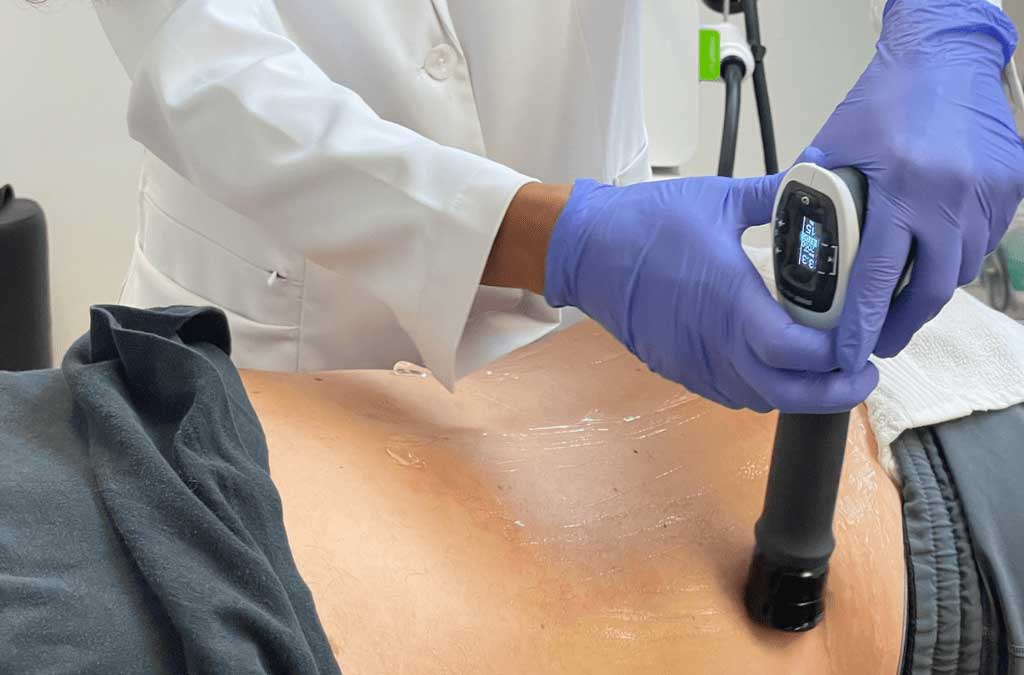
Shockwave therapy uses sound waves (not electric shocks!) to stimulate healing in your body.

Think of it like this:

Your body sometimes needs a little “wake-up call” to heal properly—and shockwave therapy is that gentle nudge.

These sound waves:

  • Improve blood flow
  • Break down scar tissue
  • Reduce inflammation
  • Trigger natural healing processes

How Does Shockwave Therapy Work?

Here’s a simple breakdown:

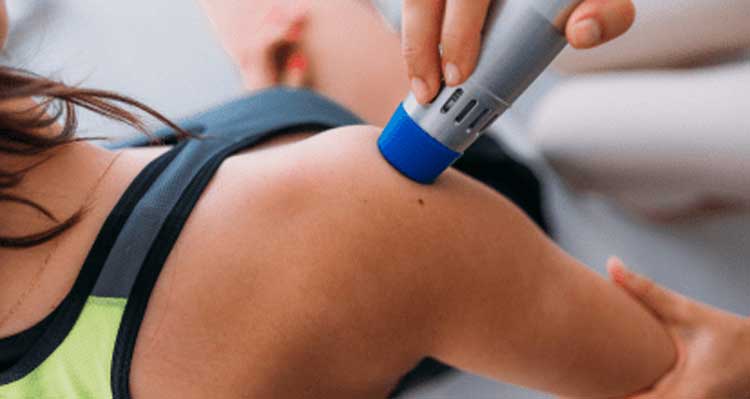
  1. A device sends sound waves into the injured area
  2. These waves create tiny “micro-stimulations”
  3. Your body responds by increasing blood flow
  4. Healing speeds up naturally

It’s kind of like:

Jump-starting a car… but instead of a battery, you’re jump-starting your body’s healing system.

Common Conditions Treated with Shockwave Therapy

Shockwave therapy is widely used in rehabilitation clinics across Canada, including at
👉 https://syncmove.ca/

It can help with:

  • Plantar fasciitis (heel pain)
  • Tennis elbow
  • Shoulder pain
  • Knee injuries
  • Achilles tendonitis
  • Chronic back pain

According to research published by organizations like the Mayo Clinic, shockwave therapy has shown strong results in treating chronic musculoskeletal pain.

Real-Life Example

Imagine this:

You wake up every morning with heel pain so bad that even walking to the kitchen feels like stepping on Lego (and we all know that’s basically a universal form of torture).

After trying stretching, ice, and painkillers with little success—you try shockwave therapy.

After a few sessions, the pain gradually decreases. Walking becomes easier. Life feels normal again.

That’s the kind of result many patients report.

Is Shockwave Therapy Painful?

Short answer: It can be slightly uncomfortable—but not unbearable.

Most people describe it as:

  • A tapping sensation
  • Mild discomfort
  • Occasionally intense in sensitive areas

But here’s the good news:

  • Sessions are short (usually 10–20 minutes)
  • The discomfort fades quickly
  • No downtime needed

A common joke among therapists:

“It’s uncomfortable—but not as uncomfortable as living with pain for months.”

What Are the Negative Side Effects of Shockwave Therapy?

Like any treatment, shockwave therapy isn’t completely side-effect free—but the risks are very minimal.

Common mild side effects:

  • Slight redness
  • Minor swelling
  • Temporary soreness
  • Bruising (rare)

These usually go away within a few days.

Important:

Shockwave therapy is non-invasive, meaning:

  • No surgery
  • No needles
  • No medication required

Who Should Avoid Shockwave Therapy?

While it’s safe for most people, it may not be recommended if you:

  • Are pregnant
  • Have a blood clotting disorder
  • Have a tumor in the treatment area
  • Use certain medications (like blood thinners)

Always consult a qualified clinic like
https://syncmove.ca/
before starting treatment.

Scientific Evidence & Latest Research

Recent studies show promising results:

  • A 2023 clinical review found that over 70% of patients experienced significant pain reduction
  • Studies in Europe and Canada confirm effectiveness for chronic tendon injuries
  • Research published in journals like The American Journal of Sports Medicine supports its use

Why Shockwave Therapy Is Growing in Canada

There’s a clear trend:

Canadians are moving away from:

  • Long-term medication
  • Invasive surgery

And toward:

  • Natural healing
  • Non-invasive therapies

Shockwave therapy fits perfectly into this shift.

Benefits of Shockwave Therapy

Here’s why people love it:

  • Fast treatment sessions
  • No recovery time
  • Long-lasting results
  • Drug-free approach
  • Cost-effective compared to surgery


A Quick Comparison

Treatment Type Invasive Recovery Time Cost
Surgery Yes Weeks/months High
Medication No Ongoing Medium
Shockwave Therapy No None Moderate

Final Thoughts (Conclusion)

Shockwave therapy is not magic—but it can feel pretty close for people dealing with chronic pain.

It works by helping your body heal itself faster, without the need for surgery or heavy medication. While there may be mild discomfort during treatment, the long-term benefits often outweigh the short-term sensations.

If you’re in Canada and considering this treatment, clinics like
https://syncmove.ca/
offer professional, personalized care to help you recover safely and effectively.

In the end, the real question isn’t “Does it work?”
It’s:

“How long do you want to keep living with pain before trying something that might actually help?”

References

  1. https://www.mayoclinic.org/tests-procedures/shockwave-therapy
  2. https://www.healthline.com/health/shockwave-therapy
  3. https://www.ncbi.nlm.nih.gov/pmc/articles/PMC6029898/
  4. https://www.webmd.com/pain-management/shockwave-therapy
  5. https://pubmed.ncbi.nlm.nih.gov
  6. https://www.physio-pedia.com/Shockwave_Therapy
  7. https://www.arthritis.ca
  8. https://www.sportsmed.org
  9. https://www.cochranelibrary.com
  10. https://www.ncbi.nlm.nih.gov/books
medical massage for pain relief

Medical Massage for Pain Relief: A Complete, Human-Friendly Guide for Canadians

Introduction

Medical massage for pain relief is becoming one of the most talked-about solutions in Canada for people dealing with everyday aches, chronic pain, and recovery after injuries. If you’ve ever said, “My back is killing me,” or “I think I slept wrong… again,” then you’re not alone.

In fact, millions of Canadians deal with pain every day—whether it’s from work, stress, sports, or just life being… well, life.

So where does medical massage for pain relief fit into all of this?

Is it just a relaxing treat? Or can it actually help reduce pain in a meaningful way?

In this article, we’ll explore everything you need to know in simple, clear English. No confusing medical terms. No exaggerated promises. Just honest information, useful tips, and a few smiles along the way.

What Is Medical Massage?

Let’s keep it simple.

Medical massage is a type of massage therapy that focuses on:

  • Treating specific health conditions
  • Reducing pain
  • Supporting recovery

Unlike a spa massage, it’s not just about relaxation.

It’s more like a targeted treatment plan.

A Simple Analogy

Think of your body like a car.

A regular massage = a car wash
Medical massage = fixing the engine

Both are useful—but for very different reasons.

How Medical Massage for Pain Relief Works

Now let’s answer the big question: how does it actually work?

1. Improves Blood Flow

Massage increases circulation, which:

  • Brings oxygen to muscles
  • Removes waste products
  • Speeds up healing

2. Reduces Muscle Tension

Tight muscles can cause pain and stiffness.

Massage helps:

  • Relax muscle fibers
  • Release knots
  • Improve flexibility

3. Affects the Nervous System

Massage sends signals to your brain.

Result:

  • Reduced pain perception
  • Increased relaxation

Humor Break: The “Magic Hands” Myth

Some people think massage therapists have magical powers.

Truth is…

It’s not magic. It’s science + skill + a lot of practice.

(But yes… sometimes it feels like magic.)

4. Reduces Inflammation

Research suggests massage can:

  • Lower inflammation
  • Support tissue repair

5. Helps Pain Signals

Massage may “confuse” pain signals in the brain.

Translation:

Your brain pays less attention to pain.

How Common Is Pain in Canada?

Let’s look at some numbers.

Statistics:

  • About 1 in 5 Canadians live with chronic pain
  • Back pain is one of the most common complaints
  • Millions seek non-drug treatments

(Source: Canadian health data)

Conditions Medical Massage Can Help With

Common Issues:

  • Back pain
  • Neck pain
  • Shoulder tension
  • Sports injuries
  • Post-surgery recovery

Chronic Pain vs Acute Pain

Acute Pain:

  • Short-term
  • Often from injury

Chronic Pain:

  • Long-lasting
  • Can affect daily life

Medical massage can help with both—but especially chronic pain.

Real-Life Example

Let’s say someone works at a desk all day.

They may develop:

  • Neck stiffness
  • Lower back pain
  • Headaches

A good plan:

  • Ergonomic setup
  • Exercise
  • Medical massage

The Role of Clinics in Canada

Professional care makes a big difference.

Clinics like Sync Move Rehab Centre provide:

  • Expert massage therapy
  • Rehabilitation programs
  • Personalized treatment

Visit: https://syncmove.ca/
Services: https://syncmove.ca/services
About: https://syncmove.ca/about

Combining Medical Massage with Rehab

Massage works best when combined with:

  • Physiotherapy
  • Stretching
  • Strength training

This creates long-term results.

Scientific Evidence

Research shows:

  • Reduced muscle soreness
  • Improved recovery
  • Lower pain levels

Example:

Studies suggest massage can reduce muscle soreness by 20–30%.

Latest Scientific Insights

Modern research focuses on:

  • Fascia (connective tissue)
  • Brain-body connection
  • Pain perception

Key Finding:

Pain is not just physical—it’s also neurological.

Emotional Benefits

Pain affects mood.

Massage can help:

  • Reduce anxiety
  • Improve sleep
  • Boost well-being

Possible Side Effects

Medical massage is generally safe.

Mild Effects:

  • Soreness
  • Fatigue
  • Temporary discomfort

When to Be Careful

Avoid or consult a doctor if you have:

  • Severe injuries
  • Blood clot risks
  • Skin conditions

Choosing the Right Therapist

Look for:

  • Certification
  • Experience
  • Good communication


Practical Tips

Before Your Session:

  • Stay hydrated
  • Wear comfortable clothing

After:

  • Drink water
  • Rest
  • Avoid heavy activity

Is It Worth It?

For many Canadians—yes.

Benefits:

  • Pain relief
  • Better movement
  • Improved quality of life

Conclusion

Medical massage for pain relief is more than just a relaxing experience—it’s a practical and effective way to manage pain, improve mobility, and support recovery. While it’s not a miracle cure, it can play a powerful role in a well-rounded treatment plan.

In Canada, clinics like Sync Move Rehab Centre offer professional, personalized care that combines medical massage with modern rehabilitation techniques. This ensures that patients receive safe, effective, and evidence-based treatment tailored to their needs.

If you’re dealing with pain and looking for a natural solution, exploring medical massage with a trusted clinic could be a valuable step forward.

Learn more: https://syncmove.ca/

References

  1. https://www.canada.ca/en/public-health
  2. https://www.ncbi.nlm.nih.gov
  3. https://www.who.int
  4. https://www.mayoclinic.org
  5. https://www.sciencedirect.com
  6. https://www.cochranelibrary.com
  7. https://www.physiotherapy.ca
  8. https://www.massagetherapycanada.com
  9. https://www.healthline.com
  10. https://www.webmd.com
how massage therapy works

How Massage Therapy Works: A Complete, Simple Guide for Canadians

Introduction

How massage therapy works is a question many Canadians ask—especially after a long workday, a tough gym session, or one of those “I slept wrong and now my neck hates me” mornings.

Massage therapy is one of the oldest healing practices in the world. Yet today, it’s still widely used across Canada for relaxation, pain relief, and recovery. But how does it actually work? Is it just about feeling good, or is there real science behind it?

In this article, we’ll explore how massage therapy works in a way that’s easy to understand, practical, and even a bit entertaining. No complicated medical jargon—just clear answers, real insights, and useful tips.

What Is Massage Therapy?

Massage therapy involves using hands (and sometimes tools) to:

  • Press
  • Rub
  • Move muscles and soft tissues

Main Goal:

To improve:

  • Circulation
  • Muscle function
  • Relaxation

A Simple Analogy

Think of your muscles like a sponge.

When they’re tight and dry, they don’t work well.

Massage helps “squeeze and release” the sponge—improving flow and flexibility.

How Massage Therapy Works in the Body

Now let’s get into the interesting part.

1. It Improves Blood Circulation

When pressure is applied to muscles:

  • Blood flow increases
  • Oxygen delivery improves
  • Waste products are removed

Why This Matters:

Better circulation = faster recovery.

2. It Reduces Muscle Tension

Tight muscles can cause:

  • Pain
  • Stiffness
  • Limited movement

Massage helps:

  • Relax muscle fibers
  • Reduce knots
  • Improve flexibility

3. It Affects the Nervous System

Massage sends signals to your brain.

Result:

  • Reduced stress
  • Increased relaxation
  • Improved mood

Humor Break: The “Ahhh” Effect

You know that moment during a massage when you go:

“Ahhh…”

That’s your nervous system saying:

“Finally. Thank you.”

4. It Lowers Stress Hormones

Studies show massage can:

  • Reduce cortisol (stress hormone)
  • Increase serotonin and dopamine

Translation:

You feel calmer and happier.

5. It Helps Pain Management

Massage can reduce pain by:

  • Relaxing muscles
  • Improving blood flow
  • Changing how the brain processes pain

Massage Therapy in Canada

Massage therapy is very popular in Canada.

Statistics:

  • Over 50% of Canadians have tried massage therapy
  • Many insurance plans cover it
  • It’s commonly used in rehabilitation

Different Types of Massage

Common Types:

  • Swedish massage – relaxation
  • Deep tissue massage – muscle tension
  • Sports massage – injury recovery
  • Therapeutic massage – medical support

When Should You Consider Massage Therapy?

It can help if you have:

  • Back pain
  • Neck stiffness
  • Stress
  • Headaches

When Massage Therapy Might Not Be Enough

Massage is helpful—but not a miracle cure.

For serious conditions:

  • Always consult a professional
  • Combine with proper treatment

The Role of Professional Clinics

This is where expert care matters.

Clinics like Sync Move Rehab Centre provide:

  • Professional massage therapy
  • Rehabilitation services
  • Personalized treatment plans

Learn more: https://syncmove.ca/
Services: https://syncmove.ca/services
Contact: https://syncmove.ca/contact

Massage Therapy and Rehabilitation

Massage is often part of a bigger plan.

Combined with:

  • Physiotherapy
  • Exercise
  • Medical care

This leads to better results.

Scientific Research on Massage Therapy

Studies show:

  • Reduced muscle soreness
  • Improved recovery
  • Lower stress levels

Example:

Research suggests massage can reduce delayed onset muscle soreness (DOMS) by up to 30%.

The Mind-Body Connection

Massage doesn’t just affect the body.

It also helps:

  • Mental health
  • Emotional balance

Common Misconceptions

Myth 1: Massage is just luxury

→ It has real health benefits.

Myth 2: More pressure = better

→ Not always. Too much pressure can harm.

Myth 3: One session fixes everything

→ Consistency matters.

Safety and Precautions

Massage is generally safe, but:

Avoid if you have:

  • Severe injuries
  • Skin infections
  • Blood clot issues

Always consult a professional.

Practical Tips Before Your First Massage

Do:

  • Stay hydrated
  • Communicate with your therapist
  • Relax

Don’t:

  • Expect instant miracles
  • Stay silent if something feels wrong

Is Massage Therapy Worth It?

For many people, yes.

Benefits include:

  • Relaxation
  • Pain relief
  • Better sleep

Conclusion

Understanding how massage therapy works helps you make better decisions about your health. It’s not just about relaxation—it’s about improving circulation, reducing stress, and supporting recovery.

In Canada, professional clinics like Sync Move Rehab Centre offer safe, effective massage therapy as part of a complete rehabilitation approach. Whether you’re dealing with stress, pain, or recovery, massage can be a valuable tool when used correctly.

Explore more: https://syncmove.ca/

References

  1. https://www.ncbi.nlm.nih.gov
  2. https://www.canada.ca/en/health-canada
  3. https://www.who.int
  4. https://www.mayoclinic.org
  5. https://www.sciencedirect.com
  6. https://www.cochranelibrary.com
  7. https://www.physiotherapy.ca
  8. https://www.massagetherapycanada.com
  9. https://www.healthline.com
  10. https://www.webmd.com