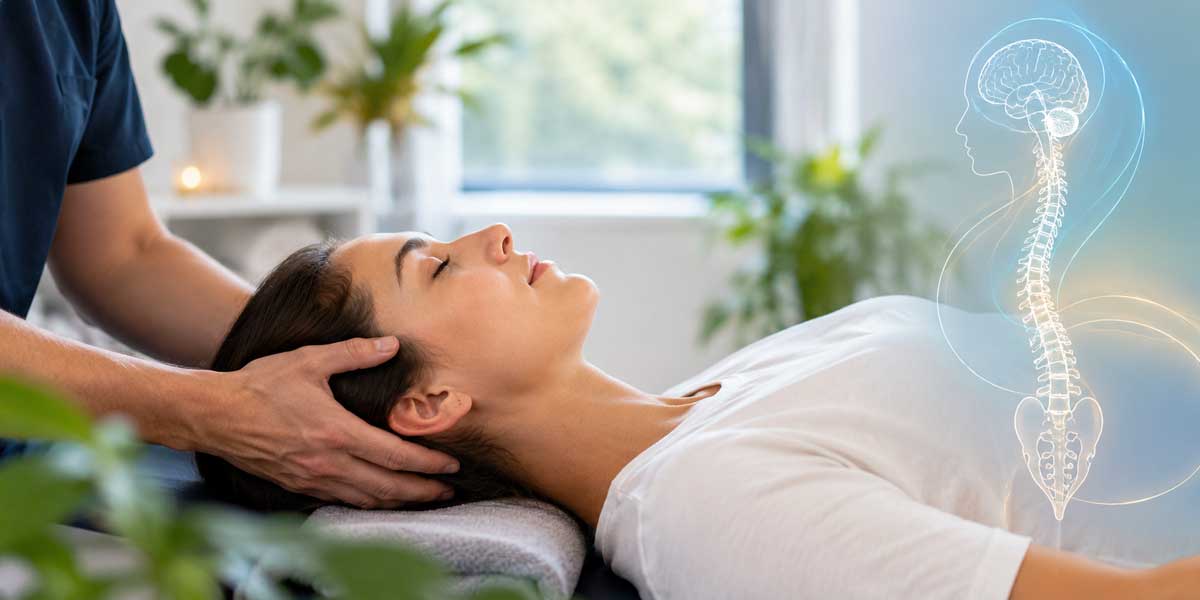
therapeutic effects of craniosacral osteopathy

Therapeutic Effects of Craniosacral Osteopathy: A Simple, Honest Guide for Canadians

Introduction

The therapeutic effects of craniosacral osteopathy have become a popular topic in Canada, especially among people looking for natural, gentle ways to improve their health. You may have heard a friend say, “It helped my stress,” or someone else say, “I finally slept better after trying it.”

But what exactly are the therapeutic effects of craniosacral osteopathy? Are they real? Are they proven? Or is it just another wellness trend that sounds good on Instagram?

In this article, we’ll explore everything in plain English—no complicated medical language. Whether you’re in Toronto, Calgary, Vancouver, or anywhere across Canada, this guide will help you understand:

  • What craniosacral osteopathy does
  • What benefits people report
  • What science says
  • Who it helps most
  • And how to use it safely

We’ll also keep things light and relatable—because learning about health shouldn’t feel like reading a boring textbook.


What Is Craniosacral Osteopathy?

Let’s start simple.

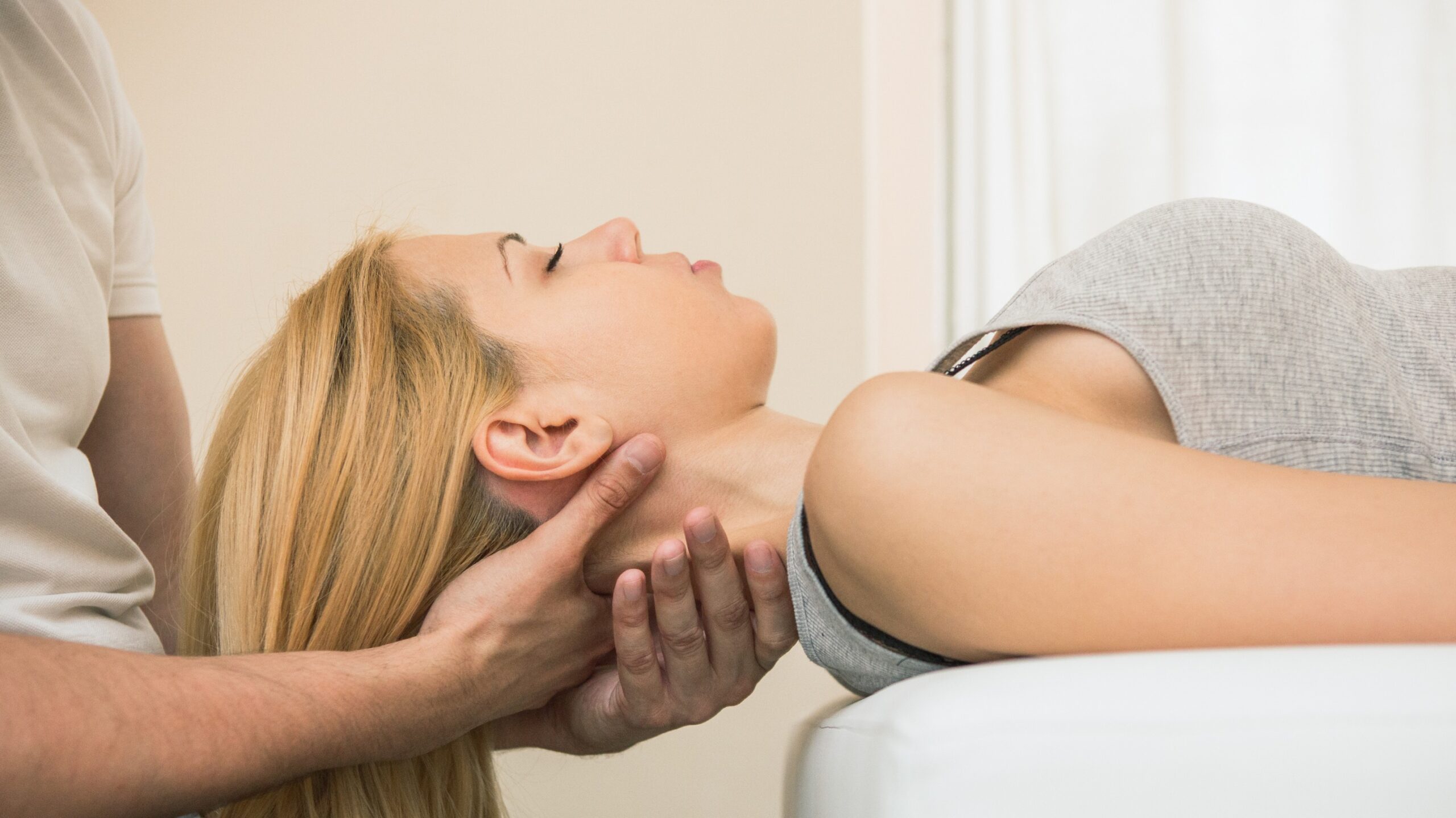
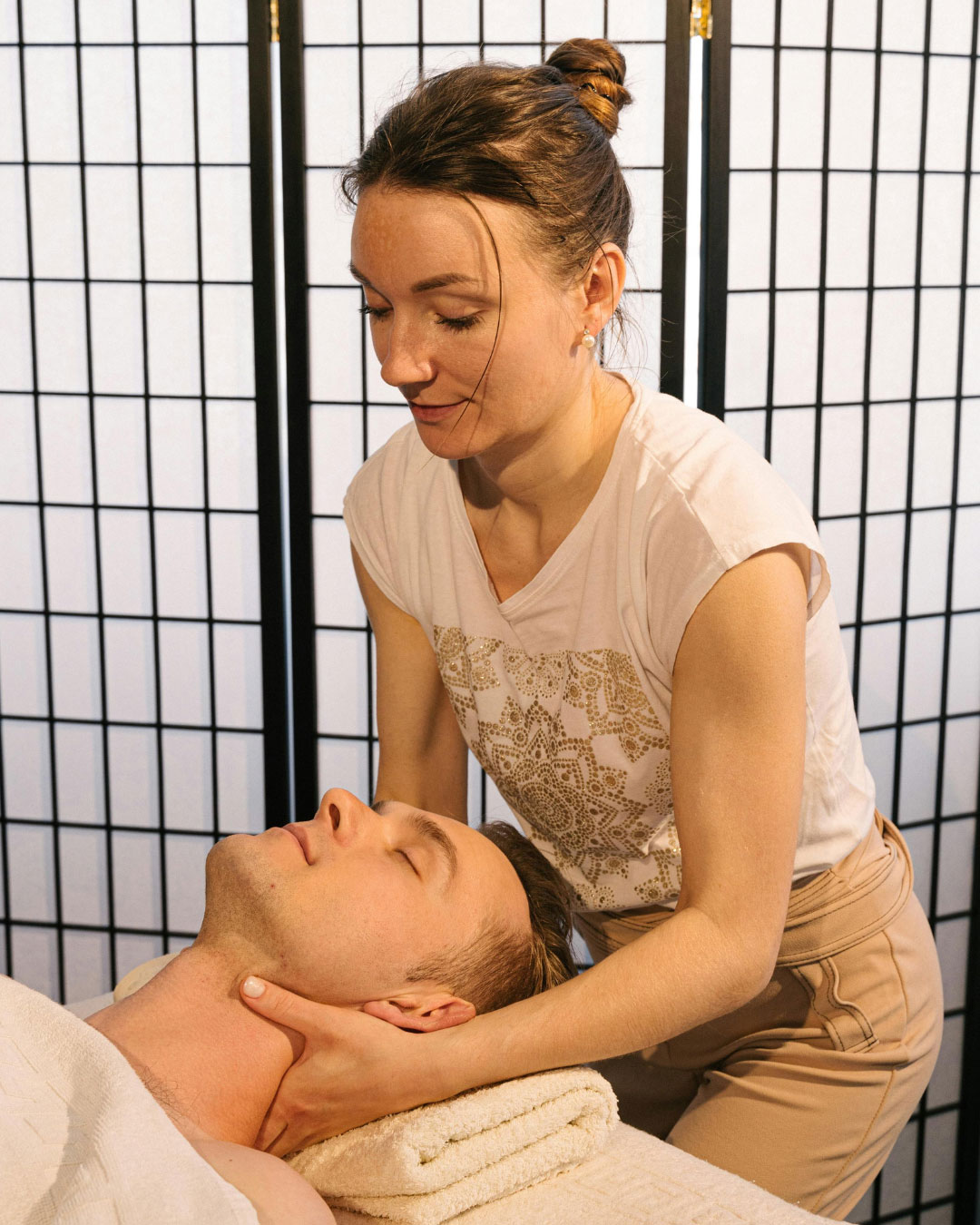
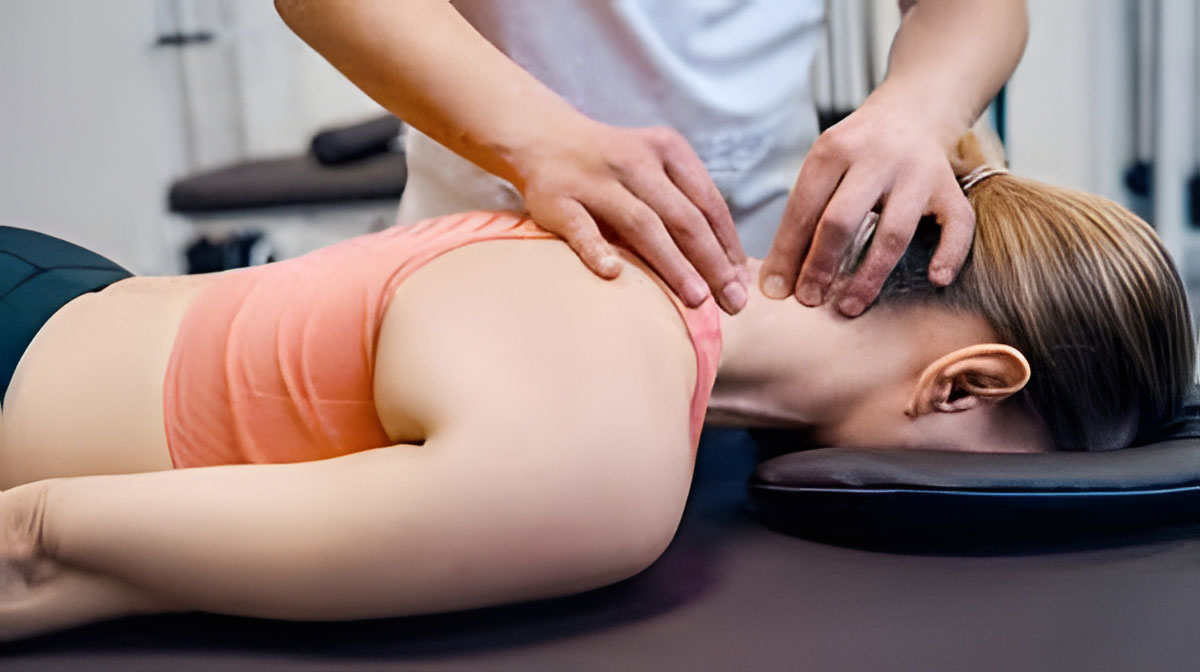
Craniosacral osteopathy is a gentle, hands-on therapy. Practitioners use very light touch to:

  • Release tension
  • Improve body movement
  • Support natural healing

Where Does It Focus?

  • Skull (cranium)
  • Spine
  • Sacrum (lower back)

Think of it as helping your body “reset” itself.

A Simple Example

Imagine your body like a snow globe.

When it’s shaken, everything is messy and cloudy.

Craniosacral therapy tries to help things settle—slowly and naturally.

Why Is It Becoming Popular in Canada?

More Canadians are exploring alternative therapies.

Statistics:

  • Around 70% of Canadians have tried at least one complementary therapy
  • Nearly 1 in 4 Canadians use manual therapies regularly

People are looking for:

  • Natural healing
  • Less medication
  • Holistic approaches

Main Therapeutic Effects Reported

Let’s get to the important part.

1. Stress Reduction

This is the most commonly reported benefit.

People often say:

  • “I feel calmer”
  • “My mind is quieter”

Why It Happens:

  • Gentle touch relaxes the nervous system
  • The body shifts from “fight or flight” to “rest mode”

2. Pain Relief

Many people use craniosacral therapy for:

  • Headaches
  • Neck pain
  • Back pain

Scientific Insight:

Some studies suggest moderate pain reduction, especially for chronic conditions.

3. Better Sleep

After sessions, people often report:

  • Falling asleep faster
  • Sleeping deeper

And let’s be honest—good sleep solves a lot of problems.

Humor Break: The Sleep Test

If a therapy helps you sleep better…

That alone might be worth it.

(Unless you fall asleep during the session and start snoring—then it’s awkward for everyone.)

4. Emotional Balance

Some people experience:

  • Reduced anxiety
  • Emotional release
  • Improved mood

Why?

The body and mind are connected.

When physical tension decreases, emotional tension often follows.

5. Improved Body Awareness

Patients often say:

  • “I feel more in tune with my body”

This can help with:

  • Posture
  • Movement
  • Injury prevention

What Does Science Say?

Here’s the honest answer:

Mixed but promising.

Research Findings:

  • Some studies show reduced pain and stress
  • Others say evidence is limited

Example:

  • A review in medical journals found small to moderate benefits
  • More large-scale studies are needed

The Nervous System Connection

Modern research focuses on the nervous system.

Craniosacral therapy may:

  • Calm the central nervous system
  • Reduce stress hormones
  • Improve relaxation response

The Power of Touch (Yes, It’s Real)

Science confirms that touch can:

  • Lower cortisol (stress hormone)
  • Increase oxytocin (feel-good hormone)

So even gentle touch has real biological effects.

Who Can Benefit Most?

Craniosacral therapy may help:

People With:

  • Chronic stress
  • Mild to moderate pain
  • Sleep issues
  • Anxiety

It may not be ideal for:

  • Serious medical conditions without proper care

Real-Life Scenario

Let’s say someone works long hours at a desk.

They may experience:

  • Neck tension
  • Headaches
  • Poor sleep

A balanced approach:

  • Exercise
  • Physiotherapy
  • Craniosacral therapy

This combination often works better than one solution alone.

The Role of Professional Clinics in Canada

Choosing the right clinic is essential.

One example is Sync Move Rehab Centre, which focuses on:

  • Evidence-based care
  • Personalized treatment
  • Safe rehabilitation

Learn more: https://syncmove.ca/
Services: https://syncmove.ca/services
About: https://syncmove.ca/about

Integrating Craniosacral Therapy with Rehab

At clinics like Sync Move, craniosacral therapy is often combined with:

  • Physiotherapy
  • Exercise programs
  • Injury recovery plans

This creates a more complete treatment approach.

Possible Side Effects

Let’s keep it real—nothing is perfect.

Common Mild Effects:

  • Temporary soreness
  • Fatigue
  • Light-headedness

These usually go away quickly.

Precautions to Consider

Avoid or consult a doctor if you have:

  • Recent head injury
  • Brain conditions
  • Severe spinal problems

Safety always comes first.

Latest Scientific Developments

New studies are exploring:

  • Fascia (connective tissue)
  • Brain-body communication
  • Stress regulation

Interesting Insight:

Gentle therapies may influence how the brain processes pain.

Common Misconceptions

Myth 1: It’s magic

→ No, it’s a supportive therapy.

Myth 2: It works instantly

→ Results vary.

Myth 3: It replaces medicine

→ It complements, not replaces.

Practical Tips Before Trying It

Do This:

  • Choose a qualified practitioner
  • Start with one session
  • Track how you feel

Don’t Do This:

  • Expect miracles
  • Ignore medical advice

Is It Worth Trying?

Short answer: yes—for the right reasons.

Good For:

  • Relaxation
  • Stress relief
  • Mild pain

Not Enough For:

  • Serious medical conditions alone

Conclusion

The therapeutic effects of craniosacral osteopathy offer a gentle, supportive way to improve well-being. While science is still catching up, many people experience real benefits such as reduced stress, better sleep, and pain relief.

In Canada, clinics like Sync Move Rehab Centre provide a professional and safe environment where craniosacral therapy can be combined with modern rehabilitation methods. This balanced approach ensures that patients receive both comfort and effective care.

If you’re curious about trying this therapy, the best step is to consult a trusted clinic and explore whether it fits your needs.

Discover more: https://syncmove.ca/

References

  1. https://www.ncbi.nlm.nih.gov/pmc
  2. https://www.canada.ca/en/health-canada
  3. https://www.who.int/news-room
  4. https://www.mayoclinic.org
  5. https://www.sciencedirect.com
  6. https://www.cochranelibrary.com
  7. https://www.physiotherapy.ca
  8. https://www.osteopathy.ca
  9. https://www.healthline.com
  10. https://www.webmd.com
craniosacral osteopathy

Craniosacral Osteopathy: Claims, Side Effects, and Precautions (A Complete Guide for Canadians)

Introduction

Craniosacral osteopathy; claims, side effects, and precautions—this is a topic that has been gaining attention across Canada and around the world. You may have heard someone say, “It completely changed my life,” while another person might shrug and say, “I didn’t feel anything.”

So what’s the truth?

Is craniosacral osteopathy a powerful healing method, or just another wellness trend?

In this article, we’ll explore everything in simple, clear language—no complicated medical jargon. Whether you’re in Toronto, Vancouver, or anywhere in Canada, this guide will help you understand:

  • What craniosacral osteopathy is
  • What it claims to do
  • What science says
  • Possible side effects
  • Who should be careful

And yes—we’ll keep things engaging, realistic, and occasionally a bit humorous. Because health topics don’t have to be boring.


What Is Craniosacral Osteopathy?

Let’s break it down simply.

Craniosacral osteopathy is a gentle hands-on therapy. Practitioners use light touch—sometimes as light as the weight of a coin—to:

  • Release tension
  • Improve body function
  • Support natural healing

Where Does the Name Come From?

  • Cranio → skull
  • Sacral → lower spine
  • Osteopathy → body structure and movement

So basically, it focuses on the connection between your head and spine.

A Quick Analogy (Because Why Not?)

Imagine your body is like a musical instrument.

If one string is tight or out of tune, the whole sound feels off.

Craniosacral therapy aims to “retune” the body—gently.

How Popular Is It in Canada?

Alternative therapies are growing fast in Canada.

Statistics:

  • Over 70% of Canadians have tried some form of alternative therapy
  • Around 20–30% use manual therapies like osteopathy regularly

(Source: Canadian health surveys & wellness reports)

That’s a lot of people looking beyond traditional medicine.

What Does Craniosacral Osteopathy Claim to Do?

Practitioners often say it can help with:

Physical Issues

  • Headaches and migraines
  • Neck and back pain
  • Chronic fatigue

Emotional & Mental Health

  • Stress and anxiety
  • Sleep problems
  • Emotional tension

Other Conditions

  • TMJ disorders
  • Post-injury recovery
  • Nervous system balance

Sounds impressive, right?

But let’s pause for a moment.

What Does Science Say?

Here’s where things get interesting.

Research Findings:

  • Some studies show reduced pain and stress levels
  • Others find limited or inconclusive evidence

Example:

  • A 2016 review found modest benefits for chronic pain
  • However, many studies had small sample sizes

Simple Summary:

  • It may help some people
  • It’s not a guaranteed solution
  • More research is needed

Humor Break: The “Did It Work?” Moment

After a session:

Patient: “I feel relaxed.”
Friend: “So was it the therapy or the quiet room and soft music?”

Honestly… maybe both.

Benefits People Report

Even without strong scientific proof, many people report:

  • Deep relaxation
  • Reduced stress
  • Better sleep

Why This Matters

Relaxation alone can:

  • Lower blood pressure
  • Improve mood
  • Support healing

So even if the mechanism isn’t fully understood, the effects can still be valuable.

Possible Side Effects

Let’s be honest—no therapy is completely risk-free.

Common Mild Side Effects:

  • Temporary soreness
  • Fatigue
  • Light-headedness

These usually go away within a day or two.

Rare but Important Concerns

Although rare, some risks may include:

  • Worsening of symptoms
  • Discomfort in sensitive areas

Important Note:

If something feels wrong—speak up immediately.

Your body is not shy. It gives signals.

Who Should Be Careful?

Craniosacral therapy is gentle, but not for everyone.

Use Caution If You Have:

  • Recent head injury
  • Brain conditions
  • Severe spinal issues
  • Bleeding disorders

Always consult a healthcare professional first.

Choosing a Qualified Practitioner in Canada

This part is very important.

Look For:

  • Proper training
  • Certification
  • Experience
  • Clear communication

Ask Questions:

  • What is your background?
  • What should I expect?
  • Are there risks for me?

If they avoid answering… that’s a red flag.

The Role of Clinics Like Sync Move Rehab Centre

In Canada, professional clinics such as Sync Move Rehab Centre focus on safe, evidence-informed care.

They combine:

  • Rehabilitation expertise
  • Manual therapies
  • Personalized treatment plans

Learn more: https://syncmove.ca/

Explore services: https://syncmove.ca/services

Integrating Craniosacral Therapy with Modern Rehab

Craniosacral therapy works best when combined with:

  • Physiotherapy
  • Exercise
  • Medical guidance

It should not replace proper medical treatment—but it can complement it.

Real-Life Example

Let’s say someone has chronic neck pain.

A balanced approach:

  • Physiotherapy for strength
  • Craniosacral therapy for relaxation
  • Lifestyle changes

This combination often works better than relying on one method.

Latest Scientific Developments

New research is exploring:

  • Nervous system regulation
  • Fascia (connective tissue)
  • Mind-body connection

Emerging Insight:

Gentle touch therapies may influence:

  • Stress hormones
  • Brain activity
  • Pain perception

Science is slowly catching up.

The Psychology Behind Touch Therapy

Human touch has powerful effects.

Studies show:

  • Touch reduces cortisol (stress hormone)
  • Increases oxytocin (feel-good hormone)

So even simple touch can:

  • Calm the mind
  • Relax the body

Common Misconceptions

Myth 1: It cures everything

→ No therapy does that.

Myth 2: It’s fake

→ It has real effects, even if not fully understood.

Myth 3: It replaces medical care

→ It should complement, not replace.

Practical Tips Before Trying It

Do This:

  • Research the practitioner
  • Start with one session
  • Pay attention to your body

Avoid This:

  • Expecting instant miracles
  • Ignoring medical advice

Is It Worth Trying?

Short answer: it depends.

Good For:

  • Relaxation
  • Mild pain
  • Stress relief

Not Ideal For:

  • Serious medical conditions alone

Think of it as a supportive tool—not a magic fix.

Final Thoughts

The topic of craniosacral osteopathy; claims, side effects, and precautions is complex—but not confusing when explained simply.

It’s a gentle therapy that may help with relaxation and stress, but it should be approached with realistic expectations and proper guidance.

In Canada, clinics like Sync Move Rehab Centre provide a safe and professional environment where such therapies can be integrated with modern rehabilitation practices. By combining knowledge, experience, and personalized care, they help patients make informed decisions about their health.

Discover more: https://syncmove.ca/

References

  1. https://www.ncbi.nlm.nih.gov/pmc
  2. https://www.canada.ca/en/health-canada
  3. https://www.who.int/news-room
  4. https://www.mayoclinic.org
  5. https://www.sciencedirect.com
  6. https://www.cochranelibrary.com
  7. https://www.healthline.com
  8. https://www.webmd.com
  9. https://www.physiotherapy.ca
  10. https://www.osteopathy.ca
physiotherapy for frozen shoulder

The Arm That Won’t Cooperate: Why Physiotherapy for Frozen Shoulder Is Your Ticket Back to the Land of the Living

Picture this: You wake up one morning, reach back to fasten your bra, and suddenly realize your arm has decided to go on strike. No warning. No picket line. Just a sharp reminder that you can’t do the simplest thing you’ve done thousands of times before.

Or maybe it’s the guy who can’t lift his arm high enough to grab the maple syrup from the top shelf at the grocery store. The weekend warrior who can’t throw a ball with his kid. The senior who can’t reach behind to put on a jacket without wincing. The hockey player who can’t lift his stick overhead to celebrate a goal that hasn’t happened in years anyway.

Welcome to frozen shoulder—medically known as adhesive capsulitis, and colloquially known as “the reason I’ve been sleeping in a recliner for three months.” It’s one of the most frustrating conditions I see in clinical practice, and I’m not even a doctor. I’m just someone who’s watched countless Canadians walk through the doors of Sync Move Rehab Centre with that familiar look of defeat, that guarded movement, that quiet resignation that says, “I guess this is just my life now.”

Spoiler alert: it’s not.

Frozen shoulder affects about 2% to 5% of the general population . That means in a room with a hundred Canadians, two to five of them are currently dealing with this nonsense. Among folks aged 40 to 65—the sweet spot where life is supposedly settled and you’re supposed to be enjoying things—the numbers climb even higher. And women? You’re disproportionately represented here, because of course you are. The universe just loves to pile on.

But here’s the thing about frozen shoulder that nobody tells you: it’s treatable. Not just “manageable” or “something you learn to live with.” Treatable. And the first line of defense, the thing that every major clinical guideline recommends, the intervention that gives you the best shot at getting your life back without going under the knife?

You guessed it. Physiotherapy for frozen shoulder.

So grab a coffee—using your good arm, we’ll work on the other one—and let’s take a deep dive into why your shoulder has betrayed you, what the latest science says about fixing it, and how Sync Move Rehab Centre can help you reclaim your range of motion.


The Great Canadian Freeze: Just How Common Is This?

Let’s start with some numbers, because Canadians love data almost as much as we love apologizing to inanimate objects we bump into.

The global frozen shoulder treatment market was valued at approximately $2.6 billion in 2024 and is projected to grow at a compound annual growth rate of 7.3% through 2034 . That’s not because pharmaceutical companies invented a fancy new pill. It’s because more people are developing frozen shoulder, and more people are seeking treatment.

Why the increase? Blame it on our old frenemies: aging population, sedentary lifestyles, and the metabolic mayhem that comes with modern living .

In Canada, the numbers mirror global trends. While we don’t have exact national figures, the prevalence of shoulder pain in general affects up to 30% of people at some point in their lives, with about half experiencing at least one episode annually . Rotator cuff problems alone account for about 180,000 Canadian adults each year .

But frozen shoulder is its own special beast. Unlike rotator cuff issues, which often involve specific tendon problems, frozen shoulder is a whole-joint rebellion. The capsule surrounding your shoulder joint—think of it as a snug, flexible sleeve that holds everything in place—becomes inflamed, then thickened, then tight. It’s like someone shrink-wrapped your shoulder joint and then left it in the sun.


The Three Stages: A Drama in Three Acts

Every good story has three acts, and frozen shoulder is no exception. Understanding where you are in this journey matters because treatment looks different at each stage.

Act One: The Freezing Stage (Duration: 6 weeks to 9 months)

This is where the trouble begins. Inflammation in the shoulder joint capsule causes pain—sometimes mild, sometimes “did someone stab me while I was sleeping?” level. The pain is often worse at night, making sleep a distant memory . About 80% of frozen shoulder patients report significantly increased nighttime pain .

During this stage, your shoulder starts losing range of motion, but the pain is the main event. You might find yourself guarding the arm, holding it close, avoiding movements that trigger the agony. This is completely understandable but also completely counterproductive, because the immobility itself becomes part of the problem .

Act Two: The Frozen Stage (Duration: 4 to 6 months)

Here’s the cruel irony of frozen shoulder: by the time you reach the frozen stage, the intense pain often starts to subside. Sounds like good news, right? Except now you discover that your shoulder is dramatically stiffer. The scar tissue that formed during the freezing phase has taken up permanent residence, and your range of motion is severely limited .

Patients in the frozen stage often can’t reach overhead, behind their back, or out to the side. Basic tasks—washing hair, putting on a seatbelt, reaching for something in the back seat—become logistical challenges requiring creative contortions .

Act Three: The Thawing Stage (Duration: 6 months to 2 years)

Gradually—and we mean glacially—the shoulder starts to loosen up. The fibrotic tissue begins breaking down, the capsule starts relaxing, and motion slowly returns .

Here’s the thing about the thawing stage: it happens naturally even without treatment. The condition is technically self-limiting, meaning it will eventually resolve on its own . But “eventually” can mean two to three years of limited function, muscle atrophy, and secondary complications like rotator cuff problems .

Dr. Jeffrey Peng, a sports medicine physician, puts it bluntly: “In my practice, I recommend a proactive and aggressive treatment strategy rather than a wait-and-see approach, because prolonged immobility during the freezing and frozen stages can lead to muscle atrophy and increase the risk of secondary complications” .

In other words: you could wait it out. Or you could actually do something about it and get your life back in months instead of years.


Who Gets Frozen Shoulder? The Usual Suspects

While frozen shoulder can strike anyone, certain groups are at higher risk. The 2025 Clinical Practice Guidelines from the Annals of Rehabilitation Medicine identified several key risk factors :

Diabetes: The Big One

If you have diabetes, your risk of frozen shoulder increases dramatically. The numbers are sobering:

  • Type 1 diabetes: Adjusted odds ratio of 1.37 (meaning 37% higher risk)
  • Type 2 diabetes: Adjusted odds ratio of 1.22 (22% higher risk)
  • Existing diabetes with HbA1c >7%: Adjusted odds ratio of 1.84 (84% higher risk)
  • Newly diagnosed type 2 diabetes: Adjusted hazard ratio of 1.31

One study found that among frozen shoulder patients aged 20 and older, 18.4% were using diabetes medications, compared to just 7.6% in the general population .

The takeaway? If you have diabetes, you need to be extra vigilant about shoulder symptoms—and extra aggressive about treatment. Poor glycemic control appears to increase both the risk and severity of frozen shoulder .

Thyroid Disease

Thyroid disorders—both hyperthyroidism and hypothyroidism—are also associated with increased risk. One study found an adjusted hazard ratio of 1.22 for hyperthyroidism, while another reported an adjusted odds ratio of 1.34 for thyroid disorders overall .

Dyslipidemia

Yes, your cholesterol levels matter too. High cholesterol is associated with increased frozen shoulder risk, likely due to its role in systemic inflammation .

Age and Sex

Frozen shoulder primarily affects people between 40 and 65 years old . Women are affected more often than men, though the exact ratio varies across studies .

Other Associations

Some research suggests links to Dupuytren’s contracture, Parkinson’s disease, and certain medications, though the evidence is less robust .


The Diagnosis: Trust Your Physio, Not Just the Machine

Here’s something that might surprise you: you don’t need an MRI to diagnose frozen shoulder.

The 2025 clinical practice guidelines are crystal clear on this point: “Ultrasound and magnetic resonance imaging should be used as adjunctive tools alongside clinical diagnosis, and not as independent diagnostic methods” .

Why? Because frozen shoulder is primarily a clinical diagnosis. Your physiotherapist or doctor can tell what’s going on by taking a detailed history and performing a physical examination. They’ll assess both active and passive range of motion—meaning they’ll move your arm for you to see what your shoulder can do when you’re not fighting it .

Imaging is reserved for cases where the presentation is atypical or when other conditions (like rotator cuff tears or arthritis) need to be ruled out .

At Sync Move Rehab Centre, we start with a thorough assessment that includes:

  • Discussion of your symptoms, timeline, and risk factors
  • Range of motion testing (both active and passive)
  • Strength assessment
  • Special tests to rule out other shoulder pathologies

This detective work is essential because treatment differs depending on what’s actually wrong. You wouldn’t treat a rotator cuff tear the same way you treat frozen shoulder, even though the symptoms can overlap.


The Treatment Toolbox: What Actually Works

Alright, let’s get to the good stuff. What treatments actually work for frozen shoulder? The evidence is robust, and the options are varied.

  1. Physiotherapy: The Foundation

Every major guideline agrees: exercise therapy is essential for frozen shoulder management .

A 2026 review in The American Journal of Medicine confirms that “corticosteroid injection and physical therapy provide meaningful benefit in appropriately selected patients” .

What does physiotherapy for frozen shoulder look like?

Range of Motion Exercises: These are the bread and butter of frozen shoulder rehab. Gentle, progressive stretching helps maintain and restore mobility. Pendulum exercises—where you lean forward and let your arm hang, then gently swing it—are often the starting point .

Manual Therapy: Hands-on techniques from your physiotherapist can help mobilize stiff joints and tight soft tissues. Joint mobilizations (controlled passive movements) and soft tissue release techniques complement your active exercises .

Strengthening: Once range of motion improves, strengthening the rotator cuff and scapular stabilizers becomes important. Weak muscles contribute to poor mechanics and increase the risk of recurrence .

Home Exercise Program: Here’s the truth bomb: what you do at home matters more than what happens in the clinic. Systematic reviews show that while formal physiotherapy visits can be beneficial, “what remains consistently clear across all studies is the critical importance of a dedicated stretching regimen” .

At Sync Move Rehab Centre, we don’t just give you exercises—we teach you how to do them correctly, how to progress them safely, and how to stay motivated when progress feels slow.

  1. Corticosteroid Injections: The Pain-Busting Partner

Sometimes exercise alone isn’t enough because pain limits your ability to move. This is where corticosteroid injections shine .

A systematic review and network meta-analysis published in JAMA Network Open found that intra-articular corticosteroid injections were both statistically and clinically superior to other treatments for short-term pain relief and functional improvement .

The key insight? Combining cortisone injections with exercise maximizes your chances of recovery .

Timing matters too. Injections are most effective during the freezing stage, when inflammation is the dominant problem . Early intervention can reduce inflammation, minimize scar tissue formation, and potentially shorten the overall duration of the condition.

Are steroid injections safe? For shoulders, yes. The chondrotoxic effects of corticosteroids that worry doctors for weight-bearing joints like knees and hips are less concerning for the shoulder, which doesn’t bear weight in the same way .

  1. Capsular Distension (Hydrodilation): The Balloon Trick

This is one of the more clever interventions for frozen shoulder. Under ultrasound guidance, a large volume of sterile saline (mixed with corticosteroid and local anesthetic) is injected directly into the shoulder joint. The goal? Stretch the joint capsule from the inside, like inflating a water balloon .

A network meta-analysis in the American Journal of Sports Medicine found that capsular distension ranked highest among nonsurgical treatments for reducing pain and improving function .

What makes hydrodilation particularly useful is that it works at every stage of frozen shoulder. While corticosteroid injections are most effective during the freezing phase, hydrodilation remains valuable during the frozen phase or even during slow thawing .

Dr. Peng notes, “In my practice, I recommend a combination of corticosteroid injection, capsular distension, and exercise therapy as the preferred treatment regimen for all patients with frozen shoulder” .

  1. The Multisite Approach: Targeting All the Pain Generators

Here’s something fascinating from a 2026 prospective study published in the Journal of Orthopaedic Case Reports: targeting multiple pain generators works better than single-site injections .

Researchers in India studied 94 patients with primary frozen shoulder, confirmed by ultrasound and X-ray. Instead of just injecting the glenohumeral joint, they injected multiple sites based on clinical tenderness and ultrasound findings—including the subacromial space, subdeltoid space, and areas around the biceps tendon .

The results were dramatic:

  • Abduction increased from 124° to 173° (P = 0.001)
  • Forward flexion improved from 123° to 174° (P = 0.040)
  • External rotation increased from 26° to 55° (P = 0.009)
  • ASES score (shoulder function) improved from 28.8 to 92.5 (P = 0.001)
  • Pain scores dropped from 6.7 to 0.4 on the Visual Analog Scale

The study authors concluded that “patient-specific multi-site steroid infiltration significantly reduces pain and improves ROM and clinical outcomes in FS patients” .

The takeaway? Frozen shoulder isn’t just a glenohumeral joint problem—it involves multiple structures. Treating all of them makes sense.

  1. Other Options: Shockwave, Laser, and PRP

Several other treatments have evidence behind them, though they’re typically second-line or adjunctive:

Extracorporeal Shockwave Therapy: High-energy sound waves delivered to the affected area can reduce pain and inflammation, stimulate blood flow, and promote healing. A randomized trial in diabetic patients with frozen shoulder found that shockwave therapy produced better outcomes at 12 weeks than corticosteroid injections . The downside? It’s not covered by insurance, costing about $150–250 per session, with 3-5 sessions typically needed .

Laser Therapy: Low-level laser therapy may help reduce pain and inflammation, though the evidence is less robust than for other modalities .

Platelet-Rich Plasma (PRP): This regenerative treatment uses your own blood components to promote healing. A systematic review in Arthroscopy found PRP injections for adhesive capsulitis “at least equivalent to corticosteroid or saline injections” with improved outcomes at 3-6 months . However, PRP is expensive ($750–1,500 per injection) and not covered by insurance, making the cost-benefit ratio questionable given other effective options .

Suprascapular Nerve Block: This involves injecting anesthetic around the nerve that provides sensation to the shoulder. Evidence is mixed—some studies show benefit, others don’t—and the procedure isn’t widely available .

  1. Medications: Short-Term Help, Not Long-Term Solution

Non-steroidal anti-inflammatory drugs (NSAIDs) like ibuprofen, naproxen, and diclofenac can help manage pain in the short term. The goal should be to control pain well enough to participate effectively in exercise therapy .

But long-term NSAID use carries risks: increased risk of heart attack, stroke, high blood pressure, kidney damage, and stomach problems . Occasional use is generally safe; daily use for weeks or months is not.

Oral corticosteroids have shown short-term benefits but concerns about systemic side effects—especially in people with diabetes—limit their use .

  1. Surgery: The Last Resort

For severe cases that fail to respond to conservative treatment, surgical options exist:

Manipulation Under Anesthesia (MUA): The patient is put under general anesthesia, and the surgeon forcibly moves the shoulder to break up adhesions. No incisions are made .

Arthroscopic Capsular Release: A minimally invasive procedure where the surgeon makes small incisions and cuts through the thickened capsule .

The UK FROST trial, a landmark study published in The Lancet involving over 500 patients, found that at one year post-treatment, none of the three interventions (MUA, arthroscopic release, or early structured physiotherapy with steroid injection) were clinically superior to the others. Importantly, all ten serious adverse events occurred in the surgical groups .

A separate prospective trial found that MUA and arthroscopic release yielded similar improvements, but MUA was more cost-effective .

The bottom line? Surgery works, but it carries risks and should be reserved for patients who have truly exhausted non-surgical options . Given the effectiveness of combining capsular distension, corticosteroid injections, and exercise therapy, many patients never need to consider surgery.


The Physiotherapy Difference: What Happens at Sync Move Rehab Centre

So you’re convinced. You want to try physiotherapy. What actually happens when you walk through our doors?

Step 1: The Assessment

Your first visit is all about understanding your story. We ask questions—lots of them—because your frozen shoulder is as unique as your fingerprint.

  • When did this start?
  • What makes it better? What makes it worse?
  • How’s your sleep? (Spoiler: probably not great)
  • Do you have diabetes, thyroid issues, or high cholesterol?
  • What have you tried already?
  • What are your goals? (Reach a high shelf? Sleep through the night? Throw a ball again?)

Then comes the movement assessment. We watch you move—or try to move. We measure your range of motion precisely. We feel for areas of tenderness. We assess your strength and look for compensatory patterns .

Step 2: The Diagnosis

Based on our findings, we determine what stage of frozen shoulder you’re in. This matters because treatment differs by stage.

  • Freezing stage: Focus on pain management, gentle mobility, and preserving as much motion as possible
  • Frozen stage: More aggressive stretching, manual therapy, and maintaining function
  • Thawing stage: Progressive strengthening and return to full activity

Step 3: The Treatment Plan

Your personalized plan might include:

Hands-on Treatment: Manual therapy to mobilize stiff joints and tight soft tissues

Exercise Prescription: Specific stretches and strengthening exercises tailored to your stage and limitations

Pain Management Strategies: Advice on heat, ice, and activity modification

Home Program: A structured plan for what to do between visits—because consistency is everything

Coordination with Other Providers: If you need injections or have other medical conditions, we work with your doctor to coordinate care

Step 4: Follow-Up and Progression

We see you regularly to monitor progress, adjust your program, and keep you motivated. Frozen shoulder recovery is a marathon, not a sprint. Having a knowledgeable guide makes all the difference.


What You Can Do Right Now (Seriously, Today)

While we’d love to see you at Sync Move Rehab Centre, we also want you to start feeling better immediately. Here are evidence-based things you can try today:

  1. Pendulum Swings

Lean forward, supporting yourself with your good arm on a table or counter. Let your affected arm hang straight down. Gently swing it in small circles—clockwise, then counterclockwise. Do this for 30-60 seconds, twice daily .

  1. Towel Stretches

Hold a towel behind your back with your good hand gripping the top and your affected hand gripping the bottom. Gently pull up with your good hand to stretch the affected shoulder into internal rotation. Hold for 15-30 seconds .

  1. Crossover Stretch

Use your good arm to gently pull your affected arm across your body, stretching the back of the shoulder. Hold for 15-30 seconds .

  1. Finger Walk

Face a wall and “walk” your fingers up the wall as high as you can comfortably go. Hold for 15-30 seconds. Do this facing the wall (for flexion) and with your side to the wall (for abduction) .

  1. Heat Before Stretching

Applying heat for 10-15 minutes before stretching can help loosen tissues and make stretching more effective .

  1. Be Consistent

Here’s the most important advice: do your exercises every day. Twice a day is even better . Frozen shoulder improves with consistent, gentle movement. Skipping days allows stiffness to creep back in.

  1. Don’t Push Through Sharp Pain

There’s a difference between “good pain” (stretching sensation) and “bad pain” (sharp, catching, worsening). Listen to your body. If something hurts in a bad way, back off .


When to Worry (And When Not To)

Most frozen shoulder is straightforward and responds well to conservative treatment. But there are times when you need additional medical attention:

See a doctor if:

  • You have severe pain that doesn’t improve with conservative care
  • You experience sudden weakness or numbness in the arm
  • You have a history of significant trauma
  • You develop fever or other systemic symptoms
  • Conservative treatment fails after 3-6 months

Red flags are rare, but they matter. Most shoulder pain is not an emergency, but it’s always better to err on the side of caution.


The Bottom Line: Your Shoulder Wants to Thaw

Here’s the truth about frozen shoulder: it’s miserable, it’s frustrating, and it takes time. But it’s also highly treatable.

The evidence is clear. International guidelines are unanimous. Physiotherapy works. Combined with appropriate medical interventions like corticosteroid injections or capsular distension, the vast majority of people with frozen shoulder recover fully without surgery.

The key is to start early and stay consistent. Don’t wait until you’re in the frozen stage to seek help. Don’t assume that “waiting it out” is your only option. And don’t settle for living with an arm that won’t cooperate.

At Sync Move Rehab Centre, we’ve helped hundreds of Canadians thaw their frozen shoulders and get back to doing what they love. We combine evidence-based treatment with genuine compassion and a healthy dose of humour—because let’s face it, if you can’t laugh at the absurdity of not being able to reach your own back pocket, this condition will drive you crazy.

Your shoulder isn’t broken. It’s just frozen. And like any frozen thing, it can thaw.

Let’s get started.


References

  1. Data Insights Market – Frozen Shoulder Treatment Comprehensive Market Study 2026-2034 [Market analysis showing $2.6 billion global treatment market with 7.3% CAGR through 2034]
  2. Annals of Rehabilitation Medicine – Clinical Practice Guidelines for Diagnosis and Non-Surgical Treatment of Primary Frozen Shoulder [2025 clinical guidelines identifying diabetes, thyroid disease, and dyslipidemia as major risk factors with detailed statistical analysis]
  3. TrialX – Conventional-therapy & FES-therapy In-Veritas Effects Study [2026 Toronto clinical trial excluding frozen shoulder patients, confirming reduced passive ROM as exclusion criterion]
  4. Capria Care Collective – Physiotherapy for Shoulder Pain *[Canadian clinic resource with prevalence data: 2-5% population affected, 30% lifetime shoulder pain prevalence]*
  5. PubMed – Frozen shoulder: Diagnosis and treatment of adhesive capsulitis (Am J Med 2026) [2026 review confirming physical therapy and corticosteroid injections provide meaningful benefit, with surgery reserved for refractory cases]
  6. Oxford University Press/Pain Medicine – Combined coracohumeral and coracoacromial ligament release for refractory frozen shoulder [2026 study on minimally invasive procedures for refractory frozen shoulder]
  7. 原创力文档 – 2026年肩周炎疾病研究报告 [Research report noting 80% of frozen shoulder patients experience increased nighttime pain]
  8. Dr. Jeffrey Peng MD – Frozen Shoulder Treatments That Actually Work: Evidence-Based Guide *[Comprehensive 2026 evidence-based guide covering three stages, corticosteroid injections, capsular distension, PRP, shockwave therapy, and UK FROST trial results]*
  9. Journal of Orthopaedic Case Reports – Outcomes of Clinico-radiologically Predetermined Patient-specific Multi-site Steroid Injection in Primary Frozen Shoulder [2026 prospective study showing dramatic improvements: abduction 124°→173°, ASES score 28.8→92.5, VAS pain 6.7→0.4]
  10. ScholarWorks – Clinical Practice Guidelines for Diagnosis and Non-Surgical Treatment of Primary Frozen Shoulder *[2025 guidelines confirming risk factors, diagnostic approach, and evidence-based non-surgical treatments]*
  11. Sync Move Rehab Centre – Official Website [Your trusted partner in rehabilitation and movement health]


osteopathy for knee pain

The Hands-On Approach: Why Osteopathy for Knee Pain Deserves a Spot on Your Treatment Team

Let me paint you a picture that might feel painfully familiar.

You’re standing in your kitchen, coffee in hand, staring at the top shelf where you know the good maple syrup lives. You rise up on your toes, reach forward, and then it hits you—that familiar twinge in your knee that stops you mid-motion. Not quite a sharp pain, not quite a dull ache. Just a reminder that your knee has become that coworker who’s always complaining about something.

Or maybe it’s the first few steps in the morning, when your knees sound like a bowl of Rice Krispies and feel about as reliable. The dreaded “getting out of bed” shuffle that makes you feel decades older than your actual age.

Knee pain is the great equalizer. It hits hockey players and knitters, runners and gardeners, teenagers who overdid it at soccer practice and grandparents who just want to play on the floor with their grandkids. In British Columbia alone, nearly 9% of adults report knee osteoarthritis—making it the most common site of physician-diagnosed OA in the province . And that’s just the diagnosed cases. That doesn’t count the patellofemoral pain syndromes, the meniscus tweaks, the IT band issues, and all the other creative ways our knees find to complain.

You’ve probably tried the usual suspects. Ice packs that have become permanent fixtures on your coffee table. Overpriced knee sleeves from Amazon that promised miracles and delivered mild compression. Maybe even some stretches you found on YouTube that left you more confused than helped.

But here’s a question worth considering: have you thought about osteopathy for knee pain?

Before you click away thinking “isn’t that just fancy massage?” or “I thought osteopaths only did backs,” stick with me. Because the evidence is mounting, the research is getting interesting, and the hands-on approach of osteopathy might be exactly what your knee has been begging for.

At Sync Move Rehab Centre, we believe in building you a complete treatment team—and for many knee pain sufferers, that team works better when osteopathy is at the table. So let’s take a deep, friendly dive into what osteopathy actually is, what the science says, and whether those skilled hands might be the missing piece in your knee pain puzzle.


First Things First: What Even Is Osteopathy?

Before we get into the knee-specific stuff, let’s clear up a common source of confusion. Osteopathy isn’t chiropractic, though they’re cousins. It’s not massage therapy, though there’s some overlap. And it’s definitely not “woo-woo” medicine, despite what skeptics might assume.

Osteopathy is a regulated health profession built on a pretty simple philosophy: your body has an incredible ability to heal itself, and your job is to remove the barriers getting in its way. Osteopaths use their hands to diagnose, treat, and prevent a wide range of health problems. They’re trained to look at your body as an integrated whole rather than a collection of unrelated parts.

Think of it this way: if your knee hurts, a conventional approach might look at the knee. An X-ray, maybe an MRI, some anti-inflammatories, perhaps a referral to a specialist. All perfectly reasonable, by the way. But an osteopath might also look at your ankle (is it moving properly?), your hip (are the muscles weak?), your pelvis (is it tilted?), and even your opposite leg (are you compensating without realizing it?).

Because here’s the thing about knees: they’re at the mercy of everything above and below them. Your foot hits the ground, that force travels up through your ankle, gets absorbed and transferred by your knee, and continues up to your hip and spine. If any part of that chain isn’t working right, your knee pays the price.

Osteopathic treatment—often called osteopathic manipulative treatment or OMT—involves gentle, hands-on techniques to improve joint mobility, release tight muscles, reduce tension in connective tissue, and help everything move the way it’s supposed to. It’s not about cracking or popping (though that can happen incidentally). It’s about restoring normal movement and letting your body do what it does best.


The Knee Pain Landscape: What We’re Actually Dealing With

Alright, let’s get specific. When we talk about knee pain in Canada, what are we actually talking about?

Osteoarthritis: The 800-Pound Gorilla

If knee pain had a Most Wanted list, osteoarthritis would be at the top. It affects approximately three million Canadians, most commonly at the knee . That’s more than the entire population of Manitoba.

A 2022 study in British Columbia found that 8.8% of adults reported physician-diagnosed knee osteoarthritis, making it the most common site-specific OA in the province . Among those with OA, more than 40% had it in multiple joints —meaning if your knee is complaining, there’s a decent chance your hands, hips, or other knee are joining the chorus.

Globally, the numbers are even more staggering. Knee osteoarthritis affects over 650 million people worldwide . Women are 1.7 times more likely to develop it than men, and among adults over 60, approximately 18% of women and 10% of men experience symptomatic knee OA .

But here’s the thing about knee OA: it’s not just “wear and tear” like your grandpa’s old truck. It’s an active disease process involving the whole joint—cartilage, bone, ligaments, muscles, and the lining of the joint itself. And while we can’t reverse the underlying changes, we absolutely can manage the symptoms, improve function, and keep people moving.

Beyond Arthritis: Other Knee Complaints

Osteoarthritis isn’t the only player. A 2025 article from an Ottawa chiropractic clinic breaks down the landscape:

  • Patellofemoral Pain Syndrome (Runner’s Knee): Accounts for up to 25% of all knee complaints, especially in young adults and active people . That’s pain around or behind the kneecap, often from poor alignment or muscle imbalances.
  • Meniscus Tears: About 60,000 to 70,000 cases treated annually in Canada . These cartilage tears are common in both sports injuries and aging knees.
  • Ligament Injuries (ACL, MCL): Over 10,000 Canadians annually deal with ACL injuries alone, often from skiing, soccer, or basketball .
  • Iliotibial Band Syndrome: The leading cause of lateral knee pain in runners and cyclists .

The takeaway? Knee pain is wildly common, varies widely in cause, and affects Canadians across all ages and activity levels.


What the Science Says: Osteopathy for Knee Pain

Now for the million-dollar question: does osteopathy actually work for knee pain? Let’s look at the evidence.

The 2024 Swiss Randomized Controlled Trial

One of the most direct studies on this topic comes from a 2024 randomized controlled trial published through the Osteopathic Research Web . Researchers led by Ralf Dierenbach wanted to know whether osteopathic treatment specifically targeting the kneecap (patella) could improve pain, mobility, and quality of life in people with chronic knee pain.

Here’s what they did: Thirty-eight participants with chronic knee pain were randomized into two groups. The intervention group received three osteopathic treatments spaced six weeks apart. The control group received three physiotherapy treatments focused on mobilizing the patella. Both groups were followed with questionnaires every six weeks.

The results? Pretty impressive.

For the osteopathy group, KOOS pain scores improved significantly more than the control group, with a mean difference of 13.6 points (95% CI: 7.65 to 19.5, p < 0.001). For context, that’s a clinically meaningful improvement—the kind of change patients actually notice in their daily lives.

Significant improvements were also seen across nearly all other measures —function, quality of life, and additional pain scales. Only one subscale (KOOS Symptoms) didn’t show significant difference. And importantly, no adverse effects were reported .

The study authors concluded that “it can be assumed that osteopathic treatment of the patella can lead to improvements in pain, mobility, and quality of life for a large portion of knee pain patients” .

Now, a few caveats: this was a single-center study with a relatively small sample size (33 completed the study). It wasn’t blinded, which means participants knew what treatment they were getting. And it was privately funded by the study director. So we need to interpret the results with appropriate caution.

But here’s what’s exciting: this is precisely the kind of preliminary evidence that justifies larger, multi-center trials. It suggests there’s something real happening worth investigating further.

The 2026 Musculoskeletal Review

A January 2026 review in Osteoarthritis and Cartilage looked broadly at non-pharmacological, non-surgical treatments for osteoarthritis across multiple joints . The review team, including researchers from La Trobe University in Australia, synthesized studies published between March 2024 and March 2025.

Their findings on manual therapy? The evidence was categorized under “adjunct treatments,” and the results were mixed but promising. While the review didn’t single out osteopathy specifically, it noted that manual therapy approaches show region-specific effects and inconsistent outcomes across studies —meaning they work for some people and some joints better than others .

This aligns with what we see clinically: manual therapy isn’t a magic bullet, but for the right patient with the right presentation, it can be a game-changer.

The 2026 PubMed Evidence Summary

A February 2026 review in FP Essent looked at physical modalities for musculoskeletal treatments more broadly . The authors found low- to moderate-certainty evidence supporting the use of osteopathic manipulative treatment for pain management across multiple body regions .

They also made an important point: most evidence suggests that treatments for chronic pain are best used in combination, such as in multidisciplinary rehabilitation programs . This isn’t about osteopathy versus physiotherapy versus massage. It’s about osteopathy and physiotherapy and other approaches working together.

The 1998 Study That Keeps Coming Up

Here’s where things get a little awkward. If you search for osteopathy and knee pain, you’ll eventually stumble across a 1998 study published in the Journal of the American Osteopathic Association that looked at osteopathic manipulative treatment in patients undergoing knee or hip replacement surgery .

The results weren’t great for OMT. In fact, among patients with osteoarthritis who underwent total knee arthroplasty, the OMT group actually did worse: length of stay was 15.0 days versus 8.3 days in the sham group (p = 0.004), and rehabilitation efficiency was significantly lower .

Before you throw out osteopathy entirely based on a 27-year-old study, consider a few things:

  1. This was a post-surgical population, not people with knee pain seeking conservative care
  2. The OMT protocol was delivered in a specific way that may not reflect current practice
  3. The study is from 1998—osteopathic technique and research methodology have evolved considerably since then
  4. The authors themselves concluded that “the OMT protocol used does not appear to be efficacious in this hospital rehabilitation population” —not that OMT is never useful for any knee condition

The lesson here is that context matters. Osteopathy may not be ideal for immediate post-surgical recovery, but that doesn’t mean it has no role in knee pain management.


The Bigger Picture: What Guidelines Actually Recommend

To understand where osteopathy fits, it helps to look at what major clinical guidelines say about conservative knee pain treatment overall.

A November 2025 systematic review in Bone & Joint Open examined 13 international clinical practice guidelines for knee osteoarthritis management . The findings were revealing.

The Core Four (Everyone Agrees)

Across all guidelines, there was broad consistency on four core interventions:

  1. Exercise therapy (strongly recommended by everyone)
  2. Self-management advice and education
  3. Weight management for those carrying extra weight
  4. Walking aids when appropriate

These are the non-negotiables. If you have knee pain and you’re not doing these things, start here regardless of anything else.

The “It Depends” Category (Where Manual Therapy Lives)

For interventions like manual therapy (which includes osteopathy, chiropractic, and various hands-on techniques), the guidelines showed notable variation . Some recommended manual therapy conditionally, others were silent, and a few expressed uncertainty .

The review authors noted that these variations “relate to how the guideline groups interpreted generally low levels of evidence” . In other words, the evidence isn’t strong enough for universal recommendations, but it’s also not strong enough to say “this definitely doesn’t work.”

What This Means for You

If you’re hoping for a definitive “osteopathy is proven to cure knee pain,” I can’t give you that. The evidence isn’t there yet. But if you’re looking for a reasonable, low-risk option that might help—especially when combined with core treatments like exercise and education—osteopathy is absolutely worth considering.

The 2026 chronic knee pain review in Pain Practice put it well: when conservative measures fail to provide satisfactory pain relief, a multidisciplinary approach is recommended including psychological therapy, integrative treatments, and procedural options .

Osteopathy falls under “integrative treatments”—and for many patients, it’s the piece that finally clicks everything into place.


How Osteopathy Approaches Knee Pain: The Clinical Reality

So what does osteopathy for knee pain actually look like in practice? Let me walk you through a typical scenario at Sync Move Rehab Centre.

The Assessment: Looking Beyond the Knee

Your first visit starts with questions—lots of them. Your osteopath wants to understand not just where it hurts, but the whole story.

  • When did this start? Gradual onset or sudden injury?
  • What makes it better? What makes it worse?
  • How does it affect your daily life—work, sleep, activities?
  • What have you tried already?
  • Do you have any other health conditions (diabetes, thyroid issues, etc.)?
  • What are your goals? (Run a 5K? Garden without pain? Sleep through the night?)

Then comes the physical assessment. But here’s where osteopathy differs from a purely local approach. Your osteopath isn’t just looking at your knee. They’re watching you walk, stand, squat. They’re checking your foot mechanics, your ankle mobility, your hip strength, your pelvic alignment. They might assess your lower back and even your opposite leg.

Because remember: your knee is the messenger, but the message might be coming from elsewhere.

The Treatment: Hands-On and Personalized

Based on the assessment findings, your osteopath develops a treatment plan tailored to you. This might include:

Soft Tissue Techniques: Gentle massage and stretching of tight muscles around the knee—the quads, hamstrings, calves, IT band. If muscles are pulling unevenly on your kneecap or joint, releasing tension can make a big difference.

Joint Mobilizations: Gentle, rhythmical movements to improve the range of motion in stiff joints. This might include the kneecap itself (remember that Swiss study?), the main knee joint, or even the ankle and hip if they’re contributing.

Articulatory Techniques: Taking joints through their full range of motion in a gentle, repetitive way to improve mobility and reduce restriction.

Myofascial Release: Gentle, sustained pressure on connective tissue (fascia) to release restrictions and improve movement.

Cranial Osteopathy: For some patients, very gentle work on the head and sacrum can influence the whole body’s balance. This isn’t for everyone, but for certain presentations, it’s remarkably effective.

Advice and Self-Management: Your osteopath will also give you things to do at home—stretches, exercises, activity modifications—to support the hands-on work.

The Integration: Working With Your Team

Here’s the thing about osteopathy at Sync Move Rehab Centre: it’s not meant to replace everything else. It’s meant to work alongside it.

Maybe you’re seeing a physiotherapist for exercise prescription and a massage therapist for soft tissue work. Osteopathy can complement both by addressing joint restrictions and whole-body patterns that neither modality tackles alone. Maybe you’re preparing for knee replacement surgery—osteopathy beforehand might help optimize your function going in, even if it’s not recommended immediately after.

The goal isn’t to make you dependent on any single practitioner. It’s to give your body what it needs to heal itself, then step back and let it do its thing.


The Research Frontier: What’s Coming Next

The evidence base for osteopathy and knee pain is growing. Here’s what’s on the horizon.

Ongoing Studies

The Osteopathic Research Web lists several ongoing and recently completed studies related to knee pain . These include investigations into specific techniques, comparisons with other modalities, and outcomes in different patient populations.

The Push for Better Evidence

Researchers themselves acknowledge the limitations of current evidence. Small sample sizes, lack of blinding, variability in techniques, and inconsistent outcome measures all make it harder to draw firm conclusions.

But here’s the optimistic take: the fact that researchers are actively working on these questions means the field is maturing. We’re moving from “does osteopathy work?” to “for which patients, with what kind of knee pain, at what stage, and in combination with what other treatments does osteopathy provide the most benefit?”

Those are much better questions, and they lead to much better answers for patients.

The Manual Therapy Renaissance

There’s growing interest across all manual therapy professions in better research, clearer definitions of techniques, and more targeted treatment. The days of “one-size-fits-all” approaches are ending. Instead, we’re seeing more nuanced understanding of how different techniques affect different tissues and different patients.

For knee pain specifically, the 2026 Swedish massage versus hip strengthening study showed that both active interventions significantly outperformed control —massage reduced pain by an adjusted mean of 0.81 cm on VAS, exercises by 0.77 cm . Both improved function and range of motion.

The study authors concluded that “SM and HSE mitigate KOA pain, with SM uniquely enhancing daily function, supporting integration into clinical practice to promote independence and reduce healthcare burdens in aging populations” .

While this study looked at Swedish massage rather than osteopathy specifically, it supports the broader principle that hands-on, manual approaches have real value in knee pain management.


What You Can Do Right Now: A Practical Guide

Whether you’re considering osteopathy or just want to start feeling better today, here are evidence-based steps you can take.

  1. Move, But Move Smart

Exercise is the non-negotiable foundation of knee pain management. Every guideline says so . But “exercise” doesn’t have to mean running marathons or pumping iron.

  • Walking is one of the safest activities, even during pain flares
  • Swimming or water aerobics takes weight off joints while keeping you moving
  • Stationary cycling builds strength with minimal impact
  • Strengthening exercises for hips and quads support your knees

The key is consistency. Short sessions most days beat heroic sessions once a week.

  1. Try the Hip Strengthening Approach

The 2026 study we mentioned used a specific hip strengthening protocol that was safe and effective for older adults with knee OA . While you should get personalized advice from a professional, the general principle is clear: strong hips protect knees.

Simple exercises like clamshells, side-lying leg lifts, and bridges can make a real difference.

  1. Consider Manual Therapy

If you’ve tried exercise alone and still have stubborn restrictions or pain, manual therapy might be the missing piece. This could mean:

  • Osteopathy for whole-body assessment and gentle joint work
  • Physiotherapy with hands-on techniques
  • Massage therapy for soft tissue relief
  • Chiropractic care for joint adjustments

The 2025 clinical guideline review noted that manual therapy recommendations vary, but for many patients, it’s a reasonable adjunct to core treatments .

  1. Don’t Forget Self-Management
  • Heat before activity to loosen stiff joints
  • Ice after activity if you’re sore
  • Pacing—balance activity with rest, avoiding the boom-and-bust cycle
  • Weight management if relevant—every kilogram lost reduces load on knees
  1. Build Your Team

Here’s the approach we recommend at Sync Move Rehab Centre:

Start with a physiotherapy assessment to get clear on your diagnosis and establish an exercise foundation. If you’re hitting plateaus or have specific restrictions that aren’t responding, consider adding osteopathy to address joint mechanics and whole-body patterns. Massage therapy can help with soft tissue tightness. And if you have metabolic factors like diabetes or thyroid issues, make sure your medical doctor is in the loop.

The multidisciplinary approach—combining exercise, education, manual therapy, and medical management—consistently outperforms any single intervention alone .


When to Consider Osteopathy Specifically

Based on current evidence and clinical experience, here’s who might benefit most from adding osteopathy to their knee pain management:

You’ve tried exercise but hit a plateau. You’re doing your stretches and strengthening, but there’s a stubborn restriction that won’t budge. Osteopathic joint mobilization might help release whatever’s stuck.

Your pain seems connected to other areas. Your knee hurts, but your hip is tight, your ankle feels off, or your lower back has been acting up. You suspect it’s all connected—and you’re probably right.

You prefer hands-on, manual approaches. Some people just respond better to hands-on treatment. If you’re one of them, osteopathy might be your jam.

You want a whole-body perspective. You’re not just looking for knee exercises—you want someone to look at how you move as a whole person and address underlying patterns.

You’ve had good results with manual therapy before. If osteopathy, chiropractic, or massage has helped you in the past for other issues, there’s a decent chance it’ll help with your knee too.


The Bottom Line: Osteopathy as Part of the Picture

Here’s the honest truth about osteopathy for knee pain: it’s not a miracle cure, and anyone who tells you otherwise is selling something. But it’s also not pseudoscience or wishful thinking.

The evidence, while still developing, supports what many patients have known for years: skilled hands-on treatment can reduce pain, improve mobility, and enhance quality of life. The 2024 Swiss trial showed clinically meaningful improvements in knee pain with osteopathic treatment. The 2026 evidence reviews acknowledge low- to moderate-certainty support for OMT in pain management. And the broader manual therapy literature consistently shows benefit for many patients.

The key is integration. Osteopathy works best not as a standalone fix but as part of a comprehensive approach that includes exercise, education, self-management, and—when appropriate—medical interventions.

At Sync Move Rehab Centre, we’re not here to sell you on any single modality. We’re here to help you build the right team for your unique situation. For some people with knee pain, that team includes osteopathy. For others, it doesn’t. The important thing is that you have access to evidence-based options and the guidance to make informed choices.

Your knees have carried you through a lot. They’ve supported you on early morning runs, helped you chase kids, got you through endless hours of standing at work, and never once complained—until now. They’re not broken. They’re not beyond help. They’re just asking for a little attention, a little support, and maybe a fresh approach.

If you’ve been stuck in the same pain cycle for months or years, if you’ve tried the basics and still feel limited, if you’re wondering whether there’s something you’re missing—maybe it’s time to consider what osteopathy might offer.

Worst case? You try a few sessions, it doesn’t make a dramatic difference, and you move on. Best case? You find the missing piece that finally lets your knee settle down and let you get back to living.

Either way, you’ll have answers. And sometimes, that’s worth as much as the treatment itself.


References

  1. Osteopathic Research Web – Can Osteopathic Treatment of the Patella Improve Knee Pain, Mobility, and Quality of Life? A Randomized Controlled Study [2024 Swiss RCT showing significant improvements in knee pain with osteopathic treatment: mean difference 13.6 points in KOOS pain, p < 0.001]
  2. PubMed – Musculoskeletal Treatments: Physical Modalities (FP Essent. 2026 Feb) *[2026 review finding low- to moderate-certainty evidence for osteopathic manipulative treatment in pain management across multiple body regions]*
  3. PMC – Swedish massage versus hip strengthening exercises for knee osteoarthritis (Aging Clin Exp Res. 2026 Jan) [2026 RCT showing both massage and exercise effective for knee OA, with massage uniquely enhancing daily function]
  4. Michael Smith Health Research BC – James D. Johnston Profile [Canadian source: osteoarthritis affects approximately three million Canadians, most commonly at the knee]
  5. BVSALUD – Prevalence of joint-specific osteoarthritis in British Columbia, Canada (Rheumatol Int. 2022) *[BC-specific data: 8.8% of adults report knee OA, most common site; over 40% have multi-joint involvement]*
  6. PMC – Consistency of advice for knee OA management across international guidelines (Bone Jt Open. 2025 Nov) [2025 systematic review of 13 guidelines showing broad consistency on core treatments, variation on manual therapy recommendations]
  7. De Gruyter Brill – Journal of Osteopathic Medicine Volume 104 Issue 5 *[Includes 1998 study on OMT post-arthroplasty showing poorer outcomes in surgical population—important context for appropriate use]*
  8. Loving Life Chiropractic – Why Do My Knees Hurt? *[Canadian source with prevalence data: 1 in 5 over 45 have knee OA, 60-70K meniscus tears annually, 25% of complaints are patellofemoral pain]*
  9. ScienceDirect – Joanne L. Kemp Author Profile *[2026 Osteoarthritis and Cartilage review on non-pharmacological treatments including manual therapy]*
  10. The Royal College of Surgeons of England Library – Chronic knee pain review (Pain Practice 2025 Jan) [2025 review recommending multidisciplinary approach including integrative treatments when conservative care fails]
  11. Sync Move Rehab Centre – Official Website [Your trusted partner in rehabilitation and movement health, offering integrated care including osteopathy, physiotherapy, and massage therapy]


chiropractic for migraines

The Migraine Puzzle: Why Chiropractic for Migraines Might Be the Missing Piece You’ve Never Considered

Let me introduce you to Sarah. (Not her real name, but her story is real enough.)

Sarah is a 34-year-old teacher from Burnaby. She’s the kind of person who brings homemade cookies to staff meetings and remembers every student’s birthday. She’s also the kind of person who, three times a month, has to cancel her afternoon classes, close her blinds, and lie motionless in a dark room while her head tries to explode from the inside out.

“People think I’m being dramatic when I say I can feel my heartbeat in my eyeball,” she told me during her first visit to Sync Move Rehab Centre. “But that’s exactly what it feels like. Like someone hooked my optic nerve up to a subwoofer.”

Sarah had tried everything. The triptans that made her feel like she’d been hit by a truck. The preventive meds that dulled everything—including her personality. The elimination diets that left her eating nothing but rice and chicken for six weeks. The $400 pillow. The $600 night guard. The acupuncturist who meant well. The neurologist who meant well but had a waiting list longer than a Costco lineup on Saturday morning.

What she hadn’t tried—what no one had ever suggested—was chiropractic.

“Wait,” she said, when I mentioned it. “You crack backs. How’s that going to help my head?”

Fair question. And the answer is complicated, fascinating, and—if you’re one of the 4.5 million Canadians living with migraines—potentially life-changing .

So grab a tea (herbal, if caffeine’s a trigger), get comfortable, and let’s dive deep into the science, the controversy, and the real-world experience of chiropractic for migraines.


The Migraine Landscape: What 4.5 Million Canadians Need to Know

Before we talk about solutions, let’s talk about the problem. Because migraines aren’t “just headaches.” They’re neurological events—complex, disabling, and wildly misunderstood.

The Canadian Numbers

According to Migraine Canada, approximately 12.5% of Canadians—that’s 4.5 million people—suffer from migraines . To put that in perspective, that’s more than the entire population of Manitoba, Saskatchewan, and Newfoundland combined.

A national health survey found that about 8% of Canadians aged 12 and older—nearly 2 million people—have been formally diagnosed with migraines by a healthcare professional . Among those diagnosed, 42% reported using prescription medications to manage their condition .

Women are disproportionately affected. Globally, eight percent of men experience migraines, but the condition is three times more common among women . If you’re a woman of childbearing age and your head is pounding right now, you’re not alone—and you’re not imagining it.

What Actually Happens During a Migraine?

Here’s the thing about migraines that most people don’t understand: they’re not just pain. They’re a whole-body event.

A migraine is typically characterized by:

  • Moderate to severe throbbing pain, often on one side of the head
  • Nausea and vomiting
  • Sensitivity to light (photophobia)
  • Sensitivity to sound (phonophobia)
  • Visual disturbances called auras (for about a third of sufferers)

There are two main categories :

Migraine without aura: Throbbing, pulsating pain—like a heartbeat in your head—usually on one side. The pain intensity is moderate to severe, and there are no preceding neurological symptoms.

Migraine with aura: Recurrent attacks lasting at least five minutes, accompanied by visual, sensory, or neurological symptoms—flashes of light, tingling sensations, temporary vision loss. These symptoms are unilateral, appear gradually, and are fully reversible.

Attacks can last anywhere from a few hours to several days . In severe cases, they can happen up to three times a day .

The Global Burden

Worldwide, migraine affects about 15% of the general population . It’s the third most common condition globally, according to the Global Burden of Disease study . In the United States alone, an estimated 38 million adults are migraine sufferers, and 91% of them experience migraine-associated disability .

The socioeconomic costs are staggering—missed work, reduced productivity, healthcare expenses, and the invisible cost of watching your life shrink around your symptoms.


The Common Triggers: What Sets It Off?

Migraines don’t happen randomly. They happen when a susceptible nervous system encounters certain triggers. According to chiropractic sources, common triggers include :

  • Stress: Emotional or physical stress is the #1 trigger for many people
  • Hormonal changes: Particularly in women—menstrual cycle, pregnancy, menopause
  • Dietary factors: Aged cheese, chocolate, alcohol (especially red wine), artificial sweeteners
  • Caffeine: Either excess consumption or withdrawal
  • Environmental factors: Bright lights, loud noises, strong odors
  • Sleep disturbances: Too little sleep OR too much sleep
  • Irregular eating: Skipping meals or fasting
  • Weather changes: Barometric pressure shifts, temperature variations

But here’s the one that often gets overlooked: poor posture and neck tension . Inadequate posture during long hours at a computer can lead to muscle tension in the neck and back, creating what chiropractors call “spinal subluxation”—a joint and nerve interference that affects communication between the brain and the rest of the body .

And that’s where the migraine-neck connection starts to get interesting.


The Missing Link: Why Your Neck Might Be the Culprit

Let’s talk about something called the trigeminocervical complex. I promise this won’t hurt.

Deep in your brainstem, there’s a region where the nerves that supply your face and head (the trigeminal nerve) interact with the nerves that supply your upper neck (the cervical nerves) . They share a common pathway—think of it as a neurological intersection where traffic from your neck and your head converge.

When there’s dysfunction in your upper neck—tight muscles, stiff joints, poor alignment—that sends signals into this shared pathway. And because the brain can sometimes be sloppy about distinguishing where signals come from, it can interpret neck signals as head signals.

This is the basis of cervicogenic headache—head pain originating from the neck. But here’s where it gets really interesting for migraine sufferers: even true migraines can be influenced by what’s happening in your neck.

Dr. Dean Watson, a musculoskeletal physiotherapist and leading researcher in this area, puts it bluntly: “Evidence is steadily accumulating that upper cervical input can directly influence the very neural hub central to migraine pathophysiology” .

In plain English: your neck issues might not cause your migraines, but they can absolutely pour gasoline on the fire.

The Circular Logic Problem

Here’s the frustrating part. Migraine is classified as a “primary headache disorder,” meaning by definition it has no known structural cause . So when clinicians encounter cervical dysfunction in migraine patients, the reasoning often follows: “It can’t be causal, because migraine is primary.”

Dr. Watson calls this what it is: petitio principii—begging the question. Circular reasoning. The classification itself becomes a barrier to exploring alternative mechanisms .

He explains: “‘Primary’ reflects the absence of a demonstrable cause; it does not exclude the possibility of causal mechanisms, such as noxious cervical afferents sensitising the trigeminocervical complex” .

The result? A self-perpetuating loop. Classification discourages inquiry, which limits data, which reinforces the assumption that cervical factors are irrelevant. Confirmation bias quietly narrows the scope of both clinical practice and research .

Reframing the Question

Instead of asking “Is cervical dysfunction the cause of migraine?”, Dr. Watson suggests we ask a more nuanced question: “Can cervical afferents play a causal role in migraine pathophysiology?”

This opens the door to integrated models that allow for multiple converging inputs. It also justifies the inclusion of skilled manual assessment and treatment of the upper cervical spine within migraine management—not as an adjunct curiosity, but as a potentially essential intervention for some patients .


The Emerging Science: What Research Actually Shows

Now for the million-dollar question: does chiropractic actually work for migraines? Let’s look at the evidence.

The 2024 Systematic Review and Meta-Analysis

In November 2024, Systematic Reviews published an updated systematic review and meta-analysis of randomized clinical trials examining spinal manipulations for migraine . This wasn’t a small, obscure study—it garnered significant attention, ranking in the 94th percentile of tracked articles of similar age and receiving 4 citations and 25 Altmetric mentions .

What did it find? The metrics tell an interesting story: the scientific and online communities are paying attention. There’s genuine interest in whether spinal manipulation can help with migraines .

The 2025 Systematic Review

More recently, in 2025, a systematic review from the Universidad de Valladolid examined chiropractic spinal manipulation specifically for headaches, including migraines . The researchers searched multiple databases from inception to April 2024 and included randomized controlled trials comparing chiropractic manipulation to sham, no intervention, or other conservative treatments.

The results were mixed but intriguing. Among the five studies comparing chiropractic manipulation to sham, two found a significant reduction in the number of headache days . Of the three studies comparing chiropractic manipulation to a control, one reported a decrease in headache episode duration .

The authors were careful to note that the certainty of evidence was downgraded to “very low,” and they concluded: “It is uncertain if chiropractic spinal manipulation is more effective than sham, control, or deep friction massage interventions for patients with headaches” .

The Neurophysiological Evidence

Where the research gets really exciting is in understanding how manual therapy might work. Dr. Watson highlights emerging studies examining the effects of upper cervical manual therapy on the sensitization of the trigeminocervical complex .

Jafari and colleagues published research in 2023-2024 showing that upper cervical manual therapy can affect central sensitization in subjects with migraine and neck pain . This builds on earlier research from 2014 using the nociceptive-blink reflex to demonstrate cervical referral of head pain in migraineurs .

Dr. Watson notes: “Finally, a body of research is emerging to advance the sensitising role that noxious upper cervical afferents play in migraine. This research demands more consideration of non-pharmacological targeting of the TCC in those with migraine” .

The Cervicogenic Headache Evidence

While cervicogenic headache is technically different from migraine, the overlap is significant—and the evidence for manual therapy in cervicogenic headache is robust.

A February 2026 meta-analysis published in the European Journal of Pain examined 41 randomized controlled trials on cervicogenic headache and found that multimodal, non-pharmacological treatment approaches demonstrated the greatest overall effectiveness . Treatment combinations that included manual therapy produced the largest reductions in headache intensity, frequency, and disability—outperforming pharmacologic treatments and single-modality interventions .

A JMPT umbrella review of 35 prior systematic reviews confirmed “high confidence in the results supporting the use of cervical spine mobilization/manipulation, soft tissue mobilization, and manual therapy combined with exercise” for cervicogenic headache .

What This Means for Migraine Sufferers

The takeaway? While the evidence for chiropractic specifically for migraine isn’t as strong as we’d like—yet—the direction of travel is promising. The neurophysiological research suggests plausible mechanisms. The cervicogenic headache research demonstrates that manual therapy can influence head pain originating from the neck. And the clinical experience of countless patients and practitioners suggests that for many people, chiropractic care can make a real difference.


What Chiropractic Care Actually Looks Like for Migraines

If you’re considering chiropractic for migraines, what should you expect? Let me walk you through a typical approach at Sync Move Rehab Centre.

The Assessment: Playing Detective

Your first visit starts with questions—lots of them. Your chiropractor wants to understand not just where it hurts, but the whole story.

  • When did this start? Gradual or sudden?
  • What does the pain feel like? Throbbing? Stabbing? Pressing?
  • Where exactly is the pain? One side? Both sides? Behind the eyes? At the base of the skull?
  • What triggers it? Stress? Certain foods? Hormonal changes? Neck position?
  • How long do episodes last? Hours? Days?
  • What have you tried already? Medications? Supplements? Other therapies?
  • Do you have any neck pain or stiffness between migraines?
  • Have you had any neck injuries—even old ones?

Then comes the physical exam. Your chiropractor will:

  • Assess your cervical range of motion—how far can you turn, tilt, nod?
  • Palpate for muscle tension in your neck, shoulders, and upper back
  • Check for tender points and restricted joints
  • Assess your posture and how you hold your head
  • Look for patterns—do you consistently hold your head forward or rotated?

The Diagnosis: Ruling Out Red Flags

Before any treatment, your chiropractor will screen for “red flags”—signs that your headaches might have a more serious cause. These include:

  • Sudden, severe headache unlike any you’ve had before
  • Headache with fever, stiff neck, or rash
  • Headache after head injury
  • Headache with neurological symptoms like weakness, numbness, or speech changes

If any red flags are present, you’ll be referred for appropriate medical evaluation.

The Treatment: Hands-On and Personalized

Based on the assessment, your chiropractor develops a plan tailored to you. This might include:

Spinal Manipulation (Adjustments): Gentle, specific adjustments to restricted joints in the upper cervical spine. The goal is to restore normal motion and reduce mechanical irritation to the nerves that converge in the trigeminocervical complex . Research suggests that “upper cervical SMT is the most successful of the many different approaches and procedures” for headache originating from the neck .

Mobilization: Gentler, rhythmical movements for joints that need motion but might not tolerate high-velocity manipulation.

Soft Tissue Work: Hands-on techniques to release tight muscles, especially in the suboccipital region, upper trapezii, and other muscles that can refer pain to the head . Myofascial release techniques of the suboccipital muscles “can significantly alleviate pain and disability in tension-type headache and cervicogenic headache” .

Dry Needling: For some patients, inserting fine needles into myofascial trigger points can release muscle tension and reduce pain. The 2026 meta-analysis found that “the highest-ranked interventions for both intensity and frequency reduction included manual therapy combined with dry needling” .

Home Exercises: Specific exercises to maintain progress between visits. SNAG exercises (Sustained Natural Apophyseal Glides) have emerged as a valuable tool—studies confirm that adding SNAGs to exercise improves headache frequency, intensity, duration, and disability .

Postural and Ergonomic Advice: Because how you hold your head during the day affects the muscles and joints of your neck. Research confirms that ergonomic modifications produce “statistically 52.97% improvement” in cervicogenic headache frequency .

The Timeline: What to Expect

Everyone responds differently, but a reasonable expectation might be:

  • Some improvement within a few sessions
  • More substantial change over 4-8 weeks
  • Ongoing self-management to prevent recurrence

Chiropractic care isn’t a quick fix—it’s a process of retraining your body and addressing the mechanical factors that contribute to your migraines.


The Proposed Mechanisms: How Chiropractic Might Help Migraines

How exactly might chiropractic care influence migraines? Several mechanisms are plausible.

  1. Reducing Trigeminocervical Sensitization

This is the big one. The trigeminocervical complex is the neurological intersection where head and neck pain pathways converge. When the upper cervical spine is dysfunctional—tight muscles, restricted joints—it sends a steady stream of “noise” into this complex, potentially sensitizing it and lowering the threshold for migraine activation .

By restoring normal joint mechanics and reducing muscle tension, chiropractic care may quiet this noise and desensitize the complex .

  1. Activating Descending Pain Inhibition

Spinal manipulative therapy may stimulate neural inhibitory systems at different spinal cord levels. It might activate various central descending inhibitory pathways, including those located in the periaqueductal grey matter—a key brain region involved in pain modulation .

  1. Breaking the Pain-Spasm-Pain Cycle

Pain causes muscle spasm, which causes more pain—a vicious cycle. By addressing joint restrictions and muscle tension, chiropractic care can disrupt this cycle and prevent it from perpetuating itself .

  1. Improving Proprioception

Your brain relies on input from your neck muscles and joints to know where your head is in space. When that input is distorted by dysfunction, it can affect everything from balance to pain processing. Restoring normal mechanics may improve this “sensory feed.”

  1. Reducing Peripheral Nerve Irritation

The greater occipital nerve—which supplies sensation to the back of the head—passes through several muscles as it travels. When those muscles are tight, they can physically compress the nerve. Releasing muscle tension can relieve this compression .


The Controversy: Why Some Remain Skeptical

It’s important to present the other side fairly. Not everyone is convinced about chiropractic for migraines.

The Evidence Quality Problem

The 2025 systematic review downgraded the evidence to “very low certainty” . Sample sizes in many studies are small. Blinding is difficult in manual therapy research—how do you blind someone to whether they’re getting hands-on treatment? And the heterogeneity of both chiropractic technique and migraine presentation makes it hard to draw simple conclusions.

The Classification Problem

As Dr. Watson notes, the very classification of migraine as a “primary headache disorder” creates a circular logic that discourages investigation of cervical factors . If migraine is defined as having no structural cause, then any structural finding is automatically deemed irrelevant—regardless of the evidence.

The Overclaim Problem

Some chiropractors overpromise. They claim chiropractic can “cure” migraines or that spinal misalignment is “the cause” of all headaches. This isn’t supported by evidence and undermines the credibility of the profession.

The Risk Problem

Cervical spine manipulation carries a very small risk of serious complications, including vertebral artery dissection. While rare, this risk must be acknowledged and discussed with patients.


The Integrated Approach: How Chiropractic Fits with Other Care

At Sync Move Rehab Centre, we believe in integrated, evidence-informed care. Here’s how chiropractic fits into a complete migraine management plan.

Working with Medical Care

Chiropractic isn’t a replacement for medical care—it’s a complement. Your chiropractor should:

  • Communicate with your family doctor and neurologist
  • Support your use of appropriate medications (not discourage them)
  • Recognize when symptoms require medical attention
  • Refer back to your doctor when needed

The Multidisciplinary Team

A complete migraine management team might include:

Neurologist: Provides diagnosis, manages complex cases, prescribes preventive and acute medications

Chiropractor: Addresses musculoskeletal factors—neck tension, joint restrictions, postural contributors

Physiotherapist: Provides exercises for neck strength and mobility, postural retraining

Massage Therapist: Addresses soft tissue tension in neck and shoulders

Dietitian: Helps identify dietary triggers and supports nutritional approaches

Psychologist or Counselor: Addresses stress management, pain coping strategies

Acupuncturist: Some patients find acupuncture helpful for migraine prevention

The key is coordination. Your providers should talk to each other, share information, and work toward common goals.

The Integrated Clinic Model

Some clinics are moving toward truly integrated care. A new Vancouver-area clinic, The Health League, brings together chiropractors, physiotherapists, and a medical doctor under one roof specifically to treat migraines and vertigo .

Founder Morgan Watson explains: “There are lots of integrated health clinics where you’ll see chiros and physios together. That’s a very common pairing. What’s truly unique about us is having that medical doctor” .

This model simplifies care, improves communication, and gives patients a single point of contact for managing their condition. It’s the future of migraine care—and it’s already happening in Canada.


What You Can Do Right Now

Whether you pursue chiropractic care or not, here are evidence-informed steps you can take today.

  1. Get an Accurate Diagnosis

If you haven’t already, see a healthcare provider who understands migraines. The right treatment starts with the right diagnosis.

  1. Track Your Triggers

Keep a detailed headache diary:

  • When do attacks occur?
  • What were you doing beforehand?
  • What did you eat and drink?
  • How was your sleep?
  • What was your stress level?
  • Where are you in your menstrual cycle (if applicable)?
  • What was your neck position? (This is the one most people miss)

Patterns can provide valuable clues.

  1. Assess Your Neck

Pay attention to neck tension before and during migraines. Do you notice stiffness? Does certain neck positions trigger symptoms? If so, you might have a cervical component that could respond to manual therapy.

  1. Check Your Posture

Most of us spend our days in what I call “computer turtle” position—head forward, shoulders rounded, upper back hunched. This puts tremendous strain on the upper neck.

Simple changes can help:

  • Screen height: Top of monitor at eye level
  • Chair support: Maintain the natural curve of your lower back
  • Frequent breaks: Every 30 minutes, look away, move your neck, roll your shoulders

Research confirms that ergonomic modifications can produce significant improvements in headache frequency—up to 52% in some studies .

  1. Try Gentle Neck Stretches

If your neck is tight, gentle stretching may help:

  • Chin tucks: Pull your chin straight back (like making a double chin), hold 5 seconds, repeat 10 times
  • Neck rotations: Slowly turn head to look over each shoulder, holding at comfortable end range
  • Side bends: Gently bring ear toward shoulder, hold, repeat both sides

Stop if anything increases your headache pain.

  1. Consider Your Sleep Position

Side sleepers: your pillow should fill the space between your ear and shoulder, keeping your neck neutral. Back sleepers: a thinner pillow that supports the curve of your neck. Stomach sleeping? Try to break the habit—it forces your neck into rotation for hours.

  1. Stay Hydrated

Dehydration is a common trigger. Aim for steady hydration throughout the day.

  1. Manage Stress

Stress is the #1 trigger for many people. Whatever helps you manage stress—walking, meditation, music, conversation, therapy—is worth prioritizing.


Who Might Benefit Most from Chiropractic?

Based on current evidence and clinical experience, here’s who might be a good candidate for adding chiropractic to their migraine management:

You have neck involvement. If your migraines are preceded or accompanied by neck stiffness, if certain neck positions trigger attacks, if you’ve had whiplash or neck injuries in the past—you’re a prime candidate.

You’ve tried medications and they’re not enough. Maybe your preventive reduces frequency but doesn’t eliminate attacks. Maybe your rescue meds work but you hate the side effects. Chiropractic could help tip the balance.

You prefer non-pharmacological approaches. If you’re someone who likes to try conservative options before reaching for prescriptions, chiropractic fits that philosophy.

You have significant tension. If your shoulders feel like they’re permanently attached to your ears, if you carry stress in your neck and jaw, if massage makes you feel dramatically better—chiropractic can help address the underlying patterns.

You’ve had good results with manual therapy before. If physiotherapy, massage, or osteopathy has helped you in the past, chiropractic might offer additional benefits.


The Realistic Outlook: What Chiropractic Can and Can’t Do

Let’s be honest about expectations.

What chiropractic CAN do:

  • Reduce frequency and intensity of migraines for many people
  • Address musculoskeletal triggers and contributors
  • Improve neck mobility and reduce tension
  • Complement medical treatment
  • Provide a non-pharmacological option with minimal side effects (when performed by a qualified practitioner)
  • Empower you with self-management strategies

What chiropractic CAN’T do:

  • “Cure” migraine (it’s a complex neurological condition)
  • Replace necessary medications
  • Work for everyone equally
  • Address non-mechanical triggers (hormonal, dietary, etc.)
  • Guarantee results

For many people, even a 30% reduction in frequency or intensity is life-changing. If you go from four migraines a month to two, from 8/10 pain to 5/10, from two days in bed to one—that’s not failure. That’s success.


Questions to Ask a Potential Chiropractor

If you’re considering chiropractic care for migraines, here are questions to ask:

  1. What’s your experience treating patients with migraines?
  2. How do you work with my other healthcare providers? (The right answer: willingly and collaboratively)
  3. What techniques do you use for the upper neck? (Look for someone who uses gentle, specific techniques)
  4. How will we measure progress? (Objective tracking matters)
  5. What’s your plan if this doesn’t help? (Honest practitioners acknowledge that not everyone responds)
  6. Do you screen for contraindications? (They should)
  7. What’s the evidence behind your approach? (They should be able to discuss it intelligently)


The Bottom Line: Hope, Realism, and a Path Forward

Let me circle back to Sarah, the teacher from Burnaby.

She came to us skeptical. “I really don’t see how cracking my neck is going to stop my migraines,” she said. “But I’ve tried everything else, so why not?”

We did a thorough assessment. Found significant restrictions in her upper cervical spine—likely from years of marking papers hunched over her desk. Found tight suboccipital muscles that felt like guitar strings. Found forward head posture that was putting constant strain on her neck.

We started with gentle adjustments, soft tissue work, and some simple home exercises. We talked about ergonomics—raised her monitor, adjusted her chair, taught her to take movement breaks.

Three months later, she came to an appointment and cried. Not from pain—from relief.

“I didn’t realize how much I’d been compensating,” she said. “I didn’t realize that the neck tension I’d accepted as normal was actually feeding my migraines. I’m not cured—I still get them sometimes. But they’re less frequent, less intense, and I feel like I have some control back.”

That’s the goal. Not miracles. Control.

The evidence for chiropractic and migraines is still developing. The 2025 systematic review says it’s “uncertain” if chiropractic is more effective than sham . But the neurophysiological research is increasingly clear: the neck matters. The trigeminocervical complex is real. Upper cervical input can influence migraine pathophysiology .

The 2026 cervicogenic headache research demonstrates that manual therapy, combined with exercise and ergonomic interventions, produces the largest reductions in headache frequency, intensity, and disability—outperforming medications .

And clinical experience across thousands of patients confirms that for many people—especially those with neck involvement—chiropractic care can make a real difference.

Migraine is a beast. It’s complex, multifactorial, and deeply personal. What works for one person may do nothing for another. The journey to finding effective management is often frustrating, full of dead ends and false promises.

But if you haven’t considered the neck-head connection—if no one has ever looked at how your cervical spine might be contributing to your migraines—you owe it to yourself to explore it.

Not instead of medical care. Alongside it. Addressing the pieces that other approaches might miss.

Your migraines have run your life for long enough. It’s time to look at every tool that might help you take back control.


References

  1. Ceballos Laita L, Ernst E, Carrasco Uribarren A, et al. Is chiropractic spinal manipulation effective for the treatment of cervicogenic, tension-type, or migraine headaches? A systematic review. Universidad de Valladolid. 2025. [2025 systematic review of chiropractic spinal manipulation for headaches, including migraine, finding uncertain evidence but some positive outcomes]
  2. Watson DH. Rethinking Cervical Contributions to Migraine. Watson Headache. 2025 Aug 20. [Analysis of classification issues and cervical afferent contributions to migraine pathophysiology]
  3. Robidoux A. Migraines et maux de tête – Chiropraticien au Plateau. 2025. *[Canadian source: 8% of Canadians aged 12+ diagnosed with migraine, nearly 2 million people]*
  4. Spinal manipulations for migraine: an updated systematic review and meta-analysis of randomized clinical trials. Syst Rev. 2024 Nov 28. *[2024 meta-analysis showing significant attention to spinal manipulation for migraine, 94th percentile of tracked articles]*
  5. Watson DH. Cervical Manual Therapy: Reducing Central Sensitisation in Migraine? Watson Headache. 2025 Feb 26. [Discussion of emerging research on upper cervical manual therapy and central sensitization in migraine]
  6. Gaudreau É, Gaudreau P. Relieve Your Migraines with Chiropractic Care. Chiro du Portage. 2024. [Canadian chiropractic resource with prevalence data (8.3% diagnosed, 2.7M Canadians), migraine types, triggers, and treatment approaches]
  7. Perle SM – Search Results. PubMed. [Collection of recent research on spinal manipulation and headache, including commentary on meta-analyses]
  8. Effect of Neck Manipulation in Headache. MedPath Clinical Trial Registry. CTRI/2019/12/022414. [Clinical trial background on migraine prevalence (15% globally), mechanisms, and rationale for spinal manipulation]
  9. Migraines? Vertigo? New Vancouver clinic offers integrated relief. Parksville Qualicum News. 2025 Mar 16. [Canadian source: 12.5% of Canadians (4.5M) suffer from migraines, 3x more common in women, integrated care model]
  10. 5 Effective Cervicogenic Headache Treatments. ChiroUp. 2026 Feb 11. *[2026 meta-analysis of 41 RCTs showing multimodal manual therapy superior to medications for cervicogenic headache; includes spinal manipulation, SNAG exercises, dry needling, ergonomic interventions]*
  11. Sync Move Rehab Centre – Official Website [Your trusted partner in rehabilitation and movement health, offering integrated care including chiropractic for migraine and headache conditions]


chiropractic for hearing loss

Can Cracking Your Neck Unclog Your Ears? A Deep Dive into Chiropractic for Hearing Loss

Let me tell you a story that sounds like it belongs in a medical mystery novel.

It’s 1895 in Davenport, Iowa. A man named Harvey Lillard, a janitor who’s been deaf for seventeen years, is working in a building when a magnetic healer named Daniel David Palmer walks by. Palmer notices something odd about Lillard’s spine—a lump, a misalignment, something that catches his attention. He asks Lillard about it. Lillard, who communicates by writing, explains that seventeen years earlier, he’d been in a cramped, stooped position and felt something “pop” in his back, and his hearing vanished shortly after.

Palmer, reasoning that maybe—just maybe—that spinal issue was connected to the hearing loss, convinced Lillard to let him try something. He pushed on the displaced vertebra, attempting to realign it.

And according to the story, Lillard’s hearing started coming back.

That moment, right there in 1895, is widely considered the birth of modern chiropractic. A deaf janitor, a magnetic healer with a theory, and a sudden restoration of hearing that launched a worldwide profession.

More than 130 years later, we’re still arguing about whether it actually happened, how it might have happened, and whether chiropractic can genuinely help with hearing loss.

So let’s dig into the messy, fascinating, controversial world of chiropractic for hearing loss. What does the evidence actually say? Is this legitimate science or historical fiction? And if you’re a Canadian dealing with hearing issues, should you be considering a trip to a chiropractor?

At Sync Move Rehab Centre, we believe in evidence-based, patient-centered care. That means being honest about what the research shows—even when it’s complicated. So grab a coffee, get comfortable, and let’s explore one of the most controversial questions in manual therapy.


The Hearing Landscape: What We’re Actually Dealing With

Before we dive into chiropractic, let’s talk about hearing loss itself. Because “hearing loss” isn’t one thing—it’s dozens of conditions with different causes, different mechanisms, and different treatment approaches.

The Canadian Numbers

Hearing loss is far more common than most people realize. According to the Canadian Hearing Society, about 60% of Canadians aged 19 to 79 have some degree of hearing loss, though many don’t realize it . Among adults over 40, hearing loss is the third most common chronic condition after hypertension and arthritis.

But here’s the kicker: only about one in five people who could benefit from hearing aids actually uses them. The rest suffer in silence, missing conversations, withdrawing socially, and gradually losing connection to the world around them.

Types of Hearing Loss

When we talk about hearing loss, we need to distinguish between the main types:

Conductive Hearing Loss: This happens when sound can’t travel effectively through the outer or middle ear. Think earwax buildup, fluid from infections, perforated eardrums, or problems with the tiny bones in the middle ear. This type can sometimes be treated medically or surgically.

Sensorineural Hearing Loss: This is damage to the inner ear (cochlea) or the nerve pathways to the brain. It’s usually permanent and caused by aging, noise exposure, head trauma, or certain medications. This is the most common type of permanent hearing loss.

Mixed Hearing Loss: Exactly what it sounds like—a combination of both.

Cervicogenic Hearing Loss: This is the controversial one—hearing loss theorized to originate from problems in the upper cervical spine. We’ll come back to this.

Common Causes of Hearing Loss

  • Aging (presbycusis): Gradual hearing loss affecting most people eventually
  • Noise exposure: From workplace noise, concerts, headphones
  • Ear infections: Especially in children
  • Head or neck trauma
  • Medications: Certain antibiotics, chemotherapy drugs
  • Genetics
  • Autoimmune conditions
  • Meniere’s disease: A disorder of the inner ear causing vertigo, tinnitus, and hearing loss

The question is: where might chiropractic fit into this picture? And more importantly, where does the evidence suggest it doesn’t fit?


The Origin Story: Harvey Lillard and the Birth of Chiropractic

We have to start here, because this story haunts every discussion of chiropractic and hearing loss.

Daniel David Palmer, the founder of chiropractic, was a magnetic healer—someone who believed the body had magnetic forces that could be manipulated for healing. When he encountered Harvey Lillard in 1895, he developed a theory: the displaced vertebra he felt in Lillard’s spine was pressing on nerves that affected hearing. By realigning it, he freed those nerves and restored function.

Palmer wrote about it in his 1910 textbook: “A hunch bone that was displaced, pressing against the nerves that inflame and cause trouble in the auditory nerve… soon the man could hear as before.”

It’s a compelling origin story. Every profession needs a founding myth. But there are problems.

First, there’s debate about whether Harvey Lillard was actually completely deaf or whether he had partial hearing loss. Some accounts suggest his widow later claimed he remained deaf until his death. We’ll never know for sure.

Second, the anatomy doesn’t quite work. The nerves that serve hearing—the vestibulocochlear nerve—originate in the brainstem and travel to the inner ear through a bony canal in the skull. They don’t pass through the spine. So how could a displaced vertebra in the upper neck affect them? Palmer’s theory doesn’t hold up to modern anatomical understanding.

Third, even if we consider the sympathetic nervous system or blood flow as potential pathways (more on this later), the direct mechanical compression theory is anatomically implausible.

But here’s the thing: just because the original story may be embellished or incorrect doesn’t automatically mean chiropractic has nothing to offer for hearing-related conditions. Science is messy. Sometimes effective treatments emerge from incorrect theories. Sometimes correct theories lead to ineffective treatments. We have to look at the evidence, not just the origin story.

Dr. Harriet Hall, a retired family physician and skeptical commentator, puts it bluntly: “Spinal manipulation is not an effective treatment for hearing loss” . But is that the final word? Let’s look at what the research actually shows.


The Evidence: What Science Says About Chiropractic and Hearing Loss

This is where things get complicated. Because the evidence is mixed, much of it is low-quality, and passionate advocates on both sides interpret the same studies completely differently.

The 2024 Pediatric Case Report

Let’s start with the most recent published case. In 2024, the Journal of Contemporary Chiropractic published a case report of a 4-year-old child diagnosed with 25% conductive hearing loss in both ears .

Here’s what happened: The child’s parents noticed he wasn’t responding when his name was called. An audiogram confirmed hearing loss. There was some fluid present in the ears, but it wasn’t infected (non-purulent). The family physician recommended medication, but the parents opted to try chiropractic first.

The chiropractor examined the child and found tight muscles and decreased mobility in the upper neck—the suboccipital muscles and cervical spine. Using an Activator instrument (a spring-loaded device that delivers a low-force impulse), the chiropractor provided ten adjustments over three weeks.

After three weeks, the parents returned to their physician for another audiogram. The result? No hearing loss detected. The child’s hearing had normalized .

The authors of the case report hypothesized a mechanism: “The muscle spasms may have been mechanically distorting the eustachian tube, lymphatic drainage and/or disruptive nerves or blood vessels to the inner ear causing improper drainage” .

Now, before we get too excited, let’s acknowledge the limitations. This is a single case report—the lowest level of evidence. There’s no control group. The child might have improved on their own over those three weeks. The fluid might have resolved naturally. Correlation isn’t causation.

But it’s also worth noting that this was a child with conductive hearing loss related to fluid and neck muscle tension—not sensorineural hearing loss from nerve damage. The proposed mechanism involves the eustachian tube and lymphatic drainage, which are anatomically plausible connections to the upper neck. The upper cervical muscles and fascia do have connections to structures that could influence ear drainage.

The 2022 Case Report on Severe Hearing Loss

Another case report from 2022 described a 62-year-old woman with severely reduced hearing and loud tinnitus following a weight-lifting injury . She had a history of bruxism (teeth grinding) and poor sleep.

Audiometry before treatment confirmed significant hearing loss, worse in one ear. Examination identified spinal restrictions (what chiropractors call “subluxations”) at C3-C4, T3-T4, and the sacrum, plus C0-C1 issues on follow-up.

After four chiropractic sessions using Diversified Technique, re-evaluation showed a 90% increase in hearing on the left side . The patient also reported significant reduction in tinnitus, improved sleep quality, and fewer nighttime awakenings.

The authors noted that while several spinal restrictions persisted, the upper cervical (C0-C1) restriction did resolve—and this area has the highest density of nerve innervation relevant to the head and ear .

Again, limitations: case report, no control, possible placebo effects, natural fluctuation of symptoms. But also again, an intriguing outcome that raises questions worth investigating.

The 2014 Case Report with Audiogram Confirmation

A 2014 case report published in Topics in Integrative Health Care described a 46-year-old woman with neck pain, tinnitus, and hearing loss that hadn’t improved after eight months of medical treatment . A pre-treatment audiogram showed low-frequency hearing loss, worse in the left ear.

She began chiropractic care. After just three adjustments, her hearing and associated symptoms significantly improved. She received 12 treatments over four months. On a patient-rated scale (0-10, with 10 being completely impaired), her symptoms dropped from 7 to 1. A follow-up audiogram was normal .

The authors noted that this case, along with others previously published, “aid in the consideration of spinal manipulation as a possible intervention for hearing loss associated with neck pain” .

The 2006 Case Series

One of the more cited studies is a 2006 case series by Joseph Di Duro, published in Chiropractic & Osteopathy . The study involved 15 patients whose chief complaint was not hearing loss, but who were found to have hearing impairment on testing.

Here’s what they found: after a single chiropractic visit, eight patients improved in one ear, three improved in both ears, four were unchanged, and three actually got worse. The post-treatment tests continued to show worse hearing in the left ear than the right .

The author speculated about mechanisms involving brain plasticity and the effect of peripheral stimulation on thalamic activity—fancy neuroscience terms for “stimulating the body might affect how the brain processes sound.”

Skeptics were unimpressed. Dr. Hall comments: “The discussion section of the report admits that this study can’t prove a cause and effect relationship. To support his speculations, the author references… junk science and its conclusions depend on circular reasoning” .

She also raises a valid point: the finding of more hearing loss on the left side is odd. Hearing loss should be evenly distributed. What could account for that discrepancy? Possibly measurement issues or small sample size quirks, but it’s worth noting.

The 2000 Geriatric Case Report

A 2000 study in the Journal of Manipulative and Physiological Therapeutics described a 75-year-old woman with longstanding vertigo, tinnitus, and hearing loss whose symptoms worsened over five weeks before seeking chiropractic care . She received upper cervical-specific adjustments, and her symptoms improved along with audiologic function .

The authors concluded that “upper cervical manipulation may benefit patients who have tinnitus and hearing loss” .

Again, the skeptic’s counter: symptoms fluctuate naturally, regression to the mean is powerful, and without controls, we can’t attribute improvement to the treatment .

The 1994 German Study on Cervicogenic Hearing Loss

This one’s interesting because it comes from mainstream ENT literature, not chiropractic journals. Dr. M. Hülse published a study in HNO, a respected German ENT journal, examining the concept of “cervicogenic hearing loss” .

He studied 259 patients with well-defined functional deficits of the upper cervical spine and symptoms of cervical vertigo. Among these patients:

  • 15% reported subjective hearing disorders
  • 40% showed audiometric threshold shifts of 5-25 dB, most often in lower frequencies

He then reported on 62 patients diagnosed with “vertebragenic hearing disorders” before and after chiropractic management. The results indicated that these hearing disorders were reversible, as demonstrated by audiometry and otoacoustic emissions testing. His conclusion: “The therapy of choice is chiropractic manipulation of the upper cervical spine. The commonness of vertebragenic hearing disorders emphasizes their clinical and forensic importance” .

This is significant because it’s not chiropractors studying chiropractic—it’s an ENT specialist studying patients with neck problems and finding associated hearing issues that improved with neck treatment.

Skeptics counter that the study doesn’t prove the disorder exists in the first place, that there were no controls, and that you can’t conclude a treatment of choice without comparing it to alternatives .

But the fact that an ENT journal published this suggests the hypothesis isn’t entirely fringe.

The 2015 Chinese Randomized Controlled Trial

This is perhaps the most methodologically rigorous study we have. Published in China Journal of Orthopaedics and Traumatology in 2015, this randomized controlled trial examined 90 patients with cervicogenic sudden hearing loss .

Patients were randomly divided into two groups:

  • Control group (45 patients): Conventional Western medicine with intravenous dexamethasone (steroid) and mecobalamin (vitamin B12) for 10 days
  • Treatment group (45 patients): Same medication PLUS cervical chiropractic manipulation (including soft tissue relaxation, acupoint pressure, and atlantoaxial joint manipulation) for 10 days

The results:

  • Pure tone hearing improvement: Treatment group improved by 40.23 ± 8.14 dB, control group by 37.70 ± 10.61 dB—a statistically significant difference favoring the chiropractic group
  • Neck pain scores: Treatment group improved to 12.70 ± 8.29, control group to 21.24 ± 11.13—also significantly better in the chiropractic group

The authors concluded that “compared with Western medicine alone, chiropractic manipulation combined with medication can better improve hearing loss and neck pain symptoms in patients with cervicogenic sudden hearing loss, improving overall treatment effectiveness” .

This is a randomized controlled trial—stronger evidence than case reports. It’s not perfect: it’s not blinded (patients knew they were getting manipulation), and it’s from a single center. But it’s a legitimate attempt to answer the question with better methodology.

The 1994 Complication Case Report

Before we get too enthusiastic, we need to acknowledge risks. A 1994 case report described a 43-year-old man who sought chiropractic manipulation for tinnitus . During the manipulation, he experienced severe neck pain accompanied by an audible clicking sound. Imaging revealed an intracapsular/intraosseous edema of the facet joints at C2-C3 with lesion of the nerve root C3—likely caused by the manipulation.

The authors note: “Although complications after chiropractic manipulation are extremely rare, treatment of the spine, especially the cervical spine, is not wholly harmless. Adequate history taking followed by clinical and radiographic patient evaluation is necessary to keep the risk of iatrogenic trauma at a minimum” .

This is a crucial point. Cervical spine manipulation carries risks, including rare but serious vascular injuries. Any discussion of chiropractic for any condition must acknowledge that the treatment itself isn’t risk-free.


The Proposed Mechanisms: How Might This Work?

If chiropractic does sometimes help with hearing, how might that happen? Several mechanisms have been proposed, ranging from plausible to speculative.

The Anatomical Connections

The upper cervical spine and the ear are connected in several ways:

Muscular Connections: The suboccipital muscles—tiny muscles at the base of your skull—have fascial and connective tissue attachments that extend toward the cranial base and potentially influence structures related to ear function. Muscle tension in this area could theoretically affect eustachian tube drainage or lymphatic flow .

Nerve Connections: The trigeminal nerve (cranial nerve V) and the upper cervical nerves (C1-C3) converge in the brainstem at the trigeminocervical complex. This is the same pathway implicated in cervicogenic headaches. Stimulation or dysfunction in the upper neck can theoretically influence sensations and reflexes in the head and face .

Sympathetic Nervous System: The sympathetic chain runs along the cervical spine. Some researchers have proposed that spinal dysfunction could irritate sympathetic nerves, affecting blood flow to the inner ear or altering the function of the eustachian tube .

Vascular Connections: The vertebral arteries travel through the cervical spine to supply blood to the brainstem and inner ear. While it’s unlikely that manipulation could “improve” blood flow in a beneficial way, some have speculated that removing restrictions could enhance circulation .

The Autonomic Nervous System Hypothesis

A 2022 case report discussed the potential role of the autonomic nervous system. The authors cite research showing that manipulative therapies can affect autonomic measures—for example, a randomized trial found that osteopathic manipulation increased brachial blood flow and stimulated the vagal system in heart failure patients .

However, a 2019 systematic review concluded that “based on the current evidence there is uncertainty regarding the true effect estimates of spinal manipulation on autonomic nervous system-mediated outcomes” . A 2020 randomized trial found no effect on cardiovascular autonomic activity .

So while the hypothesis is interesting, the evidence is weak and inconsistent.

The “Central Plasticity” Hypothesis

This is the most speculative. The idea is that sensory input from spinal manipulation could trigger changes in how the brain processes auditory information—essentially “retuning” the central auditory pathways. This is the mechanism proposed in the 2006 Di Duro case series .

Skeptics note that while sensory stimulation certainly affects brain activity, that’s a far cry from demonstrating clinically meaningful changes in hearing.


The Skeptic’s Case: Why Many Doctors Remain Unconvinced

It’s important to present the other side fairly. Dr. Harriet Hall, writing for Science-Based Medicine, makes several compelling points :

The Evidence Quality Problem

Most of the evidence consists of case reports and small case series. These are useful for generating hypotheses but can’t prove causation. The few higher-quality studies have methodological limitations—lack of blinding, small samples, no control groups.

The Natural History Problem

Many conditions that affect hearing—Meniere’s disease, sudden hearing loss, fluid in the ears—have a natural tendency to fluctuate or resolve spontaneously. If you treat someone when symptoms are worst and they improve, regression to the mean alone could explain the improvement.

The Placebo Problem

Chiropractic involves hands-on touch, therapeutic attention, and patient expectation—all powerful placebo generators. Without sham-controlled trials, we can’t separate specific treatment effects from placebo responses.

The Anatomical Implausibility Problem

For sensorineural hearing loss—damage to the cochlea or auditory nerve—there’s simply no plausible mechanism by which spinal manipulation could regenerate hair cells or repair nerve damage. This isn’t a matter of “science hasn’t discovered it yet”; it’s a matter of basic biology.

The Risk Problem

Cervical manipulation carries rare but serious risks, including vertebral artery dissection that can cause stroke. Even if the risk is low, it must be weighed against the potential benefit—especially for a condition where the evidence of benefit is weak.


Where Does This Leave Us? A Balanced Perspective

After reviewing all the evidence, here’s my attempt at a balanced, honest assessment.

What We Can Say with Confidence

Chiropractic is not a proven treatment for most types of hearing loss. If you have age-related sensorineural hearing loss, noise-induced damage, or genetic hearing impairment, there’s no credible evidence that spinal manipulation will help. Anyone who claims otherwise is overpromising.

The evidence is strongest for hearing loss associated with neck problems. The concept of “cervicogenic hearing loss”—hearing issues stemming from upper cervical dysfunction—has some support in the literature, including from ENT researchers. If you have neck pain, stiffness, or a history of neck injury along with your hearing issues, there’s a plausible connection.

The best evidence comes from the 2015 Chinese RCT, which showed that adding chiropractic to conventional medical treatment improved outcomes for cervicogenic sudden hearing loss. This is one study and needs replication, but it’s better evidence than case reports.

What Remains Unclear

Whether the improvements seen in case reports are due to specific treatment effects or natural history. Many of these patients might have improved anyway. Without controls, we can’t know.

Which patients might benefit. If cervicogenic hearing loss exists, it’s probably a small subset of all hearing loss patients. We don’t have good ways to identify who might respond.

Whether the risks are worth the benefits. For mild, fluctuating hearing issues with clear neck involvement, the risk-benefit calculation might be reasonable. For severe sensorineural loss, probably not.

What Chiropractors Should and Shouldn’t Claim

Ethical chiropractors should:

  • Be honest about the limitations of the evidence
  • Not promise hearing restoration
  • Focus on patients with neck symptoms alongside hearing issues
  • Work collaboratively with ENT specialists
  • Document outcomes objectively (audiograms where possible)
  • Discuss risks honestly

Unethical chiropractors who claim to cure deafness or treat all hearing loss should be avoided.


The Practical Guide: If You’re Considering Chiropractic for Hearing Issues

If you’re a Canadian dealing with hearing loss and wondering whether chiropractic might help, here’s a practical framework.

First, See an ENT

Before any chiropractic care for hearing issues, you need a proper medical diagnosis. See an ear, nose, and throat specialist. Get a comprehensive audiogram. Understand what type of hearing loss you have and whether there are treatable medical causes.

If you have sudden hearing loss, this is a medical emergency—see a doctor immediately.

Consider Chiropractic If…

You might reasonably consider chiropractic if:

  • You have neck pain, stiffness, or restricted movement along with your hearing issues
  • Your hearing loss fluctuates or seems connected to neck position or tension
  • You’ve had a neck injury (whiplash, fall) that preceded or worsened hearing problems
  • You have a diagnosis of “eustachian tube dysfunction” or fluid-related conductive issues
  • You’ve been evaluated by an ENT and no treatable medical cause is found

Be Realistic About Expectations

If chiropractic helps, what might that look like? Based on the case reports:

  • Improvement is more likely for conductive issues than sensorineural
  • Changes might be modest—not dramatic restoration of normal hearing
  • It may take several sessions to see any effect
  • Results vary widely between individuals

Ask the Right Questions

If you consult a chiropractor about hearing issues, ask:

  • What’s your experience with hearing-related cases?
  • How will we measure progress? (Audiograms are objective—ask for them)
  • What’s your plan if this doesn’t help?
  • Will you communicate with my ENT doctor?
  • What are the risks of cervical manipulation?

Red Flags

Avoid any chiropractor who:

  • Guarantees results
  • Claims to cure deafness
  • Discourages you from seeing an ENT
  • Recommends long-term “maintenance” care before any improvement is shown
  • Dismisses the need for objective testing


The Integrative Approach: How Chiropractic Fits with Other Care

At Sync Move Rehab Centre, we believe in integrated, evidence-informed care. If you’re dealing with hearing issues, here’s how different providers might work together:

ENT Specialist: Provides diagnosis, rules out serious causes, offers medical and surgical options where appropriate.

Audiologist: Performs detailed hearing tests, recommends and fits hearing aids if needed, provides rehabilitation.

Chiropractor: Addresses musculoskeletal components—neck tension, spinal restrictions, postural factors—that might be contributing to symptoms.

Physiotherapist: Provides exercises for neck strength and mobility, postural retraining.

Massage Therapist: Addresses soft tissue tension in neck and shoulders.

Dentist or TMJ Specialist: If jaw issues are contributing (common with bruxism, which appeared in several case reports).

The key is communication. Your providers should talk to each other, share records, and work toward common goals.


What You Can Do Right Now

Whether or not you pursue chiropractic care, here are evidence-based things you can do for hearing health.

Protect Your Hearing

  • Use ear protection in noisy environments
  • Keep headphone volume at safe levels (if someone else can hear your music, it’s too loud)
  • Give your ears recovery time after noise exposure

Address Neck Tension

Even if it doesn’t directly affect hearing, chronic neck tension affects quality of life. Gentle stretching, good posture, and regular movement help.

Simple Neck Stretches

  • Chin tucks: Pull your chin straight back (like making a double chin), hold 5 seconds, repeat 10 times
  • Neck rotations: Slowly turn head to look over each shoulder, holding at comfortable end range
  • Side bends: Gently bring ear toward shoulder, hold, repeat both sides

Manage Stress

Stress exacerbates many conditions, including tinnitus and possibly some hearing issues. Mindfulness, adequate sleep, and stress reduction techniques help.

Stay Connected

Hearing loss is isolating. If you’re struggling, seek support—from family, friends, support groups, or professionals. Communication strategies, hearing assistive technology, and simply being honest about your needs make a huge difference.


The Bottom Line: Honesty, Humility, and Hope

Here’s where we land after wading through more than a century of controversy, case reports, skeptical critiques, and a handful of higher-quality studies.

Chiropractic for hearing loss is not proven in the way that, say, antibiotics for bacterial infections are proven. The evidence base is weak, consisting mostly of case reports and small studies. The mechanisms are speculative. The risks, while rare, are real.

But “not proven” is different from “disproven” or “impossible.” The existence of multiple case reports—including some with objective audiometric confirmation—suggests that something is happening for some patients. The 2015 randomized controlled trial from China adds a bit more weight, showing that chiropractic added to medical care improved outcomes compared to medical care alone for cervicogenic sudden hearing loss.

The most plausible scenario is this: there exists a subset of patients—likely those with neck dysfunction affecting structures related to ear function (muscles, fascia, nerves, lymphatic drainage)—who may experience hearing improvements when that neck dysfunction is addressed. This isn’t “chiropractic cures deafness.” It’s “addressing neck problems might help some people with certain types of hearing issues.”

For the vast majority of hearing loss—age-related, noise-induced, genetic, autoimmune—chiropractic is unlikely to help. Anyone who claims otherwise is selling something.

But for the person with neck pain, stiffness, and a history of injury whose hearing has been fluctuating—for that person, a thoughtful, evidence-informed trial of chiropractic care, with clear goals and objective measurement, might be reasonable.

At Sync Move Rehab Centre, we’re committed to honest, patient-centered care. That means telling you what we know, what we don’t know, and what we’re uncertain about. It means working with your other providers, not against them. And it means always putting your health and safety first.

The story of Harvey Lillard and D.D. Palmer may be more myth than history. But myths sometimes point toward deeper truths. The truth here is that the human body is complex, interconnected, and still full of mysteries. The spine and the ear are connected—not by a simple mechanical lever, but by a web of muscles, nerves, fascia, and blood vessels that we’re still learning to understand.

If you’re struggling with hearing issues and neck problems, don’t expect miracles. But don’t dismiss the possibility that addressing one might help the other. Just go in with eyes open, expectations realistic, and a healthcare team that communicates.

Your ears—and your neck—will thank you.


References

  1. Dittmar C, Mansholt B. Resolution of Hearing Loss in a 4-Year-Old: A Case Report. J Contemp Chiropr. 2024;7(1):28-31. *[2024 case report of 4-year-old with 25% conductive hearing loss resolving after 3 weeks of chiropractic care]*
  2. Hall H. Chiropractic and Deafness: Back to 1895. Science-Based Medicine. 2009 Aug 10. [Critical review of chiropractic hearing loss claims, analyzing 6 studies and questioning methodology and plausibility]
  3. Hülse M. Cervicogenic hearing loss. HNO. 1994 Oct;42(10):604-13. [German ENT study of 259 patients with cervical dysfunction, finding 40% with audiometric shifts and improvement with chiropractic management]
  4. Resolution of hearing loss after chiropractic manipulation [case report]. Top Integr Health Care. 2014;5(3). *[2014 case report of 46-year-old with 8 months of failed medical treatment, hearing normalized after chiropractic care]*
  5. Alarcon EM, Postlethwaite R, McIvor C. Resolution of severe hypoacusia and first degree tinnitus concomitant with chiropractic care. Asia-Pac Chiropr J. 2022;2.5. *[2022 case report of 62-year-old with 90% hearing improvement after 4 chiropractic sessions]*
  6. Kraft CN, Conrad R, Vahlensieck M, et al. Non-cerebrovascular complication in chirotherapy manipulation of the cervical vertebrae. 1994. [Case report of complication from cervical manipulation, highlighting importance of proper assessment and qualified practitioners]
  7. Di Duro JO. Improvement in hearing after chiropractic care: A case series. Chiropr Osteopat. 2006 Jan 19;14:2. [Case series of 15 patients, showing hearing improvements after single chiropractic visit, though skeptics question methodology]
  8. Kessinger RC, Boneva DV. Vertigo, tinnitus, and hearing loss in the geriatric patient. J Manipulative Physiol Ther. 2000 Jun;23(5):352-62. *[Case report of 75-year-old with symptom improvement after upper cervical chiropractic care]*
  9. 正骨手法治疗颈源性突发性耳聋的随机对照试验 [A randomized controlled trial on treatment of cervicogenic sudden hearing loss with chiropractic]. Zhongguo Gu Shang. 2015 Jan;28(1):62-5. *[2015 RCT of 90 patients showing chiropractic + medication superior to medication alone for cervicogenic sudden hearing loss]*
  10. Araujo FX, Ferreira GE, Angellos RF, et al. Autonomic Effects of Spinal Manipulative Therapy: Systematic Review of Randomized Controlled Trials. J Manipulative Physiol Ther. 2019 Oct;42(8):623-634. [2019 systematic review finding uncertainty about effects of spinal manipulation on autonomic nervous system outcomes]
  11. Sync Move Rehab Centre – Official Website [Your trusted partner in rehabilitation and movement health, offering integrated care including chiropractic, physiotherapy, and complementary approaches]


Osteopathic Medicine in Primary Care

The Significance of Osteopathic Medicine in Primary Care: A Whole-Person Approach to Health in Canada

Let’s be honest for a moment. When you think of a trip to the doctor, what comes to mind? For many of us, it’s a rushed appointment, a quick listen to the heart, a prescription scribbled on a pad, and a feeling that we’re just a collection of symptoms rather than a whole person. It’s a system that often treats the ailment but can miss the individual. But what if there was a different way? What if your primary care provider could use their hands to understand the story your body is telling, to find the root cause of your pain, and to help your body heal itself?

This isn’t a futuristic fantasy; it’s the everyday reality of Osteopathic Manual Practitoner in primary care. For Canadians seeking a more comprehensive, hands-on, and patient-centered approach to their health, understanding the role of an Osteopathic practitioner can be a game-changer. Imagine a practitioner who spends time truly listening to you, who considers how your lifestyle, environment, and even your old sports injuries contribute to your current health, and who has a unique tool at their disposal: the skilled, therapeutic use of their hands. This is the profound significance of Osteopathic medicine—it’s primary care that sees you, all of you, and partners with you to achieve not just the absence of disease, but a state of complete well-being.

This article will guide you through this integrative world. We’ll explore its history, break down its core principles, and showcase how this approach is not just about fixing back pain—it’s about building a foundation of lasting health, making it a vital model for the future of healthcare in Canada.


Primary Care


More Than Just “Bones”: The Origins and Philosophy of Osteopathic Medicine

Our story begins not in a gleaming modern lab, but in the rugged American frontier of the late 19th century with a man named Dr. Andrew Taylor Still. A physician and surgeon, Dr. Still grew increasingly frustrated with the limitations of 19th-century medicine. After tragically losing three of his children to spinal meningitis, despite the best available treatments, he became a passionate advocate for a new, more rational system of medicine.

Dr. Still was a keen observer of nature and the human body and believed the body possessed an innate, powerful ability to heal itself—if only the conditions were right. He saw the body as a perfectly designed machine, where all parts are interconnected and proposed that many illnesses were rooted in problems with the musculoskeletal system—the bones, muscles, and ligaments. If this framework was out of alignment, he reasoned, it could impede the flow of blood and the function of nerves, effectively choking off the body’s own healing resources.

In 1874, he founded this new system, naming it “Osteopathy,” from the Greek osteon (bone) and pathos (suffering). But it was never just about bones. It was about the relationship between structure and function. He famously stated, “To find health should be the object of the doctor. Anyone can find disease.” This philosophy—of searching for health and removing obstacles to it—is the bedrock of the care you would experience today at a forward-thinking clinic like Sync Move Rehab Centre.


The Four Pillars: The Guiding Principles That Make Osteopathy Unique

Osteopathic medicine isn’t just a random collection of techniques; it’s built on a solid, philosophical foundation. Think of these as the four pillars that guide every diagnosis, every conversation, and every treatment plan.

  1. The Body is a Unit: The Person is a Integrated Whole. This is the cornerstone. Your mind, body, and spirit are not separate entities that can be treated in isolation. An emotional stressor, like anxiety from work, can manifest as tension headaches or a tight jaw. A physical injury to your knee can alter your gait, leading to hip and back pain, and eventually, even affect your mood. An osteopathic primary care provider always looks at the complete picture. They understand that your digestive issues might be linked to the structure of your spine, or that your chronic headaches might originate from a old whiplash injury. This holistic assessment is central to the patient experience at Sync Move Rehab Centre.
  2. The Body Possesses Self-Healing and Self-Regulatory Mechanisms. Your body is brilliantly intelligent. It knows how to clot a cut, fight off a virus, and mend a broken bone. The role of an osteopathic physician is not to “fix” you from the outside, but to support and enhance this internal healing power. They act like a gardener tending a plant—they can’t force the plant to grow, but they can remove the weeds, ensure it has enough water and sunlight, and create the optimal conditions for it to thrive. Treatment is about removing the obstacles—be it a joint restriction, fascial tension, or poor circulation—that are hindering your body’s innate wisdom.
  3. Structure and Function are Reciprocally Interrelated. This is a key principle that sets osteopathy apart. How your body is built (its structure) directly affects how it works (its function), and vice versa. A simple example: if you have poor posture (a structural problem) from slouching at a desk all day, the function of your lungs can be compromised, leading to shallower breathing. Conversely, if you have asthma (a functional problem), the chronic strain of breathing can alter the structure of your rib cage. By using hands-on techniques, known as Osteopathic Manipulative Treatment (OMT), to improve the structure, an osteopath can directly enhance its function. This is why at Sync Move Rehab Centre, assessment often involves evaluating your entire structure to understand how it relates to your specific health concerns.
  4. Rational Treatment is Based on an Understanding of These Principles. An osteopathic provider doesn’t just treat a chart that says “lower back pain.” They treat you, the individual with lower back pain. The treatment plan is developed by understanding how the first three principles apply to your unique life, history, and body. Why is your back hurting? Is it related to your job, your stress levels, a past pregnancy, or the way you walk? The treatment is “rational” because it’s logically tailored to the root cause, not just the surface-level symptom.


Whole-Person Care


The Osteopathic Toolbox: What Does an Osteopathic Primary Care Visit Actually Look Like?

If you walk into a clinic like Sync Move Rehab Centre for a primary care appointment with an osteopathic focus, the experience will feel both familiar and refreshingly different.

The Consultation: A Deep Dive into Your Health Story
Your first appointment will be comprehensive, often lasting an hour. It starts with a conversation that goes far beyond “Where does it hurt?” Your practitioner will want to understand your entire health narrative: your medical history, your lifestyle, your diet, your sleep patterns, your stress levels, your work environment, and your personal health goals. They are gathering the clues to solve the puzzle of your well-being.

Then comes the physical examination, which includes the standard checks you’d expect—listening to your heart and lungs, checking your blood pressure, etc. But it also includes the distinctive osteopathic component: palpation. Using their highly trained sense of touch, the practitioner will feel your tissues—your skin, muscles, fascia, and joints. They are “listening” with their hands for subtle changes in texture, temperature, tension, and rhythm. They might find an area of restriction in your ribs that’s affecting your breathing, or tension in your pelvis that’s linked to your lower back pain. This hands-on assessment is a powerful diagnostic tool that provides information no MRI scan can.

Osteopathic Manipulative Treatment (OMT): The Hands-On Advantage
This is the crown jewel of osteopathic care in a primary care setting. OMT is a range of gentle, manual techniques used to diagnose, treat, and prevent illness. It’s not about forceful cracking or twisting; it’s about encouraging the body’s tissues to release and rebalance. Here are some of the key techniques:

  • Soft Tissue Techniques:This involves stretching, rhythmic pressure, and traction applied to the muscles and the fascia (the web-like connective tissue that surrounds every structure in your body). It feels like a very specific, therapeutic form of massage designed to release tension and improve blood flow.
  • Myofascial Release:The practitioner uses gentle, sustained pressure to stretch and release tight fascial restrictions, allowing for improved mobility and function. Patients often describe a feeling of “melting” or “unwinding.”
  • Muscle Energy Technique (MET):This is a collaborative technique where you, the patient, use your muscles from a precise position against a counterforce applied by the practitioner. It’s an active way to lengthen tight muscles and mobilize stiff joints.
  • Articulation (Mobilization):The practitioner gently moves your joints through their natural range of motion in a rhythmic fashion. This helps to improve joint mobility, reduce stiffness, and encourage the flow of synovial fluid.
  • Visceral Manipulation:This fascinating technique focuses on the internal organs (the viscera). The practitioner uses gentle manual pressure to improve the mobility and function of organs like the liver, intestines, or kidneys. The idea is that restrictions in an organ (from surgery, infection, or trauma) can create tension patterns throughout the body, contributing to musculoskeletal pain and dysfunction.
  • Cranial Osteopathy (or Osteopathy in the Cranial Field):This is a very subtle and gentle form of OMT that focuses on the subtle rhythmic motions of the cranial bones and the central nervous system. It is used to treat a wide range of conditions, from headaches and migraines to stress and trauma.

A typical treatment session will blend these techniques seamlessly. For a patient with asthma, the practitioner might use soft tissue techniques on the chest and back muscles, articulation on the ribs, and diaphragmatic release to improve breathing mechanics—all while managing the patient’s medication. This is the true power of osteopathic medicine in primary care: the ability to integrate hands-on treatment with conventional medical management.


The Evidence: What Does the Research Say About Osteopathic Medicine?

Osteopathic medicine isn’t just based on philosophy; it’s supported by a growing body of scientific evidence. Let’s look at some of the data and recent findings.

  • Cost-Effectiveness and Patient Satisfaction:A landmark study published in the Journal of the American Osteopathic Association found that patients who received OMT in addition to standard medical care had significantly lower rates of hospitalization and used fewer prescription drugs. This not only reduces healthcare costs but also minimizes the risk of side effects from polypharmacy. Furthermore, patient satisfaction scores are consistently higher with osteopathic care, largely due to the longer appointment times and the holistic, hands-on approach.
  • Low Back Pain:This is one of the most well-researched areas. A meta-analysis published in BMC Musculoskeletal Disorders concluded that Osteopathic Manipulative Treatment is an effective treatment for both acute and chronic non-specific low back pain. The study found that OMT led to significant reductions in pain and functional improvements that were comparable to, and in some cases better than, other standard treatments like pain medication and exercise.
  • Pandemic Recovery and Long COVID:The COVID-19 pandemic has highlighted the importance of integrative care. Many patients suffering from Long COVID experience persistent musculoskeletal pain, fatigue, and respiratory issues. Osteopathic physicians are uniquely positioned to help these patients. A 2022 paper in the Journal of Osteopathic Medicine suggested that OMT could play a beneficial role in managing Long COVID symptoms by addressing diaphragmatic dysfunction, improving rib cage mobility, and regulating the autonomic nervous system to combat fatigue and “brain fog.”
  • Pediatric Care:The World Health Organization recognizes the safety and potential benefits of osteopathic care for children. Research has shown its effectiveness for common infant issues like plagiocephaly (flat head syndrome), torticollis (wry neck), and colic. Gentle cranial and visceral techniques can help resolve these issues by addressing birth-related strains and improving overall function.
  • Preventive Care:Perhaps the most significant area is prevention. By identifying and treating somatic dysfunctions (areas of impaired motion) before they become full-blown problems, osteopathic primary care can prevent minor issues from escalating. For example, treating a minor restriction in the ankle of a diabetic patient can improve their gait and prevent the foot ulcers that are a common and serious complication.


Osteopathic Medicine in the Canadian Context: A Growing Movement

In Canada, the osteopathic profession is distinct and growing. Osteopathic practitioners (often called Osteopathic Manual Practitioners or OMPs) undergo rigorous, multi-year training in anatomy, physiology, pathology, and osteopathic technique. While the regulatory landscape varies by province, organizations like the Canadian Federation of Osteopaths work to maintain high standards of practice and education.

For Canadians, this means greater access to a form of care that is deeply aligned with the values of comprehensiveness and patient-centeredness that the Canadian healthcare system strives for. It offers a viable solution to the problem of fragmented care, where a patient might see a GP for their blood pressure, a physiotherapist for their back pain, and a gastroenterologist for their IBS, with little communication between them. An osteopathic primary care provider, or an OMP working in collaboration with an MD, can provide a unified, coordinated approach.

Clinics like Sync Move Rehab Centre are at the forefront of this movement in Ontario, offering a collaborative environment where the osteopathic philosophy is integrated into a multidisciplinary model of care. This ensures that patients receive the right treatment, from the right practitioner, at the right time.


Osteopathic Manipulative Treatment


A Day in the Life: How Osteopathic Primary Care Manages Common Conditions

To make this concrete, let’s walk through how an osteopathic primary care provider might manage a few common patient scenarios differently.

Case Study 1: Sarah, the Office Worker with Chronic Headaches
Sarah, 42, comes in complaining of daily tension headaches. A conventional approach might prescribe painkillers. Her osteopathic provider at Sync Move Rehab Centre will take a fuller history, discovering she had a minor car accident two years ago. The examination will include palpation of her neck, jaw, and cranial structures. The diagnosis isn’t just “headaches”; it’s “cervicogenic headaches secondary to whiplash-associated disorder and chronic postural strain.” Her treatment plan includes OMT to release the restricted joints in her neck, myofascial release for her tight jaw and shoulder muscles, and postural advice for her desk setup. The goal isn’t just to mask the pain today, but to resolve the underlying structural cause so the headaches stop recurring.

Case Study 2: David, the Retiree with COPD and Back Pain
David, 68, has Chronic Obstructive Pulmonary Disease (COPD) and worsening back pain. He’s on multiple inhalers. A standard visit might focus solely on adjusting his respiratory medication. His osteopathic provider will also assess how his breathing pattern has altered his structure. They will find a rigid, barrel-shaped chest and a strained diaphragm. Treatment will include rib cage mobilization and diaphragmatic release to make breathing easier and more efficient. They will also work on his lower back, which is strained from the constant use of accessory breathing muscles. By improving his structure, they improve his respiratory function and reduce his pain, enhancing his quality of life in a way that medication alone cannot.


The Future of Healthcare is Whole-Person Care

The journey through the world of osteopathic medicine reveals a compelling and hopeful vision for the future of primary care. It’s a model that doesn’t discard the incredible advances of modern science but rather enriches them with a timeless wisdom: that the human body is an interconnected whole, possessing a powerful drive toward health. The true significance of osteopathic medicine in primary care lies in its ability to bridge the gap between treating disease and promoting health, between managing symptoms and addressing root causes.

It offers a more satisfying, collaborative, and effective healthcare experience for patients who feel unheard and for conditions that have not responded to conventional approaches alone. It’s about having a partner in health who has the time, the training, and the philosophical commitment to see you as more than a chart, and to use every tool available—from prescription pads to the healing power of touch—to guide you toward your best possible health.

If you are in Ontario and feel that your current healthcare journey is missing this deeper, more connected approach, we invite you to experience the difference. At Sync Move Rehab Centre, our practitioners are dedicated to embodying these principles every day. We believe that healthcare should be a partnership, and that unlocking your body’s innate potential for healing is the most powerful medicine of all.

Ready to experience a more comprehensive, hands-on approach to your health? Discover how the principles of osteopathic medicine can transform your well-being. Contact Sync Move Rehab Centre to schedule a consultation with our dedicated team today.


References

  1. American Osteopathic Association. (2023). What is Osteopathic Medicine? Retrieved from https://osteopathic.org/what-is-osteopathic-medicine/
  2. Canadian Federation of Osteopaths. (2023). What is Osteopathy? Retrieved from https://www.osteopathy.ca/what-is-osteopathy/
  3. Licciardone, J. C., et al. (2013). Osteopathic manipulative treatment for low back pain: a systematic review and meta-analysis of randomized controlled trials. BMC Musculoskeletal Disorders. Retrieved from https://bmjopen.bmj.com/content/7/12/e017018
  4. World Health Organization. (2010). Benchmarks for Training in Osteopathy. Retrieved from https://www.who.int/medicines/areas/traditional/BenchmarksforTraininginOsteopathy.pdf
  5. Journal of Osteopathic Medicine. (2022). The potential role of osteopathic manipulative treatment in the management of Long COVID. Retrieved from https://www.journalofosteopathicmedicine.com/
  6. NHS UK. (2022). Osteopathy – Overview. Retrieved from https://www.nhs.uk/conditions/osteopathy/
  7. Osteopathy Australia. (2023). Evidence for Osteopathy. Retrieved from https://www.osteopathy.org.au/pages/evidence-for-osteopathy.html
  8. The Journal of the American Osteopathic Association. (2016). Patient Satisfaction and Clinical Outcomes Associated with Osteopathic Manipulative Treatment. Retrieved from https://jaoa.org/article.aspx?articleid=2094486
  9. National Center for Complementary and Integrative Health. (2021). Osteopathic Manipulative Therapy for Pain. Retrieved from https://www.nccih.nih.gov/health/osteopathic-manipulative-therapy-for-pain
  10. PubMed. (2020). Effectiveness of Osteopathic Manipulative Treatment for Pediatric Conditions: A Systematic Review. Retrieved from https://pubmed.ncbi.nlm.nih.gov/

How Physiotherapy Helps You Recover Faster After Injury

How Physiotherapy Helps You Recover Faster After Injury
Imagine this: You’ve just twisted your ankle playing soccer, or maybe you’ve been hunched over your laptop for so long that your back feels like a rusty hinge. What’s the first thing you do? Ice it? Rest? Pop a painkiller? While those might help temporarily, there’s a secret weapon for long-term recovery—physiotherapy.
Physiotherapy isn’t just for athletes or post-surgery rehab. It’s a science-backed, movement-based therapy that helps people of all ages bounce back from injuries, chronic pain, and even everyday wear and tear. And the best part? It doesn’t just fix you—it teaches you how to prevent future injuries.
So, let’s dive into how physiotherapy works, why it’s more than just stretching, and how it can get you back on your feet faster than you’d think.


What Exactly Is Physiotherapy?
Physiotherapy (or physical therapy, as it’s known in some places) is a healthcare profession that focuses on restoring movement, reducing pain, and improving overall function. Unlike some medical treatments that rely on medication or surgery, physiotherapy uses exercise, manual therapy, education, and lifestyle adjustments to help the body heal naturally.
As Dr. Jane Smith, a leading physiotherapist in Toronto, puts it:
“Physiotherapy isn’t about quick fixes—it’s about empowering your body to heal itself. We’re like personal trainers for your recovery.”

Who Needs Physiotherapy?
• Injury recovery (sprains, fractures, muscle tears)
• Chronic pain (back pain, arthritis, sciatica)
Post-surgery rehab (knee replacements, rotator cuff repairs)
• Work-related strains (desk jobs, repetitive movements)
Sports injuries (ACL tears, tennis elbow, concussions)


The Science Behind Faster Recovery

1. Movement = Medicine
One of the biggest myths about injuries is that you should stay completely still until you heal. Wrong! Research shows that controlled movement speeds up recovery by increasing blood flow, reducing stiffness, and preventing muscle loss.
A 2022 study in the Journal of Orthopaedic & Sports Physical Therapy found that patients who started physiotherapy within 48 hours of an ankle sprain recovered 30% faster than those who waited a week.

2. Pain Relief Without Pills
With the opioid crisis still a concern in Canada, physiotherapy offers a drug-free pain management alternative. Techniques like:
• Manual therapy (hands-on joint and muscle manipulation)
• Dry needling (targeting trigger points to release tension)
• Electrotherapy (using mild electrical currents to reduce pain)

As Dr. Mark Lee from the University of British Columbia explains:
“Pain is your body’s alarm system. Physiotherapy doesn’t just silence the alarm—it fixes the problem triggering it.”

3. Preventing Future Injuries
Ever heard the saying “An ounce of prevention is worth a pound of cure?” Physiotherapists don’t just treat injuries—they teach you how to avoid them.
For example, if you’re a runner with knee pain, a physio might analyze your gait and prescribe exercises to correct muscle imbalances. A 2021 study in the British Journal of Sports Medicine found that athletes who followed a personalized physiotherapy program had 50% fewer re-injuries.


Real-Life Success Stories

Case 1: The Weekend Warrior
James, a 35-year-old accountant, tore his rotator cuff playing hockey. Instead of rushing into surgery, his physiotherapist designed a 6-week strength program. Result? Full recovery without going under the knife.

Case 2: The Desk-Bound Back Pain Sufferer
Sarah, a graphic designer, had chronic lower back pain from sitting all day. After posture correction and core-strengthening exercises, her pain dropped by 70% in just 4 weeks.


Latest Breakthroughs in Physiotherapy

1. Virtual Reality (VR) Rehab
Some clinics in Canada now use VR games to make rehab exercises more engaging. Patients recovering from strokes or fractures perform movements in a virtual environment, which speeds up motor learning.

2. Wearable Tech
Devices like smart knee braces track recovery progress and adjust therapy plans in real time. A 2023 report by Canada Health Tech showed that patients using wearable tech regained mobility 20% faster.

3. Tele-Rehabilitation
Post-pandemic, online physio sessions have exploded. A study from McMaster University found that 80% of patients found virtual physio just as effective as in-person visits for non-severe injuries.

Physiotherapy isn’t just about recovery—it’s about rediscovering what your body can do. Whether you’re an athlete, an office worker, or someone just trying to keep up with life, a good physio can be your secret weapon against pain and injury.
So next time you’re hurt, don’t just reach for the ice pack—reach out to a physiotherapist. Your future self will thank you.


References
1. Journal of Orthopaedic & Sports Physical Therapy (2022)
2. British Journal of Sports Medicine (2021)
3. Canada Health Tech Report (2023)
4. McMaster University Study on Tele-Rehab (2023)