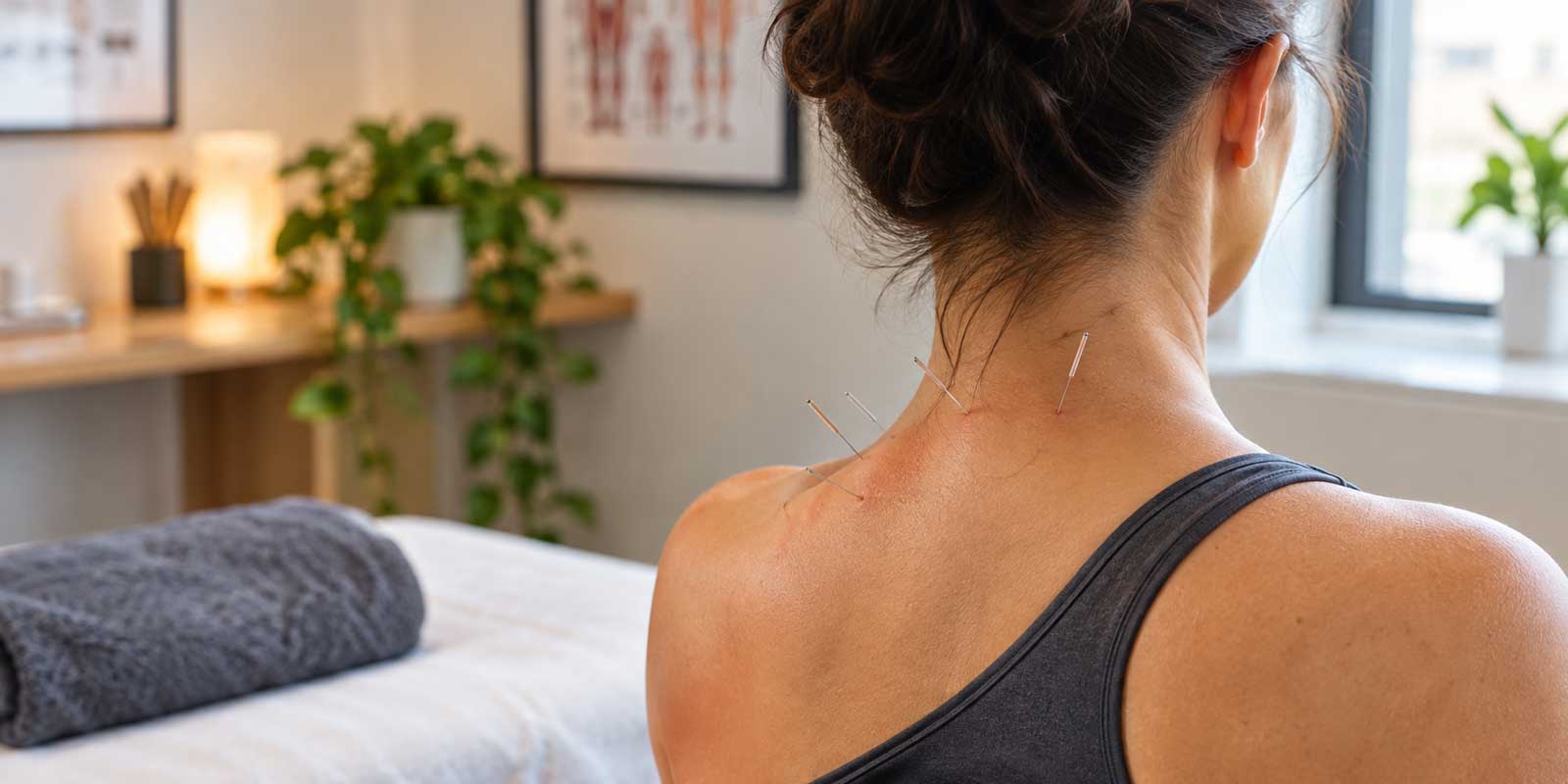
Can acupuncture release muscle knots

Can acupuncture release muscle knots?

Can Acupuncture Release Muscle Knots? What Science Says

Have you ever found a stubborn spot in your neck or shoulder that feels like a tiny rock buried inside the muscle? You press it, and suddenly you discover a whole new level of “ouch.” If so, you have probably wondered: Can acupuncture release muscle knots?

The short answer is: acupuncture may help reduce the pain and muscle tension associated with so-called “muscle knots,” but it is more accurate to say that it may help calm irritated muscle and pain pathways rather than physically untie a knot like a shoelace.

These painful areas are often described in healthcare as myofascial trigger points. They can occur in the neck, shoulders, upper back, lower back, hips and other areas. Acupuncture and dry needling are both used in rehabilitation settings to address muscular pain, although they are not exactly the same treatment.

For Canadians dealing with stubborn muscle tension, the good news is that research has become increasingly interesting in this area. A 2025 systematic review found that needling trigger points was associated with better pain outcomes than several other non-drug treatments for myofascial pain syndrome, although the researchers also noted that more high-quality research is needed [1].

So, could those little needles finally convince your grumpy shoulder to relax?

Let’s look at what the evidence actually says.

What Is a Muscle Knot?

“Muscle knot” is a friendly everyday term rather than a precise medical diagnosis.

Healthcare professionals may use terms such as myofascial trigger point or myofascial pain when describing a painful, sensitive area within a muscle.

A trigger point may feel like a tight band or particularly tender spot. Pressing on it can reproduce the person’s familiar pain and, in some cases, may cause pain to be felt somewhere else.

An international expert consensus study described several features used when identifying myofascial trigger points, including a taut band, a hypersensitive spot and pain that can be referred to another area [2].

For example, a trigger point in the upper trapezius muscle—the large muscle running from your neck toward your shoulder—may produce pain around the shoulder, upper back or even toward the side of the head.

This is one reason a “knot” can sometimes feel confusing.

The painful spot is not always the whole story.

Why Do Muscle Knots Happen?

There is no single explanation for every trigger point.

Muscle tension can be associated with several everyday factors, including:

  • Repetitive movements
  • Long hours at a desk
  • Poorly tolerated postures
  • Sudden increases in exercise
  • Sports or work-related strain
  • Lack of recovery after physical activity
  • Stress and prolonged muscle tension
  • Previous injuries
  • Reduced movement

Imagine sitting at your computer for six hours with your shoulders slowly creeping toward your ears.

Your body may eventually say, “Enough already.”

The resulting discomfort can feel like stiffness, tightness, tenderness or a deep aching sensation.

However, persistent pain should not automatically be blamed on a muscle knot. Neck, shoulder and back pain can have many causes, and a proper assessment is important when symptoms continue, worsen or include neurological symptoms.

Can Acupuncture Release Muscle Knots?

Now to the question everyone came for.

Can acupuncture release muscle knots?

It may help, particularly when the pain is related to myofascial trigger points or muscular tension.

But “release” needs a little explanation.

Acupuncture does not literally pull a knot out of a muscle. Instead, needling may influence pain processing, the nervous system and local tissues. Modern research suggests that acupuncture can have effects on the nervous system and tissues around the needle, while treatment-related factors such as relaxation and the therapeutic interaction may also contribute to the overall effect [3].

This is important because pain is not simply a mechanical problem.

Your brain and nervous system constantly process information coming from muscles and other tissues. When an area becomes sensitive, the nervous system can become part of the problem.

Acupuncture may help change how that pain is processed.

That may translate into:

  • Less pain
  • Reduced sensitivity
  • Improved movement
  • Less perceived muscle tension
  • Better tolerance for exercise or stretching
  • Improved function

So rather than imagining a needle physically “untangling” muscle fibres, think of acupuncture as potentially helping turn down the volume on an irritated pain system.

What Does the Research Say?

This is where things get particularly interesting.

A large individual-patient meta-analysis involving 20,827 people across 39 randomized trials examined acupuncture for several chronic pain conditions, including musculoskeletal pain, osteoarthritis, headache and shoulder pain. The researchers found acupuncture performed better than both sham acupuncture and no acupuncture, although the difference compared with sham treatment was considerably smaller than the difference compared with no treatment [4].

That distinction matters.

It suggests that acupuncture may have effects beyond simply receiving attention or expecting treatment to work. At the same time, the relatively modest difference between real and sham acupuncture reminds us that the full treatment experience—including touch, expectations, relaxation and the therapeutic setting—may contribute to the result.

More recent research has specifically examined myofascial pain.

A 2025 systematic review and meta-analysis included 13 randomized controlled trials comparing trigger-point needling with other non-pharmacological treatments. The researchers reported better pain outcomes with needling, but also called for stronger clinical trials before firm conclusions can be made [1].

That is a useful summary of the current situation:

The evidence is promising, but “promising” is not the same thing as “guaranteed.”

What About Acupuncture Specifically Versus Dry Needling?

This is one of the most common sources of confusion.

Acupuncture and dry needling both use very thin needles, but the approaches can be different.

Acupuncture traditionally comes from Traditional Chinese Medicine and uses specific acupuncture points according to an acupuncture treatment framework. Modern clinical practice may also describe effects in terms of nervous-system and pain modulation.

Dry needling is generally an anatomy-based technique used in musculoskeletal rehabilitation. It commonly targets myofascial trigger points, tight muscle bands or other structures identified during a physical assessment.

If you are specifically asking about a painful “knot” in your upper back, the terminology you hear from a physiotherapist may therefore be different from the terminology used by an acupuncturist.

Neither term should be interpreted as meaning that one approach is automatically right for everyone.

At Sync Move Rehab Centre, acupuncture and dry needling are offered as part of a broader rehabilitation approach. You can learn more about the clinic’s approach on the [Acupuncture / Dry Needling service page].

What Happens During Treatment?

If the idea of needles immediately makes you imagine something resembling a medieval torture device, take a breath.

Modern acupuncture needles are extremely thin.

During a treatment, a practitioner assesses your symptoms and chooses treatment points based on the condition being addressed.

Needles may produce sensations such as:

  • A brief pinch
  • Tingling
  • Mild aching
  • Heaviness
  • Warmth
  • A feeling of pressure

Some people barely notice the needles.

Others notice a distinct sensation around the treated area.

The experience varies from person to person.

At Sync Move Rehab Centre, the clinic describes acupuncture as a treatment that may be used alongside other rehabilitation approaches, rather than necessarily being the entire treatment plan [5].

That broader approach can be especially useful when muscle tension is connected to movement habits, strength deficits, repetitive activity or an old injury.

Does Acupuncture Actually Make a Muscle Less Stiff?

This question is slightly different from asking whether it reduces pain.

Researchers are increasingly interested in measuring changes in muscle properties rather than relying only on what patients report.

A 2026 systematic review and meta-analysis of 11 randomized trials involving 612 participants found that dry needling reduced muscle stiffness in the short term, although the certainty of the evidence ranged from very low to low and longer-term effects were not clearly demonstrated [6].

This is an important distinction.

It suggests that needling may produce measurable short-term changes in muscle stiffness, but we cannot automatically assume that every painful “knot” has been permanently removed.

In rehabilitation, short-term symptom relief can be useful—but the bigger goal is usually to help a person move better and return to normal activities.

What If the Knot Keeps Coming Back?

This is where treatment gets more interesting.

Suppose you have a painful knot in your upper shoulder.

Acupuncture may help reduce the pain.

But if you spend eight hours every day in the same aggravating position, rarely move your upper back and have limited shoulder strength, the original problem may continue.

It is a little like repeatedly mopping the kitchen floor while leaving the tap running.

The mop is not the problem.

The leak is.

That is why a rehabilitation plan may include other strategies such as:

  • Therapeutic exercise
  • Strengthening
  • Mobility exercises
  • Posture and movement education
  • Ergonomic changes
  • Manual therapy
  • Massage therapy
  • Gradual return to activity

For people who need more than symptom relief, combining needling with active rehabilitation may make more sense than relying on passive treatment alone.

Can Acupuncture Help Neck and Shoulder Knots?

Neck and shoulder tension is one of the most common situations in which people describe having a “knot.”

Office workers, drivers, healthcare professionals, students, tradespeople and athletes can all develop persistent muscle discomfort.

Acupuncture may help some people experience:

  • Less neck pain
  • Reduced shoulder discomfort
  • Easier movement
  • Less muscle tenderness
  • Improved tolerance for daily activities

Research on musculoskeletal pain overall supports acupuncture as a potential option for pain management, while the evidence specifically targeting individual trigger points is more limited and variable [3,4].

That distinction is worth keeping in mind.

Acupuncture is not a magic eraser for every tight muscle.

It is one possible tool in the rehabilitation toolbox.

Can Acupuncture Help Lower Back Muscle Knots?

Lower back pain is another area where people commonly describe tight muscles or “knots.”

And the problem is enormous.

The World Health Organization estimates that 619 million people worldwide experienced low back pain in 2020, with the number projected to reach 843 million by 2050 [7].

For Canadians, this is hardly an abstract statistic. Pain-related disability affects millions of people across the country.

Statistics Canada reported that in 2022, 16.7% of Canadians aged 15 and older—about 4.9 million people—had a pain-related disability [8].

When low back pain is primarily musculoskeletal, rehabilitation often focuses on restoring movement, building strength and helping people return to normal activity. Acupuncture may be considered as one part of that process.

It should not, however, replace assessment when back pain has warning signs such as significant weakness, loss of bladder or bowel control, unexplained weight loss, fever, major trauma or other concerning symptoms.

How Many Acupuncture Sessions Might You Need?

There is no universal number.

Anyone promising that exactly three, five or ten sessions will permanently eliminate your muscle knots should be viewed cautiously.

Response depends on factors such as:

  • How long you have had the problem
  • What is causing the pain
  • Your activity level
  • Sleep and recovery
  • Stress
  • Other health conditions
  • Whether you continue aggravating activities
  • Whether acupuncture is combined with rehabilitation

Some people notice a difference after an early session.

Others need several treatments.

And some people simply do not respond enough to make continuing worthwhile.

A good rehabilitation plan should have a way to measure progress rather than continuing indefinitely just because “more sessions” were scheduled.

What Does a Successful Treatment Look Like?

Success does not necessarily mean leaving the clinic feeling completely pain-free.

Sometimes the more meaningful signs are practical.

For example:

Before treatment:
“You can barely turn your head when backing out of the driveway.”

After treatment:
“You can turn your head more comfortably.”

That is progress.

Other useful signs include:

  • Sleeping more comfortably
  • Sitting longer without pain
  • Returning to exercise
  • Working with fewer symptoms
  • Moving more freely
  • Having fewer pain flare-ups
  • Needing fewer breaks during everyday activities

The goal is not to win a competition for the fewest painful muscles.

The goal is to get your life moving again.

Is Acupuncture Safe for Muscle Knots?

For most appropriately selected patients, acupuncture is generally considered relatively safe when performed correctly by a properly trained professional.

However, “natural” does not automatically mean “risk-free.”

Reported adverse effects can include temporary soreness, bleeding, bruising, dizziness or fainting. More serious complications are uncommon but can occur, particularly when treatment is performed improperly or with non-sterile equipment [3,9].

A large evidence-mapping study reviewed 535 systematic reviews involving acupuncture-related adverse effects. It found that many reported adverse effects were relatively mild, but it also emphasized limitations in the quality of much of the underlying evidence [9].

Good practice matters.

Needles should be sterile and intended for single use, and the practitioner should understand anatomy, contraindications and safe needling techniques.

If you take blood thinners, have a bleeding disorder, are pregnant, have an infection, or have another condition that could affect treatment safety, discuss it with your healthcare provider before treatment.

When Should You See a Healthcare Professional Instead of Treating a “Knot”?

Not every lump, tight spot or painful area is a muscle knot.

You should seek an appropriate medical assessment if you have symptoms such as:

  • New or unexplained weakness
  • Numbness or progressive tingling
  • Severe or rapidly worsening pain
  • Significant swelling
  • Fever
  • Unexplained weight loss
  • Pain following major trauma
  • A persistent mass that does not behave like ordinary muscle tension
  • Chest pain or difficulty breathing
  • Loss of bladder or bowel control

These symptoms may require a different type of assessment.

Acupuncture should complement appropriate healthcare—not delay it.

Acupuncture Plus Exercise: Why the Combination Matters

One of the most useful ways to think about acupuncture is as a potential supporting treatment.

Suppose acupuncture reduces your shoulder pain enough that you can finally perform your strengthening exercises comfortably.

That creates an opportunity.

You can now work on the factors that may have contributed to the problem in the first place.

Research on trigger-point needling increasingly supports this kind of combined approach. A 2024 systematic review found that adding deep dry needling to stretching may improve pain outcomes compared with stretching alone, although the researchers noted limitations in the included studies [10].

This is why rehabilitation can be different from simply chasing pain.

Pain relief can open the door.

Movement helps you walk through it.

What Can You Do Between Treatments?

You do not need to spend the entire week waiting for your next appointment.

Depending on your condition, a healthcare professional may recommend:

Keep Moving

Gentle, regular movement is often preferable to completely avoiding activity.

Build Strength Gradually

If weak or underused muscles contribute to your symptoms, strengthening may be an important part of long-term recovery.

Review Your Workstation

If your “knot” appears every afternoon after computer work, your desk setup and work habits deserve some attention.

Take Movement Breaks

Even short movement breaks can interrupt long periods of static positioning.

Pay Attention to Sleep

Poor sleep can influence pain sensitivity and recovery.

Track Function, Not Just Pain

Ask yourself:

“Can I do more than I could two weeks ago?”

That question can be more useful than obsessively checking whether your pain changed from 5/10 to 4/10.

Can Massage and Acupuncture Be Used Together?

They can sometimes be included within the same rehabilitation plan, depending on the person’s condition and the judgment of the healthcare professionals involved.

Massage may help with comfort, relaxation and soft-tissue symptoms, while acupuncture may be used to address pain and other symptoms.

Exercise can then help improve strength and movement capacity.

At Sync Move Rehab Centre, several rehabilitation disciplines are available under one roof, including physiotherapy, massage therapy, therapeutic exercise and acupuncture/dry needling. This allows treatment to be considered as part of a broader rehabilitation strategy rather than as an isolated procedure.

You can also explore the centre’s [massage therapy services] and [physiotherapy services] when looking at different approaches to persistent muscular pain.

Acupuncture or Dry Needling: Which One Should You Choose?

There is no single answer for everyone.

The appropriate approach depends on the source of your symptoms, your goals, your medical history and the practitioner’s assessment.

A person with a clearly identified myofascial trigger point may be considered for a trigger-point-focused approach such as dry needling.

Another person may benefit from acupuncture as part of a broader pain-management plan.

Sometimes the most useful question is not:

“Which treatment is better?”

Instead, ask:

“What is causing my pain, and what combination of treatments will help me return to normal activity?”

That question moves the conversation away from trendy treatments and toward actual rehabilitation.

What Does Current Science Really Tell Us?

If we strip away the advertising language, the picture is fairly straightforward.

Research supports acupuncture as a potentially useful treatment for several types of pain, including chronic musculoskeletal pain [3,4].

Research specifically examining myofascial trigger points and needling also shows encouraging results [1,6].

However, studies differ considerably in treatment methods, patient groups, comparison treatments and outcome measures.

That means we should be careful with statements such as:

“Acupuncture permanently removes muscle knots.”

The science does not justify such a broad promise.

A more accurate statement is:

Acupuncture may reduce pain and muscle-related symptoms associated with trigger points and may help some people move more comfortably.

That is useful without pretending that every stubborn knot has met its tiny-needle nemesis.

Frequently Asked Questions

Can acupuncture completely remove a muscle knot?

It may reduce pain, sensitivity and muscle-related symptoms, but it is better to think of acupuncture as helping manage the underlying pain and muscle dysfunction rather than physically removing a “knot.”

Is dry needling better than acupuncture for muscle knots?

Not necessarily. Dry needling is commonly directed at myofascial trigger points, while acupuncture follows a different treatment framework. The appropriate option depends on the individual’s condition and treatment goals.

How quickly does acupuncture work for muscle knots?

Some people notice changes quickly, while others need several treatments. There is no reliable universal timeline.

Can acupuncture make a muscle knot worse?

Temporary soreness, bruising or sensitivity can occur after needling. Significant or persistent worsening should be discussed with the treating professional.

Can I exercise after acupuncture?

In many cases, gentle activity is appropriate, but recommendations depend on what is being treated and how you respond. Your clinician can provide specific guidance.

Should I choose acupuncture, massage or physiotherapy?

It depends on the cause of your symptoms. Physiotherapy may be particularly useful when pain is linked to movement, strength, injury or functional limitations. Massage may help with soft-tissue symptoms and relaxation. Acupuncture can be used as part of a pain-management or rehabilitation plan.

Can acupuncture help chronic muscle tension?

It may. Evidence supports acupuncture for several chronic pain conditions, while evidence specifically focused on individual trigger points is still developing.

The Bottom Line: Can Acupuncture Release Muscle Knots?

So, can acupuncture release muscle knots?

It can potentially help—but “release” should not be taken literally.

What people call a muscle knot is often related to myofascial trigger points, muscle sensitivity and changes in the way the nervous system processes pain. Research suggests that acupuncture and other needling approaches may reduce pain and improve symptoms for some people, while newer studies continue to investigate measurable changes in muscle stiffness and trigger-point-related pain.

The most effective long-term strategy is rarely about finding one magical treatment. It is usually about understanding why the problem developed, reducing symptoms enough to move comfortably, and then improving strength, mobility and everyday movement.

If persistent muscle pain or trigger points are interfering with your work, exercise, sleep or daily activities, Sync Move Rehab Centre in Thornhill, Ontario, offers acupuncture/dry needling alongside physiotherapy, therapeutic exercise, massage and other rehabilitation services. You can learn more about the clinic and its approach through the Sync Move Rehab Centre website and explore its [Acupuncture / Dry Needling service] as a starting point for discussing your symptoms and rehabilitation goals.

References

  1. Zhao Y, et al. Needling trigger points for treating myofascial pain syndrome: A systematic review and meta-analysis. Complementary Therapies in Clinical Practice, 2025.
  2. Fernández-de-las-Peñas C, et al. International Consensus on Diagnostic Criteria and Clinical Considerations of Myofascial Trigger Points: A Delphi Study.
  3. National Center for Complementary and Integrative Health. Acupuncture: Effectiveness and Safety.
  4. Vickers AJ, et al. Acupuncture for Chronic Pain: Update of an Individual Patient Data Meta-Analysis.
  5. Sync Move Rehab Centre. Acupuncture / Dry Needling.
  6. Dry needling and muscle mechanical properties in myofascial trigger points: a systematic review and meta-analysis, 2026.
  7. World Health Organization. Low Back Pain.
  8. Statistics Canada. Pain-related disabilities, 2022.
  9. Adverse effects associated with acupuncture therapies: An evidence mapping from 535 systematic reviews, 2023.
  10. Guzmán-Pavón MJ, et al. Effectiveness of deep dry needling combined with stretching for the treatment of pain in patients with myofascial trigger points: A systematic review and meta-analysis, 2024.
  11. Moro MZ, et al. Dry needling, trigger point electroacupuncture and motor point electroacupuncture for the treatment of myofascial pain syndrome involving the trapezius: a randomised clinical trial, 2024.
  12. Yu C, et al. Effects of sham acupuncture for chronic musculoskeletal pain syndrome: A systematic review and network meta-analysis of randomized controlled trials, 2023.

Primary Keyword

Can acupuncture release muscle knots

Dry Needling Therapy

What are the signs acupuncture is working?

A Simple Guide for Canadians

If you’ve ever tried acupuncture—or even just thought about it—you’ve probably asked yourself this simple but important question: what are the signs acupuncture is working?

You’re not alone. In fact, this is one of the most common questions patients in Canada ask after their first or second session at clinics like Sync Move Rehab Centre, where acupuncture is often used alongside physiotherapy and rehabilitation programs.

And honestly, it makes sense. When tiny needles are placed into your skin (don’t worry, it’s usually much gentler than it sounds), you want to know: Is this actually doing something… or am I just lying here becoming a human pin cushion?

Good news: your body usually does give you clues when acupuncture is working—you just need to know what to look for.

In this guide, we’ll break everything down in simple, everyday language. No medical jargon overload. No confusing theories. Just real-world signs, patient experiences, and a bit of science mixed in.

We’ll also explore data, research findings, and what clinics like Sync Move Rehab Centre in Canada typically observe in real patients during treatment progress.

What Happens in Your Body During Acupuncture?

Before we talk about results, let’s quickly understand what’s going on inside your body.

Acupuncture is based on stimulating specific points on the body. Modern research suggests it may:

  • Trigger endorphin release (your natural painkillers)
  • Improve blood circulation
  • Influence the nervous system
  • Reduce inflammation signals
  • Help regulate stress hormones like cortisol

A 2023 review published in The Journal of Pain Research found that acupuncture showed measurable improvement in chronic pain conditions in over 60–70% of patients, depending on the condition treated.

That’s not magic—that’s biology doing its thing.

At rehabilitation-focused centers such as Sync Move Rehab Centre, acupuncture is often combined with movement therapy, which may further improve outcomes.

Early Signs Acupuncture Is Working

Some changes happen quickly—sometimes even after your first session.

Let’s look at the most common early signs.

A Strange Feeling of Deep Relaxation

Many people report feeling unusually calm after acupuncture.

Not “I had a cup of tea” calm.

More like:

“Why do I feel like I just woke up from a 9-hour nap in a forest cabin?”

This happens because acupuncture may activate the parasympathetic nervous system, also known as the “rest and digest” mode.

At clinics like Sync Move Rehab Centre, therapists often consider this relaxation response an early positive indicator that the body is responding well.

Mild Drowsiness or Sleep Improvement

Another early sign is better sleep.

You might notice:

  • Falling asleep faster
  • Deeper sleep cycles
  • Waking up less during the night

A 2022 clinical analysis showed acupuncture improved sleep quality in about 55% of patients with insomnia-related symptoms.

So if you suddenly sleep like a baby after treatment… that’s a good sign.

Slight Soreness or “Heavy” Sensation

Some patients feel a mild heaviness or soreness around treated areas.

This is often described as:

  • Warmth
  • Tingling
  • Pressure
  • Mild muscle fatigue

It’s usually temporary and considered a normal response.

Think of it like your body saying:

“Okay… something is happening here. I’ll adjust.”

Medium-Term Signs (After Several Sessions)

This is where things get more noticeable.

Most people begin seeing changes after 3–6 sessions, depending on the condition.

Gradual Pain Reduction

This is the biggest one.

Whether it’s:

  • Back pain
  • Neck stiffness
  • Joint pain
  • Sports injuries

Pain usually starts to reduce gradually rather than instantly.

At Sync Move Rehab Centre, practitioners often track pain levels using simple 1–10 scales to monitor progress over time.

Patients frequently report:

  • Pain becoming less sharp
  • Longer pain-free periods
  • Reduced reliance on pain medication

Improved Mobility

Another strong sign acupuncture is working is better movement.

For example:

  • Bending becomes easier
  • Walking feels smoother
  • Stiff joints loosen up

This is especially noticeable when acupuncture is combined with rehabilitation therapy.

That’s why many Canadian rehab centers integrate acupuncture with physiotherapy programs.

Better Energy Levels

Some patients report something surprising:

“I didn’t expect acupuncture to give me more energy… but here we are.”

This may be linked to reduced pain, improved sleep, and nervous system regulation.

When your body is not constantly fighting discomfort, it naturally feels more energetic.

What Science Says About Acupuncture Results

Let’s bring in some evidence.

A meta-analysis published in Archives of Internal Medicine (2012) reviewed data from 17,000+ patients and found:

  • Acupuncture was significantly more effective than placebo for chronic pain
  • Benefits were sustained over time
  • Results were consistent across multiple conditions

More recent studies (2020–2024) show acupuncture may also help with:

  • Anxiety
  • Migraines
  • Post-surgical recovery
  • Musculoskeletal disorders

This is why clinics like Sync Move Rehab Centre (https://syncmove.ca/) continue to integrate it into modern rehab programs in Canada.

A Funny but Honest Reality Check

Let’s be real for a second.

Acupuncture is not like flipping a light switch.

It’s more like:

slowly turning up the brightness on a dimmer.

Some days you feel a big difference.
Some days you think, “Hmm… maybe?”
And then suddenly one morning you realize:

“Wait… I haven’t had that pain in three days.”

That’s usually how it sneaks up on you.

When Acupuncture Might Not Be Working (Yet)

It’s also important to be honest.

Sometimes:

  • The dosage (number of sessions) is too low
  • The condition is chronic and needs more time
  • Lifestyle factors are interfering
  • The treatment plan needs adjustment

At professional clinics like Sync Move Rehab Centre, therapists typically reassess progress if improvement is slow and adjust the plan accordingly.


A Clear Checklist: Signs Acupuncture Is Working

One of the biggest challenges for patients is figuring out whether they are actually making progress.

Unlike a broken arm that heals visibly in an X-ray, many conditions treated with acupuncture improve gradually. Because of this, it helps to know exactly what signs to look for.

Here is a practical checklist.

If you notice several of these changes over time, there is a good chance your body is responding positively to treatment:

  • Pain intensity decreases.
  • Pain episodes become less frequent.
  • You recover faster after physical activity.
  • Your sleep quality improves.
  • You wake up feeling more refreshed.
  • Muscle tension decreases.
  • You rely less on pain medication.
  • Your mood becomes more stable.
  • Stress feels easier to manage.
  • Range of motion improves.
  • Daily activities become easier.

Interestingly, many people notice improvements in areas they were not originally seeking treatment for.

For example, someone receiving acupuncture for neck pain may suddenly realize they are sleeping better or feeling less stressed at work.

That is not unusual.

The body’s systems are connected in complex ways, and improvements in one area can influence many others.

Why Some People Feel Worse Before They Feel Better

This topic surprises many first-time patients.

Occasionally, a person may experience temporary symptoms shortly after treatment.

These can include:

  • Mild soreness
  • Temporary fatigue
  • Emotional release
  • Slight increase in symptoms for a short period

This phenomenon is sometimes called a healing response.

Think of it like cleaning out a cluttered garage.

Things can look messier before everything becomes organized.

Of course, persistent worsening symptoms should always be discussed with a qualified healthcare provider.

At clinics such as Sync Move Rehab Centre, practitioners carefully monitor patient responses and adjust treatment plans when necessary.

Understanding the Acupuncture Timeline

One of the most common questions people ask is:

“How long before I notice results?”

The answer depends on several factors:

  • Your age
  • Overall health
  • Severity of symptoms
  • Duration of the condition
  • Lifestyle habits
  • Treatment frequency

Still, there are some common patterns.

After the First Session

Many patients report:

  • Relaxation
  • Reduced stress
  • Better sleep
  • Temporary pain relief

Some people notice immediate changes.

Others notice very little at first.

Both experiences are normal.

After Two to Four Sessions

At this stage, small improvements often become noticeable.

Patients frequently report:

  • Less stiffness
  • Improved movement
  • Reduced headaches
  • Better energy levels

The changes may feel subtle, but they often indicate that treatment is beginning to take effect.

After Five to Eight Sessions

This is when more meaningful changes often occur.

Many patients experience:

  • Consistent pain reduction
  • Improved physical function
  • Better sleep patterns
  • Increased activity levels

For chronic conditions, this period is often when progress becomes much easier to recognize.

Long-Term Maintenance

Some people continue acupuncture even after symptoms improve.

Why?

Because many patients use acupuncture as part of a long-term wellness strategy.

Much like going to the gym or maintaining healthy eating habits, occasional maintenance sessions may help support overall well-being.

Acupuncture and Chronic Pain: What Research Shows

Chronic pain affects millions of Canadians every year.

According to data from the Government of Canada, chronic pain is one of the most common health challenges affecting adults and older adults.

Researchers continue studying acupuncture as a potential complementary treatment option.

Recent studies have found promising results for:

  • Chronic back pain
  • Neck pain
  • Osteoarthritis
  • Migraines
  • Tension headaches
  • Shoulder pain

Several reviews published over the past few years suggest acupuncture may help reduce pain intensity while improving quality of life.

This is one reason many rehabilitation clinics across Canada have incorporated acupuncture into multidisciplinary care programs.

Signs Acupuncture Is Working for Back Pain

Back pain is one of the most common reasons people seek acupuncture.

Positive signs may include:

Less Morning Stiffness

Many patients report waking up with less discomfort.

Simple tasks such as getting out of bed become easier.

Improved Mobility

You may notice:

  • Easier bending
  • Better posture
  • Less discomfort while walking

Reduced Pain Flare-Ups

Pain may not disappear overnight.

Instead, flare-ups often become:

  • Less frequent
  • Less intense
  • Shorter in duration

These gradual improvements are often meaningful indicators of progress.

Signs Acupuncture Is Working for Stress and Anxiety

Not every benefit is physical.

Many people seek acupuncture to help manage stress-related symptoms.

Positive indicators include:

Feeling Calmer During Daily Activities

Situations that normally trigger stress may feel more manageable.

Improved Sleep

This is one of the most commonly reported benefits.

Better Focus

Some patients report improved concentration and mental clarity.

Improved Emotional Balance

You may feel less reactive and more resilient when dealing with everyday challenges.

Many patients describe this change by saying:

“I still have the same responsibilities, but they don’t feel as overwhelming.”

The Surprising Connection Between Sleep and Healing

If there is one sign that often predicts positive outcomes, it is improved sleep.

Good sleep supports:

  • Recovery
  • Hormone regulation
  • Immune function
  • Mood stability
  • Pain management

Many healthcare professionals view improved sleep as one of the strongest indicators that the body is moving in a healthier direction.

This is why practitioners often ask about sleep quality during follow-up visits.

Sometimes improvements in sleep appear before improvements in pain.

What If You Feel Nothing After Acupuncture?

This situation happens more often than people think.

Some individuals expect a dramatic sensation after their first appointment.

When that does not happen, they worry treatment is not working.

In reality, the body’s response varies significantly from person to person.

Some patients experience immediate changes.

Others require multiple sessions before noticing meaningful differences.

The absence of dramatic sensations does not necessarily mean acupuncture is ineffective.

Progress is often measured through gradual functional improvements rather than instant transformations.

For example:

  • Walking farther without pain
  • Sleeping through the night
  • Sitting comfortably for longer periods
  • Returning to hobbies and activities

These practical improvements often matter more than temporary sensations.

Acupuncture as Part of a Bigger Recovery Plan

One important point is that acupuncture is rarely the only piece of the puzzle.

Many successful recovery plans combine:

  • Physiotherapy
  • Exercise
  • Acupuncture
  • Stretching
  • Lifestyle changes
  • Ergonomic improvements

This integrated approach is commonly used in modern rehabilitation settings.

At Sync Move Rehab Centre, acupuncture is often incorporated into broader rehabilitation programs designed to address the root causes of pain and mobility issues rather than focusing only on symptoms.

When different therapies work together, patients often achieve better long-term outcomes.

Signs Acupuncture Is Working for Different Health Conditions

One reason acupuncture remains popular across Canada is that people seek it for many different concerns. The signs of progress can vary depending on the condition being treated.

Sports Injuries

Athletes and active individuals often notice:

  • Reduced muscle tightness
  • Faster recovery after exercise
  • Less soreness following activity
  • Improved flexibility

Sometimes the first noticeable improvement is not less pain but improved movement.

For example, a runner may suddenly realize they can complete a training session with less stiffness afterward.

Headaches and Migraines

When acupuncture is helping with headaches, patients often notice:

  • Fewer headache days per month
  • Less severe headaches
  • Reduced need for medication
  • Shorter migraine episodes

Many migraine sufferers describe progress as a gradual reduction in frequency rather than a complete disappearance of symptoms.

Neck and Shoulder Pain

Positive signs include:

  • Easier head movement
  • Reduced muscle tension
  • Better posture
  • Less discomfort while working at a computer

For office workers, these changes can have a surprisingly large impact on daily comfort and productivity.

Joint Pain

People with joint discomfort often report:

  • Increased range of motion
  • Easier walking
  • Less stiffness after sitting
  • Improved ability to perform everyday tasks

Even modest improvements can significantly improve quality of life.

Common Myths About Acupuncture Results

There are many misconceptions about acupuncture.

Let’s clear up a few of the most common ones.

Myth #1: If Results Aren’t Instant, It Isn’t Working

Reality:

Many conditions develop over months or years.

It is unrealistic to expect every issue to improve after one appointment.

Healing often takes time.

Myth #2: Acupuncture Should Hurt

Reality:

Most acupuncture treatments involve minimal discomfort.

Many patients are surprised by how gentle the experience feels.

Myth #3: More Needles Mean Better Results

Reality:

Effective treatment depends on proper assessment and technique, not simply the number of needles used.

Myth #4: Acupuncture Only Helps Pain

Reality:

Research continues to explore acupuncture’s potential role in supporting sleep, stress management, headaches, rehabilitation, and overall well-being.

Lifestyle Factors That Can Improve Acupuncture Results

Acupuncture is often most effective when combined with healthy daily habits.

Simple actions can make a meaningful difference.

Stay Active

Movement helps support circulation and recovery.

You do not need intense workouts.

Even regular walking can be beneficial.

Prioritize Sleep

Sleep is one of the body’s most powerful recovery tools.

Aim for consistent sleep habits whenever possible.

Manage Stress

Chronic stress can interfere with healing.

Activities such as:

  • Meditation
  • Deep breathing
  • Gentle stretching
  • Spending time outdoors

may support recovery.

Follow Professional Advice

If your healthcare provider recommends exercises, stretches, or lifestyle adjustments, consistency is important.

Small daily habits often produce the biggest long-term results.

Frequently Asked Questions

How many acupuncture sessions does it take to see results?

Some people notice changes after the first session, while others may require several treatments.

Many patients begin observing meaningful improvements after three to six sessions.

Is feeling tired after acupuncture normal?

Yes.

Temporary fatigue can occur as the body responds to treatment.

Many patients also report improved sleep afterward.

Can acupuncture make symptoms temporarily worse?

In some cases, mild temporary increases in symptoms can occur before improvement.

This should be discussed with your practitioner if it persists.

Is acupuncture scientifically supported?

A growing body of research supports acupuncture for various conditions, particularly chronic pain and certain musculoskeletal issues.

Can acupuncture help even if my condition is long-term?

Many people with chronic conditions report benefits from acupuncture.

However, treatment plans often require patience and consistency.

Why Canadians Are Increasingly Choosing Acupuncture

Interest in complementary healthcare continues to grow across Canada.

People are looking for approaches that support overall wellness, not simply symptom management.

Several factors contribute to acupuncture’s growing popularity:

  • Increased awareness
  • Expanding research
  • Integration with rehabilitation programs
  • Focus on non-invasive care
  • Personalized treatment approaches

Many rehabilitation centers now combine acupuncture with evidence-based therapies to provide comprehensive care.

Internal Resources for Further Support

Individuals interested in learning more about rehabilitation services can explore:

As new services and resources become available, additional educational content can help patients better understand their treatment options and recovery plans.

Final Thoughts

So, what are the signs acupuncture is working?

The answer is often found in gradual, meaningful improvements rather than dramatic overnight changes.

You may notice less pain, better sleep, improved mobility, increased energy, reduced stress, or simply a greater ability to enjoy daily life. Sometimes the improvements are obvious. Other times they appear quietly, one small step at a time.

The most important thing is to look at overall progress rather than focusing on a single treatment session.

For Canadians exploring acupuncture as part of their health and recovery journey, working with experienced professionals can make a significant difference. Clinics such as Sync Move Rehab Centre (https://syncmove.ca/) take an integrated approach by combining acupuncture with rehabilitation-focused care, helping patients work toward long-term recovery, improved movement, and a better quality of life.

References

  1. https://www.ncbi.nlm.nih.gov/pmc/articles/PMC3658605/
  2. https://www.nccih.nih.gov/health/acupuncture-what-you-need-to-know
  3. https://www.who.int
  4. https://www.canada.ca/en/public-health/services/chronic-diseases/chronic-pain.html
  5. https://jamanetwork.com
  6. https://www.ncbi.nlm.nih.gov
  7. https://pubmed.ncbi.nlm.nih.gov
  8. https://www.cochrane.org
  9. https://www.health.harvard.edu
  10. https://www.mayoclinic.org
  11. https://www.painresearchforum.org
  12. https://www.journalofpainresearch.com
Dry Needling Therapy

Unlocking Relief: A Canadian’s Friendly Guide to Dry Needling Therapy

You know that feeling. A knot in your shoulder that feels more like a permanent tenant than a visitor. A stubborn ache in your lower back that whispers (or sometimes shouts) with every bend or twist. Maybe it’s a tweak from that over-enthusiastic weekend hockey game in Toronto, or the repetitive strain from hours at a Vancouver home office desk. You’ve tried stretching, maybe some massage, but that deep, specific pain just won’t budge. It’s like your muscle has forgotten how to relax.

If this sounds familiar, you’re not just imagining things—and you’re far from alone. Enter a technique that’s creating quite the buzz in physiotherapy clinics and rehab centres across Canada: dry needling. Now, before your mind jumps to images of ancient acupuncture (we’ll clear that up in a second!), let’s talk about what dry needling really is: a modern, evidence-based approach to tackling those stubborn muscular knots head-on.

Think of it as a precise, internal reset button for tight muscles. At Sync Move Rehab Centre, we often explain it like this: Imagine your muscle is a tangled-up ball of yarn. Stretching and massage work on the outside of the ball, which helps, but dry needling is like gently inserting a tool to find and release the very center of the knot. It’s a targeted strategy for telling overworked, clenched muscles one simple thing: “Okay, you can let go now.”

This guide is your friendly, no-jargon map to the world of dry needling in Canada. We’ll unravel what it is, how it works, what it feels like (spoiler: it’s not what you might think!), and why it’s become such a powerful tool in the toolkit of Canadian physiotherapists and clinicians. Whether you’re in Calgary, Ottawa, or Halifax, let’s demystify this therapy together and explore how it might be the key to unlocking your movement and relief.


Dry Needling 101: It’s Not Acupuncture’s Cousin (And Here’s Why)

First thing’s first: let’s address the elephant in the treatment room. Yes, both dry needling and acupuncture use thin, filiform needles. And yes, to the untrained eye, a person lying with needles in their back might look similar. But the philosophy, the training, and the very purpose behind these techniques are worlds apart. Mixing them up is like confusing a cardiologist with a podiatrist because they both went to medical school.

Acupuncture is a pillar of Traditional Chinese Medicine (TCM), dating back thousands of years. It’s based on the concept of balancing the flow of life energy (Qi) through pathways in the body called meridians. It’s a holistic approach used for a vast array of conditions, from pain and nausea to stress and fertility.

Dry Needling, on the other hand, is firmly rooted in Western medicine principles: anatomy, physiology, and neurobiology. It doesn’t concern itself with meridians or Qi. Instead, it targets something very concrete and measurable: myofascial trigger points.


What in the World is a Trigger Point?

Picture a tiny, hyper-irritable spot within a tight band of your muscle. This spot isn’t just sore locally; it can refer pain to other areas in predictable patterns. That headache behind your eye? It might be stemming from a trigger point in a neck muscle. That nagging elbow pain? Could be a grumpy spot in your forearm.

These trigger points are essentially microscopic areas where muscle fibres are stuck in a constant state of contraction. They’re like a switch that’s jammed in the “ON” position. Blood flow is reduced, waste products build up, and the nerve endings in the area go into a feedback loop of pain and tightness. They can form from acute injury, repetitive strain, poor posture, or even stress.

Dry needling’s entire goal is to de-activate these trigger points. A trained clinician inserts a fine needle directly into the heart of the knot. This isn’t random; it’s based on a deep understanding of muscular anatomy and pain referral patterns.


The “How”: The Science Behind the Stick

So, you stick a needle into a knotted muscle… and then what? Magic? Far from it. The physiological effects are quite brilliant and explain why the results can be so immediate.

  1. The Local Twitch Response (The “Ah-Ha!” Moment):

    When the needle precisely contacts the trigger point, you’ll often feel—and the practitioner will see—a brief, involuntary twitch in the muscle fibre. This is the local twitch response. It’s a spinal cord reflex, like when the doctor taps your knee. This twitch is the key! It’s the physiological signal that the contracted muscle band is being released. It breaks the pain-spasm-pain cycle almost instantly.

  2. Increasing Blood Flow (The Flush Effect):

    The micro-injury caused by the needle triggers your body’s natural healing response. Fresh, oxygen-rich blood rushes to the area, while the stagnant, metabolic waste products that were contributing to the pain get flushed away. Think of it as opening a clogged drain and letting fresh water flow through.

  3. Neurological Reset (Changing the Channel):

    The needle stimulus sends a new, strong signal to the spinal cord and brain. This new signal effectively “gates out” or overrides the old, persistent pain signal that was stuck on repeat. It’s like changing a noisy, staticky radio station to a clear, calm one. This can lead to a rapid decrease in pain perception.

  4. Endorphin Release (The Natural Painkiller):

    The body responds to the needle stimulus by releasing its own natural pain-relieving chemicals, like endorphins and enkephalins. This creates a general sense of relief and well-being in the treated area and beyond.

In essence, dry needling is a catalyst. It creates a favorable biochemical and mechanical environment for the muscle to finally relax, heal, and function normally again. It’s not a standalone miracle cure, but rather a powerful technique that makes all the other parts of your rehab—exercise, stretching, movement retraining—much more effective.


The Canadian Context: Who Does It, Is It Regulated, and Will Insurance Cover It?

This is where things get specifically important for us in Canada. The landscape of dry needling varies from province to province, so knowing the lay of the land is crucial for a safe and effective experience.

Who is Allowed to Perform Dry Needling?

In Canada, dry needling is considered an advanced skill that builds upon a primary healthcare profession’s foundational knowledge. It is most commonly—and safely—performed by regulated healthcare professionals with extensive training in musculoskeletal anatomy and diagnosis, such as:

  • Physiotherapists (PTs): This is the most common provider. Their deep expertise in movement, function, and rehabilitation makes dry needling a natural extension of their practice.
  • Chiropractors (DCs): Many chiropractors incorporate dry needling into their manual therapy approach to address soft tissue dysfunction.
  • Medical Doctors (MDs) and Sport Medicine Physicians: Some physicians, especially those specializing in sport and exercise medicine, use dry needling.
  • Registered Massage Therapists (RMTs): In some provinces, RMTs with additional certification may perform dry needling.

Crucially, the title is not protected in the same way “Physiotherapist” or “Chiropractor” is. This means it’s up to you to vet your provider. Always ensure your clinician is first and foremost a registered member in good standing with their provincial college (e.g., College of Physiotherapists of Alberta) and that they have completed a recognized, comprehensive post-graduate certification in dry needling (courses from organizations like KinetaCore, DNS, or similar are standards).


Is Dry Needling Regulated?

The technique itself isn’t regulated by a single national body. However, the professionals who perform it are heavily regulated by their respective provincial colleges. These colleges set standards of practice, codes of ethics, and guidelines for the use of adjunctive therapies like dry needling. A registered PT or DC performing dry needling is accountable to their college for your safety and care.

The Big Question: Is it Covered by Insurance?

Here’s some great news for your wallet. In most cases, yes! Because dry needling is performed by regulated health professionals as part of a treatment plan, it is typically covered under the “physiotherapy” or “chiropractic” benefits of your extended health insurance plan. You are billed for the physiotherapy assessment/treatment session, which includes the dry needling technique. It is extremely rare for insurers to cover standalone “dry needling” from an unregulated provider.
Pro Tip from Sync Move: Always check your specific plan details or call your insurance provider. Ask: “Are physiotherapy services provided by a Registered Physiotherapist covered?” That’s the question that matters.


The Conditions: What Can Dry Needling Actually Help With?

Dry needling is a specialist tool for a specific type of problem: musculoskeletal pain and dysfunction driven by myofascial trigger points. Its application is broad within that category. Let’s break down some of the most common reasons Canadians seek it out:

The Pain-Busting Powerhouse: Top Applications

  • Chronic Neck & Back Pain: Perhaps the most frequent visitor to our clinic at Sync Move. Desk posture, stress, old injuries—they all love to create trigger points in the trapezius, levator scapulae, and paraspinal muscles.
  • Headaches & Migraines: Especially tension-type and cervicogenic headaches (originating from the neck). Trigger points in the suboccipital muscles (at the base of your skull) are notorious headache culprits.
  • Shoulder Impingement & Rotator Cuff Issues: Needling can release the supporting muscles around the shoulder blade (scapula) and rotator cuff, allowing for better movement and less pain.
  • Tennis & Golfer’s Elbow (Lateral/Medial Epicondylalgia): These conditions are all about overloaded forearm muscles. Dry needling targets those specific forearm extensors and flexors with remarkable precision.
  • Plantar Fasciitis: That stabbing heel pain often involves tight calf muscles (gastrocnemius, soleus). Releasing them with dry needling can take significant tension off the plantar fascia.
  • Sciatica-like Symptoms: While not treating the nerve root itself, dry needling can release the piriformis or gluteal muscles that may be compressing the sciatic nerve, alleviating that radiating buttock and leg pain.
  • Jaw Pain (TMJ Dysfunction): The masseter and temporalis muscles of the jaw can harbour incredibly painful trigger points, often related to clenching or grinding.
  • Post-Injury Rehabilitation: After a sprain, strain, or surgery, muscles can become inhibited and develop trigger points. Dry needling can help “wake up” and normalize these muscles faster.
  • Athletic Performance & Recovery: Many athletes use it as a tool to address specific muscular tightness that limits range of motion or power output, and to speed recovery between training sessions.

What It’s NOT For: Managing Expectations

Dry needling is not a cure for arthritis, fractures, infections, or systemic diseases. It doesn’t directly treat disc herniations or bone spurs, though it can be phenomenal for managing the muscular pain and guarding that accompanies them. A good clinician will tell you if your condition is unlikely to benefit from needling and will direct you to a more appropriate treatment.


Your First Session: A Step-by-Step Walkthrough (No Surprises!)

Knowing what to expect can ease any nerves. Here’s how a typical dry needling session at a clinic like Sync Move Rehab Centre unfolds:

  1. Comprehensive Assessment (The Foundation):This is the most critical part. Your physiotherapist won’t just start needling. They will take a full history, assess your movement, posture, and strength, and use precise palpation (touch) to find those active trigger points. They’ll identify which muscles are the primary troublemakers and which are just compensating. This assessment ensures the needling is strategic and safe.
  2. The Setup & Consent:You’ll be positioned comfortably, usually lying down. The skin over the target area will be cleaned with alcohol. Your clinician will explain exactly what they’re going to do, what you might feel, and get your informed verbal consent. Questions are always encouraged!
  3. The Insertion & Sensation:Using a clean, single-use, sealed needle (they’re much thinner than injection needles), the practitioner will quickly insert it into the identified trigger point. You may feel a tiny pinprick, often less than a mosquito bite.
  • The “Cramp” or “Twitch”: As the needle contacts the trigger point, you’ll likely feel a brief, deep ache, cramp, or a sudden twitch. This is the local twitch response we talked about, and while it can be surprising, it’s usually over in a second. Many people describe it as a “good hurt”—the feeling of a knot finally releasing.
  • The Dull Ache: After the twitch, a lingering, deep, dull ache is common. This is normal and indicates the muscle is responding.
  1. Needle Manipulation & Retention:The practitioner may gently move the needle up and down slightly (“pistoning”) to elicit further twitch responses. The needle might be left in place for a short period (seconds to a few minutes) to continue the biochemical effects.
  2. After the Needles Come Out:Once removed, the area might feel a bit tender, like a deep massage. Your clinician will often have you move the treated area immediately. It’s amazing to feel the change in movement range and ease right away. They will then typically prescribe specific stretches or very gentle movements to do over the next 24-48 hours to consolidate the gains.
  3. The Integration:Remember, dry needling is rarely the only thing done in a session. It’s integrated into a full treatment plan. After needling, your therapist might follow up with manual therapy, prescribe corrective exercises, or provide movement advice. The needling opens the door; the exercise and education help you walk through it for lasting change.


The Feel-Good Facts: Benefits and Potential Side Effects

The Good Stuff (The Benefits):

  • Rapid Pain Relief: Often, the decrease in pain and increase in range of motion is immediate.
  • Improved Flexibility: Releasing the trigger points allows muscles to lengthen properly.
  • Enhanced Muscle Function: Muscles can contract and relax more efficiently, improving strength and coordination.
  • Increased Blood Flow: Promotes healing in the local tissue.
  • Reduced Need for Medication: Can be an effective non-pharmacological pain management strategy.
  • Faster Recovery: When combined with exercise, it can accelerate the rehab timeline.

The “Meh” Stuff (Temporary Side Effects):

These are common, short-lived (24-72 hours), and a sign your body is responding.

  • Post-Treatment Soreness: A muscle soreness similar to a tough workout is very common. It usually peaks within 24 hours.
  • Minor Bruising: A small bruise can occur if a tiny superficial blood vessel is nicked.
  • Temporary Fatigue: Some people feel a bit tired or “zoned out” after a session as the nervous system settles.
  • Light-Headedness (Rare): This can happen, which is why you’re usually lying down. Always get up slowly.

The Serious Stuff (Rare Risks):

With a trained professional using sterile needles, serious risks are exceedingly rare but must be acknowledged. They include:

  • Pneumothorax: A punctured lung from needling around the chest/upper back. This is why rigorous anatomical training is non-negotiable for practitioners.
  • Nerve Injury: Temporary nerve irritation can occur.
  • Infection: The risk is virtually zero with single-use, sterile needles and proper skin cleaning.

This risk profile underscores why choosing a regulated, anatomy-expert professional is an absolute must. A certified physiotherapist knows exactly where the lungs, nerves, and major blood vessels are and how to avoid them.


The Human Touch: Stories from the Clinic Floor

Let’s move beyond theory and into the real world. At Sync Move, we see these stories daily.

  • The Desk Warrior: Sarah, a 42-year-old software developer from Mississauga, had chronic tension headaches for years. Her neck was a rock. Two sessions of dry needling targeting her upper trapezius and suboccipital muscles, combined with postural exercises, reduced her headache frequency by 80%. “The first twitch felt so weird, but the relief in my head was instant. I finally understood what ‘relaxed shoulders’ felt like.”
  • The Weekend Warrior: Mark, a 55-year-old from Vancouver, had “tennis elbow” from too much gardening and DIY, despite never holding a racquet. Cortisone shots gave temporary relief. After three sessions of dry needling his forearm extensors, along with an eccentric loading program, his pain resolved and he could get back to building his new deck. “It was the deep ache that did it. My forearm finally let go.”
  • The Post-Partum Patient: Lena, a new mom in Ottawa, had debilitating low back and hip pain carrying her newborn. Dry needling to her gluteal and quadratus lumborum muscles, paired with core rehab, gave her the relief she needed to enjoy those early months without constant pain.

These aren’t miracles; they’re the predictable outcome of applying a precise, science-based technique to a well-defined problem.


Dry Needling vs. The World: How It Stacks Up Against Other Therapies

It’s helpful to see where dry needling fits in the spectrum of common treatments.

  • vs. Massage Therapy: Massage is fantastic for general muscle tension, circulation, and relaxation. It works on a broader scale. Dry needling is more like a precision strike. Massage manipulates the muscle from the outside; dry needling targets the dysfunctional core of the trigger point from the inside. They are excellent complements.
  • vs. IMS (Intramuscular Stimulation): IMS is a specific form of dry needling developed by Dr. Chan Gunn. It is based more heavily on neuropathic pain principles and radiculopathy. All IMS is dry needling, but not all dry needling is IMS. The techniques have significant overlap.
  • vs. Acupuncture: As we established, they are different paradigms. A simple analogy: If your body is a house, acupuncture looks at the flow of energy (electricity) through the entire wiring system. Dry needling is like finding and fixing one specific, shorted-out wire that’s causing a light to flicker.
  • vs. Cortisone Injections: Cortisone is a powerful anti-inflammatory for issues like inflamed joints or bursae. Dry needling treats muscular dysfunction. For a true tendonitis or arthritis, cortisone may be better. For myofascial pain referring into a joint, dry needling is often superior and avoids steroid-related tissue weakening.

The best approach is often integrative. At our centre, a treatment plan might include dry needling to release acute restrictions, manual therapy to improve joint mobility, and tailored therapeutic exercise from our Kinesiology services to build strength and prevent recurrence.


Your Questions, Answered (The FAQ You’re Thinking)

Let’s tackle some of the most common questions we hear in our Canadian clinics.

Q: How many sessions will I need?

A: There’s no one-size-fits-all. For an acute issue, 2-4 sessions might be enough. For chronic, long-standing pain, 6-10 sessions spread over several weeks may be needed. Your therapist will give you a clear estimate after the initial assessment.

Q: Is it safe during pregnancy?

A: In the hands of a practitioner trained in prenatal care, dry needling can be very safe and effective for common pregnancy-related pains (e.g., low back, SI joint). Certain points and positions are avoided. Always inform your therapist if you are or could be pregnant.

Q: Can you do it through clothing?

A: No. The practitioner needs direct visual and palpatory access to the skin to ensure accuracy and safety. You will be appropriately draped for modesty.

Q: What should I do after a session?

A: Move gently. Go for a short walk. Do the prescribed stretches. Avoid strenuous exercise, heavy lifting, or long hot baths/saunas for 24 hours to manage the normal post-treatment soreness. Hydrate well.

Q: I’m terrified of needles. Can I still try it?

A: Absolutely. Communicate this clearly! A good therapist will go slowly, use fewer needles initially, and ensure you’re comfortable. Many needle-phobic patients find the benefits far outweigh their initial fear once they experience the profound relief.


Finding the Right Practitioner in Canada: Your Checklist for Safety & Success

Your success hinges on choosing the right provider. Here is your actionable checklist:

  1. Primary Credential First: Ensure they are a Registered Physiotherapist, Chiropractor, or Medical Doctor licensed to practice in your province. Verify this on your provincial college website.
  2. Ask About Dry Needling Certification: “What specific post-graduate training program did you complete in dry needling?” Look for mentions of reputable programs (KinetaCore, DNS, AAMT, etc.).
  3. Experience with Your Condition: “How often do you treat [your specific issue] with dry needling?”
  4. The Assessment is Key: Be wary of any practitioner who promises dry needling without a thorough physical assessment first. The needle is the tool; the assessment is the blueprint.
  5. Clinic Environment: The clinic should be clean, professional, and use single-use, sterile needles from sealed packages.
  6. Trust Your Gut: You should feel heard, have your questions answered thoroughly, and feel in control of your treatment.

If you’re in the Greater Toronto Area and looking for a team that combines this rigorous, safety-first approach with a compassionate, whole-person perspective, we invite you to learn more about our Physiotherapy services at Sync Move Rehab Centre. Our clinicians are not only certified in dry needling but are experts in integrating it into a complete recovery plan.


The Final Point: Empowerment Through Understanding

Dry needling isn’t a mysterious art. It’s a logical, scientific, and highly effective technique for a very common problem. It empowers clinicians to intervene at a deeper level within dysfunctional muscle tissue, offering a pathway to relief that can feel almost instantaneous.

The journey to overcoming persistent pain is rarely a straight line. It’s about finding the right combination of tools for your unique body and story. Dry needling might be that missing tool—the precise key that unlocks a muscle, quiets a nerve, and opens the door to moving freely again.

If you’ve been struggling with a knot that won’t release, pain that limits your life, or stiffness that holds you back, consider having a conversation with a qualified professional about whether dry needling could be part of your solution. It’s a conversation worth having. After all, your body is built to move, not to ache. Let’s help it get back to doing what it does best.

Ready to explore if dry needling is right for you? The experienced team at Sync Move Rehab Centre is here to provide a thorough assessment and guide you through a safe, effective recovery plan. Visit our contact page to book a consultation and take the first step towards unlocking your relief.


References & Further Reading

  1. College of Physiotherapists of Ontario – Dry Needling Standard: https://www.collegept.org/standards-and-resources/resources/dry-needling
  2. Physiotherapy Alberta – Dry Needling Information: https://www.physiotherapyalberta.ca/public_and_patient/faqs/dry_needling
  3. Journal of Orthopaedic & Sports Physical Therapy (JOSPT) – Review on Dry Needling: https://www.jospt.org/doi/10.2519/jospt.2019.8701
  4. American Physical Therapy Association (APTA) – Dry Needling Resource: https://www.apta.org/patient-care/interventions/dry-needling
  5. National Institutes of Health (NIH) – Study on Trigger Points & Pain: https://www.ncbi.nlm.nih.gov/pmc/articles/PMC4508225/
  6. Pain Science – Myofascial Trigger Points Explained: https://www.painscience.com/articles/trigger-points.php
  7. Canadian Chiropractic Association – Position on Dry Needling: https://www.chiropractic.ca/chiropractic-care/additional-treatments/dry-needling/
  8. British Journal of Sports Medicine – Efficacy of Dry Needling: https://bjsm.bmj.com/content/54/4/219
  9. University of British Columbia – School of Kinesiology Research: https://kin.educ.ubc.ca/ (For general musculoskeletal research context)
  10. Public Health Agency of Canada – Chronic Pain in Canada: https://www.canada.ca/en/public-health/services/publications/healthy-living/chronic-pain-canada.html
dry needling vs acupuncture

Your Pain Relief Guide: What’s the Real Difference Between Dry Needling and Acupuncture?

You know that feeling. You wake up with a deep, nagging ache in your shoulder that you can’t quite explain. No major injury, no strenuous workout. It just feels like a specific muscle has decided to permanently clench itself. In your search for relief, you come across two terms that seem similar but confusing: Dry Needling and Acupuncture. Both use thin needles. Both are used for pain. Both might even be offered at a rehab centre like Sync Move Rehab Centre.

But are they the same thing? The short, emphatic answer is no. While they may look similar from the outside, the philosophy, purpose, and science behind them are fundamentally different. Choosing the wrong one can easily lead to wasted time, money, and frustration. This guide is here to clear up the confusion. We’ll break down these two therapies in plain English, with no complex medical jargon, so you, the Canadian seeking the best solution for your pain, can make an informed choice.

At Sync Move, we believe knowledge is the first step to healing. This article will equip you to have a more productive conversation with your healthcare provider and take an active role in your recovery journey.


The Big Picture: Two Different Maps for the Same Territory

At its core, the main difference is like comparing two different “maps” for treating the body.

  • Acupuncture uses an ancient, holistic map based on “meridians.” These are pathways through which your vital energy, or “Qi” (pronounced “chee”), is believed to flow. In Traditional Chinese Medicine (TCM), pain and illness arise from blockages or imbalances in this energy flow. Acupuncture aims to restore balance and flow by inserting needles at specific points along these meridians, addressing the root cause of dysfunction in the entire system.
  • Dry Needling uses a modern, anatomy-based map of the musculoskeletal system. Its primary target is myofascial trigger points—those hyper-irritable knots within tight bands of muscle that can cause local or referred pain. It’s a mechanical approach focused on releasing specific muscular dysfunction.

Think of it this way: one approach (acupuncture) focuses on your body’s overall energy balance, while the other (dry needling) focuses on your mechanical tissue function.


Quick Comparison Table: Dry Needling vs. Acupuncture

Feature Dry Needling Acupuncture
Philosophical Root Western Medicine (Anatomy, Physiology) Traditional Chinese Medicine (Energy Flow)
Primary Goal Release muscle “knots” (trigger points), reduce spasm & local pain. Restore balance to the body’s energy system to treat root causes.
Focus Local & Structural (specific muscle/joint) Holistic & Systemic (whole body & mind)
Conditions Treated Musculoskeletal pain (back, neck, shoulder, tension headaches), sports injuries. Wide spectrum: pain, stress, insomnia, digestive issues, allergies, etc.
“Map” Used Anatomy of muscles & trigger point locations. Meridian pathways & Yin/Yang theory.
Common Sensation Often a local, quick muscle twitch, then deep release. Usually a dull ache, heaviness, tingling, or warmth.


Dry Needling Demystified: The Biomechanics of Release

Let’s dive deeper into dry needling. This technique is often performed by physiotherapists, osteopaths, and some trained massage therapists as a direct intervention for soft tissue.

The Science Behind the Stick

When a sterile, very fine needle is inserted directly into a trigger point, several key physiological events occur:

  1. Local Twitch Response: This is an involuntary, quick contraction of the muscle fibre. It’s a sign that the tightly contracted band is releasing, often leading to immediate tension reduction.
  2. Increased Blood Flow: The needle creates a mild, therapeutic inflammatory response, bringing fresh blood, oxygen, and nutrients to the area to flush out metabolic waste.
  3. Neurological Reset: The stimulation sends new signals to the spinal cord and brain, which can help “gate out” or override chronic pain signals.
  4. Endorphin Release: The body naturally releases its own pain-relieving chemicals (endorphins), promoting pain relief and relaxation.

A physiotherapist at Sync Move would use this as part of a broader treatment plan. For example, after releasing a trigger point in your shoulder, they would likely prescribe strengthening exercises and movement re-education to address the full problem and prevent recurrence.

When Dry Needling Might Be the Better Choice

  • Localized, deep muscular pain (e.g., a “knot” in your upper back).
  • Tension headaches originating from neck muscles.
  • Overuse injuries like tennis elbow.
  • Muscle spasms following an acute strain or sprain.
  • Sciatica-like pain caused by a tight piriformis muscle.

Acupuncture Explained: The Subtle Art of Balancing Energy

Acupuncture, with a history spanning thousands of years, views the body as an interconnected network. It targets the underlying cause of imbalance, not just a single symptom.

Philosophy and Practice

In TCM, health is a sign of smooth, balanced Qi flow. Illness occurs when this flow is blocked, deficient, or excessive. The needles act as fine-tuning tools to regulate this flow.

Unlike dry needling, acupuncture points may be located far from the site of pain according to Western anatomy (e.g., a point on the foot for a headache), as they are chosen based on the meridian network.

Modern research suggests acupuncture may work by stimulating neurotransmitter release (like serotonin), modulating the nervous system, and affecting pain-regulation centers in the brain.

When Acupuncture Might Be the Better Choice

  • Chronic pain with a strong stress or anxiety component.
  • Insomnia and sleep disorders.
  • Stress-related symptoms like mild IBS.
  • Nausea (e.g., from chemotherapy or pregnancy).
  • Boosting overall energy and sense of well-being.
  • Managing more complex conditions that don’t have a straightforward musculoskeletal answer.

Statistics & Scientific Evidence: What Do the Numbers Say?

  • Prevalence: According to World Health Organization (WHO) statistics, acupuncture is one of the most common forms of complementary medicine worldwide. In Canada, a significant portion of the population tries a therapy like acupuncture in their lifetime.
  • Efficacy for Pain: A major 2012 systematic review in the Archives of Internal Medicine analyzed data from nearly 18,000 patients and concluded that “acupuncture is effective for the treatment of chronic pain and is therefore a reasonable referral option.” The evidence was particularly strong for chronic back, neck, and osteoarthritis pain.
  • Dry Needling for Myofascial Pain: Multiple studies, including research in the British Journal of Sports Medicine, have shown dry needling can significantly reduce pain and tenderness in myofascial trigger points compared to no treatment or sham treatments. Effects are often immediate.
  • Safety: Both are considered very safe when performed by a qualified practitioner using sterile, single-use needles. Serious side effects are rare.


Finding a Qualified Practitioner in Canada

This is perhaps the most crucial part of your decision. Regulation varies by province.

  • For Acupuncture: Look for a Registered Acupuncturist (R.Ac) or Doctor of Traditional Chinese Medicine (R.TCM.P). In provinces like BC, Alberta, Ontario, and Quebec, these titles are regulated by provincial colleges that ensure standardized training and ethics.
  • For Dry Needling: As it is a technique and not a standalone profession, it should be performed by a primary regulated health professional with advanced training. This most commonly includes Physiotherapists and Osteopaths. Always ask about their specific dry needling certifications.
  • Insurance Coverage: The good news is that many Canadian extended health benefit plans cover both treatments when provided by licensed professionals. Always check with your specific provider for details.

The multidisciplinary team at Sync Move Rehab Centre includes qualified professionals across rehabilitation disciplines who can help guide you to the right path.

The Final Decision: Which One is Right for You?

There is no universal answer. The best choice depends on the nature of your problem, your goals, and your personal beliefs.

Dry Needling might be more suitable if:

  • Your pain is sharp, localized, and feels like it’s coming from a specific muscle or joint.
  • You can press on a specific, tender “knot.”
  • You’re looking for a more direct, mechanical intervention often used alongside a physio plan for functional improvement.
  • Your issue is recent and related to a specific injury or overuse.


Acupuncture might be more suitable if:

  • Your pain is more diffuse, comes and goes, or seems linked to emotional stressors.
  • You’re dealing with issues beyond physical pain, like stress, anxiety, fatigue, or poor sleep.
  • You’re interested in a holistic approach that considers your whole body-mind system.
  • You have a chronic condition that hasn’t fully responded to conventional treatments.

In some cases, a combined approach under the guidance of a coordinated team can be powerful. For example, a patient might use dry needling to address an acute muscle spasm while also using acupuncture to manage the underlying stress contributing to the issue.

Your Next Step Towards a Pain-Free Life

Getting informed is the first and most vital step. You are now better equipped to have a meaningful conversation with a healthcare professional.

If you are in the Ottawa area and looking for expert guidance, Sync Move Rehab Centre is a great place to start. Through comprehensive assessments, we can help diagnose the nature of your issue and recommend which approach (or combination) aligns best with your health and recovery goals. We focus on the Personalized Treatment Plans highlighted on our homepage.

Remember, whether it’s an acute pain or a chronic nagging issue, options exist. By understanding the key differences between dry needling and acupuncture, you take informed control of your health journey.

Ready to take the next step? Contact our friendly, professional team at Sync Move Rehab Centre to book an initial assessment and see how we can help you move easier and live with less pain.


References & Further Reading

  1. World Health Organization (WHO) – Acupuncture: https://www.who.int/news-room/fact-sheets/detail/acupuncture
  2. The National Center for Complementary and Integrative Health (NCCIH) – Acupuncture: https://www.nccih.nih.gov/health/acupuncture-in-depth
  3. Archives of Internal Medicine – Acupuncture for Chronic Pain: https://jamanetwork.com/journals/jamainternalmedicine/fullarticle/1357517
  4. Journal of Orthopaedic & Sports Physical Therapy – Dry Needling: https://www.jospt.org/doi/10.2519/jospt.2014.0509
  5. British Journal of Sports Medicine – Effectiveness of Dry Needling: https://bjsm.bmj.com/content/early/2021/05/26/bjsports-2020-103458
  6. College of Physiotherapists of Ontario – Dry Needling Standard: https://www.collegept.org/standards/dry-needling
  7. CTCMA of British Columbia (Regulatory College for Acupuncturists): https://www.ctcma.bc.ca/
  8. Pain Science – Myofascial Trigger Points: https://www.painscience.com/articles/trigger-points.php
  9. Mayo Clinic – Acupuncture Overview: https://www.mayoclinic.org/tests-procedures/acupuncture/about/pac-20392763
  10. Statistics Canada – Use of alternative medicine: https://www150.statcan.gc.ca/n1/pub/82-003-x/2016009/article/14613-eng.htm