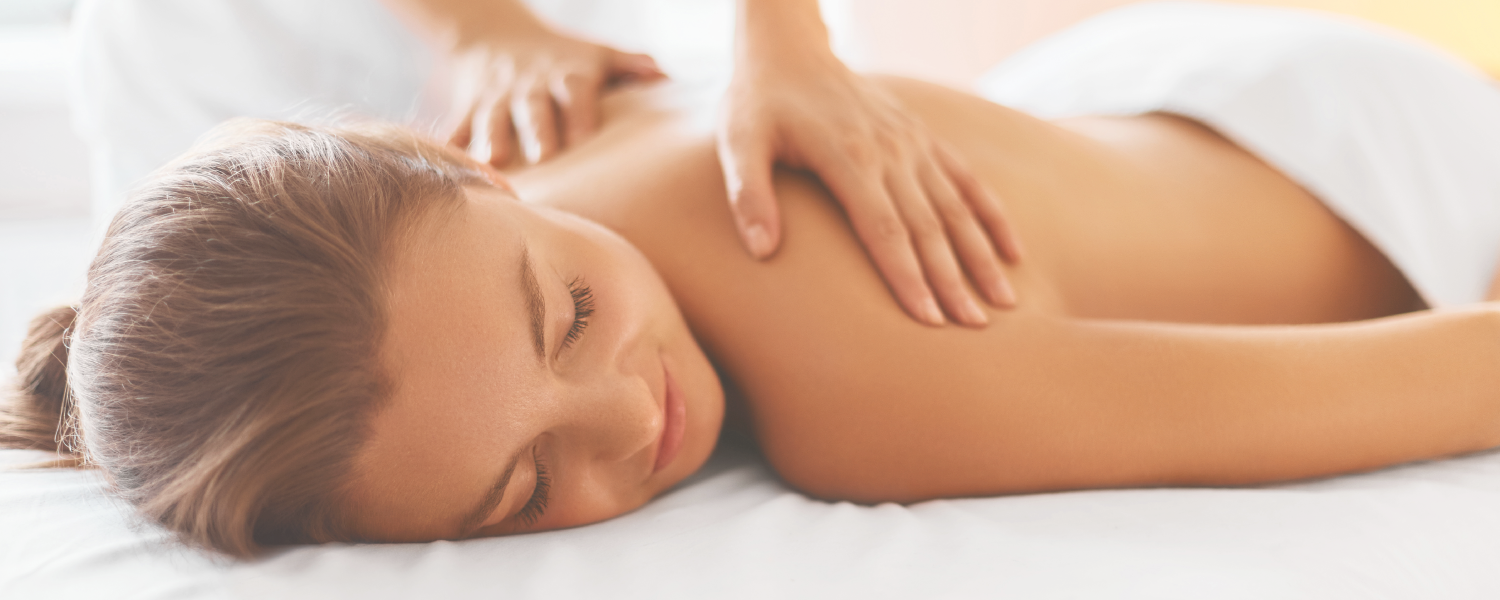
how massage therapy works

How Massage Therapy Works: Benefits, Science, and Recovery Tips

How Massage Therapy Works: A Simple Guide for Everyday Canadians

Massage therapy is one of the oldest healing methods in human history, but modern science is finally catching up with what many people have known for centuries: the body responds remarkably well to skilled touch. Whether someone spends eight hours sitting at a desk in Toronto, works construction in Calgary, or survives Canadian winters with shoulders permanently raised toward their ears, massage therapy has become one of the most popular natural ways to reduce pain, improve mobility, and lower stress.

According to the Canadian Massage Therapist Alliance, millions of Canadians seek massage therapy every year for pain relief, injury recovery, stress management, and improved wellness. In fact, massage therapy is no longer considered just a “luxury spa treatment.” Today, it is widely used in rehabilitation clinics, sports medicine centers, hospitals, and wellness programs across Canada.

At Sync Move Rehab Centre, massage therapy is often combined with physiotherapy and rehabilitation strategies to help patients recover faster and feel better in daily life.

And let’s be honest — sometimes the body sends messages louder than a Canadian hockey fan during overtime. Tight shoulders, sore lower back, headaches, stiff knees… your muscles may basically be filing a formal complaint.

So how does massage therapy actually work?

Let’s break it down in plain English.

What Is Massage Therapy?

Massage therapy is a hands-on treatment that involves manipulating muscles, connective tissues, tendons, ligaments, and joints.

The main goals are usually:

  • Reduce pain
  • Improve circulation
  • Relax muscles
  • Increase flexibility
  • Support injury recovery
  • Reduce stress and anxiety
  • Improve movement

Different techniques are used depending on the patient’s needs.

Some massages are gentle and relaxing.
Others are deeper and designed to target stubborn muscle tension.
And yes, sometimes your therapist finds a “knot” so painful you briefly reconsider every life decision that led to it.

But there is real science behind why these treatments work.

The Science Behind Massage Therapy

Massage therapy affects several systems in the body at the same time.

1. Improved Blood Circulation

One major benefit of massage is increased blood flow.

When muscles are compressed and released during treatment, circulation improves. Better blood flow helps deliver:

  • Oxygen
  • Nutrients
  • Healing cells

…to injured or tight tissues.

This may help muscles recover more efficiently after exercise, injury, or repetitive daily activity.

Think of circulation like traffic in downtown Vancouver.
When everything is blocked, movement slows down.
Massage helps clear the roads.

2. Reduced Muscle Tension

Muscles can become tight due to:

  • Stress
  • Poor posture
  • Sports injuries
  • Sitting too long
  • Heavy lifting
  • Repetitive movements

Massage therapy helps relax these muscles through pressure and movement.

As muscle tension decreases, many people notice:

  • Less pain
  • Improved range of motion
  • Better posture
  • Easier movement

A tight muscle can pull on joints and surrounding tissues. Releasing tension often improves overall body mechanics.

3. Nervous System Relaxation

Massage therapy also affects the nervous system.

Studies show massage can help reduce cortisol levels — the body’s primary stress hormone.

At the same time, massage may increase:

  • Serotonin
  • Dopamine
  • Endorphins

These chemicals are associated with relaxation, mood improvement, and pain reduction.

This explains why many people feel calmer or even sleepy after treatment.

Some patients leave the clinic so relaxed they momentarily forget where they parked.

4. Pain Signal Modulation

Massage may also change how pain signals are processed.

The “gate control theory” of pain suggests that non-painful input can reduce the perception of pain.

In simpler terms:

When the nervous system receives therapeutic touch signals, it may partially “block” pain messages from reaching the brain.

That’s one reason massage can temporarily relieve chronic pain conditions.

Common Conditions Massage Therapy May Help

Massage therapy is widely used for many conditions.

Back Pain

Lower back pain is one of the most common reasons Canadians seek massage therapy.

Research suggests massage may help reduce:

  • Muscle tightness
  • Pain intensity
  • Movement limitations

Combined rehabilitation approaches often produce the best long-term outcomes.

Neck and Shoulder Tension

Modern life practically manufactures neck tension.

Hours of:

  • Laptop work
  • Smartphone use
  • Driving
  • Stress

…can overload the neck and shoulders.

Massage may help improve mobility and reduce muscle stiffness in these areas.

Sports Injuries

Athletes frequently use massage therapy for:

  • Recovery
  • Flexibility
  • Performance support
  • Injury prevention

Professional sports teams across North America routinely include massage therapists as part of their medical staff.

And if elite athletes trust massage therapy, there’s probably something more to it than cucumber water and spa music.

Headaches and Migraines

Tension headaches are often related to tight muscles in the neck and shoulders.

Massage therapy may help reduce headache frequency and intensity in some individuals.

Stress and Anxiety

Mental stress often becomes physical tension.

Massage therapy promotes relaxation and may improve sleep quality, mood, and overall mental wellness.

According to reports from the Canadian Mental Health Association, stress-related health concerns continue to rise across Canada.

Relaxation-focused therapies are increasingly being integrated into wellness programs.

Different Types of Massage Therapy

Not all massages are the same.

Swedish Massage

Gentle and relaxing.

Commonly used for:

  • Stress relief
  • Relaxation
  • General wellness

Deep Tissue Massage

Targets deeper muscle layers.

Often used for:

  • Chronic tension
  • Sports recovery
  • Persistent muscle tightness

Yes, this is sometimes the massage where people make noises normally heard during difficult yoga poses.

Sports Massage

Focused on athletic recovery and performance.

Often used before or after sports activities.

Trigger Point Therapy

Targets specific painful “knots” within muscles.

These areas may refer pain to other body regions.

Myofascial Release

Focuses on fascia — the connective tissue surrounding muscles.

Can help improve movement and flexibility.

What Happens During a Massage Therapy Session?

A typical session often includes:

  1. Assessment
  2. Discussion of symptoms
  3. Treatment planning
  4. Hands-on therapy
  5. Home-care recommendations

At clinics like Sync Move Rehab Centre, treatment may be integrated with rehabilitation exercises and physiotherapy strategies.

Some patients feel immediate relief.
Others notice gradual improvement after several sessions.

Consistency often matters more than a single treatment.

Is Massage Therapy Scientifically Proven?

Research on massage therapy continues to grow.

Recent scientific reviews suggest massage therapy may help with:

  • Chronic low back pain
  • Neck pain
  • Anxiety
  • Sports recovery
  • Fibromyalgia symptoms
  • Post-exercise soreness

However, outcomes vary between individuals.

Massage is not a miracle cure.
But for many people, it becomes an important part of a larger health and recovery plan.

Massage Therapy Statistics in Canada

Some interesting numbers:

  • Millions of massage therapy treatments are performed annually in Canada.
  • Back pain affects up to 80% of adults at some point in life.
  • Workplace-related musculoskeletal disorders remain one of the leading causes of disability claims.
  • Stress-related conditions continue to rise in Canadian workplaces.

These trends help explain why rehabilitation clinics increasingly integrate massage therapy into treatment plans.

Can Massage Therapy Help Office Workers?

Absolutely.

Sitting for long periods creates multiple issues:

  • Tight hip flexors
  • Weak glutes
  • Rounded shoulders
  • Neck stiffness
  • Lower back pain

Massage therapy may help counteract some of these effects.

Still, therapists often recommend combining treatment with:

  • Stretching
  • Exercise
  • Ergonomic improvements
  • Better posture habits

Sadly, no massage therapist can fully undo 14 straight hours of bad posture and scrolling memes.

How Often Should You Get Massage Therapy?

It depends on:

  • Your condition
  • Activity level
  • Stress level
  • Recovery goals

Some people benefit from weekly treatment.
Others may only need occasional sessions.

A rehabilitation professional can recommend an appropriate plan.

Are There Any Risks?

Massage therapy is generally safe when performed by qualified professionals.

However, certain conditions may require caution:

  • Blood clotting disorders
  • Severe osteoporosis
  • Acute injuries
  • Skin infections
  • Certain medical conditions

Always communicate openly with your therapist.

Massage Therapy and Modern Rehabilitation

Modern rehabilitation increasingly uses multidisciplinary care.

Massage therapy is often combined with:

  • Physiotherapy
  • Chiropractic care
  • Exercise therapy
  • Mobility training
  • Shockwave therapy
  • Postural correction

At Sync Move Rehab Centre, integrated rehabilitation approaches help patients address both symptoms and underlying causes.

This matters because simply reducing pain temporarily is not always enough.
Long-term recovery often requires improving movement patterns and strengthening the body.

Latest Scientific Developments in Massage Therapy

Researchers continue exploring how massage affects:

  • Inflammation
  • Muscle recovery
  • Nervous system regulation
  • Chronic pain pathways

Some newer studies suggest massage may influence immune responses and reduce inflammatory markers after intense exercise.

Technology is also changing rehabilitation.
Clinics increasingly combine manual therapy with advanced rehabilitation tools and movement analysis.

Final Thoughts

Massage therapy works through a combination of improved circulation, muscle relaxation, nervous system effects, and pain modulation. While it is not magic, decades of research and clinical experience show that it can play a valuable role in recovery, stress management, and physical wellness.

For Canadians dealing with pain, stiffness, sports injuries, or everyday stress, massage therapy may provide both physical and mental relief.

If you are looking for professional rehabilitation support, Sync Move Rehab Centre offers integrated treatment approaches designed to help patients move better, recover safely, and improve long-term health outcomes.

References

  1. https://www.cmto.com/
  2. https://www.camh.ca/
  3. https://www.ncbi.nlm.nih.gov/
  4. https://www.mayoclinic.org/
  5. https://www.webmd.com/
  6. https://www.healthline.com/
  7. https://www.cdc.gov/
  8. https://www.who.int/
  9. https://www.apta.org/
  10. https://www.canada.ca/
medical massage for pain relief

Medical Massage for Pain Relief: A Complete, Human-Friendly Guide for Canadians

Introduction

Medical massage for pain relief is becoming one of the most talked-about solutions in Canada for people dealing with everyday aches, chronic pain, and recovery after injuries. If you’ve ever said, “My back is killing me,” or “I think I slept wrong… again,” then you’re not alone.

In fact, millions of Canadians deal with pain every day—whether it’s from work, stress, sports, or just life being… well, life.

So where does medical massage for pain relief fit into all of this?

Is it just a relaxing treat? Or can it actually help reduce pain in a meaningful way?

In this article, we’ll explore everything you need to know in simple, clear English. No confusing medical terms. No exaggerated promises. Just honest information, useful tips, and a few smiles along the way.

What Is Medical Massage?

Let’s keep it simple.

Medical massage is a type of massage therapy that focuses on:

  • Treating specific health conditions
  • Reducing pain
  • Supporting recovery

Unlike a spa massage, it’s not just about relaxation.

It’s more like a targeted treatment plan.

A Simple Analogy

Think of your body like a car.

A regular massage = a car wash
Medical massage = fixing the engine

Both are useful—but for very different reasons.

How Medical Massage for Pain Relief Works

Now let’s answer the big question: how does it actually work?

1. Improves Blood Flow

Massage increases circulation, which:

  • Brings oxygen to muscles
  • Removes waste products
  • Speeds up healing

2. Reduces Muscle Tension

Tight muscles can cause pain and stiffness.

Massage helps:

  • Relax muscle fibers
  • Release knots
  • Improve flexibility

3. Affects the Nervous System

Massage sends signals to your brain.

Result:

  • Reduced pain perception
  • Increased relaxation

Humor Break: The “Magic Hands” Myth

Some people think massage therapists have magical powers.

Truth is…

It’s not magic. It’s science + skill + a lot of practice.

(But yes… sometimes it feels like magic.)

4. Reduces Inflammation

Research suggests massage can:

  • Lower inflammation
  • Support tissue repair

5. Helps Pain Signals

Massage may “confuse” pain signals in the brain.

Translation:

Your brain pays less attention to pain.

How Common Is Pain in Canada?

Let’s look at some numbers.

Statistics:

  • About 1 in 5 Canadians live with chronic pain
  • Back pain is one of the most common complaints
  • Millions seek non-drug treatments

(Source: Canadian health data)

Conditions Medical Massage Can Help With

Common Issues:

  • Back pain
  • Neck pain
  • Shoulder tension
  • Sports injuries
  • Post-surgery recovery

Chronic Pain vs Acute Pain

Acute Pain:

  • Short-term
  • Often from injury

Chronic Pain:

  • Long-lasting
  • Can affect daily life

Medical massage can help with both—but especially chronic pain.

Real-Life Example

Let’s say someone works at a desk all day.

They may develop:

  • Neck stiffness
  • Lower back pain
  • Headaches

A good plan:

  • Ergonomic setup
  • Exercise
  • Medical massage

The Role of Clinics in Canada

Professional care makes a big difference.

Clinics like Sync Move Rehab Centre provide:

  • Expert massage therapy
  • Rehabilitation programs
  • Personalized treatment

Visit: https://syncmove.ca/
Services: https://syncmove.ca/services
About: https://syncmove.ca/about

Combining Medical Massage with Rehab

Massage works best when combined with:

  • Physiotherapy
  • Stretching
  • Strength training

This creates long-term results.

Scientific Evidence

Research shows:

  • Reduced muscle soreness
  • Improved recovery
  • Lower pain levels

Example:

Studies suggest massage can reduce muscle soreness by 20–30%.

Latest Scientific Insights

Modern research focuses on:

  • Fascia (connective tissue)
  • Brain-body connection
  • Pain perception

Key Finding:

Pain is not just physical—it’s also neurological.

Emotional Benefits

Pain affects mood.

Massage can help:

  • Reduce anxiety
  • Improve sleep
  • Boost well-being

Possible Side Effects

Medical massage is generally safe.

Mild Effects:

  • Soreness
  • Fatigue
  • Temporary discomfort

When to Be Careful

Avoid or consult a doctor if you have:

  • Severe injuries
  • Blood clot risks
  • Skin conditions

Choosing the Right Therapist

Look for:

  • Certification
  • Experience
  • Good communication


Practical Tips

Before Your Session:

  • Stay hydrated
  • Wear comfortable clothing

After:

  • Drink water
  • Rest
  • Avoid heavy activity

Is It Worth It?

For many Canadians—yes.

Benefits:

  • Pain relief
  • Better movement
  • Improved quality of life

Conclusion

Medical massage for pain relief is more than just a relaxing experience—it’s a practical and effective way to manage pain, improve mobility, and support recovery. While it’s not a miracle cure, it can play a powerful role in a well-rounded treatment plan.

In Canada, clinics like Sync Move Rehab Centre offer professional, personalized care that combines medical massage with modern rehabilitation techniques. This ensures that patients receive safe, effective, and evidence-based treatment tailored to their needs.

If you’re dealing with pain and looking for a natural solution, exploring medical massage with a trusted clinic could be a valuable step forward.

Learn more: https://syncmove.ca/

References

  1. https://www.canada.ca/en/public-health
  2. https://www.ncbi.nlm.nih.gov
  3. https://www.who.int
  4. https://www.mayoclinic.org
  5. https://www.sciencedirect.com
  6. https://www.cochranelibrary.com
  7. https://www.physiotherapy.ca
  8. https://www.massagetherapycanada.com
  9. https://www.healthline.com
  10. https://www.webmd.com
how massage therapy works

How Massage Therapy Works: A Complete, Simple Guide for Canadians

Introduction

How massage therapy works is a question many Canadians ask—especially after a long workday, a tough gym session, or one of those “I slept wrong and now my neck hates me” mornings.

Massage therapy is one of the oldest healing practices in the world. Yet today, it’s still widely used across Canada for relaxation, pain relief, and recovery. But how does it actually work? Is it just about feeling good, or is there real science behind it?

In this article, we’ll explore how massage therapy works in a way that’s easy to understand, practical, and even a bit entertaining. No complicated medical jargon—just clear answers, real insights, and useful tips.

What Is Massage Therapy?

Massage therapy involves using hands (and sometimes tools) to:

  • Press
  • Rub
  • Move muscles and soft tissues

Main Goal:

To improve:

  • Circulation
  • Muscle function
  • Relaxation

A Simple Analogy

Think of your muscles like a sponge.

When they’re tight and dry, they don’t work well.

Massage helps “squeeze and release” the sponge—improving flow and flexibility.

How Massage Therapy Works in the Body

Now let’s get into the interesting part.

1. It Improves Blood Circulation

When pressure is applied to muscles:

  • Blood flow increases
  • Oxygen delivery improves
  • Waste products are removed

Why This Matters:

Better circulation = faster recovery.

2. It Reduces Muscle Tension

Tight muscles can cause:

  • Pain
  • Stiffness
  • Limited movement

Massage helps:

  • Relax muscle fibers
  • Reduce knots
  • Improve flexibility

3. It Affects the Nervous System

Massage sends signals to your brain.

Result:

  • Reduced stress
  • Increased relaxation
  • Improved mood

Humor Break: The “Ahhh” Effect

You know that moment during a massage when you go:

“Ahhh…”

That’s your nervous system saying:

“Finally. Thank you.”

4. It Lowers Stress Hormones

Studies show massage can:

  • Reduce cortisol (stress hormone)
  • Increase serotonin and dopamine

Translation:

You feel calmer and happier.

5. It Helps Pain Management

Massage can reduce pain by:

  • Relaxing muscles
  • Improving blood flow
  • Changing how the brain processes pain

Massage Therapy in Canada

Massage therapy is very popular in Canada.

Statistics:

  • Over 50% of Canadians have tried massage therapy
  • Many insurance plans cover it
  • It’s commonly used in rehabilitation

Different Types of Massage

Common Types:

  • Swedish massage – relaxation
  • Deep tissue massage – muscle tension
  • Sports massage – injury recovery
  • Therapeutic massage – medical support

When Should You Consider Massage Therapy?

It can help if you have:

  • Back pain
  • Neck stiffness
  • Stress
  • Headaches

When Massage Therapy Might Not Be Enough

Massage is helpful—but not a miracle cure.

For serious conditions:

  • Always consult a professional
  • Combine with proper treatment

The Role of Professional Clinics

This is where expert care matters.

Clinics like Sync Move Rehab Centre provide:

  • Professional massage therapy
  • Rehabilitation services
  • Personalized treatment plans

Learn more: https://syncmove.ca/
Services: https://syncmove.ca/services
Contact: https://syncmove.ca/contact

Massage Therapy and Rehabilitation

Massage is often part of a bigger plan.

Combined with:

  • Physiotherapy
  • Exercise
  • Medical care

This leads to better results.

Scientific Research on Massage Therapy

Studies show:

  • Reduced muscle soreness
  • Improved recovery
  • Lower stress levels

Example:

Research suggests massage can reduce delayed onset muscle soreness (DOMS) by up to 30%.

The Mind-Body Connection

Massage doesn’t just affect the body.

It also helps:

  • Mental health
  • Emotional balance

Common Misconceptions

Myth 1: Massage is just luxury

→ It has real health benefits.

Myth 2: More pressure = better

→ Not always. Too much pressure can harm.

Myth 3: One session fixes everything

→ Consistency matters.

Safety and Precautions

Massage is generally safe, but:

Avoid if you have:

  • Severe injuries
  • Skin infections
  • Blood clot issues

Always consult a professional.

Practical Tips Before Your First Massage

Do:

  • Stay hydrated
  • Communicate with your therapist
  • Relax

Don’t:

  • Expect instant miracles
  • Stay silent if something feels wrong

Is Massage Therapy Worth It?

For many people, yes.

Benefits include:

  • Relaxation
  • Pain relief
  • Better sleep

Conclusion

Understanding how massage therapy works helps you make better decisions about your health. It’s not just about relaxation—it’s about improving circulation, reducing stress, and supporting recovery.

In Canada, professional clinics like Sync Move Rehab Centre offer safe, effective massage therapy as part of a complete rehabilitation approach. Whether you’re dealing with stress, pain, or recovery, massage can be a valuable tool when used correctly.

Explore more: https://syncmove.ca/

References

  1. https://www.ncbi.nlm.nih.gov
  2. https://www.canada.ca/en/health-canada
  3. https://www.who.int
  4. https://www.mayoclinic.org
  5. https://www.sciencedirect.com
  6. https://www.cochranelibrary.com
  7. https://www.physiotherapy.ca
  8. https://www.massagetherapycanada.com
  9. https://www.healthline.com
  10. https://www.webmd.com
massage-therapy

Massage Therapy: Your Guide to Types and Benefits – More Than Just a Luxury

Ever had one of those days where your shoulders are up by your ears, your neck feels like a block of wood, and the idea of someone magically kneading away the tension seems like the best thing in the world? You’re not just imagining that feeling—your body is literally asking for it. Welcome to the wonderful, wide world of massage therapy, a practice as old as time that’s so much more than a spa-day treat. In the hustle and bustle of Canadian life, from the long commutes in Toronto to the physical demands of outdoor work in Alberta, our bodies take a beating. Massage therapy is a scientifically-backed, profoundly effective tool for healing, recovery, and maintaining overall wellness. Forget the fluffy robes and cucumber water for a second (though they are nice!); let’s dive into what massage therapy truly is, the surprising number of forms it can take, and the incredible array of benefits it offers for anyone from a desk-bound professional to a high-performance athlete.


So, What Exactly Is Massage Therapy? Let’s Get Back to Basics

At its heart, massage therapy is the skilled manipulation of your body’s soft tissues—your muscles, connective tissue, tendons, ligaments, and skin. A Registered Massage Therapist (RMT) in Canada uses their hands, forearms, elbows, and sometimes even specialized tools to apply pressure, tension, and movement. But here’s the key: it’s not random poking and prodding. It’s an evidence-informed healthcare practice.

Think of your muscles and fascia (the thin casing of connective tissue that surrounds every structure in your body) like a complex, sticky web. Stress, injury, poor posture, or repetitive movements can cause strands of that web to knot up, stick together, and tighten. This creates pain, restricts movement, and can even affect how your nerves function. A skilled RMT at a clinic like Sync Move Rehab Centre is like a detective and a sculptor combined. They assess your unique “web,” find those areas of dysfunction, and use specific techniques to release adhesions, improve blood flow, and restore normal tissue function. It’s a dialogue with your body, not a monologue.


The Many Faces of Massage: A Tour of Popular Types

Not all massages are created equal. The term “massage therapy” is an umbrella, and underneath it are numerous styles, each with its own philosophy and best-use scenario. Knowing the difference can help you get the right treatment for your needs.

  1. Swedish Massage: The Classic Foundation
    This is likely what pops into your head when you think “massage.” It’s the most common type, characterized by long, gliding strokes (effleurage), kneading (petrissage), friction, tapping (tapotement), and gentle stretching. The goal? General relaxation, improving circulation, and easing muscle tension. It’s a fantastic introduction to massage therapyand a wonderful antidote to general life stress. Perfect for your first visit to a massage therapyclinic when you just need to unwind.
  2. Deep Tissue Massage: Getting to the Root
    As the name suggests, this type targets the deeper layers of muscle and fascia. The therapist uses slower strokes and more intense pressure to break down chronic muscle tension or adhesions (the “knots”) that can form from injury, inflammation, or postural imbalances. It’s not about brute force; it’s about focused, therapeutic pressure. You might feel some discomfort during the process, but it should never be unbearable. This is a go-to for chronic pain, like a stubborn low-back issue or tight shoulders from years at a computer. Many of our clients at Sync Move Rehab Centreseeking relief from specific, deep-seated aches find this approach incredibly effective.
  3. Sports Massage: The Athlete’s Secret Weapon
    Tailored for athletes at all levels—from weekend warriors to professionals—sports massage therapyfocuses on areas of the body that are overused and stressed from repetitive movements. It’s not just for post-event recovery. There are three main types:
  • Pre-Event: Short, stimulating massage to prepare muscles and increase range of motion.
  • Post-Event: Focuses on recovery, reducing muscle soreness, and flushing out metabolic waste like lactic acid.
  • Maintenance: Regular sessions to prevent injuries, correct imbalances, and enhance performance.
    Whether you’re training for a marathon in Vancouver or recovering from a hockey injury in Ontario, this targeted approach is key.
  1. Myofascial Release: The Gentle Persuader
    This technique is less about kneading muscles and more about gentle, sustained pressure applied to the myofascial connective tissue. The goal is to release restrictions and restore mobility. The therapist will often hold a stretch or pressure for several minutes, allowing the fascia to “melt” and lengthen. It can feel subtle but produces profound changes in movement and pain reduction. It’s excellent for conditions with a strong fascial component, like chronic pain syndromes or restricted movement after surgery.
  2. Trigger Point Therapy: The Pinpoint Approach
    Trigger points are those hyper-irritable spots in a muscle that, when pressed, cause referred pain elsewhere. (Ever press a spot in your shoulder and feel a zing in your neck?) This therapy involves applying concentrated pressure directly to these points to release them and deactivate the pain cycle. It can be intense but highly effective for pain with a clear referral pattern.
  3. Lymphatic Drainage Massage: The Subtle Detox
    This is a very light, rhythmic, pumping technique designed to stimulate the flow of lymph fluid around the body. The lymphatic system is your body’s waste-removal network. This type of massage therapyis often used post-surgery (like mastectomies) to reduce swelling (lymphedema), support the immune system, and promote detoxification. It’s incredibly gentle and relaxing.
  4. Prenatal & Postnatal Massage: Support for Motherhood
    Specially designed for the changing bodies of expectant and new mothers. Therapists use specialized positioning (like side-lying with supportive pillows) and techniques to address common issues like lower back pain, sciatica, swelling in the legs and feet, and the general stress of pregnancy and new parenthood. It’s a safe and nurturing way to support health during this transformative time.


The Proof is in the Pudding: The Science-Backed Benefits of Massage

Okay, so it feels good. But does it actually do anything measurable? The resounding answer from a growing body of research is yes. The benefits of massage therapy extend far beyond the massage table.

  1. Pain Relief (The Headliner)
    This is the most common reason people seek treatment. The statistics are compelling:
  • A 2020 report from the Canadian Institute for Health Information (CIHI) noted that chronic pain affects about 1 in 5 Canadians. Massage therapy is a frontline, non-pharmaceutical option for managing this widespread issue.
  • How does it work? Massage reduces pain through multiple mechanisms: it decreases inflammation, increases serotonin and dopamine (natural pain modulators), blocks pain signals from reaching the brain (the “gate control theory”), and physically breaks down the muscular adhesions that cause pain.
  1. Stress, Anxiety, and Mental Well-being
    Let’s talk about the cortisol effect. Cortisol is your primary stress hormone. Chronically high levels are linked to a host of problems. Multiple studies, including one published in the Journal of Clinical Psychiatry, have shown that massage therapysignificantly reduces cortisol levels while boosting serotonin and dopamine. This chemical shift translates to decreased anxiety, improved mood, and a greater sense of relaxation. In a Statistics Canada survey, millions of Canadians reported symptoms of anxiety disorder. Regular massage can be a powerful component of a mental wellness strategy.
  2. Improved Recovery and Performance in Athletes
    For athletes, massage isn’t a luxury; it’s part of the job. Research in journals like The Journal of Strength and Conditioning Researchconsistently shows that post-exercise massage reduces Delayed Onset Muscle Soreness (DOMS), improves perceived recovery, and can enhance range of motion. At Sync Move Rehab Centre, we see this firsthand with our active clients—their recovery windows shorten, and their performance consistency improves.
  3. Enhanced Circulation and Lymphatic Flow
    The physical pressure and movement of massage literally pushes blood through congested areas, releasing new blood into tissue. This improved circulation delivers more oxygen and nutrients to cells while helping to carry away metabolic waste products. It’s like giving your internal plumbing a good flush.
  4. Better Sleep
    The combination of reduced pain, lower stress hormones, and increased relaxation chemicals like serotonin (a precursor to melatonin, the sleep hormone) creates the perfect recipe for improved sleep. Many clients report falling asleep easier and experiencing deeper, more restorative sleep after a session.
  5. Support for Headache and Migraine Sufferers
    Tension-type headaches are often rooted in muscle tightness in the neck, shoulders, and scalp. Targeted massage therapycan reduce the frequency and intensity of these headaches by addressing their muscular cause. A study in the Annals of Behavioral Medicinefound that massage therapy patients had fewer migraine days and better sleep quality during weeks they received treatment.
  6. Improved Posture and Flexibility
    Our modern, sedentary lives are a recipe for poor posture—rounded shoulders, forward head posture, and tight hips. Massage helps by elongating shortened, tight muscles and allowing overstretched, weak muscles to function better. This rebalancing act, especially when combined with the exercise guidance you might receive at a rehab centre, can lead to significant improvements in how you stand, sit, and move.


Choosing Your Massage and Your Therapist: A Canadian Consumer’s Guide

With so many options, how do you choose? Here’s a quick cheat sheet:

  • For general relaxation & stress relief: Start with Swedish Massage.
  • For chronic pain or deep, specific knots: Opt for Deep Tissue or Trigger Point Therapy.
  • For injury recovery or athletic performance: Seek a therapist skilled in Sports Massage.
  • For a feeling of overall tightness and restriction: Myofascial Release might be your answer.
  • For pregnancy or post-surgical swelling: Look for specialists in Prenatal or Lymphatic Drainage massage.

Most Importantly: Check Their Credentials.
In Canada, Massage Therapy is a regulated health profession in most provinces (like Ontario, British Columbia, Alberta, and others). This means your therapist should be a Registered Massage Therapist (RMT). An RMT has completed extensive, accredited education (often 2200+ hours of training), passed rigorous board exams, and must engage in ongoing continuing education. They are also required to carry professional liability insurance. When you book at a reputable clinic like Sync Move Rehab Centre, you are guaranteed treatment from a qualified RMT who works within a regulated scope of practice. This ensures your safety and the effectiveness of your treatment.


What to Expect in a Session:

  1. Thorough Assessment: Your first session will always start with a conversation about your health history and current concerns, followed by a physical assessment of your posture and movement.
  2. Consent and Comfort: Your therapist will explain the treatment plan, get your consent, and ensure you are comfortably positioned and draped (only the area being worked on is exposed).
  3. The Treatment Itself: Communicate! Good therapy is a partnership. Speak up if the pressure is too much or not enough, or if you have any questions.
  4. Aftercare: You might be given advice on hydration, stretching, or heat/ice application. Some muscle soreness the next day is normal, especially after deep tissue work—it’s often called a “therapeutic ache.”


Massage Therapy in the Canadian Healthcare Landscape

A wonderful aspect of massage therapy in Canada is its accessibility. Many extended health insurance plans (through work or privately) provide coverage for treatments by an RMT. It’s always worth checking your policy. Furthermore, massage therapy is increasingly recognized as a vital part of integrative healthcare. At multidisciplinary clinics, RMTs often work alongside physiotherapists, chiropractors, and osteopaths to provide comprehensive care for patients recovering from motor vehicle accidents, workplace injuries, or surgical procedures. This team-based approach, central to the philosophy at Sync Move Rehab Centre, ensures you get coordinated, effective care that addresses all aspects of your recovery.


Not an Indulgence, but an Investment

So, is massage therapy just a feel-good luxury? The evidence, both scientific and anecdotal, shouts a definitive “no.” It is a powerful, evidence-informed modality for managing pain, reducing the physical toll of stress, accelerating recovery, and enhancing overall quality of life. It’s an investment in your physical and mental well-being that pays dividends in how you feel, move, and engage with the world.

Whether you’re dealing with a specific injury, the aches of daily life, or simply the weight of modern stress, your body holds tension and memory. Massage therapy offers a compassionate, skilled way to listen to it, release what no longer serves it, and help it function at its best.

At Sync Move Rehab Centre, our team of Registered Massage Therapists is dedicated to providing personalized, therapeutic treatments that go beyond relaxation to deliver real, lasting results. We believe in the power of touch as medicine and integrate massage seamlessly into holistic rehabilitation plans. Ready to experience the true benefits of professional massage therapy? Visit our website to learn more about our services and book an appointment with one of our skilled RMTs today.


References

  1. Canadian Massage Therapist Alliance. What is Massage Therapy?
    https://www.cmta.ca/about-massage-therapy/
  2. College of Massage Therapists of Ontario. Public Information: The Profession.
    https://www.cmto.com/public-information/the-profession/
  3. Field, T. (2014). Massage therapy research review. Complementary Therapies in Clinical Practice.
    https://www.sciencedirect.com/science/article/abs/pii/S1744388114000756
  4. Canadian Institute for Health Information (CIHI). Chronic Pain in Canada.
    https://www.cihi.ca/en/chronic-pain-in-canada-what-we-know-what-we-dont-know-and-why-it-matters
  5. Statistics Canada. Mental health disorders, 2022.
    https://www150.statcan.gc.ca/n1/daily-quotidien/230718/dq230718b-eng.htm
  6. American Massage Therapy Association. Massage Therapy for Headaches.
    https://www.amtamassage.org/publications/massage-therapy-journal/massage-for-headaches/
  7. Guo, J., et al. (2017). The effect of sports massage on performance and recovery: A systematic review. The Journal of Strength and Conditioning Research.
    https://journals.lww.com/nsca-jscr/Abstract/2017/01000/The_Effect_of_Sports_Massage_on_Performance_and.37.aspx
  8. Rapaport, M.H., et al. (2010). A preliminary study of the effects of repeated massage on hypothalamic–pituitary–adrenal and immune function in healthy individuals. The Journal of Clinical Psychiatry.
    https://www.psychiatrist.com/read-pdf/5862/
  9. Lawler, S.P., & Cameron, L.D. (2006). A randomized, controlled trial of massage therapy as a treatment for migraine. Annals of Behavioral Medicine.
    https://academic.oup.com/abm/article/32/1/50/4569681
  10. National Center for Complementary and Integrative Health (NCCIH). Massage Therapy: What You Need To Know.
    https://www.nccih.nih.gov/health/massage-therapy-what-you-need-to-know