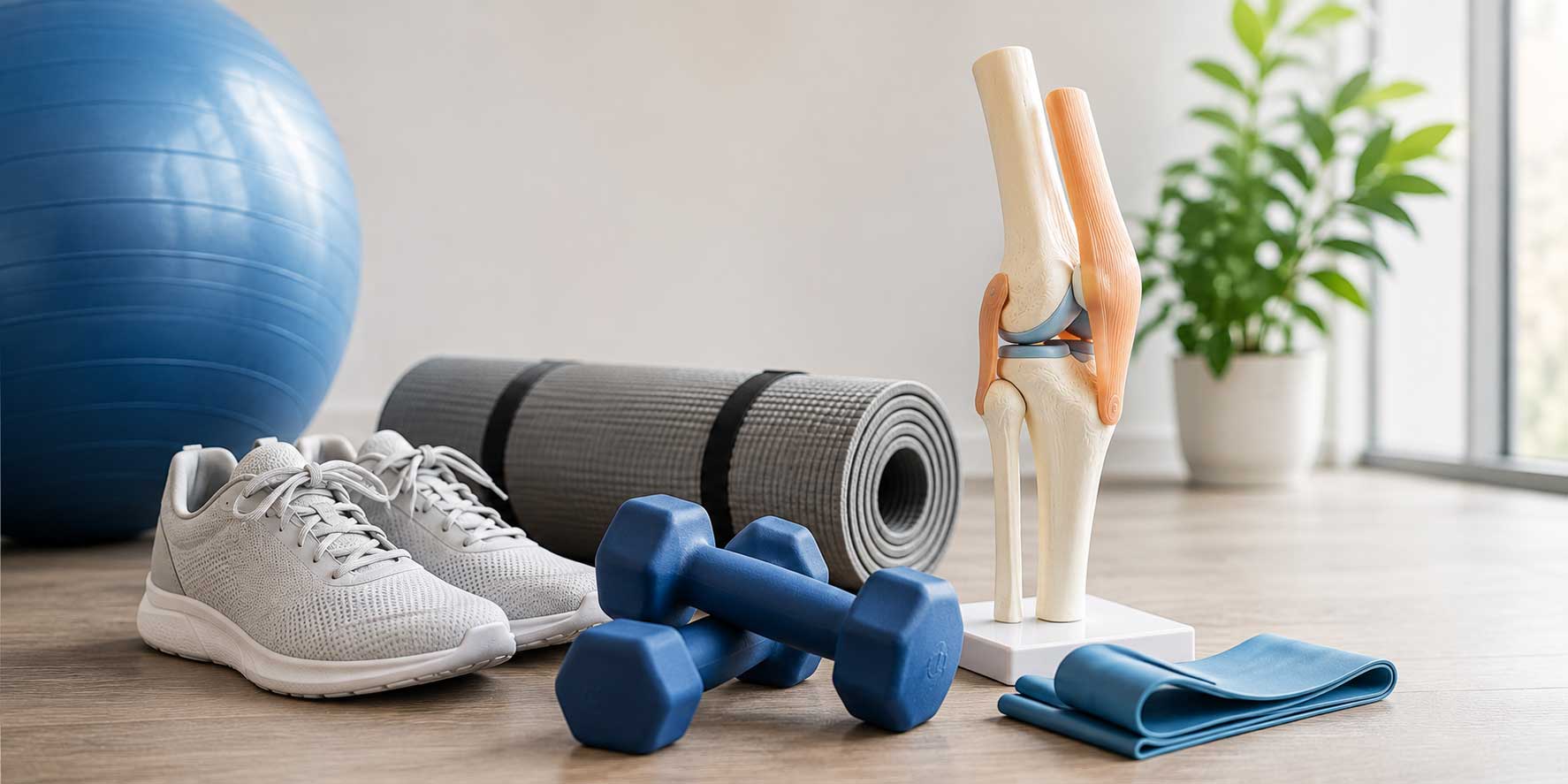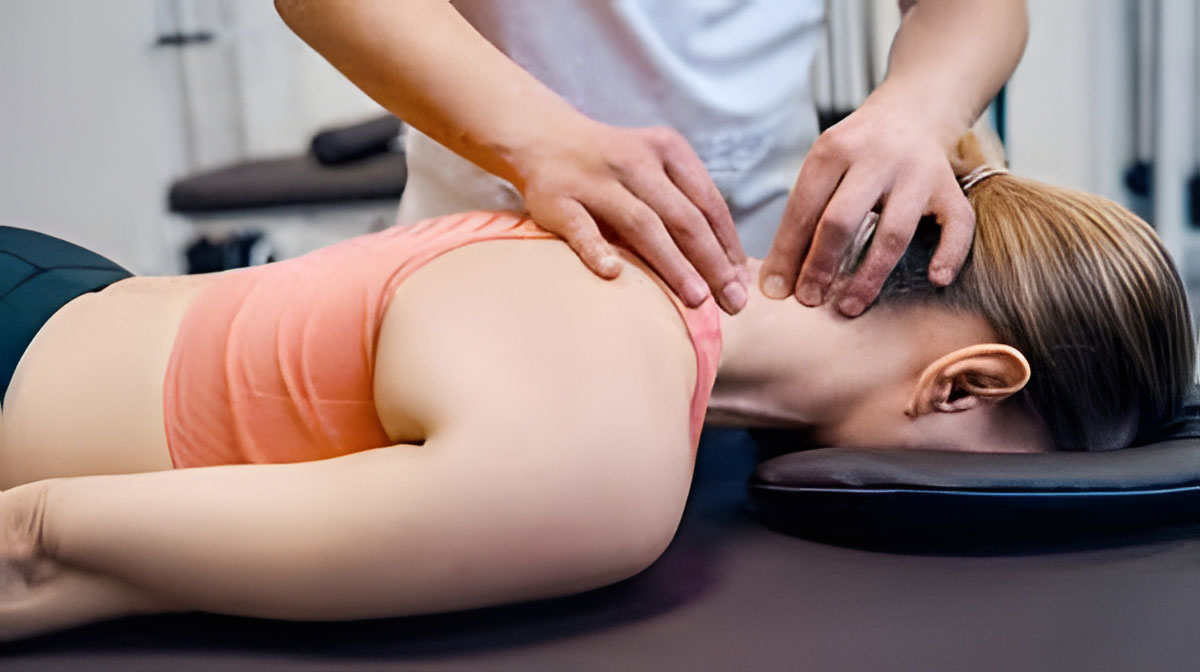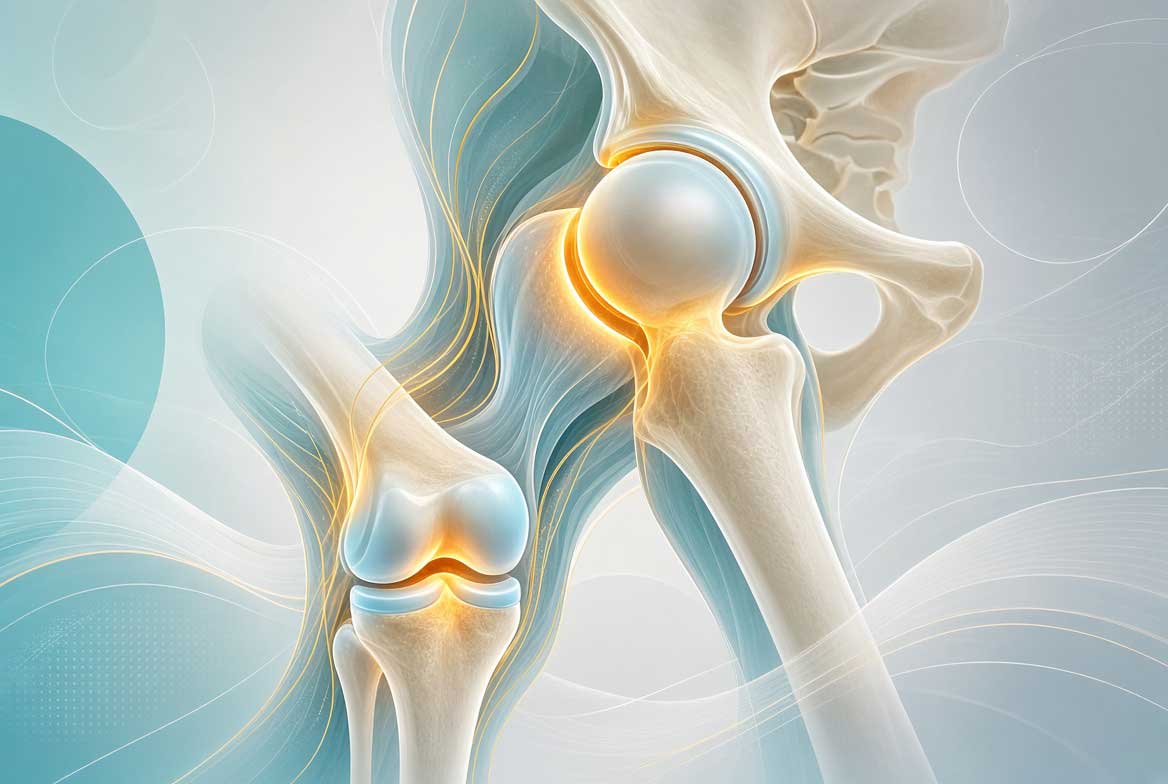
osteopathy for knee pain

The Hands-On Approach: Why Osteopathy for Knee Pain Deserves a Spot on Your Treatment Team

Let me paint you a picture that might feel painfully familiar.

You’re standing in your kitchen, coffee in hand, staring at the top shelf where you know the good maple syrup lives. You rise up on your toes, reach forward, and then it hits you—that familiar twinge in your knee that stops you mid-motion. Not quite a sharp pain, not quite a dull ache. Just a reminder that your knee has become that coworker who’s always complaining about something.

Or maybe it’s the first few steps in the morning, when your knees sound like a bowl of Rice Krispies and feel about as reliable. The dreaded “getting out of bed” shuffle that makes you feel decades older than your actual age.

Knee pain is the great equalizer. It hits hockey players and knitters, runners and gardeners, teenagers who overdid it at soccer practice and grandparents who just want to play on the floor with their grandkids. In British Columbia alone, nearly 9% of adults report knee osteoarthritis—making it the most common site of physician-diagnosed OA in the province . And that’s just the diagnosed cases. That doesn’t count the patellofemoral pain syndromes, the meniscus tweaks, the IT band issues, and all the other creative ways our knees find to complain.

You’ve probably tried the usual suspects. Ice packs that have become permanent fixtures on your coffee table. Overpriced knee sleeves from Amazon that promised miracles and delivered mild compression. Maybe even some stretches you found on YouTube that left you more confused than helped.

But here’s a question worth considering: have you thought about osteopathy for knee pain?

Before you click away thinking “isn’t that just fancy massage?” or “I thought osteopaths only did backs,” stick with me. Because the evidence is mounting, the research is getting interesting, and the hands-on approach of osteopathy might be exactly what your knee has been begging for.

At Sync Move Rehab Centre, we believe in building you a complete treatment team—and for many knee pain sufferers, that team works better when osteopathy is at the table. So let’s take a deep, friendly dive into what osteopathy actually is, what the science says, and whether those skilled hands might be the missing piece in your knee pain puzzle.


First Things First: What Even Is Osteopathy?

Before we get into the knee-specific stuff, let’s clear up a common source of confusion. Osteopathy isn’t chiropractic, though they’re cousins. It’s not massage therapy, though there’s some overlap. And it’s definitely not “woo-woo” medicine, despite what skeptics might assume.

Osteopathy is a regulated health profession built on a pretty simple philosophy: your body has an incredible ability to heal itself, and your job is to remove the barriers getting in its way. Osteopaths use their hands to diagnose, treat, and prevent a wide range of health problems. They’re trained to look at your body as an integrated whole rather than a collection of unrelated parts.

Think of it this way: if your knee hurts, a conventional approach might look at the knee. An X-ray, maybe an MRI, some anti-inflammatories, perhaps a referral to a specialist. All perfectly reasonable, by the way. But an osteopath might also look at your ankle (is it moving properly?), your hip (are the muscles weak?), your pelvis (is it tilted?), and even your opposite leg (are you compensating without realizing it?).

Because here’s the thing about knees: they’re at the mercy of everything above and below them. Your foot hits the ground, that force travels up through your ankle, gets absorbed and transferred by your knee, and continues up to your hip and spine. If any part of that chain isn’t working right, your knee pays the price.

Osteopathic treatment—often called osteopathic manipulative treatment or OMT—involves gentle, hands-on techniques to improve joint mobility, release tight muscles, reduce tension in connective tissue, and help everything move the way it’s supposed to. It’s not about cracking or popping (though that can happen incidentally). It’s about restoring normal movement and letting your body do what it does best.


The Knee Pain Landscape: What We’re Actually Dealing With

Alright, let’s get specific. When we talk about knee pain in Canada, what are we actually talking about?

Osteoarthritis: The 800-Pound Gorilla

If knee pain had a Most Wanted list, osteoarthritis would be at the top. It affects approximately three million Canadians, most commonly at the knee . That’s more than the entire population of Manitoba.

A 2022 study in British Columbia found that 8.8% of adults reported physician-diagnosed knee osteoarthritis, making it the most common site-specific OA in the province . Among those with OA, more than 40% had it in multiple joints —meaning if your knee is complaining, there’s a decent chance your hands, hips, or other knee are joining the chorus.

Globally, the numbers are even more staggering. Knee osteoarthritis affects over 650 million people worldwide . Women are 1.7 times more likely to develop it than men, and among adults over 60, approximately 18% of women and 10% of men experience symptomatic knee OA .

But here’s the thing about knee OA: it’s not just “wear and tear” like your grandpa’s old truck. It’s an active disease process involving the whole joint—cartilage, bone, ligaments, muscles, and the lining of the joint itself. And while we can’t reverse the underlying changes, we absolutely can manage the symptoms, improve function, and keep people moving.

Beyond Arthritis: Other Knee Complaints

Osteoarthritis isn’t the only player. A 2025 article from an Ottawa chiropractic clinic breaks down the landscape:

  • Patellofemoral Pain Syndrome (Runner’s Knee): Accounts for up to 25% of all knee complaints, especially in young adults and active people . That’s pain around or behind the kneecap, often from poor alignment or muscle imbalances.
  • Meniscus Tears: About 60,000 to 70,000 cases treated annually in Canada . These cartilage tears are common in both sports injuries and aging knees.
  • Ligament Injuries (ACL, MCL): Over 10,000 Canadians annually deal with ACL injuries alone, often from skiing, soccer, or basketball .
  • Iliotibial Band Syndrome: The leading cause of lateral knee pain in runners and cyclists .

The takeaway? Knee pain is wildly common, varies widely in cause, and affects Canadians across all ages and activity levels.


What the Science Says: Osteopathy for Knee Pain

Now for the million-dollar question: does osteopathy actually work for knee pain? Let’s look at the evidence.

The 2024 Swiss Randomized Controlled Trial

One of the most direct studies on this topic comes from a 2024 randomized controlled trial published through the Osteopathic Research Web . Researchers led by Ralf Dierenbach wanted to know whether osteopathic treatment specifically targeting the kneecap (patella) could improve pain, mobility, and quality of life in people with chronic knee pain.

Here’s what they did: Thirty-eight participants with chronic knee pain were randomized into two groups. The intervention group received three osteopathic treatments spaced six weeks apart. The control group received three physiotherapy treatments focused on mobilizing the patella. Both groups were followed with questionnaires every six weeks.

The results? Pretty impressive.

For the osteopathy group, KOOS pain scores improved significantly more than the control group, with a mean difference of 13.6 points (95% CI: 7.65 to 19.5, p < 0.001). For context, that’s a clinically meaningful improvement—the kind of change patients actually notice in their daily lives.

Significant improvements were also seen across nearly all other measures —function, quality of life, and additional pain scales. Only one subscale (KOOS Symptoms) didn’t show significant difference. And importantly, no adverse effects were reported .

The study authors concluded that “it can be assumed that osteopathic treatment of the patella can lead to improvements in pain, mobility, and quality of life for a large portion of knee pain patients” .

Now, a few caveats: this was a single-center study with a relatively small sample size (33 completed the study). It wasn’t blinded, which means participants knew what treatment they were getting. And it was privately funded by the study director. So we need to interpret the results with appropriate caution.

But here’s what’s exciting: this is precisely the kind of preliminary evidence that justifies larger, multi-center trials. It suggests there’s something real happening worth investigating further.

The 2026 Musculoskeletal Review

A January 2026 review in Osteoarthritis and Cartilage looked broadly at non-pharmacological, non-surgical treatments for osteoarthritis across multiple joints . The review team, including researchers from La Trobe University in Australia, synthesized studies published between March 2024 and March 2025.

Their findings on manual therapy? The evidence was categorized under “adjunct treatments,” and the results were mixed but promising. While the review didn’t single out osteopathy specifically, it noted that manual therapy approaches show region-specific effects and inconsistent outcomes across studies —meaning they work for some people and some joints better than others .

This aligns with what we see clinically: manual therapy isn’t a magic bullet, but for the right patient with the right presentation, it can be a game-changer.

The 2026 PubMed Evidence Summary

A February 2026 review in FP Essent looked at physical modalities for musculoskeletal treatments more broadly . The authors found low- to moderate-certainty evidence supporting the use of osteopathic manipulative treatment for pain management across multiple body regions .

They also made an important point: most evidence suggests that treatments for chronic pain are best used in combination, such as in multidisciplinary rehabilitation programs . This isn’t about osteopathy versus physiotherapy versus massage. It’s about osteopathy and physiotherapy and other approaches working together.

The 1998 Study That Keeps Coming Up

Here’s where things get a little awkward. If you search for osteopathy and knee pain, you’ll eventually stumble across a 1998 study published in the Journal of the American Osteopathic Association that looked at osteopathic manipulative treatment in patients undergoing knee or hip replacement surgery .

The results weren’t great for OMT. In fact, among patients with osteoarthritis who underwent total knee arthroplasty, the OMT group actually did worse: length of stay was 15.0 days versus 8.3 days in the sham group (p = 0.004), and rehabilitation efficiency was significantly lower .

Before you throw out osteopathy entirely based on a 27-year-old study, consider a few things:

  1. This was a post-surgical population, not people with knee pain seeking conservative care
  2. The OMT protocol was delivered in a specific way that may not reflect current practice
  3. The study is from 1998—osteopathic technique and research methodology have evolved considerably since then
  4. The authors themselves concluded that “the OMT protocol used does not appear to be efficacious in this hospital rehabilitation population” —not that OMT is never useful for any knee condition

The lesson here is that context matters. Osteopathy may not be ideal for immediate post-surgical recovery, but that doesn’t mean it has no role in knee pain management.


The Bigger Picture: What Guidelines Actually Recommend

To understand where osteopathy fits, it helps to look at what major clinical guidelines say about conservative knee pain treatment overall.

A November 2025 systematic review in Bone & Joint Open examined 13 international clinical practice guidelines for knee osteoarthritis management . The findings were revealing.

The Core Four (Everyone Agrees)

Across all guidelines, there was broad consistency on four core interventions:

  1. Exercise therapy (strongly recommended by everyone)
  2. Self-management advice and education
  3. Weight management for those carrying extra weight
  4. Walking aids when appropriate

These are the non-negotiables. If you have knee pain and you’re not doing these things, start here regardless of anything else.

The “It Depends” Category (Where Manual Therapy Lives)

For interventions like manual therapy (which includes osteopathy, chiropractic, and various hands-on techniques), the guidelines showed notable variation . Some recommended manual therapy conditionally, others were silent, and a few expressed uncertainty .

The review authors noted that these variations “relate to how the guideline groups interpreted generally low levels of evidence” . In other words, the evidence isn’t strong enough for universal recommendations, but it’s also not strong enough to say “this definitely doesn’t work.”

What This Means for You

If you’re hoping for a definitive “osteopathy is proven to cure knee pain,” I can’t give you that. The evidence isn’t there yet. But if you’re looking for a reasonable, low-risk option that might help—especially when combined with core treatments like exercise and education—osteopathy is absolutely worth considering.

The 2026 chronic knee pain review in Pain Practice put it well: when conservative measures fail to provide satisfactory pain relief, a multidisciplinary approach is recommended including psychological therapy, integrative treatments, and procedural options .

Osteopathy falls under “integrative treatments”—and for many patients, it’s the piece that finally clicks everything into place.


How Osteopathy Approaches Knee Pain: The Clinical Reality

So what does osteopathy for knee pain actually look like in practice? Let me walk you through a typical scenario at Sync Move Rehab Centre.

The Assessment: Looking Beyond the Knee

Your first visit starts with questions—lots of them. Your osteopath wants to understand not just where it hurts, but the whole story.

  • When did this start? Gradual onset or sudden injury?
  • What makes it better? What makes it worse?
  • How does it affect your daily life—work, sleep, activities?
  • What have you tried already?
  • Do you have any other health conditions (diabetes, thyroid issues, etc.)?
  • What are your goals? (Run a 5K? Garden without pain? Sleep through the night?)

Then comes the physical assessment. But here’s where osteopathy differs from a purely local approach. Your osteopath isn’t just looking at your knee. They’re watching you walk, stand, squat. They’re checking your foot mechanics, your ankle mobility, your hip strength, your pelvic alignment. They might assess your lower back and even your opposite leg.

Because remember: your knee is the messenger, but the message might be coming from elsewhere.

The Treatment: Hands-On and Personalized

Based on the assessment findings, your osteopath develops a treatment plan tailored to you. This might include:

Soft Tissue Techniques: Gentle massage and stretching of tight muscles around the knee—the quads, hamstrings, calves, IT band. If muscles are pulling unevenly on your kneecap or joint, releasing tension can make a big difference.

Joint Mobilizations: Gentle, rhythmical movements to improve the range of motion in stiff joints. This might include the kneecap itself (remember that Swiss study?), the main knee joint, or even the ankle and hip if they’re contributing.

Articulatory Techniques: Taking joints through their full range of motion in a gentle, repetitive way to improve mobility and reduce restriction.

Myofascial Release: Gentle, sustained pressure on connective tissue (fascia) to release restrictions and improve movement.

Cranial Osteopathy: For some patients, very gentle work on the head and sacrum can influence the whole body’s balance. This isn’t for everyone, but for certain presentations, it’s remarkably effective.

Advice and Self-Management: Your osteopath will also give you things to do at home—stretches, exercises, activity modifications—to support the hands-on work.

The Integration: Working With Your Team

Here’s the thing about osteopathy at Sync Move Rehab Centre: it’s not meant to replace everything else. It’s meant to work alongside it.

Maybe you’re seeing a physiotherapist for exercise prescription and a massage therapist for soft tissue work. Osteopathy can complement both by addressing joint restrictions and whole-body patterns that neither modality tackles alone. Maybe you’re preparing for knee replacement surgery—osteopathy beforehand might help optimize your function going in, even if it’s not recommended immediately after.

The goal isn’t to make you dependent on any single practitioner. It’s to give your body what it needs to heal itself, then step back and let it do its thing.


The Research Frontier: What’s Coming Next

The evidence base for osteopathy and knee pain is growing. Here’s what’s on the horizon.

Ongoing Studies

The Osteopathic Research Web lists several ongoing and recently completed studies related to knee pain . These include investigations into specific techniques, comparisons with other modalities, and outcomes in different patient populations.

The Push for Better Evidence

Researchers themselves acknowledge the limitations of current evidence. Small sample sizes, lack of blinding, variability in techniques, and inconsistent outcome measures all make it harder to draw firm conclusions.

But here’s the optimistic take: the fact that researchers are actively working on these questions means the field is maturing. We’re moving from “does osteopathy work?” to “for which patients, with what kind of knee pain, at what stage, and in combination with what other treatments does osteopathy provide the most benefit?”

Those are much better questions, and they lead to much better answers for patients.

The Manual Therapy Renaissance

There’s growing interest across all manual therapy professions in better research, clearer definitions of techniques, and more targeted treatment. The days of “one-size-fits-all” approaches are ending. Instead, we’re seeing more nuanced understanding of how different techniques affect different tissues and different patients.

For knee pain specifically, the 2026 Swedish massage versus hip strengthening study showed that both active interventions significantly outperformed control —massage reduced pain by an adjusted mean of 0.81 cm on VAS, exercises by 0.77 cm . Both improved function and range of motion.

The study authors concluded that “SM and HSE mitigate KOA pain, with SM uniquely enhancing daily function, supporting integration into clinical practice to promote independence and reduce healthcare burdens in aging populations” .

While this study looked at Swedish massage rather than osteopathy specifically, it supports the broader principle that hands-on, manual approaches have real value in knee pain management.


What You Can Do Right Now: A Practical Guide

Whether you’re considering osteopathy or just want to start feeling better today, here are evidence-based steps you can take.

  1. Move, But Move Smart

Exercise is the non-negotiable foundation of knee pain management. Every guideline says so . But “exercise” doesn’t have to mean running marathons or pumping iron.

  • Walking is one of the safest activities, even during pain flares
  • Swimming or water aerobics takes weight off joints while keeping you moving
  • Stationary cycling builds strength with minimal impact
  • Strengthening exercises for hips and quads support your knees

The key is consistency. Short sessions most days beat heroic sessions once a week.

  1. Try the Hip Strengthening Approach

The 2026 study we mentioned used a specific hip strengthening protocol that was safe and effective for older adults with knee OA . While you should get personalized advice from a professional, the general principle is clear: strong hips protect knees.

Simple exercises like clamshells, side-lying leg lifts, and bridges can make a real difference.

  1. Consider Manual Therapy

If you’ve tried exercise alone and still have stubborn restrictions or pain, manual therapy might be the missing piece. This could mean:

  • Osteopathy for whole-body assessment and gentle joint work
  • Physiotherapy with hands-on techniques
  • Massage therapy for soft tissue relief
  • Chiropractic care for joint adjustments

The 2025 clinical guideline review noted that manual therapy recommendations vary, but for many patients, it’s a reasonable adjunct to core treatments .

  1. Don’t Forget Self-Management
  • Heat before activity to loosen stiff joints
  • Ice after activity if you’re sore
  • Pacing—balance activity with rest, avoiding the boom-and-bust cycle
  • Weight management if relevant—every kilogram lost reduces load on knees
  1. Build Your Team

Here’s the approach we recommend at Sync Move Rehab Centre:

Start with a physiotherapy assessment to get clear on your diagnosis and establish an exercise foundation. If you’re hitting plateaus or have specific restrictions that aren’t responding, consider adding osteopathy to address joint mechanics and whole-body patterns. Massage therapy can help with soft tissue tightness. And if you have metabolic factors like diabetes or thyroid issues, make sure your medical doctor is in the loop.

The multidisciplinary approach—combining exercise, education, manual therapy, and medical management—consistently outperforms any single intervention alone .


When to Consider Osteopathy Specifically

Based on current evidence and clinical experience, here’s who might benefit most from adding osteopathy to their knee pain management:

You’ve tried exercise but hit a plateau. You’re doing your stretches and strengthening, but there’s a stubborn restriction that won’t budge. Osteopathic joint mobilization might help release whatever’s stuck.

Your pain seems connected to other areas. Your knee hurts, but your hip is tight, your ankle feels off, or your lower back has been acting up. You suspect it’s all connected—and you’re probably right.

You prefer hands-on, manual approaches. Some people just respond better to hands-on treatment. If you’re one of them, osteopathy might be your jam.

You want a whole-body perspective. You’re not just looking for knee exercises—you want someone to look at how you move as a whole person and address underlying patterns.

You’ve had good results with manual therapy before. If osteopathy, chiropractic, or massage has helped you in the past for other issues, there’s a decent chance it’ll help with your knee too.


The Bottom Line: Osteopathy as Part of the Picture

Here’s the honest truth about osteopathy for knee pain: it’s not a miracle cure, and anyone who tells you otherwise is selling something. But it’s also not pseudoscience or wishful thinking.

The evidence, while still developing, supports what many patients have known for years: skilled hands-on treatment can reduce pain, improve mobility, and enhance quality of life. The 2024 Swiss trial showed clinically meaningful improvements in knee pain with osteopathic treatment. The 2026 evidence reviews acknowledge low- to moderate-certainty support for OMT in pain management. And the broader manual therapy literature consistently shows benefit for many patients.

The key is integration. Osteopathy works best not as a standalone fix but as part of a comprehensive approach that includes exercise, education, self-management, and—when appropriate—medical interventions.

At Sync Move Rehab Centre, we’re not here to sell you on any single modality. We’re here to help you build the right team for your unique situation. For some people with knee pain, that team includes osteopathy. For others, it doesn’t. The important thing is that you have access to evidence-based options and the guidance to make informed choices.

Your knees have carried you through a lot. They’ve supported you on early morning runs, helped you chase kids, got you through endless hours of standing at work, and never once complained—until now. They’re not broken. They’re not beyond help. They’re just asking for a little attention, a little support, and maybe a fresh approach.

If you’ve been stuck in the same pain cycle for months or years, if you’ve tried the basics and still feel limited, if you’re wondering whether there’s something you’re missing—maybe it’s time to consider what osteopathy might offer.

Worst case? You try a few sessions, it doesn’t make a dramatic difference, and you move on. Best case? You find the missing piece that finally lets your knee settle down and let you get back to living.

Either way, you’ll have answers. And sometimes, that’s worth as much as the treatment itself.


References

  1. Osteopathic Research Web – Can Osteopathic Treatment of the Patella Improve Knee Pain, Mobility, and Quality of Life? A Randomized Controlled Study [2024 Swiss RCT showing significant improvements in knee pain with osteopathic treatment: mean difference 13.6 points in KOOS pain, p < 0.001]
  2. PubMed – Musculoskeletal Treatments: Physical Modalities (FP Essent. 2026 Feb) *[2026 review finding low- to moderate-certainty evidence for osteopathic manipulative treatment in pain management across multiple body regions]*
  3. PMC – Swedish massage versus hip strengthening exercises for knee osteoarthritis (Aging Clin Exp Res. 2026 Jan) [2026 RCT showing both massage and exercise effective for knee OA, with massage uniquely enhancing daily function]
  4. Michael Smith Health Research BC – James D. Johnston Profile [Canadian source: osteoarthritis affects approximately three million Canadians, most commonly at the knee]
  5. BVSALUD – Prevalence of joint-specific osteoarthritis in British Columbia, Canada (Rheumatol Int. 2022) *[BC-specific data: 8.8% of adults report knee OA, most common site; over 40% have multi-joint involvement]*
  6. PMC – Consistency of advice for knee OA management across international guidelines (Bone Jt Open. 2025 Nov) [2025 systematic review of 13 guidelines showing broad consistency on core treatments, variation on manual therapy recommendations]
  7. De Gruyter Brill – Journal of Osteopathic Medicine Volume 104 Issue 5 *[Includes 1998 study on OMT post-arthroplasty showing poorer outcomes in surgical population—important context for appropriate use]*
  8. Loving Life Chiropractic – Why Do My Knees Hurt? *[Canadian source with prevalence data: 1 in 5 over 45 have knee OA, 60-70K meniscus tears annually, 25% of complaints are patellofemoral pain]*
  9. ScienceDirect – Joanne L. Kemp Author Profile *[2026 Osteoarthritis and Cartilage review on non-pharmacological treatments including manual therapy]*
  10. The Royal College of Surgeons of England Library – Chronic knee pain review (Pain Practice 2025 Jan) [2025 review recommending multidisciplinary approach including integrative treatments when conservative care fails]
  11. Sync Move Rehab Centre – Official Website [Your trusted partner in rehabilitation and movement health, offering integrated care including osteopathy, physiotherapy, and massage therapy]


chiropractic for migraines

The Migraine Puzzle: Why Chiropractic for Migraines Might Be the Missing Piece You’ve Never Considered

Let me introduce you to Sarah. (Not her real name, but her story is real enough.)

Sarah is a 34-year-old teacher from Burnaby. She’s the kind of person who brings homemade cookies to staff meetings and remembers every student’s birthday. She’s also the kind of person who, three times a month, has to cancel her afternoon classes, close her blinds, and lie motionless in a dark room while her head tries to explode from the inside out.

“People think I’m being dramatic when I say I can feel my heartbeat in my eyeball,” she told me during her first visit to Sync Move Rehab Centre. “But that’s exactly what it feels like. Like someone hooked my optic nerve up to a subwoofer.”

Sarah had tried everything. The triptans that made her feel like she’d been hit by a truck. The preventive meds that dulled everything—including her personality. The elimination diets that left her eating nothing but rice and chicken for six weeks. The $400 pillow. The $600 night guard. The acupuncturist who meant well. The neurologist who meant well but had a waiting list longer than a Costco lineup on Saturday morning.

What she hadn’t tried—what no one had ever suggested—was chiropractic.

“Wait,” she said, when I mentioned it. “You crack backs. How’s that going to help my head?”

Fair question. And the answer is complicated, fascinating, and—if you’re one of the 4.5 million Canadians living with migraines—potentially life-changing .

So grab a tea (herbal, if caffeine’s a trigger), get comfortable, and let’s dive deep into the science, the controversy, and the real-world experience of chiropractic for migraines.


The Migraine Landscape: What 4.5 Million Canadians Need to Know

Before we talk about solutions, let’s talk about the problem. Because migraines aren’t “just headaches.” They’re neurological events—complex, disabling, and wildly misunderstood.

The Canadian Numbers

According to Migraine Canada, approximately 12.5% of Canadians—that’s 4.5 million people—suffer from migraines . To put that in perspective, that’s more than the entire population of Manitoba, Saskatchewan, and Newfoundland combined.

A national health survey found that about 8% of Canadians aged 12 and older—nearly 2 million people—have been formally diagnosed with migraines by a healthcare professional . Among those diagnosed, 42% reported using prescription medications to manage their condition .

Women are disproportionately affected. Globally, eight percent of men experience migraines, but the condition is three times more common among women . If you’re a woman of childbearing age and your head is pounding right now, you’re not alone—and you’re not imagining it.

What Actually Happens During a Migraine?

Here’s the thing about migraines that most people don’t understand: they’re not just pain. They’re a whole-body event.

A migraine is typically characterized by:

  • Moderate to severe throbbing pain, often on one side of the head
  • Nausea and vomiting
  • Sensitivity to light (photophobia)
  • Sensitivity to sound (phonophobia)
  • Visual disturbances called auras (for about a third of sufferers)

There are two main categories :

Migraine without aura: Throbbing, pulsating pain—like a heartbeat in your head—usually on one side. The pain intensity is moderate to severe, and there are no preceding neurological symptoms.

Migraine with aura: Recurrent attacks lasting at least five minutes, accompanied by visual, sensory, or neurological symptoms—flashes of light, tingling sensations, temporary vision loss. These symptoms are unilateral, appear gradually, and are fully reversible.

Attacks can last anywhere from a few hours to several days . In severe cases, they can happen up to three times a day .

The Global Burden

Worldwide, migraine affects about 15% of the general population . It’s the third most common condition globally, according to the Global Burden of Disease study . In the United States alone, an estimated 38 million adults are migraine sufferers, and 91% of them experience migraine-associated disability .

The socioeconomic costs are staggering—missed work, reduced productivity, healthcare expenses, and the invisible cost of watching your life shrink around your symptoms.


The Common Triggers: What Sets It Off?

Migraines don’t happen randomly. They happen when a susceptible nervous system encounters certain triggers. According to chiropractic sources, common triggers include :

  • Stress: Emotional or physical stress is the #1 trigger for many people
  • Hormonal changes: Particularly in women—menstrual cycle, pregnancy, menopause
  • Dietary factors: Aged cheese, chocolate, alcohol (especially red wine), artificial sweeteners
  • Caffeine: Either excess consumption or withdrawal
  • Environmental factors: Bright lights, loud noises, strong odors
  • Sleep disturbances: Too little sleep OR too much sleep
  • Irregular eating: Skipping meals or fasting
  • Weather changes: Barometric pressure shifts, temperature variations

But here’s the one that often gets overlooked: poor posture and neck tension . Inadequate posture during long hours at a computer can lead to muscle tension in the neck and back, creating what chiropractors call “spinal subluxation”—a joint and nerve interference that affects communication between the brain and the rest of the body .

And that’s where the migraine-neck connection starts to get interesting.


The Missing Link: Why Your Neck Might Be the Culprit

Let’s talk about something called the trigeminocervical complex. I promise this won’t hurt.

Deep in your brainstem, there’s a region where the nerves that supply your face and head (the trigeminal nerve) interact with the nerves that supply your upper neck (the cervical nerves) . They share a common pathway—think of it as a neurological intersection where traffic from your neck and your head converge.

When there’s dysfunction in your upper neck—tight muscles, stiff joints, poor alignment—that sends signals into this shared pathway. And because the brain can sometimes be sloppy about distinguishing where signals come from, it can interpret neck signals as head signals.

This is the basis of cervicogenic headache—head pain originating from the neck. But here’s where it gets really interesting for migraine sufferers: even true migraines can be influenced by what’s happening in your neck.

Dr. Dean Watson, a musculoskeletal physiotherapist and leading researcher in this area, puts it bluntly: “Evidence is steadily accumulating that upper cervical input can directly influence the very neural hub central to migraine pathophysiology” .

In plain English: your neck issues might not cause your migraines, but they can absolutely pour gasoline on the fire.

The Circular Logic Problem

Here’s the frustrating part. Migraine is classified as a “primary headache disorder,” meaning by definition it has no known structural cause . So when clinicians encounter cervical dysfunction in migraine patients, the reasoning often follows: “It can’t be causal, because migraine is primary.”

Dr. Watson calls this what it is: petitio principii—begging the question. Circular reasoning. The classification itself becomes a barrier to exploring alternative mechanisms .

He explains: “‘Primary’ reflects the absence of a demonstrable cause; it does not exclude the possibility of causal mechanisms, such as noxious cervical afferents sensitising the trigeminocervical complex” .

The result? A self-perpetuating loop. Classification discourages inquiry, which limits data, which reinforces the assumption that cervical factors are irrelevant. Confirmation bias quietly narrows the scope of both clinical practice and research .

Reframing the Question

Instead of asking “Is cervical dysfunction the cause of migraine?”, Dr. Watson suggests we ask a more nuanced question: “Can cervical afferents play a causal role in migraine pathophysiology?”

This opens the door to integrated models that allow for multiple converging inputs. It also justifies the inclusion of skilled manual assessment and treatment of the upper cervical spine within migraine management—not as an adjunct curiosity, but as a potentially essential intervention for some patients .


The Emerging Science: What Research Actually Shows

Now for the million-dollar question: does chiropractic actually work for migraines? Let’s look at the evidence.

The 2024 Systematic Review and Meta-Analysis

In November 2024, Systematic Reviews published an updated systematic review and meta-analysis of randomized clinical trials examining spinal manipulations for migraine . This wasn’t a small, obscure study—it garnered significant attention, ranking in the 94th percentile of tracked articles of similar age and receiving 4 citations and 25 Altmetric mentions .

What did it find? The metrics tell an interesting story: the scientific and online communities are paying attention. There’s genuine interest in whether spinal manipulation can help with migraines .

The 2025 Systematic Review

More recently, in 2025, a systematic review from the Universidad de Valladolid examined chiropractic spinal manipulation specifically for headaches, including migraines . The researchers searched multiple databases from inception to April 2024 and included randomized controlled trials comparing chiropractic manipulation to sham, no intervention, or other conservative treatments.

The results were mixed but intriguing. Among the five studies comparing chiropractic manipulation to sham, two found a significant reduction in the number of headache days . Of the three studies comparing chiropractic manipulation to a control, one reported a decrease in headache episode duration .

The authors were careful to note that the certainty of evidence was downgraded to “very low,” and they concluded: “It is uncertain if chiropractic spinal manipulation is more effective than sham, control, or deep friction massage interventions for patients with headaches” .

The Neurophysiological Evidence

Where the research gets really exciting is in understanding how manual therapy might work. Dr. Watson highlights emerging studies examining the effects of upper cervical manual therapy on the sensitization of the trigeminocervical complex .

Jafari and colleagues published research in 2023-2024 showing that upper cervical manual therapy can affect central sensitization in subjects with migraine and neck pain . This builds on earlier research from 2014 using the nociceptive-blink reflex to demonstrate cervical referral of head pain in migraineurs .

Dr. Watson notes: “Finally, a body of research is emerging to advance the sensitising role that noxious upper cervical afferents play in migraine. This research demands more consideration of non-pharmacological targeting of the TCC in those with migraine” .

The Cervicogenic Headache Evidence

While cervicogenic headache is technically different from migraine, the overlap is significant—and the evidence for manual therapy in cervicogenic headache is robust.

A February 2026 meta-analysis published in the European Journal of Pain examined 41 randomized controlled trials on cervicogenic headache and found that multimodal, non-pharmacological treatment approaches demonstrated the greatest overall effectiveness . Treatment combinations that included manual therapy produced the largest reductions in headache intensity, frequency, and disability—outperforming pharmacologic treatments and single-modality interventions .

A JMPT umbrella review of 35 prior systematic reviews confirmed “high confidence in the results supporting the use of cervical spine mobilization/manipulation, soft tissue mobilization, and manual therapy combined with exercise” for cervicogenic headache .

What This Means for Migraine Sufferers

The takeaway? While the evidence for chiropractic specifically for migraine isn’t as strong as we’d like—yet—the direction of travel is promising. The neurophysiological research suggests plausible mechanisms. The cervicogenic headache research demonstrates that manual therapy can influence head pain originating from the neck. And the clinical experience of countless patients and practitioners suggests that for many people, chiropractic care can make a real difference.


What Chiropractic Care Actually Looks Like for Migraines

If you’re considering chiropractic for migraines, what should you expect? Let me walk you through a typical approach at Sync Move Rehab Centre.

The Assessment: Playing Detective

Your first visit starts with questions—lots of them. Your chiropractor wants to understand not just where it hurts, but the whole story.

  • When did this start? Gradual or sudden?
  • What does the pain feel like? Throbbing? Stabbing? Pressing?
  • Where exactly is the pain? One side? Both sides? Behind the eyes? At the base of the skull?
  • What triggers it? Stress? Certain foods? Hormonal changes? Neck position?
  • How long do episodes last? Hours? Days?
  • What have you tried already? Medications? Supplements? Other therapies?
  • Do you have any neck pain or stiffness between migraines?
  • Have you had any neck injuries—even old ones?

Then comes the physical exam. Your chiropractor will:

  • Assess your cervical range of motion—how far can you turn, tilt, nod?
  • Palpate for muscle tension in your neck, shoulders, and upper back
  • Check for tender points and restricted joints
  • Assess your posture and how you hold your head
  • Look for patterns—do you consistently hold your head forward or rotated?

The Diagnosis: Ruling Out Red Flags

Before any treatment, your chiropractor will screen for “red flags”—signs that your headaches might have a more serious cause. These include:

  • Sudden, severe headache unlike any you’ve had before
  • Headache with fever, stiff neck, or rash
  • Headache after head injury
  • Headache with neurological symptoms like weakness, numbness, or speech changes

If any red flags are present, you’ll be referred for appropriate medical evaluation.

The Treatment: Hands-On and Personalized

Based on the assessment, your chiropractor develops a plan tailored to you. This might include:

Spinal Manipulation (Adjustments): Gentle, specific adjustments to restricted joints in the upper cervical spine. The goal is to restore normal motion and reduce mechanical irritation to the nerves that converge in the trigeminocervical complex . Research suggests that “upper cervical SMT is the most successful of the many different approaches and procedures” for headache originating from the neck .

Mobilization: Gentler, rhythmical movements for joints that need motion but might not tolerate high-velocity manipulation.

Soft Tissue Work: Hands-on techniques to release tight muscles, especially in the suboccipital region, upper trapezii, and other muscles that can refer pain to the head . Myofascial release techniques of the suboccipital muscles “can significantly alleviate pain and disability in tension-type headache and cervicogenic headache” .

Dry Needling: For some patients, inserting fine needles into myofascial trigger points can release muscle tension and reduce pain. The 2026 meta-analysis found that “the highest-ranked interventions for both intensity and frequency reduction included manual therapy combined with dry needling” .

Home Exercises: Specific exercises to maintain progress between visits. SNAG exercises (Sustained Natural Apophyseal Glides) have emerged as a valuable tool—studies confirm that adding SNAGs to exercise improves headache frequency, intensity, duration, and disability .

Postural and Ergonomic Advice: Because how you hold your head during the day affects the muscles and joints of your neck. Research confirms that ergonomic modifications produce “statistically 52.97% improvement” in cervicogenic headache frequency .

The Timeline: What to Expect

Everyone responds differently, but a reasonable expectation might be:

  • Some improvement within a few sessions
  • More substantial change over 4-8 weeks
  • Ongoing self-management to prevent recurrence

Chiropractic care isn’t a quick fix—it’s a process of retraining your body and addressing the mechanical factors that contribute to your migraines.


The Proposed Mechanisms: How Chiropractic Might Help Migraines

How exactly might chiropractic care influence migraines? Several mechanisms are plausible.

  1. Reducing Trigeminocervical Sensitization

This is the big one. The trigeminocervical complex is the neurological intersection where head and neck pain pathways converge. When the upper cervical spine is dysfunctional—tight muscles, restricted joints—it sends a steady stream of “noise” into this complex, potentially sensitizing it and lowering the threshold for migraine activation .

By restoring normal joint mechanics and reducing muscle tension, chiropractic care may quiet this noise and desensitize the complex .

  1. Activating Descending Pain Inhibition

Spinal manipulative therapy may stimulate neural inhibitory systems at different spinal cord levels. It might activate various central descending inhibitory pathways, including those located in the periaqueductal grey matter—a key brain region involved in pain modulation .

  1. Breaking the Pain-Spasm-Pain Cycle

Pain causes muscle spasm, which causes more pain—a vicious cycle. By addressing joint restrictions and muscle tension, chiropractic care can disrupt this cycle and prevent it from perpetuating itself .

  1. Improving Proprioception

Your brain relies on input from your neck muscles and joints to know where your head is in space. When that input is distorted by dysfunction, it can affect everything from balance to pain processing. Restoring normal mechanics may improve this “sensory feed.”

  1. Reducing Peripheral Nerve Irritation

The greater occipital nerve—which supplies sensation to the back of the head—passes through several muscles as it travels. When those muscles are tight, they can physically compress the nerve. Releasing muscle tension can relieve this compression .


The Controversy: Why Some Remain Skeptical

It’s important to present the other side fairly. Not everyone is convinced about chiropractic for migraines.

The Evidence Quality Problem

The 2025 systematic review downgraded the evidence to “very low certainty” . Sample sizes in many studies are small. Blinding is difficult in manual therapy research—how do you blind someone to whether they’re getting hands-on treatment? And the heterogeneity of both chiropractic technique and migraine presentation makes it hard to draw simple conclusions.

The Classification Problem

As Dr. Watson notes, the very classification of migraine as a “primary headache disorder” creates a circular logic that discourages investigation of cervical factors . If migraine is defined as having no structural cause, then any structural finding is automatically deemed irrelevant—regardless of the evidence.

The Overclaim Problem

Some chiropractors overpromise. They claim chiropractic can “cure” migraines or that spinal misalignment is “the cause” of all headaches. This isn’t supported by evidence and undermines the credibility of the profession.

The Risk Problem

Cervical spine manipulation carries a very small risk of serious complications, including vertebral artery dissection. While rare, this risk must be acknowledged and discussed with patients.


The Integrated Approach: How Chiropractic Fits with Other Care

At Sync Move Rehab Centre, we believe in integrated, evidence-informed care. Here’s how chiropractic fits into a complete migraine management plan.

Working with Medical Care

Chiropractic isn’t a replacement for medical care—it’s a complement. Your chiropractor should:

  • Communicate with your family doctor and neurologist
  • Support your use of appropriate medications (not discourage them)
  • Recognize when symptoms require medical attention
  • Refer back to your doctor when needed

The Multidisciplinary Team

A complete migraine management team might include:

Neurologist: Provides diagnosis, manages complex cases, prescribes preventive and acute medications

Chiropractor: Addresses musculoskeletal factors—neck tension, joint restrictions, postural contributors

Physiotherapist: Provides exercises for neck strength and mobility, postural retraining

Massage Therapist: Addresses soft tissue tension in neck and shoulders

Dietitian: Helps identify dietary triggers and supports nutritional approaches

Psychologist or Counselor: Addresses stress management, pain coping strategies

Acupuncturist: Some patients find acupuncture helpful for migraine prevention

The key is coordination. Your providers should talk to each other, share information, and work toward common goals.

The Integrated Clinic Model

Some clinics are moving toward truly integrated care. A new Vancouver-area clinic, The Health League, brings together chiropractors, physiotherapists, and a medical doctor under one roof specifically to treat migraines and vertigo .

Founder Morgan Watson explains: “There are lots of integrated health clinics where you’ll see chiros and physios together. That’s a very common pairing. What’s truly unique about us is having that medical doctor” .

This model simplifies care, improves communication, and gives patients a single point of contact for managing their condition. It’s the future of migraine care—and it’s already happening in Canada.


What You Can Do Right Now

Whether you pursue chiropractic care or not, here are evidence-informed steps you can take today.

  1. Get an Accurate Diagnosis

If you haven’t already, see a healthcare provider who understands migraines. The right treatment starts with the right diagnosis.

  1. Track Your Triggers

Keep a detailed headache diary:

  • When do attacks occur?
  • What were you doing beforehand?
  • What did you eat and drink?
  • How was your sleep?
  • What was your stress level?
  • Where are you in your menstrual cycle (if applicable)?
  • What was your neck position? (This is the one most people miss)

Patterns can provide valuable clues.

  1. Assess Your Neck

Pay attention to neck tension before and during migraines. Do you notice stiffness? Does certain neck positions trigger symptoms? If so, you might have a cervical component that could respond to manual therapy.

  1. Check Your Posture

Most of us spend our days in what I call “computer turtle” position—head forward, shoulders rounded, upper back hunched. This puts tremendous strain on the upper neck.

Simple changes can help:

  • Screen height: Top of monitor at eye level
  • Chair support: Maintain the natural curve of your lower back
  • Frequent breaks: Every 30 minutes, look away, move your neck, roll your shoulders

Research confirms that ergonomic modifications can produce significant improvements in headache frequency—up to 52% in some studies .

  1. Try Gentle Neck Stretches

If your neck is tight, gentle stretching may help:

  • Chin tucks: Pull your chin straight back (like making a double chin), hold 5 seconds, repeat 10 times
  • Neck rotations: Slowly turn head to look over each shoulder, holding at comfortable end range
  • Side bends: Gently bring ear toward shoulder, hold, repeat both sides

Stop if anything increases your headache pain.

  1. Consider Your Sleep Position

Side sleepers: your pillow should fill the space between your ear and shoulder, keeping your neck neutral. Back sleepers: a thinner pillow that supports the curve of your neck. Stomach sleeping? Try to break the habit—it forces your neck into rotation for hours.

  1. Stay Hydrated

Dehydration is a common trigger. Aim for steady hydration throughout the day.

  1. Manage Stress

Stress is the #1 trigger for many people. Whatever helps you manage stress—walking, meditation, music, conversation, therapy—is worth prioritizing.


Who Might Benefit Most from Chiropractic?

Based on current evidence and clinical experience, here’s who might be a good candidate for adding chiropractic to their migraine management:

You have neck involvement. If your migraines are preceded or accompanied by neck stiffness, if certain neck positions trigger attacks, if you’ve had whiplash or neck injuries in the past—you’re a prime candidate.

You’ve tried medications and they’re not enough. Maybe your preventive reduces frequency but doesn’t eliminate attacks. Maybe your rescue meds work but you hate the side effects. Chiropractic could help tip the balance.

You prefer non-pharmacological approaches. If you’re someone who likes to try conservative options before reaching for prescriptions, chiropractic fits that philosophy.

You have significant tension. If your shoulders feel like they’re permanently attached to your ears, if you carry stress in your neck and jaw, if massage makes you feel dramatically better—chiropractic can help address the underlying patterns.

You’ve had good results with manual therapy before. If physiotherapy, massage, or osteopathy has helped you in the past, chiropractic might offer additional benefits.


The Realistic Outlook: What Chiropractic Can and Can’t Do

Let’s be honest about expectations.

What chiropractic CAN do:

  • Reduce frequency and intensity of migraines for many people
  • Address musculoskeletal triggers and contributors
  • Improve neck mobility and reduce tension
  • Complement medical treatment
  • Provide a non-pharmacological option with minimal side effects (when performed by a qualified practitioner)
  • Empower you with self-management strategies

What chiropractic CAN’T do:

  • “Cure” migraine (it’s a complex neurological condition)
  • Replace necessary medications
  • Work for everyone equally
  • Address non-mechanical triggers (hormonal, dietary, etc.)
  • Guarantee results

For many people, even a 30% reduction in frequency or intensity is life-changing. If you go from four migraines a month to two, from 8/10 pain to 5/10, from two days in bed to one—that’s not failure. That’s success.


Questions to Ask a Potential Chiropractor

If you’re considering chiropractic care for migraines, here are questions to ask:

  1. What’s your experience treating patients with migraines?
  2. How do you work with my other healthcare providers? (The right answer: willingly and collaboratively)
  3. What techniques do you use for the upper neck? (Look for someone who uses gentle, specific techniques)
  4. How will we measure progress? (Objective tracking matters)
  5. What’s your plan if this doesn’t help? (Honest practitioners acknowledge that not everyone responds)
  6. Do you screen for contraindications? (They should)
  7. What’s the evidence behind your approach? (They should be able to discuss it intelligently)


The Bottom Line: Hope, Realism, and a Path Forward

Let me circle back to Sarah, the teacher from Burnaby.

She came to us skeptical. “I really don’t see how cracking my neck is going to stop my migraines,” she said. “But I’ve tried everything else, so why not?”

We did a thorough assessment. Found significant restrictions in her upper cervical spine—likely from years of marking papers hunched over her desk. Found tight suboccipital muscles that felt like guitar strings. Found forward head posture that was putting constant strain on her neck.

We started with gentle adjustments, soft tissue work, and some simple home exercises. We talked about ergonomics—raised her monitor, adjusted her chair, taught her to take movement breaks.

Three months later, she came to an appointment and cried. Not from pain—from relief.

“I didn’t realize how much I’d been compensating,” she said. “I didn’t realize that the neck tension I’d accepted as normal was actually feeding my migraines. I’m not cured—I still get them sometimes. But they’re less frequent, less intense, and I feel like I have some control back.”

That’s the goal. Not miracles. Control.

The evidence for chiropractic and migraines is still developing. The 2025 systematic review says it’s “uncertain” if chiropractic is more effective than sham . But the neurophysiological research is increasingly clear: the neck matters. The trigeminocervical complex is real. Upper cervical input can influence migraine pathophysiology .

The 2026 cervicogenic headache research demonstrates that manual therapy, combined with exercise and ergonomic interventions, produces the largest reductions in headache frequency, intensity, and disability—outperforming medications .

And clinical experience across thousands of patients confirms that for many people—especially those with neck involvement—chiropractic care can make a real difference.

Migraine is a beast. It’s complex, multifactorial, and deeply personal. What works for one person may do nothing for another. The journey to finding effective management is often frustrating, full of dead ends and false promises.

But if you haven’t considered the neck-head connection—if no one has ever looked at how your cervical spine might be contributing to your migraines—you owe it to yourself to explore it.

Not instead of medical care. Alongside it. Addressing the pieces that other approaches might miss.

Your migraines have run your life for long enough. It’s time to look at every tool that might help you take back control.


References

  1. Ceballos Laita L, Ernst E, Carrasco Uribarren A, et al. Is chiropractic spinal manipulation effective for the treatment of cervicogenic, tension-type, or migraine headaches? A systematic review. Universidad de Valladolid. 2025. [2025 systematic review of chiropractic spinal manipulation for headaches, including migraine, finding uncertain evidence but some positive outcomes]
  2. Watson DH. Rethinking Cervical Contributions to Migraine. Watson Headache. 2025 Aug 20. [Analysis of classification issues and cervical afferent contributions to migraine pathophysiology]
  3. Robidoux A. Migraines et maux de tête – Chiropraticien au Plateau. 2025. *[Canadian source: 8% of Canadians aged 12+ diagnosed with migraine, nearly 2 million people]*
  4. Spinal manipulations for migraine: an updated systematic review and meta-analysis of randomized clinical trials. Syst Rev. 2024 Nov 28. *[2024 meta-analysis showing significant attention to spinal manipulation for migraine, 94th percentile of tracked articles]*
  5. Watson DH. Cervical Manual Therapy: Reducing Central Sensitisation in Migraine? Watson Headache. 2025 Feb 26. [Discussion of emerging research on upper cervical manual therapy and central sensitization in migraine]
  6. Gaudreau É, Gaudreau P. Relieve Your Migraines with Chiropractic Care. Chiro du Portage. 2024. [Canadian chiropractic resource with prevalence data (8.3% diagnosed, 2.7M Canadians), migraine types, triggers, and treatment approaches]
  7. Perle SM – Search Results. PubMed. [Collection of recent research on spinal manipulation and headache, including commentary on meta-analyses]
  8. Effect of Neck Manipulation in Headache. MedPath Clinical Trial Registry. CTRI/2019/12/022414. [Clinical trial background on migraine prevalence (15% globally), mechanisms, and rationale for spinal manipulation]
  9. Migraines? Vertigo? New Vancouver clinic offers integrated relief. Parksville Qualicum News. 2025 Mar 16. [Canadian source: 12.5% of Canadians (4.5M) suffer from migraines, 3x more common in women, integrated care model]
  10. 5 Effective Cervicogenic Headache Treatments. ChiroUp. 2026 Feb 11. *[2026 meta-analysis of 41 RCTs showing multimodal manual therapy superior to medications for cervicogenic headache; includes spinal manipulation, SNAG exercises, dry needling, ergonomic interventions]*
  11. Sync Move Rehab Centre – Official Website [Your trusted partner in rehabilitation and movement health, offering integrated care including chiropractic for migraine and headache conditions]


dry needling vs acupuncture

Your Pain Relief Guide: What’s the Real Difference Between Dry Needling and Acupuncture?

You know that feeling. You wake up with a deep, nagging ache in your shoulder that you can’t quite explain. No major injury, no strenuous workout. It just feels like a specific muscle has decided to permanently clench itself. In your search for relief, you come across two terms that seem similar but confusing: Dry Needling and Acupuncture. Both use thin needles. Both are used for pain. Both might even be offered at a rehab centre like Sync Move Rehab Centre.

But are they the same thing? The short, emphatic answer is no. While they may look similar from the outside, the philosophy, purpose, and science behind them are fundamentally different. Choosing the wrong one can easily lead to wasted time, money, and frustration. This guide is here to clear up the confusion. We’ll break down these two therapies in plain English, with no complex medical jargon, so you, the Canadian seeking the best solution for your pain, can make an informed choice.

At Sync Move, we believe knowledge is the first step to healing. This article will equip you to have a more productive conversation with your healthcare provider and take an active role in your recovery journey.


The Big Picture: Two Different Maps for the Same Territory

At its core, the main difference is like comparing two different “maps” for treating the body.

  • Acupuncture uses an ancient, holistic map based on “meridians.” These are pathways through which your vital energy, or “Qi” (pronounced “chee”), is believed to flow. In Traditional Chinese Medicine (TCM), pain and illness arise from blockages or imbalances in this energy flow. Acupuncture aims to restore balance and flow by inserting needles at specific points along these meridians, addressing the root cause of dysfunction in the entire system.
  • Dry Needling uses a modern, anatomy-based map of the musculoskeletal system. Its primary target is myofascial trigger points—those hyper-irritable knots within tight bands of muscle that can cause local or referred pain. It’s a mechanical approach focused on releasing specific muscular dysfunction.

Think of it this way: one approach (acupuncture) focuses on your body’s overall energy balance, while the other (dry needling) focuses on your mechanical tissue function.


Quick Comparison Table: Dry Needling vs. Acupuncture

Feature Dry Needling Acupuncture
Philosophical Root Western Medicine (Anatomy, Physiology) Traditional Chinese Medicine (Energy Flow)
Primary Goal Release muscle “knots” (trigger points), reduce spasm & local pain. Restore balance to the body’s energy system to treat root causes.
Focus Local & Structural (specific muscle/joint) Holistic & Systemic (whole body & mind)
Conditions Treated Musculoskeletal pain (back, neck, shoulder, tension headaches), sports injuries. Wide spectrum: pain, stress, insomnia, digestive issues, allergies, etc.
“Map” Used Anatomy of muscles & trigger point locations. Meridian pathways & Yin/Yang theory.
Common Sensation Often a local, quick muscle twitch, then deep release. Usually a dull ache, heaviness, tingling, or warmth.


Dry Needling Demystified: The Biomechanics of Release

Let’s dive deeper into dry needling. This technique is often performed by physiotherapists, osteopaths, and some trained massage therapists as a direct intervention for soft tissue.

The Science Behind the Stick

When a sterile, very fine needle is inserted directly into a trigger point, several key physiological events occur:

  1. Local Twitch Response: This is an involuntary, quick contraction of the muscle fibre. It’s a sign that the tightly contracted band is releasing, often leading to immediate tension reduction.
  2. Increased Blood Flow: The needle creates a mild, therapeutic inflammatory response, bringing fresh blood, oxygen, and nutrients to the area to flush out metabolic waste.
  3. Neurological Reset: The stimulation sends new signals to the spinal cord and brain, which can help “gate out” or override chronic pain signals.
  4. Endorphin Release: The body naturally releases its own pain-relieving chemicals (endorphins), promoting pain relief and relaxation.

physiotherapist at Sync Move would use this as part of a broader treatment plan. For example, after releasing a trigger point in your shoulder, they would likely prescribe strengthening exercises and movement re-education to address the full problem and prevent recurrence.

When Dry Needling Might Be the Better Choice

  • Localized, deep muscular pain (e.g., a “knot” in your upper back).
  • Tension headaches originating from neck muscles.
  • Overuse injuries like tennis elbow.
  • Muscle spasms following an acute strain or sprain.
  • Sciatica-like pain caused by a tight piriformis muscle.

Acupuncture Explained: The Subtle Art of Balancing Energy

Acupuncture, with a history spanning thousands of years, views the body as an interconnected network. It targets the underlying cause of imbalance, not just a single symptom.

Philosophy and Practice

In TCM, health is a sign of smooth, balanced Qi flow. Illness occurs when this flow is blocked, deficient, or excessive. The needles act as fine-tuning tools to regulate this flow.

Unlike dry needling, acupuncture points may be located far from the site of pain according to Western anatomy (e.g., a point on the foot for a headache), as they are chosen based on the meridian network.

Modern research suggests acupuncture may work by stimulating neurotransmitter release (like serotonin), modulating the nervous system, and affecting pain-regulation centers in the brain.

When Acupuncture Might Be the Better Choice

  • Chronic pain with a strong stress or anxiety component.
  • Insomnia and sleep disorders.
  • Stress-related symptoms like mild IBS.
  • Nausea (e.g., from chemotherapy or pregnancy).
  • Boosting overall energy and sense of well-being.
  • Managing more complex conditions that don’t have a straightforward musculoskeletal answer.

Statistics & Scientific Evidence: What Do the Numbers Say?

  • Prevalence: According to World Health Organization (WHO) statistics, acupuncture is one of the most common forms of complementary medicine worldwide. In Canada, a significant portion of the population tries a therapy like acupuncture in their lifetime.
  • Efficacy for Pain: A major 2012 systematic review in the Archives of Internal Medicine analyzed data from nearly 18,000 patients and concluded that “acupuncture is effective for the treatment of chronic pain and is therefore a reasonable referral option.” The evidence was particularly strong for chronic back, neck, and osteoarthritis pain.
  • Dry Needling for Myofascial Pain: Multiple studies, including research in the British Journal of Sports Medicine, have shown dry needling can significantly reduce pain and tenderness in myofascial trigger points compared to no treatment or sham treatments. Effects are often immediate.
  • Safety: Both are considered very safe when performed by a qualified practitioner using sterile, single-use needles. Serious side effects are rare.


Finding a Qualified Practitioner in Canada

This is perhaps the most crucial part of your decision. Regulation varies by province.

  • For Acupuncture: Look for a Registered Acupuncturist (R.Ac) or Doctor of Traditional Chinese Medicine (R.TCM.P). In provinces like BC, Alberta, Ontario, and Quebec, these titles are regulated by provincial colleges that ensure standardized training and ethics.
  • For Dry Needling: As it is a technique and not a standalone profession, it should be performed by a primary regulated health professional with advanced training. This most commonly includes Physiotherapists and Osteopaths. Always ask about their specific dry needling certifications.
  • Insurance Coverage: The good news is that many Canadian extended health benefit plans cover both treatments when provided by licensed professionals. Always check with your specific provider for details.

The multidisciplinary team at Sync Move Rehab Centre includes qualified professionals across rehabilitation disciplines who can help guide you to the right path.

The Final Decision: Which One is Right for You?

There is no universal answer. The best choice depends on the nature of your problem, your goals, and your personal beliefs.

Dry Needling might be more suitable if:

  • Your pain is sharp, localized, and feels like it’s coming from a specific muscle or joint.
  • You can press on a specific, tender “knot.”
  • You’re looking for a more direct, mechanical intervention often used alongside a physio plan for functional improvement.
  • Your issue is recent and related to a specific injury or overuse.


Acupuncture might be more suitable if:

  • Your pain is more diffuse, comes and goes, or seems linked to emotional stressors.
  • You’re dealing with issues beyond physical pain, like stress, anxiety, fatigue, or poor sleep.
  • You’re interested in a holistic approach that considers your whole body-mind system.
  • You have a chronic condition that hasn’t fully responded to conventional treatments.

In some cases, a combined approach under the guidance of a coordinated team can be powerful. For example, a patient might use dry needling to address an acute muscle spasm while also using acupuncture to manage the underlying stress contributing to the issue.

Your Next Step Towards a Pain-Free Life

Getting informed is the first and most vital step. You are now better equipped to have a meaningful conversation with a healthcare professional.

If you are in the Ottawa area and looking for expert guidance, Sync Move Rehab Centre is a great place to start. Through comprehensive assessments, we can help diagnose the nature of your issue and recommend which approach (or combination) aligns best with your health and recovery goals. We focus on the Personalized Treatment Plans highlighted on our homepage.

Remember, whether it’s an acute pain or a chronic nagging issue, options exist. By understanding the key differences between dry needling and acupuncture, you take informed control of your health journey.

Ready to take the next step? Contact our friendly, professional team at Sync Move Rehab Centre to book an initial assessment and see how we can help you move easier and live with less pain.


References & Further Reading

  1. World Health Organization (WHO) – Acupuncture: https://www.who.int/news-room/fact-sheets/detail/acupuncture
  2. The National Center for Complementary and Integrative Health (NCCIH) – Acupuncture: https://www.nccih.nih.gov/health/acupuncture-in-depth
  3. Archives of Internal Medicine – Acupuncture for Chronic Pain: https://jamanetwork.com/journals/jamainternalmedicine/fullarticle/1357517
  4. Journal of Orthopaedic & Sports Physical Therapy – Dry Needling: https://www.jospt.org/doi/10.2519/jospt.2014.0509
  5. British Journal of Sports Medicine – Effectiveness of Dry Needling: https://bjsm.bmj.com/content/early/2021/05/26/bjsports-2020-103458
  6. College of Physiotherapists of Ontario – Dry Needling Standard: https://www.collegept.org/standards/dry-needling
  7. CTCMA of British Columbia (Regulatory College for Acupuncturists): https://www.ctcma.bc.ca/
  8. Pain Science – Myofascial Trigger Points: https://www.painscience.com/articles/trigger-points.php
  9. Mayo Clinic – Acupuncture Overview: https://www.mayoclinic.org/tests-procedures/acupuncture/about/pac-20392763
  10. Statistics Canada – Use of alternative medicine: https://www150.statcan.gc.ca/n1/pub/82-003-x/2016009/article/14613-eng.htm
Modern Chiropractic Therapy

Your Backbone to Better Living: A Canadian’s Guide to Modern Chiropractic Therapy

Have you ever had one of those mornings where you get out of bed and something just feels… off? Maybe it’s a stubborn crick in your neck that appeared out of nowhere, a dull ache in your lower back that’s become an unwelcome tenant, or a headache that seems to start right between your shoulder blades. If you’re like millions of Canadians, your first thought might be to pop an over-the-counter pain reliever, try some stretches you saw online, or just hope it goes away with time.

But what if that nagging pain is more than just a temporary nuisance? What if it’s your body’s way of sending a signal—a text message from your nervous system saying, “Hey, we’ve got a communication problem here”? That’s where chiropractic therapy comes in. Far from the spine-cracking stereotype you might have seen in old movies, modern chiropractic care is a sophisticated, evidence-based approach to health that focuses on your body’s innate ability to heal itself.

Think of your spine not just as a stack of bones, but as the central information highway of your body. The nerves that branch out from your spinal cord control everything from your muscle movements and organ function to your sense of touch and pain. When the joints of your spine (the vertebrae) lose their normal motion or alignment—a condition chiropractors call a subluxation—it can create interference on that vital communication line. It’s like having a kink in a garden hose; the flow is disrupted, and everything downstream is affected.

Here at Sync Move Rehab Centre, we take a collaborative view of health. While chiropractic is a distinct and powerful discipline, we often see how it fits perfectly within a broader rehabilitation team—working alongside physiotherapists and massage therapists to address not just the symptom, but the root cause of your discomfort. This guide will walk you through everything you need to know about chiropractic therapy in Canada: what it really is, how it works, what the science says, and how it might be the key to unlocking a more active, pain-free life.


Beyond the “Crack”: What Modern Chiropractic Care Really Is

Let’s clear the air right away. The most famous (and sometimes infamous) aspect of chiropractic is the adjustment—that quick, precise thrust that often results in a popping sound. That sound is just gas releasing from the joint fluid, like opening a soda bottle. It’s not bones grinding, and it’s certainly not the main event. The adjustment is simply the tool; the goal is restoration.

At its core, chiropractic is a health profession that diagnoses, treats, and helps prevent mechanical disorders of the musculoskeletal system, particularly the spine, and their effects on the nervous system and general health. Chiropractors are primary care practitioners; you don’t need a referral to see one. They complete a rigorous academic program (typically a 4-year doctoral degree after undergraduate studies) and are licensed and regulated in every Canadian province.


The Core Philosophy: Your Body as a Self-Healing Machine

Chiropractors operate on several key principles:

  1. Your body has an inborn, intelligent ability to maintain health and heal itself.
  2. Your nervous system is the master controller of this process.
  3. When spinal joints are dysfunctional, they can interfere with nervous system function.
  4. By restoring proper motion and alignment to the spine, chiropractors aim to remove that interference, allowing your body to function at its optimal capacity.

It’s less about “fixing” you and more about removing the obstacles so your body can do what it’s designed to do. It’s a proactive, drug-free, and non-surgical approach.


What Does a Chiropractor Actually Do? A Step-by-Step Visit

Walking into a chiropractor’s office for the first time can feel unfamiliar. Here’s what you can typically expect during an initial visit at a clinic like Sync Move:

Step 1: The Detailed Consultation
This isn’t a rushed chat. Your chiropractor will sit down with you and take a full history. They’ll want to know:

  • The specifics of your main complaint (Where does it hurt? When did it start? What makes it better or worse?).
  • Your overall health history, past injuries, and current lifestyle (job, hobbies, stress levels).
  • Your health goals (Is it just pain relief, or do you want to improve your golf swing, sleep better, or have more energy?).

Step 2: The Comprehensive Physical Exam
Next comes a thorough examination. This goes far beyond just poking your sore spot. It will likely include:

  • Postural Analysis: How do you stand? Is your pelvis level? Are your shoulders even?
  • Orthopedic and Neurological Tests: Checking your reflexes, muscle strength, sensation, and range of motion. They’ll perform specific tests to rule out serious conditions and pinpoint the dysfunctional joints.
  • Palpation: Using their hands to feel for muscle tension, tenderness, and the motion of individual spinal joints.

Step 3: Diagnostic Imaging (If Needed)
Not every patient needs X-rays. They are only used when clinically necessary—for instance, if there’s a history of trauma, suspected pathology, or for a patient with certain risk factors. Chiropractors are trained to read and diagnose from X-rays, MRIs, and other imaging.

Step 4: Diagnosis and Report of Findings
This is a crucial conversation. Your chiropractor will explain what they found, answer the “What’s wrong with me?” question in clear language, and show you any relevant imaging. They will then present a customized treatment plan tailored to your condition and goals. This plan will outline the recommended frequency of visits, the techniques to be used, and what you can expect in terms of progress. No treatment should begin until you fully understand and agree to this plan.

Step 5: The Treatment Itself
Now for the hands-on part. A chiropractic treatment session is often a combination of therapies:

  • The Spinal Adjustment (Manipulation): Using their hands or a small, precise instrument, the chiropractor applies a controlled, sudden force to a specific spinal joint. The goal is to restore its normal range of motion. There are dozens of techniques, from the direct, high-velocity thrust to gentler, low-force methods suitable for babies or those with osteoporosis.
  • Adjunctive Therapies: Most visits include more than just the adjustment. You might also receive:
    • Soft Tissue Therapy: Massage or instrument-assisted techniques to relax tight muscles.
    • Therapeutic Exercises & Stretches: Prescribed to do at home to strengthen weak muscles and maintain the adjustment.
    • Lifestyle & Ergonomic Advice: Tips for sitting at your desk, lifting properly, or choosing a pillow.
    • Modalities: Like ultrasound, electrical stimulation, or heat/ice therapy to reduce pain and inflammation.

Step 6: The Wellness & Maintenance Phase
Once your initial pain is resolved, many patients choose to continue with periodic “wellness” or “maintenance” adjustments. Think of this like dental check-ups or changing the oil in your car—it’s proactive care to prevent minor issues from becoming big problems and to support overall spinal health and function.


The Evidence Files: What Science Says About Chiropractic Care

Chiropractic isn’t just philosophy; it’s backed by a growing mountain of research. Major health bodies have recognized its effectiveness for specific conditions:

  • For Low Back Pain: This is where the evidence is strongest. The American College of Physicians lists spinal manipulation (the chiropractic adjustment) as a first-line, recommended treatment for acute and chronic low back pain, ahead of medication. A landmark 2017 study in the Journal of the American Medical Association (JAMA) reinforced this, showing that chiropractic care was more effective than medication for neck pain and offered significant, long-lasting relief for back pain.
  • For Neck Pain and Headaches: Research, including systematic reviews in the journal Spine, consistently shows that chiropractic spinal manipulation is effective for treating neck-related pain and tension-type headaches. For many, it’s a drug-free alternative to managing chronic headache pain.
  • Beyond the Spine: Evidence also supports chiropractic care for certain extremity problems, like shoulder impingement or knee pain, as joint dysfunction can occur anywhere in the body.


Statistics in the Canadian Context:

  • Chiropractic is the third-largest primary health care profession in Canada, after medicine and dentistry.
  • According to a Statistics Canada survey, over 4.5 million Canadians visit a chiropractor each year.
  • The vast majority of Canadian employee benefit plans include chiropractic coverage, recognizing its role in effective health management.


What Conditions Can Chiropractic Therapy Help With?

While famous for back pain, chiropractors treat a wide array of neuromusculoskeletal issues. Common reasons for visits include:

  • Back and Neck Pain: Acute strains, chronic pain, disc issues, and sciatica.
  • Headaches and Migraines: Particularly cervicogenic headaches (originating from the neck).
  • Joint Pain: In shoulders, elbows, wrists, hips, knees, and ankles.
  • Sports Injuries: From weekend warrior sprains to repetitive strain in athletes.
  • Pregnancy-Related Discomfort: Helping manage back and pelvic pain as the body changes.
  • Repetitive Strain Injuries: Like carpal tunnel syndrome or tendonitis.
  • General Wellness & Prevention: Maintaining mobility, reducing stress on the body, and optimizing function.


The Sync Move Difference: Chiropractic in a Collaborative Setting

One of the unique strengths of receiving care at a multidisciplinary centre like Sync Move Rehab Centre is the seamless integration of services. Chiropractic care isn’t delivered in a silo.

Imagine this scenario: You come in with low back pain. Our chiropractor performs an adjustment to restore joint function in your pelvis. Immediately after, you might see one of our physiotherapists who prescribes specific exercises to stabilize that newly mobile joint and correct the movement pattern that caused the problem in the first place. You could also see a massage therapist to address the surrounding muscle tension. This team-based approach ensures you’re not just getting a quick fix, but a comprehensive solution for lasting results. You can learn more about our collaborative model and the other services we offer on our About Us page.


Safety, Regulation, and Finding the Right Chiropractor in Canada

Is Chiropractic Safe?
When performed by a licensed, trained professional, chiropractic care is widely recognized as extremely safe. The risk of serious complication is very rare—estimated to be a fraction of that associated with common over-the-counter pain medications. Your chiropractor will screen for any contraindications (reasons not to adjust) during your initial exam.

How is it Regulated?
Chiropractic is a regulated health profession in every Canadian province. Practitioners must:

  • Graduate from an accredited chiropractic college.
  • Pass rigorous national and provincial board exams.
  • Be licensed by their provincial regulatory College (e.g., the College of Chiropractors of Ontario).
  • Engage in ongoing continuing education to maintain their license.
    These Colleges protect the public by setting standards of practice and handling any complaints.

What to Look for in a Chiropractor:

  • Good Communication: They should listen, explain things clearly, and make you feel comfortable.
  • A Focus on Active Care: Look for a practitioner who emphasizes your role through exercise and lifestyle advice, not just passive adjustments.
  • A Collaborative Spirit: A great chiropractor will be willing to communicate with your family doctor or other therapists (with your permission).
  • A Clean, Professional Clinic Environment.


Taking the First Step Toward a Healthier Spine

Living with pain or stiffness isn’t something you have to accept as a normal part of life. Whether you’re dealing with a recent injury or decades of wear and tear, your spine—and the nervous system it protects—is central to your well-being.

Chiropractic therapy offers a proven, natural pathway to better health by addressing the mechanical source of many common problems. It empowers you to take an active role in your own recovery and long-term vitality.

If you’re in the Ottawa area and curious about whether chiropractic care is right for you, the team at Sync Move Rehab Centre is here to help. We offer thorough consultations to discuss your concerns and goals, and we’ll work with you to build a personalized plan that may include chiropractic as part of your journey back to optimal health.

Your body is designed to move, feel, and function at its best. Don’t let spinal dysfunction hold you back. Contact Sync Move Rehab Centre today to schedule your initial consultation and discover how modern chiropractic care can be your backbone to better living.


References & Further Reading

  1. The Canadian Chiropractic Association: https://www.chiropractic.ca/
  2. College of Chiropractors of Ontario (Regulatory Body): https://www.cco.on.ca/
  3. Journal of the American Medical Association (JAMA) – Study on Spinal Manipulation for Back Pain: https://jamanetwork.com/journals/jama/fullarticle/2678370
  4. American College of Physicians Guidelines for Low Back Pain: https://www.acpjournals.org/doi/10.7326/M16-2367
  5. World Health Organization (WHO) – Guidelines on Basic Training and Safety in Chiropractic: https://www.who.int/publications/i/item/9789241593717
  6. Spine Journal – Efficacy of Spinal Manipulation for Headaches: https://journals.lww.com/spinejournal/Abstract/2011/10010/Evidence_Based_Guidelines_for_the_Chiropractic.15.aspx
  7. Statistics Canada – Use of Alternative Health Practitioners: https://www150.statcan.gc.ca/n1/pub/82-003-x/2019001/article/00001-eng.htm
  8. National Center for Complementary and Integrative Health (NCCIH) – Spinal Manipulation: https://www.nccih.nih.gov/health/spinal-manipulation-what-you-need-to-know
  9. The Arthritis Society (Canada) – Chiropractic Care and Arthritis: https://arthritis.ca/about-arthritis/arthritis-types-(a-z)/types/osteoarthritis/treatment/chiropractic-care
  10. PubMed Central – A Review of the Safety of Chiropractic Care: https://www.ncbi.nlm.nih.gov/pmc/articles/PMC1784103/