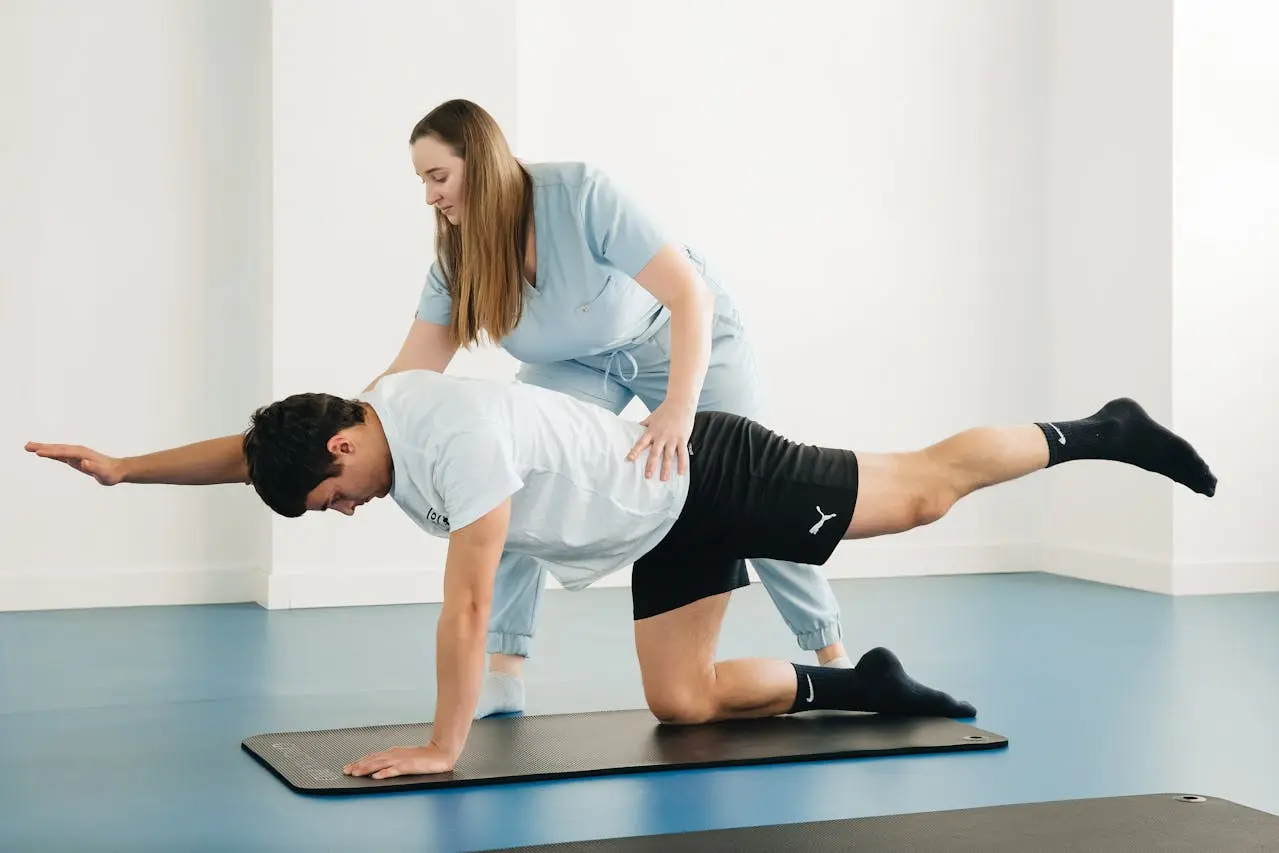
Compression Stockings

Compression Stockings: Benefits and Side Effects – The Ultimate Guide for Canadians

Let’s be honest, the words “compression stockings” don’t exactly spark joy for most people. They might conjure up images of something your grandparent wore or a medical garment you’d rather forget. But what if we told you these unassuming socks are one of the most powerful, accessible, and underrated tools in modern wellness and recovery? Whether you’re a nurse on your feet all day, a long-haul traveller, a post-surgery patient, or a dedicated athlete, understanding the benefits and side effects of compression stockings could be a game-changer for your health and comfort.

So, let’s pull up a chair (and maybe put our feet up) and unravel the mystery. What are the real benefits and side effects of compression stockings? In simple terms, they are specially designed socks or stockings that apply gentle, graduated pressure to your legs and feet. This isn’t just about a tight hug for your calves; it’s a sophisticated engineering feat that helps your circulatory system do its job better, pushing blood back up towards your heart against the pull of gravity. Think of them as a gentle, constant assist for your veins, and a key tool we often recommend at Sync Move Rehab Centre to support overall mobility and recovery.

This guide will walk you through everything you need to know—from the profound benefits that go far beyond tired legs to the potential side effects and how to avoid them. We’ll bust myths, share stats, and help you figure out if compression therapy is the right fit for you.
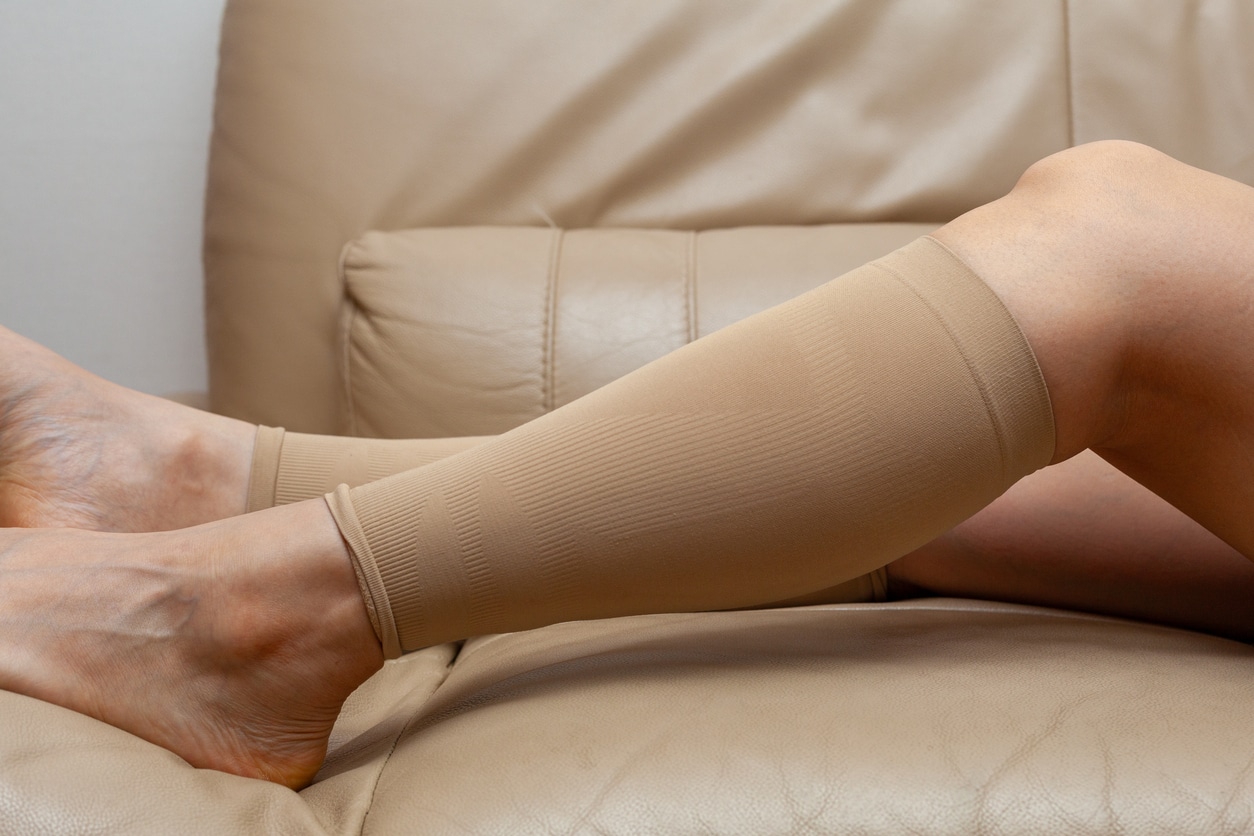
 

Compression Stockings


The Science of Squeeze: How Do Compression Stockings Actually Work?

To understand the benefits and side effects of compression stockings, we first need to understand the “how.” It all boils down to basic physics and human physiology. Your heart pumps oxygen-rich blood to your limbs through arteries. But getting the deoxygenated blood back up your legs through your veins is a tougher job, especially when gravity is working against it. Your leg muscles act as a secondary pump; when you walk and contract them, they squeeze the deep veins, pushing blood upward. One-way valves inside the veins prevent the blood from flowing backward.

When this system gets lazy—maybe you’re sitting at a desk for 8 hours or standing still all day—blood can pool in the lower legs. This leads to swelling, heaviness, achiness, and, over time, can contribute to more serious vein issues.

This is where the magic of graduated compression comes in. Unlike regular socks that are equally tight throughout, medical-grade compression stockings are engineered to be tightest at the ankle and gradually decrease in pressure as they go up the leg. This pressure gradient acts like a ladder, helping your veins and valves usher blood efficiently from your feet back to your heart. It gives your circulatory system a helpful nudge, reducing the diameter of major veins so blood flows faster and preventing blood from settling where it shouldn’t.

It’s a simple concept with powerful implications, and it’s a cornerstone of the conservative management strategies we discuss with clients at Sync Move Rehab Centre.
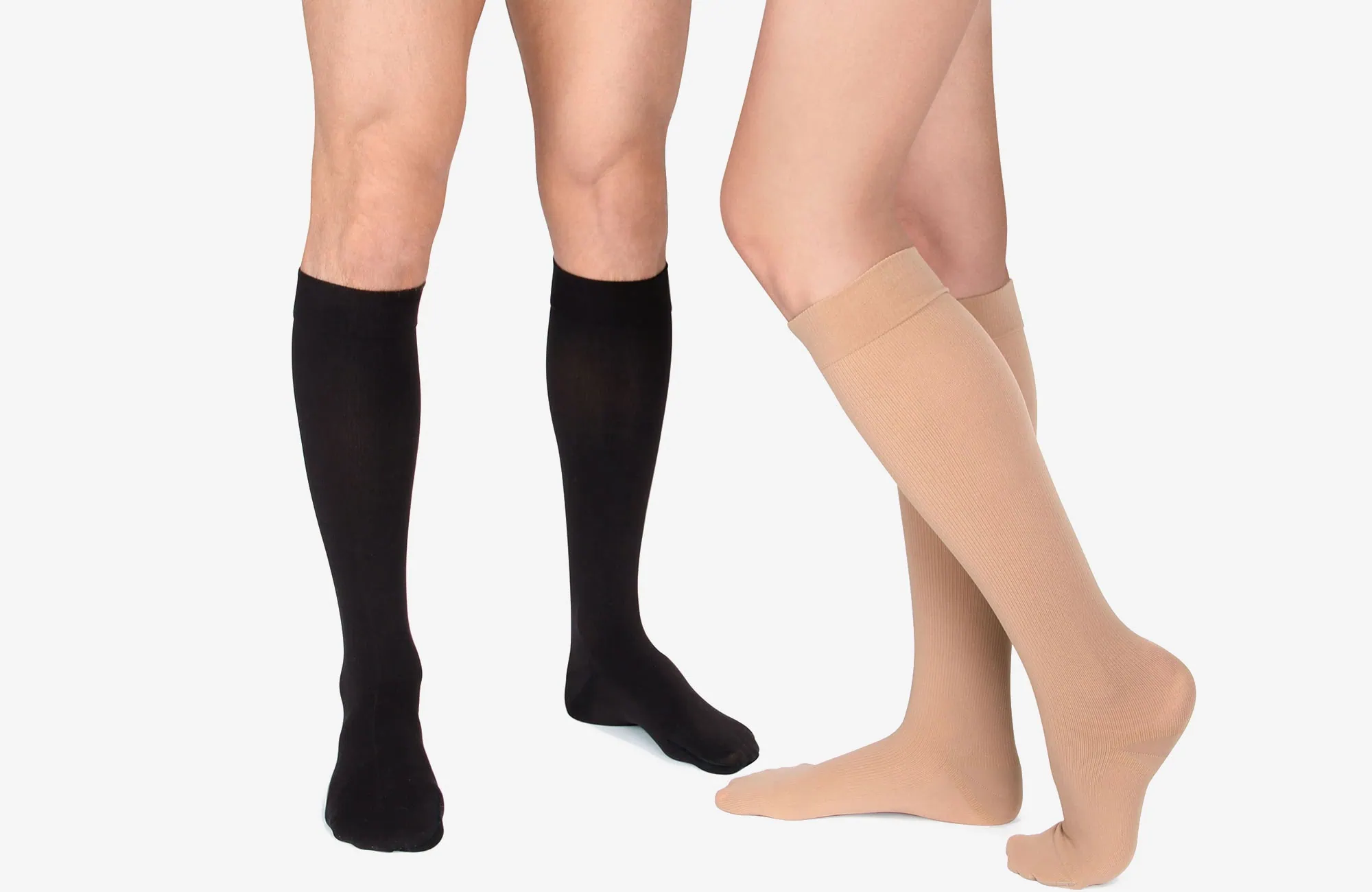
 

Compression Stockings


More Than Just Socks for Granny: Debunking Common Myths

Before we dive into the specific benefits, let’s clear the air. Compression wear has an image problem, and it’s time for a rebrand.

  • Myth #1: They’re only for old people. Absolutely not! While they are invaluable for seniors, their user base is incredibly diverse. Pregnant women, marathon runners, office workers, flight attendants, and people recovering from surgery all use them. They are for anyone with legs that feel tired, achy, or swollen.
  • Myth #2: They’re unbearably hot and ugly. This might have been true decades ago. Today, compression garments come in a vast array of materials, including moisture-wicking, breathable fabrics perfect for summer. You can find them in various colours, patterns, and even sheer styles that look like fashionable tights.
  • Myth #3: Any tight sock will do. This is a crucial one. Cheap, non-graduated “support” socks that are equally tight throughout the calf can actually do more harm than good, acting like a tourniquet and impeding blood flow. True medical-grade compression is graduated and measured in millimeters of mercury (mmHg), a standard we trust when guiding patients at Sync Move Rehab Centre.

A 2019 study published in the Canadian Journal of Cardiology highlighted that despite their proven efficacy, compression stocking use remains low due to “a lack of awareness and misconceptions about comfort and aesthetics.” It’s time to change that narrative.


The Good Stuff: A Deep Dive into the Benefits of Compression Stockings

Now, let’s get to the good part. Why would you go through the trouble of putting these on? The list of benefits is longer than you might think.

  1. Banishing Tired, Achy, and Swollen Legs

    This is the most common and immediate benefit. If you finish your day feeling like your legs are made of lead, compression stockings can provide noticeable relief. By preventing blood and fluid from pooling in your lower legs, they reduce edema (swelling) and that heavy, fatigued feeling. It’s like giving your legs a constant, gentle massage that helps flush out metabolic waste products that contribute to achiness.

  2. A Powerful Ally Against Varicose and Spider Veins

    Varicose veins are those swollen, twisted, often blue or purple veins you can see under the skin. They occur when vein valves weaken or fail, allowing blood to flow backward and pool. While compression stockings can’t make existing varicose veins disappear, they are a first-line defense for:

  • Preventing them from getting worse. The external pressure supports the weakened vein walls.
  • Alleviating symptoms like aching, throbbing, and swelling associated with them.
  • Preventing their formation in high-risk individuals, such as those with a family history or during pregnancy.
  1. The Gold Standard for Deep Vein Thrombosis (DVT) Prevention

    This is a serious benefit. DVT is a blood clot that forms in a deep vein, usually in the leg. It can be life-threatening if the clot breaks off and travels to the lungs (a pulmonary embolism). Compression stockings are a critical prophylactic tool, especially in high-risk situations:

  • During and after surgery, particularly orthopedic surgeries like knee or hip replacements.
  • During long-distance travel (“economy class syndrome”), where immobility increases clot risk.
  • For hospitalized patients who are largely bedridden.
    A landmark review in the Cochrane Database of Systematic Reviews concluded that graduated compression stockings significantly reduce the risk of DVT in hospital patients undergoing surgery.
  1. Supercharging Athletic Performance and Recovery

    This is where compression wear has exploded in popularity. Athletes from runners to basketball players swear by them. The benefitshere are two-fold:

  • Performance: Some studies suggest compression can improve proprioception (the sense of your body’s position in space) and reduce muscle oscillation (the vibration of muscles during impact), leading to better efficiency and slightly reduced fatigue.
  • Recovery: This is the stronger claim. By enhancing blood flow, compression is thought to help deliver more oxygen to muscles and clear lactate and other metabolic by-products faster after intense exercise, reducing soreness and speeding up recovery time. It’s a tool we often integrate into recovery plans at Sync Move Rehab Centre for active individuals.
  1. A Lifesaver for Lymphedema Management

    Lymphedema is a chronic condition involving swelling, typically in an arm or leg, due to a compromised lymphatic system (often after cancer treatment). While different from circulatory edema, compression garments are the cornerstone of management. They provide the external pressure needed to help move lymphatic fluid out of the affected limb and prevent the buildup that causes swelling.

  2. Supporting Health During and After Pregnancy

    Pregnancy is a beautiful journey, but it can be tough on the legs. Increased blood volume, the pressure of the growing uterus on pelvic veins, and hormonal changes make pregnant women particularly prone to varicose veins, swelling, and DVT. Maternity compression stockings can provide immense relief from these symptoms and support vascular health throughout pregnancy and postpartum.

  3. Helping Wounds Heal: The Role in Managing Venous Ulcers

    For people with chronic venous insufficiency, poor blood flow can lead to painful, hard-to-heal wounds on the lower legs called venous ulcers. Compression therapy is the non-negotiable, primary treatment. By drastically improving venous return and reducing swelling, it creates the optimal environment for these stubborn wounds to finally heal.

The statistics speak volumes. A report from the Canadian Institute for Health Information (CIHI) indicated that venous leg ulcers affect nearly 1% of the Canadian population, costing the healthcare system hundreds of millions annually. Proper compression therapy is a cost-effective and essential intervention.
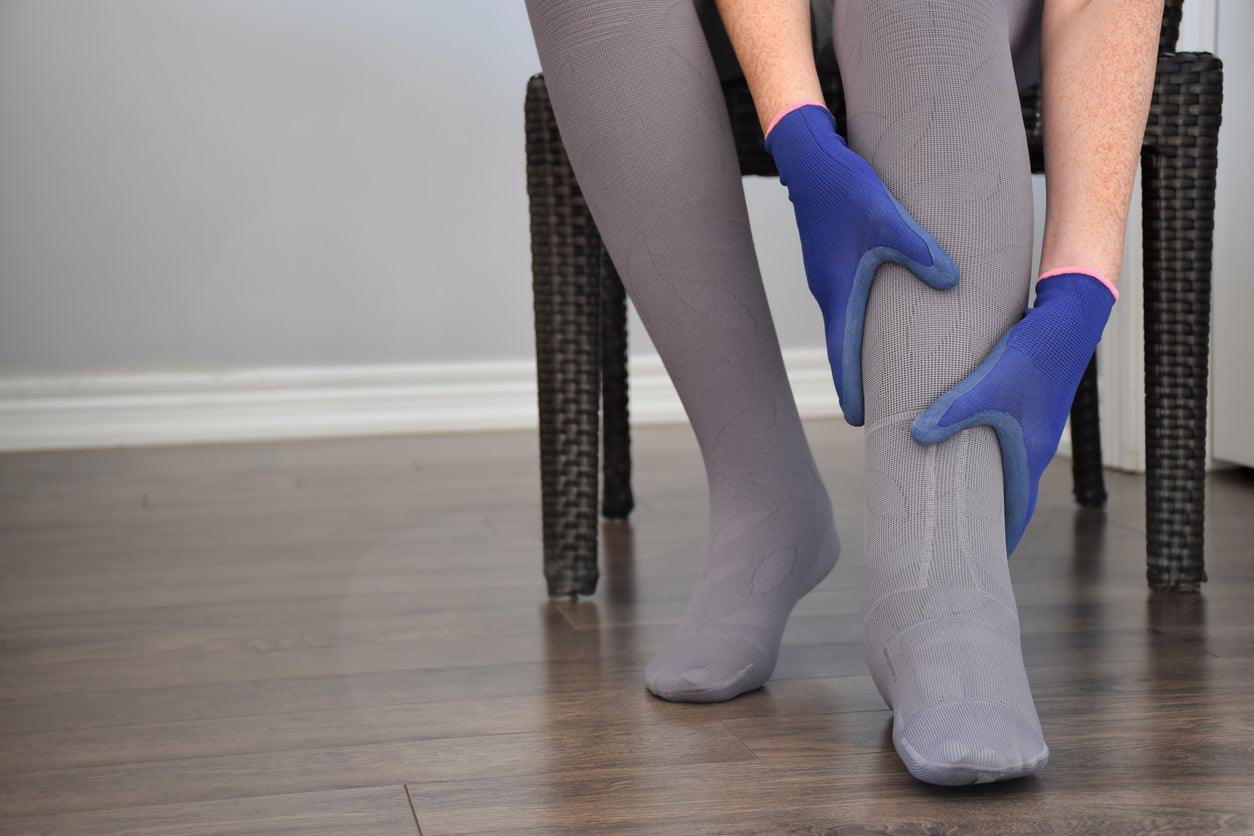
 

Compression Stockings


Not Always a Perfect Fit: Understanding the Side Effects and Drawbacks

Now, let’s address the other side of the coin. While the benefits of compression stockings are significant, they are not without potential side effects. Most of these are avoidable with proper use and fit.

  1. Discomfort and Improper Fit

    This is the number one complaint. If stockings are too tight, too loose, or bunched up, they can be uncomfortable or even painful. They can dig into your skin, leaving red marks (which should fade within 20-30 minutes of removal). This is why professional fitting is so crucial. The team at Sync Move Rehab Centrecan advise on how to get the right fit to avoid these issues.

  2. Skin Irritation, Dryness, and Itching
    The materials in the stockings, combined with heat and moisture, can sometimes cause skin irritation, dryness, or itching. This can be mitigated by:
  • Choosing stockings made of breathable, hypoallergenic materials.
  • Wearing them over moisturizer-free skin (apply moisturizer at night after you’ve taken them off).
  • Washing them regularly according to manufacturer instructions to remove sweat and oils.
  1. The Dreaded “Difficulty Putting Them On”

    Let’s not sugarcoat it: getting medical-grade compression stockings on can be a workout. This is a significant barrier for many, especially those with arthritis or limited hand strength. The key is technique and tools:

  • Don’t pull from the top! Turn them inside out until you get to the heel, put your foot in, and then gradually roll them up your leg.
  • Use donning aids. Rubber gloves, metal frames called “donners,” or plastic sleeves can make the process infinitely easier and preserve the life of the stockings.
  1. Breaking the Bank: Cost and Durability

    Quality medical compression stockings are an investment. They typically range from $50 to over $100 per pair and need to be replaced every 3-6 months with regular wear. While some provincial health plans or private insurance may cover them with a doctor’s prescription, it’s not always guaranteed.

  2. Rare but Serious Risks

    In very rare cases, compression stockings can be harmful. This is almost exclusively when they are used incorrectly.

  • Impaired Arterial Blood Flow: For individuals with severe peripheral arterial disease (PAD), where arteries are narrowed and blood flow to the legs is already restricted, compression can be dangerous. The external pressure can further reduce this critical blood supply. It is essential to be assessed by a healthcare professional, like those at Sync Move Rehab Centre, to rule out contraindications like PAD.
  • Nerve Compression: Ill-fitting stockings can, in rare instances, put pressure on superficial nerves, causing temporary numbness or tingling.

The key takeaway is that the vast majority of negative side effects of compression stockings are related to poor fit, incorrect use, or underlying, un-diagnosed health conditions.
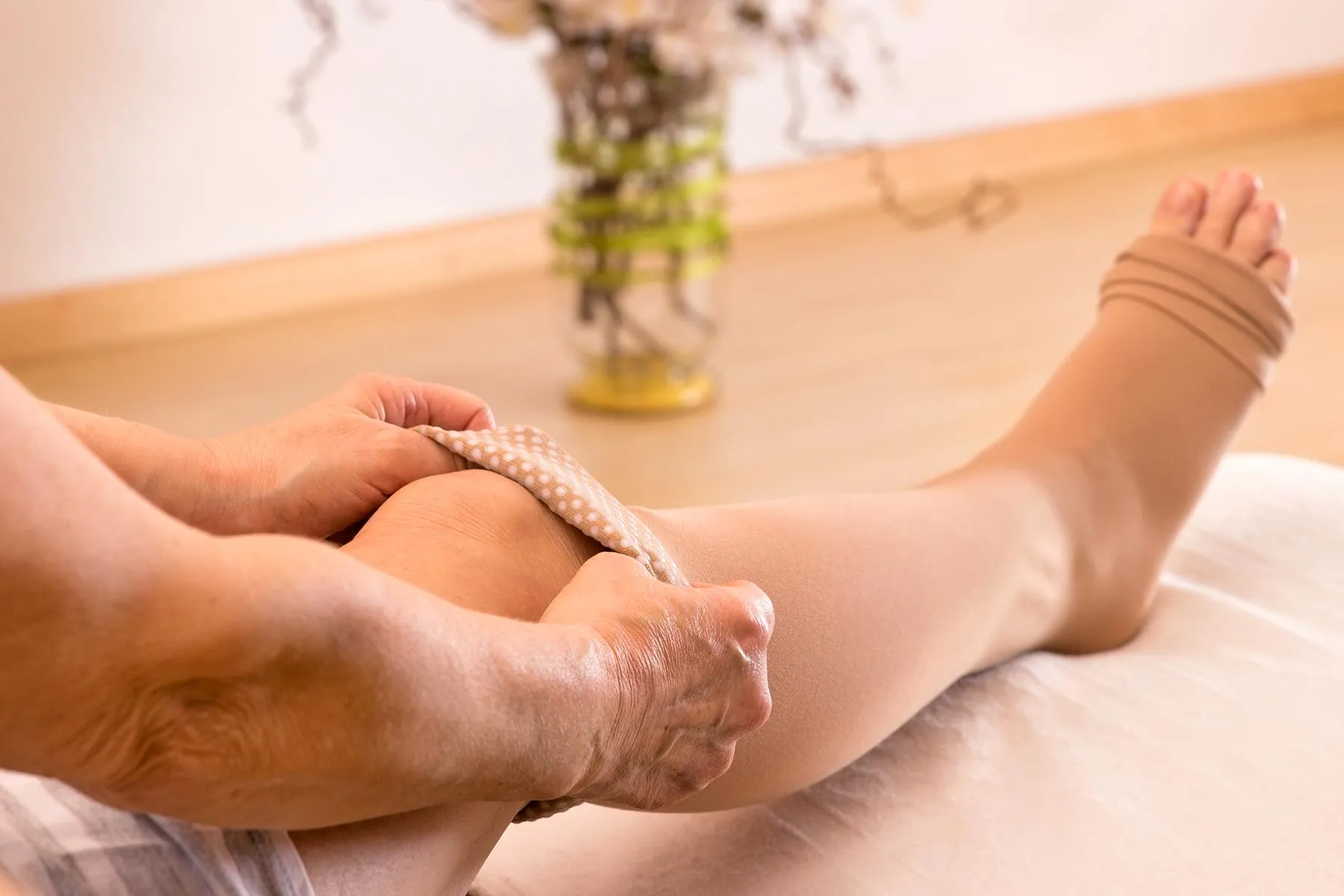
 

Compression Stockings


Navigating the Pressure Maze: Compression Levels and Styles Explained

Not all compression is created equal. Walking into a pharmacy and grabbing a random pair can lead to disappointment. Here’s your cheat sheet:

Compression Levels (mmHg):

  • Mild (8-15 mmHg): Over-the-counter. Great for mild leg fatigue, minor swelling, and travel. Perfect for beginners.
  • Moderate (15-20 mmHg): Also often available over-the-counter. Used for moderate varicose veins, significant swelling during pregnancy, or after sclerotherapy. Good for recovery after athletic events.
  • Firm (20-30 mmHg): The most common medical grade. Usually requires measurement and sometimes a prescription. Used for moderate to severe varicose veins, managing healed venous ulcers, significant lymphedema, and post-surgical DVT prevention.
  • Extra Firm (30-40 mmHg, 40-50 mmHg+): For severe conditions like significant lymphedema, chronic venous insufficiency, and active venous ulcers. Always requires a prescription and professional fitting.

Styles:

  • Knee-High: The most common. Effective for issues localized to the lower leg and feet.
  • Thigh-High: Needed if symptoms extend above the knee.
  • Pantyhose/Waist-High: Best for overall leg symptoms and when thigh-highs tend to roll down.
  • Open-Toe: Can be more comfortable, allow for toe-wiggling, and are useful if you have foot deformities or want to wear them with sandals.

Consulting with a professional at Sync Move Rehab Centre can help you demystify these choices and find the perfect type and pressure for your specific needs.


The Future is Tight: Latest Innovations in Compression Wear

The world of compression isn’t standing still. The latest science is making them smarter and more user-friendly.

  • Smart Compression: Devices that mimic the muscle pump are now available. These are pneumatic sleeves that rhythmically inflate and deflate, providing intermittent pneumatic compression (IPC), which can be even more effective than static stockings for some conditions like severe lymphedema.
  • Wearable Sensors: Researchers are integrating tiny sensors into compression garments to monitor parameters like swelling, activity level, and even blood flow, providing real-time data to patients and clinicians.
  • Advanced Materials: The development of even more breathable, antimicrobial, and sustainable fabrics is ongoing, making compliance easier for long-term users.


Your Action Plan: How to Use Compression Stockings Correctly

Knowing the benefits and side effects of compression stockings is one thing; using them correctly is another.

  1. Get Measured: For anything above mild compression, get professionally measured first thing in the morning when your legs are at their least swollen.
  2. Start Slow: Begin by wearing them for a few hours a day, gradually increasing the time.
  3. Put Them On in the Morning: Don them as soon as you wake up, before gravity has had a chance to cause swelling.
  4. Take Them Off at Night: Unless specifically instructed by your doctor for a condition like an active ulcer, always remove them before bed.
  5. Care for Them: Hand-wash or machine-wash gently in cool water and air-dry. This preserves the elastic and compression.
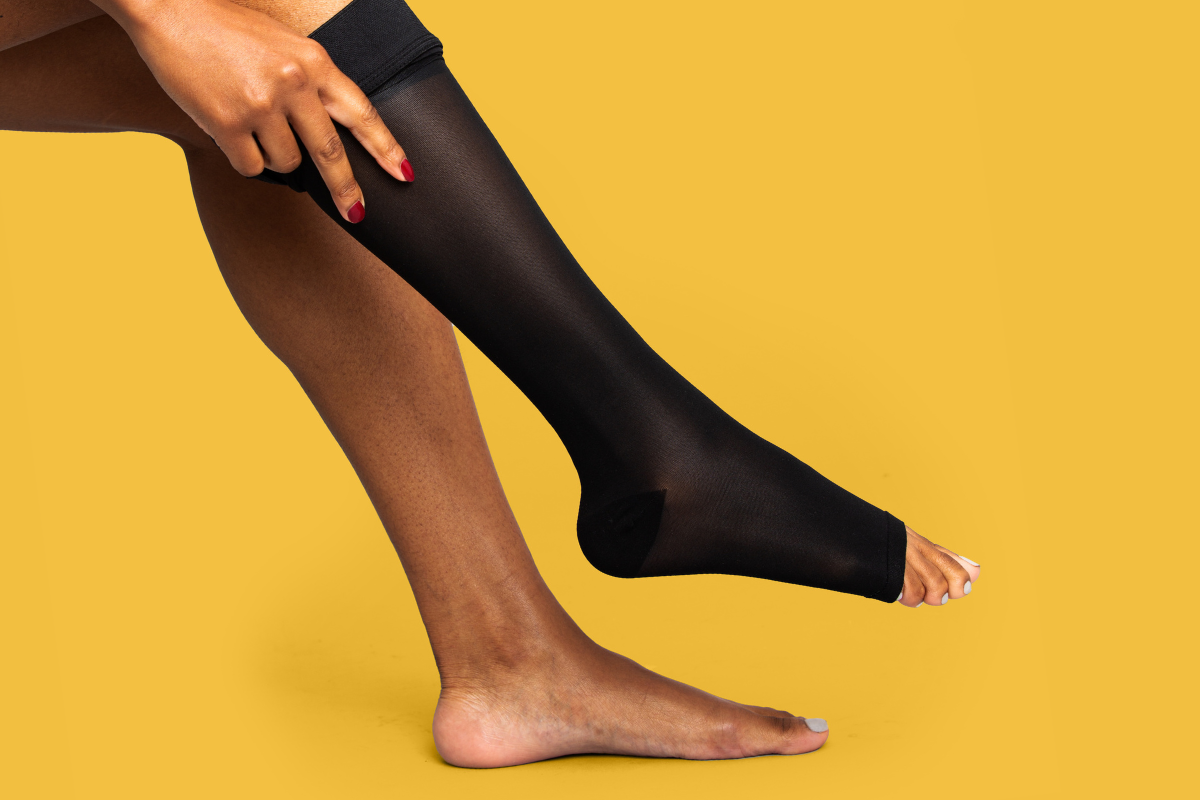
 

Compression Stockings


Finding the Right Support in Canada

In Canada, you can find mild compression stockings at most pharmacies. For medical-grade compression, you’ll need a medical supply store, some specialized clinics, or a pharmacy that offers measuring services. A great first step is to speak with a healthcare provider, such as a physiotherapist or your family doctor, who can assess your needs and point you in the right direction. At Sync Move Rehab Centre, we are always here to provide guidance and connect you with the resources you need for your vascular and muscular health.


To Squeeze or Not to Squeeze?

So, where does this leave us on the great compression debate? The evidence is clear: when used correctly, the benefits of compression stockings profoundly outweigh the potential side effects. They are a simple, non-invasive, and powerfully effective tool for a stunningly wide range of conditions—from preventing life-threatening blood clots to simply making a long workday more comfortable.

The potential drawbacks—discomfort, difficulty donning, cost—are real but largely manageable with the right knowledge, fit, and tools. The most critical step is to see them not as a one-size-fits-all solution but as a precise medical tool. Getting professional advice ensures you reap all the rewards without the headaches.

Your journey to happier, healthier legs doesn’t have to be a solo trek. If you’re struggling with leg fatigue, swelling, or are at risk for vascular issues, consider making compression therapy part of your wellness toolkit.

Ready to step into a world of better comfort and circulation? The team at Sync Move Rehab Centre is here to help you understand your options and find the right support for your lifestyle. Contact us today or visit our website at https://syncmove.ca/ to book a consultation and let us help you move forward with confidence and ease.


References

  1. Canadian Society for Vascular Surgery. (2022). Varicose Veinshttps://canadianvascular.ca/Varicose-Veins
  2. Health Canada. (2021). Medical Devices – Compression Garmentshttps://www.canada.ca/en/health-canada/services/medical-devices.html
  3. Sachdeva, A., et al. (2018). Graduated compression stockings for prevention of deep vein thrombosis. Cochrane Database of Systematic Reviews. https://www.cochranelibrary.com/cdsr/doi/10.1002/14651858.CD001484.pub4/full
  4. Partsch, H., & Clark, M. (2019). The science of compression therapy. Phlebology. https://journals.sagepub.com/doi/10.1177/0268355519851934
  5. Canadian Institute for Health Information (CIHI). (2020). Health Indicatorshttps://www.cihi.ca/en/indicators
  6. The Lymphatic Education & Research Network (LE&RN). (n.d.). Compression Therapyhttps://lymphaticnetwork.org/living-with-lymphedema/compression-therapy
  7. American College of Phlebology. (2022). Patient Informationhttps://www.phlebology.org/patient-information/
  8. The Society of Obstetricians and Gynaecologists of Canada (SOGC). (2019). Healthy Pregnancy – Varicose Veinshttps://www.pregnancyinfo.ca/your-pregnancy/healthy-pregnancy/varicose-veins/
  9. MacRae, B. A., et al. (2021). The Effect of Compression Garments on Recovery Following Exercise-Induced Muscle Damage: A Systematic Review. Sports Medicine. https://link.springer.com/article/10.1007/s40279-021-01521-x
  10. Kahn, S. R., et al. (2019). Barriers to Compression Stocking Use in Patients with Venous Disease. Canadian Journal of Cardiology. https://www.onlinecjc.ca/article/S0828-282X(19)30112-0/fulltext
Therapeutic Exercise

Making Sense of the Moves: A Friendly Guide to the Classification of Therapeutic Exercise

Let’s be honest, the phrase “therapeutic exercise” can sound a bit… clinical. It might bring to mind sterile rooms and complicated machines. But what if we told you that therapeutic exercise is simply the art and science of using movement as medicine? It’s the secret sauce behind recovering from an injury, managing a chronic condition, and simply moving through life with more strength and less pain. But with so many different types of exercises out there, how do we make sense of it all? This is where understanding the classification of therapeutic exercise becomes your ultimate roadmap to recovery.

If you’ve ever wondered why your physiotherapist at Sync Move Rehab Centre has you holding a wall sit instead of lifting a heavy weight, or why you’re working on balancing on one leg after a sprain, you’re asking the right question. The classification of therapeutic exercise is the system that healthcare professionals use to choose the right tool for the job. It’s like a master chef’s spice rack—each category of exercise has a unique flavour and purpose, and the magic happens when they’re blended together in the perfect recipe for your body.

In this guide, we’re going to demystify this entire system. We’ll break down the different “families” of therapeutic exercise, explain what each one does, and show you how this knowledge is power when it comes to taking control of your health. So, let’s dive in and explore the fascinating world of the classification of therapeutic exercise.


Therapeutic Exercise


Why Bother Classifying Exercise? It’s Not Just for Experts!

You might be thinking, “Do I really need to know this? Can’t I just do what the physio says?” Of course, trusting your therapist is key. But understanding the “why” behind your exercises is incredibly empowering. It transforms your rehab from a list of chores into a purposeful journey.

Think of it this way: if your car was making a funny noise, you’d want the mechanic to know the difference between a spark plug and a brake pad. Similarly, your body has different systems—your muscles, your nerves, your balance sensors—and each category of exercise targets a specific system. Understanding the classification of therapeutic exercise helps you and your therapist at Sync Move Rehab Centre:

  • Set Clear Goals: Are we building raw strength? Or is the priority improving the range of motion in a stiff joint? The classification guides our target.
  • Create a Safe Progression: We start with foundational exercises and gradually move to more complex ones, ensuring your body is ready for each new challenge.
  • Prevent Re-injury: By strengthening the right systems in the right order, we build a resilient body that’s less likely to get hurt again.
  • Track Your Progress: It allows us to measure improvements in specific areas, like holding a stretch longer or lifting a heavier weight with good form.

A 2021 report from the Canadian Physiotherapy Association highlighted that patients who understand the rationale behind their rehabilitation program show significantly higher adherence and better overall outcomes. So, consider this your backstage pass to the logic behind your recovery plan.


The Foundation: Range of Motion (ROM) Exercises

Before you can be strong, you need to be able to move. That’s where Range of Motion (ROM) exercises come in—they are the bedrock upon which all other movement is built. In the classification of therapeutic exercise, ROM work is all about maintaining or improving the freedom of movement in your joints.

Imagine a rusty door hinge. You wouldn’t start slamming the door open and shut; you’d first carefully oil it and gently work it back and forth. ROM exercises are that “oiling” process for your joints. They are often the very first step in a rehab program, especially after a period of immobilization (like wearing a cast) or surgery.

We can break ROM down into three sub-categories:

  1. Active Range of Motion (AROM)

    This is all you, baby! You use your own muscle power to move a joint through its available range. For example, lifting your arm overhead or bending and straightening your knee without any help. AROM is fantastic because it not only moves the joint but also provides a gentle workout for the muscles that control it.

  2. Passive Range of Motion (PROM)

    Here, an external force does all the work. This could be a therapist at Sync Move Rehab Centre, a mechanical device, or even your other hand moving the affected limb. The muscles around the joint are completely relaxed. PROM is crucial when you’re in too much pain to move yourself, when a muscle is too weak, or when you need to prevent stiffness in a paralyzed limb.

  3. Active-Assistive Range of Motion (AAROM)

    This is the perfect teamwork between you and an outside helper. You use your muscles to initiate the movement, but you get a little help to complete the full range. Think of it as training wheels for your joint. A common example is using a strap around your foot to help pull your leg closer during a hamstring stretch. It allows you to do what you can, while safely exploring a greater range.


When do we use them? After shoulder surgery, to combat arthritis stiffness, or in the early stages of stroke rehabilitation. At Sync Move Rehab Centre, we carefully assess which type of ROM is right for each stage of your healing.


Therapeutic Exercise


Building the Pillars: Strengthening Exercises

Once a joint can move comfortably, the next step in the classification of therapeutic exercise is to make sure the muscles around it are strong and supportive. Weak muscles are like a shaky foundation for a building—everything becomes unstable and prone to injury. Strengthening exercises are designed to improve the muscle’s ability to generate force.

But not all strength is created equal! We classify strengthening exercises based on how the muscle contracts.

  1. Isometric Exercises: The Silent Strength Builders

    The word “isometric” means “same length.” In these exercises, you contract your muscle without actually moving the joint. You’re generating tension, but nothing is going anywhere.

  • What it looks like: Holding a plank, pushing against an immovable wall, or simply tightening your thigh muscle (quadriceps) while your knee is straight.
  • Why it’s awesome: Isometrics are incredibly joint-friendly. They allow you to build strength with very little risk of aggravating an acute injury. They are often the very first strengthening exercise prescribed after an injury.
  1. Isotonic Exercises: The Classics

    This is what most people think of when they hear “strength training.” “Isotonic” means “same tension.” You’re moving a constant resistance through a range of motion. This category has two main phases:

  • Concentric Contraction: The muscle shortens as it contracts. This is the “up” phase of a bicep curl.
  • Eccentric Contraction (The “Braking” Force): This is where the muscle lengthens while under tension. It’s the “down” phase of a bicep curl, where you control the weight instead of just dropping it. Eccentric training is a superstar in rehab! It’s crucial for controlling movement, absorbing force (like when you walk downstairs), and it’s been shown to be highly effective for conditions like Achilles tendinopathy.
  1. Isokinetic Exercises: The High-Tech Option

    This is the Ferrari of strengthening exercises, usually performed on expensive, computerized machines. “Isokinetic” means “same speed.” The machine controls the speed of the movement and provides a resistance that matches your force output throughout the entire range, maximizing effort at every angle. While less common in a typical clinic due to the equipment needed, it’s a gold standard for objective measurement and training in high-performance athletics.

At Sync Move Rehab Centre, we strategically blend these different types of contractions to build robust, resilient muscles that can handle the demands of your daily life and favourite activities.


Therapeutic Exercise


The Unsung Hero: Balance and Coordination Exercises

If strength is the muscle’s ability to generate power, and ROM is the joint’s freedom to move, then balance is the nervous system’s masterful ability to coordinate it all. This part of the classification of therapeutic exercise is often overlooked, but it’s absolutely critical for preventing falls and moving with confidence.

Balance isn’t a single thing; it’s a complex conversation between three systems:

  1. Your Eyes (Vision): You see the horizon.
  2. Your Inner Ears (Vestibular System): They sense your head’s position in space.
  3. Your Joints and Muscles (Proprioception): They send signals to your brain about your body’s position.

Balance exercises work by creatively challenging these systems.

  1. Static Balance: Holding Your Ground

    This is balance in a stationary position. It starts simple (standing on two legs) and progresses in difficulty.

  • Progression: Two legs -> one leg -> two legs on an unstable surface (like a pillow) -> one leg on an unstable surface.
  1. Dynamic Balance: Balance in Motion

    This is where things get fun and functional. Dynamic balance is your ability to maintain stability while your body is moving.

  • What it looks like: Walking in a straight line, walking heel-to-toe (tandem gait), or even more challenging, walking while turning your head side to side. This mimics the real-world task of walking while looking for a friend in a crowd.

The statistics are sobering. According to the Public Health Agency of Canada, 20-30% of seniors experience falls each year, and falls are a leading cause of hospitalization. A proper classification of therapeutic exercise ensures that balance training is never neglected, especially in older adult populations. The team at Sync Move Rehab Centre integrates balance work into almost every rehab plan, because a strong body also needs to be a stable one.


The Power of Endurance: Aerobic Conditioning Exercises

“Cardio” isn’t just for weight loss or a healthy heart. In the world of rehab, aerobic conditioning is a powerful therapeutic tool. This category in the classification of therapeutic exercise focuses on improving the efficiency of your heart, lungs, and circulatory system.

Why is this part of rehab?

  • Promotes Healing: Improved blood flow delivers more oxygen and nutrients to injured tissues, speeding up the recovery process.
  • Boosts Energy: Chronic pain and inactivity are exhausting. Aerobic exercise increases your overall energy levels.
  • Manages Weight: Maintaining a healthy weight reduces stress on weight-bearing joints like the hips, knees, and ankles.
  • Mood Enhancement: It releases endorphins, your body’s natural feel-good chemicals, which is a huge benefit when dealing with the frustration of an injury.

The key in a therapeutic setting is choosing the right kind of cardio. We call this “joint-friendly” or “low-impact” aerobic exercise. Instead of prescribing a high-impact activity like running, which might irritate an injured knee, your therapist at Sync Move Rehab Centre might suggest:

  • Swimming or Aqua Therapy: The buoyancy of water is a dream for sore joints.
  • Stationary Cycling: It builds leg strength and cardio with minimal impact.
  • Elliptical Trainer: This provides a gait-like motion without the pounding of each step.


The Final Piece: Functional and Sport-Specific Exercises

This is where the rubber meets the road. All the ROM, strength, balance, and cardio work culminates in this final, crucial category of the classification of therapeutic exercise. Functional exercises bridge the gap between the clinical setting and the real world.

The principle is simple: train for the movements you need in your life. We take the isolated gains you’ve made and integrate them into complex, coordinated patterns.

  • For a parent: This might mean practicing lifting a weighted car seat with perfect form.
  • For a construction worker: This could involve simulating the motion of lifting a toolbox from the ground.
  • For a gardener: We might work on a controlled “squat and reach” to mimic weeding.

Sport-Specific Training takes this a step further. For an athlete, returning to sport isn’t just about being pain-free; it’s about being performance-ready. This phase of training involves drills that mimic the demands of their sport. A soccer player will work on cutting and pivoting maneuvers. A tennis player will focus on lateral lunges and overhead motions. This ensures that when they step back onto the field or court, their body is not just healed, but re-trained for the specific challenges of their game.


The Sync Move Method: Blending the Categories for Your Success

At Sync Move Rehab Centre, we don’t just pick exercises from a list. We see the classification of therapeutic exercise as a dynamic, fluid guide. Your body is a complex, integrated system, and your therapy should be too.

A typical session with us might look like this:

  1. Warm-up (ROM & Light Aerobic): We start by gently preparing your body with movements to increase blood flow and joint fluid.
  2. Strength & Balance Combo: We might have you perform a bicep curl while standing on one leg. This simultaneously challenges your muscular system and your balance system, which is far more reflective of real life than doing a curl while sitting down.
  3. Functional Integration: We’ll take the strength you’ve built and apply it to a task like getting up from a chair without using your hands, or carrying a weight while walking.
  4. Cool-down (ROM): We finish with gentle stretching to maintain the flexibility we’ve worked on.

This integrated approach is what leads to lasting results. It’s the difference between having a strong muscle in the clinic and having a strong, useful, and coordinated body in the world.


The Future is Moving: Latest Trends in Therapeutic Exercise

The field is always advancing. Here are some exciting developments that build upon the traditional classification of therapeutic exercise:

  • Tele-rehab:

    The use of video conferencing to guide exercises at home. This improves access and adherence, allowing your therapist at Sync Move Rehab Centre to check your form and progress remotely.

  • Exergaming:

    Using consoles like the Nintendo Wii or VR systems for rehab. Games that require squatting, reaching, and balancing make exercise engaging and fun, which is a huge win for adherence, especially with younger patients or those who find traditional exercise boring.

  • Blood Flow Restriction (BFR) Training:

    This involves lightly wrapping a cuff around a limb to partially restrict venous blood flow while performing low-intensity resistance exercises. The fascinating result is that it produces strength and muscle growth similar to high-intensity training, but with much lighter loads. This is a revolutionary tool for rehabbing patients who can’t yet put heavy stress on a healing joint.


Your Movement Prescription Awaits

Understanding the classification of therapeutic exercise is like learning a new language—the language of your own body. It helps you see that every stretch, every weight lifted, and every balance hold has a distinct purpose in the grand symphony of your recovery. From the gentle, early work of restoring range of motion to the empowering final stages of sport-specific training, this classification system ensures that your rehab journey is logical, safe, and laser-focused on your goals.

Movement is medicine, and at Sync Move Rehab Centre, we are experts in prescribing the right dosage. You don’t have to navigate pain and recovery alone.


Ready to experience the power of a truly personalized therapeutic exercise program? Contact the caring team at Sync Move Rehab Centre today. Visit our website at https://syncmove.ca/ to schedule your assessment and take the first step towards a stronger, more balanced, and pain-free life. Let’s build your roadmap to recovery, together.


References

  1. Canadian Physiotherapy Association. (2021). The Value of Physiotherapyhttps://physiotherapy.ca/
  2. Public Health Agency of Canada. (2021). Seniors’ Falls in Canada: Second Reporthttps://www.canada.ca/en/public-health/services/health-promotion/aging-seniors/publications/publications-general-public/seniors-falls-canada-second-report.html
  3. American College of Sports Medicine. (2022). ACSM’s Guidelines for Exercise Testing and Prescriptionhttps://www.acsm.org/
  4. Kisner, C., & Colby, L. A. (2017). Therapeutic Exercise: Foundations and Techniques. Fa Davis.
  5. National Institute on Aging. (2022). Four Types of Exercise Can Improve Your Health and Physical Abilityhttps://www.nia.nih.gov/health/four-types-exercise-can-improve-your-health-and-physical-ability
  6. The Chartered Society of Physiotherapy (UK). (2020). What is physiotherapy? https://www.csp.org.uk/careers-jobs/what-physiotherapy
  7. Loprinzi, P. D., et al. (2019). The Effects of Eccentric Exercise on Muscle Strength and Flexibility in Older Adults. The Journals of Gerontology. https://academic.oup.com/biomedgerontology/article/74/4/518/5067843
  8. Patterson, S. D., et al. (2019). Blood Flow Restriction Exercise: Considerations of Methodology, Application, and Safety. Frontiers in Physiology. https://www.frontiersin.org/articles/10.3389/fphys.2019.00533/full
  9. Arthritis Society Canada. (2022). Exercise and Arthritishttps://arthritis.ca/living-with-arthritis/treatment/self-management/exercise
  10. Heart & Stroke Foundation of Canada. (2021). Physical Activityhttps://www.heartandstroke.ca/healthy-living/healthy-eating/physical-activity
Custom Made Orthotics

What are custom made orthotics? Your Ultimate Guide to Happy, Supported Feet

Let’s start with a little experiment. Take a quick mental inventory of your body. How do your feet feel right now? If the answer is “a bit achy,” “tired,” or you just can’t remember the last time you thought about them without a hint of complaint, you’re not alone. Our feet are the unsung heroes of our daily lives, carrying us thousands of steps each day, often in less-than-ideal footwear. But when foot pain, knee aches, or even back problems start to creep in, it might be time to ask: what are custom made orthotics, and could they be the solution?

In the simplest terms, custom made orthotics are medical devices, crafted specifically for your unique feet, that you place inside your shoes. But to call them just “insoles” is like calling a Formula 1 car “just a vehicle.” They are highly engineered biomechanical marvels designed to correct imbalances, support your arches, and put your entire body back into proper alignment. Think of them as the foundation for a house; if the foundation is crooked or weak, everything built on top—the walls, the windows, the roof—starts to show problems. Your body is the same. Your feet are the foundation, and custom made orthotics provide the stable, level base that your ankles, knees, hips, and back need to function without pain.

This isn’t a one-size-fits-all solution from the pharmacy shelf. It’s a personalized journey into the architecture of your own body. So, if you’ve ever wondered what are custom made orthotics really all about, you’ve come to the right place. This guide will walk you through everything, from the science behind them to the process of getting your own pair at Sync Move Rehab Centre.


Custom Made Orthotics


More Than a Cushy Insole: The Fundamental Difference

It’s the question we hear all the time: “Why can’t I just buy Dr. Scholl’s?” It’s a fair point! Over-the-counter insoles can be great for a little extra cushioning. You might get lucky and find a pair that offers some temporary relief. But the critical difference lies in two words: custom and corrective.

  • Over-the-Counter (OTC) Insoles:

    These are designed for the average foot. They provide general cushioning and arch support, but they don’t address your specific biomechanical needs. It’s like buying a suit off the rack and hoping it fits perfectly—it might be close, but it will never be a perfect fit. They are passive, offering comfort but not correction.

  • Custom Made Orthotics:

    These are your bespoke, tailor-made suit. They are prescribed by a healthcare professional, like the chiropodists and physiotherapists at Sync Move Rehab Centre, after a thorough assessment of your gait, posture, and foot structure. They are not just soft; they are strategically designed with specific posts, wedges, and contours to correct the way you walk and stand. They are active medical devices that change the function of your foot.

A 2018 report from the Canadian Footwear Association highlighted that nearly 75% of Canadians experience significant foot pain at some point in their lives, yet many opt for generic solutions that fail to address the root cause. Understanding what are custom made orthotics is the first step toward moving beyond temporary fixes.


The “Why” Behind the “Ouch”: Common Conditions Custom Orthotics Can Help

So, when do you know it’s time to stop ignoring the signals your body is sending? Custom made orthotics can be a game-changer for a wide range of issues, not just isolated foot pain.

  1. Plantar Fasciitis: The Dreaded Heel Pain

    This is one of the most common culprits of heel pain. It involves inflammation of the thick band of tissue (the plantar fascia) that runs across the bottom of your foot. It often feels like a stabbing pain with your first steps in the morning. Custom made orthoticswork by providing targeted support to the arch, which reduces tension and strain on the plantar fascia, allowing it to heal. It’s one of the most effective, non-surgical treatments available.

  2. Flat Feet (Pes Planus) or High Arches (Pes Cavus)

    Both ends of the arch spectrum can cause problems.

  • Flat Feet:

    When your arches collapse, it can throw your entire leg out of alignment, leading to overpronation (ankles rolling inward), shin splints, knee pain, and even hip problems. Orthotics provide the arch support that your foot naturally lacks, stabilizing the foot and preventing that destructive chain reaction.

  • High Arches:

    This might sound like a good thing, but a rigid, high arch is often a poor shock absorber. The impact from walking and running travels straight up the legs, leading to conditions like metatarsalgia (ball-of-foot pain) and ankle instability. Orthotics for high arches are designed to cushion and distribute pressure more evenly.

  1. Bunions (Hallux Valgus) and Hammertoes

    While orthotics can’t reverse a bunion that has already formed, they can be incredibly effective at slowing their progression and managing the pain. By correcting the alignment of the foot and improving gait mechanics, orthotics reduce the abnormal pressure and friction on the big toe joint that causes bunions to develop and worsen.

  2. Knee, Hip, and Lower Back Pain

    Remember the house foundation analogy? This is where it truly comes to life. If your feet are pronating (rolling in) or supinating (rolling out), it alters the angle of your knees and hips. This misalignment can place uneven stress on the joints and soft tissues, leading to conditions like:

  • Patellofemoral pain syndrome (runner’s knee)
  • Iliotibial (IT) band syndrome
  • Hip bursitis
  • Sciatica and lower back pain
    By correcting the alignment starting at the feet, custom made orthotics can often resolve or significantly reduce pain in these distant areas. It’s a holistic approach to biomechanics that we strongly believe in at Sync Move Rehab Centre.
  1. Arthritis Management

    For those living with osteoarthritis or rheumatoid arthritis in the feet or ankles, every step can be painful. Orthotics can help by off-loading pressure from the most affected joints, reducing inflammation, and providing stability to compensate for weakened structures.

  2. Diabetic Foot Care

    For individuals with diabetes, foot care is critical. Diabetes can cause nerve damage (neuropathy) and poor circulation, making the feet vulnerable to ulcers and infections that can be very difficult to heal. Custom made orthoticsfor diabetic patients are typically made from soft, pressure-redistributing materials to prevent high-pressure points that could lead to skin breakdown.


Custom Made Orthotics


The Journey to Your Custom Orthotics: A Step-by-Step Guide at Sync Move Rehab Centre

The process of getting custom made orthotics is a collaborative and scientific one. It’s not a quick in-and-out affair; it’s about creating a lasting solution. Here’s what you can expect when you come to Sync Move Rehab Centre.

Step 1: The Comprehensive Biomechanical Assessment

This is the most critical part of the process. You can’t fix what you haven’t measured. Your initial appointment will be a deep dive into your musculoskeletal health. It includes:

  • A Detailed History: We’ll talk about your pain, your lifestyle, your footwear, your medical history, and your goals. Are you a runner? A construction worker? Do you stand all day? We need to know the whole story.
  • A Physical Examination: We’ll examine your feet, ankles, knees, and hips. We’ll check your range of motion, muscle strength, and flexibility. We’ll look at your posture from head to toe.
  • Gait Analysis: This is where we see your body in motion. We’ll have you walk (and maybe run) back and forth, observing how your feet hit the ground, how they move through the step, and how they push off. We’re looking for asymmetries and imbalances that are invisible to the naked eye during static standing.

Step 2: The Capture – Making the “Blueprints” of Your Feet

Once we understand the mechanics, we need to capture the precise shape and posture of your feet. The days of messy plaster casts are largely over. Today, we use advanced technology:

  • 3D Laser Scanning:

    This is the gold standard. You’ll place your feet in a neutral, weight-bearing position, and a scanner will create a perfect digital 3D model of your feet. It’s fast, incredibly accurate, and non-invasive.

  • Foam Impressions:

    In some cases, a foam impression box might be used. You press your feet into a special foam, leaving a precise negative impression.

This captured data becomes the digital blueprint from which your orthotics are fabricated. It’s not just a shape; it’s a prescription.

Step 3: The Design and Fabrication

This is where the magic happens behind the scenes. Using the data from your assessment and your foot scan, our partnered orthotic lab technicians design your devices. They don’t just replicate the shape of your feet; they modify it based on the corrections your practitioner has prescribed. They will decide on:

  • The Material:

    A rigid material for control, a soft one for cushioning, or a combination of both (a composite shell).

  • The Posting:

    Strategic additions to the sides of the orthotic to prevent excessive rolling (medial posting for overpronation, lateral posting for oversupination).

  • The Extensions:

    Do you need a heel cup for stability? A metatarsal pad to lift and separate the bones in the ball of your foot?
    This process ensures the final product is truly custom and corrective.

Step 4: The Fitting and Follow-Up

When your orthotics arrive at Sync Move Rehab Centre, you’ll come in for a fitting appointment. This is not just a “here you go” handoff. We will place them in the shoes you brought with you and check the fit meticulously. We’ll have you walk around to ensure they are comfortable and functioning as intended. We will also provide you with detailed instructions on a “breaking-in” schedule—typically starting with just 1-2 hours a day and gradually increasing wear time to allow your body to adapt. A follow-up appointment in a few weeks is standard to ensure everything is progressing perfectly.


Custom Made Orthotics


The Material World: What Are Custom Made Orthotics Made Of?

The materials used are as important as the design. The right choice depends entirely on your condition, activity level, and footwear.

  • Rigid Orthotics:

    Made from firm materials like carbon fiber or rigid plastic. They are designed for maximum control and are typically used for dress shoes or athletic shoes where motion control is the primary goal. They are often thinner and best for conditions like severe overpronation.

  • Soft Orthotics:

    Made from cushioned, compressible materials like EVA foam or PORON. They are designed to absorb shock, reduce pressure, and accommodate deformities. They are ideal for diabetic foot care, arthritic feet, and sensitive feet.

  • Semi-Rigid (Composite) Orthotics:

    This is the most common type. They feature a firm shell for control, layered with softer, cushioning materials on top for comfort. This offers the best of both worlds—correction and comfort—making them versatile for everyday use and sports.

The team at Sync Move Rehab Centre will recommend the best material combination for your specific needs and lifestyle.


Investing in Your Foundation: The Cost and Value in Canada

Let’s talk about the elephant in the room: cost. Custom made orthotics are an investment, typically ranging from $400 to $800 or more per pair in Canada, depending on the complexity and materials. Why the price tag?

  • Expertise: You are paying for the extensive training and time of a healthcare professional.
  • Advanced Technology: 3D scanning and CAD/CAM fabrication are not cheap.
  • Quality Materials: The polymers, foams, and carbon fibers used are high-grade and durable.
  • The Process: It involves multiple appointments and a significant amount of labor.

The good news is that most extended health insurance plans in Canada cover a significant portion, if not all, of the cost of custom made orthotics when prescribed by a certified practitioner. It’s always best to check with your provider. At Sync Move Rehab Centre, we can provide you with a detailed invoice to submit for reimbursement. When you consider the cost of ongoing pain, missed work, and more invasive treatments down the line, orthotics are often a very cost-effective long-term solution.


Beyond the Hype: The Latest Science and Innovations

The field of orthotics is not static. It’s constantly evolving with new research and technology.

  • 3D Printing: This is the next frontier. 3D printing allows for incredible customization, creating complex lattice structures that can be both ultralight and supremely supportive. It allows for zones of varying density and flexibility within a single, seamless device.
  • Smart Orthotics: Researchers are experimenting with embedding tiny sensors into orthotics to monitor pressure distribution, step count, and gait patterns in real-time, providing valuable data to clinicians and patients for ongoing management.
  • Evidence-Based Practice: A 2021 systematic review in the British Journal of Sports Medicine reinforced that foot orthotics are an effective intervention for plantar fasciitis and patellofemoral pain syndrome, providing strong scientific backing for what clinicians have seen for years.


Custom Made Orthotics


Your Orthotics Aren’t Forever: Care and Replacement

To get the most out of your investment, proper care is essential.

  • Care: Wipe them down with a damp cloth. Let them air dry naturally—never put them in a clothes dryer or on a heater.
  • Replacement: Even the best orthotics don’t last forever. The materials break down over time, just like the shocks on a car. A general rule of thumb is to have them reassessed every 2-3 years, or sooner if you notice a change in comfort or a return of symptoms.


Stepping Into a More Comfortable Future

So, what are custom made orthotics? They are far more than just shoe inserts. They are a personalized prescription for your posture, a biomechanical tune-up for your entire body, and a powerful tool for reclaiming a life free from foot, knee, hip, or back pain. They represent a shift from simply managing pain to actively correcting its root cause.

The journey involves a detailed assessment, cutting-edge technology, and expert craftsmanship, all culminating in a device that is uniquely yours. While the initial investment is significant, the return—in terms of pain relief, improved mobility, and enhanced quality of life—is immeasurable.

If you’ve been putting up with aches and pains, wondering if there’s a better way, the answer is a resounding yes. You don’t have to accept discomfort as a normal part of life.


Take the first step on your path to better biomechanical health. Contact the caring and expert team at Sync Move Rehab Centre today. Visit our website at https://syncmove.ca/ to schedule your comprehensive biomechanical assessment and discover how custom made orthotics can help you walk, run, and live in comfort.


References

  1. Canadian Podiatric Medical Association (CPMA). (2022). Position Statement on Custom Foot Orthoticshttps://www.podiatrycanada.org/
  2. The College of Pedorthics of Canada. (2021). Understanding Foot Orthoticshttps://www.pedorthic.ca/
  3. Health Canada. (2020). Medical Devices – Orthotic Insertshttps://www.canada.ca/en/health-canada/services/medical-devices.html
  4. Whittaker, G. A., et al. (2019). Foot orthotics for plantar heel pain: a systematic review and meta-analysis. British Journal of Sports Medicine. https://bjsm.bmj.com/content/55/6/330
  5. Canadian Footwear Association. (2018). National Foot Health Surveyhttps://www.canadianfootwear.ca/
  6. The Arthritis Society (Canada). (2022). Managing Arthritis Foot Painhttps://arthritis.ca/living-with-arthritis/treatment/self-management
  7. Diabetes Canada. (2021). Foot Carehttps://www.diabetes.ca/en-CA/managing-my-diabetes/preventing-complications/foot-care
  8. Mills, K., et al. (2020). The effectiveness of orthotic intervention in patients with patellofemoral pain syndrome: A systematic review. Journal of Foot and Ankle Research. https://jfootankleres.biomedcentral.com/articles/10.1186/s13047-020-00413-z
  9. American Academy of Orthopaedic Surgeons (AAOS). (2022). Orthoticshttps://www.aaos.org/
  10. Banwell, H. A., et al. (2021). *The use of 3D printing in the fabrication of foot orthoses – a review*. Journal of Foot and Ankle Research. https://jfootankleres.biomedcentral.com/articles/10.1186/s13047-021-00487-3
Vestibular Rehab

What does vestibular rehab consist of? Your Path Back to Steady Ground

Imagine standing up and having the world suddenly tilt and spin. Or trying to walk down a grocery store aisle and feeling like you’re on a rocking boat. For many people, this isn’t a scene from a movie; it’s their daily reality. If you’re nodding along, you might be one of the countless individuals experiencing vestibular dysfunction. But here’s the good news: there is a highly effective, non-invasive, and drug-free path to recovery. So, what does vestibular rehab consist of, exactly? In simple terms, vestibular rehab is a specialized form of therapy designed to retrain your brain and body to compensate for balance disorders, effectively helping you get your life back from dizziness and unsteadiness.

This isn’t just about doing a few balancing acts. What does vestibular rehab consist of at its core? It’s a personalized journey of retraining your brain’s connection with your inner ear and your eyes. Think of your vestibular system as your body’s internal GPS and gyroscope. When it malfunctions, it sends confusing signals to your brain, leading to vertigo, dizziness, and a loss of balance. Vestibular rehab works by exposing you to controlled, specific movements and exercises that, over time, teach your brain to ignore the faulty signals and rely more on your other senses. It’s like a workout for your brain’s balance center, and the team at Sync Move Rehab Centre are the expert personal trainers guiding you every step of the way.

Let’s dive deep into this fascinating world and unpack exactly what this life-changing therapy involves.


Vestibular Rehab


The Culprit Behind the Spin: Understanding Your Vestibular System

Before we get into the nitty-gritty of the rehab itself, it helps to know what we’re dealing with. Tucked deep within your inner ear is a tiny, but incredibly complex, system called the vestibular system. It’s made up of fluid-filled canals and tiny crystals (otoconia) that sense your head’s movements—up and down, side to side, tilting, and spinning.

  • The Semicircular Canals: These three looped tubes sense rotational movements. When you turn your head, the fluid inside them sloshes around, sending signals to your brain about the direction and speed of the turn.
  • The Otolith Organs: These detect linear movements and gravity. They’re the reason you know you’re going up in an elevator or tilting your head to the side.

This system works seamlessly with your eyes (vision) and your body’s sense of position (proprioception from your joints and muscles) to keep you stable. When any part of this team isn’t communicating properly, chaos ensues. This is where the experts at Sync Move Rehab Centre come in, performing a detailed assessment to pinpoint the exact source of the communication breakdown.


Common Conditions That Shout “I Need Vestibular Rehab!”

Vestibular rehab isn’t a one-size-fits-all solution because dizziness isn’t a one-cause-fits-all problem. The specific strategies used depend entirely on the underlying condition. Some of the most common villains include:

  1. Benign Paroxysmal Positional Vertigo (BPPV):

    This is the rockstar of vestibular disorders, and thankfully, one of the most treatable. It happens when those tiny inner-ear crystals become dislodged and float into the semicircular canals. When you move your head in certain ways (like rolling over in bed or looking up), the crystals disrupt the fluid flow, sending false “spinning” signals to your brain. The hallmark of BPPV is brief, intense episodes of vertigo triggered by specific head positions.

  2. Vestibular Neuritis/Labyrinthitis:

    This is an inflammation of the vestibular nerve (neuritis) or the entire labyrinth (labyrinthitis), usually caused by a viral infection. It often strikes suddenly, causing severe, prolonged vertigo, nausea, and imbalance. While the acute phase may pass, it can leave the vestibular nerve damaged, leading to persistent dizziness and unsteadiness, especially with quick head movements.

  3. Ménière’s Disease:

    This is a chronic condition characterized by a triad of symptoms: episodic vertigo, tinnitus (ringing in the ears), and hearing loss. It’s believed to be caused by a buildup of fluid in the inner ear. Vestibular rehab can’t cure Ménière’s, but it is incredibly effective at managing the balance problems between attacks and improving overall stability.

  4. Migraine-Associated Vertigo (Vestibular Migraine):

    For some people, migraines aren’t just about headaches. They can cause dizziness, vertigo, and sensitivity to motion without any head pain at all. Vestibular rehab can help desensitize the system to motion triggers.

  5. Persistent Postural-Perceptual Dizziness (PPPD):

    This is a more complex condition where dizziness and unsteadiness persist after an initial event that caused vertigo (like a bout of BPPV or vestibular neuritis). The brain essentially gets stuck in a “dizzy mode,” becoming overly sensitive to its own normal movements and to complex visual environments like shopping malls or scrolling on a computer. It’s like a software glitch in your balance system, and vestibular rehab is the patch that fixes it.

A 2020 report from Statistics Canada indicated that over 1.3 million Canadian adults aged 40 and over reported having been diagnosed with a balance disorder. That’s a significant portion of the population living with a condition that dramatically impacts their quality of life, underscoring the critical need for accessible and effective treatments like the one offered at Sync Move Rehab Centre.


Vestibular Rehab


The First Step: What to Expect in Your Initial Assessment at Sync Move Rehab Centre

You can’t fix a problem you don’t understand. That’s why the first, and most crucial, part of your journey at Sync Move Rehab Centre is a comprehensive assessment. This is where we answer the question, “What is your vestibular rehab going to consist of?”

Your therapist will sit down with you for a detailed chat. They’ll want to know your story:

  • What does your dizziness feel like? (Spinning, lightheaded, rocking?)
  • What triggers it? (Turning over in bed, looking up, walking?)
  • How long does it last? (Seconds, minutes, hours?)
  • Have you had any falls?
  • How is it affecting your daily life? (Are you avoiding driving, social events, exercise?)

Then comes the physical exam. Don’t worry, it’s not painful! It’s designed to provoke your symptoms in a safe, controlled environment so we can identify the root cause. The assessment may include:

  • Eye Movement Tests:

    We’ll check how your eyes track a moving object and how they respond to quick head movements (a test called the Head Impulse Test). Faulty communication between your ears and eyes is a major clue.

  • Positional Testing (The Dix-Hallpike Maneuver):

    This is the gold-standard test for BPPV. We’ll guide you from a sitting position to lying back with your head turned to the side. If you have BPPV, this will trigger a brief burst of vertigo and we’ll see a characteristic jerking of your eyes (nystagmus). It’s like finding the exact hiding spot of those rogue crystals.

  • Balance and Gait Assessment:

    We’ll see how you stand with your feet together, eyes open and closed. We’ll watch you walk, turn, and walk in a tandem line (heel-to-toe). This helps us understand how much you’re relying on your vision versus your vestibular and proprioceptive systems.

By the end of this session, your therapist at Sync Move Rehab Centre will have a clear map of your unique balance problem and will be ready to craft a personalized treatment plan just for you.


The Toolkit: Unpacking the Core Components of Vestibular Rehab

Now, let’s get to the heart of the matter. What does vestibular rehab consist of in terms of actual exercises and techniques? It’s a strategic blend of approaches, each targeting a specific aspect of your dizziness.

  1. Habituation Exercises: Teaching Your Brain to “Get Used to It”

If your dizziness is triggered by specific movements or visual stimuli (like busy patterns or scrolling screens), habituation is your best friend. The principle is simple but powerful: repeated, controlled exposure to the provoking stimulus reduces the dizziness response over time.

It’s like getting seasick on your first boat ride. After several trips, your brain learns that the rocking motion isn’t a threat, and the nausea subsides. Habituation exercises do the same for your head movements.

  • What it looks like: Your therapist at Sync Move Rehab Centre will have you identify the movements that provoke your mild to moderate symptoms (e.g., looking up, turning over in bed, quick head turns). You will then perform these movements repeatedly, usually 2-3 times a day. The key is to provoke the dizziness just enough to stimulate adaptation, but not so much that you’re miserable. The famous ” Brandt-Daroff Exercises” are a classic example of a habituation routine often prescribed for residual dizziness after BPPV.
  • The Science: This is based on neuroplasticity—your brain’s incredible ability to rewire itself. By repeatedly showing your brain that a certain head movement is not dangerous, the neural pathways that scream “DANGER!” become quieter, and new pathways that say “This is fine” are strengthened.
  1. Gaze Stabilization Exercises: Retraining Your Eyes to Stay Locked On

A common complaint is that the world seems to bounce or blur when you move your head. This happens because the Vestibular-Ocular Reflex (VOR) is damaged. The VOR is your body’s built-in Steadicam™; it allows you to keep your gaze steady on an object while your head is moving. Try reading this text while shaking your head side to side. You can still read it, right? Thank your VOR!

When the VOR is faulty, every head movement makes the world jiggle, leading to dizziness and difficulty reading or recognizing faces in a crowd.

  • What it looks like: The most common exercises are “X1” and “X2” viewing.
    • VOR X1: You focus on a stationary target (like a thumbtack on the wall or a letter on a page). You keep your eyes locked on the target while moving your head back and forth, or up and down. Your head moves, your eyes stay steady.
    • VOR X2: This is more challenging. You move your head and your eyes in opposite directions to keep focusing on the target. This further enhances the brain’s ability to control eye movements independently of the head.
    • At Sync Move Rehab Centre, we might make this more fun and functional by having you do this while standing on a slightly unstable surface or while walking slowly, gradually integrating the skill into real-life activities.
  1. Canalith Repositioning Maneuvers: The “Magic” Move for BPPV

For BPPV, the treatment is often quick, dramatic, and feels a bit like magic. It doesn’t involve weeks of exercises; it involves a specific series of head and body movements designed to guide the dislodged crystals out of the semicircular canal and back to where they belong.

The most famous of these is the Epley Maneuver for posterior canal BPPV (the most common type).

  • What it looks like: Performed by a trained therapist at Sync Move Rehab Centre, the Epley maneuver involves a series of five positions, holding each for 30-60 seconds, or until any vertigo stops. We are essentially using gravity to roll the crystals through the canal and into a vestibule where they can no longer cause trouble. The entire process takes about 10-15 minutes.
  • Success Rate: The success rate for a single session of a canalith repositioning maneuver is incredibly high, often cited between 80-95%. Many patients walk out of the clinic after one session with their vertigo significantly reduced or completely gone. It’s a powerful demonstration of how targeted, knowledge-based therapy can produce immediate results.
  1. Balance and Gait Training: Rebuilding Your Confidence on Your Feet

When you’ve been dizzy for a while, you understandably lose confidence in your balance. You might start walking with a wider stance, taking slower steps, holding onto walls, or avoiding uneven surfaces altogether. This is where balance retraining comes in.

The goal here is to improve your steadiness, reduce your fall risk, and get you back to walking normally and confidently.

  • What it looks like: Your therapist will design exercises that carefully challenge your balance systems.
    • Static Balance: Standing with feet together, standing on one leg, standing with eyes closed. We might do this on a firm surface, then progress to a foam pad to make it harder for your feet to feel the ground, forcing your vestibular system to work harder.
    • Dynamic Balance: Walking while turning your head side to side, walking in a figure-eight pattern, walking heel-to-toe. This mimics the real-world challenge of walking while scanning your environment.
    • Functional Training: At Sync Move Rehab Centre, we believe in making therapy relevant. We might simulate getting in and out of a car, picking something up from the floor, or navigating a mock “obstacle course” to rebuild the skills you need for daily life.

A 2021 systematic review published in the Journal of Neurologic Physical Therapy concluded that vestibular rehab is “a safe, effective, and low-cost intervention for improving balance and gait” in patients with a variety of vestibular disorders, significantly reducing their risk of falls.


Beyond the Clinic: The Crucial Role of Home Exercise Programs

Let’s be clear: the one or two hours you spend per week at Sync Move Rehab Centre are vital for assessment, guidance, and progression. But the real magic, the heavy lifting of neuroplasticity, happens at home. Consistency is the engine of recovery in vestibular rehab.

Your therapist will provide you with a customized home exercise program (HEP)—a set of exercises tailored to your specific needs and goals. It’s crucial to perform these exercises daily, even when you’re feeling good. Skipping them is like taking one step forward and two steps back.

The team at Sync Move Rehab Centre will ensure you understand exactly how to perform each exercise, how often to do them, and what to expect. We’ll use easy-to-follow handouts, videos, or apps to keep you on track. We see ourselves as your coaches, and your success is our success.


Vestibular Rehab


The Evidence is In: What the Latest Science Says About Vestibular Rehab

The field of vestibular rehabilitation is constantly evolving, with new research confirming its efficacy and refining its techniques.

  • Embracing Technology:

    Recent studies are exploring the use of virtual reality (VR) in vestibular rehab. VR can create controlled, immersive, and customizable environments that are perfect for habituation and balance training. For example, a patient with PPPD who gets dizzy in supermarkets can practice navigating a virtual grocery store from the safety of the clinic. While not yet standard everywhere, it represents the exciting future of personalized therapy.

  • The Power of Combination:

    A 2022 meta-analysis looked at dozens of studies and reinforced that a multimodal approach—combining habituation, gaze stabilization, and balance training—is significantly more effective than any single approach alone. This holistic method is the cornerstone of the treatment philosophy at Sync Move Rehab Centre.

  • Early Intervention is Key:

    Newer guidelines strongly advocate for starting vestibular rehab as early as possible after a vestibular event (like neuritis). Early rehabilitation has been shown to promote faster and more complete compensation, preventing the brain from developing maladaptive strategies and potentially reducing the risk of developing conditions like PPPPD.

The body of evidence is so robust that leading health organizations, including the American Academy of Neurology, formally recommend vestibular rehab as a first-line treatment for many vestibular disorders.


Your Journey to Steady Ground Starts Here

Living with dizziness and imbalance can make you feel isolated, anxious, and frustrated. It can steal your independence and the simple joys of life. But it doesn’t have to be this way. What does vestibular rehab consist of? It consists of hope, science, and a dedicated partnership between you and your therapist.

It’s a journey from a world that spins and sways back to firm, steady ground. It’s about retraining your brain, rebuilding your confidence, and reclaiming the activities you love. From the precise, almost-magical maneuvers that cure BPPV in one session, to the diligent, daily exercises that rewire neural pathways for long-term stability, vestibular rehab is a powerful testament to the body’s ability to heal and adapt.

If you or someone you know is struggling with dizziness, vertigo, or balance issues, know that you don’t have to navigate this alone. The expert team at Sync Move Rehab Centre is here to guide you. We will conduct a thorough assessment, demystify your symptoms, and create a personalized vestibular rehab program tailored to your unique needs and goals.

Take the first step towards a steadier, brighter future. Visit our website at https://syncmove.ca/ to learn more about our services and book your consultation today. Let us help you sync your movement back to harmony.


References

  1. Bhattacharyya, N., et al. (2017). Clinical Practice Guideline: Benign Paroxysmal Positional Vertigo. Otolaryngology–Head and Neck Surgery, 156(3_suppl), S1-S47. https://journals.sagepub.com/doi/10.1177/0194599816689667
  2. Hall, C. D., et al. (2016). Vestibular Rehabilitation for Peripheral Vestibular Hypofunction. Journal of Neurologic Physical Therapy, 40(2), 124–155. https://journals.lww.com/jnpt/Fulltext/2016/04000/Vestibular_Rehabilitation_for_Peripheral.8.aspx
  3. McDonnell, M. N., & Hillier, S. L. (2015). Vestibular rehabilitation for unilateral peripheral vestibular dysfunction. Cochrane Database of Systematic Reviews, (1). https://www.cochranelibrary.com/cdsr/doi/10.1002/14651858.CD005397.pub4/full
  4. Statistics Canada. (2020). Balance problems in Canadian adults aged 40 and older, 2020https://www150.statcan.gc.ca/n1/pub/82-003-x/2020004/article/00002-eng.htm
  5. Popkirov, S., et al. (2018). Persistent postural-perceptual dizziness (PPPD): a common, characteristic and treatable cause of chronic dizziness. Practical Neurology, 18(1), 5-13. https://pn.bmj.com/content/18/1/5
  6. Vestibular Disorders Association (VeDA). (n.d.). Vestibular Rehabilitation Therapy (VRT)https://vestibular.org/article/diagnosis-treatment/vrt/
  7. Whitney, S. L., & Sparto, P. J. (2011). Principles of vestibular physical therapy rehabilitation. NeuroRehabilitation, 29(2), 157-166. https://content.iospress.com/articles/neurorehabilitation/nre2692
  8. Meldrum, D., et al. (2015). Effectiveness of conventional versus virtual reality-based vestibular rehabilitation in the treatment of dizziness, gait and balance impairment in adults with unilateral peripheral vestibular loss: a randomised controlled trial. BMC Ear, Nose and Throat Disorders, 15, 9. https://bmcearnosethroatdisord.biomedcentral.com/articles/10.1186/s12901-015-0021-1
  9. American Physical Therapy Association (APTA). (2021). Vestibular Rehabilitationhttps://www.choosept.com/vestibular-rehabilitation
  10. Lempert, T., et al. (2022). Vestibular migraine: Diagnostic criteria. Journal of Vestibular Research, 32(1), 1-6. https://content.iospress.com/articles/journal-of-vestibular-research/ves212923
Osteopathic Medicine in Primary Care

The Significance of Osteopathic Medicine in Primary Care: A Whole-Person Approach to Health in Canada

Let’s be honest for a moment. When you think of a trip to the doctor, what comes to mind? For many of us, it’s a rushed appointment, a quick listen to the heart, a prescription scribbled on a pad, and a feeling that we’re just a collection of symptoms rather than a whole person. It’s a system that often treats the ailment but can miss the individual. But what if there was a different way? What if your primary care provider could use their hands to understand the story your body is telling, to find the root cause of your pain, and to help your body heal itself?

This isn’t a futuristic fantasy; it’s the everyday reality of Osteopathic Manual Practitoner in primary care. For Canadians seeking a more comprehensive, hands-on, and patient-centered approach to their health, understanding the role of an Osteopathic practitioner can be a game-changer. Imagine a practitioner who spends time truly listening to you, who considers how your lifestyle, environment, and even your old sports injuries contribute to your current health, and who has a unique tool at their disposal: the skilled, therapeutic use of their hands. This is the profound significance of Osteopathic medicine—it’s primary care that sees you, all of you, and partners with you to achieve not just the absence of disease, but a state of complete well-being.

This article will guide you through this integrative world. We’ll explore its history, break down its core principles, and showcase how this approach is not just about fixing back pain—it’s about building a foundation of lasting health, making it a vital model for the future of healthcare in Canada.


Primary Care


More Than Just “Bones”: The Origins and Philosophy of Osteopathic Medicine

Our story begins not in a gleaming modern lab, but in the rugged American frontier of the late 19th century with a man named Dr. Andrew Taylor Still. A physician and surgeon, Dr. Still grew increasingly frustrated with the limitations of 19th-century medicine. After tragically losing three of his children to spinal meningitis, despite the best available treatments, he became a passionate advocate for a new, more rational system of medicine.

Dr. Still was a keen observer of nature and the human body and believed the body possessed an innate, powerful ability to heal itself—if only the conditions were right. He saw the body as a perfectly designed machine, where all parts are interconnected and proposed that many illnesses were rooted in problems with the musculoskeletal system—the bones, muscles, and ligaments. If this framework was out of alignment, he reasoned, it could impede the flow of blood and the function of nerves, effectively choking off the body’s own healing resources.

In 1874, he founded this new system, naming it “Osteopathy,” from the Greek osteon (bone) and pathos (suffering). But it was never just about bones. It was about the relationship between structure and function. He famously stated, “To find health should be the object of the doctor. Anyone can find disease.” This philosophy—of searching for health and removing obstacles to it—is the bedrock of the care you would experience today at a forward-thinking clinic like Sync Move Rehab Centre.


The Four Pillars: The Guiding Principles That Make Osteopathy Unique

Osteopathic medicine isn’t just a random collection of techniques; it’s built on a solid, philosophical foundation. Think of these as the four pillars that guide every diagnosis, every conversation, and every treatment plan.

  1. The Body is a Unit: The Person is a Integrated Whole. This is the cornerstone. Your mind, body, and spirit are not separate entities that can be treated in isolation. An emotional stressor, like anxiety from work, can manifest as tension headaches or a tight jaw. A physical injury to your knee can alter your gait, leading to hip and back pain, and eventually, even affect your mood. An osteopathic primary care provider always looks at the complete picture. They understand that your digestive issues might be linked to the structure of your spine, or that your chronic headaches might originate from a old whiplash injury. This holistic assessment is central to the patient experience at Sync Move Rehab Centre.
  2. The Body Possesses Self-Healing and Self-Regulatory Mechanisms. Your body is brilliantly intelligent. It knows how to clot a cut, fight off a virus, and mend a broken bone. The role of an osteopathic physician is not to “fix” you from the outside, but to support and enhance this internal healing power. They act like a gardener tending a plant—they can’t force the plant to grow, but they can remove the weeds, ensure it has enough water and sunlight, and create the optimal conditions for it to thrive. Treatment is about removing the obstacles—be it a joint restriction, fascial tension, or poor circulation—that are hindering your body’s innate wisdom.
  3. Structure and Function are Reciprocally Interrelated. This is a key principle that sets osteopathy apart. How your body is built (its structure) directly affects how it works (its function), and vice versa. A simple example: if you have poor posture (a structural problem) from slouching at a desk all day, the function of your lungs can be compromised, leading to shallower breathing. Conversely, if you have asthma (a functional problem), the chronic strain of breathing can alter the structure of your rib cage. By using hands-on techniques, known as Osteopathic Manipulative Treatment (OMT), to improve the structure, an osteopath can directly enhance its function. This is why at Sync Move Rehab Centre, assessment often involves evaluating your entire structure to understand how it relates to your specific health concerns.
  4. Rational Treatment is Based on an Understanding of These Principles. An osteopathic provider doesn’t just treat a chart that says “lower back pain.” They treat you, the individual with lower back pain. The treatment plan is developed by understanding how the first three principles apply to your unique life, history, and body. Why is your back hurting? Is it related to your job, your stress levels, a past pregnancy, or the way you walk? The treatment is “rational” because it’s logically tailored to the root cause, not just the surface-level symptom.


Whole-Person Care


The Osteopathic Toolbox: What Does an Osteopathic Primary Care Visit Actually Look Like?

If you walk into a clinic like Sync Move Rehab Centre for a primary care appointment with an osteopathic focus, the experience will feel both familiar and refreshingly different.

The Consultation: A Deep Dive into Your Health Story
Your first appointment will be comprehensive, often lasting an hour. It starts with a conversation that goes far beyond “Where does it hurt?” Your practitioner will want to understand your entire health narrative: your medical history, your lifestyle, your diet, your sleep patterns, your stress levels, your work environment, and your personal health goals. They are gathering the clues to solve the puzzle of your well-being.

Then comes the physical examination, which includes the standard checks you’d expect—listening to your heart and lungs, checking your blood pressure, etc. But it also includes the distinctive osteopathic component: palpation. Using their highly trained sense of touch, the practitioner will feel your tissues—your skin, muscles, fascia, and joints. They are “listening” with their hands for subtle changes in texture, temperature, tension, and rhythm. They might find an area of restriction in your ribs that’s affecting your breathing, or tension in your pelvis that’s linked to your lower back pain. This hands-on assessment is a powerful diagnostic tool that provides information no MRI scan can.

Osteopathic Manipulative Treatment (OMT): The Hands-On Advantage
This is the crown jewel of osteopathic care in a primary care setting. OMT is a range of gentle, manual techniques used to diagnose, treat, and prevent illness. It’s not about forceful cracking or twisting; it’s about encouraging the body’s tissues to release and rebalance. Here are some of the key techniques:

  • Soft Tissue Techniques:This involves stretching, rhythmic pressure, and traction applied to the muscles and the fascia (the web-like connective tissue that surrounds every structure in your body). It feels like a very specific, therapeutic form of massage designed to release tension and improve blood flow.
  • Myofascial Release:The practitioner uses gentle, sustained pressure to stretch and release tight fascial restrictions, allowing for improved mobility and function. Patients often describe a feeling of “melting” or “unwinding.”
  • Muscle Energy Technique (MET):This is a collaborative technique where you, the patient, use your muscles from a precise position against a counterforce applied by the practitioner. It’s an active way to lengthen tight muscles and mobilize stiff joints.
  • Articulation (Mobilization):The practitioner gently moves your joints through their natural range of motion in a rhythmic fashion. This helps to improve joint mobility, reduce stiffness, and encourage the flow of synovial fluid.
  • Visceral Manipulation:This fascinating technique focuses on the internal organs (the viscera). The practitioner uses gentle manual pressure to improve the mobility and function of organs like the liver, intestines, or kidneys. The idea is that restrictions in an organ (from surgery, infection, or trauma) can create tension patterns throughout the body, contributing to musculoskeletal pain and dysfunction.
  • Cranial Osteopathy (or Osteopathy in the Cranial Field):This is a very subtle and gentle form of OMT that focuses on the subtle rhythmic motions of the cranial bones and the central nervous system. It is used to treat a wide range of conditions, from headaches and migraines to stress and trauma.

A typical treatment session will blend these techniques seamlessly. For a patient with asthma, the practitioner might use soft tissue techniques on the chest and back muscles, articulation on the ribs, and diaphragmatic release to improve breathing mechanics—all while managing the patient’s medication. This is the true power of osteopathic medicine in primary care: the ability to integrate hands-on treatment with conventional medical management.


The Evidence: What Does the Research Say About Osteopathic Medicine?

Osteopathic medicine isn’t just based on philosophy; it’s supported by a growing body of scientific evidence. Let’s look at some of the data and recent findings.

  • Cost-Effectiveness and Patient Satisfaction:A landmark study published in the Journal of the American Osteopathic Association found that patients who received OMT in addition to standard medical care had significantly lower rates of hospitalization and used fewer prescription drugs. This not only reduces healthcare costs but also minimizes the risk of side effects from polypharmacy. Furthermore, patient satisfaction scores are consistently higher with osteopathic care, largely due to the longer appointment times and the holistic, hands-on approach.
  • Low Back Pain:This is one of the most well-researched areas. A meta-analysis published in BMC Musculoskeletal Disorders concluded that Osteopathic Manipulative Treatment is an effective treatment for both acute and chronic non-specific low back pain. The study found that OMT led to significant reductions in pain and functional improvements that were comparable to, and in some cases better than, other standard treatments like pain medication and exercise.
  • Pandemic Recovery and Long COVID:The COVID-19 pandemic has highlighted the importance of integrative care. Many patients suffering from Long COVID experience persistent musculoskeletal pain, fatigue, and respiratory issues. Osteopathic physicians are uniquely positioned to help these patients. A 2022 paper in the Journal of Osteopathic Medicine suggested that OMT could play a beneficial role in managing Long COVID symptoms by addressing diaphragmatic dysfunction, improving rib cage mobility, and regulating the autonomic nervous system to combat fatigue and “brain fog.”
  • Pediatric Care:The World Health Organization recognizes the safety and potential benefits of osteopathic care for children. Research has shown its effectiveness for common infant issues like plagiocephaly (flat head syndrome), torticollis (wry neck), and colic. Gentle cranial and visceral techniques can help resolve these issues by addressing birth-related strains and improving overall function.
  • Preventive Care:Perhaps the most significant area is prevention. By identifying and treating somatic dysfunctions (areas of impaired motion) before they become full-blown problems, osteopathic primary care can prevent minor issues from escalating. For example, treating a minor restriction in the ankle of a diabetic patient can improve their gait and prevent the foot ulcers that are a common and serious complication.


Osteopathic Medicine in the Canadian Context: A Growing Movement

In Canada, the osteopathic profession is distinct and growing. Osteopathic practitioners (often called Osteopathic Manual Practitioners or OMPs) undergo rigorous, multi-year training in anatomy, physiology, pathology, and osteopathic technique. While the regulatory landscape varies by province, organizations like the Canadian Federation of Osteopaths work to maintain high standards of practice and education.

For Canadians, this means greater access to a form of care that is deeply aligned with the values of comprehensiveness and patient-centeredness that the Canadian healthcare system strives for. It offers a viable solution to the problem of fragmented care, where a patient might see a GP for their blood pressure, a physiotherapist for their back pain, and a gastroenterologist for their IBS, with little communication between them. An osteopathic primary care provider, or an OMP working in collaboration with an MD, can provide a unified, coordinated approach.

Clinics like Sync Move Rehab Centre are at the forefront of this movement in Ontario, offering a collaborative environment where the osteopathic philosophy is integrated into a multidisciplinary model of care. This ensures that patients receive the right treatment, from the right practitioner, at the right time.


Osteopathic Manipulative Treatment


A Day in the Life: How Osteopathic Primary Care Manages Common Conditions

To make this concrete, let’s walk through how an osteopathic primary care provider might manage a few common patient scenarios differently.

Case Study 1: Sarah, the Office Worker with Chronic Headaches
Sarah, 42, comes in complaining of daily tension headaches. A conventional approach might prescribe painkillers. Her osteopathic provider at Sync Move Rehab Centre will take a fuller history, discovering she had a minor car accident two years ago. The examination will include palpation of her neck, jaw, and cranial structures. The diagnosis isn’t just “headaches”; it’s “cervicogenic headaches secondary to whiplash-associated disorder and chronic postural strain.” Her treatment plan includes OMT to release the restricted joints in her neck, myofascial release for her tight jaw and shoulder muscles, and postural advice for her desk setup. The goal isn’t just to mask the pain today, but to resolve the underlying structural cause so the headaches stop recurring.

Case Study 2: David, the Retiree with COPD and Back Pain
David, 68, has Chronic Obstructive Pulmonary Disease (COPD) and worsening back pain. He’s on multiple inhalers. A standard visit might focus solely on adjusting his respiratory medication. His osteopathic provider will also assess how his breathing pattern has altered his structure. They will find a rigid, barrel-shaped chest and a strained diaphragm. Treatment will include rib cage mobilization and diaphragmatic release to make breathing easier and more efficient. They will also work on his lower back, which is strained from the constant use of accessory breathing muscles. By improving his structure, they improve his respiratory function and reduce his pain, enhancing his quality of life in a way that medication alone cannot.


The Future of Healthcare is Whole-Person Care

The journey through the world of osteopathic medicine reveals a compelling and hopeful vision for the future of primary care. It’s a model that doesn’t discard the incredible advances of modern science but rather enriches them with a timeless wisdom: that the human body is an interconnected whole, possessing a powerful drive toward health. The true significance of osteopathic medicine in primary care lies in its ability to bridge the gap between treating disease and promoting health, between managing symptoms and addressing root causes.

It offers a more satisfying, collaborative, and effective healthcare experience for patients who feel unheard and for conditions that have not responded to conventional approaches alone. It’s about having a partner in health who has the time, the training, and the philosophical commitment to see you as more than a chart, and to use every tool available—from prescription pads to the healing power of touch—to guide you toward your best possible health.

If you are in Ontario and feel that your current healthcare journey is missing this deeper, more connected approach, we invite you to experience the difference. At Sync Move Rehab Centre, our practitioners are dedicated to embodying these principles every day. We believe that healthcare should be a partnership, and that unlocking your body’s innate potential for healing is the most powerful medicine of all.

Ready to experience a more comprehensive, hands-on approach to your health? Discover how the principles of osteopathic medicine can transform your well-being. Contact Sync Move Rehab Centre to schedule a consultation with our dedicated team today.


References

  1. American Osteopathic Association. (2023). What is Osteopathic Medicine? Retrieved from https://osteopathic.org/what-is-osteopathic-medicine/
  2. Canadian Federation of Osteopaths. (2023). What is Osteopathy? Retrieved from https://www.osteopathy.ca/what-is-osteopathy/
  3. Licciardone, J. C., et al. (2013). Osteopathic manipulative treatment for low back pain: a systematic review and meta-analysis of randomized controlled trials. BMC Musculoskeletal Disorders. Retrieved from https://bmjopen.bmj.com/content/7/12/e017018
  4. World Health Organization. (2010). Benchmarks for Training in Osteopathy. Retrieved from https://www.who.int/medicines/areas/traditional/BenchmarksforTraininginOsteopathy.pdf
  5. Journal of Osteopathic Medicine. (2022). The potential role of osteopathic manipulative treatment in the management of Long COVID. Retrieved from https://www.journalofosteopathicmedicine.com/
  6. NHS UK. (2022). Osteopathy – Overview. Retrieved from https://www.nhs.uk/conditions/osteopathy/
  7. Osteopathy Australia. (2023). Evidence for Osteopathy. Retrieved from https://www.osteopathy.org.au/pages/evidence-for-osteopathy.html
  8. The Journal of the American Osteopathic Association. (2016). Patient Satisfaction and Clinical Outcomes Associated with Osteopathic Manipulative Treatment. Retrieved from https://jaoa.org/article.aspx?articleid=2094486
  9. National Center for Complementary and Integrative Health. (2021). Osteopathic Manipulative Therapy for Pain. Retrieved from https://www.nccih.nih.gov/health/osteopathic-manipulative-therapy-for-pain
  10. PubMed. (2020). Effectiveness of Osteopathic Manipulative Treatment for Pediatric Conditions: A Systematic Review. Retrieved from https://pubmed.ncbi.nlm.nih.gov/