Craniosacral Osteopathy: Benefits, Safety & Research
Craniosacral Osteopathy: What It Is, Benefits, Safety and What Research Says
This is short, readable, contains the primary keyphrase and avoids unnecessary dates or words.
Have you ever felt that your body is asking you to slow down, but your schedule clearly did not get the memo? If you live with headaches, neck tension, ongoing pain, stress, or a feeling of physical tightness, you may have come across Craniosacral Osteopathy.
Craniosacral Osteopathy is a gentle, hands-on approach associated with osteopathic care. It uses light touch and manual techniques around areas such as the head, neck, spine and sacrum. People often look into it when they want a less forceful form of hands-on care or when conventional approaches have not fully addressed how they feel.
But there is an important question behind the popularity of this treatment: Does Craniosacral Osteopathy actually work?
The honest answer is more complicated than a simple yes or no. Some clinical studies have reported improvements in pain or other symptoms, while newer systematic reviews have questioned whether the overall evidence is strong enough to confirm meaningful clinical benefits. That difference is worth understanding before choosing any treatment.
In this guide, we will explain what Craniosacral Osteopathy is, what a session may involve, why people seek it, what current research says, how safety should be considered, and how it may fit into a broader rehabilitation plan in Canada.
Important: Craniosacral Osteopathy should not be viewed as a replacement for medical diagnosis or appropriate medical treatment. If you have new, severe, or unexplained symptoms, speak with a qualified healthcare professional.
What Is Craniosacral Osteopathy?
Craniosacral Osteopathy is a hands-on approach that focuses on gentle manual contact around the craniosacral area of the body.
The term “craniosacral” refers broadly to the relationship between the structures of the head and the sacrum, which is located at the base of the spine. Practitioners who use this approach may assess areas of tension and movement and apply light-touch techniques.
At first glance, it can look almost too simple.
There is no complicated machine. No loud equipment. No heroic wrestling match with your spine.
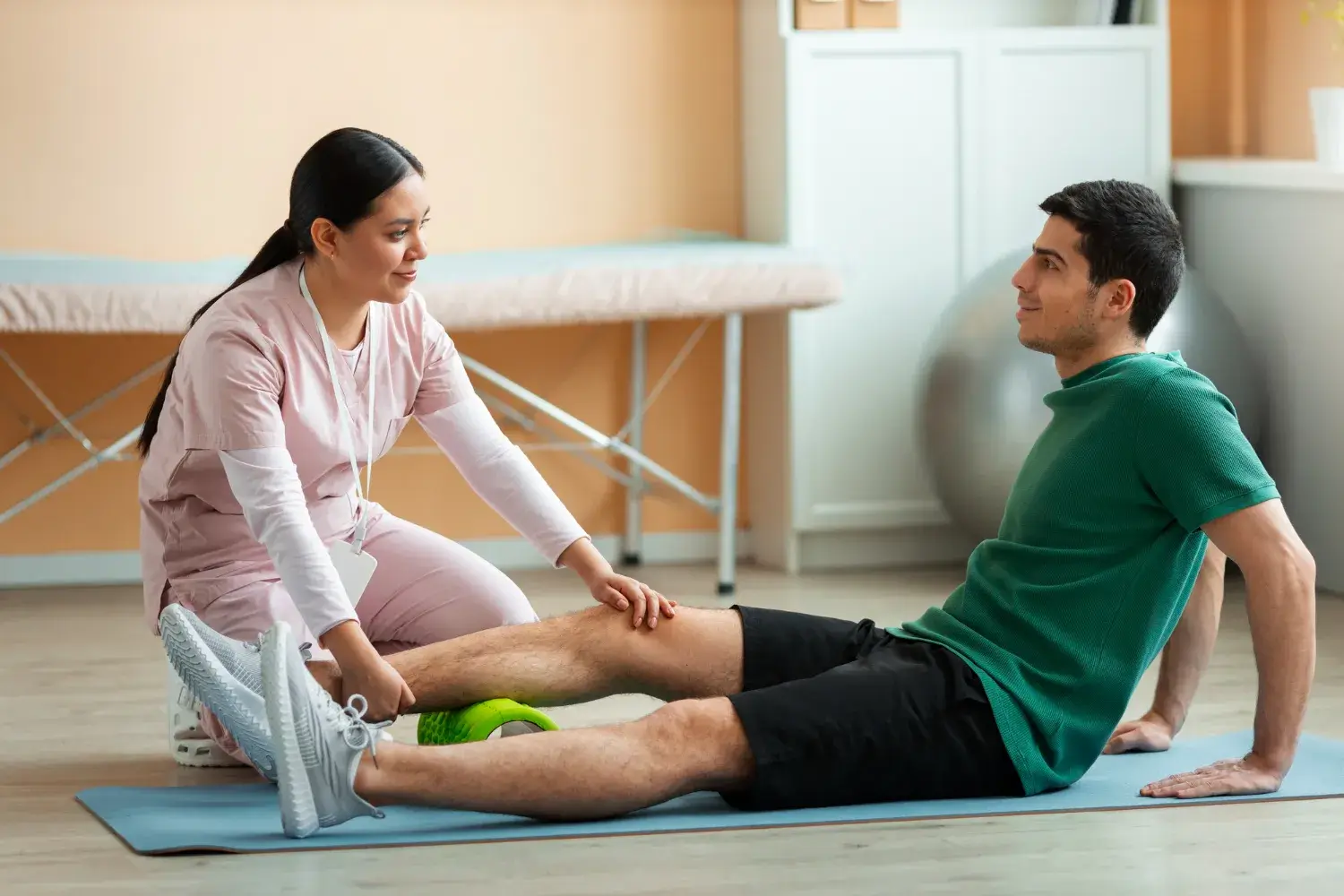
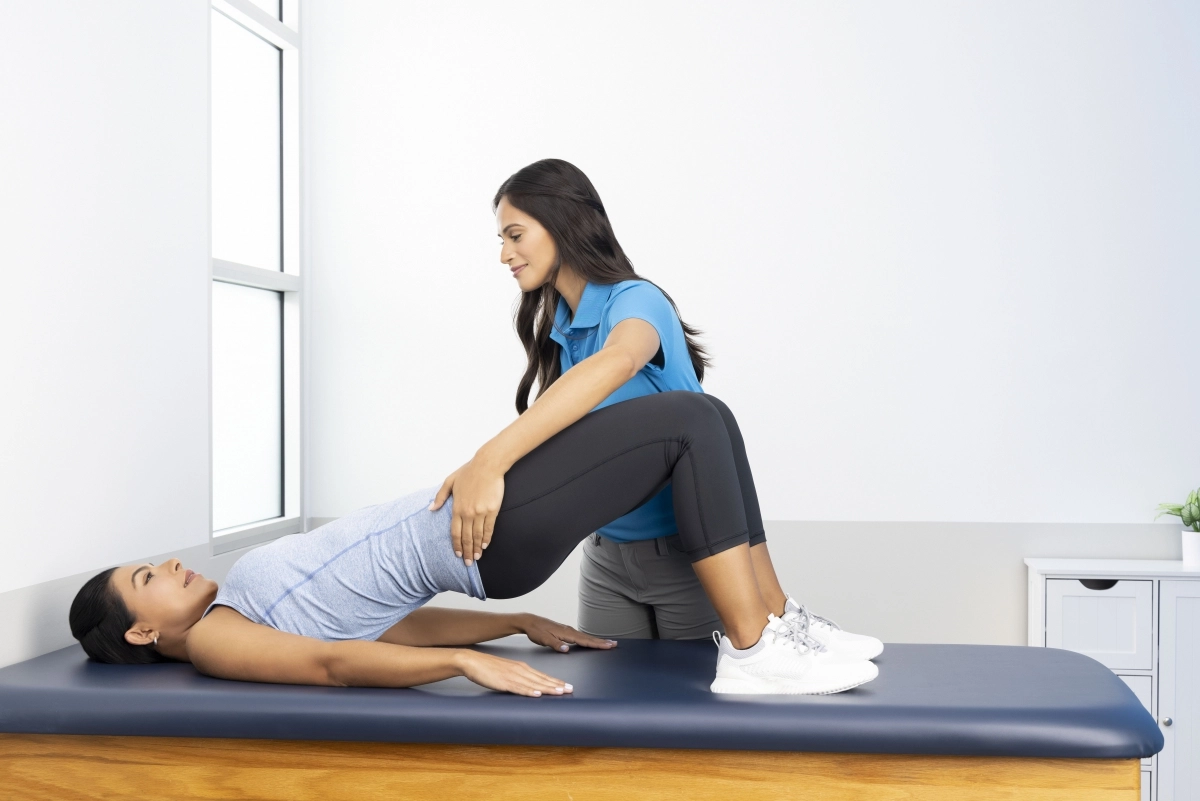
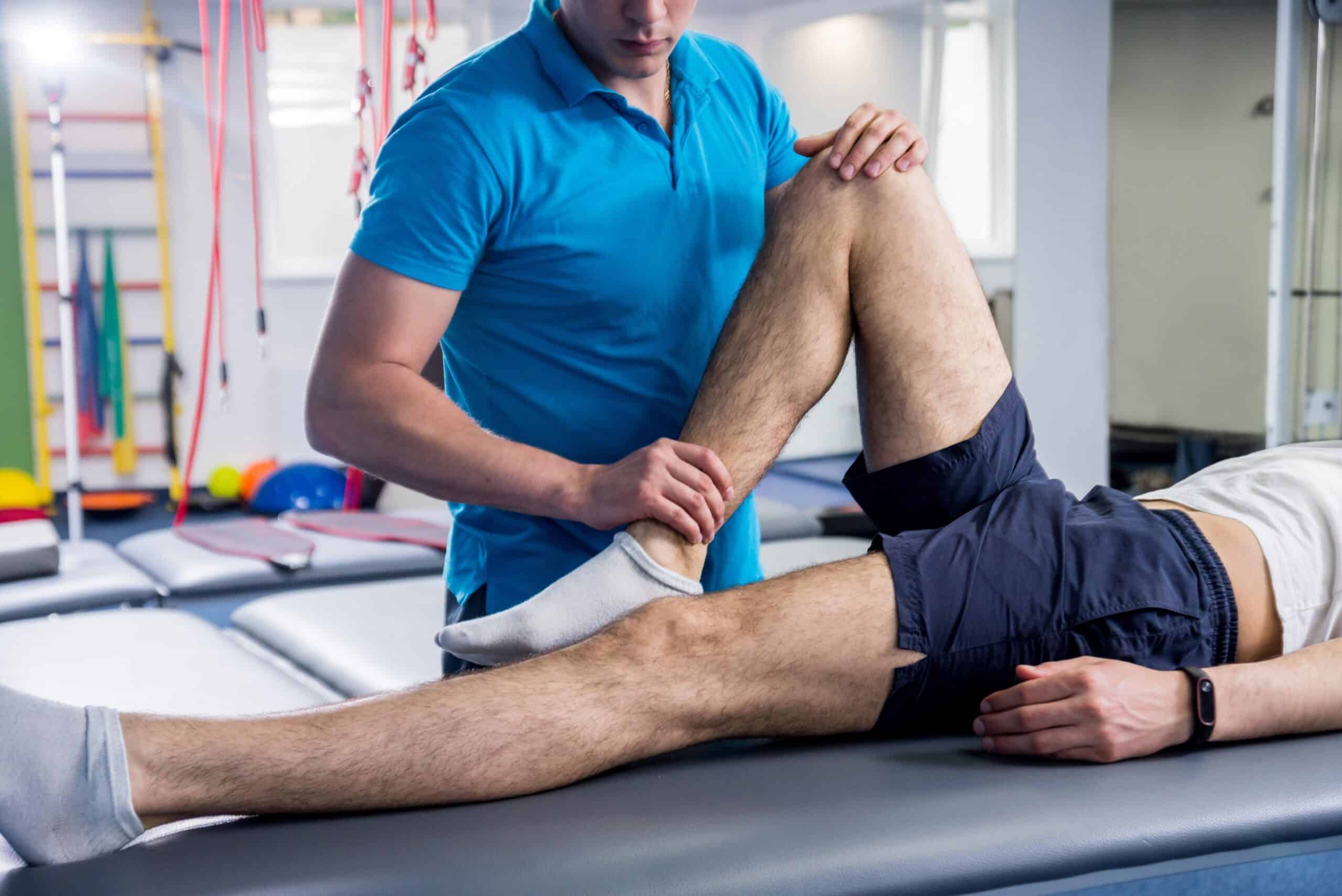
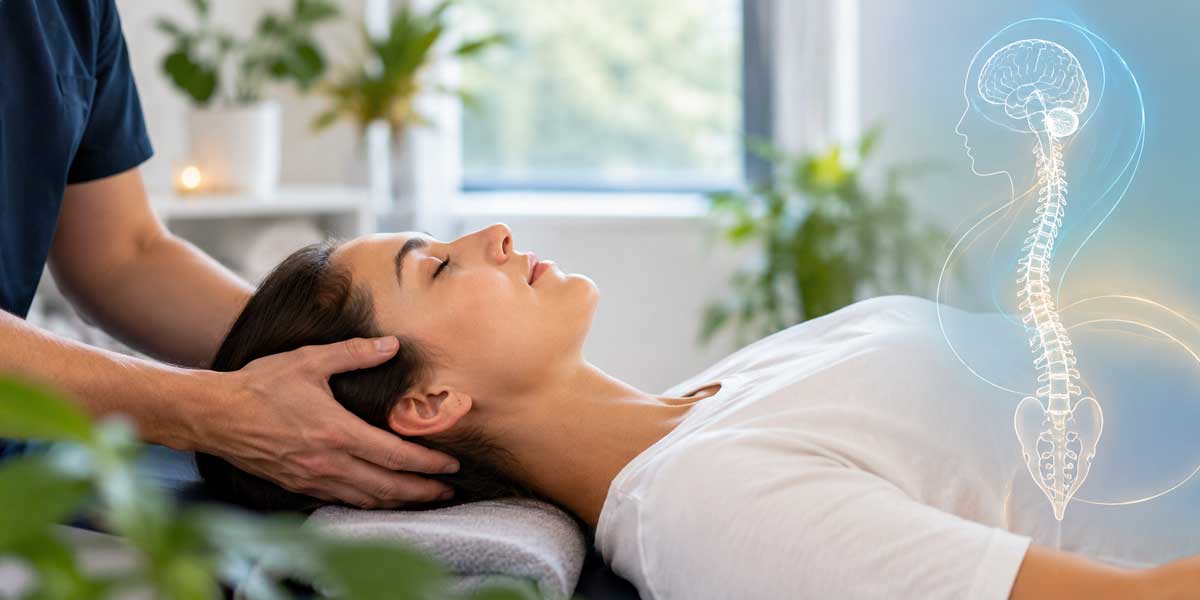
Instead, treatment generally involves the practitioner using their hands while the patient remains comfortably positioned, often lying on a treatment table.
At Sync Move Rehab Centre, Craniosacral Osteopathy is offered as part of a broader range of rehabilitation and hands-on services in Thornhill, Ontario.
The clinic describes its approach as gentle and focused on the craniosacral system. You can learn more about the service on the Sync Move Craniosacral Osteopathy page.
Why Are People Interested in Craniosacral Osteopathy?
The interest in gentle manual therapies is easy to understand.
Pain is not simply a matter of “something hurts, so fix that one spot.” Pain can affect sleep, movement, work, exercise, mood and everyday activities.
This is particularly relevant in Canada, where chronic pain affects a large part of the population. Health Canada reports that approximately one in five Canadians lives with chronic pain, or nearly eight million people. Chronic pain can affect physical activity, mental well-being, work and quality of life. (Health Canada)
Statistics Canada has also reported that the proportion of Canadian adults reporting no pain or discomfort decreased from 77.9% in 2015 to 72.0% in 2024. The 2024 data came from the Canadian Community Health Survey and included adults aged 18 and older living in the provinces. (Statistics Canada)
So, when Canadians search for options such as osteopathy, physiotherapy, massage therapy or other rehabilitation services, they are often looking for something very practical:
“How can I move better and feel better without making my body feel even more irritated?”
That is one reason gentle manual approaches continue to attract attention.
What Happens During a Craniosacral Osteopathy Session?
A session usually starts with a conversation.
This part matters more than many people expect.
A practitioner may ask about:
- Your main symptoms
- When the problem started
- Previous injuries
- Your daily activities
- Work and exercise habits
- Pain patterns
- Previous treatments
- Relevant medical history
The practitioner may then assess your posture, movement and areas of tension.
During the hands-on portion, the patient usually remains fully clothed and lies comfortably on a treatment table. Gentle contact may be used around the head, neck, spine, pelvis or other areas depending on the practitioner’s assessment.
The experience can feel quite different from a deep-tissue massage.
Some people describe it as relaxing. Others notice very little sensation during the session but feel changes in comfort or movement afterward.
And sometimes the most exciting part is simply getting 45 minutes where nobody expects you to answer an email.
What Conditions Do People Seek Craniosacral Osteopathy For?
People may seek Craniosacral Osteopathy for a variety of complaints, including:
Headaches and Migraine
Headaches are one of the most common reasons people become interested in craniosacral approaches.
There have been randomized clinical trials examining CST and migraine symptoms. For example, a 2022 randomized controlled trial involving 50 people with migraine reported improvements in pain, migraine frequency and disability after a four-week treatment protocol compared with a sham intervention. (PubMed)
However, one study does not settle the question.
A later systematic review and meta-analysis of headache disorders included four studies and concluded that the evidence was of very low certainty. Although a statistically significant change in pain intensity was observed, the authors considered the clinical effect too small to be meaningful, and they found no significant improvement in disability or headache impact. (PubMed)
That is a good example of why health information needs context. A research paper can report a statistically significant result without that result necessarily being large enough to make a noticeable difference in everyday life.
Neck Tension and Neck Pain
Chronic neck pain is another area that has been studied.
One randomized sham-controlled trial included 54 people with chronic non-specific neck pain. Participants received either eight weekly sessions of Craniosacral Therapy or light-touch sham treatment. The researchers reported improvements in pain intensity and some other outcomes, including functional disability and quality of life. No serious adverse events were reported. (PubMed)
This is interesting evidence, but again, it should be interpreted alongside broader research rather than on its own.
Back Pain and General Musculoskeletal Pain
People with ongoing back or musculoskeletal discomfort may also explore gentle manual therapies.
Canada’s approach to chronic pain increasingly recognizes that pain management may require more than one type of care. Health Canada notes that pain management plans can include physical therapy, psychological and social support, medication, procedures and self-management strategies. (Health Canada)
This broader approach is important because chronic pain is rarely identical from one person to another.
Two people can have the same diagnosis and completely different experiences.
One may need strengthening and exercise. Another may need help changing movement habits. Another may benefit from education, sleep improvement, stress management or hands-on treatment as part of a larger plan.
What Does the Latest Research Say About Craniosacral Osteopathy?
This is where things get particularly interesting.
Research on Craniosacral Osteopathy and Craniosacral Therapy has produced mixed results.
An earlier systematic review and meta-analysis published in 2019 examined 10 randomized controlled trials involving 681 participants with conditions including neck and back pain, migraine, headache, fibromyalgia, epicondylitis and pelvic girdle pain.
The authors reported statistically significant improvements in pain and disability compared with some control groups and concluded that more high-quality research was needed. (PubMed)
But newer reviews have reached more cautious conclusions.
A 2024 systematic review and meta-analysis searched multiple databases and included 15 randomized controlled trials in its qualitative review and seven in its quantitative analysis. The authors reported that the evidence did not demonstrate statistically significant or clinically relevant benefits for the musculoskeletal or non-musculoskeletal conditions they assessed. They also highlighted methodological limitations in some of the available trials. (PubMed)
Another 2024 meta-analysis examined 24 randomized controlled trials involving 1,613 participants. The researchers found no significant overall effects for the primary outcomes. Some secondary analyses produced statistically significant findings, but the authors cautioned that wide prediction intervals, risk of bias and statistical limitations made the real-world meaning uncertain. (PubMed)
So, Is Craniosacral Osteopathy Effective?
Based on the research available today, the most responsible answer is:
There is not enough high-quality evidence to say that Craniosacral Osteopathy is an established treatment for a specific medical condition.
At the same time, this does not mean that every person who receives a gentle manual treatment will experience no benefit.
A person may experience relaxation, temporary symptom relief, improved comfort, or a better sense of body awareness. Those experiences can be real even when researchers have not established a specific biological mechanism or consistent clinical effect across large studies.
The key is not to confuse an individual experience with proof that a treatment works for everyone.
Why Do Research Results Differ?
This is one of the most useful questions to ask about complementary therapies.
Studies can differ in:
- Number of participants
- Treatment protocols
- Practitioner experience
- Number and length of sessions
- Comparison groups
- Outcome measures
- Follow-up periods
- Blinding methods
- Patient expectations
- The condition being treated
For example, one study may compare Craniosacral Therapy with usual care, while another uses a carefully designed sham treatment involving light touch.
Those are not exactly the same experiment.
Researchers also have to separate a specific treatment effect from other factors that can influence how someone feels.
The therapeutic environment itself may matter. A quiet room, focused attention, time away from work, reassurance, expectation and simply being able to rest for an hour can all influence a person’s experience.
That does not mean an improvement is “imaginary.” It means that determining exactly why someone improves is more complicated.
Craniosacral Osteopathy vs. Regular Osteopathy
The two terms can sound almost identical, and that can be confusing.
Osteopathy is a broader field of hands-on care. It may involve assessment and treatment of different parts of the musculoskeletal system.
Craniosacral Osteopathy is more specifically focused on techniques involving the cranial and sacral regions and related manual approaches.
In practice, the exact techniques can vary between practitioners.
For someone considering treatment, it is therefore reasonable to ask:
- What training does the practitioner have?
- What techniques will be used?
- What condition or symptom are we trying to address?
- How will progress be measured?
- What should I expect after several sessions?
- When would you recommend another healthcare professional?
The World Health Organization has published benchmarks for osteopathic training that emphasize appropriate education, supervised clinical experience and patient safety. (WHO)
Is Craniosacral Osteopathy Safe?
Gentle does not automatically mean risk-free.
The available clinical research has generally reported few serious adverse events. In the 2019 systematic review, five of the included trials reported safety data, and no serious adverse events were reported. Minor events included things such as temporary headache, tiredness, drowsiness or increased pain in some participants. (PMC)
Still, people should not assume that hands-on treatment is appropriate in every situation.
If you have:
- A recent serious injury
- Severe or unexplained headache
- Sudden weakness or numbness
- Loss of balance
- New problems with speech or vision
- Fever with severe pain
- Recent surgery
- A serious neurological condition
- A suspected fracture or infection
you should seek appropriate medical assessment rather than simply booking a manual therapy session.
And if your symptoms are new, getting worse, or unusual for you, tell your healthcare provider.
Who Might Consider Craniosacral Osteopathy?
Craniosacral Osteopathy may be something to discuss with a qualified practitioner if you are looking for a gentle hands-on approach as part of a broader rehabilitation strategy.
It may be particularly interesting to people who:
- Prefer gentle manual techniques
- Experience muscle or neck tension
- Have ongoing musculoskeletal discomfort
- Want relaxation alongside rehabilitation
- Are exploring complementary approaches
- Want hands-on care combined with exercise or movement strategies
However, it should ideally be considered as one part of a complete care plan, rather than a universal solution.
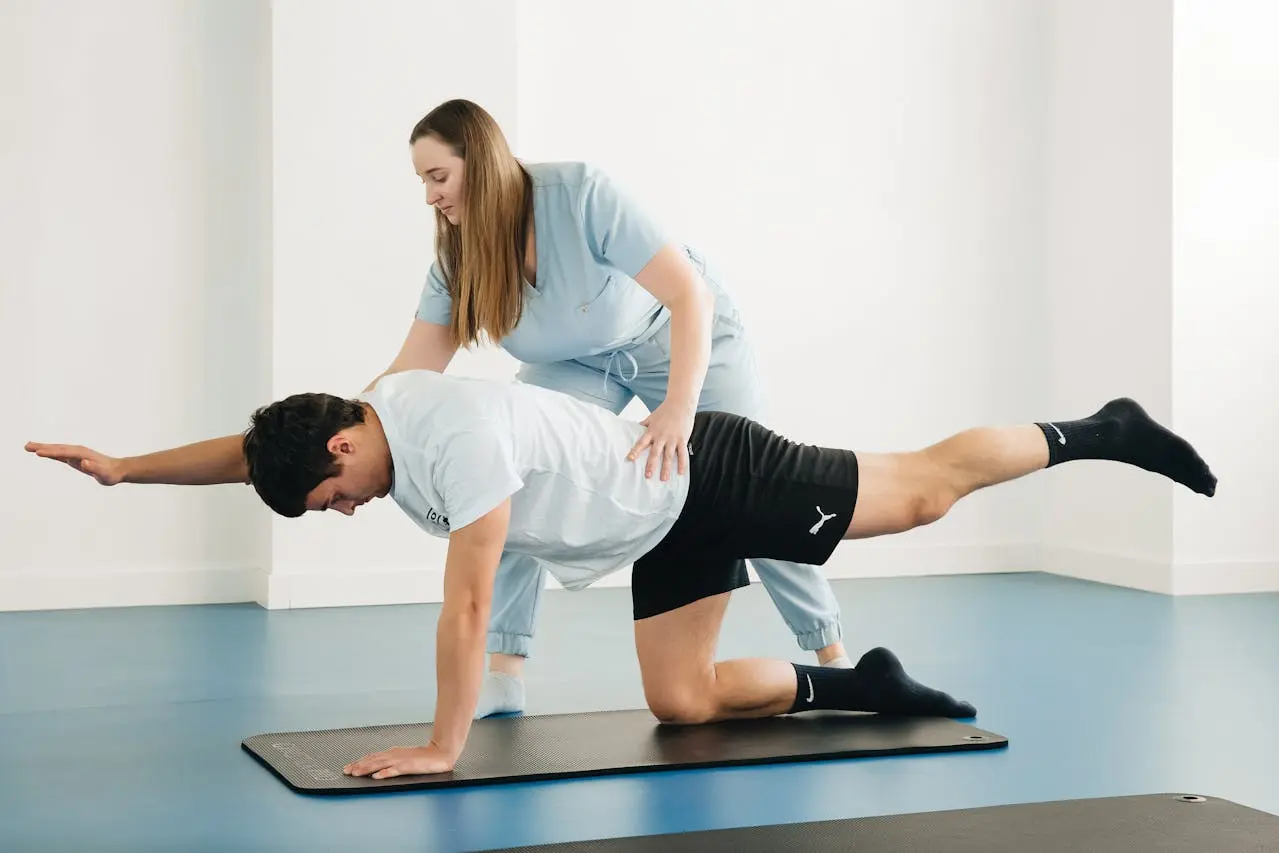
For example, someone with persistent lower back pain may benefit from education and progressive exercise. Someone recovering from an injury may need strength and mobility work. Someone with vestibular symptoms may require a specialized vestibular rehabilitation program.
The best approach depends on the person, not just the name of the treatment.
Can Craniosacral Osteopathy Replace Physiotherapy or Medical Care?
Generally, it should not be thought of as a replacement for necessary medical care.
Rehabilitation is often more effective when different pieces of the puzzle are considered together.
Depending on the problem, a rehabilitation plan may include:
- Physiotherapy
- Therapeutic exercise
- Manual therapy
- Education
- Activity modification
- Balance training
- Strength training
- Mobility work
- Pain-management strategies
- Medical assessment when necessary
This is one reason a multidisciplinary rehabilitation centre can be useful.
At Sync Move Rehab Centre, services include physiotherapy, osteopathy, massage therapy, chiropractic care, shockwave therapy, acupuncture/dry needling, vestibular rehabilitation and therapeutic exercise.
The advantage of looking at rehabilitation as a bigger picture is simple: the goal is not merely to provide a treatment. The goal is to help the person function better.
What Should You Ask Before Booking a Session?
Before trying Craniosacral Osteopathy, you do not need to become a medical researcher overnight.
A few straightforward questions can help.
1. What is the goal of treatment?
A good treatment plan should have a reason.
Is the goal to improve movement? Reduce discomfort? Support relaxation? Improve function?
The clearer the goal, the easier it becomes to decide whether treatment is helping.
2. How will progress be measured?
“How do you know it is working?” is a perfectly reasonable question.
Depending on your problem, progress might be measured through pain levels, movement, function, sleep, activity tolerance or another practical outcome.
3. How many sessions should I expect?
Be cautious about promises of unlimited treatment with no clear reassessment.
A sensible approach is to reassess progress rather than automatically continuing forever.
4. What happens if I do not improve?
This may be the most important question of all.
A responsible practitioner should be comfortable discussing other options or recommending another healthcare professional when appropriate.
How Does Craniosacral Osteopathy Fit Into a Canadian Rehabilitation Plan?
Canada has increasingly emphasized the importance of managing chronic pain through a combination of physical, psychological, social and medical approaches.
The Canadian Pain Task Force reported that approximately 7.63 million Canadians aged 15 and older were living with chronic pain in 2019, with estimated direct and indirect economic costs of $38.3 to $40.4 billion that year. The report also emphasized a biopsychosocial approach to pain management. (Health Canada)
This is important because modern rehabilitation is moving away from the idea that every problem has one magic fix.
Think of rehabilitation more like assembling a toolbox.
Sometimes the right tool is exercise.
Sometimes it is education.
Sometimes it is hands-on care.
Sometimes it is a medical assessment.
And sometimes you need several tools working together.
A Note About “Natural” or “Gentle” Treatments
The words “natural,” “gentle” and “non-invasive” can sound reassuring, but they should not automatically be treated as proof of effectiveness.
The opposite is also true: the absence of strong evidence for a particular treatment does not mean that a person’s experience of comfort or relaxation is fake.
A balanced approach is much more useful.
Ask what the treatment is intended to do, look at the evidence, understand its limitations, and consider it within the larger context of your health.
That is especially important when a treatment is being promoted as capable of treating a long list of unrelated conditions.
What Does This Mean for Someone in Thornhill or the Greater Toronto Area?
If you live in Thornhill, Markham, Richmond Hill or the Greater Toronto Area and are researching Craniosacral Osteopathy, it can be helpful to start with a conversation rather than assuming that one treatment is automatically the answer.
At Sync Move Rehab Centre, located at 8220 Bayview Avenue, Unit 206, Thornhill, Ontario, Craniosacral Osteopathy is one of the clinic’s rehabilitation services.
You can learn more about the clinic through its About Sync Move Rehab Centre information, explore the Craniosacral Osteopathy service, or book an appointment if you would like to discuss whether this type of care is appropriate for your needs.
Frequently Asked Questions About Craniosacral Osteopathy
Is Craniosacral Osteopathy the same as massage?
No. Both involve hands-on contact, but they are different approaches. Massage generally focuses more directly on soft tissues and muscles, while Craniosacral Osteopathy uses specific gentle manual techniques associated with the craniosacral approach.
Does Craniosacral Osteopathy hurt?
It is generally intended to be gentle. Most people should not expect forceful manipulation. However, individual responses vary, and temporary soreness or other minor symptoms have been reported in some clinical research.
How long does a session take?
Session length can vary depending on the practitioner, clinic and treatment plan. Ask the clinic about the expected appointment length before booking.
Can it help with headaches?
Headache and migraine have been studied, and some trials have reported improvements. However, systematic reviews have found that the overall certainty of evidence is low or very low, and clinically meaningful benefits have not been consistently demonstrated.
Is Craniosacral Osteopathy scientifically proven?
There is research on the subject, including randomized controlled trials and systematic reviews. However, the current evidence is mixed, and recent systematic reviews do not establish Craniosacral Therapy as an effective treatment for a specific medical condition.
Should I stop my current treatment and try Craniosacral Osteopathy instead?
No. Do not stop prescribed medication or medically recommended treatment without speaking with the relevant healthcare professional.
Can it be combined with physiotherapy?
Depending on your condition, different rehabilitation approaches may be used together. A qualified healthcare professional can help determine what combination makes sense for your situation.
Final Thoughts
Craniosacral Osteopathy is a gentle hands-on approach that has attracted attention among people looking for complementary options for pain, tension, headaches and general physical discomfort. Research has produced some encouraging individual findings, particularly in areas such as neck pain and migraine, but more recent systematic reviews have highlighted important limitations and do not provide strong evidence that Craniosacral Therapy is an established treatment for specific conditions. The most sensible way to approach it is therefore with an open mind and realistic expectations, while keeping appropriate medical care and active rehabilitation at the centre of your health plan. If you are in Thornhill or the surrounding Greater Toronto Area and want to learn whether Craniosacral Osteopathy could fit into a personalized rehabilitation approach, Sync Move Rehab Centre offers Craniosacral Osteopathy alongside physiotherapy, osteopathy and other rehabilitation services, giving you an opportunity to discuss your individual needs with the clinic before deciding on a treatment plan.
References
- Health Canada – About Chronic Pain
Health Canada – About Chronic Pain - Statistics Canada – Functional Health of Canadian Adults, 2015 to 2024
Statistics Canada – Functional Health of Canadian Adults - Health Canada – Canadian Pain Task Force Report, 2020
Canadian Pain Task Force Report - Ceballos-Laita et al. – Is Craniosacral Therapy Effective? A Systematic Review and Meta-Analysis
PubMed – Craniosacral Therapy Systematic Review and Meta-Analysis - Amendolara et al. – Effectiveness of Osteopathic Craniosacral Techniques: A Meta-analysis
PubMed – Osteopathic Craniosacral Techniques Meta-analysis - Haller et al. – Craniosacral Therapy for Chronic Pain: Systematic Review and Meta-analysis
PubMed – Craniosacral Therapy for Chronic Pain - Ceballos-Laita et al. – Clinical Effectiveness of Craniosacral Therapy in Patients with Headache Disorders
PubMed – Craniosacral Therapy and Headache Disorders - Haller et al. – Craniosacral Therapy for the Treatment of Chronic Neck Pain
PubMed – Chronic Neck Pain Randomized Trial - Muñoz-Gómez et al. – Effect of a Craniosacral Therapy Protocol in People with Migraine
PubMed – Migraine Randomized Controlled Trial - World Health Organization – Benchmarks for Training in Osteopathy
WHO – Benchmarks for Training in Osteopathy - Sync Move Rehab Centre – Craniosacral Osteopathy
Sync Move – Craniosacral Osteopathy - Sync Move Rehab Centre – Osteopathy Services
Sync Move – Osteopathy