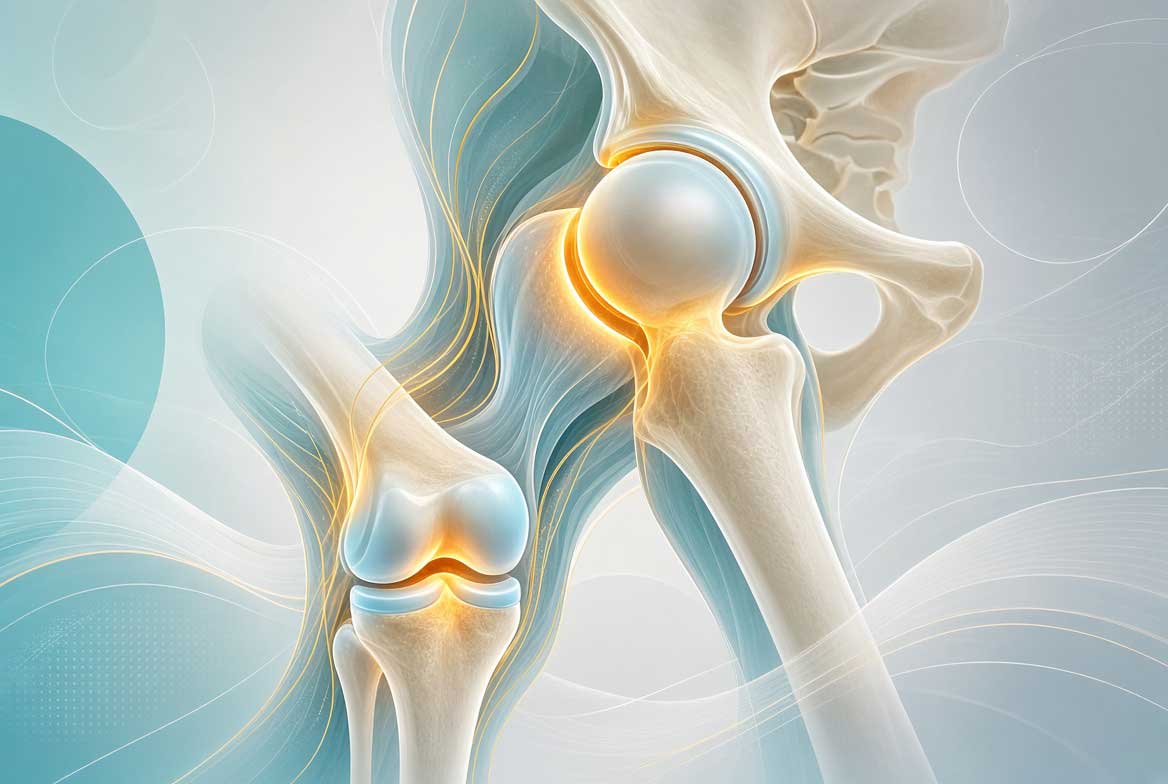
physiotherapy for osteoarthritis

Your Joints Are Not a Retirement Plan: Why Physiotherapy for Osteoarthritis Is the Smartest Investment You’ll Ever Make

Let’s play a quick word association game. I say “osteoarthritis,” and you say… what exactly?

If you’re like most Canadians, you probably muttered something like “getting old,” “wear and tear,” or the classic “guess I just have to live with it.” Maybe you even winced a little, remembering that nagging ache in your knee that flares up every time the weather changes or that hip that’s been grumpy since you shoveled the driveway last winter.

Here’s the thing: you’ve been lied to. Not maliciously, of course. But somewhere along the way, we collectively decided that osteoarthritis (OA) is just what happens when you’ve used a body for five or six decades—like a car with too many kilometers on the odometer. And like that old car, the conventional wisdom says you either trade it in (hello, joint replacement surgery) or just accept that it’ll never run smoothly again.

But what if I told you that your joints aren’t past their expiry date? What if the ache in your knee isn’t a countdown to the operating table but a signal—a loud, annoying, persistent signal—that something in your system needs rebalancing?

Welcome to the truth about osteoarthritis. And spoiler alert: physiotherapy for osteoarthritis isn’t just a nice-to-have. It’s the evidence-backed, guideline-recommended, cost-effective first-line treatment that most Canadians aren’t getting . And at Sync Move Rehab Centre, we’re on a mission to change that.

So grab a tea, get comfortable, and let’s take a deep dive into why your joints deserve better than “just deal with it.”


The Canadian Osteoarthritis Epidemic by the Numbers

Before we get into the fix, let’s talk about the scope of the problem. Because honestly, the numbers are staggering enough to make you spit out your double-double.

Osteoarthritis is the most common type of arthritis in Canada. We’re not talking about a niche condition that affects a unlucky few. We’re talking about over four million Canadians living with OA . That’s more than the entire population of Vancouver, Calgary, Edmonton, Ottawa, and Winnipeg combined.

And here’s the kicker: it affects more Canadians than all other forms of arthritis combined . Rheumatoid arthritis, gout, lupus—all of them together don’t stack up against OA.

Globally, the numbers are even more mind-boggling. Over 500 million people worldwide have hip or knee osteoarthritis . A 2026 study in Aging Clinical and Experimental Research put the number even higher for knee OA alone—over 650 million individuals . To put that in perspective, that’s nearly twice the population of the entire United States.

But here’s where it gets really interesting—and a little depressing.

Who Gets OA?

If you’re a woman, listen up: women are 1.7 times more likely to develop knee osteoarthritis than men . Among adults over 60, approximately 18% of women and 10% of men experience symptomatic knee OA . So if you’re a woman of a certain age and your knees are complaining, you’re not alone—and you’re not imagining it.

The average age of Canadians in one major OA study was 64.3 years . But here’s the thing: OA isn’t just a “senior citizen” problem. It develops over years, sometimes decades. The joint damage that leads to OA can start in your 40s or even earlier, especially if you’ve had an injury.

The Cost of Doing Nothing

OA isn’t just painful—it’s expensive. A 2025 cost-effectiveness study published in Arthritis Care & Research followed 254 Albertans with hip and knee OA . The findings? The total public healthcare costs for OA management are substantial, but here’s the hopeful part: structured exercise programs save money.

When researchers calculated the incremental net monetary benefit of the GLA:D® program (more on that in a minute), they found it delivered a positive return of $6,065 per patient from the Ministry of Health perspective over 12 months . That’s not just “feeling better.” That’s actual dollars saved by the healthcare system.

Over a lifetime? The numbers remain positive, though with more uncertainty—an estimated $6,574 in net monetary benefit . The takeaway: treating OA with exercise and education isn’t just good medicine. It’s good economics.


What Even Is Osteoarthritis? (In Plain English)

Before we go further, let’s get clear on what we’re actually dealing with. Because “osteoarthritis” sounds scary and technical, but it’s really not that complicated.

Imagine your joints have a built-in cushion—a smooth, slippery material called cartilage that covers the ends of your bones where they meet. This cartilage is like the high-quality shock absorber in a luxury car. It lets bones glide past each other without grinding, squeaking, or complaining .

In osteoarthritis, that cushion starts to break down. Not because you’re “wearing it out” like an old pair of socks, but because your body’s repair process can’t keep up with the daily demands .

Here’s what actually happens: your joints require your body to regularly repair and replenish damaged tissues. Damage happens through normal use—it’s just part of being alive. But when your body can’t keep up with the repair work, or when there’s too much damage to fix, osteoarthritis starts developing .

For most people, this happens when otherwise healthy joints are exposed to heavy workloads over a long period. But for some—particularly those whose joints are formed differently or who’ve had a previous joint injury—even regular workloads can accelerate the damage .

And here’s the part nobody tells you: osteoarthritis is a disease of the whole joint, not just the cartilage . It affects the underlying bone, the lining of the joint, the ligaments, and the muscles around it. That’s why OA pain isn’t just a simple “ouch”—it’s complex, and it affects everything from how you walk to how you sleep.

The Good News (Yes, There’s Good News)

Here’s the part that changes everything: while the underlying process of OA can’t be reversed, the symptoms can often be relieved or significantly improved .

You read that right. You can’t un-break down the cartilage. But you absolutely can reduce your pain, improve your function, and get back to doing the things you love. The two main goals of OA treatment are simple: control your pain and improve your ability to function .

And guess what’s at the top of every major treatment guideline? Not surgery. Not pills. Exercise and education .


The Crisis: Most Canadians Aren’t Getting the Care They Need

Here’s where the story takes a frustrating turn. Despite clear international guidelines recommending patient education and exercise therapy as first-line treatments for OA, these treatments remain underutilized across the world, including Canada .

How underutilized? Let’s look at the numbers.

A 2025 study from the Maritimes examined the quality of non-surgical, non-pharmacological care for people with mild-to-moderate knee osteoarthritis . Researchers surveyed 241 participants with an average age of 67 and asked whether they’d received four key quality indicators: advice to exercise, advice to lose weight, assessment of ambulatory function (how well they walk), and assessment of non-ambulatory function (other movements).

The results were sobering.

The overall pass rate was just 42.9% . That means more than half of people with knee OA in the Maritimes are not receiving the recommended core treatments. Even in a sensitivity analysis that adjusted the criteria, the pass rate only climbed to 49.3% .

Individual indicators were all over the map. While 85.7% received an assessment of their walking function, only 4.3% received an assessment of non-ambulatory function . Advice to exercise? About 62-69% got it, depending on the analysis. Advice to lose weight? Just 28-35% .

Here’s the most telling part: pass rates weren’t driven by demographic, social, or patient-reported factors . In other words, it wasn’t that certain types of patients were missing out. The problem is systemic. The system is failing everyone equally.

The Pre-Surgery Problem

If you think the situation improves by the time people see specialists, think again.

Two Canadian studies found that 40% of knee OA patients had not received recommended non-surgical treatments before seeing an orthopedic surgeon . Even after being advised by the surgeon, only 19% actually used these treatments .

This is backwards. It’s like showing up at the mechanic with a flat tire and asking for a new car before checking if the tire just needs air.

Given that education and exercise programs have the potential to reduce the need for costly total joint replacements , this gap in care isn’t just a quality issue—it’s a public health crisis.


The Solution: What Actually Works

Alright, enough doom and gloom. Let’s talk about what works, because plenty does.

  1. The GLA:D® Program: Denmark’s Gift to Canadian Joints

If you haven’t heard of GLA:D® (Good Life with osteoArthritis in Denmark), you’re about to become best friends.

GLA:D® is an evidence-based education and exercise treatment program for people with knee and hip OA . It was developed in Denmark and has since spread to ten countries. Canada became the first country to implement GLA:D® outside of Denmark in 2016, and by 2022, over 15,000 Canadians had participated .

What makes GLA:D® special? It’s structured, standardized, and evidence-based. The program consists of:

  • Two education sessions that teach you about OA, pain management, and self-care
  • Twelve supervised exercise sessions delivered by a GLA:D®-certified clinician

The goal? Help clinicians implement clinical guidelines and deliver high-value care .

And the results speak for themselves.

A 2025 analysis of GLA:D® Canada participants at the Canadian Memorial Chiropractic College (CMCC) from 2018 to 2023 found improvements in mean scores for knee-related pain, function, quality of life, and hip-related pain . Health-related quality of life and self-efficacy in managing symptoms improved for both knee and hip OA participants .

Over half of GLA:D® Canada participants report a clinically meaningful improvement in pain levels, and 83% report being satisfied or very satisfied at program completion .

Eighty-three percent. That’s not just statistically significant. That’s life-changing.

  1. The Cost-Effectiveness Case

Remember the Alberta study we mentioned earlier? The one that followed 254 participants (127 in GLA:D®, 127 in usual care) for 12 months?

The results were clear: GLA:D® participants achieved small but statistically significant gains in disease-specific pain, function, and quality of life scores . Public healthcare costs were slightly lower in the GLA:D® group, with an adjusted incremental net monetary benefit of $6,065 compared to usual care .

The study authors concluded that publicly funding GLA:D® could provide greater efficiency in delivering first-line OA care, especially since most patients currently pay out-of-pocket for allied health services .

Translation: investing in physiotherapy for osteoarthritis saves money in the long run. Your tax dollars, your insurance premiums, your out-of-pocket costs—all lower when you treat OA the right way from the start.

  1. Tele-Rehabilitation: The Future Is Here

What if you can’t get to a clinic? What if you live in a rural area, have mobility issues, or just prefer the comfort of your own home?

A February 2026 randomized controlled trial published in Physiotherapy Theory and Practice compared tele-rehabilitation with wearable technology to conventional face-to-face physiotherapy for knee OA .

Thirty-five participants with radiographic knee OA were randomly assigned to either a tele-rehabilitation group (using video-conferencing and wearable motion sensors) or a conventional group (attending in-person sessions). Both groups underwent a 12-week exercise program .

The verdict? Both groups improved significantly over time, with no significant differences between them . Pain scores improved, function improved, and the 30-second chair stand test improved—whether participants did it in person or via telehealth.

The conclusion: tele-rehabilitation supported by wearable technology achieved outcomes comparable to conventional physiotherapy and represents a viable alternative for delivering knee OA rehabilitation .

This matters for Canadians. Our country is vast, our winters are long, and our access to healthcare varies dramatically by where we live. Tele-rehabilitation breaks down those barriers.

  1. Swedish Massage vs. Hip Strengthening: The 2026 Showdown

Here’s a fascinating study that dropped in January 2026. Researchers compared Swedish massage to hip strengthening exercises in older adults with knee osteoarthritis .

Seventy-five adults over 60 with symptomatic knee OA were randomized to one of three groups: Swedish massage, hip strengthening exercises, or a control group. The interventions were home-based, three sessions per week for 30 minutes each, over eight weeks .

The results? Both active interventions significantly outperformed the control group across all outcomes .

  • Swedish massage reduced pain by an adjusted mean of 0.81 cm on the Visual Analog Scale (a standardized pain measure)
  • Hip strengthening exercises reduced pain by 0.77 cm
  • Both interventions improved daily function—massage by 3.59 points on the KOOS-ADL scale, exercises by 3.40 points
  • Both increased active knee flexion range of motion—massage by 3.42 degrees, exercises by 3.69 degrees

The study authors concluded that both Swedish massage and hip strengthening exercises are safe, feasible home-based options for pain relief in older adults with knee OA . Massage uniquely enhanced daily function, supporting its integration into clinical practice to promote independence and reduce healthcare burdens .

The key takeaway? You have options. Different approaches work for different people. The important thing is to do something—and preferably something guided by evidence and delivered by trained professionals.

  1. Knee Bracing: Helpful for Some, But Not Magic

A January 2026 randomized controlled trial in the BMJ examined the provision of knee bracing for knee OA . The study found that compartment-specific bracing with adherence support led to statistically significant but modest improvements over education and exercise alone.

The effect size was small (0.24), which the authors noted “underscores the challenge of demonstrating large benefits in a heterogeneous chronic condition” . However, the observed ~50% responder rate strongly suggests significant treatment effect heterogeneity—meaning some people benefit a lot, others less so .

The key is matching the right patient to the right intervention. Future research may help identify which patients—based on instability, biomechanics, or specific phenotypes—are most likely to benefit from bracing .

  1. What About Medications and Surgery?

Let’s be clear: medications and surgery have their place. But they’re not first-line treatments, and they’re not magic bullets.

Medications for OA focus on managing pain and improving function. Options include topical treatments (NSAID creams, capsaicin cream), corticosteroid injections (short-term relief), acetaminophen (fewer side effects but liver risks at high doses), NSAIDs (reduce pain and inflammation but have risks), duloxetine (for chronic pain, especially if depression is present), and—rarely—opioids, which “are not considered an appropriate first-line treatment option for osteoarthritis” and whose “potential harms have been shown to outweigh any benefits” .

Viscosupplementation (hyaluronic acid) injections? “Not routinely recommended due to limited benefits, risk of side effects and high costs” . Platelet-rich-plasma injections? “Limited evidence” .

Surgery—joint replacement—is reserved for severe symptoms that fail to improve with self-management strategies, exercise, and medications . It can be performed at any age but is usually reserved for advanced arthritis. The decision depends on the amount of pain and disability, as well as the risks and benefits .

The key message: surgery is not a failure, but it’s also not a shortcut. People who do physiotherapy before surgery (“pre-habilitation”) go into the operating room stronger and recover faster. And many people who do physiotherapy never need surgery at all.


What Physiotherapy for Osteoarthritis Actually Looks Like

So you’re convinced. You want to try physiotherapy. What actually happens?

The Assessment: Playing Detective

When you walk into Sync Move Rehab Centre with OA symptoms, we start with questions. Lots of them. Not because we’re nosy, but because your OA is as unique as your fingerprint.

  • Which joints are bothering you?
  • When did it start?
  • What makes it better? What makes it worse?
  • How does it affect your daily life—your work, your sleep, your mood, your ability to do the things you love?
  • What have you tried already?
  • What are you afraid might be wrong?

Then comes the movement assessment. We watch you walk, sit, stand, bend. We assess your strength, your flexibility, your balance. We’re looking for patterns—the ways you compensate, the muscles that aren’t firing, the movements you avoid without realizing it.

And here’s the thing: we’re not just looking at your painful joint. If your knee hurts, we’re looking at your hips and ankles too. If your hip hurts, we’re looking at your back and your other hip. Your body is connected. Problems in one area often start in another.

The Treatment Plan: Your Personalized Roadmap

Based on what we find, we build a plan. Not a generic “here are three stretches” plan, but a tailored approach designed specifically for you, your goals, and your lifestyle.

This might include:

  • Therapeutic exercise: Specific movements to strengthen weak areas, improve range of motion, and retrain movement patterns
  • Education: Understanding your condition, pain science, and how to manage symptoms long-term
  • Manual therapy: Hands-on techniques to mobilize stiff joints and tight muscles
  • Activity coaching: Modifying your daily activities to reduce joint stress
  • Self-management strategies: Tools and techniques you can use at home

The goal isn’t to make you dependent on us. The goal is to give you the tools to manage your own OA, long after you’ve left the clinic.

The Role of Occupational Therapy

Physiotherapy isn’t the only player on the team. Occupational therapists (OTs) can be invaluable for people with OA.

An OT looks at what you do in a day and develops a program to help lessen your symptoms and improve your function. They can do home or workplace assessments, identify ways to protect your joints, and recommend tools and aids to help you conserve energy and improve independence .

Examples include:

  • Using a cane or raised seats to decrease stress on hip and knee joints
  • Using wide-gripped tools and utensils to decrease stress on hand joints
  • Using shoehorns or buttonhooks to help with dressing

OTs can also recommend foot orthotics, knee braces, and hand splints .

A 2025 practice guideline from the Canadian Association of Occupational Therapists highlights strategies for OTs to support people with OA, including six action statements to guide evidence-based practice .


What You Can Do Right Now (Seriously, Today)

While we’d love to see you at Sync Move Rehab Centre, we also want you to start feeling better immediately. Here are evidence-backed things you can do today:

  1. Move More, Rest Smarter

Here’s a common misconception: a painful joint requires rest. Actually, not enough movement causes muscle weakness, worsening joint pain and stiffness .

Light or moderate physical activity protects joints by strengthening the muscles around them, increasing blood flow to the joint, and helping promote normal joint regeneration . Physical activity can also improve your mood and lessen pain.

The Canadian Physical Activity Guidelines provide evidence-based recommendations for different ages . Even small increments of activity can help relieve arthritis symptoms and improve daily functioning .

Physical activity includes everything you do as part of everyday life—vacuuming, walking to work, gardening. These activities are beneficial for your joints and can help maintain and improve mobility .

  1. Try These Simple Exercises

The 2026 Swedish massage vs. hip strengthening study used home-based interventions that were simple, safe, and effective . While you should consult a physiotherapist before starting any new exercise program, here are general principles:

  • Hip strengthening exercises can reduce knee OA pain by strengthening the muscles that support your lower limb
  • Gentle range-of-motion exercises maintain flexibility
  • Low-impact aerobic activities like walking or swimming improve overall function

The key is consistency. Three sessions per week, 30 minutes each, can make a measurable difference .

  1. Consider Massage

The same study found that Swedish massage was as effective as exercise for pain relief and even better for improving daily function . If you have access to a registered massage therapist, this can be a valuable addition to your management plan.

  1. Manage Your Weight

If you’re carrying extra weight, even modest weight loss can significantly reduce stress on weight-bearing joints . Every kilogram of weight loss reduces the load on your knees by several kilograms during walking.

  1. Use Heat or Cold Strategically
  • Heat (warm baths, heating pads) can help relax stiff muscles and joints
  • Cold (ice packs wrapped in a towel) can help reduce acute inflammation and pain after activity
  1. Educate Yourself

Knowledge is power. Understanding that OA is manageable—not a life sentence—can reduce fear and improve outcomes. The Arthritis Society Canada has excellent resources , and programs like GLA:D® provide structured education that makes a difference .


The Bottom Line: Your Joints Are Worth Fighting For

Here’s the truth that four million Canadians need to hear: osteoarthritis is not a verdict. It’s not a countdown to surgery. It’s not something you just “live with.”

Osteoarthritis is a condition you can manage—actively, effectively, and without relying solely on pills or procedures. The evidence is clear. International guidelines are unanimous. Exercise and education work. They reduce pain. They improve function. They save money. They delay or prevent surgery. And they put you back in control of your life.

The problem isn’t that treatment doesn’t work. The problem is that too few Canadians are getting it. Forty percent of people see surgeons without trying non-surgical options first. Only 19% use recommended treatments after being advised. More than half of Maritime OA patients aren’t receiving core treatments .

That has to change.

At Sync Move Rehab Centre, we’re part of that change. We offer evidence-based, guideline-recommended care for osteoarthritis—whether through GLA:D®, individualized physiotherapy, or tele-rehabilitation options. We treat you like a person, not a patient file. And we measure our success by your success: less pain, better function, and the ability to do what you love.

Your joints have carried you through decades of life. They’ve supported you through hockey games and gardening, through shoveling snow and chasing grandkids, through dance floors and long walks on the beach. They’re not “worn out.” They’re asking for help.

It’s time to listen.


References

  1. Mazzei DR, Whittaker JL, Faris P, et al. Real-World Cost-Effectiveness of a Standardized Education and Exercise Therapy Program for Hip and Knee Osteoarthritis Compared to Usual Care. Arthritis Care Res (Hoboken). 2025. *[Canadian cost-effectiveness study of GLA:D® program with $6,065 net monetary benefit]*
  2. Cai C, et al. An assessor-blinded randomized controlled trial comparing a tele-rehabilitation program with wearable technology to conventional face-to-face physiotherapy in patients with knee osteoarthritis. Physiother Theory Pract. 2026 Feb 20. *[2026 RCT showing tele-rehabilitation comparable to in-person physio for knee OA]*
  3. Stern, Siegel, and Hunter. Occupational therapy management of osteoarthritis and rheumatoid arthritis practice guidelines. Canadian Association of Occupational Therapists webinar. 2025 Oct 21. [2025 OT practice guidelines for OA with six action statements]
  4. Characteristics of GLA:D® Canada Hip and Knee Osteoarthritis patients at the Canadian Memorial Chiropractic College: a retrospective analysis of registry-based cohort data. PMC. 2025 Apr;69(1):49–61. [Analysis showing 83% satisfaction rate and significant improvements in GLA:D® participants]
  5. Mazzei DR, Whittaker JL, Faris P, Wasylak T, Marshall DA. Real-World Cost-Effectiveness of a Standardized Education and Exercise Therapy Program Hip and Knee Osteoarthritis Compared to Usual Care. Mendeley. 2025. [Additional citation of Alberta GLA:D® cost-effectiveness study]
  6. He B, Leng Y, Fan Y. Heterogeneous Responses to Knee Bracing in Osteoarthritis: Insights from the PROP OA Trial. BMJ Rapid Response. 2026 Feb 10. [Commentary on 2026 BMJ knee bracing trial showing ~50% responder rate]
  7. Osteoarthritis. Arthritis Society Canada. Updated 2025 Sep. [Comprehensive Canadian patient resource on OA treatment, exercise, and self-management]
  8. Exercise Program GLA:D® Cost-Effective for Managing Hip and Knee OA. Rheumatology Advisor. 2025 May 30. [Summary of GLA:D® cost-effectiveness research with public health implications]
  9. Budarick A, Hubley-Kozey C, Li L, Theou O, Stanish W. Quality of Non-Surgical and Non-Pharmacological Knee Osteoarthritis Care in the Maritimes. Musculoskeletal Care. 2025 Jan. [2025 study showing only 42.9% of Maritime OA patients receive recommended core treatments]
  10. Swedish massage versus hip strengthening exercises for pain and function in older adults with knee osteoarthritis: a randomized controlled trial. Aging Clin Exp Res. 2026 Jan 4;38(1):42. [2026 RCT showing both massage and exercise effective for knee OA pain and function]
  11. Sync Move Rehab Centre – Official Website [Your trusted partner in rehabilitation and movement health]


osteopathy for knee pain

The Hands-On Approach: Why Osteopathy for Knee Pain Deserves a Spot on Your Treatment Team

Let me paint you a picture that might feel painfully familiar.

You’re standing in your kitchen, coffee in hand, staring at the top shelf where you know the good maple syrup lives. You rise up on your toes, reach forward, and then it hits you—that familiar twinge in your knee that stops you mid-motion. Not quite a sharp pain, not quite a dull ache. Just a reminder that your knee has become that coworker who’s always complaining about something.

Or maybe it’s the first few steps in the morning, when your knees sound like a bowl of Rice Krispies and feel about as reliable. The dreaded “getting out of bed” shuffle that makes you feel decades older than your actual age.

Knee pain is the great equalizer. It hits hockey players and knitters, runners and gardeners, teenagers who overdid it at soccer practice and grandparents who just want to play on the floor with their grandkids. In British Columbia alone, nearly 9% of adults report knee osteoarthritis—making it the most common site of physician-diagnosed OA in the province . And that’s just the diagnosed cases. That doesn’t count the patellofemoral pain syndromes, the meniscus tweaks, the IT band issues, and all the other creative ways our knees find to complain.

You’ve probably tried the usual suspects. Ice packs that have become permanent fixtures on your coffee table. Overpriced knee sleeves from Amazon that promised miracles and delivered mild compression. Maybe even some stretches you found on YouTube that left you more confused than helped.

But here’s a question worth considering: have you thought about osteopathy for knee pain?

Before you click away thinking “isn’t that just fancy massage?” or “I thought osteopaths only did backs,” stick with me. Because the evidence is mounting, the research is getting interesting, and the hands-on approach of osteopathy might be exactly what your knee has been begging for.

At Sync Move Rehab Centre, we believe in building you a complete treatment team—and for many knee pain sufferers, that team works better when osteopathy is at the table. So let’s take a deep, friendly dive into what osteopathy actually is, what the science says, and whether those skilled hands might be the missing piece in your knee pain puzzle.


First Things First: What Even Is Osteopathy?

Before we get into the knee-specific stuff, let’s clear up a common source of confusion. Osteopathy isn’t chiropractic, though they’re cousins. It’s not massage therapy, though there’s some overlap. And it’s definitely not “woo-woo” medicine, despite what skeptics might assume.

Osteopathy is a regulated health profession built on a pretty simple philosophy: your body has an incredible ability to heal itself, and your job is to remove the barriers getting in its way. Osteopaths use their hands to diagnose, treat, and prevent a wide range of health problems. They’re trained to look at your body as an integrated whole rather than a collection of unrelated parts.

Think of it this way: if your knee hurts, a conventional approach might look at the knee. An X-ray, maybe an MRI, some anti-inflammatories, perhaps a referral to a specialist. All perfectly reasonable, by the way. But an osteopath might also look at your ankle (is it moving properly?), your hip (are the muscles weak?), your pelvis (is it tilted?), and even your opposite leg (are you compensating without realizing it?).

Because here’s the thing about knees: they’re at the mercy of everything above and below them. Your foot hits the ground, that force travels up through your ankle, gets absorbed and transferred by your knee, and continues up to your hip and spine. If any part of that chain isn’t working right, your knee pays the price.

Osteopathic treatment—often called osteopathic manipulative treatment or OMT—involves gentle, hands-on techniques to improve joint mobility, release tight muscles, reduce tension in connective tissue, and help everything move the way it’s supposed to. It’s not about cracking or popping (though that can happen incidentally). It’s about restoring normal movement and letting your body do what it does best.


The Knee Pain Landscape: What We’re Actually Dealing With

Alright, let’s get specific. When we talk about knee pain in Canada, what are we actually talking about?

Osteoarthritis: The 800-Pound Gorilla

If knee pain had a Most Wanted list, osteoarthritis would be at the top. It affects approximately three million Canadians, most commonly at the knee . That’s more than the entire population of Manitoba.

A 2022 study in British Columbia found that 8.8% of adults reported physician-diagnosed knee osteoarthritis, making it the most common site-specific OA in the province . Among those with OA, more than 40% had it in multiple joints —meaning if your knee is complaining, there’s a decent chance your hands, hips, or other knee are joining the chorus.

Globally, the numbers are even more staggering. Knee osteoarthritis affects over 650 million people worldwide . Women are 1.7 times more likely to develop it than men, and among adults over 60, approximately 18% of women and 10% of men experience symptomatic knee OA .

But here’s the thing about knee OA: it’s not just “wear and tear” like your grandpa’s old truck. It’s an active disease process involving the whole joint—cartilage, bone, ligaments, muscles, and the lining of the joint itself. And while we can’t reverse the underlying changes, we absolutely can manage the symptoms, improve function, and keep people moving.

Beyond Arthritis: Other Knee Complaints

Osteoarthritis isn’t the only player. A 2025 article from an Ottawa chiropractic clinic breaks down the landscape:

  • Patellofemoral Pain Syndrome (Runner’s Knee): Accounts for up to 25% of all knee complaints, especially in young adults and active people . That’s pain around or behind the kneecap, often from poor alignment or muscle imbalances.
  • Meniscus Tears: About 60,000 to 70,000 cases treated annually in Canada . These cartilage tears are common in both sports injuries and aging knees.
  • Ligament Injuries (ACL, MCL): Over 10,000 Canadians annually deal with ACL injuries alone, often from skiing, soccer, or basketball .
  • Iliotibial Band Syndrome: The leading cause of lateral knee pain in runners and cyclists .

The takeaway? Knee pain is wildly common, varies widely in cause, and affects Canadians across all ages and activity levels.


What the Science Says: Osteopathy for Knee Pain

Now for the million-dollar question: does osteopathy actually work for knee pain? Let’s look at the evidence.

The 2024 Swiss Randomized Controlled Trial

One of the most direct studies on this topic comes from a 2024 randomized controlled trial published through the Osteopathic Research Web . Researchers led by Ralf Dierenbach wanted to know whether osteopathic treatment specifically targeting the kneecap (patella) could improve pain, mobility, and quality of life in people with chronic knee pain.

Here’s what they did: Thirty-eight participants with chronic knee pain were randomized into two groups. The intervention group received three osteopathic treatments spaced six weeks apart. The control group received three physiotherapy treatments focused on mobilizing the patella. Both groups were followed with questionnaires every six weeks.

The results? Pretty impressive.

For the osteopathy group, KOOS pain scores improved significantly more than the control group, with a mean difference of 13.6 points (95% CI: 7.65 to 19.5, p < 0.001). For context, that’s a clinically meaningful improvement—the kind of change patients actually notice in their daily lives.

Significant improvements were also seen across nearly all other measures —function, quality of life, and additional pain scales. Only one subscale (KOOS Symptoms) didn’t show significant difference. And importantly, no adverse effects were reported .

The study authors concluded that “it can be assumed that osteopathic treatment of the patella can lead to improvements in pain, mobility, and quality of life for a large portion of knee pain patients” .

Now, a few caveats: this was a single-center study with a relatively small sample size (33 completed the study). It wasn’t blinded, which means participants knew what treatment they were getting. And it was privately funded by the study director. So we need to interpret the results with appropriate caution.

But here’s what’s exciting: this is precisely the kind of preliminary evidence that justifies larger, multi-center trials. It suggests there’s something real happening worth investigating further.

The 2026 Musculoskeletal Review

A January 2026 review in Osteoarthritis and Cartilage looked broadly at non-pharmacological, non-surgical treatments for osteoarthritis across multiple joints . The review team, including researchers from La Trobe University in Australia, synthesized studies published between March 2024 and March 2025.

Their findings on manual therapy? The evidence was categorized under “adjunct treatments,” and the results were mixed but promising. While the review didn’t single out osteopathy specifically, it noted that manual therapy approaches show region-specific effects and inconsistent outcomes across studies —meaning they work for some people and some joints better than others .

This aligns with what we see clinically: manual therapy isn’t a magic bullet, but for the right patient with the right presentation, it can be a game-changer.

The 2026 PubMed Evidence Summary

A February 2026 review in FP Essent looked at physical modalities for musculoskeletal treatments more broadly . The authors found low- to moderate-certainty evidence supporting the use of osteopathic manipulative treatment for pain management across multiple body regions .

They also made an important point: most evidence suggests that treatments for chronic pain are best used in combination, such as in multidisciplinary rehabilitation programs . This isn’t about osteopathy versus physiotherapy versus massage. It’s about osteopathy and physiotherapy and other approaches working together.

The 1998 Study That Keeps Coming Up

Here’s where things get a little awkward. If you search for osteopathy and knee pain, you’ll eventually stumble across a 1998 study published in the Journal of the American Osteopathic Association that looked at osteopathic manipulative treatment in patients undergoing knee or hip replacement surgery .

The results weren’t great for OMT. In fact, among patients with osteoarthritis who underwent total knee arthroplasty, the OMT group actually did worse: length of stay was 15.0 days versus 8.3 days in the sham group (p = 0.004), and rehabilitation efficiency was significantly lower .

Before you throw out osteopathy entirely based on a 27-year-old study, consider a few things:

  1. This was a post-surgical population, not people with knee pain seeking conservative care
  2. The OMT protocol was delivered in a specific way that may not reflect current practice
  3. The study is from 1998—osteopathic technique and research methodology have evolved considerably since then
  4. The authors themselves concluded that “the OMT protocol used does not appear to be efficacious in this hospital rehabilitation population” —not that OMT is never useful for any knee condition

The lesson here is that context matters. Osteopathy may not be ideal for immediate post-surgical recovery, but that doesn’t mean it has no role in knee pain management.


The Bigger Picture: What Guidelines Actually Recommend

To understand where osteopathy fits, it helps to look at what major clinical guidelines say about conservative knee pain treatment overall.

A November 2025 systematic review in Bone & Joint Open examined 13 international clinical practice guidelines for knee osteoarthritis management . The findings were revealing.

The Core Four (Everyone Agrees)

Across all guidelines, there was broad consistency on four core interventions:

  1. Exercise therapy (strongly recommended by everyone)
  2. Self-management advice and education
  3. Weight management for those carrying extra weight
  4. Walking aids when appropriate

These are the non-negotiables. If you have knee pain and you’re not doing these things, start here regardless of anything else.

The “It Depends” Category (Where Manual Therapy Lives)

For interventions like manual therapy (which includes osteopathy, chiropractic, and various hands-on techniques), the guidelines showed notable variation . Some recommended manual therapy conditionally, others were silent, and a few expressed uncertainty .

The review authors noted that these variations “relate to how the guideline groups interpreted generally low levels of evidence” . In other words, the evidence isn’t strong enough for universal recommendations, but it’s also not strong enough to say “this definitely doesn’t work.”

What This Means for You

If you’re hoping for a definitive “osteopathy is proven to cure knee pain,” I can’t give you that. The evidence isn’t there yet. But if you’re looking for a reasonable, low-risk option that might help—especially when combined with core treatments like exercise and education—osteopathy is absolutely worth considering.

The 2026 chronic knee pain review in Pain Practice put it well: when conservative measures fail to provide satisfactory pain relief, a multidisciplinary approach is recommended including psychological therapy, integrative treatments, and procedural options .

Osteopathy falls under “integrative treatments”—and for many patients, it’s the piece that finally clicks everything into place.


How Osteopathy Approaches Knee Pain: The Clinical Reality

So what does osteopathy for knee pain actually look like in practice? Let me walk you through a typical scenario at Sync Move Rehab Centre.

The Assessment: Looking Beyond the Knee

Your first visit starts with questions—lots of them. Your osteopath wants to understand not just where it hurts, but the whole story.

  • When did this start? Gradual onset or sudden injury?
  • What makes it better? What makes it worse?
  • How does it affect your daily life—work, sleep, activities?
  • What have you tried already?
  • Do you have any other health conditions (diabetes, thyroid issues, etc.)?
  • What are your goals? (Run a 5K? Garden without pain? Sleep through the night?)

Then comes the physical assessment. But here’s where osteopathy differs from a purely local approach. Your osteopath isn’t just looking at your knee. They’re watching you walk, stand, squat. They’re checking your foot mechanics, your ankle mobility, your hip strength, your pelvic alignment. They might assess your lower back and even your opposite leg.

Because remember: your knee is the messenger, but the message might be coming from elsewhere.

The Treatment: Hands-On and Personalized

Based on the assessment findings, your osteopath develops a treatment plan tailored to you. This might include:

Soft Tissue Techniques: Gentle massage and stretching of tight muscles around the knee—the quads, hamstrings, calves, IT band. If muscles are pulling unevenly on your kneecap or joint, releasing tension can make a big difference.

Joint Mobilizations: Gentle, rhythmical movements to improve the range of motion in stiff joints. This might include the kneecap itself (remember that Swiss study?), the main knee joint, or even the ankle and hip if they’re contributing.

Articulatory Techniques: Taking joints through their full range of motion in a gentle, repetitive way to improve mobility and reduce restriction.

Myofascial Release: Gentle, sustained pressure on connective tissue (fascia) to release restrictions and improve movement.

Cranial Osteopathy: For some patients, very gentle work on the head and sacrum can influence the whole body’s balance. This isn’t for everyone, but for certain presentations, it’s remarkably effective.

Advice and Self-Management: Your osteopath will also give you things to do at home—stretches, exercises, activity modifications—to support the hands-on work.

The Integration: Working With Your Team

Here’s the thing about osteopathy at Sync Move Rehab Centre: it’s not meant to replace everything else. It’s meant to work alongside it.

Maybe you’re seeing a physiotherapist for exercise prescription and a massage therapist for soft tissue work. Osteopathy can complement both by addressing joint restrictions and whole-body patterns that neither modality tackles alone. Maybe you’re preparing for knee replacement surgery—osteopathy beforehand might help optimize your function going in, even if it’s not recommended immediately after.

The goal isn’t to make you dependent on any single practitioner. It’s to give your body what it needs to heal itself, then step back and let it do its thing.


The Research Frontier: What’s Coming Next

The evidence base for osteopathy and knee pain is growing. Here’s what’s on the horizon.

Ongoing Studies

The Osteopathic Research Web lists several ongoing and recently completed studies related to knee pain . These include investigations into specific techniques, comparisons with other modalities, and outcomes in different patient populations.

The Push for Better Evidence

Researchers themselves acknowledge the limitations of current evidence. Small sample sizes, lack of blinding, variability in techniques, and inconsistent outcome measures all make it harder to draw firm conclusions.

But here’s the optimistic take: the fact that researchers are actively working on these questions means the field is maturing. We’re moving from “does osteopathy work?” to “for which patients, with what kind of knee pain, at what stage, and in combination with what other treatments does osteopathy provide the most benefit?”

Those are much better questions, and they lead to much better answers for patients.

The Manual Therapy Renaissance

There’s growing interest across all manual therapy professions in better research, clearer definitions of techniques, and more targeted treatment. The days of “one-size-fits-all” approaches are ending. Instead, we’re seeing more nuanced understanding of how different techniques affect different tissues and different patients.

For knee pain specifically, the 2026 Swedish massage versus hip strengthening study showed that both active interventions significantly outperformed control —massage reduced pain by an adjusted mean of 0.81 cm on VAS, exercises by 0.77 cm . Both improved function and range of motion.

The study authors concluded that “SM and HSE mitigate KOA pain, with SM uniquely enhancing daily function, supporting integration into clinical practice to promote independence and reduce healthcare burdens in aging populations” .

While this study looked at Swedish massage rather than osteopathy specifically, it supports the broader principle that hands-on, manual approaches have real value in knee pain management.


What You Can Do Right Now: A Practical Guide

Whether you’re considering osteopathy or just want to start feeling better today, here are evidence-based steps you can take.

  1. Move, But Move Smart

Exercise is the non-negotiable foundation of knee pain management. Every guideline says so . But “exercise” doesn’t have to mean running marathons or pumping iron.

  • Walking is one of the safest activities, even during pain flares
  • Swimming or water aerobics takes weight off joints while keeping you moving
  • Stationary cycling builds strength with minimal impact
  • Strengthening exercises for hips and quads support your knees

The key is consistency. Short sessions most days beat heroic sessions once a week.

  1. Try the Hip Strengthening Approach

The 2026 study we mentioned used a specific hip strengthening protocol that was safe and effective for older adults with knee OA . While you should get personalized advice from a professional, the general principle is clear: strong hips protect knees.

Simple exercises like clamshells, side-lying leg lifts, and bridges can make a real difference.

  1. Consider Manual Therapy

If you’ve tried exercise alone and still have stubborn restrictions or pain, manual therapy might be the missing piece. This could mean:

  • Osteopathy for whole-body assessment and gentle joint work
  • Physiotherapy with hands-on techniques
  • Massage therapy for soft tissue relief
  • Chiropractic care for joint adjustments

The 2025 clinical guideline review noted that manual therapy recommendations vary, but for many patients, it’s a reasonable adjunct to core treatments .

  1. Don’t Forget Self-Management
  • Heat before activity to loosen stiff joints
  • Ice after activity if you’re sore
  • Pacing—balance activity with rest, avoiding the boom-and-bust cycle
  • Weight management if relevant—every kilogram lost reduces load on knees
  1. Build Your Team

Here’s the approach we recommend at Sync Move Rehab Centre:

Start with a physiotherapy assessment to get clear on your diagnosis and establish an exercise foundation. If you’re hitting plateaus or have specific restrictions that aren’t responding, consider adding osteopathy to address joint mechanics and whole-body patterns. Massage therapy can help with soft tissue tightness. And if you have metabolic factors like diabetes or thyroid issues, make sure your medical doctor is in the loop.

The multidisciplinary approach—combining exercise, education, manual therapy, and medical management—consistently outperforms any single intervention alone .


When to Consider Osteopathy Specifically

Based on current evidence and clinical experience, here’s who might benefit most from adding osteopathy to their knee pain management:

You’ve tried exercise but hit a plateau. You’re doing your stretches and strengthening, but there’s a stubborn restriction that won’t budge. Osteopathic joint mobilization might help release whatever’s stuck.

Your pain seems connected to other areas. Your knee hurts, but your hip is tight, your ankle feels off, or your lower back has been acting up. You suspect it’s all connected—and you’re probably right.

You prefer hands-on, manual approaches. Some people just respond better to hands-on treatment. If you’re one of them, osteopathy might be your jam.

You want a whole-body perspective. You’re not just looking for knee exercises—you want someone to look at how you move as a whole person and address underlying patterns.

You’ve had good results with manual therapy before. If osteopathy, chiropractic, or massage has helped you in the past for other issues, there’s a decent chance it’ll help with your knee too.


The Bottom Line: Osteopathy as Part of the Picture

Here’s the honest truth about osteopathy for knee pain: it’s not a miracle cure, and anyone who tells you otherwise is selling something. But it’s also not pseudoscience or wishful thinking.

The evidence, while still developing, supports what many patients have known for years: skilled hands-on treatment can reduce pain, improve mobility, and enhance quality of life. The 2024 Swiss trial showed clinically meaningful improvements in knee pain with osteopathic treatment. The 2026 evidence reviews acknowledge low- to moderate-certainty support for OMT in pain management. And the broader manual therapy literature consistently shows benefit for many patients.

The key is integration. Osteopathy works best not as a standalone fix but as part of a comprehensive approach that includes exercise, education, self-management, and—when appropriate—medical interventions.

At Sync Move Rehab Centre, we’re not here to sell you on any single modality. We’re here to help you build the right team for your unique situation. For some people with knee pain, that team includes osteopathy. For others, it doesn’t. The important thing is that you have access to evidence-based options and the guidance to make informed choices.

Your knees have carried you through a lot. They’ve supported you on early morning runs, helped you chase kids, got you through endless hours of standing at work, and never once complained—until now. They’re not broken. They’re not beyond help. They’re just asking for a little attention, a little support, and maybe a fresh approach.

If you’ve been stuck in the same pain cycle for months or years, if you’ve tried the basics and still feel limited, if you’re wondering whether there’s something you’re missing—maybe it’s time to consider what osteopathy might offer.

Worst case? You try a few sessions, it doesn’t make a dramatic difference, and you move on. Best case? You find the missing piece that finally lets your knee settle down and let you get back to living.

Either way, you’ll have answers. And sometimes, that’s worth as much as the treatment itself.


References

  1. Osteopathic Research Web – Can Osteopathic Treatment of the Patella Improve Knee Pain, Mobility, and Quality of Life? A Randomized Controlled Study [2024 Swiss RCT showing significant improvements in knee pain with osteopathic treatment: mean difference 13.6 points in KOOS pain, p < 0.001]
  2. PubMed – Musculoskeletal Treatments: Physical Modalities (FP Essent. 2026 Feb) *[2026 review finding low- to moderate-certainty evidence for osteopathic manipulative treatment in pain management across multiple body regions]*
  3. PMC – Swedish massage versus hip strengthening exercises for knee osteoarthritis (Aging Clin Exp Res. 2026 Jan) [2026 RCT showing both massage and exercise effective for knee OA, with massage uniquely enhancing daily function]
  4. Michael Smith Health Research BC – James D. Johnston Profile [Canadian source: osteoarthritis affects approximately three million Canadians, most commonly at the knee]
  5. BVSALUD – Prevalence of joint-specific osteoarthritis in British Columbia, Canada (Rheumatol Int. 2022) *[BC-specific data: 8.8% of adults report knee OA, most common site; over 40% have multi-joint involvement]*
  6. PMC – Consistency of advice for knee OA management across international guidelines (Bone Jt Open. 2025 Nov) [2025 systematic review of 13 guidelines showing broad consistency on core treatments, variation on manual therapy recommendations]
  7. De Gruyter Brill – Journal of Osteopathic Medicine Volume 104 Issue 5 *[Includes 1998 study on OMT post-arthroplasty showing poorer outcomes in surgical population—important context for appropriate use]*
  8. Loving Life Chiropractic – Why Do My Knees Hurt? *[Canadian source with prevalence data: 1 in 5 over 45 have knee OA, 60-70K meniscus tears annually, 25% of complaints are patellofemoral pain]*
  9. ScienceDirect – Joanne L. Kemp Author Profile *[2026 Osteoarthritis and Cartilage review on non-pharmacological treatments including manual therapy]*
  10. The Royal College of Surgeons of England Library – Chronic knee pain review (Pain Practice 2025 Jan) [2025 review recommending multidisciplinary approach including integrative treatments when conservative care fails]
  11. Sync Move Rehab Centre – Official Website [Your trusted partner in rehabilitation and movement health, offering integrated care including osteopathy, physiotherapy, and massage therapy]