GLA:D® Canada vs Traditional Osteoarthritis Treatment
GLA:D® Canada vs. Traditional Osteoarthritis Treatment: What’s the Difference?
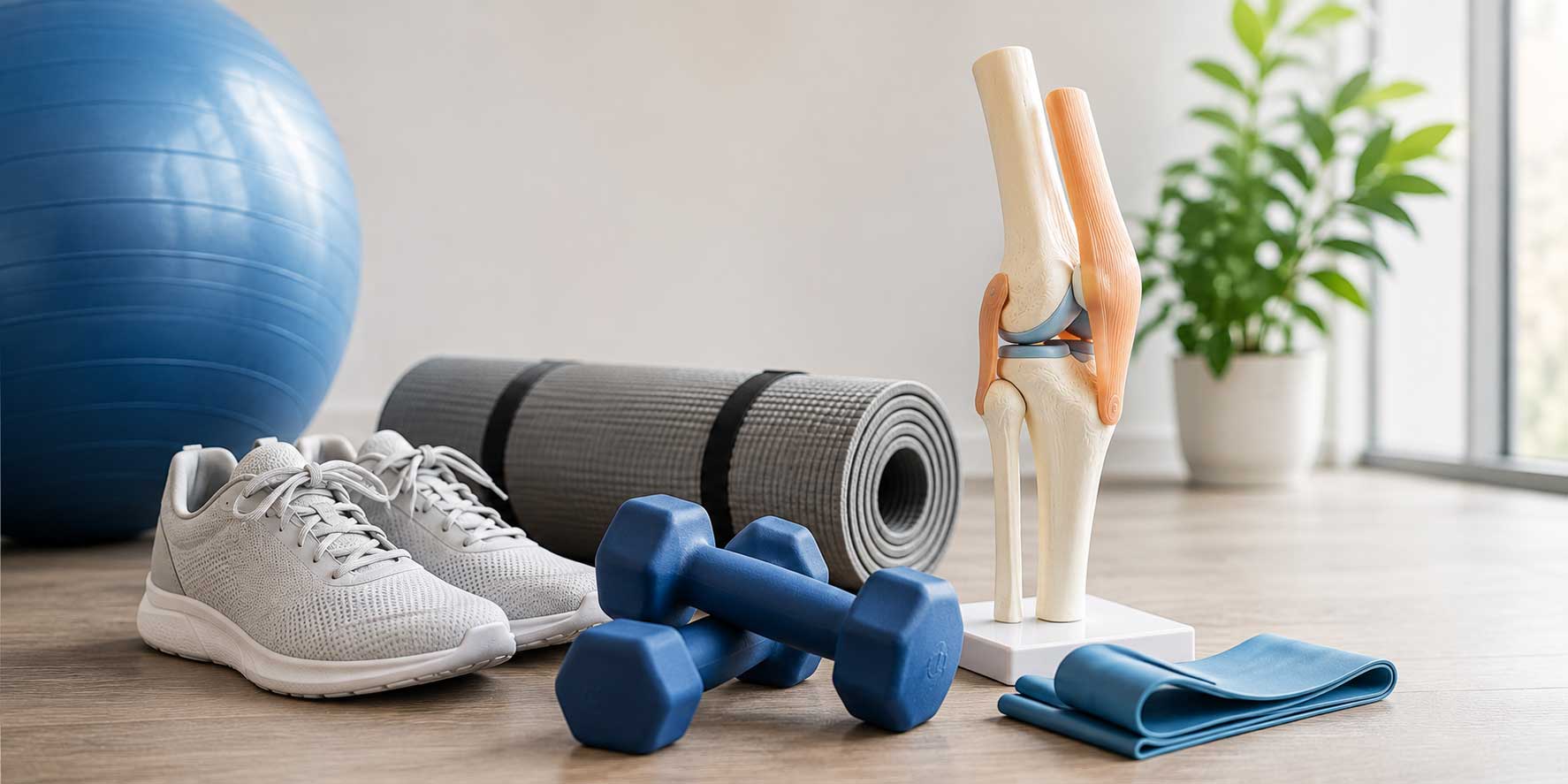
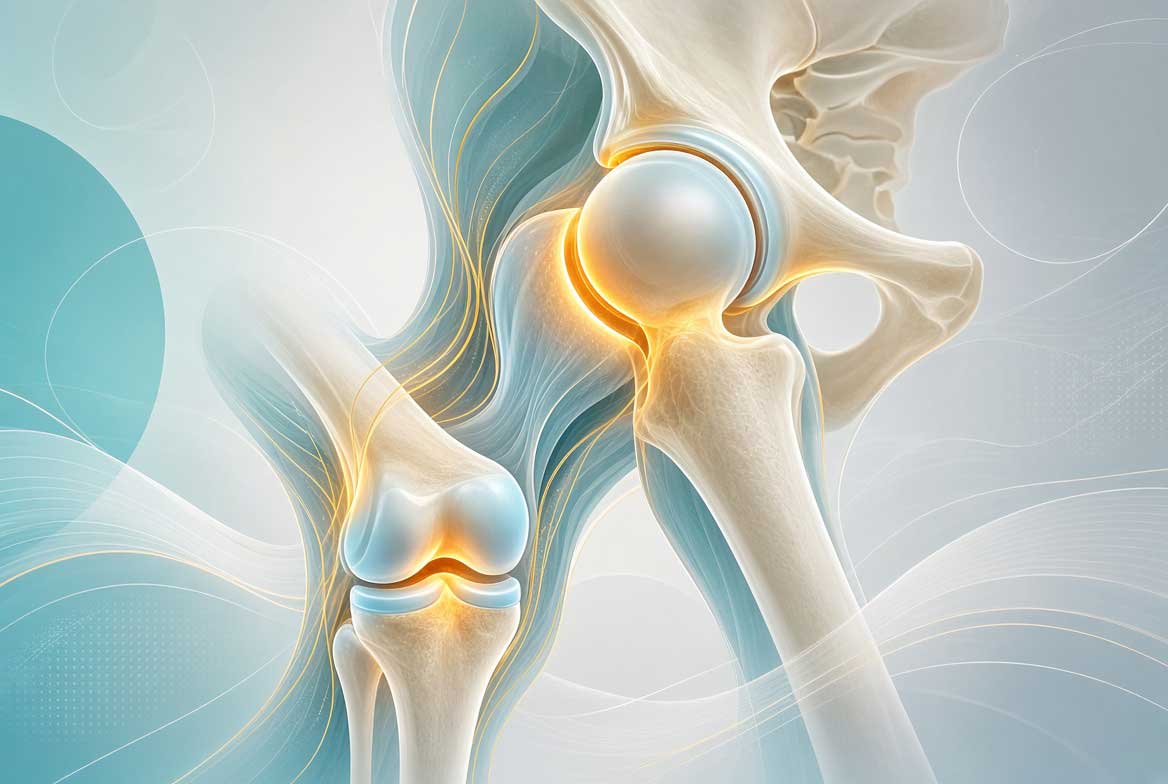
If knee or hip osteoarthritis has started making everyday activities harder, you may have heard the same advice many times: take medication, rest when it hurts, lose some weight, and consider surgery if things get bad enough. But there is another approach that puts education, movement, and active self-management at the centre of care. This is where GLA:D® Canada for knee and hip osteoarthritis comes in.
Osteoarthritis, or OA, is extremely common in Canada. In fact, GLA:D® Canada research has described the program as an evidence-based approach developed to make guideline-recommended care available to the millions of Canadians living with knee and hip osteoarthritis.
So, what makes GLA:D® different from traditional osteoarthritis treatment?
The short answer is that it does not necessarily replace medication, injections, weight management, physiotherapy, or surgery. Instead, it gives people a structured way to use education and supervised exercise as an important part of their overall treatment plan.
And that difference matters.
Because when your knee hurts every time you climb the stairs, “just exercise more” is not exactly the world’s most helpful instruction.
What is GLA:D® Canada?
GLA:D® stands for Good Life with osteoArthritis in Denmark. The program was originally developed in Denmark and has since been implemented in several countries, including Canada.
The Canadian program is designed specifically for people with knee and hip osteoarthritis. It combines education with supervised exercise and is delivered by trained healthcare professionals.
The goal is not to promise a miracle cure. Osteoarthritis currently has no simple cure that makes the condition disappear. Instead, the goal is to help people understand their condition, manage symptoms, move more confidently, improve physical function and stay active.
According to the official GLA:D® Canada program, participants receive education about osteoarthritis, self-management and exercise, followed by supervised neuromuscular exercise sessions.
At Sync Move Rehab Centre, the GLA:D® Canada Program is offered for people dealing with knee and hip osteoarthritis in Thornhill and surrounding communities.
You can learn more about the program directly on the GLA:D® Canada Program page at Sync Move Rehab Centre.
Traditional Osteoarthritis Treatment: What Does It Usually Mean?
There is no single “traditional” treatment for osteoarthritis.
In reality, osteoarthritis care often involves several different strategies depending on the severity of symptoms, the affected joint, the person’s health, lifestyle, goals and response to treatment.
Common approaches may include:
- Pain-relieving medication
- Anti-inflammatory medication
- Therapeutic exercise
- General physical activity
- Weight management
- Physiotherapy
- Braces or walking aids
- Injections
- Lifestyle changes
- Joint replacement surgery for severe cases
Some people use only one or two of these options. Others move through several stages over time.
The important point is that GLA:D® Canada is not simply “exercise instead of medical treatment.” It is better understood as a structured, evidence-based way of putting education and exercise into the treatment plan.
This distinction is important because modern osteoarthritis care increasingly focuses on active management rather than simply trying to make the pain disappear temporarily.
Arthritis Society Canada also emphasizes physical activity, therapeutic exercise, self-management and weight management as important parts of osteoarthritis care.
GLA:D® Canada vs. Traditional Treatment: The Main Difference
The biggest difference is how the person is involved in their own treatment.
A traditional approach may sometimes feel like this:
“Here is your prescription. Take this when it hurts. Come back if it gets worse.”
A structured program such as GLA:D® takes a different approach:
“Let’s help you understand what is happening, teach you how to move safely, build your strength and give you practical tools that you can continue using in everyday life.”
That does not mean medication has no place.
It does not mean injections are always wrong.
And it certainly does not mean surgery is never necessary.
Instead, GLA:D® focuses on giving people more tools before they reach the point where their only perceived option is surgery.
1. Education Is Part of the Treatment
One of the most important differences with GLA:D® Canada is that education is not treated as an optional extra.
Participants learn about osteoarthritis, symptoms, risk factors, available treatment options and ways to manage their symptoms.
They also learn why exercise can help and how to deal with everyday activities that have become difficult.
This may sound simple, but understanding osteoarthritis can change how a person responds to pain.
For example, many people instinctively believe that pain means the joint is being damaged every time they move.
That fear can lead to less movement.
Less movement can lead to weaker muscles.
Weaker muscles can make everyday activities harder.
And suddenly the person is caught in a frustrating cycle of pain, inactivity and reduced confidence.
Education can help break that cycle.
The official GLA:D® Canada program specifically includes education about osteoarthritis, self-management and the role of exercise.
2. Exercise Is Structured Rather Than Random
Another important difference is that GLA:D® is not simply a list of exercises downloaded from the internet.
The program uses supervised exercise sessions led by trained professionals.
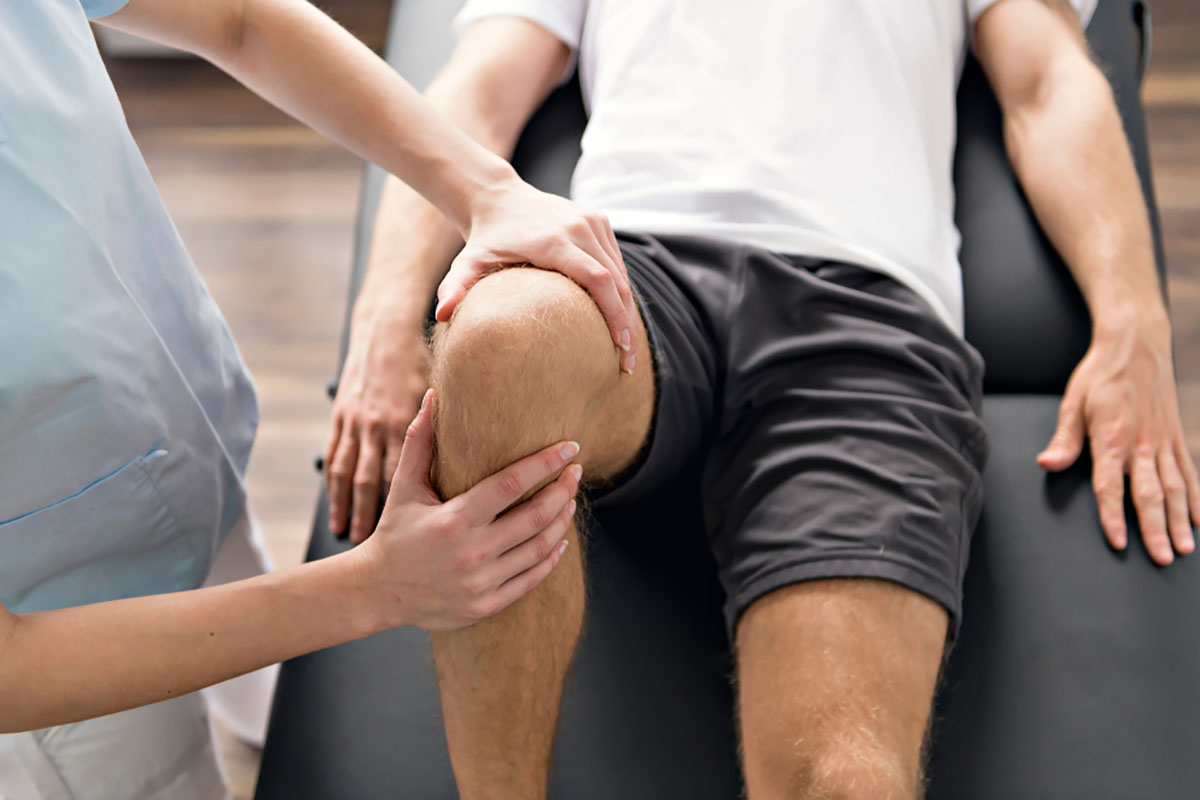
At Sync Move Rehab Centre, the program includes an initial physiotherapy assessment followed by education and supervised neuromuscular exercise. Exercises can be modified according to the individual’s abilities, fitness level and symptoms.
This matters because two people with “knee arthritis” can have completely different needs.
One person may struggle mainly with stairs.
Another may have difficulty getting up from a chair.
Someone else may have reduced balance or feel nervous about walking outdoors.
A good exercise program should take those differences into account.
3. GLA:D® Focuses on Neuromuscular Control
You may have heard that people with osteoarthritis simply need to “strengthen their muscles.”
Strength is certainly important, but movement quality matters too.
GLA:D® includes neuromuscular exercises designed to help people improve movement control, stability and the way they use their joints during everyday activities.
The official Canadian program describes exercises that help participants improve joint stability and apply better movement strategies to daily life.
In practical terms, this can mean learning how to move more confidently when:
- Walking
- Climbing stairs
- Standing from a chair
- Getting in and out of a car
- Carrying everyday items
- Performing household activities
- Returning to recreational activities
The objective isn’t to turn everyone into an Olympic athlete.
For most people with osteoarthritis, being able to get through Tuesday without negotiating with their knee is already a pretty excellent achievement.
4. Supervision Can Make Exercise More Effective
One of the challenges with home exercise is knowing what to do, how much to do and whether you are doing it correctly.
It is also surprisingly easy to start enthusiastically on Monday and forget the whole plan by Thursday.
Research-based osteoarthritis guidelines support exercise as a central part of treatment, and evidence suggests supervised exercise can be particularly useful. The American College of Rheumatology/Arthritis Foundation guideline strongly recommends exercise for people with knee and hip osteoarthritis and notes that exercise programs tend to be more effective when supervised.
That is one reason structured programs can be appealing.
You have a schedule.
You have guidance.
You can ask questions.
And your exercises can be adjusted as your ability changes.
5. GLA:D® Is Designed to Build Confidence, Not Just Strength
Pain is only one part of osteoarthritis.
Confidence is another.
A person may technically be capable of walking farther but avoid doing so because they are afraid their knee will suddenly hurt.
Someone may stop taking the stairs because they expect pain.
Another person may avoid recreational activities they used to enjoy.
This is where education, supervised exercise and gradual progression can make a meaningful difference.
The aim is not simply:
“Your pain score went from 6 to 4.”
It is also:
“I can walk to the store again.”
“I can get out of my chair more easily.”
“I can go for a walk with my family.”
“I am less worried about moving.”
Those improvements can have a surprisingly large effect on quality of life.
What Does the Research Say About GLA:D®?
This is where things become particularly interesting.
A large study published in Osteoarthritis and Cartilage looked at 28,370 people with symptomatic knee or hip osteoarthritis who participated in GLA:D® programs in Denmark, Canada and Australia.
The program included education and 12 supervised exercise sessions.
Following the program, participants experienced:
- 26–33% improvement in average pain intensity
- 8–12% improvement in walking speed
- 18–30% improvement in chair-stand performance
- 12–26% improvement in joint-related quality of life
- About 43–47% of participants experienced clinically relevant pain reductions
The researchers concluded that the results supported positive outcomes following implementation of guideline-based education and exercise therapy.
That is a substantial number of people.
And it is one reason GLA:D® has attracted attention beyond Denmark.
What Do Canadian GLA:D® Results Show?
Canadian data are also encouraging.
The official GLA:D® Canada 2023 results reported that:
- 58.3% of knee participants reported improved pain
- 55.8% of hip participants reported improved pain
- 56.4% of knee participants reported improved function
- 51% of hip participants reported improved function
- 64.4% of knee participants reported improved quality of life
- 57.6% of hip participants reported improved quality of life
The same report noted that by that point, the program had trained 2,015 clinicians and had launched at 402 sites across 9 provinces and 2 territories.
These numbers are important because they reflect implementation of the program in Canada rather than results from a small laboratory experiment.
What About the People Who Have More Severe Osteoarthritis?
This is a common question.
Many people assume that exercise-based treatment is only useful when osteoarthritis is mild.
That is not necessarily true.
The GLA:D® Canada program is intended for people with a range of knee and hip osteoarthritis symptoms. A person’s suitability should be assessed by a qualified healthcare professional.
At Sync Move Rehab Centre, the program page notes that the program can be appropriate for mild, moderate and severe knee or hip osteoarthritis, with the physiotherapist determining whether it is suitable after assessment.
Exercise also does not automatically disappear from the treatment plan just because someone has advanced osteoarthritis.
In some cases, improving strength, balance, movement confidence and daily function can be particularly valuable while a person is considering other treatment options.
Can GLA:D® Replace Medication?
Not necessarily.
This is one of the biggest misconceptions about exercise-based osteoarthritis programs.
GLA:D® is not a promise that you will never need medication.
Pain medication and anti-inflammatory treatments may be appropriate for some people. Other treatments may also be useful depending on the individual.
The difference is that GLA:D® focuses on strategies that help people actively manage their condition rather than relying only on passive treatments.
Arthritis Society Canada notes that osteoarthritis treatment can include a combination of self-management, therapeutic exercise, physical activity, weight management, medication and, when necessary, surgery.
In other words, it does not have to be an “either/or” decision.
For some people, the best approach may be:
exercise + education + lifestyle changes + medication when appropriate
rather than:
medication alone
What About Cortisone or Other Injections?
Injections can be useful for some people with osteoarthritis, depending on their situation.
They may provide temporary symptom relief, but they do not teach you how to move better or strengthen the muscles supporting the joint.
This is another area where GLA:D® takes a different approach.
The program is focused on skills that participants can continue using outside the clinic.
Think of it as the difference between borrowing an umbrella during a rainstorm and learning where the weather forecast is on your phone.
Both can be useful.
But one gives you a tool you can use again tomorrow.
What About Joint Replacement Surgery?
Knee or hip replacement can be an important and highly effective treatment for people with severe osteoarthritis when other approaches are no longer providing enough relief.
GLA:D® does not claim to eliminate the need for surgery.
However, an exercise and education program may be useful for people who want to improve function, manage symptoms or potentially postpone surgery while working with their healthcare team.
Pre-surgery rehabilitation can also be valuable for improving strength and physical capacity.
Ultimately, the decision about surgery should be made with an appropriate healthcare professional based on symptoms, function, imaging when needed, overall health and personal goals.
GLA:D® Canada Is Not “Just Physiotherapy”
There is some overlap between GLA:D® and physiotherapy, but the program is more structured.
A physiotherapist may provide many different forms of treatment depending on the patient’s needs.
GLA:D® Canada follows a standardized framework built around:
- Education
- Supervised neuromuscular exercise
- Ongoing outcome monitoring
The standardized nature of the program is important because it helps ensure that participants receive an evidence-based approach rather than a completely different treatment depending on which clinic they visit.
GLA:D® Canada also uses a national data collection system to monitor outcomes at baseline, around three months and again at 12 months.
Why Does Outcome Tracking Matter?
Imagine buying a pair of running shoes and never checking whether they actually helped you run.
You would probably want to know.
Healthcare is no different.
GLA:D® Canada collects information about pain, quality of life and physical activity, allowing outcomes to be monitored over time.
The Canadian program’s published participant data also show the scale of the program.
By the end of 2022, the registry included 15,193 participants, including 11,228 people with knee OA and 3,965 with hip OA. The average participant was 66 years old, and many participants had been living with symptoms for several years before entering the program.
Interestingly, about two-thirds of participants reported using pain medication before starting the program, while approximately one-third reported wanting joint surgery.
This tells us something important: GLA:D® participants are not necessarily people with minor aches and pains.
Many are people whose osteoarthritis is already affecting their lives.
So, Which Is Better: GLA:D® or Traditional Treatment?
There is no single answer for everyone.
It may be more useful to think of GLA:D® as part of modern osteoarthritis management rather than a competitor trying to defeat every other treatment.
Traditional treatments such as medication, injections, braces and surgery can have an appropriate role.
At the same time, current evidence strongly supports exercise and self-management for knee and hip osteoarthritis.
The real question is therefore:
Are you receiving a treatment plan that helps you manage your osteoarthritis today and gives you skills for tomorrow?
For many people, that means combining several approaches.
GLA:D® Canada vs. Traditional Osteoarthritis Treatment at a Glance
| GLA:D® Canada | Traditional or Conventional Approach |
|---|---|
| Structured education | Education may vary |
| Supervised exercise | Exercise may or may not be supervised |
| Neuromuscular training | May focus mainly on general strengthening |
| Self-management strategies | Depends on the treatment plan |
| Progress monitoring | Varies between providers |
| Group-based sessions | Often individual treatment |
| Focus on long-term active management | May focus more heavily on symptom relief |
| Designed specifically for knee and hip OA | Treatment depends on the individual |
| Can work alongside other treatments | May include medication, injections or surgery |
This does not mean one column is automatically “good” and the other is “bad.”
Modern osteoarthritis care can include elements from both.
Who Might Consider GLA:D® Canada?
You may want to ask a healthcare professional about the program if you have:
- Knee osteoarthritis
- Hip osteoarthritis
- Pain when walking
- Difficulty climbing stairs
- Morning stiffness
- Difficulty standing from a chair
- Reduced mobility
- Reduced balance
- Fear or lack of confidence with movement
- Difficulty participating in activities you enjoy
- A desire to become more active
- An interest in delaying or preparing for joint replacement surgery
At Sync Move Rehab Centre, the GLA:D® journey starts with an assessment to determine whether the program is appropriate for you. Exercises are adjusted according to individual ability and symptoms.
Do You Need a Doctor’s Referral?
Requirements can vary by clinic and insurance provider.
At Sync Move Rehab Centre, a doctor’s referral is generally not required to participate in the GLA:D® Canada program. However, insurance coverage can depend on your individual extended health plan.
If you have insurance coverage for physiotherapy, it is worth checking with your provider before starting.
What Happens During the GLA:D® Canada Program?
The program at Sync Move Rehab Centre includes a comprehensive assessment followed by education and supervised exercise.
The standard program includes education sessions and 12 supervised neuromuscular exercise sessions. The exercise sessions are generally 60 minutes and take place twice a week over six weeks.
Participants learn about:
- Osteoarthritis
- Pain and symptom management
- Movement strategies
- Muscle strength
- Joint stability
- Balance
- Functional movement
- Everyday activity
The goal is to make exercise useful outside the clinic.
After all, the real test isn’t whether you can perform an exercise perfectly inside a physiotherapy clinic.
It’s whether you can use what you learned when you’re standing in your kitchen, walking through a grocery store or trying to get up from your favourite chair.
Why Choose a Certified GLA:D® Provider?
Standardization is one of the strengths of the GLA:D® model.
Healthcare professionals who deliver the Canadian program receive specific GLA:D® training. The official GLA:D® Canada certification program is designed to train providers in evidence-based osteoarthritis management, neuromuscular exercise and implementation of the program.
This helps create consistency across participating locations.
At Sync Move Rehab Centre, the program is delivered by physiotherapists with a focus on individualized progression and evidence-based care.
The clinic serves communities including Thornhill, Markham, Richmond Hill, Vaughan and North York.
The Bigger Picture: Treat the Person, Not Just the X-Ray
One of the most useful ways to think about osteoarthritis is to remember that an X-ray is only one piece of the puzzle.
Two people can have similar-looking joint changes but very different levels of pain and disability.
One person may have significant changes on an X-ray but remain active.
Another may have less obvious changes but experience substantial pain and difficulty walking.
That is why modern osteoarthritis management looks beyond imaging.
Pain, strength, mobility, confidence, physical activity, sleep, weight, lifestyle and personal goals all matter.
GLA:D® fits well into this broader approach because it gives people practical tools rather than focusing only on what the joint looks like.
What the Evidence Really Means
It is important not to overpromise.
Research showing that many people improve does not mean every participant will experience the same results.
GLA:D® is not a cure for osteoarthritis.
It cannot guarantee that someone will avoid surgery.
It cannot guarantee that pain will disappear.
And it does not mean medication will never be necessary.
What the research does suggest is that a structured program combining education and exercise can improve pain, physical function and quality of life for many people with knee and hip osteoarthritis.
That is a much more useful promise than a miracle cure.
The Bottom Line
The biggest difference between GLA:D® Canada and traditional osteoarthritis treatment is not that one uses exercise while the other uses medication. The real difference is the emphasis on active, structured self-management. GLA:D® combines education, supervised neuromuscular exercise and ongoing progress monitoring to help people with knee and hip osteoarthritis understand their condition and become more confident in managing it. Medication, injections, weight management, physiotherapy and surgery may still have an appropriate place in an individual’s care. The best treatment is the one that matches the person’s symptoms, health, goals and lifestyle. If knee or hip osteoarthritis is limiting your ability to walk, exercise, work or enjoy everyday activities, the GLA:D® Canada Program at Sync Move Rehab Centre offers a structured, evidence-based approach designed to help you move better, reduce symptoms and stay active.
Frequently Asked Questions
Is GLA:D® Canada a cure for osteoarthritis?
No. There is currently no simple cure for osteoarthritis. GLA:D® is designed to help people manage symptoms, improve physical function and stay active.
Is GLA:D® better than medication?
It is not necessarily an either/or choice. Medication may be appropriate for some people, while exercise and self-management are also important parts of osteoarthritis care.
Can people with severe knee or hip osteoarthritis participate?
Potentially, yes. Suitability depends on the individual. A physiotherapist should assess your condition and determine whether the program is appropriate.
How long does GLA:D® Canada take?
The standard program includes education sessions and 12 supervised exercise sessions. At Sync Move Rehab Centre, the exercise sessions are generally delivered twice a week over six weeks.
Do I need an X-ray before starting?
Not necessarily. At Sync Move Rehab Centre, a doctor’s referral or X-ray is often not required to begin the program. An assessment is used to determine whether GLA:D® is appropriate.
Can GLA:D® help me delay joint replacement?
It may help improve symptoms and function and can be useful for people who want to remain active while considering their treatment options. However, no program can guarantee that surgery will be avoided.
Is GLA:D® covered by insurance in Canada?
Coverage depends on your individual extended health insurance plan. Many plans provide some coverage for physiotherapy services, but patients should confirm their benefits directly with their insurer.
Sources & Further Reading
- GLA:D® Canada – Results in Canada – Canadian program outcomes, implementation data and participant results. GLA:D® Canada Results
- GLA:D® Canada – Education and Exercise – Official explanation of the program structure and evidence-based approach. GLA:D® Canada Education and Exercise
- GLA:D® Canada – Data Collection – Information about outcome monitoring at baseline, three months and 12 months. GLA:D® Canada Data Collection
- Young JJ, et al. The GLA:D® Canada program for knee and hip osteoarthritis: A comprehensive profile of program participants from 2017 to 2022. PLOS ONE. Read the PLOS ONE study
- Skou ST, et al. Immediate outcomes following the GLA:D® program in Denmark, Canada and Australia. Osteoarthritis and Cartilage. Read the research study
- Arthritis Society Canada – Osteoarthritis – Canadian information on osteoarthritis, exercise, weight management and treatment. Arthritis Society Canada – Osteoarthritis
- Arthritis Society Canada – Exercises for Osteoarthritis of the Hip & Knee – Practical information about exercise and osteoarthritis. Exercises for Hip & Knee Osteoarthritis
- Kolasinski SL, et al. 2019 American College of Rheumatology/Arthritis Foundation Guideline for the Management of Osteoarthritis of the Hand, Hip, and Knee. Read the ACR/Arthritis Foundation Guideline
- GLA:D® Canada – Certification Course – Information about training and standardized delivery of the program. GLA:D® Canada Certification Course
- Arthritis Society Canada – Pain Management Guide – Canadian guidance on physical activity, exercise and osteoarthritis pain management. Arthritis Pain Management Guide
- Sync Move Rehab Centre – GLA:D® Canada Program – Program information, assessment, sessions and local service details. GLA:D® Canada at Sync Move Rehab Centre