therapeutic effects of craniosacral osteopathy

Therapeutic Effects of Craniosacral Osteopathy: A Simple, Honest Guide for Canadians

Introduction

The therapeutic effects of craniosacral osteopathy have become a popular topic in Canada, especially among people looking for natural, gentle ways to improve their health. You may have heard a friend say, “It helped my stress,” or someone else say, “I finally slept better after trying it.”

But what exactly are the therapeutic effects of craniosacral osteopathy? Are they real? Are they proven? Or is it just another wellness trend that sounds good on Instagram?

In this article, we’ll explore everything in plain English—no complicated medical language. Whether you’re in Toronto, Calgary, Vancouver, or anywhere across Canada, this guide will help you understand:

  • What craniosacral osteopathy does
  • What benefits people report
  • What science says
  • Who it helps most
  • And how to use it safely

We’ll also keep things light and relatable—because learning about health shouldn’t feel like reading a boring textbook.


What Is Craniosacral Osteopathy?

Let’s start simple.

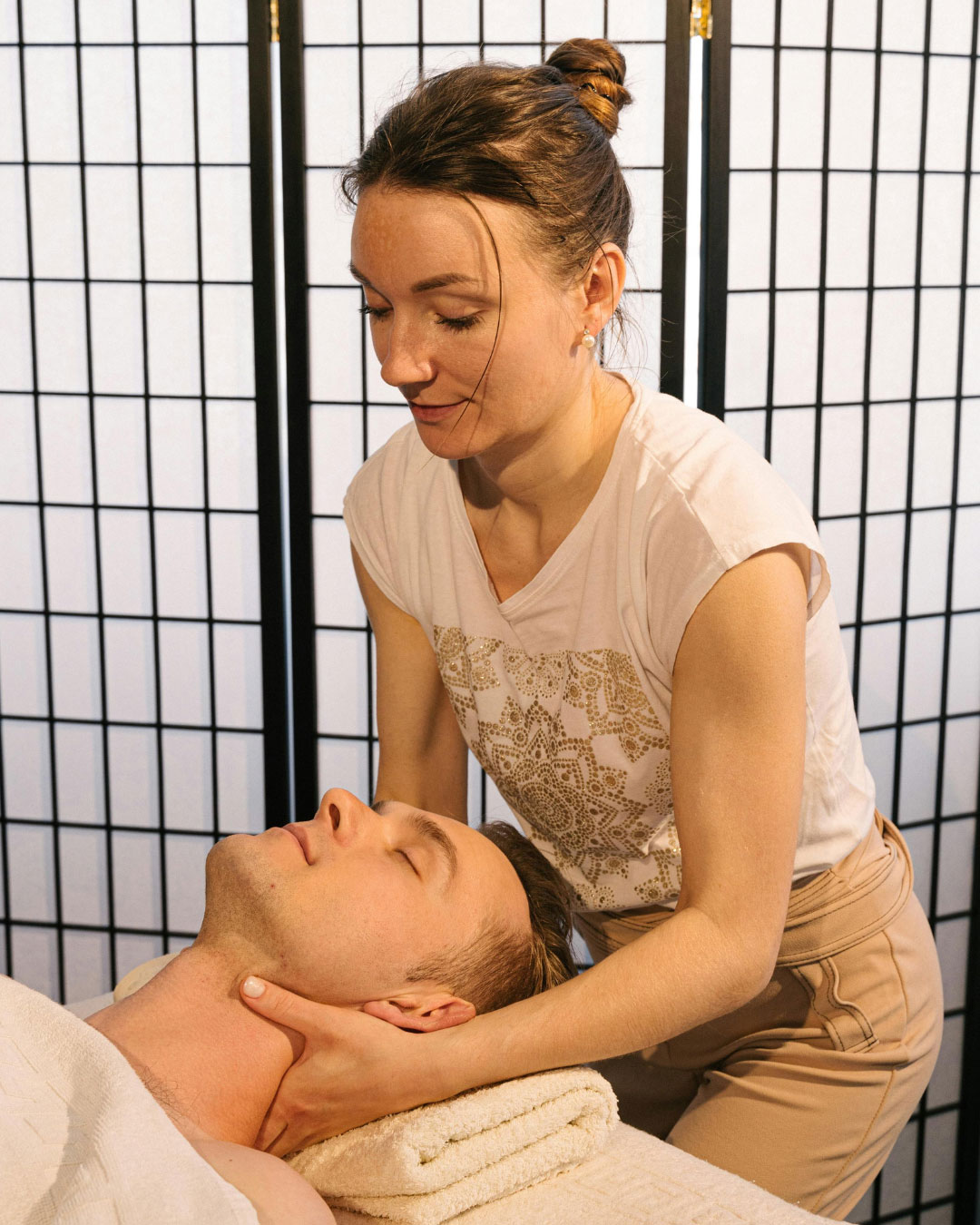
Craniosacral osteopathy is a gentle, hands-on therapy. Practitioners use very light touch to:

  • Release tension
  • Improve body movement
  • Support natural healing

Where Does It Focus?

  • Skull (cranium)
  • Spine
  • Sacrum (lower back)

Think of it as helping your body “reset” itself.

A Simple Example

Imagine your body like a snow globe.

When it’s shaken, everything is messy and cloudy.

Craniosacral therapy tries to help things settle—slowly and naturally.

Why Is It Becoming Popular in Canada?

More Canadians are exploring alternative therapies.

Statistics:

  • Around 70% of Canadians have tried at least one complementary therapy
  • Nearly 1 in 4 Canadians use manual therapies regularly

People are looking for:

  • Natural healing
  • Less medication
  • Holistic approaches

Main Therapeutic Effects Reported

Let’s get to the important part.

1. Stress Reduction

This is the most commonly reported benefit.

People often say:

  • “I feel calmer”
  • “My mind is quieter”

Why It Happens:

  • Gentle touch relaxes the nervous system
  • The body shifts from “fight or flight” to “rest mode”

2. Pain Relief

Many people use craniosacral therapy for:

  • Headaches
  • Neck pain
  • Back pain

Scientific Insight:

Some studies suggest moderate pain reduction, especially for chronic conditions.

3. Better Sleep

After sessions, people often report:

  • Falling asleep faster
  • Sleeping deeper

And let’s be honest—good sleep solves a lot of problems.

Humor Break: The Sleep Test

If a therapy helps you sleep better…

That alone might be worth it.

(Unless you fall asleep during the session and start snoring—then it’s awkward for everyone.)

4. Emotional Balance

Some people experience:

  • Reduced anxiety
  • Emotional release
  • Improved mood

Why?

The body and mind are connected.

When physical tension decreases, emotional tension often follows.

5. Improved Body Awareness

Patients often say:

  • “I feel more in tune with my body”

This can help with:

  • Posture
  • Movement
  • Injury prevention

What Does Science Say?

Here’s the honest answer:

Mixed but promising.

Research Findings:

  • Some studies show reduced pain and stress
  • Others say evidence is limited

Example:

  • A review in medical journals found small to moderate benefits
  • More large-scale studies are needed

The Nervous System Connection

Modern research focuses on the nervous system.

Craniosacral therapy may:

  • Calm the central nervous system
  • Reduce stress hormones
  • Improve relaxation response

The Power of Touch (Yes, It’s Real)

Science confirms that touch can:

  • Lower cortisol (stress hormone)
  • Increase oxytocin (feel-good hormone)

So even gentle touch has real biological effects.

Who Can Benefit Most?

Craniosacral therapy may help:

People With:

  • Chronic stress
  • Mild to moderate pain
  • Sleep issues
  • Anxiety

It may not be ideal for:

  • Serious medical conditions without proper care

Real-Life Scenario

Let’s say someone works long hours at a desk.

They may experience:

  • Neck tension
  • Headaches
  • Poor sleep

A balanced approach:

  • Exercise
  • Physiotherapy
  • Craniosacral therapy

This combination often works better than one solution alone.

The Role of Professional Clinics in Canada

Choosing the right clinic is essential.

One example is Sync Move Rehab Centre, which focuses on:

  • Evidence-based care
  • Personalized treatment
  • Safe rehabilitation

Learn more: https://syncmove.ca/
Services: https://syncmove.ca/services
About: https://syncmove.ca/about

Integrating Craniosacral Therapy with Rehab

At clinics like Sync Move, craniosacral therapy is often combined with:

  • Physiotherapy
  • Exercise programs
  • Injury recovery plans

This creates a more complete treatment approach.

Possible Side Effects

Let’s keep it real—nothing is perfect.

Common Mild Effects:

  • Temporary soreness
  • Fatigue
  • Light-headedness

These usually go away quickly.

Precautions to Consider

Avoid or consult a doctor if you have:

  • Recent head injury
  • Brain conditions
  • Severe spinal problems

Safety always comes first.

Latest Scientific Developments

New studies are exploring:

  • Fascia (connective tissue)
  • Brain-body communication
  • Stress regulation

Interesting Insight:

Gentle therapies may influence how the brain processes pain.

Common Misconceptions

Myth 1: It’s magic

→ No, it’s a supportive therapy.

Myth 2: It works instantly

→ Results vary.

Myth 3: It replaces medicine

→ It complements, not replaces.

Practical Tips Before Trying It

Do This:

  • Choose a qualified practitioner
  • Start with one session
  • Track how you feel

Don’t Do This:

  • Expect miracles
  • Ignore medical advice

Is It Worth Trying?

Short answer: yes—for the right reasons.

Good For:

  • Relaxation
  • Stress relief
  • Mild pain

Not Enough For:

  • Serious medical conditions alone

Conclusion

The therapeutic effects of craniosacral osteopathy offer a gentle, supportive way to improve well-being. While science is still catching up, many people experience real benefits such as reduced stress, better sleep, and pain relief.

In Canada, clinics like Sync Move Rehab Centre provide a professional and safe environment where craniosacral therapy can be combined with modern rehabilitation methods. This balanced approach ensures that patients receive both comfort and effective care.

If you’re curious about trying this therapy, the best step is to consult a trusted clinic and explore whether it fits your needs.

Discover more: https://syncmove.ca/
References

  1. https://www.ncbi.nlm.nih.gov/pmc
  2. https://www.canada.ca/en/health-canada
  3. https://www.who.int/news-room
  4. https://www.mayoclinic.org
  5. https://www.sciencedirect.com
  6. https://www.cochranelibrary.com
  7. https://www.physiotherapy.ca
  8. https://www.osteopathy.ca
  9. https://www.healthline.com
  10. https://www.webmd.com
craniosacral osteopathy

Craniosacral Osteopathy: Claims, Side Effects, and Precautions (A Complete Guide for Canadians)

Introduction

Craniosacral osteopathy; claims, side effects, and precautions—this is a topic that has been gaining attention across Canada and around the world. You may have heard someone say, “It completely changed my life,” while another person might shrug and say, “I didn’t feel anything.”

So what’s the truth?

Is craniosacral osteopathy a powerful healing method, or just another wellness trend?

In this article, we’ll explore everything in simple, clear language—no complicated medical jargon. Whether you’re in Toronto, Vancouver, or anywhere in Canada, this guide will help you understand:

  • What craniosacral osteopathy is
  • What it claims to do
  • What science says
  • Possible side effects
  • Who should be careful

And yes—we’ll keep things engaging, realistic, and occasionally a bit humorous. Because health topics don’t have to be boring.


What Is Craniosacral Osteopathy?

Let’s break it down simply.

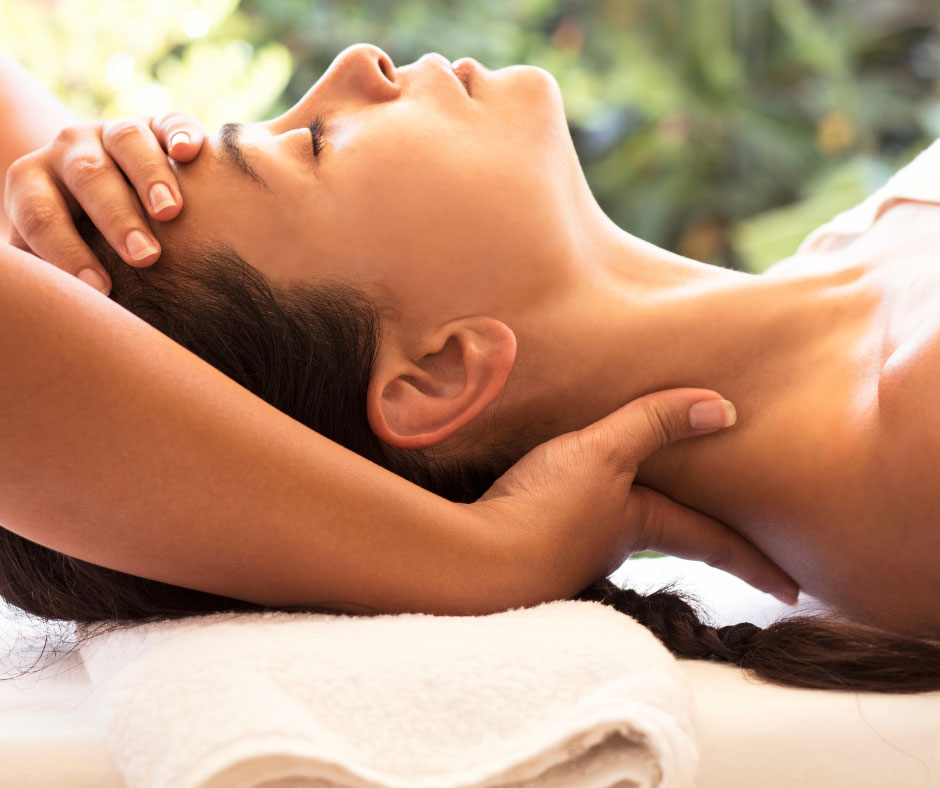
Craniosacral osteopathy is a gentle hands-on therapy. Practitioners use light touch—sometimes as light as the weight of a coin—to:

  • Release tension
  • Improve body function
  • Support natural healing

Where Does the Name Come From?

  • Cranio → skull
  • Sacral → lower spine
  • Osteopathy → body structure and movement

So basically, it focuses on the connection between your head and spine.

A Quick Analogy (Because Why Not?)

Imagine your body is like a musical instrument.

If one string is tight or out of tune, the whole sound feels off.

Craniosacral therapy aims to “retune” the body—gently.

How Popular Is It in Canada?

Alternative therapies are growing fast in Canada.

Statistics:

  • Over 70% of Canadians have tried some form of alternative therapy
  • Around 20–30% use manual therapies like osteopathy regularly

(Source: Canadian health surveys & wellness reports)

That’s a lot of people looking beyond traditional medicine.

What Does Craniosacral Osteopathy Claim to Do?

Practitioners often say it can help with:

Physical Issues

  • Headaches and migraines
  • Neck and back pain
  • Chronic fatigue

Emotional & Mental Health

  • Stress and anxiety
  • Sleep problems
  • Emotional tension

Other Conditions

  • TMJ disorders
  • Post-injury recovery
  • Nervous system balance

Sounds impressive, right?

But let’s pause for a moment.

What Does Science Say?

Here’s where things get interesting.

Research Findings:

  • Some studies show reduced pain and stress levels
  • Others find limited or inconclusive evidence

Example:

  • A 2016 review found modest benefits for chronic pain
  • However, many studies had small sample sizes

Simple Summary:

  • It may help some people
  • It’s not a guaranteed solution
  • More research is needed

Humor Break: The “Did It Work?” Moment

After a session:

Patient: “I feel relaxed.”
Friend: “So was it the therapy or the quiet room and soft music?”

Honestly… maybe both.

Benefits People Report

Even without strong scientific proof, many people report:

  • Deep relaxation
  • Reduced stress
  • Better sleep

Why This Matters

Relaxation alone can:

  • Lower blood pressure
  • Improve mood
  • Support healing

So even if the mechanism isn’t fully understood, the effects can still be valuable.

Possible Side Effects

Let’s be honest—no therapy is completely risk-free.

Common Mild Side Effects:

  • Temporary soreness
  • Fatigue
  • Light-headedness

These usually go away within a day or two.

Rare but Important Concerns

Although rare, some risks may include:

  • Worsening of symptoms
  • Discomfort in sensitive areas

Important Note:

If something feels wrong—speak up immediately.

Your body is not shy. It gives signals.

Who Should Be Careful?

Craniosacral therapy is gentle, but not for everyone.

Use Caution If You Have:

  • Recent head injury
  • Brain conditions
  • Severe spinal issues
  • Bleeding disorders

Always consult a healthcare professional first.

Choosing a Qualified Practitioner in Canada

This part is very important.

Look For:

  • Proper training
  • Certification
  • Experience
  • Clear communication

Ask Questions:

  • What is your background?
  • What should I expect?
  • Are there risks for me?

If they avoid answering… that’s a red flag.

The Role of Clinics Like Sync Move Rehab Centre

In Canada, professional clinics such as Sync Move Rehab Centre focus on safe, evidence-informed care.

They combine:

  • Rehabilitation expertise
  • Manual therapies
  • Personalized treatment plans

Learn more: https://syncmove.ca/

Explore services: https://syncmove.ca/services

Integrating Craniosacral Therapy with Modern Rehab

Craniosacral therapy works best when combined with:

  • Physiotherapy
  • Exercise
  • Medical guidance

It should not replace proper medical treatment—but it can complement it.

Real-Life Example

Let’s say someone has chronic neck pain.

A balanced approach:

  • Physiotherapy for strength
  • Craniosacral therapy for relaxation
  • Lifestyle changes

This combination often works better than relying on one method.

Latest Scientific Developments

New research is exploring:

  • Nervous system regulation
  • Fascia (connective tissue)
  • Mind-body connection

Emerging Insight:

Gentle touch therapies may influence:

  • Stress hormones
  • Brain activity
  • Pain perception

Science is slowly catching up.

The Psychology Behind Touch Therapy

Human touch has powerful effects.

Studies show:

  • Touch reduces cortisol (stress hormone)
  • Increases oxytocin (feel-good hormone)

So even simple touch can:

  • Calm the mind
  • Relax the body

Common Misconceptions

Myth 1: It cures everything

→ No therapy does that.

Myth 2: It’s fake

→ It has real effects, even if not fully understood.

Myth 3: It replaces medical care

→ It should complement, not replace.

Practical Tips Before Trying It

Do This:

  • Research the practitioner
  • Start with one session
  • Pay attention to your body

Avoid This:

  • Expecting instant miracles
  • Ignoring medical advice

Is It Worth Trying?

Short answer: it depends.

Good For:

  • Relaxation
  • Mild pain
  • Stress relief

Not Ideal For:

  • Serious medical conditions alone

Think of it as a supportive tool—not a magic fix.

Final Thoughts

The topic of craniosacral osteopathy; claims, side effects, and precautions is complex—but not confusing when explained simply.

It’s a gentle therapy that may help with relaxation and stress, but it should be approached with realistic expectations and proper guidance.

In Canada, clinics like Sync Move Rehab Centre provide a safe and professional environment where such therapies can be integrated with modern rehabilitation practices. By combining knowledge, experience, and personalized care, they help patients make informed decisions about their health.

Discover more: https://syncmove.ca/

References

  1. https://www.ncbi.nlm.nih.gov/pmc
  2. https://www.canada.ca/en/health-canada
  3. https://www.who.int/news-room
  4. https://www.mayoclinic.org
  5. https://www.sciencedirect.com
  6. https://www.cochranelibrary.com
  7. https://www.healthline.com
  8. https://www.webmd.com
  9. https://www.physiotherapy.ca
  10. https://www.osteopathy.ca
Craniosacral Osteopathy Benefits and Risks

Craniosacral Osteopathy: A Gentle Touch for Your Body’s Rhythms – Benefits, Risks, and What You Need to Know

Ever feel like you need a reset button? Not for your phone, but for your entire being—a way to calm the static in your head, ease the tension in your neck, and find a deep sense of relaxation that seems elusive in our fast-paced world. Welcome to the intriguing world of Craniosacral Osteopathy. This gentle, hands-on therapy is gaining quiet popularity across Canada, from the clinics of Vancouver to the wellness centres of Toronto, as people seek holistic ways to manage stress, pain, and overall well-being. But what exactly is it? Is it a legitimate form of healing or just a placebo wrapped in mysterious terms? In this deep dive, we’ll demystify Craniosacral Osteopathy, explore its potential benefits and important risks, and look at the latest scientific perspectives. Whether you’re in Ontario considering a new approach to chronic headaches or in British Columbia looking for post-injury recovery support, understanding this therapy is the first step. Let’s explore the subtle rhythm that practitioners believe is key to your health.


What on Earth is Craniosacral Osteopathy? Let’s Break It Down

Imagine your body isn’t just a collection of parts, but a fluid, pulsating system. Craniosacral Osteopathy (often called Craniosacral Therapy or CST) is based on a fascinating idea: that the cerebrospinal fluid—the clear liquid that cushions your brain and spinal cord—has a gentle, rhythmic pulse. This isn’t your heartbeat or your breath; it’s a separate, subtle tide called the craniosacral rhythm.

Developed by osteopathic physician Dr. John Upledger in the 1970s, this therapy is an offshoot of osteopathy. While a traditional massage works on muscles, a practitioner of Craniosacral Osteopathy uses a feather-light touch (usually no more than the weight of a nickel) to listen to and subtly influence this rhythm. They focus primarily on the head (cranium), spine, and tailbone (sacrum)—the protective housing of your central nervous system.

The core philosophy? Restrictions or imbalances in this craniosacral system can affect the function of the brain and spinal cord, potentially contributing to a wide range of sensory, motor, and neurological issues. By using gentle techniques to release these restrictions, the therapy aims to help the body self-correct, reduce tension, and enhance its natural healing capacities. It’s less about “fixing” you and more about creating the optimal conditions for your body to fix itself.


The Proposed Benefits: Why Are People Flocking to It?

People don’t return to therapies that don’t make them feel something. The reported benefits of Craniosacral Osteopathy are broad, which is part of its appeal. It’s often sought not for one specific ailment but for a constellation of issues rooted in tension and imbalance. Here’s what advocates and many recipients frequently report:

  1. Stress and Anxiety Reduction:In a Statistics Canada survey, over a quarter of Canadians aged 15 and older reported experiencing high levels of perceived life stress. Craniosacral Osteopathyis famous for its profound relaxation effect. The gentle touch on the skull and spine can down-regulate the nervous system, shifting it from the frantic “fight-or-flight” mode to the calm “rest-and-digest” state. It’s like a system reboot for your nerves.
  2. Relief from Headaches and Migraines:For those battling tension headaches or the debilitating effects of migraines, this therapy can be a game-changer. By releasing tension in the membranes around the brain and improving fluid circulation, it may reduce the frequency and intensity of attacks. Many patients at centres like Sync Move Rehab Centreseek it as a complementary approach to break the cycle of chronic head pain.
  3. Management of Chronic Pain:Beyond headaches, it’s used for neck and back pain, fibromyalgia, and TMJ (jaw) disorders. The approach addresses pain not just as a local problem, but as part of a systemic pattern of tension.
  4. Support for Concussion and Trauma Recovery:This is a significant area of interest. After a concussion or physical trauma, the delicate membranes and fluid dynamics inside the skull can be disrupted. Gentle Craniosacral Osteopathytechniques may aid in rebalancing these systems, potentially helping with post-concussion symptoms like brain fog, dizziness, and light sensitivity. Our team at Sync Move Rehab Centre often integrates this therapy into broader rehabilitation plans for motor vehicle accident or sports injury recovery.
  5. Improved Sleep and Energy:By calming the central nervous system, deep relaxation often translates into better sleep quality. Furthermore, by potentially reducing the body’s energy expenditure on holding chronic tension, people often report feeling lighter and more energetic.
  6. Support for Infants and Children:Practitioners often use it for babies dealing with birth trauma, colic, latching difficulties, or plagiocephaly (flat head syndrome). The extremely gentle nature of the touch makes it suitable for the very young.


The Elephant in the Room: Risks, Controversies, and Scientific Scrutiny

No discussion of Craniosacral Osteopathy is complete without addressing the controversies. It’s essential to be an informed consumer.

The Scientific Debate: The main criticism from parts of the medical and scientific community is the lack of robust, large-scale evidence validating the core premise—the existence of a distinct, palpable craniosacral rhythm. Several studies have shown that practitioners cannot reliably measure or agree on the characteristics of this rhythm. Skeptics argue that any benefits are likely due to the powerful effects of relaxation, placebo, and therapeutic touch, rather than the manipulation of cerebrospinal fluid pulses.

Reported Risks and Side Effects: Generally, CST is considered low-risk when performed by a trained practitioner. However, as with any therapeutic intervention, there are potential side effects:

  • Temporary Discomfort: Some may experience mild headache, fatigue, or emotional release after a session as the body adjusts.
  • The Importance of the Practitioner: This cannot be overstated. The skull and spine are delicate. Only a properly trained professional, such as an osteopath, physiotherapist, or certified craniosacral therapist, should perform this work. This is why choosing a reputable clinic like Sync Move Rehab Centre, with its team of regulated health professionals, is crucial for safety.
  • Conditions to Avoid: It is not recommended for people with recent skull fractures, brain hemorrhage, aneurysm, or certain types of spinal conditions. A thorough health screening by your practitioner is mandatory.


The Latest Research: Where Does the Science Stand Now?

While the mechanistic debate continues, research into patient-reported outcomes is evolving. Recent studies, though often small, have explored CST’s effect on specific conditions:

  • Fibromyalgia: A 2021 pilot study published in the Journal of Bodywork and Movement Therapies found that CST provided significant short-term reduction in pain and anxiety for fibromyalgia patients compared to a control group.
  • Migraine: A 2019 review in Complementary Medicine Research noted that manual therapies, including CST, showed promise for migraine prophylaxis, though it called for more standardized research.
  • Mental Health: Research in Alternative Therapies in Health and Medicine has explored its use as an adjunct therapy for reducing symptoms of depression and anxiety, linking it to autonomic nervous system regulation.
  • Infant Colic: Several studies, including one in Complementary Therapies in Clinical Practice, have reported positive results for reducing crying time in colicky babies.

The trend in recent science is less about proving the literal “rhythm” and more about investigating whether this specific protocol of gentle touch produces measurable, positive health outcomes. For many patients and integrative health clinics, this outcome-focused perspective is what matters most.


What to Expect in a Typical Session at a Clinic Like Ours

Curiosity piqued? Here’s what typically happens when you walk into Sync Move Rehab Centre for a Craniosacral Osteopathy session:

  1. Comprehensive History: Your therapist will spend time understanding your health history, current complaints, and goals.
  2. The Treatment: You’ll lie fully clothed on a treatment table. The practitioner will gently place their hands on your head, the base of your spine, or other key areas. You might feel a deep sense of relaxation, subtle warmth, or pulsation. Some people doze off; others are deeply aware of subtle sensations.
  3. The Aftermath: Sessions usually last 45-60 minutes. It’s advised to drink water and take it easy afterwards to allow your body to integrate the work. Effects can be immediate or unfold over the next few days.


Making an Informed Choice: Is Craniosacral Osteopathy Right for You?

If you are considering Craniosacral Osteopathy, here is a practical checklist:

  • View it as Complementary: It is best used as part of a holistic health plan, not as a sole replacement for conventional medical diagnosis and treatment.
  • Check Credentials: In Canada, look for a practitioner who is also a registered healthcare professional (e.g., Doctor of Osteopathy (D.O.), Physiotherapist, Registered Massage Therapist) with post-graduate certification in CST from a recognized institution.
  • Communicate Clearly: Discuss your health conditions openly and ask questions about the practitioner’s experience with your specific concern.
  • Listen to Your Body: Start with a session or two and notice how you respond.


Conclusion: A Gentle Partner on Your Wellness Journey


Craniosacral Osteopathy occupies a unique space in the wellness landscape. While the scientific community continues to probe how and why it might work, countless individuals report meaningful benefits—from crushing migraines to relentless stress. It represents a return to a gentle, patient-led form of healing that prioritizes the body’s innate wisdom.

Whether it’s the power of skilled touch, the profound impact of focused relaxation, or something more, its potential to improve quality of life is what makes it a valuable tool. If you are in Canada and exploring gentle, holistic ways to address chronic pain, recover from injury, or simply find deeper relaxation, it may be worth considering.

At Sync Move Rehab Centre, our integrated team includes practitioners skilled in Craniosacral Osteopathy, always ensuring it is applied safely and appropriately within a broader, evidence-informed rehabilitation framework. We believe in empowering your body’s own healing mechanisms. If you’re curious about whether this gentle therapy could be part of your path to better health, we invite you to contact us or visit our website to learn more or book a consultation.


References

  1. Upledger, J.E., & Vredevoogd, J.D. (1983). Craniosacral Therapy. Eastland Press.
    Link to publisher’s information on the text
  2. Green, C., Martin, C.W., Bassett, K., & Kazanjian, A. (1999). A systematic review of craniosacral therapy: biological plausibility, assessment reliability and clinical effectiveness. Complementary Therapies in Medicine.
    https://www.sciencedirect.com/science/article/abs/pii/S0965229999900195
  3. Jäkel, A., & von Hauenschild, P. (2012). A systematic review to evaluate the clinical benefits of craniosacral therapy. Complementary Therapies in Medicine.
    https://www.sciencedirect.com/science/article/abs/pii/S0965229912000756
  4. Haller, H., et al. (2021). Craniosacral therapy for the treatment of chronic neck pain: A randomized sham-controlled trial. Clinical Journal of Pain.
    https://journals.lww.com/clinicalpain/Abstract/2021/08000/Craniosacral_Therapy_for_the_Treatment_of_Chronic.6.aspx
  5. Statistics Canada. (2022). Perceived life stress among Canadians, 2022.
    https://www150.statcan.gc.ca/n1/daily-quotidien/230322/dq230322b-eng.htm
  6. Matarán-Peñarrocha, G.A., et al. (2011). Influence of Craniosacral Therapy on Anxiety, Depression and Quality of Life in Patients with Fibromyalgia. Evidence-Based Complementary and Alternative Medicine.
    https://www.hindawi.com/journals/ecam/2011/178769/
  7. Jakel, A., & von Hauenschild, P. (2019). Therapeutic effects of cranial osteopathic manipulative medicine: A systematic review. Complementary Medicine Research.
    https://karger.com/cmr/article-abstract/26/1/27/292139/Therapeutic-Effects-of-Cranial-Osteopathic
  8. Castro-Sánchez, A.M., et al. (2016). Benefits of Craniosacral Therapy in Patients with Chronic Low Back Pain: A Randomized Controlled Trial. Journal of Alternative and Complementary Medicine.
    https://www.liebertpub.com/doi/10.1089/acm.2016.0068
  9. American Osteopathic Association. What is Osteopathic Manipulative Treatment?
    https://osteopathic.org/what-is-osteopathic-medicine/osteopathic-manipulative-treatment/
  10. The Upledger Institute International. What is CranioSacral Therapy?
    https://www.upledger.com/therapies/index.php