Does Shock Wave Therapy Actually Work? Science Explained
Shockwave therapy has become one of the fastest-growing treatments in modern rehabilitation clinics. If you have searched online for chronic pain solutions, sports injury recovery, or plantar fasciitis treatment, you have probably seen dramatic claims about this technology.
Some people describe shockwave therapy like a miracle.
Others look at the name and imagine something involving electricity, lightning, or a superhero origin story.
Thankfully, it is much less dramatic.
Shockwave therapy is a non-surgical treatment that uses acoustic waves to stimulate healing in injured tissues.
Across Canada, more rehabilitation clinics are offering shockwave therapy for chronic pain conditions and sports injuries. At Sync Move Rehab Centre, shockwave therapy may be included as part of a broader rehabilitation strategy depending on the patient’s condition.
But does shockwave therapy actually work?
Short answer: for many conditions, scientific research says yes.
The longer answer is more interesting.
What Is Shockwave Therapy?
Shockwave therapy uses high-energy sound waves directed into injured tissue.
The treatment is commonly used for:
- Plantar fasciitis
- Tennis elbow
- Shoulder pain
- Achilles tendinitis
- Calcific tendonitis
- Muscle trigger points
- Chronic tendon injuries
The technology was originally developed for breaking up kidney stones.
Researchers later discovered that similar acoustic waves could stimulate tissue healing.
That discovery changed rehabilitation medicine significantly.
How Does Shockwave Therapy Work?
Shockwave therapy stimulates biological responses in damaged tissue.
Scientists believe the treatment may:
- Increase blood circulation
- Stimulate tissue repair
- Promote collagen production
- Reduce chronic inflammation
- Break down calcifications
- Reduce pain sensitivity
Think of it like waking up “lazy” tissue that stopped healing properly.
Sometimes chronic injuries become stuck in a cycle where the body is no longer repairing the area effectively.
Shockwave therapy may help restart that process.
Why Chronic Injuries Are Difficult to Heal
Tendons and connective tissues often have limited blood supply.
That means healing can be slow.
Conditions like tennis elbow or plantar fasciitis may persist for months — or even years.
Many people try:
- Ice
- Stretching
- Rest
- Pain medication
- Orthotics
- Massage
…yet still experience ongoing pain.
That’s where shockwave therapy enters the conversation.
Conditions That Respond Well to Shockwave Therapy
Plantar Fasciitis
This is one of the most researched uses.
Plantar fasciitis causes heel pain, especially during the first steps in the morning.
And yes, many patients describe those first steps as feeling like walking on Lego bricks.
Research shows shockwave therapy may significantly improve chronic plantar fasciitis symptoms.
Tennis Elbow
Tennis elbow affects far more office workers than actual tennis players.
Repetitive wrist and forearm movements can irritate tendons near the elbow.
Shockwave therapy may help stimulate tendon healing and reduce pain.
Calcific Shoulder Tendonitis
This condition involves calcium deposits within shoulder tendons.
Shockwave therapy may help break down these deposits and improve movement.
Achilles Tendinopathy
The Achilles tendon handles enormous stress during walking and running.
Chronic irritation may respond well to combined rehabilitation approaches including shockwave therapy.
What Does the Research Say?
Scientific evidence supporting shockwave therapy has grown substantially over the last decade.
Multiple systematic reviews suggest positive outcomes for several chronic tendon conditions.
Researchers have reported improvements in:
- Pain reduction
- Functional mobility
- Recovery time
- Tissue healing
However, not every condition responds equally.
Shockwave therapy tends to work best for chronic soft tissue problems rather than acute injuries.
Is Shockwave Therapy Approved in Canada?
Yes.
Shockwave therapy is widely used in Canadian rehabilitation clinics and sports medicine facilities.
Many physiotherapists and rehabilitation professionals include it as part of evidence-based treatment plans.
What Happens During Treatment?
During treatment:
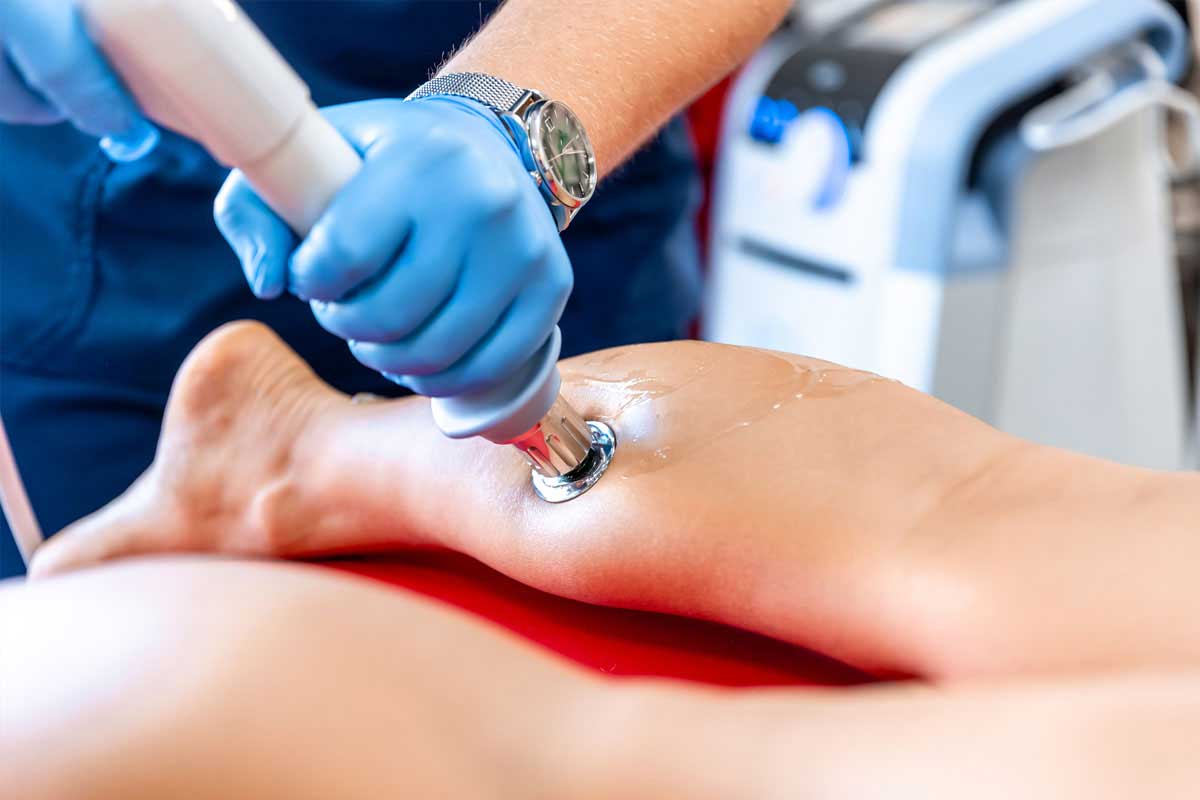
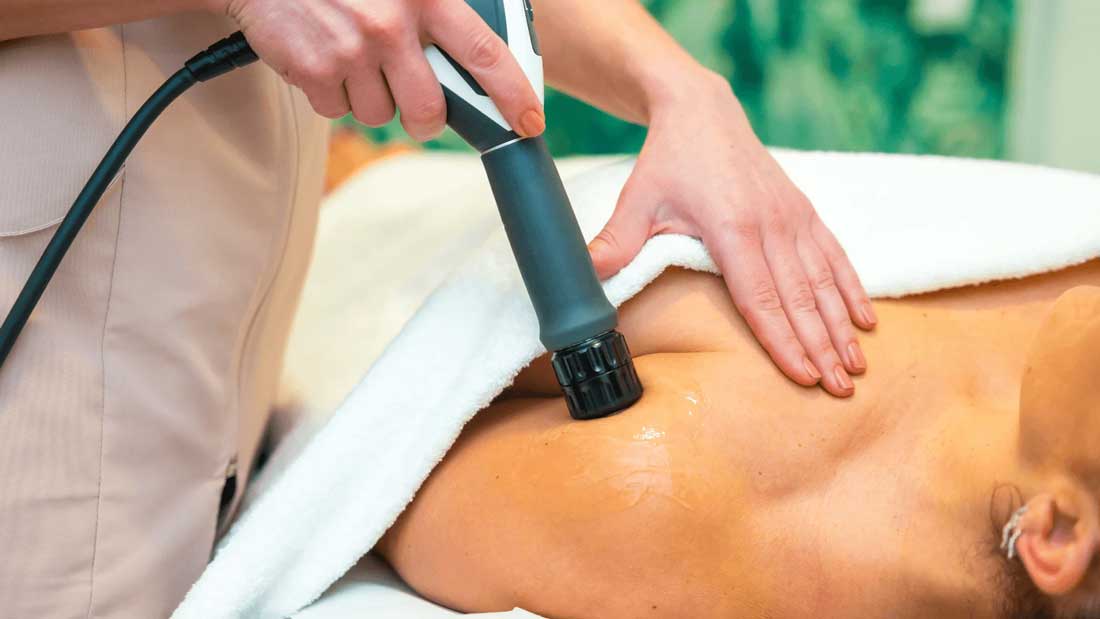
- Gel is applied to the skin
- A handheld device delivers acoustic pulses
- The therapist adjusts intensity levels
- Sessions usually last 10–20 minutes
Patients often describe the sensation as:
- Mild discomfort
- Tapping
- Pulsing
- Deep pressure
The intensity depends on the condition and tissue sensitivity.
Some areas feel surprisingly tender.
Many patients react with the universal rehabilitation phrase:
“Oh wow… that’s the spot.”
How Many Sessions Are Usually Needed?
Many treatment plans involve:
- 3 to 6 sessions
- Weekly appointments
- Progressive rehabilitation exercises
Results vary.
Some patients notice improvement quickly.
Others experience gradual recovery over several weeks.
Is Shockwave Therapy Better Than Surgery?
In some cases, shockwave therapy may help patients avoid surgery.
That does not mean surgery is never necessary.
However, many doctors and rehabilitation professionals prefer conservative treatment first because:
- It is non-invasive
- Recovery is faster
- Risks are lower
- Costs may be lower
For chronic tendon problems, shockwave therapy is often considered before surgical intervention.
Statistics and Trends
Interest in shockwave therapy continues growing globally.
Sports medicine clinics increasingly use the technology because tendon injuries are extremely common.
According to health reports:
- Tendon-related conditions affect millions annually
- Plantar fasciitis is among the leading causes of heel pain
- Repetitive strain injuries remain common in office workers
Modern rehabilitation increasingly focuses on non-surgical recovery methods.
Does Shockwave Therapy Hurt?
The honest answer?
Sometimes a little.
Especially in very sensitive areas.
But treatments are usually short.
And most patients tolerate them well.
Many people consider temporary discomfort worthwhile if it helps reduce long-term chronic pain.
Are There Side Effects?
Possible side effects may include:
- Temporary soreness
- Redness
- Mild swelling
- Bruising
Serious complications are rare when treatment is performed properly.
Who Should Avoid Shockwave Therapy?
Shockwave therapy may not be appropriate for:
- Pregnant individuals
- Certain nerve disorders
- Blood clotting conditions
- Acute fractures
- Certain infections
A professional assessment is important.
Shockwave Therapy vs Massage Therapy
Both treatments can help pain and recovery.
However, they work differently.
Massage therapy mainly focuses on muscles and soft tissue relaxation.
Shockwave therapy specifically targets chronic tissue healing responses.
Many rehabilitation clinics combine both treatments for better overall outcomes.
At Sync Move Rehab Centre, integrated rehabilitation plans may include physiotherapy, massage therapy, movement correction, and shockwave therapy.
Latest Scientific Developments
Researchers continue studying how shockwave therapy affects:
- Cellular repair
- Inflammation
- Nerve sensitivity
- Collagen regeneration
Some newer research suggests shockwave therapy may influence stem cell activity and tissue remodeling.
Sports medicine organizations continue evaluating expanded uses for chronic musculoskeletal conditions.
Is Shockwave Therapy Worth Trying?
For many patients with chronic tendon pain, the answer may be yes.
Especially if:
- Traditional treatments failed
- Pain has lasted months
- Surgery is being considered
- Movement is limited
No treatment works for everyone.
But evidence suggests shockwave therapy can be a valuable rehabilitation tool.
Final Thoughts
Shockwave therapy is not science fiction, despite the dramatic name. It is a modern rehabilitation treatment supported by growing scientific evidence for chronic tendon and soft tissue conditions.
By stimulating healing responses, improving circulation, and reducing chronic pain patterns, shockwave therapy may help many Canadians recover from persistent injuries without surgery.
If you are considering rehabilitation options for chronic pain or sports injuries, Sync Move Rehab Centre offers professional assessments and evidence-based treatment approaches tailored to individual recovery goals.