What does shockwave therapy do

Shockwave Therapy Explained: Benefits, Pain & Side Effects

What Does Shockwave Therapy Do? (Simple Guide for Everyone)

Let’s be honest—when you hear the phrase shockwave therapy, it might sound like something out of a sci-fi movie. Maybe you picture lightning bolts or dramatic hospital scenes. But don’t worry—it’s far less dramatic and far more helpful than it sounds.

In simple terms, shockwave therapy is a modern, non-invasive treatment used to reduce pain and help your body heal faster. It’s becoming increasingly popular across Canada, especially for people dealing with stubborn muscle or joint pain.

If you’ve been searching for answers about:

  • What does shockwave therapy do?
  • Is shockwave therapy painful?
  • What are the side effects of shockwave therapy?

You’re in the right place.

What Is Shockwave Therapy? (In Plain English)

Shockwave therapy uses sound waves (not electric shocks!) to stimulate healing in your body.

Think of it like this:

Your body sometimes needs a little “wake-up call” to heal properly—and shockwave therapy is that gentle nudge.

These sound waves:

  • Improve blood flow
  • Break down scar tissue
  • Reduce inflammation
  • Trigger natural healing processes

How Does Shockwave Therapy Work?

Here’s a simple breakdown:

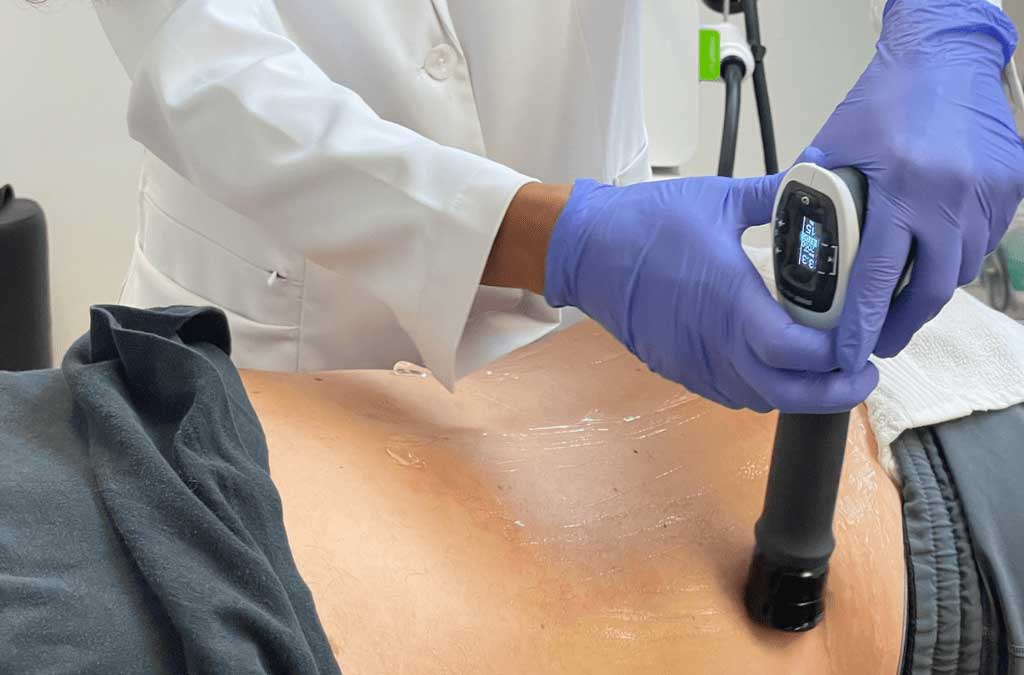
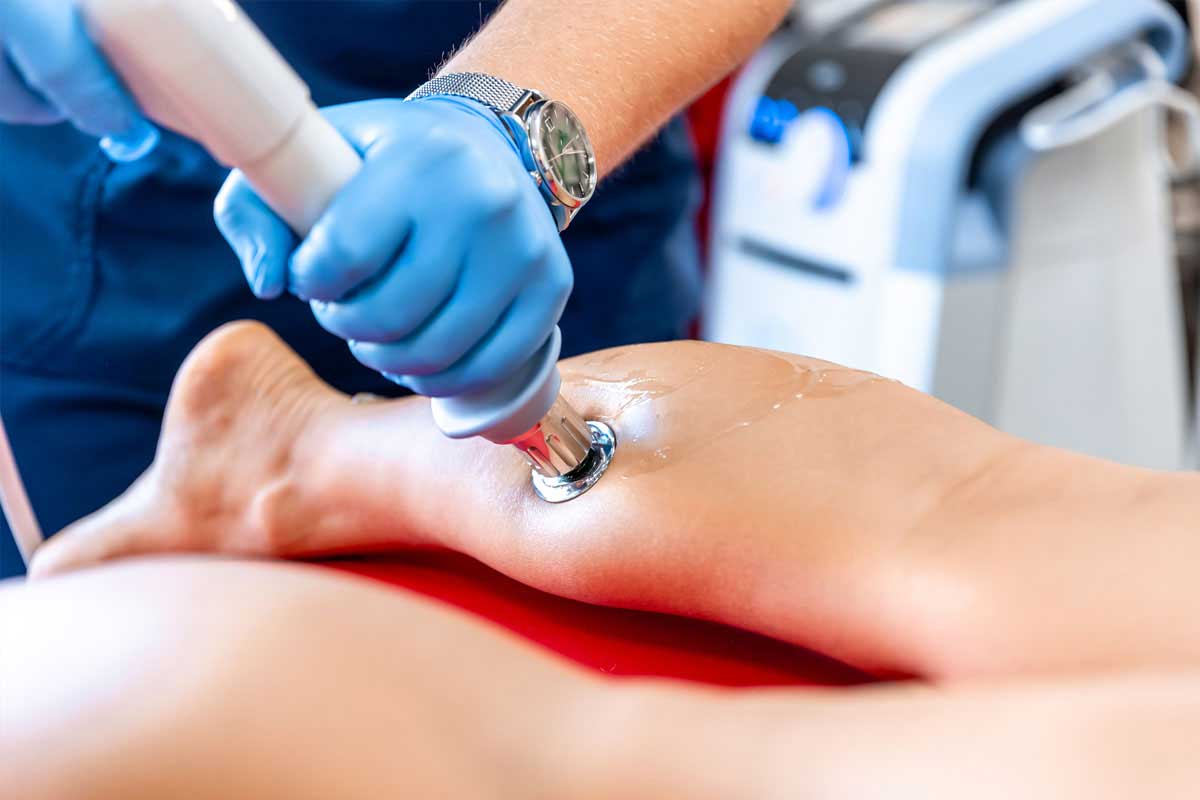
  1. A device sends sound waves into the injured area
  2. These waves create tiny “micro-stimulations”
  3. Your body responds by increasing blood flow
  4. Healing speeds up naturally

It’s kind of like:

Jump-starting a car… but instead of a battery, you’re jump-starting your body’s healing system.

Common Conditions Treated with Shockwave Therapy

Shockwave therapy is widely used in rehabilitation clinics across Canada, including at
👉 https://syncmove.ca/

It can help with:

  • Plantar fasciitis (heel pain)
  • Tennis elbow
  • Shoulder pain
  • Knee injuries
  • Achilles tendonitis
  • Chronic back pain

According to research published by organizations like the Mayo Clinic, shockwave therapy has shown strong results in treating chronic musculoskeletal pain.

Real-Life Example

Imagine this:

You wake up every morning with heel pain so bad that even walking to the kitchen feels like stepping on Lego (and we all know that’s basically a universal form of torture).

After trying stretching, ice, and painkillers with little success—you try shockwave therapy.

After a few sessions, the pain gradually decreases. Walking becomes easier. Life feels normal again.

That’s the kind of result many patients report.

Is Shockwave Therapy Painful?

Short answer: It can be slightly uncomfortable—but not unbearable.

Most people describe it as:

  • A tapping sensation
  • Mild discomfort
  • Occasionally intense in sensitive areas

But here’s the good news:

  • Sessions are short (usually 10–20 minutes)
  • The discomfort fades quickly
  • No downtime needed

A common joke among therapists:

“It’s uncomfortable—but not as uncomfortable as living with pain for months.”

What Are the Negative Side Effects of Shockwave Therapy?

Like any treatment, shockwave therapy isn’t completely side-effect free—but the risks are very minimal.

Common mild side effects:

  • Slight redness
  • Minor swelling
  • Temporary soreness
  • Bruising (rare)

These usually go away within a few days.

Important:

Shockwave therapy is non-invasive, meaning:

  • No surgery
  • No needles
  • No medication required

Who Should Avoid Shockwave Therapy?

While it’s safe for most people, it may not be recommended if you:

  • Are pregnant
  • Have a blood clotting disorder
  • Have a tumor in the treatment area
  • Use certain medications (like blood thinners)

Always consult a qualified clinic like
https://syncmove.ca/
before starting treatment.

Scientific Evidence & Latest Research

Recent studies show promising results:

  • A 2023 clinical review found that over 70% of patients experienced significant pain reduction
  • Studies in Europe and Canada confirm effectiveness for chronic tendon injuries
  • Research published in journals like The American Journal of Sports Medicine supports its use

Why Shockwave Therapy Is Growing in Canada

There’s a clear trend:

Canadians are moving away from:

  • Long-term medication
  • Invasive surgery

And toward:

  • Natural healing
  • Non-invasive therapies

Shockwave therapy fits perfectly into this shift.

Benefits of Shockwave Therapy

Here’s why people love it:

  • Fast treatment sessions
  • No recovery time
  • Long-lasting results
  • Drug-free approach
  • Cost-effective compared to surgery


A Quick Comparison

Treatment Type Invasive Recovery Time Cost
Surgery Yes Weeks/months High
Medication No Ongoing Medium
Shockwave Therapy No None Moderate

Final Thoughts (Conclusion)

Shockwave therapy is not magic—but it can feel pretty close for people dealing with chronic pain.

It works by helping your body heal itself faster, without the need for surgery or heavy medication. While there may be mild discomfort during treatment, the long-term benefits often outweigh the short-term sensations.

If you’re in Canada and considering this treatment, clinics like
https://syncmove.ca/
offer professional, personalized care to help you recover safely and effectively.

In the end, the real question isn’t “Does it work?”
It’s:

“How long do you want to keep living with pain before trying something that might actually help?”

References

  1. https://www.mayoclinic.org/tests-procedures/shockwave-therapy
  2. https://www.healthline.com/health/shockwave-therapy
  3. https://www.ncbi.nlm.nih.gov/pmc/articles/PMC6029898/
  4. https://www.webmd.com/pain-management/shockwave-therapy
  5. https://pubmed.ncbi.nlm.nih.gov
  6. https://www.physio-pedia.com/Shockwave_Therapy
  7. https://www.arthritis.ca
  8. https://www.sportsmed.org
  9. https://www.cochranelibrary.com
  10. https://www.ncbi.nlm.nih.gov/books
What does shockwave therapy do

What Does Shockwave Therapy Do? The Surprising Science of Sound Healing for Pain

Ever hear a weird, rapid tap-tap-tap-tap sound coming from a physio clinic and wonder what futuristic gadget is at work? Or maybe a friend mentioned they’re trying this “shockwave thing” for their stubborn tennis elbow and you pictured something from a sci-fi movie. Let’s clear the air right away: Shockwave therapy sounds intense, but it’s actually a groundbreaking, non-invasive treatment that’s helping Canadians ditch chronic pain for good. So, what does shockwave therapy do, exactly? Imagine using high-energy sound waves—like targeted sonic booms—to kickstart your body’s natural healing processes in areas that have stubbornly refused to get better. Intrigued? You should be. This isn’t magic; it’s smart science applied to some of the most common, frustrating aches and injuries. From the runner in Vancouver with persistent heel pain to the carpenter in Ontario whose shoulder just won’t quit, shockwave therapy is changing the game in pain management and rehabilitation.


First Things First: Demystifying the “Shock” in Shockwave

The name is the scariest part, we promise. In medicine, a “shockwave” isn’t an electric jolt. Think of it more like the sound wave from a supersonic jet—a rapid, high-energy pulse that travels through a medium. In shockwave therapy, these acoustic waves are generated by a handheld device and delivered precisely through your skin to the injured area.

There are two main types you’ll hear about, and the team at a clinic like Sync Move Rehab Centre will know exactly which one your condition needs:

  1. Focused Shockwave Therapy (FSWT): These waves are focused deeply on a very specific, small point. They’re like a precision laser beam of sound, ideal for targeting problems buried deep in the body.
  2. Radial Shockwave Therapy (RSWT): These waves are more like a shotgun blast of sound—they spread out radially from the point of contact, treating a broader, shallower area. This is often used for larger muscle groups and connective tissue issues.

Both types create a biological reaction in your tissue that’s the secret to the whole process. It’s not about zapping pain away; it’s about convincing your body to finally fix the root cause.


The Core Question: What Does Shockwave Therapy Do Inside Your Body?

Okay, here’s where it gets fascinating. When those controlled acoustic pulses enter your injured tissue, they trigger a cascade of healing events. It’s like flipping a series of long-dormant biological switches. Here’s a breakdown of the key actions:

  1. It Jumpstarts the Healing Cascade (Neovascularization)
    Chronic injuries often suffer from poor blood flow. The tissue is stuck in a painful, inflamed limbo. Shockwave therapyacts as a powerful wake-up call. The micro-trauma from the waves stimulates the formation of new blood vessels(angiogenesis) in the treated area. It’s like drilling new irrigation canals into a parched field. This surge of fresh, oxygen-rich blood delivers essential nutrients and healing factors directly to the damaged tissue, finally allowing the proper repair process to begin.
  2. It Breaks Down the Bad Stuff (Disintegration of Calcifications)
    For conditions like calcific tendonitis (where painful calcium deposits build up in a tendon, often in the shoulder), shockwave therapyis remarkably effective. The energy waves literally break apart those hard, troublesome calcium deposits. The body’s immune system can then safely clear away the tiny fragments, relieving the painful grinding and pinching.
  3. It Resets the Pain Cycle (Hyperstimulation Analgesia)
    This one is clever. The rapid pulses from the device overstimulate the local nerve fibres responsible for sending pain signals to your brain. It’s a bit like flooding the phone lines so the “pain call” can’t get through. This effect can lead to immediate pain reduction. More importantly, it’s believed to decrease the concentration of a key neurotransmitter called “Substance P,” which is heavily involved in chronic pain signalling, potentially leading to longer-term relief.
  4. It Stimulates Collagen Production
    Collagen is the fundamental building block of tendons, ligaments, and fascia. Chronic injuries often involve disorganized, weak collagen scarring. Shockwave therapyprompts your fibroblasts (the cells that make collagen) to get to work, producing fresh, strong, and properly alignedcollagen fibres. This doesn’t just patch the problem; it rebuilds the tissue to be more resilient than before.
  5. It Reduces Muscle Tension and Breaks Down Trigger Points
    The energy waves can also produce a gentle, deep-massage effect on tight muscles and fascia, helping to release those painful, knotted-up trigger points that cause referred pain. It’s like a deep-tissue massage that reaches places hands can’t.


In a nutshell, what does shockwave therapy do? It transforms a stagnant, painful, chronic injury site into a vibrant construction zone for healing, managed by your own body’s innate intelligence.


The “What For?” List: Common Conditions Treated by Shockwave

Now that we know how it works, let’s talk about what it fixes. Shockwave therapy has become a gold-standard treatment for a range of stubborn musculoskeletal conditions, especially those that haven’t responded well to months of traditional rest, ice, or physio.


Plantar Fasciitis: The arch nemesis of runners, teachers, and anyone on their feet. This inflammation of the plantar fascia ligament in the foot causes that infamous stabbing heel pain with the first step in the morning. Studies, including a major 2017 review in The Journal of Orthopaedic Surgery and Research, show shockwave therapy provides significant and lasting pain relief and functional improvement for chronic plantar fasciitis, often when other treatments have failed.


Tendinopathies (Tennis Elbow, Golfer’s Elbow, Achilles Tendonitis): These “overuse” injuries involve degeneration of the tendon. The traditional name “tendonitis” (inflammation) is often a misnomer; it’s more of a failed healing response. Shockwave therapy is exceptionally effective here, directly stimulating the tendon’s repair cells. Research in the American Journal of Sports Medicine has consistently rated it as a highly effective treatment for chronic lateral epicondylitis (tennis elbow).


Shoulder Calcifications and Rotator Cuff Issues: That painful, stiff shoulder that makes reaching for a seatbelt or sleeping on your side agony can often be addressed with shockwave therapy. It effectively disintegrates calcific deposits and promotes healing in the rotator cuff tendons.


Patellar Tendonitis (Jumper’s Knee): A common scourge for basketball, volleyball, and soccer players. The therapy targets the tendon below the kneecap, reducing pain and allowing athletes to return to their sport stronger.


Chronic Muscle Pain and Trigger Points: For deep, persistent muscle knots in the back, neck, or hips that don’t respond to massage, shockwave therapy can offer profound release.


Stress Fractures and Delayed Bone Healing: In some cases, focused shockwaves can even be used to stimulate bone growth and healing in non-union fractures, showcasing its remarkable regenerative power.


By the Numbers: What Does the Data Say?

Let’s talk stats. Chronic pain isn’t a minor issue in Canada. According to a comprehensive report from the Canadian Institute for Health Information (CIHI), about 8 million Canadians, or 1 in 5, live with chronic pain. A significant portion of this involves musculoskeletal conditions like those listed above.

The clinical success rates for shockwave therapy are compelling. For chronic plantar fasciitis, success rates (defined as significant pain reduction and return to function) in clinical studies often range between 70% and 80% after a course of treatment. For tennis elbow, systematic reviews have shown it to be significantly more effective than placebo or corticosteroid injections in the medium to long term. A 2020 meta-analysis in Pain Physician journal concluded that it is a “safe and effective method for the treatment of chronic musculoskeletal disorders.”

What does this mean for you? If you’re part of the large group of Canadians dealing with a pain that’s overstayed its welcome, shockwave therapy offers a scientifically-backed, high-probability solution.


The Experience: What to Expect During a Session at Sync Move Rehab Centre

Curiosity turning into consideration? Here’s a walkthrough of what happens when you come in for shockwave therapy.

  1. Comprehensive Assessment First: No reputable clinic will jump straight to the machine. At Sync Move Rehab Centre, a therapist will first conduct a thorough evaluation—taking your history, examining the area, and possibly using diagnostic ultrasound to visualize the tissue. This ensures shockwave therapy is the right tool for your specific problem.
  2. The Treatment: You’ll be positioned comfortably. The therapist will apply a coupling gel to your skin (similar to an ultrasound) and place the handheld applicator on the target area. You’ll hear the rapid tapping sound and feel a deep, percussive sensation. It can be uncomfortable, especially as they focus on the most affected spot, but it should not be intolerable. Sessions are short, typically lasting only about 5-10 minutes per area.
  3. The Protocol: Healing is a process. A typical treatment plan involves 3-5 sessions, spaced about one week apart. The biological healing effects continue to work in the days between sessions.
  4. The Aftermath: It’s normal to feel some soreness in the area for 24-48 hours after treatment—a sign that the healing process has been activated. You’ll be advised to avoid strenuous activity on that area for a day or two but to continue gentle movement. The full benefits often accumulate over the weeks following your final session.


Weighing the Pros and Cons: Is Shockwave Therapy Right for You?

Like any medical intervention, it’s about fit.

The Major Advantages:

  • Non-invasive and Non-surgical: No needles, no incisions, no general anesthesia.
  • Minimal Side Effects: Some temporary soreness, redness, or swelling are the most common issues.
  • Quick Sessions: Fits easily into a lunch break.
  • High Success Rates: For the right conditions, it’s one of the most effective treatments available.
  • Avoids Cortisone Risks: Provides an alternative to repeated corticosteroid injections, which can weaken tendons over time.


Important Considerations & Contraindications:
Shockwave therapy is NOT used for: Acute infections, cancerous tissue, directly over major nerves or blood vessels, or in patients with bleeding disorders or on certain blood thinners. It is also generally avoided in pregnant women. This is why the initial assessment at a professional clinic like Sync Move Rehab Centre is non-negotiable for safety.


The Latest Frontiers: What’s New in Shockwave Research?

The science around shockwave therapy continues to evolve. Exciting new research areas include:

  • Tissue Regeneration: Studies are exploring its use for wound healing, especially in diabetic ulcers, by dramatically enhancing blood vessel growth.
  • Erectile Dysfunction (ED): Low-intensity shockwaves are now an FDA-cleared treatment for certain types of ED, using the same principle of stimulating blood vessel growth—proving its utility far beyond orthopedics.
  • Osteoarthritis: Early research is looking at its potential to modify the progression of osteoarthritis by promoting cartilage health and reducing pain, though this is still experimental.


Making the Decision: Your Path to Considering Shockwave

If you have a chronic (>3 months) musculoskeletal pain that rest, physio, or injections haven’t resolved, asking “what does shockwave therapy do for my specific issue?” is a logical next step.

  1. Talk to Your Doctor or Practitioner: Discuss it with your GP or a regulated healthcare professional like a physiotherapist or chiropractor.
  2. Seek a Qualified Provider: Ensure you go to a clinic with practitioners specifically trained in the application of shockwave therapy. Ask about their experience with your condition.
  3. Manage Expectations: Understand it’s a process, not a one-time miracle cure. Commitment to the short treatment plan is key.

Conclusion: Sound Waves for a Solid Recovery

So, what does shockwave therapy do? It harnesses the power of acoustic energy to break the frustrating cycle of chronic pain. It tells your body, in a language it can’t ignore, to finally heal itself. It’s a testament to how innovative, non-invasive technologies are revolutionizing rehabilitation, offering hope and tangible results without the need for surgery or lengthy medication.

For the countless Canadians sidelined by heel pain, elbow aches, or shoulder stiffness, it represents a path back to activity, comfort, and quality of life. It turns down the volume on pain and turns up the body’s innate healing soundtrack.

If you’re in Canada and tired of living with a stubborn injury, the team at Sync Move Rehab Centre is here to help. Our practitioners are skilled in assessing whether shockwave therapy is the right solution for you and administering it with precision and care. We combine this advanced technology with a full suite of rehabilitation services to guide you through a complete recovery. Ready to explore what this innovative treatment could do for you? Contact Sync Move Rehab Centre today to book a consultation and take the first step towards lasting relief.


References

  1. Lohrer, H., et al. (2017). Shockwave therapy for plantar fasciitis: a meta-analysis of randomized controlled trials. Journal of Orthopaedic Surgery and Research.
    https://josr-online.biomedcentral.com/articles/10.1186/s13018-017-0742-5
  2. American Journal of Sports Medicine. (2008). Shockwave Therapy for Chronic Lateral Epicondylitishttps://journals.sagepub.com/doi/abs/10.1177/0363546508316289
  3. Canadian Institute for Health Information (CIHI). Chronic Pain in Canada.
    https://www.cihi.ca/en/chronic-pain-in-canada-what-we-know-what-we-dont-know-and-why-it-matters
  4. Speed, C. (2014). A systematic review of shockwave therapies in soft tissue conditions: focusing on the evidence. British Journal of Sports Medicine.
    https://bjsm.bmj.com/content/48/21/1538
  5. International Society for Medical Shockwave Treatment (ISMST). What is Shockwave Therapy?
    https://www.shockwavetherapy.org/about-eswt/
  6. National Center for Biotechnology Information (NCBI). Mechanisms of Action of Extracorporeal Shockwave Therapy (ESWT)https://www.ncbi.nlm.nih.gov/pmc/articles/PMC6354166/
  7. Pain Physician Journal. (2020). The Effectiveness of Extracorporeal Shockwave Therapy in Common Musculoskeletal Disordershttps://www.painphysicianjournal.com/current/pdf?article=NDA4OA%3D%3D&journal=129
  8. Wang, C.J. (2012). Extracorporeal shockwave therapy in musculoskeletal disorders. Journal of Orthopaedic Surgery and Research. https://josr-online.biomedcentral.com/articles/10.1186/1749-799X-7-11
  9. U.S. Food & Drug Administration (FDA). Shockwave Devices for Erectile Dysfunctionhttps://www.fda.gov/medical-devices/impotence-treatments/shockwave-devices-treatment-erectile-dysfunction
  10. Physiotherapy Canada. Clinical Practice Guidelines for Shockwave Therapy.
    https://www.physiotherapy.ca/publications-resources/clinical-practice-guidelines