Craniosacral Osteopathy

Craniosacral Osteopathy: Benefits, Safety & Research

Craniosacral Osteopathy: What It Is, Benefits, Safety and What Research Says

This is short, readable, contains the primary keyphrase and avoids unnecessary dates or words.

Have you ever felt that your body is asking you to slow down, but your schedule clearly did not get the memo? If you live with headaches, neck tension, ongoing pain, stress, or a feeling of physical tightness, you may have come across Craniosacral Osteopathy.

Craniosacral Osteopathy is a gentle, hands-on approach associated with osteopathic care. It uses light touch and manual techniques around areas such as the head, neck, spine and sacrum. People often look into it when they want a less forceful form of hands-on care or when conventional approaches have not fully addressed how they feel.

But there is an important question behind the popularity of this treatment: Does Craniosacral Osteopathy actually work?

The honest answer is more complicated than a simple yes or no. Some clinical studies have reported improvements in pain or other symptoms, while newer systematic reviews have questioned whether the overall evidence is strong enough to confirm meaningful clinical benefits. That difference is worth understanding before choosing any treatment.

In this guide, we will explain what Craniosacral Osteopathy is, what a session may involve, why people seek it, what current research says, how safety should be considered, and how it may fit into a broader rehabilitation plan in Canada.

Important: Craniosacral Osteopathy should not be viewed as a replacement for medical diagnosis or appropriate medical treatment. If you have new, severe, or unexplained symptoms, speak with a qualified healthcare professional.

What Is Craniosacral Osteopathy?

Craniosacral Osteopathy is a hands-on approach that focuses on gentle manual contact around the craniosacral area of the body.

The term “craniosacral” refers broadly to the relationship between the structures of the head and the sacrum, which is located at the base of the spine. Practitioners who use this approach may assess areas of tension and movement and apply light-touch techniques.

At first glance, it can look almost too simple.

There is no complicated machine. No loud equipment. No heroic wrestling match with your spine.

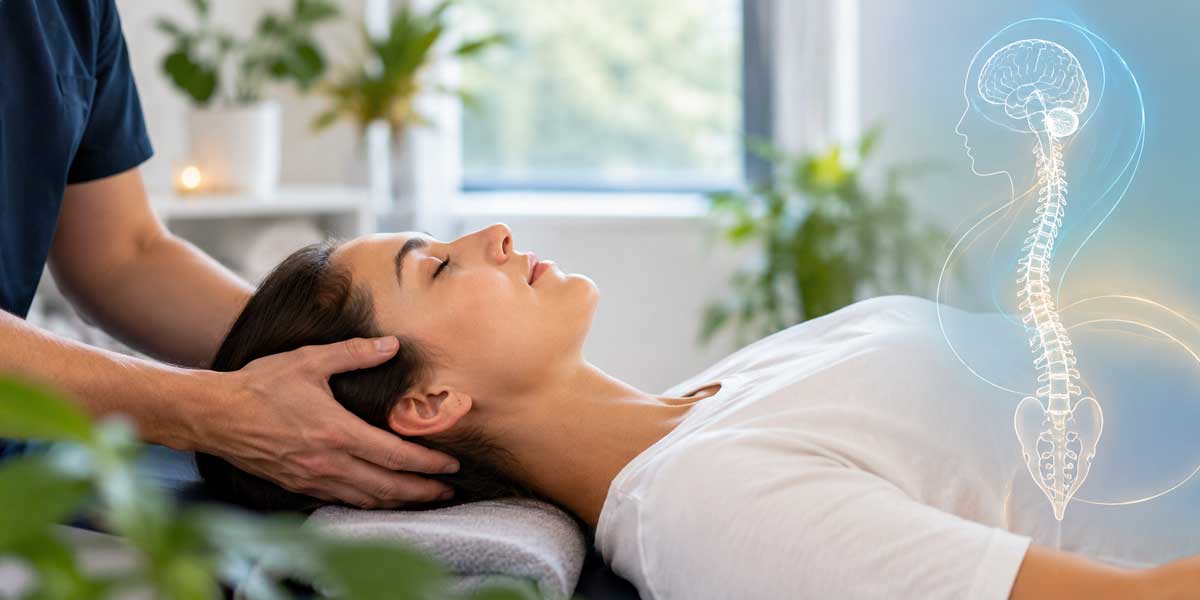
Instead, treatment generally involves the practitioner using their hands while the patient remains comfortably positioned, often lying on a treatment table.

At Sync Move Rehab Centre, Craniosacral Osteopathy is offered as part of a broader range of rehabilitation and hands-on services in Thornhill, Ontario.

The clinic describes its approach as gentle and focused on the craniosacral system. You can learn more about the service on the Sync Move Craniosacral Osteopathy page.

Why Are People Interested in Craniosacral Osteopathy?

The interest in gentle manual therapies is easy to understand.

Pain is not simply a matter of “something hurts, so fix that one spot.” Pain can affect sleep, movement, work, exercise, mood and everyday activities.

This is particularly relevant in Canada, where chronic pain affects a large part of the population. Health Canada reports that approximately one in five Canadians lives with chronic pain, or nearly eight million people. Chronic pain can affect physical activity, mental well-being, work and quality of life. (Health Canada)

Statistics Canada has also reported that the proportion of Canadian adults reporting no pain or discomfort decreased from 77.9% in 2015 to 72.0% in 2024. The 2024 data came from the Canadian Community Health Survey and included adults aged 18 and older living in the provinces. (Statistics Canada)

So, when Canadians search for options such as osteopathy, physiotherapy, massage therapy or other rehabilitation services, they are often looking for something very practical:

“How can I move better and feel better without making my body feel even more irritated?”

That is one reason gentle manual approaches continue to attract attention.

What Happens During a Craniosacral Osteopathy Session?

A session usually starts with a conversation.

This part matters more than many people expect.

A practitioner may ask about:

  • Your main symptoms
  • When the problem started
  • Previous injuries
  • Your daily activities
  • Work and exercise habits
  • Pain patterns
  • Previous treatments
  • Relevant medical history

The practitioner may then assess your posture, movement and areas of tension.

During the hands-on portion, the patient usually remains fully clothed and lies comfortably on a treatment table. Gentle contact may be used around the head, neck, spine, pelvis or other areas depending on the practitioner’s assessment.

The experience can feel quite different from a deep-tissue massage.

Some people describe it as relaxing. Others notice very little sensation during the session but feel changes in comfort or movement afterward.

And sometimes the most exciting part is simply getting 45 minutes where nobody expects you to answer an email.

What Conditions Do People Seek Craniosacral Osteopathy For?

People may seek Craniosacral Osteopathy for a variety of complaints, including:

Headaches and Migraine

Headaches are one of the most common reasons people become interested in craniosacral approaches.

There have been randomized clinical trials examining CST and migraine symptoms. For example, a 2022 randomized controlled trial involving 50 people with migraine reported improvements in pain, migraine frequency and disability after a four-week treatment protocol compared with a sham intervention. (PubMed)

However, one study does not settle the question.

A later systematic review and meta-analysis of headache disorders included four studies and concluded that the evidence was of very low certainty. Although a statistically significant change in pain intensity was observed, the authors considered the clinical effect too small to be meaningful, and they found no significant improvement in disability or headache impact. (PubMed)

That is a good example of why health information needs context. A research paper can report a statistically significant result without that result necessarily being large enough to make a noticeable difference in everyday life.

Neck Tension and Neck Pain

Chronic neck pain is another area that has been studied.

One randomized sham-controlled trial included 54 people with chronic non-specific neck pain. Participants received either eight weekly sessions of Craniosacral Therapy or light-touch sham treatment. The researchers reported improvements in pain intensity and some other outcomes, including functional disability and quality of life. No serious adverse events were reported. (PubMed)

This is interesting evidence, but again, it should be interpreted alongside broader research rather than on its own.

Back Pain and General Musculoskeletal Pain

People with ongoing back or musculoskeletal discomfort may also explore gentle manual therapies.

Canada’s approach to chronic pain increasingly recognizes that pain management may require more than one type of care. Health Canada notes that pain management plans can include physical therapy, psychological and social support, medication, procedures and self-management strategies. (Health Canada)

This broader approach is important because chronic pain is rarely identical from one person to another.

Two people can have the same diagnosis and completely different experiences.

One may need strengthening and exercise. Another may need help changing movement habits. Another may benefit from education, sleep improvement, stress management or hands-on treatment as part of a larger plan.

What Does the Latest Research Say About Craniosacral Osteopathy?

This is where things get particularly interesting.

Research on Craniosacral Osteopathy and Craniosacral Therapy has produced mixed results.

An earlier systematic review and meta-analysis published in 2019 examined 10 randomized controlled trials involving 681 participants with conditions including neck and back pain, migraine, headache, fibromyalgia, epicondylitis and pelvic girdle pain.

The authors reported statistically significant improvements in pain and disability compared with some control groups and concluded that more high-quality research was needed. (PubMed)

But newer reviews have reached more cautious conclusions.

A 2024 systematic review and meta-analysis searched multiple databases and included 15 randomized controlled trials in its qualitative review and seven in its quantitative analysis. The authors reported that the evidence did not demonstrate statistically significant or clinically relevant benefits for the musculoskeletal or non-musculoskeletal conditions they assessed. They also highlighted methodological limitations in some of the available trials. (PubMed)

Another 2024 meta-analysis examined 24 randomized controlled trials involving 1,613 participants. The researchers found no significant overall effects for the primary outcomes. Some secondary analyses produced statistically significant findings, but the authors cautioned that wide prediction intervals, risk of bias and statistical limitations made the real-world meaning uncertain. (PubMed)

So, Is Craniosacral Osteopathy Effective?

Based on the research available today, the most responsible answer is:

There is not enough high-quality evidence to say that Craniosacral Osteopathy is an established treatment for a specific medical condition.

At the same time, this does not mean that every person who receives a gentle manual treatment will experience no benefit.

A person may experience relaxation, temporary symptom relief, improved comfort, or a better sense of body awareness. Those experiences can be real even when researchers have not established a specific biological mechanism or consistent clinical effect across large studies.

The key is not to confuse an individual experience with proof that a treatment works for everyone.

Why Do Research Results Differ?

This is one of the most useful questions to ask about complementary therapies.

Studies can differ in:

  • Number of participants
  • Treatment protocols
  • Practitioner experience
  • Number and length of sessions
  • Comparison groups
  • Outcome measures
  • Follow-up periods
  • Blinding methods
  • Patient expectations
  • The condition being treated

For example, one study may compare Craniosacral Therapy with usual care, while another uses a carefully designed sham treatment involving light touch.

Those are not exactly the same experiment.

Researchers also have to separate a specific treatment effect from other factors that can influence how someone feels.

The therapeutic environment itself may matter. A quiet room, focused attention, time away from work, reassurance, expectation and simply being able to rest for an hour can all influence a person’s experience.

That does not mean an improvement is “imaginary.” It means that determining exactly why someone improves is more complicated.

Craniosacral Osteopathy vs. Regular Osteopathy

The two terms can sound almost identical, and that can be confusing.

Osteopathy is a broader field of hands-on care. It may involve assessment and treatment of different parts of the musculoskeletal system.

Craniosacral Osteopathy is more specifically focused on techniques involving the cranial and sacral regions and related manual approaches.

In practice, the exact techniques can vary between practitioners.

For someone considering treatment, it is therefore reasonable to ask:

  1. What training does the practitioner have?
  2. What techniques will be used?
  3. What condition or symptom are we trying to address?
  4. How will progress be measured?
  5. What should I expect after several sessions?
  6. When would you recommend another healthcare professional?

The World Health Organization has published benchmarks for osteopathic training that emphasize appropriate education, supervised clinical experience and patient safety. (WHO)

Is Craniosacral Osteopathy Safe?

Gentle does not automatically mean risk-free.

The available clinical research has generally reported few serious adverse events. In the 2019 systematic review, five of the included trials reported safety data, and no serious adverse events were reported. Minor events included things such as temporary headache, tiredness, drowsiness or increased pain in some participants. (PMC)

Still, people should not assume that hands-on treatment is appropriate in every situation.

If you have:

  • A recent serious injury
  • Severe or unexplained headache
  • Sudden weakness or numbness
  • Loss of balance
  • New problems with speech or vision
  • Fever with severe pain
  • Recent surgery
  • A serious neurological condition
  • A suspected fracture or infection

you should seek appropriate medical assessment rather than simply booking a manual therapy session.

And if your symptoms are new, getting worse, or unusual for you, tell your healthcare provider.

Who Might Consider Craniosacral Osteopathy?

Craniosacral Osteopathy may be something to discuss with a qualified practitioner if you are looking for a gentle hands-on approach as part of a broader rehabilitation strategy.

It may be particularly interesting to people who:

  • Prefer gentle manual techniques
  • Experience muscle or neck tension
  • Have ongoing musculoskeletal discomfort
  • Want relaxation alongside rehabilitation
  • Are exploring complementary approaches
  • Want hands-on care combined with exercise or movement strategies

However, it should ideally be considered as one part of a complete care plan, rather than a universal solution.

For example, someone with persistent lower back pain may benefit from education and progressive exercise. Someone recovering from an injury may need strength and mobility work. Someone with vestibular symptoms may require a specialized vestibular rehabilitation program.

The best approach depends on the person, not just the name of the treatment.

Can Craniosacral Osteopathy Replace Physiotherapy or Medical Care?

Generally, it should not be thought of as a replacement for necessary medical care.

Rehabilitation is often more effective when different pieces of the puzzle are considered together.

Depending on the problem, a rehabilitation plan may include:

  • Physiotherapy
  • Therapeutic exercise
  • Manual therapy
  • Education
  • Activity modification
  • Balance training
  • Strength training
  • Mobility work
  • Pain-management strategies
  • Medical assessment when necessary

This is one reason a multidisciplinary rehabilitation centre can be useful.

At Sync Move Rehab Centre, services include physiotherapy, osteopathy, massage therapy, chiropractic care, shockwave therapy, acupuncture/dry needling, vestibular rehabilitation and therapeutic exercise.

The advantage of looking at rehabilitation as a bigger picture is simple: the goal is not merely to provide a treatment. The goal is to help the person function better.

What Should You Ask Before Booking a Session?

Before trying Craniosacral Osteopathy, you do not need to become a medical researcher overnight.

A few straightforward questions can help.

1. What is the goal of treatment?

A good treatment plan should have a reason.

Is the goal to improve movement? Reduce discomfort? Support relaxation? Improve function?

The clearer the goal, the easier it becomes to decide whether treatment is helping.

2. How will progress be measured?

“How do you know it is working?” is a perfectly reasonable question.

Depending on your problem, progress might be measured through pain levels, movement, function, sleep, activity tolerance or another practical outcome.

3. How many sessions should I expect?

Be cautious about promises of unlimited treatment with no clear reassessment.

A sensible approach is to reassess progress rather than automatically continuing forever.

4. What happens if I do not improve?

This may be the most important question of all.

A responsible practitioner should be comfortable discussing other options or recommending another healthcare professional when appropriate.

How Does Craniosacral Osteopathy Fit Into a Canadian Rehabilitation Plan?

Canada has increasingly emphasized the importance of managing chronic pain through a combination of physical, psychological, social and medical approaches.

The Canadian Pain Task Force reported that approximately 7.63 million Canadians aged 15 and older were living with chronic pain in 2019, with estimated direct and indirect economic costs of $38.3 to $40.4 billion that year. The report also emphasized a biopsychosocial approach to pain management. (Health Canada)

This is important because modern rehabilitation is moving away from the idea that every problem has one magic fix.

Think of rehabilitation more like assembling a toolbox.

Sometimes the right tool is exercise.

Sometimes it is education.

Sometimes it is hands-on care.

Sometimes it is a medical assessment.

And sometimes you need several tools working together.

A Note About “Natural” or “Gentle” Treatments

The words “natural,” “gentle” and “non-invasive” can sound reassuring, but they should not automatically be treated as proof of effectiveness.

The opposite is also true: the absence of strong evidence for a particular treatment does not mean that a person’s experience of comfort or relaxation is fake.

A balanced approach is much more useful.

Ask what the treatment is intended to do, look at the evidence, understand its limitations, and consider it within the larger context of your health.

That is especially important when a treatment is being promoted as capable of treating a long list of unrelated conditions.

What Does This Mean for Someone in Thornhill or the Greater Toronto Area?

If you live in Thornhill, Markham, Richmond Hill or the Greater Toronto Area and are researching Craniosacral Osteopathy, it can be helpful to start with a conversation rather than assuming that one treatment is automatically the answer.

At Sync Move Rehab Centre, located at 8220 Bayview Avenue, Unit 206, Thornhill, Ontario, Craniosacral Osteopathy is one of the clinic’s rehabilitation services.

You can learn more about the clinic through its About Sync Move Rehab Centre information, explore the Craniosacral Osteopathy service, or book an appointment if you would like to discuss whether this type of care is appropriate for your needs.

Frequently Asked Questions About Craniosacral Osteopathy

Is Craniosacral Osteopathy the same as massage?

No. Both involve hands-on contact, but they are different approaches. Massage generally focuses more directly on soft tissues and muscles, while Craniosacral Osteopathy uses specific gentle manual techniques associated with the craniosacral approach.

Does Craniosacral Osteopathy hurt?

It is generally intended to be gentle. Most people should not expect forceful manipulation. However, individual responses vary, and temporary soreness or other minor symptoms have been reported in some clinical research.

How long does a session take?

Session length can vary depending on the practitioner, clinic and treatment plan. Ask the clinic about the expected appointment length before booking.

Can it help with headaches?

Headache and migraine have been studied, and some trials have reported improvements. However, systematic reviews have found that the overall certainty of evidence is low or very low, and clinically meaningful benefits have not been consistently demonstrated.

Is Craniosacral Osteopathy scientifically proven?

There is research on the subject, including randomized controlled trials and systematic reviews. However, the current evidence is mixed, and recent systematic reviews do not establish Craniosacral Therapy as an effective treatment for a specific medical condition.

Should I stop my current treatment and try Craniosacral Osteopathy instead?

No. Do not stop prescribed medication or medically recommended treatment without speaking with the relevant healthcare professional.

Can it be combined with physiotherapy?

Depending on your condition, different rehabilitation approaches may be used together. A qualified healthcare professional can help determine what combination makes sense for your situation.

Final Thoughts

Craniosacral Osteopathy is a gentle hands-on approach that has attracted attention among people looking for complementary options for pain, tension, headaches and general physical discomfort. Research has produced some encouraging individual findings, particularly in areas such as neck pain and migraine, but more recent systematic reviews have highlighted important limitations and do not provide strong evidence that Craniosacral Therapy is an established treatment for specific conditions. The most sensible way to approach it is therefore with an open mind and realistic expectations, while keeping appropriate medical care and active rehabilitation at the centre of your health plan. If you are in Thornhill or the surrounding Greater Toronto Area and want to learn whether Craniosacral Osteopathy could fit into a personalized rehabilitation approach, Sync Move Rehab Centre offers Craniosacral Osteopathy alongside physiotherapy, osteopathy and other rehabilitation services, giving you an opportunity to discuss your individual needs with the clinic before deciding on a treatment plan.

References

  1. Health Canada – About Chronic Pain
    Health Canada – About Chronic Pain
  2. Statistics Canada – Functional Health of Canadian Adults, 2015 to 2024
    Statistics Canada – Functional Health of Canadian Adults
  3. Health Canada – Canadian Pain Task Force Report, 2020
    Canadian Pain Task Force Report
  4. Ceballos-Laita et al. – Is Craniosacral Therapy Effective? A Systematic Review and Meta-Analysis
    PubMed – Craniosacral Therapy Systematic Review and Meta-Analysis
  5. Amendolara et al. – Effectiveness of Osteopathic Craniosacral Techniques: A Meta-analysis
    PubMed – Osteopathic Craniosacral Techniques Meta-analysis
  6. Haller et al. – Craniosacral Therapy for Chronic Pain: Systematic Review and Meta-analysis
    PubMed – Craniosacral Therapy for Chronic Pain
  7. Ceballos-Laita et al. – Clinical Effectiveness of Craniosacral Therapy in Patients with Headache Disorders
    PubMed – Craniosacral Therapy and Headache Disorders
  8. Haller et al. – Craniosacral Therapy for the Treatment of Chronic Neck Pain
    PubMed – Chronic Neck Pain Randomized Trial
  9. Muñoz-Gómez et al. – Effect of a Craniosacral Therapy Protocol in People with Migraine
    PubMed – Migraine Randomized Controlled Trial
  10. World Health Organization – Benchmarks for Training in Osteopathy
    WHO – Benchmarks for Training in Osteopathy
  11. Sync Move Rehab Centre – Craniosacral Osteopathy
    Sync Move – Craniosacral Osteopathy
  12. Sync Move Rehab Centre – Osteopathy Services
    Sync Move – Osteopathy
Dry Needling Therapy

Unlocking Relief: A Canadian’s Friendly Guide to Dry Needling Therapy

You know that feeling. A knot in your shoulder that feels more like a permanent tenant than a visitor. A stubborn ache in your lower back that whispers (or sometimes shouts) with every bend or twist. Maybe it’s a tweak from that over-enthusiastic weekend hockey game in Toronto, or the repetitive strain from hours at a Vancouver home office desk. You’ve tried stretching, maybe some massage, but that deep, specific pain just won’t budge. It’s like your muscle has forgotten how to relax.

If this sounds familiar, you’re not just imagining things—and you’re far from alone. Enter a technique that’s creating quite the buzz in physiotherapy clinics and rehab centres across Canada: dry needling. Now, before your mind jumps to images of ancient acupuncture (we’ll clear that up in a second!), let’s talk about what dry needling really is: a modern, evidence-based approach to tackling those stubborn muscular knots head-on.

Think of it as a precise, internal reset button for tight muscles. At Sync Move Rehab Centre, we often explain it like this: Imagine your muscle is a tangled-up ball of yarn. Stretching and massage work on the outside of the ball, which helps, but dry needling is like gently inserting a tool to find and release the very center of the knot. It’s a targeted strategy for telling overworked, clenched muscles one simple thing: “Okay, you can let go now.”

This guide is your friendly, no-jargon map to the world of dry needling in Canada. We’ll unravel what it is, how it works, what it feels like (spoiler: it’s not what you might think!), and why it’s become such a powerful tool in the toolkit of Canadian physiotherapists and clinicians. Whether you’re in Calgary, Ottawa, or Halifax, let’s demystify this therapy together and explore how it might be the key to unlocking your movement and relief.


Dry Needling 101: It’s Not Acupuncture’s Cousin (And Here’s Why)

First thing’s first: let’s address the elephant in the treatment room. Yes, both dry needling and acupuncture use thin, filiform needles. And yes, to the untrained eye, a person lying with needles in their back might look similar. But the philosophy, the training, and the very purpose behind these techniques are worlds apart. Mixing them up is like confusing a cardiologist with a podiatrist because they both went to medical school.

Acupuncture is a pillar of Traditional Chinese Medicine (TCM), dating back thousands of years. It’s based on the concept of balancing the flow of life energy (Qi) through pathways in the body called meridians. It’s a holistic approach used for a vast array of conditions, from pain and nausea to stress and fertility.

Dry Needling, on the other hand, is firmly rooted in Western medicine principles: anatomy, physiology, and neurobiology. It doesn’t concern itself with meridians or Qi. Instead, it targets something very concrete and measurable: myofascial trigger points.


What in the World is a Trigger Point?

Picture a tiny, hyper-irritable spot within a tight band of your muscle. This spot isn’t just sore locally; it can refer pain to other areas in predictable patterns. That headache behind your eye? It might be stemming from a trigger point in a neck muscle. That nagging elbow pain? Could be a grumpy spot in your forearm.

These trigger points are essentially microscopic areas where muscle fibres are stuck in a constant state of contraction. They’re like a switch that’s jammed in the “ON” position. Blood flow is reduced, waste products build up, and the nerve endings in the area go into a feedback loop of pain and tightness. They can form from acute injury, repetitive strain, poor posture, or even stress.

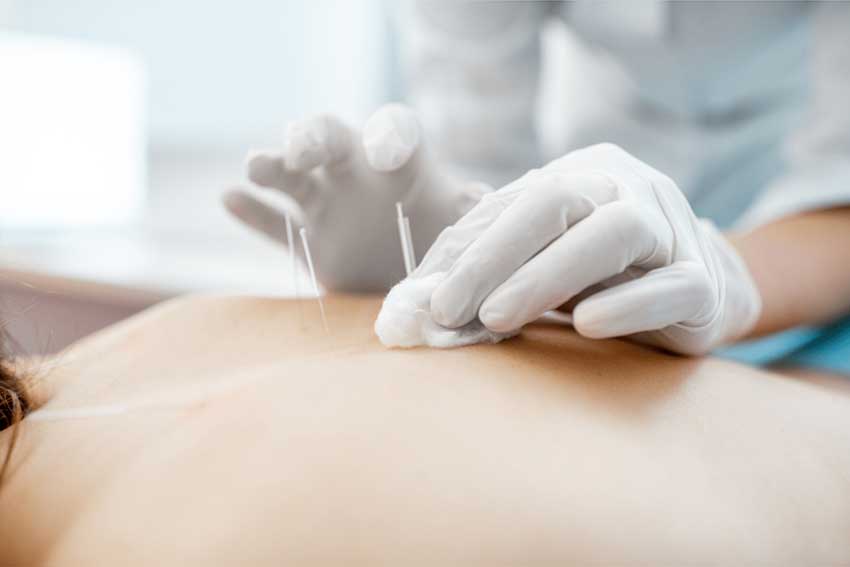
Dry needling’s entire goal is to de-activate these trigger points. A trained clinician inserts a fine needle directly into the heart of the knot. This isn’t random; it’s based on a deep understanding of muscular anatomy and pain referral patterns.


The “How”: The Science Behind the Stick

So, you stick a needle into a knotted muscle… and then what? Magic? Far from it. The physiological effects are quite brilliant and explain why the results can be so immediate.

  1. The Local Twitch Response (The “Ah-Ha!” Moment):

    When the needle precisely contacts the trigger point, you’ll often feel—and the practitioner will see—a brief, involuntary twitch in the muscle fibre. This is the local twitch response. It’s a spinal cord reflex, like when the doctor taps your knee. This twitch is the key! It’s the physiological signal that the contracted muscle band is being released. It breaks the pain-spasm-pain cycle almost instantly.

  2. Increasing Blood Flow (The Flush Effect):

    The micro-injury caused by the needle triggers your body’s natural healing response. Fresh, oxygen-rich blood rushes to the area, while the stagnant, metabolic waste products that were contributing to the pain get flushed away. Think of it as opening a clogged drain and letting fresh water flow through.

  3. Neurological Reset (Changing the Channel):

    The needle stimulus sends a new, strong signal to the spinal cord and brain. This new signal effectively “gates out” or overrides the old, persistent pain signal that was stuck on repeat. It’s like changing a noisy, staticky radio station to a clear, calm one. This can lead to a rapid decrease in pain perception.

  4. Endorphin Release (The Natural Painkiller):

    The body responds to the needle stimulus by releasing its own natural pain-relieving chemicals, like endorphins and enkephalins. This creates a general sense of relief and well-being in the treated area and beyond.

In essence, dry needling is a catalyst. It creates a favorable biochemical and mechanical environment for the muscle to finally relax, heal, and function normally again. It’s not a standalone miracle cure, but rather a powerful technique that makes all the other parts of your rehab—exercise, stretching, movement retraining—much more effective.


The Canadian Context: Who Does It, Is It Regulated, and Will Insurance Cover It?

This is where things get specifically important for us in Canada. The landscape of dry needling varies from province to province, so knowing the lay of the land is crucial for a safe and effective experience.

Who is Allowed to Perform Dry Needling?

In Canada, dry needling is considered an advanced skill that builds upon a primary healthcare profession’s foundational knowledge. It is most commonly—and safely—performed by regulated healthcare professionals with extensive training in musculoskeletal anatomy and diagnosis, such as:

  • Physiotherapists (PTs): This is the most common provider. Their deep expertise in movement, function, and rehabilitation makes dry needling a natural extension of their practice.
  • Chiropractors (DCs): Many chiropractors incorporate dry needling into their manual therapy approach to address soft tissue dysfunction.
  • Medical Doctors (MDs) and Sport Medicine Physicians: Some physicians, especially those specializing in sport and exercise medicine, use dry needling.
  • Registered Massage Therapists (RMTs): In some provinces, RMTs with additional certification may perform dry needling.

Crucially, the title is not protected in the same way “Physiotherapist” or “Chiropractor” is. This means it’s up to you to vet your provider. Always ensure your clinician is first and foremost a registered member in good standing with their provincial college (e.g., College of Physiotherapists of Alberta) and that they have completed a recognized, comprehensive post-graduate certification in dry needling (courses from organizations like KinetaCore, DNS, or similar are standards).


Is Dry Needling Regulated?

The technique itself isn’t regulated by a single national body. However, the professionals who perform it are heavily regulated by their respective provincial colleges. These colleges set standards of practice, codes of ethics, and guidelines for the use of adjunctive therapies like dry needling. A registered PT or DC performing dry needling is accountable to their college for your safety and care.

The Big Question: Is it Covered by Insurance?

Here’s some great news for your wallet. In most cases, yes! Because dry needling is performed by regulated health professionals as part of a treatment plan, it is typically covered under the “physiotherapy” or “chiropractic” benefits of your extended health insurance plan. You are billed for the physiotherapy assessment/treatment session, which includes the dry needling technique. It is extremely rare for insurers to cover standalone “dry needling” from an unregulated provider.
Pro Tip from Sync Move: Always check your specific plan details or call your insurance provider. Ask: “Are physiotherapy services provided by a Registered Physiotherapist covered?” That’s the question that matters.


The Conditions: What Can Dry Needling Actually Help With?

Dry needling is a specialist tool for a specific type of problem: musculoskeletal pain and dysfunction driven by myofascial trigger points. Its application is broad within that category. Let’s break down some of the most common reasons Canadians seek it out:

The Pain-Busting Powerhouse: Top Applications

  • Chronic Neck & Back Pain: Perhaps the most frequent visitor to our clinic at Sync Move. Desk posture, stress, old injuries—they all love to create trigger points in the trapezius, levator scapulae, and paraspinal muscles.
  • Headaches & Migraines: Especially tension-type and cervicogenic headaches (originating from the neck). Trigger points in the suboccipital muscles (at the base of your skull) are notorious headache culprits.
  • Shoulder Impingement & Rotator Cuff Issues: Needling can release the supporting muscles around the shoulder blade (scapula) and rotator cuff, allowing for better movement and less pain.
  • Tennis & Golfer’s Elbow (Lateral/Medial Epicondylalgia): These conditions are all about overloaded forearm muscles. Dry needling targets those specific forearm extensors and flexors with remarkable precision.
  • Plantar Fasciitis: That stabbing heel pain often involves tight calf muscles (gastrocnemius, soleus). Releasing them with dry needling can take significant tension off the plantar fascia.
  • Sciatica-like Symptoms: While not treating the nerve root itself, dry needling can release the piriformis or gluteal muscles that may be compressing the sciatic nerve, alleviating that radiating buttock and leg pain.
  • Jaw Pain (TMJ Dysfunction): The masseter and temporalis muscles of the jaw can harbour incredibly painful trigger points, often related to clenching or grinding.
  • Post-Injury Rehabilitation: After a sprain, strain, or surgery, muscles can become inhibited and develop trigger points. Dry needling can help “wake up” and normalize these muscles faster.
  • Athletic Performance & Recovery: Many athletes use it as a tool to address specific muscular tightness that limits range of motion or power output, and to speed recovery between training sessions.

What It’s NOT For: Managing Expectations

Dry needling is not a cure for arthritis, fractures, infections, or systemic diseases. It doesn’t directly treat disc herniations or bone spurs, though it can be phenomenal for managing the muscular pain and guarding that accompanies them. A good clinician will tell you if your condition is unlikely to benefit from needling and will direct you to a more appropriate treatment.


Your First Session: A Step-by-Step Walkthrough (No Surprises!)

Knowing what to expect can ease any nerves. Here’s how a typical dry needling session at a clinic like Sync Move Rehab Centre unfolds:

  1. Comprehensive Assessment (The Foundation):This is the most critical part. Your physiotherapist won’t just start needling. They will take a full history, assess your movement, posture, and strength, and use precise palpation (touch) to find those active trigger points. They’ll identify which muscles are the primary troublemakers and which are just compensating. This assessment ensures the needling is strategic and safe.
  2. The Setup & Consent:You’ll be positioned comfortably, usually lying down. The skin over the target area will be cleaned with alcohol. Your clinician will explain exactly what they’re going to do, what you might feel, and get your informed verbal consent. Questions are always encouraged!
  3. The Insertion & Sensation:Using a clean, single-use, sealed needle (they’re much thinner than injection needles), the practitioner will quickly insert it into the identified trigger point. You may feel a tiny pinprick, often less than a mosquito bite.
  • The “Cramp” or “Twitch”: As the needle contacts the trigger point, you’ll likely feel a brief, deep ache, cramp, or a sudden twitch. This is the local twitch response we talked about, and while it can be surprising, it’s usually over in a second. Many people describe it as a “good hurt”—the feeling of a knot finally releasing.
  • The Dull Ache: After the twitch, a lingering, deep, dull ache is common. This is normal and indicates the muscle is responding.
  1. Needle Manipulation & Retention:The practitioner may gently move the needle up and down slightly (“pistoning”) to elicit further twitch responses. The needle might be left in place for a short period (seconds to a few minutes) to continue the biochemical effects.
  2. After the Needles Come Out:Once removed, the area might feel a bit tender, like a deep massage. Your clinician will often have you move the treated area immediately. It’s amazing to feel the change in movement range and ease right away. They will then typically prescribe specific stretches or very gentle movements to do over the next 24-48 hours to consolidate the gains.
  3. The Integration:Remember, dry needling is rarely the only thing done in a session. It’s integrated into a full treatment plan. After needling, your therapist might follow up with manual therapy, prescribe corrective exercises, or provide movement advice. The needling opens the door; the exercise and education help you walk through it for lasting change.


The Feel-Good Facts: Benefits and Potential Side Effects

The Good Stuff (The Benefits):

  • Rapid Pain Relief: Often, the decrease in pain and increase in range of motion is immediate.
  • Improved Flexibility: Releasing the trigger points allows muscles to lengthen properly.
  • Enhanced Muscle Function: Muscles can contract and relax more efficiently, improving strength and coordination.
  • Increased Blood Flow: Promotes healing in the local tissue.
  • Reduced Need for Medication: Can be an effective non-pharmacological pain management strategy.
  • Faster Recovery: When combined with exercise, it can accelerate the rehab timeline.

The “Meh” Stuff (Temporary Side Effects):

These are common, short-lived (24-72 hours), and a sign your body is responding.

  • Post-Treatment Soreness: A muscle soreness similar to a tough workout is very common. It usually peaks within 24 hours.
  • Minor Bruising: A small bruise can occur if a tiny superficial blood vessel is nicked.
  • Temporary Fatigue: Some people feel a bit tired or “zoned out” after a session as the nervous system settles.
  • Light-Headedness (Rare): This can happen, which is why you’re usually lying down. Always get up slowly.

The Serious Stuff (Rare Risks):

With a trained professional using sterile needles, serious risks are exceedingly rare but must be acknowledged. They include:

  • Pneumothorax: A punctured lung from needling around the chest/upper back. This is why rigorous anatomical training is non-negotiable for practitioners.
  • Nerve Injury: Temporary nerve irritation can occur.
  • Infection: The risk is virtually zero with single-use, sterile needles and proper skin cleaning.

This risk profile underscores why choosing a regulated, anatomy-expert professional is an absolute must. A certified physiotherapist knows exactly where the lungs, nerves, and major blood vessels are and how to avoid them.


The Human Touch: Stories from the Clinic Floor

Let’s move beyond theory and into the real world. At Sync Move, we see these stories daily.

  • The Desk Warrior: Sarah, a 42-year-old software developer from Mississauga, had chronic tension headaches for years. Her neck was a rock. Two sessions of dry needling targeting her upper trapezius and suboccipital muscles, combined with postural exercises, reduced her headache frequency by 80%. “The first twitch felt so weird, but the relief in my head was instant. I finally understood what ‘relaxed shoulders’ felt like.”
  • The Weekend Warrior: Mark, a 55-year-old from Vancouver, had “tennis elbow” from too much gardening and DIY, despite never holding a racquet. Cortisone shots gave temporary relief. After three sessions of dry needling his forearm extensors, along with an eccentric loading program, his pain resolved and he could get back to building his new deck. “It was the deep ache that did it. My forearm finally let go.”
  • The Post-Partum Patient: Lena, a new mom in Ottawa, had debilitating low back and hip pain carrying her newborn. Dry needling to her gluteal and quadratus lumborum muscles, paired with core rehab, gave her the relief she needed to enjoy those early months without constant pain.

These aren’t miracles; they’re the predictable outcome of applying a precise, science-based technique to a well-defined problem.


Dry Needling vs. The World: How It Stacks Up Against Other Therapies

It’s helpful to see where dry needling fits in the spectrum of common treatments.

  • vs. Massage Therapy: Massage is fantastic for general muscle tension, circulation, and relaxation. It works on a broader scale. Dry needling is more like a precision strike. Massage manipulates the muscle from the outside; dry needling targets the dysfunctional core of the trigger point from the inside. They are excellent complements.
  • vs. IMS (Intramuscular Stimulation): IMS is a specific form of dry needling developed by Dr. Chan Gunn. It is based more heavily on neuropathic pain principles and radiculopathy. All IMS is dry needling, but not all dry needling is IMS. The techniques have significant overlap.
  • vs. Acupuncture: As we established, they are different paradigms. A simple analogy: If your body is a house, acupuncture looks at the flow of energy (electricity) through the entire wiring system. Dry needling is like finding and fixing one specific, shorted-out wire that’s causing a light to flicker.
  • vs. Cortisone Injections: Cortisone is a powerful anti-inflammatory for issues like inflamed joints or bursae. Dry needling treats muscular dysfunction. For a true tendonitis or arthritis, cortisone may be better. For myofascial pain referring into a joint, dry needling is often superior and avoids steroid-related tissue weakening.

The best approach is often integrative. At our centre, a treatment plan might include dry needling to release acute restrictions, manual therapy to improve joint mobility, and tailored therapeutic exercise from our Kinesiology services to build strength and prevent recurrence.


Your Questions, Answered (The FAQ You’re Thinking)

Let’s tackle some of the most common questions we hear in our Canadian clinics.

Q: How many sessions will I need?

A: There’s no one-size-fits-all. For an acute issue, 2-4 sessions might be enough. For chronic, long-standing pain, 6-10 sessions spread over several weeks may be needed. Your therapist will give you a clear estimate after the initial assessment.

Q: Is it safe during pregnancy?

A: In the hands of a practitioner trained in prenatal care, dry needling can be very safe and effective for common pregnancy-related pains (e.g., low back, SI joint). Certain points and positions are avoided. Always inform your therapist if you are or could be pregnant.

Q: Can you do it through clothing?

A: No. The practitioner needs direct visual and palpatory access to the skin to ensure accuracy and safety. You will be appropriately draped for modesty.

Q: What should I do after a session?

A: Move gently. Go for a short walk. Do the prescribed stretches. Avoid strenuous exercise, heavy lifting, or long hot baths/saunas for 24 hours to manage the normal post-treatment soreness. Hydrate well.

Q: I’m terrified of needles. Can I still try it?

A: Absolutely. Communicate this clearly! A good therapist will go slowly, use fewer needles initially, and ensure you’re comfortable. Many needle-phobic patients find the benefits far outweigh their initial fear once they experience the profound relief.


Finding the Right Practitioner in Canada: Your Checklist for Safety & Success

Your success hinges on choosing the right provider. Here is your actionable checklist:

  1. Primary Credential First: Ensure they are a Registered Physiotherapist, Chiropractor, or Medical Doctor licensed to practice in your province. Verify this on your provincial college website.
  2. Ask About Dry Needling Certification: “What specific post-graduate training program did you complete in dry needling?” Look for mentions of reputable programs (KinetaCore, DNS, AAMT, etc.).
  3. Experience with Your Condition: “How often do you treat [your specific issue] with dry needling?”
  4. The Assessment is Key: Be wary of any practitioner who promises dry needling without a thorough physical assessment first. The needle is the tool; the assessment is the blueprint.
  5. Clinic Environment: The clinic should be clean, professional, and use single-use, sterile needles from sealed packages.
  6. Trust Your Gut: You should feel heard, have your questions answered thoroughly, and feel in control of your treatment.

If you’re in the Greater Toronto Area and looking for a team that combines this rigorous, safety-first approach with a compassionate, whole-person perspective, we invite you to learn more about our Physiotherapy services at Sync Move Rehab Centre. Our clinicians are not only certified in dry needling but are experts in integrating it into a complete recovery plan.


The Final Point: Empowerment Through Understanding

Dry needling isn’t a mysterious art. It’s a logical, scientific, and highly effective technique for a very common problem. It empowers clinicians to intervene at a deeper level within dysfunctional muscle tissue, offering a pathway to relief that can feel almost instantaneous.

The journey to overcoming persistent pain is rarely a straight line. It’s about finding the right combination of tools for your unique body and story. Dry needling might be that missing tool—the precise key that unlocks a muscle, quiets a nerve, and opens the door to moving freely again.

If you’ve been struggling with a knot that won’t release, pain that limits your life, or stiffness that holds you back, consider having a conversation with a qualified professional about whether dry needling could be part of your solution. It’s a conversation worth having. After all, your body is built to move, not to ache. Let’s help it get back to doing what it does best.

Ready to explore if dry needling is right for you? The experienced team at Sync Move Rehab Centre is here to provide a thorough assessment and guide you through a safe, effective recovery plan. Visit our contact page to book a consultation and take the first step towards unlocking your relief.


References & Further Reading

  1. College of Physiotherapists of Ontario – Dry Needling Standard: https://www.collegept.org/standards-and-resources/resources/dry-needling
  2. Physiotherapy Alberta – Dry Needling Information: https://www.physiotherapyalberta.ca/public_and_patient/faqs/dry_needling
  3. Journal of Orthopaedic & Sports Physical Therapy (JOSPT) – Review on Dry Needling: https://www.jospt.org/doi/10.2519/jospt.2019.8701
  4. American Physical Therapy Association (APTA) – Dry Needling Resource: https://www.apta.org/patient-care/interventions/dry-needling
  5. National Institutes of Health (NIH) – Study on Trigger Points & Pain: https://www.ncbi.nlm.nih.gov/pmc/articles/PMC4508225/
  6. Pain Science – Myofascial Trigger Points Explained: https://www.painscience.com/articles/trigger-points.php
  7. Canadian Chiropractic Association – Position on Dry Needling: https://www.chiropractic.ca/chiropractic-care/additional-treatments/dry-needling/
  8. British Journal of Sports Medicine – Efficacy of Dry Needling: https://bjsm.bmj.com/content/54/4/219
  9. University of British Columbia – School of Kinesiology Research: https://kin.educ.ubc.ca/ (For general musculoskeletal research context)
  10. Public Health Agency of Canada – Chronic Pain in Canada: https://www.canada.ca/en/public-health/services/publications/healthy-living/chronic-pain-canada.html