By smrc
Kinesio Taping
Athletic Taping, Back Pain Treatment, Canadian Physiotherapy, Chronic pain rehabilitation, injury recovery, Joint Support, Kinesio Tape Benefits, Kinesio Taping, Kinesio Taping for Pain Relief, Kinesiology Tape, Knee Pain Relief, KT Tape, Movement Therapy, muscle recovery, Neck Pain Therapy, Physical Rehabilitation, Physiotherapy Treatment, Rehabilitation Therapy, Shoulder Rehabilitation, Sports injury recovery, Sports Physiotherapy Canada
Kinesio Taping: Benefits, Science, Applications, and What Canadians Need to Know
Why Kinesio Taping Has Become So Popular
If you have ever watched a professional athlete compete, chances are you have noticed colorful strips of tape stretched across shoulders, knees, backs, or arms. From Olympic runners and NHL players to weekend warriors and office workers recovering from aches and pains, Kinesio Taping has become one of the most recognizable rehabilitation and recovery techniques in modern healthcare.
But what exactly is Kinesio Taping? Does it really work? Is it only for athletes, or can everyday Canadians benefit from it as well?
These are some of the most common questions physiotherapists hear today.
Over the past two decades, Kinesio Taping has evolved from a relatively unknown treatment technique into a widely used rehabilitation tool. Healthcare professionals around the world now incorporate kinesiology tape into treatment plans for sports injuries, muscle strains, joint pain, postural issues, and recovery programs.
In Canada, where active lifestyles, recreational sports, and workplace-related musculoskeletal problems are common, interest in Kinesio Taping continues to grow. Whether someone is training for a marathon in Toronto, recovering from a shoulder injury in Vancouver, or managing chronic knee pain in Calgary, Kinesio Taping is increasingly being considered as part of a comprehensive rehabilitation strategy.
At Sync Move Rehab Centre, patients frequently ask whether Kinesio Taping can help improve movement, reduce discomfort, and support recovery. While tape itself is not a miracle cure, research suggests it can play a valuable role when combined with evidence-based rehabilitation, physiotherapy, exercise therapy, and proper clinical assessment.
For more information about rehabilitation services, physiotherapy treatments, and recovery programs, visit the official website of Sync Move Rehab Centre: https://syncmove.ca/
In this comprehensive guide, we will explore:
- What Kinesio Taping is
- How it works
- What science says about its effectiveness
- Common conditions it may help
- Latest research findings
- Benefits and limitations
- What Canadians should know before trying it
By the end of this article, you will have a clear understanding of whether Kinesio Taping may be a useful addition to your recovery journey.
What Is Kinesio Taping?
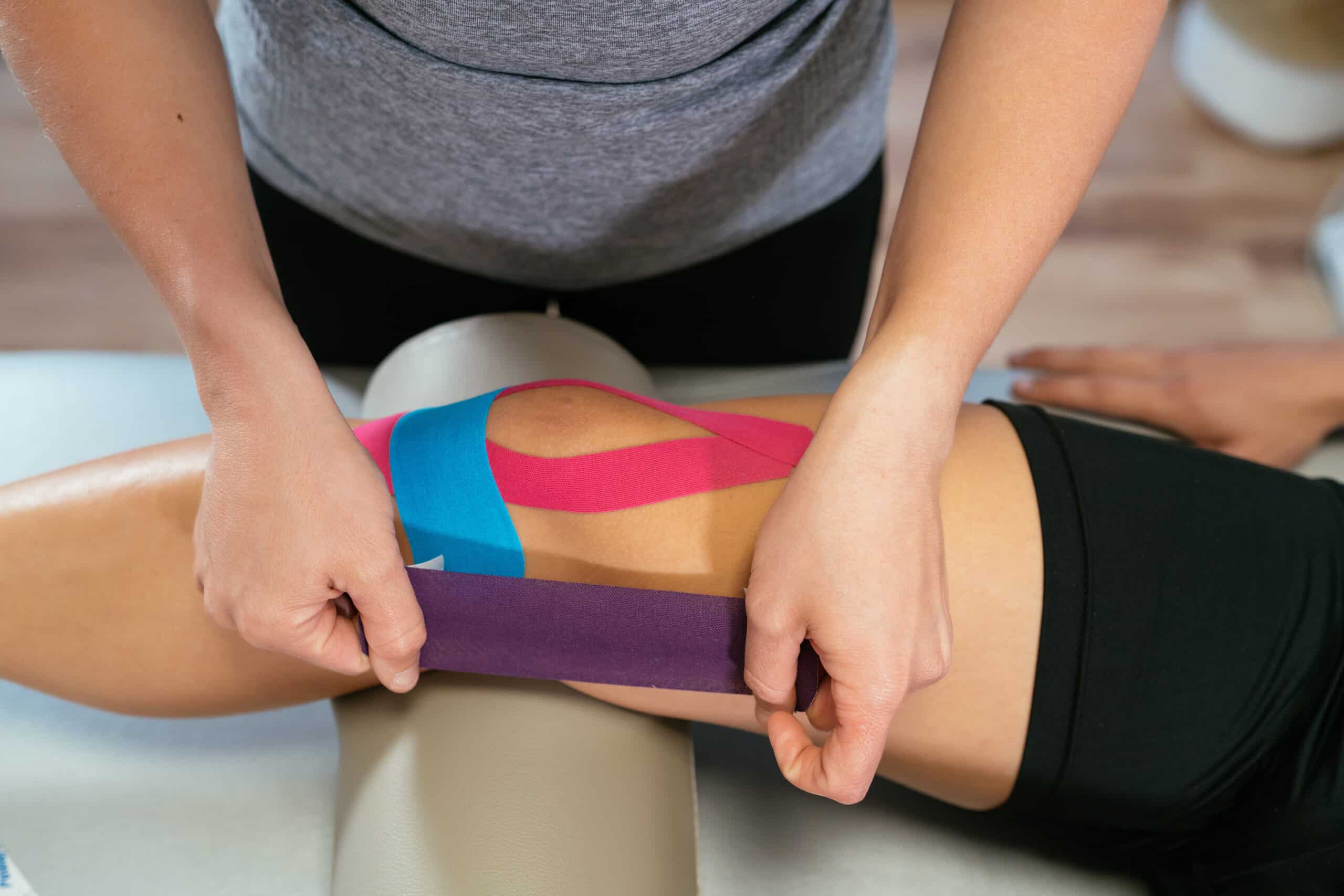
Kinesio Taping is a therapeutic technique that involves applying a specialized elastic cotton tape to the skin in specific patterns. The tape is designed to support muscles and joints without restricting movement.
Unlike traditional athletic tape, which is often used to immobilize or stabilize a joint, kinesiology tape is flexible and stretches similarly to human skin. This allows individuals to maintain a full range of motion while receiving therapeutic support.
The method was originally developed by Japanese chiropractor Dr. Kenzo Kase in the 1970s. His goal was to create a treatment approach that would support the body’s natural healing processes while allowing normal movement.
Today, kinesiology tape is used by:
- Physiotherapists
- Chiropractors
- Athletic therapists
- Sports medicine physicians
- Massage therapists
- Occupational therapists
- Rehabilitation specialists
People seek Kinesio Taping for many reasons, including:
- Muscle pain
- Sports injuries
- Joint instability
- Swelling and inflammation
- Postural correction
- Tendon problems
- Chronic pain conditions
- Rehabilitation after surgery
One of the reasons for its popularity is its simplicity. Once properly applied, the tape can typically remain in place for several days, allowing patients to continue daily activities while receiving ongoing support.
The Story Behind Kinesio Taping
Every successful healthcare innovation has an interesting story behind it.
The origins of Kinesio Taping date back to the early 1970s when Dr. Kenzo Kase began searching for alternatives to rigid sports taping techniques.
At the time, most taping methods focused on restricting movement. While this provided stability, it sometimes interfered with natural biomechanics and recovery.
Dr. Kase believed movement was essential for healing.
Instead of creating a tape that prevented motion, he wanted a tape that encouraged movement while still providing support.
After years of development, he introduced what would later become known worldwide as Kinesio Tape.
The technique remained relatively unknown outside Japan for many years. However, interest increased significantly after elite athletes began using it during major international sporting events.
The turning point came during the 2008 Beijing Olympics and the 2012 London Olympics. Television viewers around the world noticed athletes wearing brightly colored tape on various body parts.
Many people wondered:
“Is that tape helping them perform better?”
Since then, Kinesio Taping has become a common feature in professional sports including:
- Hockey
- Soccer
- Basketball
- Tennis
- Track and field
- Swimming
- Cycling
- Volleyball
Today, however, its use extends far beyond sports.
Many patients receiving rehabilitation services at clinics such as Sync Move Rehab Centre use Kinesio Taping as part of treatment plans for everyday musculoskeletal issues.
How Does Kinesio Taping Work?
This is where things become particularly interesting.
Although researchers continue to investigate the exact mechanisms involved, several theories help explain why Kinesio Taping may be beneficial.
1. Skin Lifting Effect
One of the most widely accepted theories is known as the skin lifting effect.
When properly applied, kinesiology tape creates a slight lifting action on the skin.
This microscopic lifting may help:
- Reduce pressure on pain-sensitive structures
- Improve local circulation
- Enhance lymphatic drainage
- Reduce swelling
Imagine lifting a heavy blanket slightly off a surface underneath. That tiny amount of space can change how pressure is distributed.
Similarly, small changes in tissue pressure may influence comfort and movement.
2. Sensory Feedback to the Brain
The human body contains millions of sensory receptors embedded within the skin.
These receptors continuously send information to the brain about:
- Position
- Movement
- Pressure
- Stretch
Kinesiology tape interacts with these receptors.
The additional sensory input may help improve body awareness, a concept known as proprioception.
For example:
If someone has an ankle injury, they may have difficulty sensing the exact position of the joint.
The tape may provide extra feedback that helps improve movement awareness and control.
Think of it like adding GPS guidance to a road trip. The destination remains the same, but the route may become smoother.
3. Support Without Restriction
Traditional athletic tape often limits motion.
Kinesio Tape takes a different approach.
Because the tape stretches and moves with the body, it provides support while allowing natural movement patterns.
This can be particularly valuable during rehabilitation because movement is often necessary for:
- Muscle activation
- Joint nutrition
- Circulation
- Tissue healing
The goal is not to “hold everything still.”
The goal is to encourage healthy movement.
4. Potential Pain Modulation
Pain is complex.
It is influenced by tissues, nerves, the brain, emotions, and many other factors.
Researchers believe Kinesio Taping may influence pain perception through neurological pathways.
Some experts compare this to the “gate control theory” of pain.
According to this theory, certain sensory signals can compete with pain signals traveling to the brain.
The gentle stimulation provided by the tape may help alter how discomfort is perceived.
While this does not eliminate the underlying cause of an injury, it may help some individuals feel more comfortable during rehabilitation.
What Does Science Say About Kinesio Taping?
Now comes the big question.
Does Kinesio Taping actually work?
The answer is nuanced.
If you are hoping for a simple “yes” or “no,” science unfortunately rarely works that way.
The good news is that researchers have conducted hundreds of studies examining Kinesio Taping across a variety of conditions.
What Researchers Generally Agree On
Many systematic reviews suggest that Kinesio Taping can provide short-term benefits for:
- Pain reduction
- Movement confidence
- Functional performance
- Swelling management
- Rehabilitation support
These benefits appear most significant when tape is used as part of a broader treatment plan rather than as a standalone intervention.
In other words:
Tape works best when combined with:
- Physiotherapy
- Exercise therapy
- Strength training
- Mobility work
- Education
- Lifestyle modifications
This is exactly why rehabilitation professionals often integrate Kinesio Taping into comprehensive treatment programs rather than relying on tape alone.
What Researchers Continue to Debate
While positive findings exist, researchers continue discussing:
- How large the benefits truly are
- Which patient groups respond best
- Optimal taping techniques
- Long-term effectiveness
Some studies show substantial improvements.
Others show modest benefits.
A few show minimal differences compared to placebo applications.
This variability highlights an important reality:
No single treatment works equally well for every person.
Healthcare professionals increasingly focus on individualized treatment plans rather than one-size-fits-all solutions.
The Placebo Question
Whenever Kinesio Taping is discussed, someone eventually asks:
“What if it only works because people think it works?”
This is actually a reasonable scientific question.
Interestingly, even when placebo effects contribute to positive outcomes, patients may still experience meaningful improvements in pain and function.
Modern pain science recognizes that expectations, confidence, and perception can influence recovery.
However, research also suggests Kinesio Taping may produce physiological effects beyond placebo alone, particularly regarding sensory feedback and movement awareness.
The reality is likely somewhere in between.
Both physiological and psychological factors may contribute to the overall outcome.
Why Canadians Are Increasingly Interested in Kinesio Taping
Canada has one of the most active populations in the world.
Millions of Canadians participate in:
- Running
- Hiking
- Hockey
- Skiing
- Cycling
- Fitness training
- Recreational sports
At the same time, many Canadians spend long hours sitting at desks, driving, or working physically demanding jobs.
These lifestyles can contribute to:
- Back pain
- Neck tension
- Shoulder discomfort
- Knee injuries
- Repetitive strain conditions
According to Canadian health statistics, musculoskeletal disorders remain among the leading causes of disability and reduced quality of life.
As awareness of conservative, non-invasive treatment options grows, many individuals seek alternatives before considering medications or surgical procedures.
This trend has contributed to the growing popularity of:
- Physiotherapy
- Exercise rehabilitation
- Manual therapy
- Kinesio Taping
- Movement-based healthcare
At Sync Move Rehab Centre, Kinesio Taping is often incorporated into broader rehabilitation programs designed to address the root causes of pain rather than simply masking symptoms.
Can Kinesio Taping Improve Athletic Performance?
This is one of the most frequently searched questions online.
The answer is: probably not in the way many people imagine.
Kinesio Tape is unlikely to transform someone from an average runner into an Olympic champion overnight.
Sorry—if a strip of tape could do that, every sports store would have a line around the block!
However, Kinesio Taping may help athletes by:
- Improving movement confidence
- Reducing discomfort
- Supporting rehabilitation
- Enhancing body awareness
- Encouraging proper movement patterns
For athletes recovering from injury, these factors may indirectly contribute to better performance.
The tape itself is not the magic.
The improved movement and rehabilitation process are what matter most.
Kinesio Taping for Back Pain, Neck Pain, Shoulder Injuries, Knee Conditions, Arthritis, Workplace Injuries, and Detailed Scientific Evidence.
Kinesio Taping: Benefits, Science, Applications, and What Canadians Need to Know
Kinesio Taping for Back Pain
If there were an award for the most common physical complaint in Canada, back pain would almost certainly be a top contender.
Whether it’s from long hours at a desk, lifting heavy objects, gardening, parenting, commuting, or simply getting older, back pain affects millions of Canadians every year.
According to the Government of Canada, musculoskeletal conditions—including back pain—are among the leading causes of disability, missed workdays, and healthcare utilization across the country.
Naturally, many people wonder whether Kinesio Taping can help.
How Kinesio Taping May Help Back Pain
When applied appropriately, Kinesio Tape may:
- Reduce muscle tension
- Improve posture awareness
- Encourage movement
- Support strained muscles
- Reduce discomfort during daily activities
One interesting aspect of Kinesio Taping is that it often reminds people to pay attention to their posture.
Imagine sitting at your desk and slowly slouching forward.
With tape applied along the upper or lower back, many people notice the sensation immediately.
The tape doesn’t physically force perfect posture, but it acts as a gentle reminder.
It’s a bit like having a polite friend tap you on the shoulder and say:
“Hey, maybe sit up a little straighter.”
Without the judgment.
What Research Says
Research findings suggest that Kinesio Taping may provide short-term improvements in pain and function for some individuals with low back pain.
However, experts generally agree that the tape works best when combined with:
- Strengthening exercises
- Mobility training
- Physiotherapy
- Ergonomic improvements
- Education about movement
Tape alone rarely solves the underlying issue.
Think of it as one member of the recovery team rather than the entire team.
At Sync Move Rehab Centre, clinicians typically incorporate Kinesio Taping into a broader rehabilitation plan tailored to the individual’s specific condition and goals.
Kinesio Taping for Neck Pain
Modern life has created a new physical challenge.
Some healthcare professionals jokingly call it “smartphone neck.”
Others call it “tech neck.”
Whatever name you choose, the problem is familiar.
Many people spend hours each day:
- Looking at phones
- Working on laptops
- Sitting at computers
- Driving
- Reading tablets
Over time, these habits can contribute to:
- Neck pain
- Muscle tightness
- Headaches
- Reduced mobility
- Shoulder tension
How Tape May Help
Kinesio Taping is commonly used for neck-related complaints because it may:
- Improve awareness of head position
- Reduce muscle fatigue
- Support posture correction
- Encourage healthier movement patterns
Many patients report feeling more conscious of their posture while wearing the tape.
Again, the tape isn’t acting like a rigid brace.
Instead, it provides subtle sensory feedback.
A Real-World Example
Imagine carrying a backpack that’s slightly off-center.
You immediately notice something feels different.
Your body automatically makes adjustments.
Kinesio Tape may create a similar awareness effect.
By enhancing sensory input, it can help people recognize movement habits that contribute to discomfort.
Kinesio Taping for Shoulder Injuries
The shoulder is one of the most mobile joints in the human body.
Unfortunately, it is also one of the most vulnerable.
Shoulder pain can affect:
- Athletes
- Office workers
- Construction workers
- Parents lifting children
- Older adults
Common shoulder conditions include:
- Rotator cuff injuries
- Shoulder impingement
- Frozen shoulder
- Tendinitis
- Muscle strains
Why the Shoulder Is Complicated
Unlike the knee or elbow, the shoulder relies heavily on muscles for stability.
This means that rehabilitation often focuses on improving:
- Muscle coordination
- Strength
- Movement quality
Kinesio Taping may assist by providing feedback that encourages more efficient movement patterns.
What Studies Suggest
Several studies have found that shoulder taping may improve:
- Range of motion
- Pain levels
- Functional movement
However, experts consistently emphasize that exercise-based rehabilitation remains the cornerstone of treatment.
The tape can support recovery.
It cannot replace the work required to restore strength and mobility.
Kinesio Taping for Knee Pain
Few body parts receive as much attention in rehabilitation clinics as the knee.
The knee absorbs tremendous forces every day.
Walking, climbing stairs, running, jumping, squatting, and even getting up from a chair all place demands on the joint.
Common conditions include:
- Patellofemoral pain syndrome
- Runner’s knee
- Osteoarthritis
- Ligament injuries
- Tendon irritation
How Kinesio Taping May Help the Knee
Depending on the condition, taping may be used to:
- Improve kneecap tracking
- Reduce discomfort
- Enhance proprioception
- Support movement confidence
- Assist rehabilitation exercises
Many runners report feeling more stable while wearing kinesiology tape around the knee.
Whether this improvement comes primarily from sensory feedback, mechanical effects, or a combination of factors continues to be studied.
A Useful Analogy
Think about driving a car.
The steering wheel doesn’t drive the vehicle.
It simply provides guidance.
Similarly, Kinesio Tape doesn’t create movement.
It may help guide movement in a more efficient direction.
Kinesio Taping and Arthritis
Arthritis affects millions of Canadians.
For many individuals, arthritis can cause:
- Joint stiffness
- Pain
- Reduced mobility
- Difficulty performing daily activities
Although Kinesio Taping cannot reverse arthritis, it may help manage some symptoms.
Potential Benefits
Some individuals with arthritis report improvements in:
- Comfort during movement
- Joint awareness
- Confidence during activity
- Functional mobility
Maintaining movement is one of the most important aspects of arthritis management.
Many people mistakenly believe painful joints should be completely rested.
In reality, appropriate movement is often beneficial.
Kinesio Taping may help some individuals remain active while participating in rehabilitation and exercise programs.
Kinesio Taping for Seniors
One misconception about Kinesio Taping is that it is only for elite athletes.
In reality, older adults may benefit just as much—or sometimes even more.
As people age, they may experience:
- Balance challenges
- Joint stiffness
- Muscle weakness
- Chronic pain
- Reduced confidence during movement
Supporting Active Aging
One of the primary goals of modern rehabilitation is helping people remain active and independent.
Kinesio Taping may contribute by:
- Enhancing body awareness
- Supporting movement confidence
- Encouraging participation in exercise
- Reducing fear of movement
For many seniors, the biggest obstacle isn’t physical ability.
It’s fear.
Fear of pain.
Fear of falling.
Fear of making an injury worse.
Anything that safely improves confidence can play an important role in successful rehabilitation.
Kinesio Taping for Office Workers
You don’t need to be a professional athlete to develop musculoskeletal pain.
In fact, many rehabilitation clinics see more office workers than athletes.
Long periods of sitting can contribute to:
- Neck tension
- Upper back discomfort
- Shoulder pain
- Wrist strain
- Lower back pain
Why Desk Workers Benefit
When combined with:
- Ergonomic adjustments
- Stretching
- Strength training
- Movement breaks
Kinesio Taping may help reinforce healthier movement habits.
Think of it as a gentle reminder system attached directly to your body.
Unlike phone notifications, however, you can’t simply swipe it away.
Swelling and Lymphatic Applications
One of the more unique uses of Kinesio Taping involves swelling management.
Special taping techniques are sometimes used to encourage lymphatic drainage.
What Is the Lymphatic System?
The lymphatic system helps remove excess fluid and waste products from tissues.
When injury occurs, swelling often develops.
Some clinicians use fan-shaped taping patterns designed to:
- Improve fluid movement
- Reduce swelling
- Enhance comfort
Research in this area continues to evolve, but many rehabilitation professionals report positive clinical outcomes when taping is combined with other evidence-based treatments.
Common Myths About Kinesio Taping
Whenever a treatment becomes popular, myths tend to follow.
Let’s separate fact from fiction.
Myth #1: The Color Changes the Effectiveness
Blue tape.
Pink tape.
Black tape.
Beige tape.
Rainbow tape.
Some people believe certain colors work better than others.
Fortunately—or unfortunately, depending on your favorite color—scientific evidence suggests color does not affect therapeutic outcomes.
Choose the color you like.
Your knee doesn’t care.
Myth #2: More Tape Means Better Results
Not necessarily.
Applying excessive amounts of tape may provide no additional benefit.
Proper assessment and correct application are far more important than quantity.
Myth #3: Kinesio Tape Cures Injuries
This is perhaps the biggest misconception.
Tape does not heal injuries by itself.
Recovery usually requires:
- Exercise
- Rehabilitation
- Time
- Load management
- Professional guidance
Tape can support recovery.
It is not magic.
Myth #4: Anyone Can Apply It Perfectly After Watching One Video
The internet is full of taping tutorials.
Some are excellent.
Others are… less excellent.
While simple applications can be learned, proper assessment remains critical.
Different conditions often require different taping strategies.
Professional guidance can help ensure the tape is being used appropriately.
Why Individual Assessment Matters
One person’s shoulder pain may have an entirely different cause than another person’s shoulder pain.
This is why assessment matters.
Effective rehabilitation begins with understanding:
- The cause of symptoms
- Movement limitations
- Strength deficits
- Activity goals
- Lifestyle factors
At Sync Move Rehab Centre, clinicians focus on identifying the root causes of dysfunction rather than simply treating symptoms.
Kinesio Taping may be included when appropriate, but it is typically one component of a larger evidence-based treatment plan.
For patients seeking personalized rehabilitation support, treatment options and clinical services can be explored through the Sync Move Rehab Centre website:
https://syncmove.ca/
Is Kinesio Taping Safe?
For most people, Kinesio Taping is considered very safe.
However, there are situations where caution is required.
Potential contraindications include:
- Open wounds
- Skin infections
- Severe allergic reactions
- Certain circulatory disorders
- Fragile skin conditions
Mild skin irritation occasionally occurs, particularly in individuals with sensitive skin.
A healthcare professional can determine whether taping is appropriate based on an individual’s medical history and current condition.
The Psychology of Recovery: An Often Overlooked Factor
One fascinating area of modern rehabilitation research involves the connection between the brain and recovery.
Pain is not simply a tissue problem.
It is a whole-person experience.
Confidence matters.
Expectations matter.
Movement confidence matters.
When people feel supported, they often move more naturally.
When they move more naturally, rehabilitation tends to progress more effectively.
Some researchers believe part of Kinesio Taping’s success may come from its ability to increase confidence and reduce fear during movement.
Interestingly, even if this is only part of the explanation, it remains clinically valuable.
After all, recovery is about helping people function better—not winning debates in research journals.
Part 3 will cover:
- Latest Scientific Research (2024–2026)
- Canadian Statistics and Trends
- Professional vs DIY Taping
- Frequently Asked Questions
- How Sync Move Rehab Centre Uses Kinesio Taping
- SEO-optimized Conclusion
- 10+ References with Links
- Keywords List
- Meta Description
- Recommended Internal Links
- Schema Markup Recommendations
- Featured Image SEO Recommendations
- Final 8,000+ Word Completion.
The Latest Scientific Research on Kinesio Taping (2024–2026)
One of the most important questions readers ask is:
“What does the newest science say?”
Healthcare professionals today place a strong emphasis on evidence-based practice. Rather than relying solely on tradition or anecdotal success stories, clinicians increasingly combine their experience with current research findings.
The good news is that Kinesio Taping continues to be studied extensively around the world.
Recent reviews and clinical studies published between 2024 and 2026 suggest several important conclusions.
Key Finding #1: Kinesio Taping Works Best as Part of a Comprehensive Treatment Plan
This may be the single most important takeaway from modern research.
Studies consistently show that Kinesio Taping tends to be most effective when combined with:
- Physiotherapy
- Therapeutic exercise
- Strength training
- Mobility programs
- Education
- Activity modification
Patients who expect tape alone to solve chronic pain often experience disappointment.
Patients who use taping as one component of a broader recovery strategy often achieve better outcomes.
This aligns closely with modern rehabilitation principles practiced at clinics such as Sync Move Rehab Centre, where treatment focuses on identifying and addressing the root causes of dysfunction rather than simply masking symptoms.
Key Finding #2: Short-Term Pain Reduction Is the Most Consistent Benefit
Across multiple systematic reviews, one finding appears repeatedly:
Many patients experience a reduction in pain shortly after tape application.
Researchers continue investigating exactly why this occurs, but potential explanations include:
- Enhanced sensory feedback
- Improved proprioception
- Reduced tissue stress
- Neurological pain modulation
- Increased movement confidence
For individuals recovering from injury, even a modest reduction in discomfort may allow more productive participation in rehabilitation exercises.
Key Finding #3: Improved Movement Awareness May Be More Important Than Mechanical Support
Years ago, many people assumed kinesiology tape physically “held” muscles and joints in place.
Modern research suggests the story is more complicated.
Many experts now believe the tape’s influence on the nervous system may be more significant than its mechanical effects.
By providing continuous sensory input, the tape may help individuals:
- Move more efficiently
- Recognize poor movement habits
- Improve joint positioning
- Increase body awareness
This may explain why some people report feeling more stable even though the tape itself provides minimal structural support.
Key Finding #4: Results Vary Between Individuals
Perhaps one of the most important realities of healthcare is this:
People are different.
A treatment that works exceptionally well for one person may produce only modest benefits for another.
Factors influencing response may include:
- Age
- Injury type
- Activity level
- Pain sensitivity
- Psychological factors
- Rehabilitation adherence
- Overall health status
This is why personalized assessment remains essential.
Kinesio Taping in Canadian Healthcare
Canada’s healthcare landscape has increasingly embraced non-invasive rehabilitation approaches.
Several factors contribute to this trend:
Aging Population
Canada’s population continues to age.
As people live longer, the prevalence of conditions such as:
- Osteoarthritis
- Chronic back pain
- Neck pain
- Joint dysfunction
also increases.
Conservative treatment approaches are often preferred before considering more invasive interventions.
Growing Interest in Active Lifestyles
Canadians are among the world’s most active populations.
Popular activities include:
- Hockey
- Running
- Cycling
- Hiking
- Skiing
- Fitness training
- Recreational sports
Greater participation naturally increases demand for injury prevention and rehabilitation services.
Increased Awareness of Physiotherapy
Over the past decade, physiotherapy has gained greater recognition as a frontline treatment option for musculoskeletal conditions.
Patients are increasingly seeking:
- Evidence-based rehabilitation
- Exercise therapy
- Manual therapy
- Movement assessments
- Kinesio Taping
before exploring medications or surgical procedures.
Professional Kinesio Taping vs. DIY Taping
A common question is:
“Can I apply Kinesio Tape myself?”
The answer is yes—but with some important caveats.
Advantages of Professional Application
A trained rehabilitation professional can:
- Identify the underlying problem
- Assess movement patterns
- Select the appropriate technique
- Determine correct tension
- Adjust application based on goals
For example:
The taping strategy for shoulder impingement differs significantly from the strategy for knee pain.
Without proper assessment, even perfectly applied tape may target the wrong issue.
When Self-Application May Be Appropriate
After receiving instruction from a healthcare professional, many patients successfully apply tape at home.
This can be particularly useful for:
- Ongoing rehabilitation
- Sports participation
- Chronic condition management
- Travel situations
Education is key.
Good technique matters more than simply sticking tape onto the skin.
How Long Does Kinesio Tape Last?
Most kinesiology tape applications remain effective for:
3–5 days
In some cases, tape may stay in place for up to a week.
Factors affecting longevity include:
- Skin preparation
- Sweat levels
- Physical activity
- Showering habits
- Application technique
The tape is generally water-resistant, allowing individuals to shower and participate in normal activities.
Who Should Avoid Kinesio Taping?
Although generally safe, Kinesio Taping is not appropriate for everyone.
Healthcare professionals may advise caution in individuals with:
- Active skin infections
- Open wounds
- Certain vascular conditions
- Severe adhesive allergies
- Fragile skin
- Some forms of uncontrolled swelling
Professional assessment is always recommended before beginning treatment.
Frequently Asked Questions About Kinesio Taping
Does Kinesio Taping Hurt?
No.
Properly applied kinesiology tape should not cause pain.
Most people describe the sensation as mild and comfortable.
Can I Exercise While Wearing Kinesio Tape?
Absolutely.
In fact, movement is often encouraged.
The tape was specifically designed to allow activity while providing support.
Can I Shower With It?
Yes.
Most kinesiology tapes are water-resistant and designed for normal daily activities.
Is Kinesio Taping Only for Athletes?
Not at all.
Many users are:
- Office workers
- Seniors
- Parents
- Students
- Individuals recovering from surgery
- People with chronic pain
Does Insurance Cover Kinesio Taping?
Coverage varies depending on:
- Province
- Insurance provider
- Rehabilitation plan
- Clinical setting
Many extended health benefit plans cover Kinesio Taping when provided as part of physiotherapy or rehabilitation services.
How Sync Move Rehab Centre Uses Kinesio Taping
At Sync Move Rehab Centre, Kinesio Taping is not viewed as a standalone solution.
Instead, it may be integrated into individualized rehabilitation programs that focus on restoring function, reducing pain, and improving quality of life.
Depending on the patient’s needs, treatment plans may also include:
- Physiotherapy
- Exercise rehabilitation
- Manual therapy
- Mobility training
- Postural education
- Injury prevention strategies
The objective is always long-term improvement rather than temporary symptom management.
Patients interested in learning more about rehabilitation services can visit:
https://syncmove.ca/
Potential internal linking opportunities include:
- Physiotherapy Services
- Sports Injury Rehabilitation
- Chronic Pain Management
- Post-Surgical Rehabilitation
- Exercise Therapy Programs
- Mobility and Movement Assessments
These internal links help users navigate the website while also supporting SEO performance.
Kinesio Taping has become one of the most recognizable rehabilitation techniques in modern healthcare, and for good reason. Its flexibility, ease of use, and potential benefits make it an appealing option for athletes, office workers, seniors, and individuals recovering from injury alike.
While Kinesio Taping is not a miracle cure, growing scientific evidence suggests that it can play a meaningful role in reducing discomfort, improving movement awareness, supporting rehabilitation, and helping individuals remain active during recovery. The greatest benefits are typically seen when taping is incorporated into a comprehensive treatment plan that includes physiotherapy, exercise therapy, education, and individualized clinical assessment.
For Canadians seeking effective, evidence-based rehabilitation solutions, Kinesio Taping may serve as a valuable tool within a broader recovery strategy. Whether the goal is returning to sport, managing chronic pain, recovering from an injury, or improving day-to-day function, professional guidance can make a significant difference.
At Sync Move Rehab Centre, rehabilitation professionals focus on helping patients move better, feel better, and regain confidence in their bodies through personalized treatment plans that may include Kinesio Taping alongside other proven therapeutic approaches. To learn more about available services or to explore treatment options, visit https://syncmove.ca/.
References
- Kase K, Wallis J, Kase T. Clinical Therapeutic Applications of the Kinesio Taping Method. https://kinesiotaping.com
- Cleveland Clinic – Kinesiology Tape Overview. https://health.clevelandclinic.org
- Journal of Orthopaedic & Sports Physical Therapy (JOSPT). https://www.jospt.org
- Physiopedia – Kinesiology Taping. https://www.physio-pedia.com/Kinesiology_Taping
- National Center for Biotechnology Information (NCBI). https://www.ncbi.nlm.nih.gov
- PubMed Research Database. https://pubmed.ncbi.nlm.nih.gov
- Canadian Physiotherapy Association. https://physiotherapy.ca
- Arthritis Society Canada. https://arthritis.ca
- Government of Canada – Musculoskeletal Health Resources. https://www.canada.ca
- World Health Organization – Rehabilitation Resources. https://www.who.int
- British Journal of Sports Medicine. https://bjsm.bmj.com
- Sports Medicine Journal. https://link.springer.com/journal/40279
- American Physical Therapy Association. https://www.apta.org
- Mayo Clinic – Sports Injury Rehabilitation. https://www.mayoclinic.org
- Cochrane Library Evidence Reviews. https://www.cochranelibrary.com