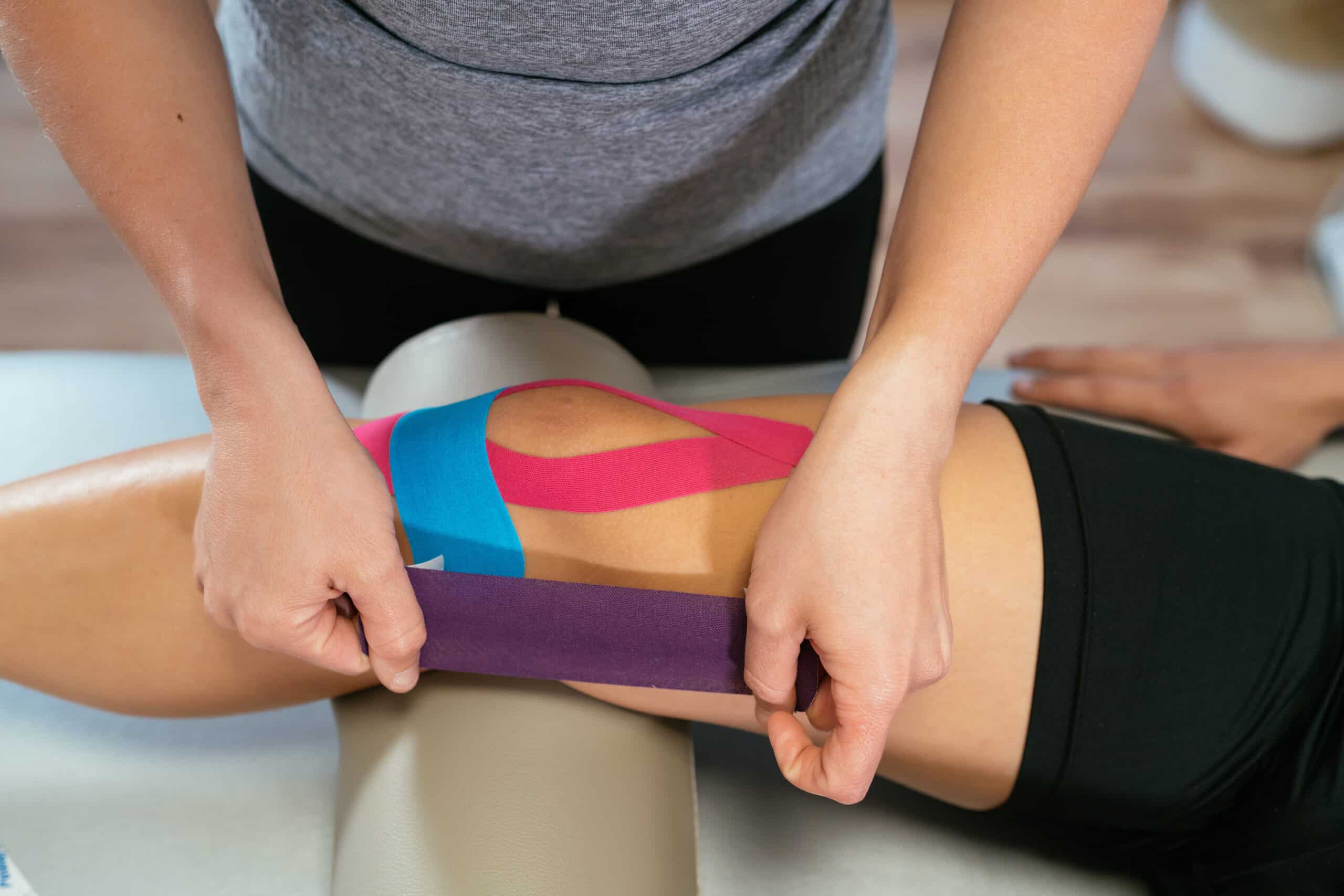
Physiotherapy Guide: Benefits, Treatments & Recovery Tips
Benefits, Recovery & Pain Relief in Canada
Physiotherapy is one of the safest and most effective ways to improve movement, reduce pain, and help people return to the activities they love. Whether you’re recovering from surgery, dealing with back pain, healing after a sports injury, or simply trying to stay active as you age, physiotherapy can play an important role in your journey toward better health.
Think about the last time you twisted your ankle, woke up with a stiff neck, or felt your lower back complain after lifting something “that wasn’t even heavy.” We’ve all been there. Our bodies work incredibly hard every day, and sometimes they need a little expert guidance to recover and perform at their best.
Many people assume physiotherapy is only for professional athletes or people with serious injuries.
That couldn’t be further from the truth.
Today, physiotherapy helps people of all ages—from children learning to move confidently to seniors who want to stay independent. Office workers, construction workers, runners, new parents, and retirees all benefit from personalized treatment plans designed to improve movement and reduce discomfort.
In Canada, musculoskeletal conditions are among the leading causes of pain and disability. According to health organizations, millions of Canadians experience back pain, neck pain, arthritis, or joint-related conditions every year. These problems can affect work, sleep, family life, and even simple daily activities like climbing stairs or carrying groceries.
The good news?
Many of these issues can be managed successfully with early assessment, appropriate exercises, education, and evidence-based physiotherapy.
Throughout this guide, you’ll discover how physiotherapy works, what happens during treatment, the latest scientific findings, common myths, practical recovery tips, and how choosing the right rehabilitation team can make a meaningful difference.
If you’re looking for professional rehabilitation services in Canada, Sync Move Rehab Centre provides personalized care for individuals recovering from injuries, surgery, chronic pain, and mobility challenges. You can learn more about their services by visiting https://syncmove.ca/.
What Is Physiotherapy?
Let’s begin with the simplest question.
What exactly is physiotherapy?
Physiotherapy is a healthcare profession focused on improving movement, restoring physical function, reducing pain, and helping people recover from injuries or medical conditions.
Rather than simply masking symptoms, physiotherapy aims to identify why a problem exists.
Imagine hearing a smoke alarm.
You could remove the batteries to stop the noise.
Or you could find out what’s causing the smoke.
Physiotherapy works much like investigating the source of the smoke instead of ignoring the warning.
A physiotherapist carefully evaluates how your muscles, joints, nerves, and movement patterns work together.
Once the cause of the problem is identified, they create a personalized treatment plan designed specifically for you.
That plan may include:
- Exercise therapy
- Manual therapy
- Education
- Stretching
- Strengthening exercises
- Balance training
- Posture correction
- Pain management techniques
Every treatment plan is different because every person is different.
Physiotherapy Is About More Than Pain Relief
One of the biggest misconceptions is that physiotherapy only helps when something hurts.
Pain relief is certainly important.
But that’s only part of the story.
Physiotherapy also focuses on:
- Preventing future injuries
- Improving flexibility
- Increasing strength
- Enhancing balance
- Restoring confidence in movement
- Improving athletic performance
- Supporting healthy aging
- Helping people stay active
Many patients continue exercises long after their pain has improved because they enjoy feeling stronger and moving more comfortably.
How Does Physiotherapy Work?
Our bodies are remarkable.
Bones provide structure.
Muscles generate movement.
Ligaments stabilize joints.
Tendons connect muscles to bones.
Nerves coordinate everything like an incredibly fast communication network.
When one part isn’t functioning well, the rest of the body often compensates.
Imagine a shopping cart with one crooked wheel.
You can still push it.
But it doesn’t move smoothly.
Your body behaves similarly.
If one joint becomes stiff or one muscle becomes weak, other areas may work harder to compensate.
Over time, that compensation may contribute to additional discomfort.
Physiotherapy helps restore balance so your body can move more efficiently again.
Why More Canadians Are Choosing Physiotherapy
Healthcare has changed significantly over the past decade.
People are becoming more interested in treatments that improve long-term health rather than simply providing temporary symptom relief.
Physiotherapy fits perfectly into that approach.
Instead of encouraging rest for weeks, modern rehabilitation often promotes safe movement as part of the recovery process.
Research continues to show that appropriate physical activity, when guided by qualified professionals, can support recovery for many common musculoskeletal conditions.
Canadians are also becoming more proactive about their health.
Rather than waiting until pain becomes severe, many people now seek professional advice early.
This proactive approach often leads to better outcomes and a faster return to normal activities.
Physiotherapy Is for Everyone
Some people think physiotherapy clinics are filled only with athletes wearing knee braces.
In reality, the waiting room is usually much more diverse.
You might see:
- A teenager recovering from a soccer injury.
- An office worker with neck pain from long hours at a computer.
- A grandparent preparing for knee replacement surgery.
- A new mother recovering after pregnancy.
- A runner training for a marathon.
- Someone healing after a car accident.
- A retiree wanting better balance to reduce the risk of falls.
Different people.
Different goals.
One common purpose:
To move better and feel better.
The Benefits of Physiotherapy Go Beyond Recovery
Many people first visit a physiotherapy clinic because they are in pain.
But they often discover benefits they didn’t expect.
For example, physiotherapy may help improve:
- Confidence in movement
- Energy levels
- Sleep quality
- Balance and coordination
- Flexibility
- Muscle strength
- Everyday comfort
- Overall quality of life
One patient might finally enjoy gardening again without back pain.
Another might return to weekend hockey.
Someone else may simply appreciate being able to play with grandchildren without discomfort.
These moments matter.
Recovery isn’t only about healing tissues.
It’s about getting your life back.
A Small Change Can Make a Big Difference
Imagine carrying a backpack with one strap.
At first, it feels manageable.
After an hour, your shoulder starts to ache.
Now switch to wearing both straps.
Suddenly, the weight feels much lighter—even though nothing inside the backpack has changed.
Our bodies often work the same way.
Small improvements in posture, strength, flexibility, or movement patterns can significantly reduce unnecessary strain on muscles and joints.
Sometimes, tiny adjustments create surprisingly big results.
Why Physiotherapy Matters More Than Ever
A few decades ago, people often accepted pain as a normal part of life.
“My back hurts because I’m getting older.”
“My knees ache because I’ve worked hard all my life.”
“My shoulder will probably get better on its own.”
Sound familiar?
Today, we know much more about how the human body works. While aging is natural, living with constant pain doesn’t have to be. Modern physiotherapy focuses on helping people move better, recover safely, and continue doing the things they enjoy.
Think of your body like a car.
If the “check engine” light comes on, you probably wouldn’t cover it with a sticker and hope for the best. You’d want someone to find the cause before a small problem becomes a much bigger—and more expensive—one.
Pain works in a similar way.
It is often your body’s way of asking for attention.
Ignoring it may allow the underlying problem to become more difficult to treat.
Modern Life Is Tough on the Human Body
Let’s be honest.
Most of us don’t spend our days chasing mammoths across open fields anymore.
Instead, we spend hours sitting at desks, looking at computer screens, driving, scrolling through our phones, and carrying grocery bags that somehow become heavier every week.
Our daily habits have changed dramatically.
Unfortunately, our bodies haven’t changed nearly as quickly.
Long periods of sitting, repetitive movements, poor posture, and limited physical activity can all contribute to muscle weakness, joint stiffness, and reduced mobility.
According to the Canadian Centre for Occupational Health and Safety (CCOHS), musculoskeletal disorders remain one of the leading causes of workplace injuries and lost productivity in Canada. Conditions affecting muscles, joints, tendons, and ligaments account for a significant proportion of work-related health concerns.
This is one reason physiotherapy has become increasingly important—not only for recovery but also for prevention.
Prevention Is Better Than Rehabilitation
Here’s a simple question.
Would you rather repair a leaking roof or replace the entire ceiling after months of water damage?
Most people would choose the first option.
The same idea applies to your body.
Addressing small movement problems early can often help prevent more serious issues later.
Many physiotherapists don’t just treat injuries—they help people reduce the risk of future injuries through education, exercise, and movement training.
Sometimes, a few simple changes in posture or daily habits can make a remarkable difference.
Common Conditions Treated by Physiotherapists
One of the biggest surprises for new patients is discovering how many different conditions physiotherapists treat.
It’s far more than sports injuries.
Let’s explore some of the most common reasons Canadians visit a physiotherapy clinic.
Lower Back Pain
If back pain had its own fan club, it would probably be one of the largest in Canada.
Lower back pain affects people of all ages.
Some experience discomfort after lifting heavy objects.
Others notice pain after long hours at a desk.
Sometimes the cause is obvious.
Other times, it develops gradually.
Research published in respected medical journals consistently identifies lower back pain as one of the leading causes of disability worldwide.
The encouraging news is that many cases improve with appropriate education, guided exercise, and gradual return to normal activities.
Physiotherapy often focuses on:
- Improving core strength
- Increasing flexibility
- Correcting movement patterns
- Teaching safe lifting techniques
- Reducing stiffness
- Building long-term resilience
Recovery is not always about resting more.
In many cases, it’s about learning to move better.
Neck Pain
Take a quick look around your office, coffee shop, or even your living room.
How many people are looking down at a phone?
Quite a few.
This modern habit has even inspired the informal expression “tech neck.”
Although the term isn’t a medical diagnosis, it reflects a real issue.
Long periods of looking down or sitting with poor posture may contribute to neck discomfort, headaches, and shoulder tension.
Physiotherapy can help by addressing:
- Posture
- Muscle balance
- Joint mobility
- Strength
- Ergonomic habits
Small adjustments at your workstation, combined with appropriate exercises, can often make everyday activities much more comfortable.
Sports Injuries
Canada loves sports.
Whether it’s hockey, soccer, skiing, cycling, pickleball, or weekend running, staying active is part of many people’s lives.
Unfortunately, injuries sometimes come with the territory.
Common sports injuries include:
- Sprained ankles
- Knee injuries
- Shoulder strains
- Tennis elbow
- Hamstring injuries
- Achilles tendon problems
The goal of physiotherapy isn’t simply helping athletes return to play quickly.
It’s helping them return safely while reducing the risk of re-injury.
After all, nobody wants to celebrate returning to the ice only to end up back in the clinic two weeks later.
Arthritis
Many people believe arthritis means giving up the activities they enjoy.
Fortunately, that’s not necessarily true.
While arthritis cannot always be reversed, many individuals successfully manage symptoms with appropriate exercise, education, and movement strategies.
Physiotherapy may help people with arthritis by improving:
- Joint mobility
- Muscle strength
- Balance
- Walking ability
- Confidence during everyday activities
Staying active often becomes part of the solution rather than part of the problem.
Recovery After Surgery
Surgery is often only one chapter of the recovery story.
The next chapter is rehabilitation.
Whether someone has undergone:
- Knee replacement
- Hip replacement
- Shoulder surgery
- Ligament reconstruction
- Spinal procedures
Physiotherapy frequently plays an important role in restoring movement, rebuilding strength, and helping patients return to daily life.
Recovery doesn’t happen overnight.
But with consistent effort and professional guidance, progress usually comes one step at a time.
Balance Problems and Falls
Falls are a major health concern, especially among older adults.
However, losing balance is not simply “part of getting older.”
Balance depends on several systems working together, including:
- Vision
- Inner ear function
- Muscle strength
- Joint mobility
- Nervous system coordination
Physiotherapists can assess these factors and develop individualized programs that improve stability and confidence.
For many people, preventing one fall can prevent months of recovery.
Physiotherapy and Pain Management Without Relying Only on Medication
Pain medications can certainly have an important place in healthcare.
However, they are not always the complete answer.
Many people prefer approaches that also improve function rather than simply reducing symptoms.
Physiotherapy aims to do exactly that.
Instead of asking only, “How can we reduce pain today?”
It also asks:
- Why is the pain happening?
- Which movements contribute to it?
- Which muscles need strengthening?
- Which habits should change?
- How can we reduce the chance of the pain returning?
This broader approach often helps people feel more confident managing their health over the long term.
Education Is a Powerful Part of Treatment
One of the most valuable parts of physiotherapy isn’t a machine or a special exercise.
It’s knowledge.
Understanding your condition can reduce fear, improve confidence, and help you participate more actively in your recovery.
Patients often leave appointments with practical advice about:
- Sitting posture
- Sleeping positions
- Safe lifting
- Home exercises
- Walking routines
- Activity modification
These small changes, repeated consistently, can have a meaningful impact over time.
Every Recovery Journey Is Different
Two people can have the same diagnosis but very different recovery plans.
Why?
Because no two bodies are exactly alike.
Age, activity level, medical history, work demands, lifestyle, and personal goals all influence rehabilitation.
Someone training for a marathon has different needs than someone whose goal is simply walking comfortably around the neighbourhood.
Good physiotherapy recognizes those differences.
Treatment is not one-size-fits-all.
It is personalized, practical, and designed around the individual.
Understanding the Different Types of Physiotherapy
When many people hear the word physiotherapy, they picture someone doing stretches with a resistance band or lifting a light weight under the guidance of a therapist.
While exercise is certainly an important part of rehabilitation, physiotherapy is much broader than that.
Depending on your condition, age, goals, and medical history, your treatment plan may include several different techniques that work together to improve movement and reduce pain.
Think of it like building a house.
A hammer is useful, but it isn’t the only tool needed. Carpenters use different tools for different jobs. Physiotherapists follow the same principle—they choose the right treatment for the right person at the right time.
Exercise Therapy
Exercise therapy is one of the foundations of modern physiotherapy.
These are not random workouts copied from social media or generic fitness videos.
Every exercise is selected to match your specific needs.
For example:
- Someone recovering from shoulder surgery needs a very different program than someone dealing with knee arthritis.
- A teenager recovering from an ankle sprain has different goals than an office worker with chronic neck pain.
- A competitive runner requires a different rehabilitation plan than someone who simply wants to walk comfortably around the neighbourhood.
Exercises may focus on improving:
- Strength
- Flexibility
- Balance
- Coordination
- Endurance
- Joint mobility
- Stability
As recovery progresses, the exercises become more challenging, allowing the body to adapt safely over time.
Manual Therapy
Sometimes the best tool isn’t a machine.
It’s experienced hands.
Manual therapy includes hands-on techniques used by physiotherapists to improve joint mobility, reduce muscle tension, and restore normal movement.
Depending on the condition, treatment may involve gentle joint mobilization, soft tissue techniques, or stretching.
Many patients describe manual therapy as helping them feel “less stiff” or “more comfortable moving.”
However, manual therapy is rarely the entire treatment plan.
It is usually combined with education and exercise to create longer-lasting improvements.
Education: The Treatment That Continues at Home
One of the most valuable parts of physiotherapy doesn’t happen on the treatment table.
It happens after you leave the clinic.
A good physiotherapist teaches you how your condition developed, what movements are helpful, what habits should change, and how to continue improving at home.
This knowledge empowers you to take an active role in your recovery.
After all, even the best one-hour appointment cannot replace healthy habits practiced throughout the week.
Balance and Fall Prevention
Maintaining balance becomes increasingly important as we age, but balance training is not just for older adults.
Athletes, people recovering from injuries, and individuals with neurological conditions may also benefit.
Balance exercises help improve communication between your muscles, joints, eyes, and nervous system.
At first, standing on one leg might seem surprisingly difficult.
With consistent practice, many people notice meaningful improvements in confidence and stability.
Sometimes progress isn’t dramatic.
Sometimes it’s simply walking across an icy Canadian sidewalk with a little more confidence during winter.
And that’s a victory worth celebrating.
Physiotherapy for Different Stages of Life
One of the greatest strengths of physiotherapy is its flexibility.
The same profession supports people at completely different stages of life.
Children and Teenagers
Children are constantly growing.
Bones lengthen.
Muscles develop.
Coordination improves.
Occasionally, injuries or developmental conditions affect normal movement.
Physiotherapy can help children recover from injuries, improve coordination, and build movement skills that support healthy development.
Treatment is often designed to be engaging and enjoyable.
After all, asking an eight-year-old to perform twenty boring exercises rarely ends well.
Making rehabilitation fun often leads to better participation.
Working Adults
Adults often face a different challenge.
Long hours at desks.
Heavy lifting.
Repetitive tasks.
Long commutes.
Busy schedules.
Many people don’t realize how much these everyday activities influence posture and movement.
Over time, small strains can accumulate.
A stiff neck becomes recurring headaches.
A mild shoulder ache becomes difficulty reaching overhead.
A little back discomfort gradually turns into daily pain.
Early physiotherapy intervention can often help address these problems before they become more serious.
Older Adults
Growing older does not automatically mean becoming less active.
Many older Canadians enjoy hiking, gardening, golfing, cycling, swimming, and travelling.
Physiotherapy helps support these activities by improving:
- Balance
- Strength
- Walking ability
- Flexibility
- Confidence
Maintaining independence is one of the most important goals for many seniors.
Simple improvements in movement can make everyday tasks easier and safer.
What Happens During Your First Physiotherapy Appointment?
Many people feel slightly nervous before their first visit.
That is perfectly normal.
The good news?
There are no surprise pop quizzes.
Your first appointment is mainly about understanding you.
Your physiotherapist will usually ask questions such as:
- What brings you here today?
- When did the pain begin?
- What activities make it worse?
- What makes it feel better?
- Have you experienced similar problems before?
- What are your goals?
These questions help create a clear picture of your condition.
The Physical Assessment
After discussing your history, your physiotherapist will usually perform a physical assessment.
Depending on your condition, this may include evaluating:
- Posture
- Walking pattern
- Range of motion
- Muscle strength
- Balance
- Joint mobility
- Functional movements
Don’t worry.
The assessment is not a competition.
Nobody expects Olympic-level flexibility.
The goal is simply to understand how your body moves today so that progress can be measured over time.
Creating Your Personalized Treatment Plan
Once the assessment is complete, your physiotherapist will explain the findings in clear language.
A treatment plan may include:
- Hands-on treatment
- Home exercises
- Activity recommendations
- Education
- Future appointments
Most importantly, the plan should reflect your personal goals.
If your goal is returning to hockey, rehabilitation will look different than if your goal is comfortably carrying your grandchild or gardening all summer.
Recovery should fit your life—not someone else’s.
Physiotherapy vs. Massage Therapy: What’s the Difference?
People often confuse these two professions because both involve improving physical comfort.
However, their goals are different.
Massage therapy generally focuses on relaxing muscles, reducing tension, and improving circulation.
Physiotherapy has a broader rehabilitation focus.
It includes assessment, diagnosis within the physiotherapy scope of practice, movement analysis, exercise prescription, education, and long-term recovery planning.
In many situations, massage therapy and physiotherapy can complement one another as part of a comprehensive treatment approach.
Physiotherapy vs. Chiropractic Care
Another common question is whether physiotherapy and chiropractic care are the same.
The answer is no.
Although both professions treat musculoskeletal conditions, their approaches and techniques may differ.
Physiotherapy typically emphasizes:
- Functional movement
- Exercise-based rehabilitation
- Strengthening
- Mobility
- Patient education
- Long-term injury prevention
Many patients benefit from collaborative care when healthcare providers work together to support recovery.
The most appropriate treatment depends on the individual’s condition, preferences, and clinical assessment.
Why Personalized Care Makes Such a Difference
Imagine walking into a shoe store.
Without measuring your feet, someone hands everyone the exact same shoe size.
Some customers would be comfortable.
Many would not.
Healthcare works the same way.
Every person has a different body, lifestyle, medical history, occupation, and recovery goal.
Personalized care recognizes these differences instead of applying identical treatments to everyone.
At Sync Move Rehab Centre, individualized treatment plans are designed around each person’s unique needs and goals. Whether someone is recovering from an injury, managing chronic pain, or working to improve mobility, personalized rehabilitation helps ensure that treatment is both practical and meaningful.
You can learn more about the clinic and its rehabilitation services by visiting https://syncmove.ca/.
Physiotherapy After Surgery: Why Recovery Doesn’t End in the Operating Room
Many people believe that surgery is the finish line.
In reality, it is often the starting point of recovery.
Whether you’ve had a knee replacement, shoulder repair, hip replacement, or spinal procedure, surgery usually addresses the structural problem. Physiotherapy then helps you regain strength, flexibility, confidence, and normal movement.
Think of it this way.
Buying a new piano doesn’t automatically make someone a musician.
Likewise, successful surgery doesn’t automatically restore movement. Rehabilitation helps your body learn to move efficiently again.
Every Recovery Timeline Is Different
One of the most common questions patients ask is:
“How long will recovery take?”
The honest answer is:
It depends.
Recovery is influenced by many factors, including:
- Your age
- Overall health
- Type of surgery
- Physical condition before surgery
- Commitment to home exercises
- Lifestyle and daily activities
Progress is rarely a perfectly straight line.
Some weeks bring big improvements.
Other weeks feel slower.
That is completely normal.
Good rehabilitation focuses on steady, sustainable progress rather than rushing the process.
Small Milestones Deserve Celebration
Recovery isn’t only about returning to sports or work.
Sometimes the biggest victories are surprisingly simple.
For example:
- Walking upstairs without holding the railing.
- Sleeping through the night without shoulder pain.
- Playing with grandchildren comfortably.
- Driving without neck stiffness.
- Carrying groceries without back pain.
These moments remind patients that rehabilitation is improving everyday life—not just physical measurements.
Recovering After a Motor Vehicle Accident
Car accidents happen unexpectedly.
Even low-speed collisions can place significant stress on muscles, joints, and ligaments.
Some people feel pain immediately.
Others notice stiffness several days later.
Common symptoms include:
- Neck pain
- Whiplash-associated symptoms
- Shoulder discomfort
- Lower back pain
- Headaches
- Reduced range of motion
Early assessment is important because symptoms sometimes develop gradually.
Physiotherapy may help improve movement, reduce stiffness, and support a safe return to work, driving, sports, and daily activities.
Recent research also suggests that combining exercise with education and personalized rehabilitation programs can improve outcomes for many people recovering from chronic neck pain and whiplash-related conditions. (Springer)
Sports Injuries: Helping You Return to the Activities You Love
Canadians love staying active.
Whether it’s hockey, skiing, cycling, tennis, pickleball, hiking, or simply jogging through the neighbourhood, physical activity is part of many people’s lives.
Unfortunately, injuries sometimes interrupt those activities.
One awkward landing.
One slippery sidewalk.
One enthusiastic weekend basketball game.
Suddenly, you’re wondering how something so small caused so much discomfort.
Fortunately, many sports-related injuries respond well to structured rehabilitation.
Returning Too Soon Can Increase Risk
It’s tempting to return to activity as soon as pain begins to improve.
However, pain isn’t always the best indicator of recovery.
Muscles, tendons, and ligaments often continue healing after discomfort has decreased.
Returning too quickly may increase the chance of another injury.
A physiotherapist can help determine when your body is ready to safely progress toward normal activity.
The goal isn’t simply returning faster.
It’s returning stronger.
Technology Is Changing Physiotherapy
Healthcare has changed dramatically over the last decade.
Physiotherapy is evolving too.
Technology isn’t replacing physiotherapists.
Instead, it is providing new tools that support assessment, exercise guidance, and patient education.
Some clinics now incorporate:
- Digital exercise programs
- Video consultations
- Movement analysis
- Mobile rehabilitation apps
- Wearable technology
- Virtual reality training in selected rehabilitation programs
These innovations can make rehabilitation more engaging while helping patients remain consistent with their exercise programs.
Virtual Rehabilitation Is Growing
Tele-rehabilitation became much more common in recent years.
For appropriate conditions, virtual appointments may allow patients to:
- Receive professional guidance from home.
- Review exercises.
- Discuss progress.
- Modify rehabilitation programs.
- Ask questions between in-person visits.
Research continues to explore how digital rehabilitation can complement traditional physiotherapy, particularly when combined with supervised exercise programs. (JMIR Human Factors)
What Recent Research Is Teaching Us
Physiotherapy continues to evolve as new research becomes available.
Recent studies have reinforced several important ideas.
First, exercise remains one of the most effective treatments for many common musculoskeletal conditions, including chronic low back pain. Structured exercise programs continue to demonstrate improvements in pain, physical function, and quality of life across different age groups. (ScienceDirect)
Second, rehabilitation is becoming increasingly personalized.
Rather than giving every patient the same exercises, clinicians are placing greater emphasis on individual goals, motivation, lifestyle, and movement patterns.
Researchers are also studying how education, stress management, and psychological support can complement physical rehabilitation for people living with persistent pain. (PubMed)
Finally, technology—including virtual reality, mobile health applications, and digital exercise monitoring—is showing promising results as an addition to traditional rehabilitation, although it is generally intended to support rather than replace face-to-face care. (Springer)
Why Consistency Matters More Than Perfection
Many people worry if they miss one exercise session.
Life happens.
Work gets busy.
Kids get sick.
Canadian winters occasionally convince all of us that staying under a warm blanket is an excellent life decision.
The important thing is not perfection.
It’s consistency.
Completing your rehabilitation program regularly over weeks and months is generally much more valuable than exercising intensely for two days and then stopping altogether.
Small efforts repeated consistently often produce remarkable long-term results.
Choosing a Physiotherapy Clinic
Selecting a physiotherapy clinic is an important decision.
Beyond professional qualifications, consider whether the clinic offers:
- Individualized treatment plans.
- Clear communication.
- Evidence-based care.
- Practical home exercise guidance.
- A welcoming environment.
- Ongoing progress evaluations.
Recovery works best when patients feel comfortable asking questions and actively participating in their treatment.
At Sync Move Rehab Centre, rehabilitation focuses on understanding each patient’s unique goals rather than offering identical treatment plans for everyone. Whether you’re recovering from surgery, managing chronic pain, returning to sports, or improving everyday mobility, a personalized approach can make rehabilitation both more effective and more meaningful.
You can explore the clinic’s services, learn more about the team, or schedule an appointment by visiting https://syncmove.ca/.
Physiotherapy for Back Pain: One of the Most Common Reasons People Seek Help
If back pain had a social media account, it would probably have millions of followers.
Unfortunately, not by choice.
Lower back pain is one of the most common health concerns worldwide, and Canada is no exception. People of all ages experience it—from university students carrying heavy backpacks to office workers spending long hours at a computer, and from parents lifting toddlers to retirees tending their gardens.
The encouraging news is that most episodes of back pain improve over time, especially when people stay active, receive appropriate guidance, and follow an individualized rehabilitation program.
Not Every Back Pain Is the Same
One person’s back pain may begin after lifting a heavy box.
Another person’s discomfort may develop gradually after months of sitting with poor posture.
Someone else may feel pain after a weekend of enthusiastic gardening that lasted a little longer than planned.
Although the symptom is called “back pain” in each case, the underlying causes may be very different.
That is why assessment is so important.
Rather than assuming every patient needs the same exercises, physiotherapists evaluate movement patterns, muscle strength, flexibility, posture, daily activities, and personal goals before developing a treatment plan.
Movement Is Often Part of the Solution
Years ago, prolonged bed rest was commonly recommended for back pain.
Today, scientific evidence tells a different story.
For many common types of lower back pain, appropriate movement and carefully selected exercises often support recovery better than extended inactivity.
This doesn’t mean pushing through severe pain or ignoring medical advice.
It means finding the right balance between rest and gradual, safe movement.
Think of your body like a bicycle.
If it sits in the garage for months without moving, it usually doesn’t perform at its best.
Our muscles and joints often respond in a similar way.
Neck Pain in the Digital Age
Take a quick look around any coffee shop, airport, or public transit station.
Chances are, many people are looking down at a phone, tablet, or laptop.
Technology has made life more convenient.
It has also introduced new physical challenges.
Long periods of sitting and repeated forward-head posture may contribute to neck discomfort, shoulder tension, and headaches for some individuals.
Fortunately, small adjustments can make a meaningful difference.
Better Habits Can Reduce Everyday Strain
Improving posture does not require sitting perfectly still all day.
In fact, no single posture is ideal if you hold it for hours.
Instead, physiotherapists often encourage people to:
- Change positions regularly.
- Take short movement breaks.
- Adjust monitor height.
- Keep frequently used items within easy reach.
- Stretch throughout the day.
- Stay physically active outside working hours.
Your best posture is often your next posture.
Regular movement matters more than trying to sit perfectly every minute of the day.
Living Well with Arthritis
Hearing the word “arthritis” can feel discouraging.
Some people immediately imagine giving up favourite hobbies or becoming less independent.
Fortunately, that isn’t necessarily the reality.
Many Canadians with arthritis continue enjoying active, fulfilling lives.
The key is learning how to manage the condition effectively.
Physiotherapy often helps people with arthritis by improving:
- Joint flexibility
- Muscle strength
- Walking ability
- Balance
- Confidence during movement
Exercise may sound surprising to someone with sore joints.
However, appropriate movement often helps joints function more comfortably than complete inactivity.
The goal is not to push through pain.
The goal is to move wisely.
The Mind and Body Work Together
Recovery is not only physical.
It is also emotional.
Living with pain can affect:
- Sleep
- Mood
- Energy
- Confidence
- Motivation
- Social activities
At the same time, stress, poor sleep, and anxiety can influence how people experience pain.
Modern physiotherapy increasingly recognizes this connection.
A comprehensive rehabilitation plan often includes education, realistic goal setting, gradual progress, and encouragement alongside physical treatment.
Healing is rarely just about muscles and joints.
It is about the whole person.
Sleep Is One of Your Best Recovery Tools
Imagine trying to renovate a house while the construction crew only works one hour each night.
The project would take much longer.
Your body works in a similar way.
Sleep is when many important recovery processes take place.
Poor sleep may reduce energy, affect concentration, and make pain feel more intense for some individuals.
Good sleep habits support overall health and complement physiotherapy.
Simple habits such as maintaining a regular bedtime, limiting screen use before sleep, and creating a comfortable sleeping environment may contribute to better rest.
Nutrition and Recovery
Food cannot replace physiotherapy.
Physiotherapy cannot replace healthy nutrition.
The two work together.
A balanced diet provides the nutrients your body needs to support healing, maintain muscle mass, and stay active.
Drinking enough water is equally important.
Even mild dehydration may contribute to fatigue and reduced physical performance.
Think of rehabilitation like building a brick wall.
Exercises are the bricks.
Good nutrition is the mortar holding everything together.
Both are necessary.
Common Myths About Physiotherapy
Despite growing awareness, several myths continue to circulate.
Let’s separate fact from fiction.
Myth 1: Physiotherapy Is Only for Athletes
Not true.
Athletes certainly benefit from physiotherapy.
So do teachers, office workers, nurses, construction workers, retirees, students, parents, and children.
Anyone experiencing movement limitations or recovering from injury may benefit from professional assessment.
Myth 2: Pain Always Means You Should Stop Moving
Not necessarily.
Some movements may need to be modified.
Others may actually support recovery.
The important point is receiving guidance about which activities are appropriate for your specific condition.
Myth 3: One Appointment Will Fix Everything
We all wish recovery worked that way.
Unfortunately, the body rarely heals overnight.
Meaningful rehabilitation usually requires time, consistency, and active participation.
Your physiotherapist becomes your guide.
You remain the most important member of the rehabilitation team.
Myth 4: Physiotherapy Is Only About Exercise
Exercise is essential.
But modern physiotherapy also includes education, manual therapy, movement analysis, functional training, pain management strategies, and injury prevention.
It is a comprehensive approach rather than a single treatment technique.
Real-Life Example: Emma’s Story
Emma is a fictional example inspired by situations commonly seen in rehabilitation clinics.
Emma is a 42-year-old accountant from Ontario.
She spends long hours at a computer and recently noticed increasing neck pain and frequent headaches.
At first, she blamed stress.
Then she bought a new chair.
Then a standing desk.
Nothing seemed to solve the problem completely.
During her physiotherapy assessment, several contributing factors became clear:
- Limited neck mobility.
- Tight chest muscles.
- Weak upper back muscles.
- Long periods without movement during work.
Instead of relying on one treatment, her rehabilitation program combined:
- Manual therapy.
- Strengthening exercises.
- Stretching.
- Ergonomic advice.
- Regular movement breaks.
Over several weeks, Emma gradually noticed fewer headaches, improved posture, and greater comfort during her workday.
Her success did not come from one “magic” exercise.
It came from consistent small improvements.
Prevention Is Better Than Recovery
One of the greatest benefits of physiotherapy is that it doesn’t only help after an injury.
It can also reduce the likelihood of future problems.
Learning how to:
- Lift correctly.
- Improve posture.
- Strengthen key muscle groups.
- Increase flexibility.
- Warm up before exercise.
- Stay active consistently.
These habits may reduce injury risk while improving overall quality of life.
After all, the best injury is often the one that never happens.
Supporting Your Recovery with the Right Team
Every rehabilitation journey is unique.
Some people recover within a few weeks.
Others require several months of gradual progress.
What matters most is having professional guidance, realistic expectations, and a treatment plan tailored to your individual needs.
At Sync Move Rehab Centre, patients receive personalized rehabilitation programs designed to help them move with greater confidence, reduce pain, and return to the activities that matter most. By combining evidence-based physiotherapy with patient education and individualized care, the clinic supports long-term recovery rather than focusing only on short-term symptom relief.
To learn more about available rehabilitation services or to book an appointment, visit https://syncmove.ca/.
The Future of Physiotherapy: Smarter Care, Better Outcomes
Physiotherapy has always been built on movement, education, and hands-on care. While those core principles remain the same, new technologies are making rehabilitation more personalized, more engaging, and easier to access than ever before.
The goal isn’t to replace physiotherapists with machines.
The goal is to give both patients and clinicians better tools.
Imagine using a GPS during a road trip.
The GPS doesn’t drive the car.
It simply helps you choose the best route.
Modern rehabilitation technology works in much the same way—it provides additional information that helps guide recovery.
Artificial Intelligence Is Becoming a Helpful Assistant
Artificial intelligence (AI) is becoming part of many healthcare fields, including physiotherapy.
No, robots aren’t taking over treatment rooms.
Instead, AI is being used behind the scenes to support clinical decision-making, monitor exercise progress, and improve personalized care.
Some rehabilitation platforms can now:
- Track how consistently patients complete home exercises.
- Analyze movement patterns through smartphone cameras.
- Provide reminders for exercise programs.
- Generate progress reports.
- Help therapists adjust rehabilitation plans based on patient feedback.
AI does not replace the expertise of a qualified physiotherapist. Rather, it helps make rehabilitation more efficient and data-informed.
Wearable Technology Is Encouraging Healthy Movement
Many Canadians already wear smartwatches or fitness trackers.
These devices are doing much more than counting steps.
Some wearables can monitor:
- Daily activity levels.
- Heart rate.
- Sleep quality.
- Walking distance.
- Exercise frequency.
For people recovering from injuries, this information can help both patients and physiotherapists understand progress over time.
Imagine completing a rehabilitation program and seeing your walking distance increase week after week.
Sometimes, the numbers provide motivation that mirrors how much better you’re beginning to feel.
Virtual Reality in Rehabilitation
Virtual Reality (VR) is no longer just for gaming.
Researchers continue to explore how immersive environments can support rehabilitation by making exercises more interactive and enjoyable.
For example, instead of repeatedly reaching toward a wall during shoulder rehabilitation, a patient might use VR to “catch” virtual objects or complete engaging movement-based challenges.
This approach can increase motivation, particularly for individuals who find repetitive exercises less enjoyable.
While VR is not yet part of every physiotherapy clinic, it represents an exciting area of ongoing research and development.
Building Healthy Habits That Last a Lifetime
One of the greatest successes in physiotherapy is not simply helping someone recover.
It is helping them stay healthy long after treatment ends.
Good movement habits often continue providing benefits for years.
These habits may include:
- Walking regularly.
- Stretching after long periods of sitting.
- Strength training two or three times each week.
- Maintaining good posture.
- Taking movement breaks during work.
- Staying physically active throughout life.
Health is rarely built in one dramatic moment.
It grows from small, consistent choices repeated day after day.
Frequently Asked Questions About Physiotherapy
Is physiotherapy painful?
Most treatments should not cause severe pain.
Some exercises may create mild discomfort, especially during recovery, but your physiotherapist will work within safe and appropriate limits while adjusting treatment to your comfort level.
Do I
need a doctor’s referral?
In many parts of Canada, you can book an appointment directly with a physiotherapist without first seeing a physician.
However, insurance providers may have different requirements, so it’s always worth checking your individual coverage.
How many sessions will I need?
There is no single answer.
Some people recover after only a few visits.
Others with more complex injuries or post-surgical rehabilitation may require a longer treatment plan.
Your physiotherapist will discuss realistic expectations after completing an assessment.
Should I continue exercising if I feel some discomfort?
Not all discomfort means something is wrong.
However, it’s important to distinguish between expected rehabilitation discomfort and symptoms that require further evaluation.
Always follow the guidance provided by your physiotherapist.
Can physiotherapy help prevent future injuries?
Yes.
One of the major goals of physiotherapy is reducing the likelihood of future injuries by improving strength, flexibility, movement quality, balance, and body awareness.
Is physiotherapy only for older adults?
Not at all.
Children, teenagers, adults, athletes, office workers, and seniors all benefit from physiotherapy for different reasons.
Can physiotherapy improve posture?
Yes.
Rather than forcing a perfectly upright position all day, physiotherapists help patients improve movement habits, strengthen supporting muscles, and reduce unnecessary strain on the body.
What should I wear to my appointment?
Comfortable clothing that allows easy movement is usually the best choice.
Depending on the area being assessed, your physiotherapist may ask you to wear shorts, athletic clothing, or loose-fitting garments.
Is home exercise really that important?
Absolutely.
Clinic visits are important, but recovery continues between appointments.
Consistently completing your home exercises is often one of the biggest factors influencing long-term success.
Can physiotherapy help if I’ve had pain for years?
Many people with long-standing pain still benefit from physiotherapy.
Treatment focuses not only on reducing pain but also on improving function, confidence, and quality of life.
The exact approach depends on your individual assessment.
Why Choosing the Right Rehabilitation Partner Matters
The relationship between a patient and a physiotherapist is built on trust, communication, and collaboration.
A good rehabilitation clinic does more than provide exercises.
It listens.
It educates.
It answers questions.
It celebrates progress—whether that progress is returning to competitive sports or simply walking comfortably through the local park.
When patients understand their condition and actively participate in their recovery, they often feel more confident and more motivated throughout the rehabilitation process.
For this reason, choosing a clinic that values personalized care, evidence-based treatment, and patient education can make a meaningful difference in the overall experience.
At Sync Move Rehab Centre, the focus is on creating individualized rehabilitation plans that reflect each person’s goals, lifestyle, and health needs. Whether you’re recovering from surgery, managing chronic pain, returning to work after an injury, or striving to improve your overall mobility, the team is committed to helping you move forward with confidence.
To explore available services, learn more about the clinic, or schedule an appointment, visit https://syncmove.ca/.
Conclusion
Movement is one of life’s greatest gifts.
It allows us to work, travel, play with our children, enjoy our hobbies, and remain independent as we grow older.
When pain, injury, or physical limitations interfere with those activities, physiotherapy offers a practical, evidence-based path toward recovery.
Throughout this guide, we’ve explored how physiotherapy supports people of all ages—from athletes recovering after competition to office workers managing neck pain, from seniors improving balance to individuals rebuilding strength after surgery. Modern physiotherapy combines scientific research, personalized exercise programs, patient education, and hands-on care to help people move more comfortably and confidently.
Recovery is rarely about finding one perfect treatment.
Instead, it is usually the result of many small, consistent steps taken over time.
Choosing experienced professionals who understand your goals can make that journey more effective and less overwhelming.
If you’re looking for personalized, evidence-based rehabilitation services in Canada, Sync Move Rehab Centre offers comprehensive physiotherapy and rehabilitation programs designed to help you reduce pain, restore movement, and return to the activities you enjoy. Learn more or book an appointment by visiting https://syncmove.ca/.
The journey toward better movement starts with a single step—and that step can begin today.
References
The following authoritative resources were used to support the information presented in this article.
- World Health Organization (WHO) – Rehabilitation
https://www.who.int/health-topics/rehabilitation - Canadian Physiotherapy Association
https://physiotherapy.ca/ - Health Canada
https://www.canada.ca/en/health-canada.html - Canadian Centre for Occupational Health and Safety (CCOHS)
https://www.ccohs.ca/ - Arthritis Society Canada
https://arthritis.ca/ - Mayo Clinic – Physical Therapy
https://www.mayoclinic.org/ - Cleveland Clinic – Physical Therapy Guide
https://my.clevelandclinic.org/ - National Institutes of Health (NIH) – National Library of Medicine (PubMed)
https://pubmed.ncbi.nlm.nih.gov/ - Cochrane Library
https://www.cochranelibrary.com/ - American Physical Therapy Association (APTA)
https://www.apta.org/ - National Institute for Health and Care Excellence (NICE)
https://www.nice.org.uk/ - BMJ Open – Musculoskeletal Rehabilitation Research
https://bmjopen.bmj.com/