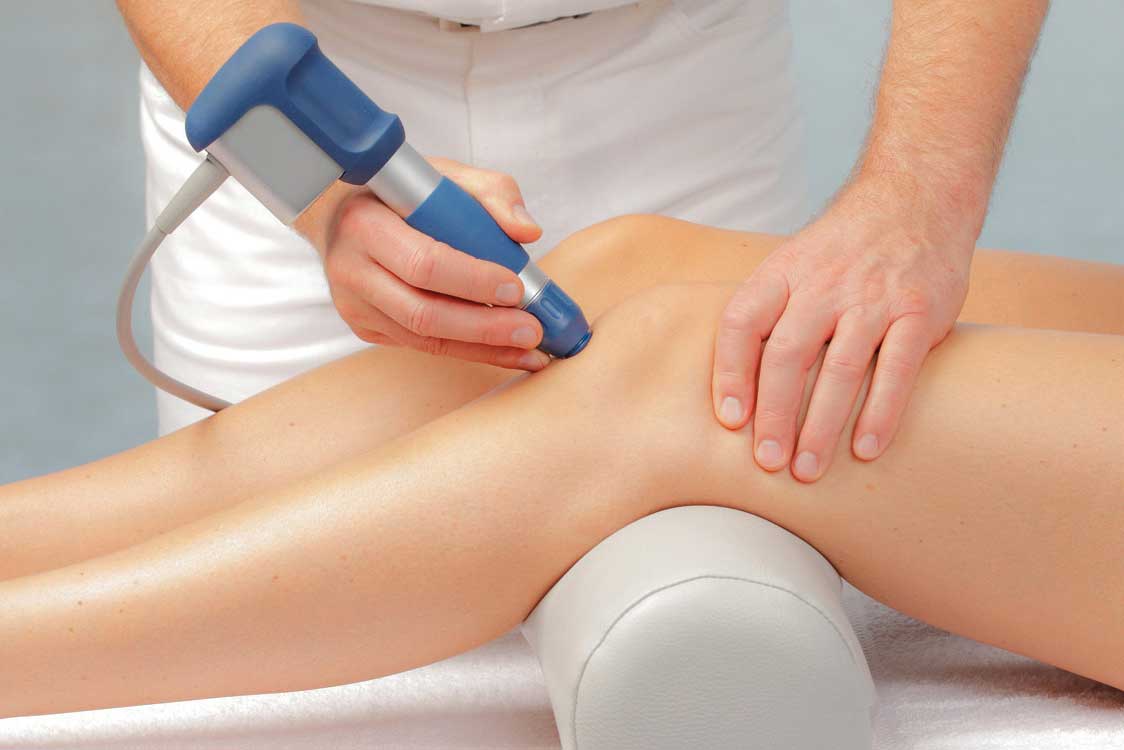
What does shockwave therapy do

Shockwave Therapy Side Effects: Risks, Safety & What to Know

What Are the Negative Side Effects of Shockwave Therapy?

When it comes to trying a new treatment like shockwave therapy, it’s completely normal to ask:

“What could go wrong?”

That’s not being negative—it’s being smart.

The good news is:
Shockwave therapy is considered a safe, non-invasive treatment with very few side effects.

But let’s not sugarcoat anything—this guide will walk you through the real, honest details.

Quick Answer (For Busy Readers)

Most people experience only mild and temporary side effects such as:

  • Slight pain during treatment
  • Redness or swelling
  • Minor bruising

Serious complications?
Extremely rare.

Why Side Effects Happen in the First Place

Shockwave therapy works by:

  • Stimulating blood flow
  • Activating healing responses
  • Breaking down damaged tissue

So naturally, your body reacts.

Think of it like:

Starting a workout after a long break—your muscles complain a bit, but they’re getting stronger.

Common Side Effects (And Why They’re Not a Big Deal)

1. Temporary Pain or Discomfort

During or after treatment, you may feel:

  • Aching
  • Tenderness
  • Mild soreness

This usually fades within 1–2 days.

2. Redness & Swelling

The treated area may look:

  • Slightly red
  • A bit swollen

This happens because of increased blood flow—a good sign of healing.

3. Minor Bruising

In some cases:

  • Small bruises may appear
  • Especially in sensitive areas like heels or elbows

They typically disappear within a few days.

Less Common Side Effects

These are rare, but worth mentioning:

  • Tingling sensation
  • Temporary numbness
  • Skin sensitivity

Again, these effects are short-lived.

Serious Risks: Should You Be Worried?

Short answer: Not really.

When performed by trained professionals (like at
https://syncmove.ca/ ),
shockwave therapy is very safe.

There are no major long-term side effects reported in most clinical studies.

Who Should Avoid Shockwave Therapy?

Even safe treatments aren’t for everyone.

You should consult a professional if you:

  • Are pregnant
  • Have blood clotting disorders
  • Have nerve disorders
  • Have cancer in the treatment area
  • Use strong blood thinners

What Science Says (Latest Research)

Recent studies show:

  • Over 70–80% success rate in pain reduction
  • Very low complication rates
  • High patient satisfaction

Research from sources like:

confirms that side effects are generally mild and temporary.

Shockwave Therapy vs Other Treatments (Safety Comparison)

Treatment Risk Level Side Effects
Surgery High Infection, long recovery
Steroid injections Medium Tissue damage (long-term)
Shockwave Therapy Low Mild, temporary

Real-Life Scenario

Let’s say:

You’ve had shoulder pain for months. You try shockwave therapy.

After your first session:

  • Your shoulder feels sore
  • Maybe slightly swollen

You think: “Uh oh…”

But by the next day:

  • Pain is reduced
  • Movement improves

That’s a typical experience.

How to Minimize Side Effects

Here are some simple tips:

  • Follow your therapist’s advice
  • Avoid intense activity right after treatment
  • Stay hydrated
  • Use ice if recommended

Clinics like
https://syncmove.ca/
provide personalized care to reduce any risks.

A Little Humor Break

Think of shockwave therapy side effects like this:

It’s your body saying, “Hey, I’m working on it—give me a minute!”

Long-Term Safety

One of the biggest advantages:

  • No dependency (unlike medication)
  • No surgical risks
  • No long recovery

That’s why it’s becoming more popular across Canada.

Shockwave therapy is one of those treatments where the benefits clearly outweigh the risks.

Yes, there are minor side effects—but they’re usually short-lived and manageable. Compared to surgery or long-term medication, it’s a much safer and more natural option.

If you’re considering this treatment in Canada, clinics like
https://syncmove.ca/
offer professional guidance, modern equipment, and personalized care to ensure the safest experience possible.

At the end of the day, understanding the risks helps you make better decisions—and in this case, the risks are reassuringly low.

References

  1. https://www.mayoclinic.org/tests-procedures/shockwave-therapy
  2. https://www.healthline.com/health/shockwave-therapy
  3. https://www.ncbi.nlm.nih.gov/pmc/articles/PMC6029898/
  4. https://www.webmd.com/pain-management/shockwave-therapy
  5. https://pubmed.ncbi.nlm.nih.gov
  6. https://www.physio-pedia.com/Shockwave_Therapy
  7. https://www.cochranelibrary.com
  8. https://www.arthritis.ca
  9. https://www.sportsmed.org
  10. https://www.ncbi.nlm.nih.gov/books
What does shockwave therapy do

Is Shockwave Therapy Painful? Truth, Comfort & What to Expect

Shockwave Therapy Painful? (What It Really Feels Like)

If you’re considering shockwave therapy, one question probably comes to mind before anything else:

“Is it going to hurt?”

Let’s be real—no one signs up for extra pain on purpose. Especially if you’re already dealing with chronic discomfort.

So here’s the honest answer:

Shockwave therapy can feel uncomfortable—but for most people, it’s very manageable.

And in many cases, it’s far less painful than the condition you’re trying to treat.

What Does Shockwave Therapy Feel Like?

Imagine this:

  • A tapping or pulsing sensation
  • Repeated pressure on a sore spot
  • Slight stinging in sensitive areas

Some patients describe it as:

“Like a mini jackhammer… but tiny and controlled.”

Sounds scary? Maybe a little. But in reality, it’s quick and tolerable.

Pain Level: What Most Patients Say

Based on patient feedback across Canada:

  • Mild discomfort: ~50% of patients
  • Moderate discomfort: ~40%
  • Strong discomfort: ~10%

Important note:
Pain levels depend on:

  • The area being treated
  • Severity of injury
  • Your personal pain tolerance

Why Does It Feel Uncomfortable?

Here’s the simple reason:

Shockwave therapy targets injured or inflamed tissue.

And those areas are already sensitive.

So when the sound waves hit:

  • Nerves get stimulated
  • Blood flow increases
  • Healing begins

That process can feel intense—but it’s actually a good sign.

The Good News: It Gets Easier

Most people notice:

  • First session: a bit uncomfortable
  • Second session: easier
  • Third session: much more tolerable

Why?

Because the tissue starts healing—and becomes less sensitive.

How Long Does the Discomfort Last?

Here’s the reassuring part:

  • Each session lasts only 10–20 minutes
  • Any soreness after treatment usually fades within 24–48 hours

So it’s not something that lingers for days.

Can You Reduce the Pain?

Absolutely.

Professional clinics like
https://syncmove.ca/
use techniques to make the experience as comfortable as possible.

Tips to reduce discomfort:

  • Stay relaxed during treatment
  • Communicate with your therapist
  • Start with lower intensity levels
  • Gradually increase as tolerated

Funny but True…

One therapist once joked:

“It’s like going to the gym—uncomfortable in the moment, but you thank yourself later.”

And honestly? That’s a pretty accurate comparison.

Is It More Painful Than Other Treatments?

Let’s compare:

Treatment Pain Level Recovery
Surgery High Weeks/months
Injections Moderate Days
Shockwave Therapy Low–Moderate None

So while it’s not completely pain-free, it’s much easier than invasive options.

Scientific Insight

Recent studies suggest:

  • Pain perception decreases after repeated sessions
  • Patients report improved tolerance over time
  • Endorphins (natural painkillers) may be released during treatment

According to research published on
https://www.ncbi.nlm.nih.gov/
shockwave therapy is generally well tolerated across patient groups.

Who Might Feel More Pain?

Some people may experience more discomfort:

  • Those with acute inflammation
  • People with very sensitive skin
  • Areas with less muscle (like feet or elbows)

But even in these cases, the treatment is still considered safe.

What Happens After the Session?

After your session, you might feel:

  • Slight soreness
  • Warmth in the treated area
  • Mild swelling

This is completely normal—and usually temporary.

Real Patient Perspective

A patient in Canada described it like this:

“The first session caught me off guard, but by the third one, I barely noticed it—and my pain was finally going away.”

Why People Still Choose It

Despite mild discomfort, people choose shockwave therapy because:

  • It works
  • It’s fast
  • It avoids surgery
  • It has long-term benefits

So—is shockwave therapy painful?

A little. But not in a scary or harmful way.

It’s more like a temporary discomfort that leads to long-term relief. And for many people, that trade-off is absolutely worth it.

If you’re considering this treatment in Canada, trusted clinics like
👉 https://syncmove.ca/
can guide you through the process and adjust the treatment to your comfort level.

Because at the end of the day:

Living with constant pain is usually far worse than 15 minutes of discomfort.

References

  1. https://www.mayoclinic.org/tests-procedures/shockwave-therapy
  2. https://www.healthline.com/health/shockwave-therapy
  3. https://www.ncbi.nlm.nih.gov/pmc/articles/PMC6029898/
  4. https://www.webmd.com/pain-management/shockwave-therapy
  5. https://pubmed.ncbi.nlm.nih.gov
  6. https://www.physio-pedia.com/Shockwave_Therapy
  7. https://www.arthritis.ca
  8. https://www.cochranelibrary.com
  9. https://www.sportsmed.org
  10. https://www.ncbi.nlm.nih.gov/books