Therapeutic Effects of Craniosacral Osteopathy: A Simple, Honest Guide for Canadians
Introduction
The therapeutic effects of craniosacral osteopathy have become a popular topic in Canada, especially among people looking for natural, gentle ways to improve their health. You may have heard a friend say, “It helped my stress,” or someone else say, “I finally slept better after trying it.”
But what exactly are the therapeutic effects of craniosacral osteopathy? Are they real? Are they proven? Or is it just another wellness trend that sounds good on Instagram?
In this article, we’ll explore everything in plain English—no complicated medical language. Whether you’re in Toronto, Calgary, Vancouver, or anywhere across Canada, this guide will help you understand:
- What craniosacral osteopathy does
- What benefits people report
- What science says
- Who it helps most
- And how to use it safely
We’ll also keep things light and relatable—because learning about health shouldn’t feel like reading a boring textbook.
What Is Craniosacral Osteopathy?
Let’s start simple.
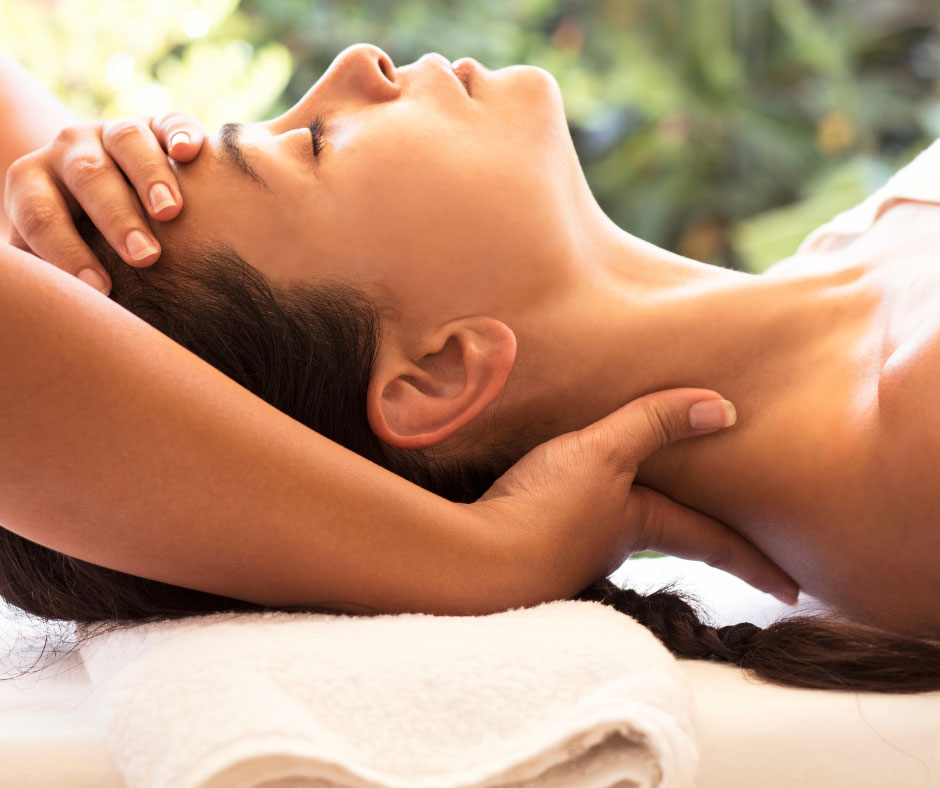
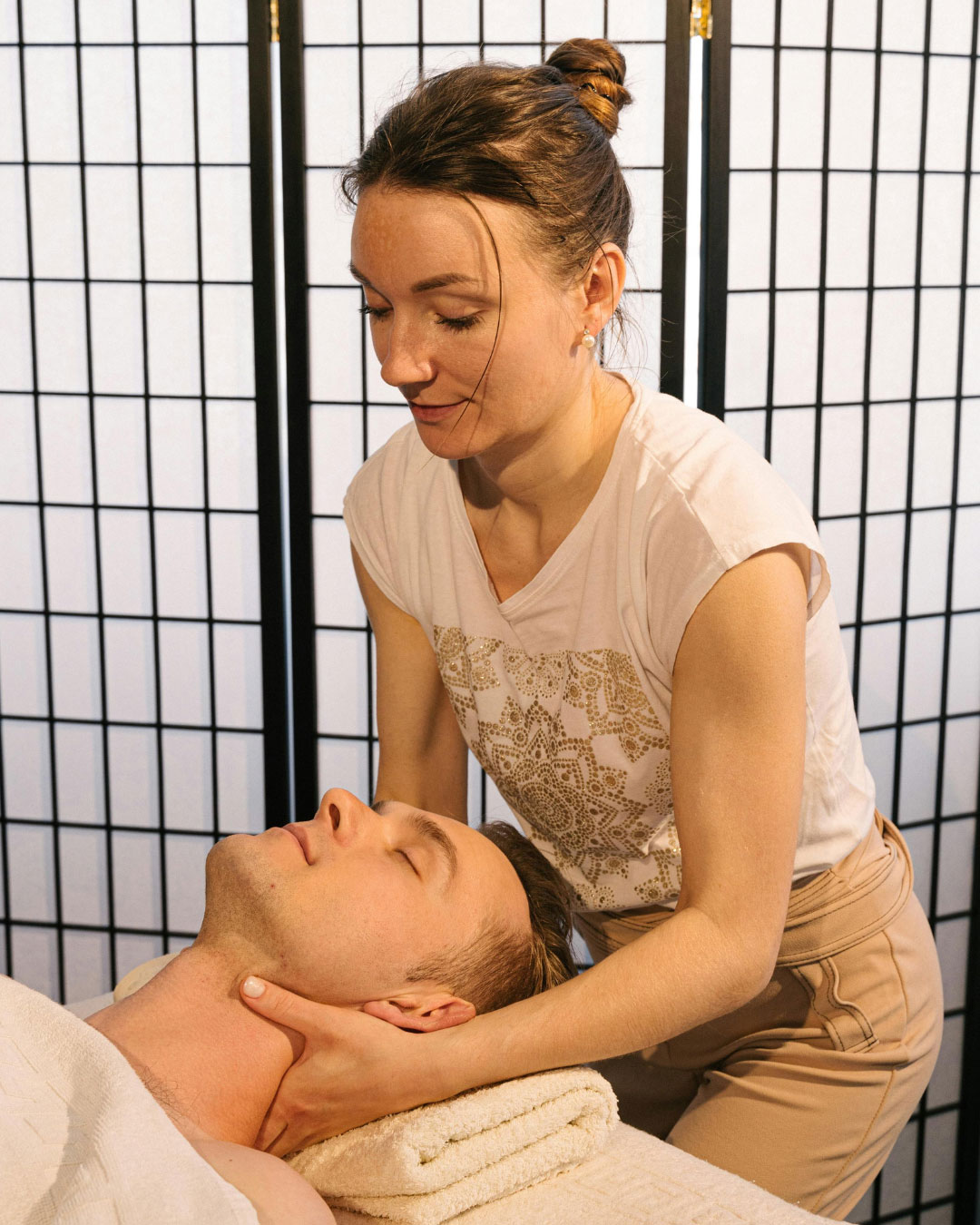
Craniosacral osteopathy is a gentle, hands-on therapy. Practitioners use very light touch to:
- Release tension
- Improve body movement
- Support natural healing
Where Does It Focus?
- Skull (cranium)
- Spine
- Sacrum (lower back)
Think of it as helping your body “reset” itself.
A Simple Example
Imagine your body like a snow globe.
When it’s shaken, everything is messy and cloudy.
Craniosacral therapy tries to help things settle—slowly and naturally.
Why Is It Becoming Popular in Canada?
More Canadians are exploring alternative therapies.
Statistics:
- Around 70% of Canadians have tried at least one complementary therapy
- Nearly 1 in 4 Canadians use manual therapies regularly
People are looking for:
- Natural healing
- Less medication
- Holistic approaches
Main Therapeutic Effects Reported
Let’s get to the important part.
1. Stress Reduction
This is the most commonly reported benefit.
People often say:
- “I feel calmer”
- “My mind is quieter”
Why It Happens:
- Gentle touch relaxes the nervous system
- The body shifts from “fight or flight” to “rest mode”
2. Pain Relief
Many people use craniosacral therapy for:
- Headaches
- Neck pain
- Back pain
Scientific Insight:
Some studies suggest moderate pain reduction, especially for chronic conditions.
3. Better Sleep
After sessions, people often report:
- Falling asleep faster
- Sleeping deeper
And let’s be honest—good sleep solves a lot of problems.
Humor Break: The Sleep Test
If a therapy helps you sleep better…
That alone might be worth it.
(Unless you fall asleep during the session and start snoring—then it’s awkward for everyone.)
4. Emotional Balance
Some people experience:
- Reduced anxiety
- Emotional release
- Improved mood
Why?
The body and mind are connected.
When physical tension decreases, emotional tension often follows.
5. Improved Body Awareness
Patients often say:
- “I feel more in tune with my body”
This can help with:
- Posture
- Movement
- Injury prevention
What Does Science Say?
Here’s the honest answer:
Mixed but promising.
Research Findings:
- Some studies show reduced pain and stress
- Others say evidence is limited
Example:
- A review in medical journals found small to moderate benefits
- More large-scale studies are needed
The Nervous System Connection
Modern research focuses on the nervous system.
Craniosacral therapy may:
- Calm the central nervous system
- Reduce stress hormones
- Improve relaxation response
The Power of Touch (Yes, It’s Real)
Science confirms that touch can:
- Lower cortisol (stress hormone)
- Increase oxytocin (feel-good hormone)
So even gentle touch has real biological effects.
Who Can Benefit Most?
Craniosacral therapy may help:
People With:
- Chronic stress
- Mild to moderate pain
- Sleep issues
- Anxiety
It may not be ideal for:
- Serious medical conditions without proper care
Real-Life Scenario
Let’s say someone works long hours at a desk.
They may experience:
- Neck tension
- Headaches
- Poor sleep
A balanced approach:
- Exercise
- Physiotherapy
- Craniosacral therapy
This combination often works better than one solution alone.
The Role of Professional Clinics in Canada
Choosing the right clinic is essential.
One example is Sync Move Rehab Centre, which focuses on:
- Evidence-based care
- Personalized treatment
- Safe rehabilitation
Learn more: https://syncmove.ca/
Services: https://syncmove.ca/services
About: https://syncmove.ca/about
Integrating Craniosacral Therapy with Rehab
At clinics like Sync Move, craniosacral therapy is often combined with:
- Physiotherapy
- Exercise programs
- Injury recovery plans
This creates a more complete treatment approach.
Possible Side Effects
Let’s keep it real—nothing is perfect.
Common Mild Effects:
- Temporary soreness
- Fatigue
- Light-headedness
These usually go away quickly.
Precautions to Consider
Avoid or consult a doctor if you have:
- Recent head injury
- Brain conditions
- Severe spinal problems
Safety always comes first.
Latest Scientific Developments
New studies are exploring:
- Fascia (connective tissue)
- Brain-body communication
- Stress regulation
Interesting Insight:
Gentle therapies may influence how the brain processes pain.
Common Misconceptions
Myth 1: It’s magic
→ No, it’s a supportive therapy.
Myth 2: It works instantly
→ Results vary.
Myth 3: It replaces medicine
→ It complements, not replaces.
Practical Tips Before Trying It
Do This:
- Choose a qualified practitioner
- Start with one session
- Track how you feel
Don’t Do This:
- Expect miracles
- Ignore medical advice
Is It Worth Trying?
Short answer: yes—for the right reasons.
Good For:
- Relaxation
- Stress relief
- Mild pain
Not Enough For:
- Serious medical conditions alone
Conclusion
The therapeutic effects of craniosacral osteopathy offer a gentle, supportive way to improve well-being. While science is still catching up, many people experience real benefits such as reduced stress, better sleep, and pain relief.
In Canada, clinics like Sync Move Rehab Centre provide a professional and safe environment where craniosacral therapy can be combined with modern rehabilitation methods. This balanced approach ensures that patients receive both comfort and effective care.
If you’re curious about trying this therapy, the best step is to consult a trusted clinic and explore whether it fits your needs.
Discover more: https://syncmove.ca/