
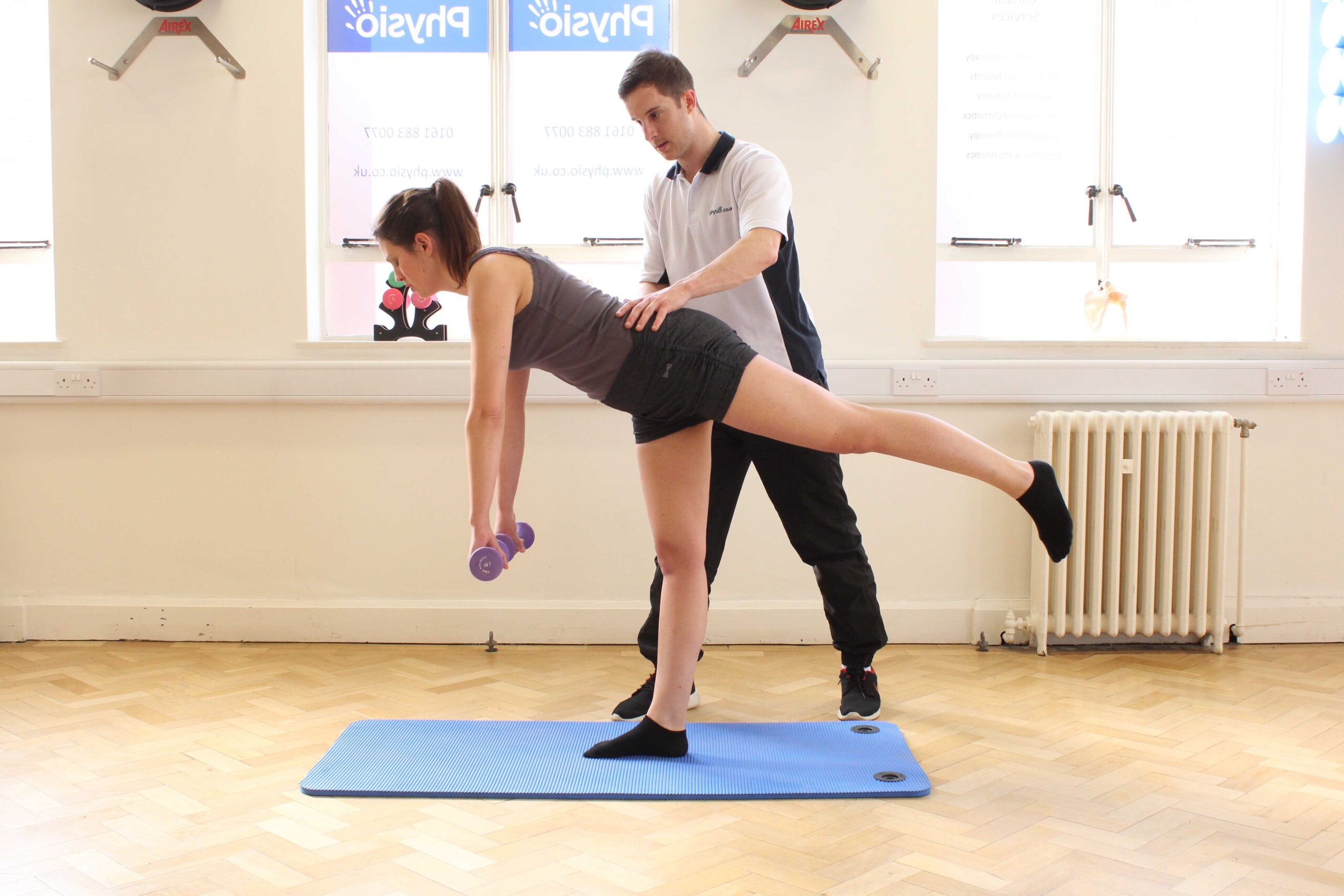
Therapeutic Exercises
Therapeutic Exercises: The Complete Guide to Better Movement, Pain Relief, and Long-Term Health
Physical discomfort has become a surprisingly common part of modern life. Whether it is a stiff neck after hours of working on a computer, lower back pain from sitting too long, or reduced mobility caused by injury, millions of people experience movement-related challenges every day. This is where therapeutic exercises come into the picture.
Unlike ordinary workouts that focus mainly on fitness goals such as weight loss or muscle growth, therapeutic exercises are specifically designed to improve physical function, reduce pain, restore mobility, and support recovery. They are widely used in rehabilitation programs, sports medicine, physiotherapy clinics, and wellness centers around the world.
For Canadians and people across the globe, therapeutic exercises have become one of the most effective non-invasive approaches to improving physical health. Research published by organizations such as the World Health Organization and leading rehabilitation institutes consistently shows that guided movement programs can significantly improve quality of life, especially for individuals dealing with chronic pain, injuries, neurological conditions, and age-related mobility limitations.
At facilities such as Sync Move Rehab Centre, therapeutic exercise programs are often incorporated into comprehensive rehabilitation plans designed to help individuals regain confidence in their movement and daily activities.
What Are Therapeutic Exercises?
Therapeutic exercises are carefully planned physical activities prescribed to achieve specific health and rehabilitation goals.
Think of them as “movement with a purpose.”
If traditional exercise is like driving for enjoyment, therapeutic exercise is more like following a GPS route to reach a specific destination.
The goals may include:
- Reducing pain
- Improving flexibility
- Restoring joint mobility
- Increasing muscle strength
- Enhancing balance
- Preventing future injuries
- Improving posture
- Supporting neurological recovery
- Restoring daily functional abilities
These exercises are often tailored to individual needs, making them highly effective compared to generic fitness programs.
A Simple Example
Imagine two people performing squats.
One person is doing squats to build stronger legs for sports performance.
The other person is performing modified squats prescribed by a rehabilitation specialist to strengthen muscles around a painful knee joint.
The movement may look similar, but the purpose, technique, intensity, and progression are entirely different.
That difference defines therapeutic exercise.
Why Therapeutic Exercises Matter More Than Ever
Modern lifestyles have unintentionally created a movement problem.
Many people spend:
- 8 to 10 hours sitting
- Long periods looking at screens
- Minimal time walking
- Limited time performing physical activities
According to global health reports, physical inactivity is among the leading risk factors for many chronic health conditions.
The consequences include:
- Back pain
- Neck pain
- Poor posture
- Joint stiffness
- Muscle weakness
- Reduced cardiovascular fitness
- Increased injury risk
Therapeutic exercises help reverse many of these issues by reintroducing healthy movement patterns.
In a way, they teach the body how to move correctly again.
The Science Behind Therapeutic Exercise
One reason therapeutic exercises are so effective is that the human body is remarkably adaptable.
Scientists refer to this ability as adaptation and neuroplasticity.
When appropriate exercises are repeated consistently:
- Muscles become stronger
- Tendons become more resilient
- Joints move more efficiently
- Balance improves
- The nervous system develops better coordination
- Pain sensitivity may decrease
Interestingly, modern research suggests that movement itself can influence how the brain processes pain signals.
For many chronic pain patients, carefully guided movement can reduce pain perception over time.
This does not mean pain is “imaginary.”
Rather, it means the nervous system can be trained to respond differently, leading to genuine improvements in comfort and function.
The Main Categories of Therapeutic Exercises
Therapeutic exercises can be divided into several major categories.
Range of Motion Exercises
These exercises focus on maintaining or improving joint mobility.
Examples include:
- Shoulder circles
- Ankle rotations
- Neck movements
- Hip mobility drills
They are particularly valuable after surgery, injury, or prolonged immobilization.
Without regular movement, joints can become stiff surprisingly quickly.
Stretching Exercises
Stretching helps improve flexibility and reduce muscle tightness.
Common targets include:
- Hamstrings
- Hip flexors
- Calf muscles
- Chest muscles
- Neck muscles
Many office workers discover that stretching provides immediate relief after spending long hours at a desk.
Strengthening Exercises
Strengthening exercises help muscles better support joints and movement patterns.
Examples include:
- Resistance band exercises
- Bodyweight movements
- Controlled weight training
- Functional strengthening drills
A stronger body often experiences less stress during daily activities.
Balance and Coordination Exercises
Balance becomes increasingly important with age.
Examples include:
- Single-leg standing
- Stability exercises
- Dynamic balance drills
- Coordination training
Research shows balance training can significantly reduce fall risk among older adults.
Aerobic Conditioning
Cardiovascular health plays a major role in overall rehabilitation.
Therapeutic aerobic exercises may include:
- Walking
- Cycling
- Swimming
- Elliptical training
These activities improve endurance while supporting recovery.
Conditions Commonly Treated with Therapeutic Exercises
One of the biggest misconceptions is that therapeutic exercises are only for people recovering from surgery.
In reality, they are used for a wide variety of conditions.
Lower Back Pain
Back pain remains one of the most common reasons people seek rehabilitation services.
Therapeutic exercise programs often focus on:
- Core strengthening
- Postural correction
- Mobility improvement
- Movement retraining
Many individuals experience substantial improvements without requiring invasive treatments.
Neck Pain
Technology has introduced a new problem often called “tech neck.”
Hours spent looking at phones and laptops can contribute to:
- Muscle tension
- Headaches
- Poor posture
- Reduced mobility
Specific therapeutic exercises help restore healthy alignment and reduce strain.
Knee Problems
Conditions such as:
- Osteoarthritis
- Patellofemoral pain syndrome
- Post-surgical recovery
- Ligament injuries
often benefit from structured exercise programs designed to improve joint support and function.
Shoulder Conditions
The shoulder is one of the most mobile joints in the body.
Unfortunately, that mobility comes with vulnerability.
Therapeutic exercises frequently address:
- Rotator cuff injuries
- Shoulder impingement
- Frozen shoulder
- Post-operative recovery
Sports Injuries
Athletes often use therapeutic exercises to:
- Accelerate recovery
- Restore performance
- Prevent reinjury
- Improve movement efficiency
Professional sports teams worldwide invest heavily in therapeutic exercise-based rehabilitation.
Therapeutic Exercises and Aging
Aging is inevitable.
Losing mobility is not.
One of the most important discoveries in modern rehabilitation science is that older adults can continue improving strength, balance, and physical function far beyond what was once believed possible.
Many people assume that pain, stiffness, and weakness are unavoidable parts of aging.
Fortunately, research paints a more optimistic picture.
Therapeutic exercises can help older adults:
- Maintain independence
- Improve walking ability
- Reduce fall risk
- Increase confidence
- Support joint health
- Improve overall quality of life
In fact, some rehabilitation specialists jokingly say that movement is one of the closest things we have to a “magic pill.”
Of course, unlike magic pills, therapeutic exercises require participation—and unfortunately, no one has invented an app that can exercise for you while you watch television.
Therapeutic Exercises for Chronic Pain: Moving Beyond the Pain Cycle
Chronic pain affects millions of people worldwide and remains one of the most common reasons individuals seek rehabilitation services. In Canada alone, various health organizations estimate that roughly one in five adults experiences chronic pain in some form.
If you’ve ever had pain that lingered for months, you know how frustrating it can be.
Pain affects more than the body. It can influence:
- Sleep quality
- Mood
- Energy levels
- Work performance
- Social activities
- Overall quality of life
One common misconception is that pain automatically means damage is occurring.
While pain often begins with injury, chronic pain can become more complex. The nervous system may become increasingly sensitive over time, causing normal movements to feel uncomfortable.
This is where therapeutic exercises become incredibly valuable.
Why Movement Helps Chronic Pain
Years ago, many healthcare providers recommended extensive rest for persistent pain.
Modern research suggests the opposite is often true.
Appropriate movement can:
- Improve circulation
- Strengthen supportive muscles
- Increase joint mobility
- Reduce stiffness
- Improve nervous system regulation
- Enhance confidence in movement
Think of the body like a car parked in a garage for years.
Leaving it untouched doesn’t improve its condition.
Gentle, consistent use helps keep systems functioning properly.
Conditions That Often Benefit
Therapeutic exercise programs are commonly used for:
- Chronic lower back pain
- Neck pain
- Osteoarthritis
- Fibromyalgia
- Shoulder pain
- Hip pain
- Persistent post-injury discomfort
At rehabilitation facilities such as Sync Move Rehab Centre, exercise-based treatment plans are often customized according to each individual’s goals, limitations, and medical history.
Rehabilitation After Surgery
Surgery is often only one chapter of recovery.
The real work frequently begins afterward.
Without proper rehabilitation, patients may experience:
- Muscle weakness
- Joint stiffness
- Reduced mobility
- Loss of balance
- Delayed recovery
Therapeutic exercises help bridge the gap between surgery and normal life.
Common Post-Surgical Rehabilitation Cases
Exercise-based rehabilitation is frequently prescribed following:
- Knee replacement surgery
- Hip replacement surgery
- ACL reconstruction
- Rotator cuff repair
- Spinal procedures
- Fracture repair
Each recovery plan is unique.
Someone recovering from a knee replacement will have very different exercise goals compared to a patient recovering from shoulder surgery.
The Importance of Progression
One of the biggest mistakes people make after surgery is either:
- Doing too much too soon.
- Doing too little for too long.
Therapeutic exercise programs carefully balance protection and progression.
Recovery is rarely a straight line.
Some days feel amazing.
Other days feel like your body forgot yesterday’s progress.
That is completely normal.
Therapeutic Exercises for Athletes
Athletes place extraordinary demands on their bodies.
Whether someone is a professional hockey player, a recreational runner, or a weekend soccer enthusiast, injuries can occur.
The good news?
Therapeutic exercises often help athletes return stronger than before.
Common Sports Injuries Addressed
Rehabilitation programs frequently target:
- Sprains
- Strains
- Tendon injuries
- Ligament tears
- Overuse conditions
- Joint instability
Beyond Recovery: Injury Prevention
Modern sports rehabilitation focuses not only on healing but also on preventing future injuries.
This may include:
- Movement analysis
- Balance training
- Core strengthening
- Flexibility work
- Sport-specific drills
Many professional teams now invest heavily in preventive exercise programs because keeping athletes healthy is often more effective than treating injuries afterward.
Mental Health Benefits of Therapeutic Exercises
One fascinating area of research involves the relationship between movement and mental health.
The connection between body and mind is stronger than many people realize.
Therapeutic exercises may help improve:
- Mood
- Stress management
- Confidence
- Sleep quality
- Energy levels
Exercise and Stress Reduction
Physical activity stimulates the release of various chemicals associated with improved mood and well-being.
Many patients report that their exercise sessions provide:
- A sense of accomplishment
- Reduced anxiety
- Improved focus
- Better emotional resilience
In simple terms, movement often helps clear mental clutter.
Confidence Through Progress
Sometimes the greatest benefit isn’t physical.
It’s psychological.
Imagine someone who avoided stairs for months because of knee pain.
After several weeks of therapeutic exercise, they comfortably climb stairs again.
That achievement often restores confidence far beyond the physical improvement itself.
Home Exercise Programs: Small Efforts, Big Results
One of the most effective aspects of rehabilitation happens outside the clinic.
Home exercise programs allow individuals to continue progressing between appointments.
The exercises are usually:
- Simple
- Safe
- Easy to follow
- Customized to specific goals
Consistency Beats Intensity
Many people believe dramatic workouts produce dramatic results.
In rehabilitation, consistency is usually more important.
Ten minutes of daily exercise often provides more benefit than one exhausting workout each week.
Think of rehabilitation like brushing your teeth.
Doing it regularly matters far more than trying to compensate once a month.
Creating a Sustainable Routine
Successful home programs often include:
- Realistic goals
- Convenient schedules
- Clear instructions
- Gradual progression
- Regular reassessment
Programs that fit naturally into daily life are more likely to succeed.
Common Mistakes People Make with Therapeutic Exercises
Even the best exercises can be less effective when performed incorrectly.
Expecting Immediate Results
The body needs time to adapt.
Many improvements occur gradually over weeks rather than days.
Comparing Recovery to Others
Every individual heals differently.
Age, health status, injury history, and lifestyle all influence recovery timelines.
Ignoring Pain Signals
While mild discomfort can be normal, significant pain should never be ignored.
Exercises should challenge the body without causing excessive irritation.
Skipping Warm-Ups
Warm-up activities prepare muscles and joints for movement.
Skipping them may increase injury risk.
Inconsistency
This remains one of the biggest obstacles to success.
A perfect program performed once is less effective than a good program performed consistently.
Therapeutic Exercises for Office Workers
The modern workplace creates unique physical challenges.
Many professionals spend hours:
- Sitting
- Typing
- Looking at screens
- Repeating similar movements
Over time, these habits can contribute to:
- Neck pain
- Shoulder tension
- Back discomfort
- Wrist problems
- Poor posture
Simple Strategies That Help
Therapeutic exercises for office workers often focus on:
- Postural correction
- Stretching tight muscles
- Strengthening weak areas
- Improving mobility
- Reducing repetitive strain
The good news?
Small adjustments often produce meaningful improvements.
Even short movement breaks throughout the day can help reduce accumulated tension.
Therapeutic Exercises and Neurological Rehabilitation
Movement-based rehabilitation is not limited to orthopedic conditions.
It also plays a major role in neurological recovery.
Therapeutic exercises may support individuals living with:
- Stroke
- Parkinson’s disease
- Multiple sclerosis
- Balance disorders
- Neurological injuries
Neuroplasticity: The Brain’s Ability to Adapt
One of the most exciting discoveries in modern neuroscience is neuroplasticity.
This refers to the brain’s ability to reorganize and adapt.
Repeated therapeutic exercises can help strengthen neural pathways and improve functional abilities over time.
For many patients, this offers hope that meaningful improvements remain possible long after an injury or diagnosis.
Technology Is Changing Therapeutic Exercise Programs
Healthcare has entered a digital era, and rehabilitation is evolving right alongside it.
Just a decade ago, most therapeutic exercise programs relied entirely on in-person appointments. Today, technology is making rehabilitation more accessible, personalized, and engaging than ever before.
For Canadians living in remote communities or busy urban centers alike, modern rehabilitation technologies are helping bridge gaps in healthcare access.
Wearable Devices and Movement Tracking
Smartwatches and wearable fitness devices are no longer just step counters.
Many modern devices can track:
- Walking patterns
- Heart rate
- Physical activity levels
- Exercise adherence
- Sleep quality
These insights help both patients and rehabilitation professionals better understand progress over time.
Imagine trying to improve your fitness without ever stepping on a scale or measuring your progress. It would be difficult to know whether your efforts were working.
Wearable technology provides valuable feedback that helps keep people motivated.
Motion Analysis Systems
Advanced rehabilitation centers increasingly use motion analysis tools to evaluate movement patterns.
These systems can identify:
- Postural imbalances
- Joint movement restrictions
- Walking abnormalities
- Muscle compensation patterns
The goal is not simply to make people move more.
The goal is to help them move better.
Virtual Rehabilitation and Telehealth
One of the biggest healthcare transformations in recent years has been the growth of telehealth services.
Virtual rehabilitation allows patients to receive guidance from qualified professionals without always needing to travel.
This approach can be especially beneficial for:
- Rural residents
- Seniors
- Busy professionals
- Individuals with mobility limitations
Benefits of Virtual Exercise Programs
Virtual rehabilitation may offer:
- Increased convenience
- Reduced travel time
- Greater scheduling flexibility
- Ongoing professional support
- Improved program adherence
Facilities such as Sync Move Rehab Centre continue to embrace modern rehabilitation approaches that help patients access professional care more efficiently.
Can Virtual Programs Really Work?
Research increasingly suggests that properly designed virtual rehabilitation programs can provide meaningful benefits for many musculoskeletal conditions.
Of course, not every situation is appropriate for virtual care.
Some conditions require hands-on assessment and treatment.
However, telehealth has become a valuable complement to traditional rehabilitation services.
Therapeutic Exercises for Seniors
One of the most rewarding areas of rehabilitation involves helping older adults maintain independence and confidence.
A common myth suggests that aging automatically leads to weakness and loss of mobility.
Modern research tells a different story.
Many seniors can improve strength, balance, flexibility, and endurance at ages once thought impossible.
Why Exercise Matters More With Age
As people grow older, several physical changes naturally occur:
- Muscle mass decreases
- Balance becomes less stable
- Bone density may decline
- Joint stiffness increases
Therapeutic exercises help counteract many of these changes.
Important Areas of Focus
Senior rehabilitation programs often emphasize:
Strength Training
Muscle strength supports everyday activities such as:
- Climbing stairs
- Carrying groceries
- Standing from a chair
- Walking safely
Balance Training
Falls remain one of the leading causes of injury among older adults.
Balance exercises can help reduce fall risk while increasing confidence.
Mobility Exercises
Maintaining joint mobility helps preserve independence and comfort.
Many seniors report that improved flexibility makes everyday tasks significantly easier.
A Funny but True Observation
Many older adults discover something surprising after starting therapeutic exercises.
The grandchildren suddenly seem much easier to keep up with.
While no exercise program can guarantee superhero powers, improved mobility certainly helps during family gatherings.
Therapeutic Exercises for Children
Children may also benefit from rehabilitation programs.
Therapeutic exercises are frequently used for:
- Sports injuries
- Developmental delays
- Postural concerns
- Neurological conditions
- Recovery after surgery
Unlike adult rehabilitation, pediatric programs often incorporate play-based activities.
Making Exercise Fun
Children rarely enjoy repetitive exercises simply because someone says they are important.
Successful pediatric rehabilitation often includes:
- Games
- Challenges
- Obstacle courses
- Interactive activities
The child may think they are playing.
The therapist knows they are building strength, balance, and coordination.
Everyone wins.
The Economic Impact of Therapeutic Exercise
Pain and mobility limitations affect more than personal health.
They also influence workplaces, healthcare systems, and economies.
Studies consistently show that musculoskeletal disorders contribute significantly to:
- Lost productivity
- Sick leave
- Healthcare spending
- Disability claims
Why Prevention Matters
Preventing injuries is often less expensive than treating them.
Therapeutic exercise programs help reduce risk by addressing:
- Poor movement habits
- Muscle weakness
- Joint instability
- Balance deficits
This proactive approach benefits individuals, employers, and healthcare systems alike.
The Future of Therapeutic Exercises
The future looks exciting.
Researchers continue exploring innovative ways to improve rehabilitation outcomes.
Artificial Intelligence in Rehabilitation
AI-powered tools may help:
- Analyze movement patterns
- Personalize exercise programs
- Predict recovery timelines
- Monitor adherence
Importantly, AI is unlikely to replace rehabilitation professionals.
Instead, it will likely support clinical decision-making and improve efficiency.
Virtual Reality Rehabilitation
Virtual reality systems are becoming increasingly common in rehabilitation settings.
Patients can perform exercises within immersive digital environments that make therapy more engaging.
For some individuals, this improves motivation and consistency.
Personalized Rehabilitation Programs
Future programs will likely become even more individualized.
Advances in technology may allow clinicians to tailor exercises based on:
- Genetics
- Movement analysis
- Medical history
- Recovery response
- Lifestyle factors
Personalization has become one of the most important trends in modern healthcare.
Frequently Asked Questions About Therapeutic Exercises
How often should therapeutic exercises be performed?
The answer depends on the condition, goals, and individual circumstances. Many programs involve daily or several-times-per-week practice.
Can therapeutic exercises replace medication?
In some cases, therapeutic exercises may reduce reliance on certain treatments. However, medical decisions should always be made with qualified healthcare professionals.
Are therapeutic exercises only for injured people?
No. They are also valuable for prevention, mobility improvement, posture correction, and overall physical wellness.
How long does it take to see results?
Some individuals notice improvements within a few weeks, while others require several months. Consistency is usually the most important factor.
Are therapeutic exercises safe?
When prescribed and supervised appropriately, therapeutic exercises are generally considered very safe and effective.
Do older adults benefit from therapeutic exercises?
Absolutely. Research consistently shows meaningful improvements in strength, balance, mobility, and independence among older adults who participate in structured exercise programs.
Bringing It All Together
Therapeutic exercises represent far more than simple physical movements. They are carefully designed tools that help people regain function, reduce pain, improve mobility, and enhance quality of life.
Whether someone is recovering from surgery, managing chronic pain, returning to sports, improving balance, or simply trying to stay active while aging, therapeutic exercise remains one of the most effective and evidence-based approaches available today.
The science supporting movement continues to grow, and modern rehabilitation is becoming increasingly personalized, accessible, and technology-driven. Yet despite all these advancements, one principle remains unchanged: the human body was designed to move.
For individuals seeking professional rehabilitation support, personalized exercise programs, and expert guidance, Sync Move Rehab Centre provides rehabilitation services focused on helping people move better, recover confidently, and achieve long-term physical well-being.
Therapeutic Exercises for Different Parts of the Body
One of the biggest myths about therapeutic exercises is that they all look the same. Many people imagine a room full of individuals slowly lifting their arms or stretching bands. In reality, therapeutic exercises are highly personalized. What works for a sore shoulder may do nothing for a painful knee. Likewise, exercises that help someone recover from a sports injury may be completely different from those designed for arthritis management.
This personalized approach is one reason why rehabilitation professionals at Sync Move Rehab Centre carefully evaluate each client before creating a treatment plan.
Therapeutic Exercises for Neck Pain
Neck pain has become incredibly common in the digital age. Many Canadians spend hours each day looking at laptops, tablets, and smartphones. The result is often poor posture, muscle tension, and reduced mobility.
Therapeutic exercises for the neck typically focus on:
- Improving posture
- Strengthening deep neck muscles
- Increasing flexibility
- Reducing muscle tension
- Restoring normal movement patterns
Simple chin tucks, gentle neck rotations, and posture correction drills can significantly reduce discomfort over time.
A funny reality of modern life is that many people spend hundreds of dollars on ergonomic chairs but still spend half the day staring down at their phones like they are searching for buried treasure. Sometimes the solution starts with movement rather than furniture.
Therapeutic Exercises for Shoulder Problems
The shoulder is one of the most mobile joints in the human body, which also makes it vulnerable to injury.
Common conditions include:
- Rotator cuff injuries
- Frozen shoulder
- Shoulder impingement
- Tendinitis
- Post-surgical recovery
Therapeutic exercises often focus on:
- Restoring range of motion
- Improving shoulder stability
- Strengthening supporting muscles
- Reducing pain
Resistance bands are frequently used because they allow gradual progression without excessive strain.
Research consistently shows that structured exercise programs can significantly improve shoulder function and reduce long-term disability in many common shoulder conditions.
Therapeutic Exercises for Lower Back Pain
Back pain remains one of the leading causes of disability worldwide.
According to global health estimates, hundreds of millions of people experience low back pain each year, making it one of the most common musculoskeletal complaints.
Therapeutic exercises for lower back pain may include:
- Core strengthening
- Pelvic stabilization
- Flexibility training
- Mobility exercises
- Postural correction
Popular examples include:
- Bird dogs
- Pelvic tilts
- Modified planks
- Bridges
- Cat-camel movements
The goal is not simply to eliminate pain but to improve resilience and function.
Think of your core muscles as the foundation of a house. If the foundation becomes weak, cracks start appearing elsewhere.
Therapeutic Exercises for Knee Conditions
Knee problems affect people of all ages.
Athletes may experience ligament injuries.
Office workers may develop weakness from inactivity.
Older adults often face osteoarthritis-related challenges.
Therapeutic exercises commonly target:
- Quadriceps strengthening
- Hamstring flexibility
- Hip stabilization
- Balance improvement
- Functional movement retraining
Examples include:
- Mini squats
- Step-ups
- Straight-leg raises
- Wall sits
- Balance exercises
Modern rehabilitation increasingly emphasizes movement quality rather than simply increasing strength.
Therapeutic Exercises for Hip Pain
Hip issues can significantly impact daily activities such as:
- Walking
- Climbing stairs
- Getting out of a car
- Standing from a chair
Therapeutic exercise programs often focus on:
- Glute strengthening
- Hip mobility
- Balance training
- Functional movement improvement
Strong gluteal muscles help stabilize the pelvis and reduce unnecessary stress on surrounding structures.
Many rehabilitation specialists describe the glutes as the body’s “powerhouse muscles” because of their importance in everyday movement.
Therapeutic Exercises for Ankle and Foot Injuries
Ankle sprains are among the most common injuries worldwide.
Unfortunately, many people stop rehabilitation once pain decreases.
This can be a mistake.
Without proper recovery exercises, the risk of reinjury often increases.
Therapeutic exercises for ankles may include:
- Balance drills
- Single-leg standing
- Resistance-band strengthening
- Calf raises
- Proprioception training
Proprioception refers to the body’s ability to sense position and movement. Improving this skill helps reduce future injury risk.
Therapeutic Exercises for Neurological Conditions
Therapeutic exercises are not limited to orthopedic injuries.
They also play an important role in neurological rehabilitation.
Examples include:
- Stroke recovery
- Parkinson’s disease
- Multiple sclerosis
- Traumatic brain injuries
- Balance disorders
Exercise programs may focus on:
- Coordination
- Balance
- Walking ability
- Functional independence
- Muscle control
Modern rehabilitation increasingly combines traditional exercise with technology-based approaches, including virtual reality systems and interactive rehabilitation software.
The Growing Role of Technology
Healthcare technology continues to transform rehabilitation.
Innovations now include:
- Motion tracking systems
- Wearable sensors
- Virtual reality rehabilitation
- AI-assisted exercise monitoring
- Tele-rehabilitation platforms
These tools help clinicians monitor progress more accurately while allowing patients to exercise safely at home.
Many rehabilitation clinics are integrating digital solutions alongside hands-on care to improve outcomes and accessibility.
At facilities such as Sync Move Rehab Centre, modern rehabilitation approaches often combine evidence-based therapeutic exercises with individualized treatment strategies tailored to each person’s goals and lifestyle.
How Long Does It Take for Therapeutic Exercises to Work?
This is probably the question every rehabilitation professional hears daily.
The honest answer is:
“It depends.”
Factors influencing recovery include:
- Condition severity
- Age
- Overall health
- Exercise consistency
- Sleep quality
- Stress levels
- Nutrition
Some people notice improvements within a few days.
Others may require several weeks or months.
The key is consistency.
Doing exercises occasionally usually produces occasional results.
Doing them regularly often produces meaningful progress.
One rehabilitation therapist once joked:
“Your exercises work best when they’re actually done.”
Simple advice—but surprisingly powerful.
Common Mistakes People Make
Even motivated individuals sometimes slow their progress by making avoidable mistakes.
Common examples include:
- Doing too much too soon.
- Skipping prescribed exercises.
- Ignoring pain signals.
- Using incorrect technique.
- Comparing recovery timelines with others.
- Stopping once symptoms improve.
Rehabilitation is often a gradual process rather than a quick fix.
The goal is sustainable improvement rather than temporary relief.
The Connection Between Therapeutic Exercises and Mental Health
An interesting aspect of therapeutic exercise is its impact on emotional well-being.
Studies consistently show that physical activity can:
- Reduce stress
- Improve mood
- Enhance confidence
- Improve sleep quality
- Reduce anxiety symptoms
When people regain movement and independence, they often experience psychological benefits as well.
Recovery is rarely just physical.
It affects confidence, social participation, work performance, and overall quality of life.
In many ways, therapeutic exercises help people reclaim activities that make life enjoyable.
Therapeutic Exercises for Seniors: Staying Active at Any Age
One of the most encouraging findings in modern rehabilitation research is that age alone is not a barrier to improvement.
For many years, people assumed that growing older automatically meant becoming weaker, slower, and less mobile. While aging does bring natural changes, therapeutic exercises can help seniors maintain independence, confidence, and quality of life for many years.
According to health organizations worldwide, regular physical activity is one of the most effective ways to support healthy aging.
Why Seniors Benefit from Therapeutic Exercises
As people age, they often experience:
- Reduced muscle mass
- Decreased flexibility
- Slower reaction times
- Balance challenges
- Joint stiffness
- Lower endurance
Therapeutic exercises are designed to address these issues safely and progressively.
The benefits often include:
- Improved walking ability
- Better balance
- Reduced fall risk
- Increased strength
- Greater independence
- Enhanced confidence
Balance Training: A Small Exercise with Big Benefits
Falls are among the leading causes of injury in older adults.
Balance-focused therapeutic exercises can significantly reduce this risk.
Examples include:
- Single-leg standing
- Heel-to-toe walking
- Weight-shifting drills
- Stability exercises
The goal is not to turn seniors into circus tightrope performers.
The goal is to make everyday activities safer and more comfortable.
Strength Training for Healthy Aging
Research consistently shows that older adults can build muscle strength even in their seventies, eighties, and beyond.
Simple strengthening exercises may involve:
- Resistance bands
- Light weights
- Sit-to-stand movements
- Step exercises
- Functional training
Stronger muscles support better movement and reduce physical strain during daily activities.
Therapeutic Exercises for Athletes
Athletes place significant stress on their bodies.
Whether someone is a professional hockey player, recreational runner, cyclist, soccer player, or weekend golfer, therapeutic exercises play a critical role in both recovery and injury prevention.
Rehabilitation After Sports Injuries
Common sports-related injuries include:
- Ligament sprains
- Muscle strains
- Tendon injuries
- Joint instability
- Overuse conditions
Therapeutic exercise programs help athletes:
- Recover safely
- Restore strength
- Improve mobility
- Regain confidence
- Return to competition
Performance Enhancement Through Rehabilitation
Modern rehabilitation is not only about treating injuries.
Many athletes use therapeutic exercises proactively to improve:
- Balance
- Coordination
- Stability
- Movement efficiency
- Injury resistance
The line between rehabilitation and performance enhancement is becoming increasingly blurred.
In many cases, better movement patterns lead to both fewer injuries and improved athletic performance.
Return-to-Sport Testing
Before returning to full competition, many athletes undergo assessments that evaluate:
- Strength
- Balance
- Agility
- Endurance
- Functional movement
This helps reduce the risk of reinjury and supports long-term athletic success.
Home-Based Therapeutic Exercise Programs
One of the most important aspects of rehabilitation happens outside the clinic.
The reality is simple:
A person may spend one hour with a rehabilitation professional, but they spend the remaining twenty-three hours managing their recovery independently.
That is where home exercise programs become essential.
Benefits of Home Programs
Well-designed home programs provide:
- Greater flexibility
- Improved consistency
- Faster progress
- Better long-term outcomes
- Increased independence
Many rehabilitation professionals emphasize that home exercises are often just as important as in-clinic treatment sessions.
Building Healthy Exercise Habits
Successful exercise habits usually share several characteristics:
- Simplicity
- Consistency
- Realistic expectations
- Clear goals
- Gradual progression
People often overestimate what they can achieve in one week and underestimate what they can achieve in six months.
Small daily improvements accumulate over time.
Creating a Supportive Environment
Simple strategies can improve exercise adherence:
- Scheduling exercise at the same time each day
- Tracking progress
- Using reminders
- Exercising with family members
- Celebrating small victories
Motivation naturally fluctuates.
Habits often matter more than motivation.
The Latest Scientific Trends in Therapeutic Exercises
The field of rehabilitation continues to evolve rapidly.
Researchers around the world are exploring innovative approaches to improve recovery outcomes.
Personalized Rehabilitation
Healthcare is moving toward increasingly individualized care.
Rather than using identical programs for everyone, modern rehabilitation considers factors such as:
- Age
- Medical history
- Activity level
- Recovery goals
- Lifestyle
Personalization often leads to better outcomes and higher patient satisfaction.
Virtual Reality Rehabilitation
Virtual reality is no longer limited to gaming.
Rehabilitation programs increasingly use immersive environments to improve:
- Balance training
- Neurological rehabilitation
- Movement coordination
- Patient engagement
Many patients find virtual rehabilitation more enjoyable and motivating than traditional exercise approaches.
Artificial Intelligence and Movement Analysis
AI-powered systems can now assist clinicians by analyzing movement patterns and identifying potential issues.
Potential benefits include:
- Earlier problem detection
- More precise exercise recommendations
- Better progress tracking
- Improved treatment personalization
Importantly, technology supports rehabilitation professionals rather than replacing them.
Human expertise remains central to effective patient care.
Wearable Rehabilitation Technology
Modern wearable devices provide valuable information about:
- Activity levels
- Walking patterns
- Exercise compliance
- Recovery progress
This data can help both patients and clinicians make informed decisions throughout the rehabilitation process.
Therapeutic Exercises and Workplace Health
Many people associate rehabilitation with injury recovery.
However, therapeutic exercises are increasingly used to improve workplace wellness.
Common work-related issues include:
- Neck pain
- Back pain
- Shoulder tension
- Repetitive strain injuries
- Poor posture
Exercise programs designed for workplace health can reduce discomfort and improve productivity.
Office Workers
Office-based employees often benefit from:
- Postural exercises
- Mobility drills
- Stretching routines
- Core strengthening
Even short movement breaks throughout the day can make a significant difference.
Physically Demanding Jobs
Workers in construction, healthcare, manufacturing, and logistics frequently face different challenges.
Therapeutic exercises can help improve:
- Lifting mechanics
- Joint stability
- Muscle endurance
- Injury prevention
Healthy movement patterns benefit workers in virtually every industry.
Why Consistency Matters More Than Perfection
One of the most important lessons in rehabilitation is that perfection is not required.
Consistency is.
Many individuals abandon exercise programs because they miss a day or two and assume they have failed.
In reality, progress is rarely linear.
There will be:
- Good days
- Difficult days
- Busy weeks
- Unexpected setbacks
Successful rehabilitation focuses on long-term commitment rather than short-term perfection.
Think of recovery like planting a tree.
You do not see dramatic growth overnight.
But with regular care, meaningful change becomes obvious over time.
A Practical Perspective
People often ask:
“What is the best therapeutic exercise?”
The answer is surprisingly simple:
The best exercise is usually the one that is appropriate for your condition and performed consistently.
An advanced exercise that is never performed provides little benefit.
A simple exercise performed regularly can create remarkable improvements.
Frequently Asked Questions About Therapeutic Exercises
How Often Should I Perform Therapeutic Exercises?
The answer depends on your condition, age, fitness level, and rehabilitation goals. In many cases, healthcare professionals recommend performing therapeutic exercises several times per week. Some gentle mobility and stretching exercises may even be performed daily.
Consistency matters more than intensity. Five minutes every day can often produce better long-term results than one intense workout each week.
Can Therapeutic Exercises Replace Medical Treatment?
Therapeutic exercises are often part of a comprehensive treatment plan rather than a replacement for medical care. They may work alongside physiotherapy, chiropractic care, massage therapy, medication, or other healthcare interventions.
Always consult a qualified healthcare provider before beginning an exercise program, especially if you have a serious medical condition.
Are Therapeutic Exercises Safe for Seniors?
Yes. In fact, therapeutic exercises are among the safest and most effective ways for older adults to maintain independence, balance, mobility, and quality of life.
Many studies show that regular exercise programs significantly reduce fall risk among seniors and help preserve functional abilities.
How Long Does It Take to See Results?
Some people notice improvements within a few days, while others require several weeks or months.
Factors that influence recovery include:
- Severity of the condition
- Consistency of exercise
- Overall health status
- Nutrition
- Sleep quality
- Stress levels
Patience is important. The body often heals gradually rather than overnight.
Can Therapeutic Exercises Help Prevent Injuries?
Absolutely.
One of the biggest advantages of therapeutic exercises is prevention. Strong muscles, flexible joints, better balance, and improved movement patterns can dramatically reduce injury risk.
This is why professional athletes spend significant time performing corrective and preventive exercises even when they are not injured.
The Future of Therapeutic Exercises
Healthcare continues to evolve rapidly.
Today, artificial intelligence, wearable technology, motion tracking systems, and tele-rehabilitation platforms are transforming how therapeutic exercises are prescribed and monitored.
Modern wearable devices can track:
- Joint movements
- Walking patterns
- Balance performance
- Exercise compliance
- Heart rate responses
Researchers are also exploring virtual reality rehabilitation programs that make exercise more engaging and interactive.
Imagine performing therapeutic exercises while exploring a virtual forest, walking along a beach, or playing a rehabilitation-focused game. What once sounded like science fiction is becoming reality.
Experts predict that personalized rehabilitation programs powered by data analytics will become increasingly common over the next decade.
However, despite all technological advances, one principle remains unchanged:
Movement is medicine.
The human body was designed to move, adapt, and recover.
Summary
Therapeutic exercises are far more than simple stretches or rehabilitation routines. They represent one of the most effective, evidence-based, and accessible tools for improving physical function, reducing pain, enhancing mobility, preventing injuries, and supporting long-term health.
From office workers struggling with neck tension to athletes recovering from injuries, from seniors seeking better balance to individuals managing chronic pain, therapeutic exercises offer practical solutions that can improve daily life.
Research continues to demonstrate that structured movement programs can reduce healthcare costs, improve recovery outcomes, enhance quality of life, and support both physical and mental well-being.
The key to success is consistency, proper guidance, and choosing exercises that match individual needs and goals.
For Canadians looking for professional rehabilitation services, personalized exercise programs, and evidence-based recovery solutions, Sync Move Rehab Centre provides comprehensive support designed to help individuals move better, recover faster, and live healthier lives.
Whether you are recovering from an injury, managing chronic discomfort, or simply striving for better physical performance, therapeutic exercises can become one of the most valuable investments you make in your long-term health.
References
- World Health Organization – Physical Activity Factsheet
- Centers for Disease Control and Prevention – Physical Activity Basics
- National Institute on Aging – Exercise and Physical Activity
- Mayo Clinic – Exercise and Health Benefits
- Harvard Health Publishing – Benefits of Exercise
- American Physical Therapy Association
- National Institutes of Health – Exercise Research
- Johns Hopkins Medicine – Exercise and Rehabilitation
- Canadian Centre for Occupational Health and Safety
- Arthritis Foundation – Exercise Benefits

