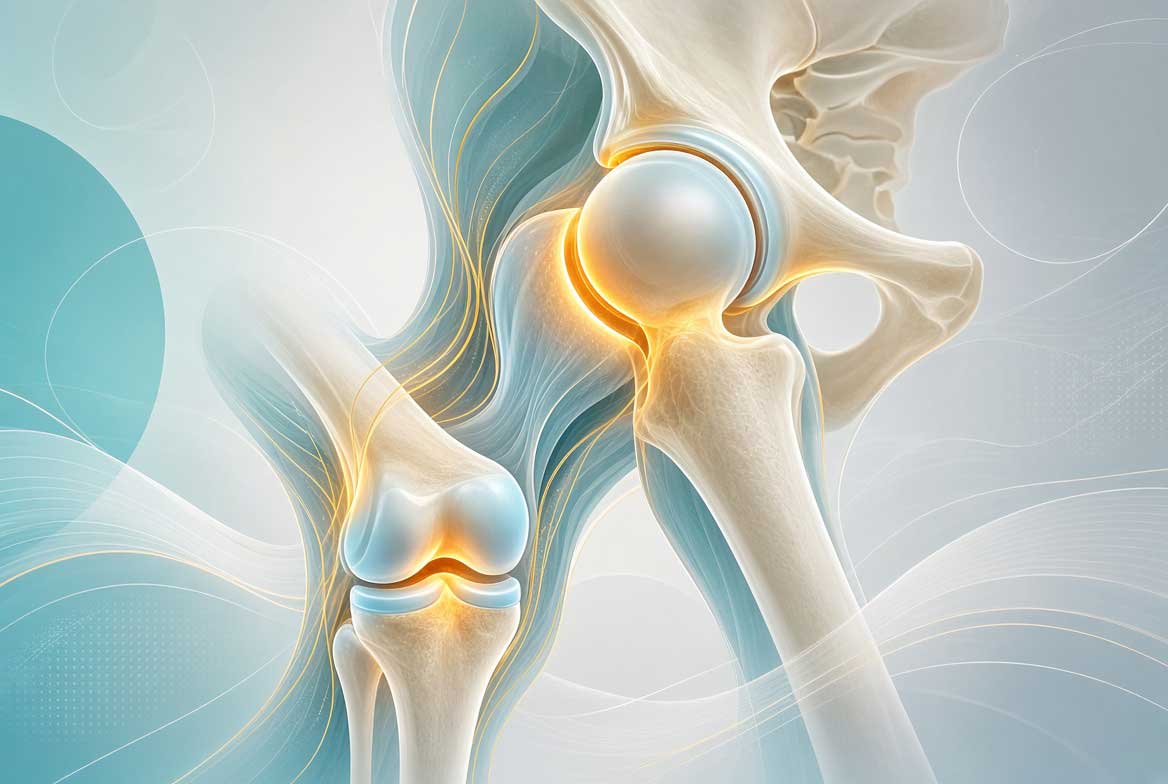
GLA:D Canada exercise program for knee and hip osteoarthritis

GLA:D® Canada vs Traditional Osteoarthritis Treatment

GLA:D® Canada vs. Traditional Osteoarthritis Treatment: What’s the Difference?

If knee or hip osteoarthritis has started making everyday activities harder, you may have heard the same advice many times: take medication, rest when it hurts, lose some weight, and consider surgery if things get bad enough. But there is another approach that puts education, movement, and active self-management at the centre of care. This is where GLA:D® Canada for knee and hip osteoarthritis comes in.

Osteoarthritis, or OA, is extremely common in Canada. In fact, GLA:D® Canada research has described the program as an evidence-based approach developed to make guideline-recommended care available to the millions of Canadians living with knee and hip osteoarthritis.

So, what makes GLA:D® different from traditional osteoarthritis treatment?

The short answer is that it does not necessarily replace medication, injections, weight management, physiotherapy, or surgery. Instead, it gives people a structured way to use education and supervised exercise as an important part of their overall treatment plan.

And that difference matters.

Because when your knee hurts every time you climb the stairs, “just exercise more” is not exactly the world’s most helpful instruction.

What is GLA:D® Canada?

GLA:D® stands for Good Life with osteoArthritis in Denmark. The program was originally developed in Denmark and has since been implemented in several countries, including Canada.

The Canadian program is designed specifically for people with knee and hip osteoarthritis. It combines education with supervised exercise and is delivered by trained healthcare professionals.

The goal is not to promise a miracle cure. Osteoarthritis currently has no simple cure that makes the condition disappear. Instead, the goal is to help people understand their condition, manage symptoms, move more confidently, improve physical function and stay active.

According to the official GLA:D® Canada program, participants receive education about osteoarthritis, self-management and exercise, followed by supervised neuromuscular exercise sessions.

At Sync Move Rehab Centre, the GLA:D® Canada Program is offered for people dealing with knee and hip osteoarthritis in Thornhill and surrounding communities.

You can learn more about the program directly on the GLA:D® Canada Program page at Sync Move Rehab Centre.

Traditional Osteoarthritis Treatment: What Does It Usually Mean?

There is no single “traditional” treatment for osteoarthritis.

In reality, osteoarthritis care often involves several different strategies depending on the severity of symptoms, the affected joint, the person’s health, lifestyle, goals and response to treatment.

Common approaches may include:

  • Pain-relieving medication
  • Anti-inflammatory medication
  • Therapeutic exercise
  • General physical activity
  • Weight management
  • Physiotherapy
  • Braces or walking aids
  • Injections
  • Lifestyle changes
  • Joint replacement surgery for severe cases

Some people use only one or two of these options. Others move through several stages over time.

The important point is that GLA:D® Canada is not simply “exercise instead of medical treatment.” It is better understood as a structured, evidence-based way of putting education and exercise into the treatment plan.

This distinction is important because modern osteoarthritis care increasingly focuses on active management rather than simply trying to make the pain disappear temporarily.

Arthritis Society Canada also emphasizes physical activity, therapeutic exercise, self-management and weight management as important parts of osteoarthritis care.

GLA:D® Canada vs. Traditional Treatment: The Main Difference

The biggest difference is how the person is involved in their own treatment.

A traditional approach may sometimes feel like this:

“Here is your prescription. Take this when it hurts. Come back if it gets worse.”

A structured program such as GLA:D® takes a different approach:

“Let’s help you understand what is happening, teach you how to move safely, build your strength and give you practical tools that you can continue using in everyday life.”

That does not mean medication has no place.

It does not mean injections are always wrong.

And it certainly does not mean surgery is never necessary.

Instead, GLA:D® focuses on giving people more tools before they reach the point where their only perceived option is surgery.

1. Education Is Part of the Treatment

One of the most important differences with GLA:D® Canada is that education is not treated as an optional extra.

Participants learn about osteoarthritis, symptoms, risk factors, available treatment options and ways to manage their symptoms.

They also learn why exercise can help and how to deal with everyday activities that have become difficult.

This may sound simple, but understanding osteoarthritis can change how a person responds to pain.

For example, many people instinctively believe that pain means the joint is being damaged every time they move.

That fear can lead to less movement.

Less movement can lead to weaker muscles.

Weaker muscles can make everyday activities harder.

And suddenly the person is caught in a frustrating cycle of pain, inactivity and reduced confidence.

Education can help break that cycle.

The official GLA:D® Canada program specifically includes education about osteoarthritis, self-management and the role of exercise.

2. Exercise Is Structured Rather Than Random

Another important difference is that GLA:D® is not simply a list of exercises downloaded from the internet.

The program uses supervised exercise sessions led by trained professionals.

At Sync Move Rehab Centre, the program includes an initial physiotherapy assessment followed by education and supervised neuromuscular exercise. Exercises can be modified according to the individual’s abilities, fitness level and symptoms.

This matters because two people with “knee arthritis” can have completely different needs.

One person may struggle mainly with stairs.

Another may have difficulty getting up from a chair.

Someone else may have reduced balance or feel nervous about walking outdoors.

A good exercise program should take those differences into account.

3. GLA:D® Focuses on Neuromuscular Control

You may have heard that people with osteoarthritis simply need to “strengthen their muscles.”

Strength is certainly important, but movement quality matters too.

GLA:D® includes neuromuscular exercises designed to help people improve movement control, stability and the way they use their joints during everyday activities.

The official Canadian program describes exercises that help participants improve joint stability and apply better movement strategies to daily life.

In practical terms, this can mean learning how to move more confidently when:

  • Walking
  • Climbing stairs
  • Standing from a chair
  • Getting in and out of a car
  • Carrying everyday items
  • Performing household activities
  • Returning to recreational activities

The objective isn’t to turn everyone into an Olympic athlete.

For most people with osteoarthritis, being able to get through Tuesday without negotiating with their knee is already a pretty excellent achievement.

4. Supervision Can Make Exercise More Effective

One of the challenges with home exercise is knowing what to do, how much to do and whether you are doing it correctly.

It is also surprisingly easy to start enthusiastically on Monday and forget the whole plan by Thursday.

Research-based osteoarthritis guidelines support exercise as a central part of treatment, and evidence suggests supervised exercise can be particularly useful. The American College of Rheumatology/Arthritis Foundation guideline strongly recommends exercise for people with knee and hip osteoarthritis and notes that exercise programs tend to be more effective when supervised.

That is one reason structured programs can be appealing.

You have a schedule.

You have guidance.

You can ask questions.

And your exercises can be adjusted as your ability changes.

5. GLA:D® Is Designed to Build Confidence, Not Just Strength

Pain is only one part of osteoarthritis.

Confidence is another.

A person may technically be capable of walking farther but avoid doing so because they are afraid their knee will suddenly hurt.

Someone may stop taking the stairs because they expect pain.

Another person may avoid recreational activities they used to enjoy.

This is where education, supervised exercise and gradual progression can make a meaningful difference.

The aim is not simply:

“Your pain score went from 6 to 4.”

It is also:

“I can walk to the store again.”

“I can get out of my chair more easily.”

“I can go for a walk with my family.”

“I am less worried about moving.”

Those improvements can have a surprisingly large effect on quality of life.

What Does the Research Say About GLA:D®?

This is where things become particularly interesting.

A large study published in Osteoarthritis and Cartilage looked at 28,370 people with symptomatic knee or hip osteoarthritis who participated in GLA:D® programs in Denmark, Canada and Australia.

The program included education and 12 supervised exercise sessions.

Following the program, participants experienced:

  • 26–33% improvement in average pain intensity
  • 8–12% improvement in walking speed
  • 18–30% improvement in chair-stand performance
  • 12–26% improvement in joint-related quality of life
  • About 43–47% of participants experienced clinically relevant pain reductions

The researchers concluded that the results supported positive outcomes following implementation of guideline-based education and exercise therapy.

That is a substantial number of people.

And it is one reason GLA:D® has attracted attention beyond Denmark.

What Do Canadian GLA:D® Results Show?

Canadian data are also encouraging.

The official GLA:D® Canada 2023 results reported that:

  • 58.3% of knee participants reported improved pain
  • 55.8% of hip participants reported improved pain
  • 56.4% of knee participants reported improved function
  • 51% of hip participants reported improved function
  • 64.4% of knee participants reported improved quality of life
  • 57.6% of hip participants reported improved quality of life

The same report noted that by that point, the program had trained 2,015 clinicians and had launched at 402 sites across 9 provinces and 2 territories.

These numbers are important because they reflect implementation of the program in Canada rather than results from a small laboratory experiment.

What About the People Who Have More Severe Osteoarthritis?

This is a common question.

Many people assume that exercise-based treatment is only useful when osteoarthritis is mild.

That is not necessarily true.

The GLA:D® Canada program is intended for people with a range of knee and hip osteoarthritis symptoms. A person’s suitability should be assessed by a qualified healthcare professional.

At Sync Move Rehab Centre, the program page notes that the program can be appropriate for mild, moderate and severe knee or hip osteoarthritis, with the physiotherapist determining whether it is suitable after assessment.

Exercise also does not automatically disappear from the treatment plan just because someone has advanced osteoarthritis.

In some cases, improving strength, balance, movement confidence and daily function can be particularly valuable while a person is considering other treatment options.

Can GLA:D® Replace Medication?

Not necessarily.

This is one of the biggest misconceptions about exercise-based osteoarthritis programs.

GLA:D® is not a promise that you will never need medication.

Pain medication and anti-inflammatory treatments may be appropriate for some people. Other treatments may also be useful depending on the individual.

The difference is that GLA:D® focuses on strategies that help people actively manage their condition rather than relying only on passive treatments.

Arthritis Society Canada notes that osteoarthritis treatment can include a combination of self-management, therapeutic exercise, physical activity, weight management, medication and, when necessary, surgery.

In other words, it does not have to be an “either/or” decision.

For some people, the best approach may be:

exercise + education + lifestyle changes + medication when appropriate

rather than:

medication alone

What About Cortisone or Other Injections?

Injections can be useful for some people with osteoarthritis, depending on their situation.

They may provide temporary symptom relief, but they do not teach you how to move better or strengthen the muscles supporting the joint.

This is another area where GLA:D® takes a different approach.

The program is focused on skills that participants can continue using outside the clinic.

Think of it as the difference between borrowing an umbrella during a rainstorm and learning where the weather forecast is on your phone.

Both can be useful.

But one gives you a tool you can use again tomorrow.

What About Joint Replacement Surgery?

Knee or hip replacement can be an important and highly effective treatment for people with severe osteoarthritis when other approaches are no longer providing enough relief.

GLA:D® does not claim to eliminate the need for surgery.

However, an exercise and education program may be useful for people who want to improve function, manage symptoms or potentially postpone surgery while working with their healthcare team.

Pre-surgery rehabilitation can also be valuable for improving strength and physical capacity.

Ultimately, the decision about surgery should be made with an appropriate healthcare professional based on symptoms, function, imaging when needed, overall health and personal goals.

GLA:D® Canada Is Not “Just Physiotherapy”

There is some overlap between GLA:D® and physiotherapy, but the program is more structured.

A physiotherapist may provide many different forms of treatment depending on the patient’s needs.

GLA:D® Canada follows a standardized framework built around:

  1. Education
  2. Supervised neuromuscular exercise
  3. Ongoing outcome monitoring

The standardized nature of the program is important because it helps ensure that participants receive an evidence-based approach rather than a completely different treatment depending on which clinic they visit.

GLA:D® Canada also uses a national data collection system to monitor outcomes at baseline, around three months and again at 12 months.

Why Does Outcome Tracking Matter?

Imagine buying a pair of running shoes and never checking whether they actually helped you run.

You would probably want to know.

Healthcare is no different.

GLA:D® Canada collects information about pain, quality of life and physical activity, allowing outcomes to be monitored over time.

The Canadian program’s published participant data also show the scale of the program.

By the end of 2022, the registry included 15,193 participants, including 11,228 people with knee OA and 3,965 with hip OA. The average participant was 66 years old, and many participants had been living with symptoms for several years before entering the program.

Interestingly, about two-thirds of participants reported using pain medication before starting the program, while approximately one-third reported wanting joint surgery.

This tells us something important: GLA:D® participants are not necessarily people with minor aches and pains.

Many are people whose osteoarthritis is already affecting their lives.

So, Which Is Better: GLA:D® or Traditional Treatment?

There is no single answer for everyone.

It may be more useful to think of GLA:D® as part of modern osteoarthritis management rather than a competitor trying to defeat every other treatment.

Traditional treatments such as medication, injections, braces and surgery can have an appropriate role.

At the same time, current evidence strongly supports exercise and self-management for knee and hip osteoarthritis.

The real question is therefore:

Are you receiving a treatment plan that helps you manage your osteoarthritis today and gives you skills for tomorrow?

For many people, that means combining several approaches.

GLA:D® Canada vs. Traditional Osteoarthritis Treatment at a Glance

GLA:D® Canada Traditional or Conventional Approach
Structured education Education may vary
Supervised exercise Exercise may or may not be supervised
Neuromuscular training May focus mainly on general strengthening
Self-management strategies Depends on the treatment plan
Progress monitoring Varies between providers
Group-based sessions Often individual treatment
Focus on long-term active management May focus more heavily on symptom relief
Designed specifically for knee and hip OA Treatment depends on the individual
Can work alongside other treatments May include medication, injections or surgery

This does not mean one column is automatically “good” and the other is “bad.”

Modern osteoarthritis care can include elements from both.

Who Might Consider GLA:D® Canada?

You may want to ask a healthcare professional about the program if you have:

  • Knee osteoarthritis
  • Hip osteoarthritis
  • Pain when walking
  • Difficulty climbing stairs
  • Morning stiffness
  • Difficulty standing from a chair
  • Reduced mobility
  • Reduced balance
  • Fear or lack of confidence with movement
  • Difficulty participating in activities you enjoy
  • A desire to become more active
  • An interest in delaying or preparing for joint replacement surgery

At Sync Move Rehab Centre, the GLA:D® journey starts with an assessment to determine whether the program is appropriate for you. Exercises are adjusted according to individual ability and symptoms.

Do You Need a Doctor’s Referral?

Requirements can vary by clinic and insurance provider.

At Sync Move Rehab Centre, a doctor’s referral is generally not required to participate in the GLA:D® Canada program. However, insurance coverage can depend on your individual extended health plan.

If you have insurance coverage for physiotherapy, it is worth checking with your provider before starting.

What Happens During the GLA:D® Canada Program?

The program at Sync Move Rehab Centre includes a comprehensive assessment followed by education and supervised exercise.

The standard program includes education sessions and 12 supervised neuromuscular exercise sessions. The exercise sessions are generally 60 minutes and take place twice a week over six weeks.

Participants learn about:

  • Osteoarthritis
  • Pain and symptom management
  • Movement strategies
  • Muscle strength
  • Joint stability
  • Balance
  • Functional movement
  • Everyday activity

The goal is to make exercise useful outside the clinic.

After all, the real test isn’t whether you can perform an exercise perfectly inside a physiotherapy clinic.

It’s whether you can use what you learned when you’re standing in your kitchen, walking through a grocery store or trying to get up from your favourite chair.

Why Choose a Certified GLA:D® Provider?

Standardization is one of the strengths of the GLA:D® model.

Healthcare professionals who deliver the Canadian program receive specific GLA:D® training. The official GLA:D® Canada certification program is designed to train providers in evidence-based osteoarthritis management, neuromuscular exercise and implementation of the program.

This helps create consistency across participating locations.

At Sync Move Rehab Centre, the program is delivered by physiotherapists with a focus on individualized progression and evidence-based care.

The clinic serves communities including Thornhill, Markham, Richmond Hill, Vaughan and North York.

The Bigger Picture: Treat the Person, Not Just the X-Ray

One of the most useful ways to think about osteoarthritis is to remember that an X-ray is only one piece of the puzzle.

Two people can have similar-looking joint changes but very different levels of pain and disability.

One person may have significant changes on an X-ray but remain active.

Another may have less obvious changes but experience substantial pain and difficulty walking.

That is why modern osteoarthritis management looks beyond imaging.

Pain, strength, mobility, confidence, physical activity, sleep, weight, lifestyle and personal goals all matter.

GLA:D® fits well into this broader approach because it gives people practical tools rather than focusing only on what the joint looks like.

What the Evidence Really Means

It is important not to overpromise.

Research showing that many people improve does not mean every participant will experience the same results.

GLA:D® is not a cure for osteoarthritis.

It cannot guarantee that someone will avoid surgery.

It cannot guarantee that pain will disappear.

And it does not mean medication will never be necessary.

What the research does suggest is that a structured program combining education and exercise can improve pain, physical function and quality of life for many people with knee and hip osteoarthritis.

That is a much more useful promise than a miracle cure.

The Bottom Line

The biggest difference between GLA:D® Canada and traditional osteoarthritis treatment is not that one uses exercise while the other uses medication. The real difference is the emphasis on active, structured self-management. GLA:D® combines education, supervised neuromuscular exercise and ongoing progress monitoring to help people with knee and hip osteoarthritis understand their condition and become more confident in managing it. Medication, injections, weight management, physiotherapy and surgery may still have an appropriate place in an individual’s care. The best treatment is the one that matches the person’s symptoms, health, goals and lifestyle. If knee or hip osteoarthritis is limiting your ability to walk, exercise, work or enjoy everyday activities, the GLA:D® Canada Program at Sync Move Rehab Centre offers a structured, evidence-based approach designed to help you move better, reduce symptoms and stay active.

Frequently Asked Questions

Is GLA:D® Canada a cure for osteoarthritis?

No. There is currently no simple cure for osteoarthritis. GLA:D® is designed to help people manage symptoms, improve physical function and stay active.

Is GLA:D® better than medication?

It is not necessarily an either/or choice. Medication may be appropriate for some people, while exercise and self-management are also important parts of osteoarthritis care.

Can people with severe knee or hip osteoarthritis participate?

Potentially, yes. Suitability depends on the individual. A physiotherapist should assess your condition and determine whether the program is appropriate.

How long does GLA:D® Canada take?

The standard program includes education sessions and 12 supervised exercise sessions. At Sync Move Rehab Centre, the exercise sessions are generally delivered twice a week over six weeks.

Do I need an X-ray before starting?

Not necessarily. At Sync Move Rehab Centre, a doctor’s referral or X-ray is often not required to begin the program. An assessment is used to determine whether GLA:D® is appropriate.

Can GLA:D® help me delay joint replacement?

It may help improve symptoms and function and can be useful for people who want to remain active while considering their treatment options. However, no program can guarantee that surgery will be avoided.

Is GLA:D® covered by insurance in Canada?

Coverage depends on your individual extended health insurance plan. Many plans provide some coverage for physiotherapy services, but patients should confirm their benefits directly with their insurer.

Sources & Further Reading

  1. GLA:D® Canada – Results in Canada – Canadian program outcomes, implementation data and participant results. GLA:D® Canada Results
  2. GLA:D® Canada – Education and Exercise – Official explanation of the program structure and evidence-based approach. GLA:D® Canada Education and Exercise
  3. GLA:D® Canada – Data Collection – Information about outcome monitoring at baseline, three months and 12 months. GLA:D® Canada Data Collection
  4. Young JJ, et al. The GLA:D® Canada program for knee and hip osteoarthritis: A comprehensive profile of program participants from 2017 to 2022. PLOS ONE. Read the PLOS ONE study
  5. Skou ST, et al. Immediate outcomes following the GLA:D® program in Denmark, Canada and Australia. Osteoarthritis and Cartilage. Read the research study
  6. Arthritis Society Canada – Osteoarthritis – Canadian information on osteoarthritis, exercise, weight management and treatment. Arthritis Society Canada – Osteoarthritis
  7. Arthritis Society Canada – Exercises for Osteoarthritis of the Hip & Knee – Practical information about exercise and osteoarthritis. Exercises for Hip & Knee Osteoarthritis
  8. Kolasinski SL, et al. 2019 American College of Rheumatology/Arthritis Foundation Guideline for the Management of Osteoarthritis of the Hand, Hip, and Knee. Read the ACR/Arthritis Foundation Guideline
  9. GLA:D® Canada – Certification Course – Information about training and standardized delivery of the program. GLA:D® Canada Certification Course
  10. Arthritis Society Canada – Pain Management Guide – Canadian guidance on physical activity, exercise and osteoarthritis pain management. Arthritis Pain Management Guide
  11. Sync Move Rehab Centre – GLA:D® Canada Program – Program information, assessment, sessions and local service details. GLA:D® Canada at Sync Move Rehab Centre
GLA:D Canada osteoarthritis exercise and rehabilitation program

The Benefits of GLA:D® Canada for Osteoarthritis

The Benefits of GLA:D® Canada for People Living with Osteoarthritis

Living with knee or hip osteoarthritis can change the way you think about everyday life. A short walk to the store may suddenly feel like a workout. Stairs can become a negotiation. Getting out of a chair can require a little planning — and perhaps a strategic look around to make sure nobody is watching. Fortunately, GLA:D® Canada offers an evidence-based approach that can help people with knee and hip osteoarthritis manage pain, improve movement, build strength, and stay active.

GLA:D® stands for Good Life with OsteoArthritis in Denmark. The program combines education with supervised exercise and is designed to give people practical tools for managing osteoarthritis rather than relying only on medication or waiting until surgery becomes necessary. At Sync Move Rehab Centre, the GLA:D® Canada Program is provided by certified physiotherapy professionals and is designed around the participant’s abilities, symptoms, and goals.

For Canadians living with osteoarthritis, this approach matters. Osteoarthritis is not simply a “wear and tear” problem, and it is not an automatic sentence to a less active life. Modern recommendations increasingly emphasize exercise, education, healthy weight management, and active self-management as important parts of care.


What Is GLA:D® Canada?

GLA:D® was originally developed in Denmark as a structured program for people with knee and hip osteoarthritis. The Canadian version was adapted for the Canadian healthcare environment and has been delivered across Canada since its implementation in 2017.

The program is built around a fairly simple idea: people with osteoarthritis need more than information about what is happening inside their joints. They also need practical skills that help them move, exercise, and manage everyday activities with confidence.

The official GLA:D® Canada program describes itself as an education and exercise program based on current osteoarthritis research. Participants receive an assessment and, when appropriate, complete education and supervised exercise sessions.

At Sync Move Rehab Centre, the program includes:

  • A comprehensive physiotherapy assessment
  • Education about osteoarthritis
  • Self-management strategies
  • Supervised neuromuscular exercise
  • Progressive strengthening
  • Balance and movement training
  • Functional exercises
  • Progress monitoring

The clinic’s program information states that its standard format includes 2–3 education sessions and 12 supervised neuromuscular exercise sessions, with exercise sessions held twice weekly over six weeks. Progress is monitored at the initial visit and at later follow-ups.

Why Osteoarthritis Management Matters

Osteoarthritis affects much more than a joint.

When knee or hip pain makes movement difficult, people often begin changing their routines. They walk less. They avoid stairs. They stop exercising. They may decline invitations that involve too much walking.

Over time, this can create a frustrating cycle:

Pain → less movement → weaker muscles → reduced confidence → even less movement.

Breaking that cycle is one of the most important goals of active osteoarthritis management.

The World Health Organization estimates that approximately 528 million people worldwide were living with osteoarthritis in 2019, representing a 113% increase since 1990. The knee is the most commonly affected joint, and the condition can cause pain, stiffness, reduced mobility, and difficulty participating in everyday activities.

Osteoarthritis is also not limited to people in their 70s or 80s. While age is an important risk factor, joint injury, genetics, body weight, certain metabolic conditions, and previous physical stress can also contribute.

In other words, your birth certificate is not the only thing your knees are reading.

The Growing Need for Better Osteoarthritis Care in Canada

Canada has a large and growing population living with osteoarthritis.

A 2023 study published in PLOS ONE examined the GLA:D® Canada participant registry from the program’s beginning through the end of 2022. It reported 15,193 registered participants, including 11,228 people with knee osteoarthritis and 3,965 with hip osteoarthritis.

The study also showed that the program had expanded across several Canadian provinces. Ontario, Alberta, and British Columbia accounted for most of the participants who had provided baseline information.

That growth is important because it demonstrates something beyond a single clinic or city: there is a substantial Canadian demand for structured, evidence-based osteoarthritis care.

GLA:D® Canada also maintains a national outcomes registry. According to the program’s Canadian implementation research, the registry collects participant characteristics and patient-reported and functional outcomes to support quality improvement and help monitor the program across Canada.

Benefit #1: GLA:D® Canada Can Help Reduce Osteoarthritis Pain

Pain is usually the first reason people look for help.

A sore knee can affect everything from walking and shopping to sleeping and socializing. Hip pain can make getting into a car, putting on socks, or standing for long periods surprisingly difficult.

One of the main goals of GLA:D® Canada is helping participants manage this pain through appropriate movement and exercise.

This does not mean promising that every participant will become completely pain-free.

That would be unrealistic.

Osteoarthritis is a long-term condition, and everyone’s experience is different. Instead, the goal is to help people reduce symptoms and improve their ability to function.

Research involving GLA:D® participants in Denmark, Canada, and Australia found improvements in pain, physical function, and quality-of-life measures after the program. The study included 28,370 people with symptomatic knee or hip osteoarthritis, making it one of the largest evaluations of the program’s outcomes across countries.

That is a lot of knees and hips — and considerably more evidence than a friend’s cousin saying, “My neighbour tried some stretches and it worked.”

Benefit #2: Better Strength and Joint Stability

Muscles surrounding the knee and hip play a major role in movement.

When these muscles become weak, everyday activities can become harder. Standing from a chair, climbing stairs, walking uphill, or getting out of a car may require more effort.

GLA:D® uses neuromuscular exercises designed to improve movement control and muscular strength.

At Sync Move Rehab Centre, participants are taught how to:

  • Control their movements
  • Maintain appropriate posture
  • Build functional strength
  • Apply exercise principles to daily activities

The exercises are also modified according to individual abilities and symptoms.

This is important because “exercise” is not one-size-fits-all.

A person who has mild knee pain and regularly goes hiking needs a different starting point from someone who struggles to stand from a chair.

Good rehabilitation recognizes that difference.

Benefit #3: Improved Mobility

Mobility is not just about how far you can walk.

It is about being able to do what matters to you.

Maybe that’s walking around a shopping centre.

Maybe it is gardening.

Maybe it is travelling.

Maybe it is taking the grandkids to the park.

Or perhaps your goal is simply being able to walk from the kitchen to the living room without thinking about your knee every three steps.

All of those goals are legitimate.

Exercise therapy is consistently recommended in clinical guidelines for knee and hip osteoarthritis. A systematic review of clinical practice guidelines found that higher-quality guidelines consistently recommended education, exercise, and weight management for people with hip and knee osteoarthritis.

GLA:D® puts those principles into a structured program.

Benefit #4: Greater Confidence in Movement

Pain can create fear.

People may start wondering:

“Will my knee give out?”

“Will this exercise make my arthritis worse?”

“Should I avoid stairs?”

“Should I stop walking?”

These concerns can lead to movement avoidance.

Unfortunately, avoiding activity can contribute to muscle weakness and declining physical function.

Education is therefore an important part of GLA:D® Canada.

Participants learn what osteoarthritis is, what treatments are available, how exercise can help, and how to manage symptoms during daily activities.

Understanding your condition can make movement feel less mysterious.

And sometimes knowledge is exactly what you need to replace “I probably shouldn’t do that” with “I know how to do that safely.”

Benefit #5: Better Balance and Functional Movement

Osteoarthritis doesn’t only affect pain.

It can affect how someone moves.

A person with knee pain may unconsciously shift their weight to one side. Someone with hip pain may change their walking pattern. These adaptations can become habits.

GLA:D® includes neuromuscular and functional exercises that help participants improve movement control.

Balance training can also be particularly valuable for older adults who are becoming less confident on their feet.

The goal is not to turn every participant into a gymnast.

The goal is to make everyday movement safer, smoother, and more comfortable.

Benefit #6: More Independence in Everyday Life

Independence is one of the most underrated benefits of good mobility.

Being able to:

  • Get out of bed
  • Stand from a chair
  • Walk to the shops
  • Carry groceries
  • Climb stairs
  • Get into a car
  • Walk around the neighbourhood

can make a major difference in quality of life.

The Sync Move Rehab Centre GLA:D® Canada program specifically includes functional exercises designed to help participants apply what they learn to everyday activities.

That’s an important distinction.

The goal isn’t simply to become better at doing exercises.

The goal is to become better at living.

Benefit #7: A Non-Surgical Approach to Osteoarthritis Management

One of the biggest attractions of GLA:D® Canada is that it provides a structured non-surgical option.

That does not mean surgery is “bad.”

Joint replacement can be an excellent treatment for people with severe osteoarthritis when conservative management no longer provides enough relief.

However, surgery isn’t the first choice for everyone.

Many people want to explore non-surgical treatment first.

Exercise and education can help manage symptoms and improve physical function, while also helping people become stronger and more confident.

For some individuals, this may help delay the need for joint replacement. For others, the program may serve as preparation for surgery by improving strength and physical readiness.

Importantly, GLA:D® should not be marketed as a guaranteed way to avoid surgery. The right treatment depends on symptoms, joint damage, overall health, goals, and response to conservative care.

Benefit #8: Education Gives You Tools You Can Use Outside the Clinic

A good rehabilitation program shouldn’t make you dependent on your therapist forever.

Instead, it should teach you skills you can use independently.

That’s one of the strengths of GLA:D®.

Education covers topics such as:

  • Osteoarthritis symptoms
  • Risk factors
  • Treatment options
  • Exercise
  • Self-management
  • Daily activities

The Canadian program was specifically designed around providing evidence-based strategies that people can use in real life.

That matters because a 60-minute appointment once or twice a week is only a small part of your life.

What happens during the other 167 hours of the week matters too.

Benefit #9: Supervised Exercise Can Make a Difference

Anyone with a smartphone can search for “knee exercises.”

The internet will happily provide thousands.

Some will be useful.

Some will be inappropriate.

Some may be too difficult.

Others may not match your symptoms at all.

This is why supervised exercise can be valuable.

A trained physiotherapist can observe how you move and adjust an exercise according to your needs.

At Sync Move Rehab Centre, GLA:D® exercises are individually modified to match a person’s abilities, fitness level, and symptoms.

That individualization is especially important for people who have significant pain, weakness, balance concerns, or advanced osteoarthritis.

Benefit #10: The Program Is Built Around Real-Life Goals

A rehabilitation plan is much easier to follow when it connects to something you actually care about.

Perhaps you want to:

  • Walk 30 minutes without stopping
  • Play golf again
  • Travel comfortably
  • Garden for longer
  • Climb stairs
  • Walk your dog
  • Keep up with your grandchildren

Those goals can help make exercise meaningful.

Instead of thinking:

“I have to do another set of exercises.”

You can think:

“I’m doing this because I want to walk around Vancouver on vacation.”

That is a much more motivating conversation.

What Does the GLA:D® Canada Program Include?

The exact experience can vary by provider, but the program at Sync Move Rehab Centre includes several key elements.

Initial Physiotherapy Assessment

Your journey begins with an assessment to determine whether the program is appropriate for you.

The assessment looks at your symptoms, physical abilities, movement, and functional limitations.

Education

Participants learn about osteoarthritis and how to manage it.

Neuromuscular Exercise

The exercise sessions focus on movement control, strength, stability, and function.

Progressive Strengthening

Exercises can become more challenging as your ability improves.

Balance and Movement Training

These exercises help participants develop better control and confidence.

Functional Training

Exercises are connected to activities people perform in everyday life.

Progress Monitoring

The program includes outcome monitoring so progress can be evaluated over time.

How Long Does GLA:D® Canada Take?

At Sync Move Rehab Centre, the standard program includes education sessions and 12 supervised exercise sessions over approximately six weeks. Exercise sessions are typically held twice per week.

The official GLA:D® Canada program also describes education and exercise as core parts of the program, with outcome monitoring built into the broader model.

Six weeks may sound short.

But think about what can happen in six weeks when you consistently work on strength and movement.

You don’t need to transform into a fitness influencer.

You just need to keep showing up.

What Does Recent Research Say About Exercise for Osteoarthritis?

Research published in 2025 provides even more support for exercise as an important treatment for knee osteoarthritis.

A large systematic review and network meta-analysis published in The BMJ examined 217 randomized controlled trials involving 15,684 participants. The researchers compared different exercise approaches for knee osteoarthritis.

They found that exercise improved pain, function, gait performance, and quality of life. Aerobic exercise showed particularly strong overall benefits, while strengthening, neuromotor, flexibility, and mixed exercise approaches also showed benefits in different outcomes and time periods.

This does not mean everyone with osteoarthritis should suddenly start running marathons.

Quite the opposite.

The research supports the importance of choosing appropriate exercise based on the individual.

That is where professional guidance becomes useful.

What About Strength Training?

Strength training has received considerable attention in osteoarthritis research.

A 2024 systematic review and meta-analysis examined whether the benefits of resistance exercise for knee and hip osteoarthritis depend on factors such as exercise volume, duration, and adherence.

The broader message is encouraging: resistance exercise can be an important component of managing pain and function.

And no, “resistance exercise” doesn’t necessarily mean lifting a barbell that looks like it belongs in a professional gym.

It can include carefully selected body-weight exercises, resistance bands, machines, or other forms of progressive strengthening.

Can You Exercise If Your Arthritis Is Severe?

This is a common concern.

The answer is: potentially, yes.

The Sync Move Rehab Centre program states that GLA:D® Canada can be appropriate for people with mild, moderate, and severe knee or hip osteoarthritis, with suitability determined during the physiotherapy assessment.

However, severe symptoms deserve professional assessment.

If you have severe pain, sudden swelling, significant instability, recent trauma, or symptoms that are rapidly changing, you should speak with an appropriate healthcare professional rather than simply starting an exercise program on your own.

The purpose of GLA:D® is to provide structured exercise, not to ignore warning signs.

Is GLA:D® Canada the Same as Regular Physiotherapy?

There is overlap, but they are not exactly the same thing.

Physiotherapy is a broad profession covering many different conditions and treatment approaches.

GLA:D® Canada is a specific standardized program focused on knee and hip osteoarthritis.

Its structure includes education, supervised neuromuscular exercise, and outcome monitoring.

The benefit of a standardized program is consistency.

At the same time, participants still need individualized adjustments.

This is why the program at Sync Move Rehab Centre combines the GLA:D® framework with physiotherapy assessment and exercise modification.

Why Choose Sync Move Rehab Centre?

For people living in Thornhill and surrounding communities, access to the right provider can make treatment much easier.

Sync Move Rehab Centre offers the GLA:D® Canada Program as part of its rehabilitation services and serves communities including Thornhill, Markham, Richmond Hill, Vaughan, and North York.

The clinic’s approach emphasizes:

  • Certified physiotherapy care
  • Personalized exercise progression
  • Supportive sessions
  • Evidence-based treatment
  • Education for independent symptom management
  • Functional movement

The clinic is located at 8220 Bayview Avenue, Unit 206, Thornhill, Ontario.

For people considering the program, the best next step is usually an assessment to determine whether GLA:D® is appropriate for their particular situation.

You can learn more about the program through the official GLA:D® Canada service page at Sync Move Rehab Centre. GLA:D® Canada Program at Sync Move Rehab Centre

Is GLA:D® Canada Covered by Insurance?

Insurance coverage varies.

According to Sync Move Rehab Centre, many extended health insurance plans cover physiotherapy services associated with the GLA:D® program, but coverage depends on the individual’s policy.

Before starting, it is worth checking:

  1. Whether your plan covers physiotherapy.
  2. Whether you need a referral.
  3. Your annual physiotherapy maximum.
  4. Whether your provider needs to be registered with a particular insurer.
  5. Whether direct billing is available.

A five-minute phone call to your insurance company can save you a surprisingly complicated conversation with your wallet later.

Do You Need a Doctor’s Referral?

According to Sync Move Rehab Centre’s current GLA:D® Canada information, a doctor’s referral is usually not required to participate.

However, individual circumstances differ.

If you have other medical conditions, recently had surgery, experienced a significant injury, or are uncertain about the source of your pain, consulting your physician or another qualified healthcare professional may be appropriate.

Can GLA:D® Canada Replace Medication?

GLA:D® is not designed to tell people to stop prescribed medications.

Medication decisions should be discussed with your doctor or pharmacist.

The purpose of the program is to give people another important tool for managing osteoarthritis: education and exercise.

The World Health Organization identifies exercise, healthy weight management, education, and rehabilitation as important parts of osteoarthritis management. Medication and surgery can also have a role depending on severity and individual circumstances.

The best approach is often not “exercise versus medication.”

It is about creating the right overall treatment plan for the individual.

Can GLA:D® Help You Stay Active?

This may be the most important benefit of all.

Osteoarthritis can gradually shrink a person’s world.

First, they stop running.

Then they stop hiking.

Then they avoid long shopping trips.

Then they stop travelling.

Eventually, they may avoid activities simply because they don’t trust their joints anymore.

A structured program can help reverse that pattern.

The goal is not to pretend the arthritis isn’t there.

The goal is to help you work with your body rather than constantly fighting it.

A More Practical Way to Think About Osteoarthritis

Instead of asking:

“How can I make my arthritis disappear?”

A more useful question may be:

“How can I make my body stronger and my daily life easier despite arthritis?”

That shift is at the heart of modern osteoarthritis management.

You may not be able to completely change the structure of a joint.

But you can often influence:

  • Muscle strength
  • Physical activity
  • Balance
  • Movement habits
  • Confidence
  • Weight
  • Daily function
  • Self-management skills

And those things matter.

Who Should Consider GLA:D® Canada?

You may want to ask about GLA:D® Canada if you have:

  • Diagnosed knee osteoarthritis
  • Diagnosed hip osteoarthritis
  • Knee or hip pain during walking
  • Difficulty climbing stairs
  • Morning stiffness
  • Difficulty standing from a chair
  • Reduced balance
  • Reduced mobility
  • Concerns about becoming less active
  • An interest in delaying joint replacement

The program may also be useful for people who simply want a structured approach rather than trying to figure out arthritis exercise alone.

What Should You Expect From Your First Visit?

Your first visit is not a fitness test designed to make you regret eating that second slice of cake.

The purpose is assessment.

Your physiotherapist can evaluate your movement, symptoms, functional abilities, and goals to determine whether the program is suitable.

From there, exercises can be adapted to your starting point.

Someone who is already active may begin at a different level than someone who has spent months avoiding movement.

That’s normal.

Rehabilitation is not about comparing yourself with the person next to you.

It’s about improving from where you are today.

The Bigger Picture: Managing Osteoarthritis for the Long Term

The biggest benefit of a program like GLA:D® may be that it teaches people to think beyond a six-week treatment period.

Osteoarthritis is a chronic condition.

There may be good weeks and bad weeks.

Some mornings your knee may cooperate beautifully.

Other mornings it may seem to have filed a formal complaint.

Long-term success often comes from learning how to adjust activity rather than giving up completely.

That may mean changing exercise intensity, taking short breaks, modifying an activity, or using professional guidance when symptoms change.

The goal is sustainable movement.

Final Thoughts: Is GLA:D® Canada Worth Considering?

The benefits of GLA:D® Canada go beyond a list of exercises. The program brings together education, supervised neuromuscular exercise, strengthening, functional movement, and ongoing monitoring to help people with knee and hip osteoarthritis become more confident and capable in everyday life.

The evidence supporting exercise for osteoarthritis continues to grow, while Canadian GLA:D® data show that the program has reached thousands of people across the country. Research also supports the importance of education and exercise as core parts of modern knee and hip osteoarthritis management.

GLA:D® is not a magic cure, and no responsible healthcare provider should promise that it will eliminate every person’s pain or prevent surgery. What it can offer is something much more practical: knowledge, structured movement, professional guidance, and tools that can help you take a more active role in managing osteoarthritis.

If knee or hip osteoarthritis is making everyday activities harder, Sync Move Rehab Centre can help you explore whether the GLA:D® Canada Program is right for you. Visit the official Sync Move Rehab Centre website or learn more about its GLA:D® Canada Program for knee and hip osteoarthritis to take the next step toward moving better, reducing pain, and staying active.

References

  1. GLA:D® Canada – Managing Hip and Knee Osteoarthritis
    GLA:D® Canada Official Website
  2. GLA:D® Canada – Education and Exercise
    GLA:D® Canada Education and Exercise
  3. Young JJ, Perruccio AV, Veillette CJH, McGlasson RA, Zywiel MG. The GLA:D® Canada program for knee and hip osteoarthritis: A comprehensive profile of program participants from 2017 to 2022. PLOS ONE, 2023.
    Read the full PLOS ONE study
  4. Zywiel M, Ellis K, Veillette CJH, Skou ST, McGlasson RA. Implementation of the Good Life with osteoArthritis in Denmark (GLA:D) Program across Canada for the Management of Hip and Knee Osteoarthritis. Healthcare Quarterly, 2021.
    Read the PubMed record
  5. Immediate outcomes following the GLA:D® program in Denmark, Canada and Australia. Osteoarthritis and Cartilage, 2021.
    Read the PubMed record
  6. Cross-cultural adaptation and implementation of Good Life with osteoarthritis in Denmark (GLA:D™): group education and exercise for hip and knee osteoarthritis is feasible in Canada. Osteoarthritis and Cartilage, 2018.
    Read the study
  7. The effect of geographic location and payor type on provincial-wide delivery of the GLA:D program for hip and knee osteoarthritis in Alberta, Canada. Osteoarthritis and Cartilage Open, 2023.
    Read the study
  8. World Health Organization. Osteoarthritis Fact Sheet. 2023.
    WHO Osteoarthritis Fact Sheet
  9. Recommendations for the management of hip and knee osteoarthritis: A systematic review of clinical practice guidelines. 2023.
    Read the PubMed record
  10. Marriott KA et al. Are the Effects of Resistance Exercise on Pain and Function in Knee and Hip Osteoarthritis Dependent on Exercise Volume, Duration, and Adherence? 2024.
    Read the PubMed record
  11. Mao Y et al. Efficacy of home-based exercise in the treatment of pain and disability at the hip and knee in patients with osteoarthritis. 2024.
    Read the PubMed record
  12. Comparative efficacy and safety of exercise modalities in knee osteoarthritis: systematic review and network meta-analysis. The BMJ, 2025.
    Read the BMJ study