Massage Therapy: Benefits, Types, and What Science Says
Have you ever finished a long day at work with a stiff neck, tight shoulders, or an aching back? If so, you are certainly not alone. Massage therapy is a popular option for people who want to relax, manage muscle discomfort, and move more comfortably. Whether you spend hours at a computer, enjoy weekend sports, or simply feel the effects of a busy life, massage therapy may help you feel better and take better care of your body.
However, massage is about more than enjoying a quiet room and taking a well-deserved break. Different massage techniques serve different purposes, and scientific research can help us understand what they may—and may not—do. Choosing the right approach is important, especially if you are dealing with persistent pain or recovering from an injury.
In this guide, we will explore the benefits of massage therapy, popular massage techniques, what research tells us, how to choose a qualified practitioner in Canada, and when massage might not be the right choice. We will also explain how professional care at Sync Move Rehab Centre in Thornhill, Ontario, may fit into a broader approach to physical wellness and rehabilitation.
What Is Massage Therapy?
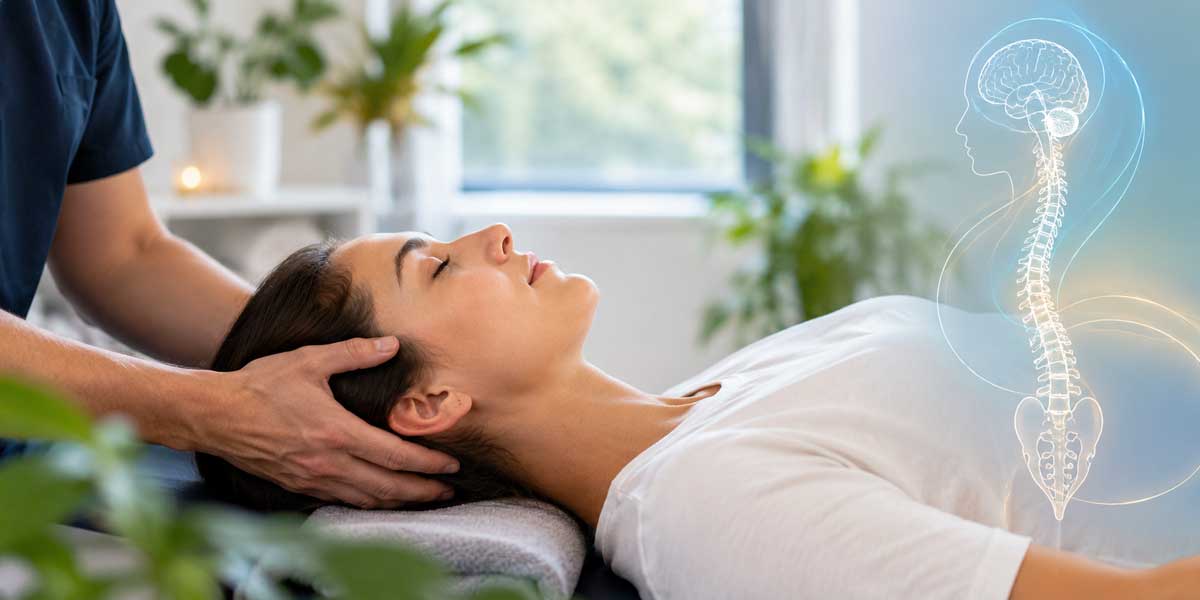
Massage therapy involves using hands and, in some cases, other techniques to work with the body’s soft tissues, including muscles and surrounding connective tissues. Depending on the technique and your individual needs, a massage therapist may use gentle strokes, kneading, sustained pressure, or other controlled movements.
The purpose can vary from person to person. Someone might want to relax after a stressful week, while another person may need help managing muscle tightness or returning to everyday activities after an injury.
A professional massage session generally begins with a conversation about your symptoms, health history, and treatment goals. Your therapist can then select suitable techniques and adjust the pressure to your comfort level.
Think of it this way: a massage should not be a competition to see how much pressure you can tolerate. You are there to feel better, not to win a wrestling match with a massage table!
At Sync Move Rehab Centre’s massage therapy service, treatment options include different approaches tailored to individual needs. The appropriate technique depends on your goals, symptoms, and overall health.
What Are the Main Benefits of Massage Therapy?
Massage therapy may offer several benefits, although the results differ from person to person. Research suggests that some people experience short-term improvements in pain and muscle discomfort, while others find massage helpful for relaxation and general well-being.
Here are some of the most commonly discussed benefits.
1. Relief From Muscle Tension
Muscle tension can develop for many reasons, including prolonged sitting, repetitive movements, exercise, stress, and poor recovery after physical activity.
For example, imagine spending eight hours working at a desk. By the afternoon, your shoulders may have crept toward your ears, and turning your head might feel less comfortable than it did in the morning.
Massage therapy may help reduce the feeling of tightness and improve comfort. Depending on the cause of the tension, your therapist might use gentle or more focused techniques to address the affected area.
However, muscle tension can sometimes be related to joint problems, nerve irritation, or other conditions. Massage may help manage certain symptoms, but it does not automatically correct the underlying cause.
2. Help With Certain Types of Pain
Pain is one of the main reasons people consider massage therapy.
A research review published in 2024 examined systematic reviews of massage therapy for painful conditions in adults. Researchers identified 129 systematic reviews published since 2018, although only 41 assessed the certainty or quality of their conclusions. Of the conclusions evaluated, seven had moderate-certainty evidence supporting an association between massage and beneficial pain outcomes. Most other conclusions were supported by low- or very-low-certainty evidence. The review also found that strong evidence showing massage was better than other active treatments was uncommon. Read the research review.
What does this mean for an ordinary person?
Massage may help with some types of pain, but the results are not guaranteed. It may be useful as part of a treatment plan, especially when combined with appropriate exercise, education, and other healthcare interventions.
For instance, a person with muscle-related neck discomfort may benefit from massage alongside changes to their workstation and regular movement breaks.
On the other hand, persistent pain that has not been assessed should not simply be treated with repeated massage sessions without understanding its cause.
3. Relaxation and Stress Management
Modern life can make relaxation feel like another task on an already crowded to-do list. Between work, family responsibilities, commuting, and everyday worries, finding time to unwind is not always easy.
Massage provides a dedicated period when you can slow down and focus on your physical comfort.
Many people find a massage session calming. Gentle touch, a comfortable environment, and time away from daily demands may contribute to relaxation.
Massage may also help some people with anxiety-related symptoms in particular clinical settings. However, research findings vary, and massage should not be presented as a cure for anxiety, depression, or other mental health conditions.
If stress is affecting your sleep, relationships, or daily activities, massage can be one part of a broader self-care approach, alongside physical activity, adequate sleep, social support, and professional mental health care when needed.
4. Improved Comfort and Movement
When muscles feel tight or painful, everyday activities can become more difficult.
You might notice discomfort when reaching overhead, turning your head while driving, bending to tie your shoes, or getting up after sitting for a long time.
Massage therapy may help some people move more comfortably by reducing pain and muscle tightness in the short term.
However, lasting improvements in mobility often require more than hands-on treatment. Depending on the problem, strengthening exercises, mobility work, changes to daily habits, and rehabilitation may also be important.
This is one reason an integrated approach can be helpful. At Sync Move Rehab Centre, massage therapy is among the available services, alongside physiotherapy and other rehabilitation options. The most appropriate combination depends on an individual’s needs and assessment.
5. Support During Recovery
After some injuries, muscles and surrounding tissues can become uncomfortable or sensitive. Massage may be considered as one component of recovery when it is appropriate for the injury and stage of healing.
For example, a physically active person may experience muscle soreness after returning to exercise following a long break. A therapist can help determine whether massage is suitable and how much pressure to use.
However, massage is not appropriate for every injury, particularly during certain stages of acute tissue damage or when a more serious condition is suspected.
It should also not be assumed that massage speeds up healing in every situation. The benefits depend on the condition, the treatment used, and the quality of the available evidence.
What Does the Research Say About Massage Therapy?
Massage has been studied for many health conditions, including lower back pain, neck discomfort, shoulder pain, knee osteoarthritis, headaches, and fibromyalgia.
The U.S. National Center for Complementary and Integrative Health (NCCIH) reports that massage may provide short-term benefits for certain pain conditions. However, the strength of the evidence varies by condition, and some research findings are inconsistent.
Here is a practical overview:
| Health concern | What research suggests |
|---|---|
| Lower back pain | Massage may provide short-term relief for some people, but evidence quality is limited. |
| Neck and shoulder discomfort | Some studies suggest short-term benefits, although massage is not consistently better than other active treatments. |
| Knee osteoarthritis | Limited research suggests massage may help relieve pain in the short term. |
| Headaches | Findings are mixed, and evidence is not strong enough to make broad claims. |
| Stress and relaxation | Many people report relaxation, but effects and research quality vary. |
| Long-term pain management | Massage may be helpful as one component of care, but lasting benefits are uncertain for many conditions. |
The key message is that massage should be viewed as a potential supportive treatment, rather than a universal solution.
Researchers are continuing to examine how massage compares with other treatments, which techniques work best for particular conditions, and how long any benefits last.
A useful treatment plan focuses on meaningful outcomes: Can you turn your head more comfortably? Is it easier to sleep? Can you walk, work, or exercise with less discomfort? These questions matter more than whether a treatment sounds impressive.
What Do Canadian Pain Statistics Tell Us?
Pain is not a rare problem in Canada. It affects people’s ability to work, participate in family activities, exercise, and complete everyday tasks.
According to Statistics Canada’s report on pain-related disabilities, 16.7% of Canadians aged 15 and older—approximately 4.9 million people—had a pain-related disability in 2022. The reported prevalence increased with age, from 6.7% among people aged 15 to 24 to 27.6% among those aged 65 and older. See the Statistics Canada report.
These figures do not mean that everyone experiencing pain needs massage therapy. They do, however, highlight how important it is to find safe, practical ways to manage pain and maintain physical function.
For some people, that may include massage. For others, physiotherapy, medical treatment, exercise, or a combination of approaches may be more suitable.
The right starting point is understanding the problem rather than choosing a treatment based on popularity alone.
What Are the Different Types of Massage?
Not all massage techniques feel the same, and they are not designed for exactly the same purposes.
Understanding the main options can help you have a more useful conversation with your therapist.
1. Swedish Massage
Swedish massage generally uses flowing strokes, kneading, and other techniques intended to promote relaxation and address general muscle tension.
It is often a suitable option for people who want a gentler massage experience, although pressure can be adjusted.
You might consider discussing Swedish massage if your primary goals are relaxation and general comfort.
2. Deep Tissue Massage
Deep tissue massage uses more focused pressure to address deeper layers of muscle and connective tissue.
Some people choose it for persistent muscle tightness or specific areas of discomfort. However, deeper pressure is not automatically more effective.
A very forceful massage can leave you sore or aggravate certain conditions. Your therapist should adapt the technique to your needs, and you should speak up if the pressure feels uncomfortable.
3. Sports Massage
Sports massage is designed around the needs of physically active people and athletes.
Depending on the situation, it may be used to address muscle discomfort, support recovery routines, or help someone prepare for or return to physical activity.
However, sports massage does not guarantee injury prevention or improved athletic performance. Training load, strength, sleep, nutrition, and recovery habits also play important roles.
4. Prenatal Massage
Prenatal massage is adapted for people during pregnancy.
Some pregnant people seek massage to manage general muscle discomfort or relax. A qualified therapist should consider the stage of pregnancy, positioning, medical history, and any pregnancy-related complications.
Always inform your therapist that you are pregnant, and consult your healthcare provider if you have concerns about whether massage is appropriate.
5. Hot Stone Massage
Hot stone massage uses warmed stones as part of the treatment.
The warmth may feel relaxing and can be appealing to people who prefer heat alongside massage. However, temperature must be controlled carefully to avoid burns, especially for people with reduced skin sensation or certain medical conditions.
6. Lymphatic Drainage Massage
Manual lymphatic drainage uses gentle, rhythmic techniques intended to encourage the movement of lymph fluid.
It may be used in specific circumstances, such as the management of certain types of swelling, when recommended by an appropriately trained practitioner.
This is not the same as a general relaxation massage. Unexplained swelling should be medically assessed, and people with suspected blood clots or certain heart or kidney conditions may require medical guidance before any such treatment.
At Sync Move Rehab Centre’s massage therapy clinic, the available approaches include deep tissue, Swedish, sports, prenatal, hot stone, and lymphatic drainage massage. Ask the clinic which options are currently appropriate and available for your particular needs.
Massage Therapy vs. Physiotherapy: What Is the Difference?
Massage therapy and physiotherapy can both be useful in rehabilitation, but they have different roles.
Massage therapy focuses on hands-on techniques applied to soft tissues. Depending on the person’s condition, it may help reduce discomfort, ease muscle tension, and promote relaxation.
Physiotherapy takes a broader approach to physical function. It may involve an assessment, therapeutic exercises, movement training, education, and other interventions designed to improve mobility and help people return to daily activities.
Consider someone who develops shoulder discomfort after spending months working at a computer.
Massage may help reduce the feeling of tightness. Physiotherapy may also address shoulder strength, movement patterns, workstation habits, and exercises that support longer-term function.
For some people, combining both approaches may be appropriate. Others may benefit more from one approach than the other.
You can learn more about the options available through Sync Move Rehab Centre’s physiotherapy service.
The goal should not be to collect as many treatments as possible. It should be to choose the treatments that make sense for your symptoms and personal goals.
Is Massage Therapy Safe?
Massage therapy is generally considered low risk when performed appropriately on suitable individuals. Nevertheless, it is not risk-free.
Temporary soreness or tenderness may occur, particularly after unfamiliar or vigorous techniques. Rare serious complications have also been reported, including injuries associated with forceful massage.
The NCCIH advises people to consider their health circumstances and discuss concerns with a healthcare professional before trying massage. Read its safety guidance.
Tell your therapist about relevant health information, including:
- Recent injuries, surgery, or fractures.
- Pregnancy or pregnancy-related complications.
- Blood-thinning medication or bleeding disorders.
- Osteoporosis or fragile bones.
- A history of blood clots or unusual swelling.
- Cancer or treatment-related complications.
- Skin infections, open wounds, or areas of reduced sensation.
- Any condition that makes pressure or positioning uncomfortable.
Depending on your circumstances, massage may need to be modified, postponed, or avoided.
Seek urgent medical care if pain occurs with warning signs such as chest pain, difficulty breathing, sudden weakness, or new loss of bladder or bowel control. A massage appointment is not a substitute for emergency assessment.
If pain is severe, unexplained, worsening, or persistent, seek appropriate medical advice before relying on massage alone.
How to Choose a Massage Therapist in Canada
Finding the right practitioner involves more than searching for the closest clinic or choosing the first available appointment.
Here are five practical steps.
1. Check Professional Qualifications
Regulation differs across Canada, so it is important to understand the requirements in your province.
In Ontario, the profession is regulated by the College of Massage Therapists of Ontario (CMTO). You can use the CMTO website to learn about professional standards and registration.
Before booking, confirm that the practitioner holds the credentials required for the services they offer.
2. Explain Your Goals
Are you looking for relaxation, help with muscle tension, or support during rehabilitation?
Be specific. Saying, “My neck feels uncomfortable when I turn left,” gives your therapist more useful information than simply saying, “My body hurts.”
3. Ask About the Treatment Plan
A qualified practitioner should explain the proposed approach, discuss reasonable expectations, and answer questions about the treatment.
You can ask how progress will be assessed and when it might be appropriate to reconsider the plan if you are not improving.
Be cautious of anyone who promises to cure every condition or insists that one technique works for everyone.
4. Discuss Comfort and Communication
You should feel comfortable telling your therapist when pressure is too strong, a position is uncomfortable, or you would prefer a different technique.
Good communication is part of safe, effective care.
5. Check Insurance and Costs
Some extended health insurance plans in Canada cover eligible massage therapy services, subject to policy limits and practitioner requirements.
Coverage is not automatic, and requirements differ between insurers and plans. Check your benefits before booking, including whether a physician’s referral or a receipt from a registered practitioner is required.
If you live in Thornhill or the surrounding Greater Toronto Area, you can review the services offered by Sync Move Rehab Centre and contact the clinic to ask about appointments, fees, practitioner qualifications, and insurance receipts.
What Should You Expect During Your First Massage Appointment?
If you have never had a professional massage, it is normal to feel a little unsure about what will happen.
Most appointments begin with a discussion about your symptoms, medical history, preferences, and treatment goals.
Your therapist may ask questions such as:
- Where do you feel discomfort?
- When did the problem begin?
- What activities make it better or worse?
- Have you had any recent injuries or medical procedures?
- Do you prefer light, moderate, or firmer pressure?
The therapist should explain the treatment, respect your privacy, and obtain your consent. You should also be told how to communicate discomfort or request a change during the session.
During treatment, speak up if the pressure is painful or if anything feels wrong. Some mild tenderness may occur with certain techniques, but severe pain is not a requirement for a successful massage.
Afterward, you may feel relaxed or temporarily sore. Drink water according to your normal needs, allow yourself time to recover if necessary, and follow any reasonable aftercare advice provided by your therapist.
If your symptoms become significantly worse or you develop unusual symptoms after treatment, seek appropriate medical advice.
How Often Should You Get a Massage?
There is no single schedule that works for everyone.
The appropriate frequency depends on your goals, symptoms, response to treatment, budget, and any relevant medical conditions.
For example:
- Someone seeking occasional relaxation may prefer a massage when it fits their schedule.
- Someone managing a specific musculoskeletal problem may benefit from an initial course of treatment followed by reassessment.
- Someone recovering from an injury may need a coordinated plan involving several types of rehabilitation.
- Someone who experiences worsening symptoms after massage may need a different technique or further assessment.
More sessions do not necessarily mean better results. Your therapist should help you understand why treatment is being recommended and whether it is producing meaningful improvements.
If repeated sessions provide little benefit, it is reasonable to review the plan rather than continue indefinitely.
Simple Habits That Can Complement Massage Therapy
Massage can be helpful, but what you do between appointments matters too.
A few everyday habits may support comfort and physical function:
Move regularly. If you work at a desk, take short movement breaks rather than remaining in one position for hours.
Build strength gradually. Appropriate strengthening exercises can help you tolerate daily activities and physical demands.
Pay attention to your workspace. Adjust your chair, screen, keyboard, and other equipment to support a comfortable working position.
Get enough sleep. Poor sleep can make pain harder to manage and recovery more challenging.
Increase activity gradually. If you are returning to exercise after a break, avoid doing too much too soon.
Seek advice when symptoms persist. Ongoing pain deserves appropriate assessment, particularly when it interferes with work, sleep, or everyday activities.
These habits do not replace professional care when it is needed. Instead, they can complement a treatment plan and help you take a more active role in your well-being.
Frequently Asked Questions About Massage Therapy
Does massage therapy really work?
Massage therapy may help reduce certain types of pain and muscle discomfort in the short term. Results vary depending on the condition, technique, and individual. Research does not support treating massage as a guaranteed cure for every health problem.
Is deep tissue massage better than regular massage?
Not necessarily. Deep tissue massage uses more focused pressure, but greater pressure does not automatically produce better results. The best technique depends on your symptoms, preferences, and health circumstances.
Can massage help with back pain?
Some research suggests massage can provide short-term relief for certain types of lower back pain. However, the evidence is limited, and persistent or severe pain may require further assessment and a broader treatment plan.
How long does a massage session last?
Session length depends on the clinic, treatment type, and individual needs. Ask the provider about available appointment lengths and what each session includes.
Is massage therapy covered by insurance in Ontario?
Some extended health insurance plans cover eligible massage therapy services. Coverage limits, registration requirements, referral rules, and reimbursement procedures vary, so check directly with your insurer.
Do I need a doctor’s referral for massage therapy?
Requirements depend on the service, insurer, and circumstances. In Ontario, a referral is not always required to access massage therapy, but your insurance plan may have its own requirements. You can also consult the Sync Move Rehab Centre FAQ page for general information about accessing clinic services.
Can I get a massage if I have a medical condition?
Possibly, but the answer depends on the condition and the type of massage. Tell your therapist about your health history and seek medical guidance when appropriate. Some conditions require modified techniques or make massage unsuitable.
Final Thoughts: Is Massage Therapy Right for You?
Massage therapy can be a useful way to manage certain types of muscle discomfort, support relaxation, and complement a broader rehabilitation plan. Scientific research suggests benefits for some pain conditions, particularly in the short term, but results vary and massage is not a replacement for necessary medical care. Choosing a qualified practitioner, communicating your needs, and combining hands-on treatment with appropriate daily habits can help you make a more informed decision. If you are looking for professional support in Thornhill or the Greater Toronto Area, Sync Move Rehab Centre offers massage therapy alongside physiotherapy and other rehabilitation services, with care tailored to individual needs. Visit syncmove.ca to explore the available services or contact the clinic to discuss your goals and find out whether massage therapy may be suitable for you.
References
- National Center for Complementary and Integrative Health (NCCIH) — Massage Therapy: What You Need to Know
- Systematic Review — Use of Massage Therapy for Pain, 2018–2023
- Statistics Canada — Pain-Related Disabilities, 2022
- National Center for Complementary and Integrative Health — Low-Back Pain and Complementary Health Approaches
- National Center for Complementary and Integrative Health — Chronic Pain and Complementary Health Approaches: Usefulness and Safety
- National Center for Complementary and Integrative Health — Massage Therapy for Health: What the Science Says
- Nemati et al. — Massage Therapy as a Self-Management Strategy for Musculoskeletal Pain and Chronic Conditions: A Systematic Review
- Impact of Massage Therapy on Function in Pain Populations — Systematic Review and Meta-Analysis
- College of Massage Therapists of Ontario (CMTO) — Professional Regulation and Public Information
- Sync Move Rehab Centre — Massage Therapy Services
- Sync Move Rehab Centre — Physiotherapy Services
- Sync Move Rehab Centre — About Us