chiropractic benefits for babies

Gentle Care for Little Ones: Understanding Chiropractic Benefits for Babies in Canada

Imagine bringing your newborn home—a tiny, perfect miracle who communicates only through cries, snuggles, and reflexes. As a new parent in Canada, you’re navigating sleepless nights, feeding challenges, and a deep desire to ensure your baby is comfortable and thriving. When your little one seems unsettled, arches their back constantly, has difficulty latching, or develops a flat spot on their head, it’s natural to feel concerned and seek solutions beyond the standard check-ups.

In this search for gentle, non-invasive care, you might hear about chiropractic care for babies. The idea of a chiropractor working with an infant can initially raise eyebrows. Visions of spine-cracking adjustments couldn’t be further from the reality of this specialized pediatric practice. In truth, pediatric chiropractic is about the gentlest of touches—think the pressure you’d use to check the ripeness of a tomato, not the force used in adult care. It’s a world away from the stereotypes.

At Sync Move Rehab Centre, where we focus on family-centered care, we understand that the health of our littlest community members is paramount. The goal of this care is never to “treat” a disease, but to support a baby’s developing nervous system by ensuring their spine and body have optimal movement and alignment from the very start of life. This article will gently demystify the topic, exploring the why, how, and what of chiropractic benefits for babies, grounded in a Canadian context of safety, regulation, and evidence-informed practice.


The “Why”: How Could a Baby Need Chiropractic Care?

It’s a fair question. Babies aren’t sitting at desks or lifting heavy boxes. However, the birth process itself is one of the most physically demanding events a human will ever experience. Think about the journey through the birth canal—it involves significant compressive and twisting forces on a newborn’s highly flexible spine and cranium. Even “gentle” births or Caesarean sections involve pressures and positions that can affect a baby’s musculoskeletal system.

These early physical stresses can sometimes lead to minor misalignments or restrictions in joint motion, particularly in the upper neck and cranial bones. Chiropractors refer to this as subluxation or dysfunction. In an infant, this isn’t about “bones out of place,” but rather about tension and restricted mobility in the tissues that can irritate the delicate, developing nervous system.

Since a baby’s nervous system controls everything—from feeding and digestion to crying, sleeping, and immune function—even minor interference can potentially contribute to common functional challenges. It’s not about curing colic or ear infections; it’s about ensuring the baby’s master control system is free from unnecessary physical stress so their body can develop and self-regulate as nature intended.


The “How”: What Does Pediatric Chiropractic Actually Look Like?

This is where fears can be put completely to rest. Pediatric chiropractic adjustments are extremely gentle, specific, and safe.

A Typical Visit:

  1. Comprehensive History: The chiropractor will spend a long time talking with you—about your pregnancy, the birth story, your baby’s feeding, sleeping, and digestive patterns, and your specific concerns.
  2. Observation & Palpation: The chiropractor will observe your baby’s movements, posture, and head shape. They will then use their fingertips to gently feel (palpate) your baby’s spine, neck, and cranial sutures, assessing for areas of tension, asymmetry, or restricted motion. This often feels like a gentle massage to the baby.
  3. The “Adjustment”: Using the tip of one finger, the chiropractor applies a light, rapid, and precise impulse to the specific area needing care. The force is so minimal it’s often measured in ounces. There is no “cracking” or “popping.” The baby may barely stir, and many even fall asleep during the session. Techniques may also include very gentle cranial sacral therapy or mobilization of other joints.

The Goal: To restore normal motion and alleviate tension in the affected area, thereby reducing potential irritation to the nervous system and allowing for optimal function and development. It’s about removing a roadblock on the information superhighway of your baby’s growing body.


Potential Benefits and Common Reasons Parents Seek Care

It’s crucial to understand that pediatric chiropractors do not claim to diagnose or treat medical conditions like colic, ear infections, or asthma. They provide chiropractic care that may support a child’s overall function and well-being. Parents and some research report improvements in babies struggling with:

  • Breastfeeding Difficulties (Latch Issues): Tension in the neck (torticollis) or jaw can make it painful and frustrating for a baby to turn their head, open their mouth wide, or suck effectively. Gentle release of this tension can sometimes make a dramatic difference.
  • Excessive Crying & Colic-like Symptoms: While the cause of colic is multifaceted, some theories suggest that visceral discomfort or irritation from spinal/ cranial tension may be a contributing factor for some infants. Care aimed at calming the nervous system and improving digestive nerve function may help.
  • Torticollis & Plagiocephaly (Flat Head Syndrome): These often go hand-in-hand. A tight neck muscle (torticollis) causes a baby to favor one side, leading to positional flattening of the skull (plagiocephaly). Chiropractic care can be an excellent adjunct to physiotherapy, helping to release the neck tension so repositioning and exercises are more effective.
  • Recurrent Ear Infections (Otitis Media): The drainage of the middle ear relies on the proper function of the Eustachian tube, which is influenced by tiny muscles controlled by nerves from the upper neck. Improving function in this region may support better drainage and a healthier ear environment.
  • Sleep Disturbances: A baby who is in discomfort from tension or digestive upset will understandably have a harder time settling into deep, restful sleep.
  • General Fussiness & Discomfort: Some babies are just seemingly “unhappy” or tense. Gentle care can help them achieve a more relaxed, parasympathetic (“rest and digest”) state.


The Science and Evidence: What Does the Research Say?

The field of pediatric chiropractic research is growing. While large-scale, gold-standard clinical trials on infants are ethically and practically challenging, a body of promising evidence and clinical reports exists:

  • A 2019 systematic review published in the Journal of Clinical Chiropractic Pediatrics concluded that chiropractic care appears to be a safe and effective complementary therapy for infants with colic and feeding problems, with parental reports of high satisfaction.
  • A landmark study published in JMPT (Journal of Manipulative and Physiological Therapeutics) followed over 700 infants under chiropractic care and found a very low rate of minor adverse events (like fussiness) and zero serious adverse events, supporting its safety profile.
  • Research on breastfeeding: A 2019 paper in Clinical Lactation reviewed cases where infants with breastfeeding difficulties saw improvement following chiropractic care, noting restored latch and reduced maternal pain.
  • The “SENTINEL” Report: A major 2021 report from the Royal College of Chiropractors (UK) reviewed over a decade of data and found serious adverse events from pediatric chiropractic to be “exceedingly rare.”

The evidence points towards chiropractic as a safe, potentially beneficial support for common functional infant issues, especially when used as part of a collaborative care team that includes the family doctor, pediatrician, and lactation consultant.

Safety, Regulation, and Choosing a Practitioner in Canada

This is the most critical section for Canadian parents. Not all chiropractors are trained or experienced in pediatric care.


Essential Questions to Ask:

  1. “Do you have additional post-graduate training in pediatric chiropractic?” Look for practitioners with certifications from the International Chiropractic Pediatric Association (ICPA) or the International Federation of Chiropractors and Organizations (IFCO).
  2. “What percentage of your practice is children/infants?” Experience matters immensely.
  3. “What is your technique?” They should explicitly describe the gentle, fingertip pressure methods used for infants.
  4. “Do you collaborate with other healthcare providers?” A good pediatric chiropractor sees themselves as part of your baby’s healthcare team and will never advise you to stop seeing your pediatrician.


Regulation in Canada: Chiropractic is a regulated health profession in every province. All chiropractors must be licensed by their provincial College (e.g., College of Chiropractors of Ontario). You can verify a practitioner’s license online. Pediatric chiropractic is a specialized field within this regulated profession.


The Sync Move Philosophy: At our centre, we believe in collaboration. Our approach would always involve a thorough discussion with parents, a gentle assessment, and clear communication that chiropractic is a form of supportive care, not a cure-all. We work alongside your child’s medical doctors to ensure the safest, most integrated path to wellness.


A Balanced View: What Chiropractic is NOT for Babies

To build trust, it’s vital to state what this care is not:

  • It is NOT a substitute for medical pediatric care. Vaccinations, well-baby check-ups, and diagnosis of illness must come from a medical doctor.
  • It does NOT treat or cure diseases, infections, or congenital disorders.
  • It does NOT involve forceful manipulation.
  • A qualified practitioner will NEVER adjust a baby without a clear, gentle reason and full parental consent and understanding.


The Parent’s Role and Integrative Care

If you choose to explore this path, you are an active partner. The chiropractor will give you advice on holding positions, gentle stretches (like for torticollis), tummy time strategies, and feeding positions to do at home. The best outcomes happen when chiropractic care is one part of a holistic approach that includes:

  • Regular pediatric check-ups
  • Lactation consultant support for feeding issues
  • Pediatric physiotherapy for torticollis and plagiocephaly
  • A loving, responsive, and low-stress home environment


Making an Informed Choice for Your Family

The decision to seek chiropractic care for your baby is a personal one that should be made from a place of information, not fear or desperation. For some families, it remains an unfamiliar concept. For others, it has provided a gentle, drug-free way to help their baby through a challenging developmental phase.

If your baby is experiencing persistent functional challenges like feeding difficulties, extreme fussiness, or torticollis, and you have ruled out urgent medical issues with your doctor, a consultation with a certified, experienced pediatric chiropractor could be a logical next step. It offers a different lens through which to view your child’s well-being—one focused on the foundational mechanics of their nervous system.

Trust your instincts as a parent. Ask questions, verify credentials, and seek practitioners who communicate with humility, clarity, and a team-oriented mindset. The goal, for any parent and any healthcare provider, is the same: a happy, comfortable, and thriving child.

At Sync Move Rehab Centre, we are committed to providing families with information and access to compassionate, expert care. If you have questions about supportive therapies for your infant’s development, we encourage you to reach out for a conversation. Contact our clinic to learn more about our collaborative, family-focused approach to wellness.


References & Further Reading

  1. International Chiropractic Pediatric Association (ICPA): https://www.icpa4kids.org/
  2. College of Chiropractors of Ontario – Public Information: https://www.cco.on.ca/public-information/
  3. Journal of Clinical Chiropractic Pediatrics: https://www.clinicalchiropracticpediatrics.com/
  4. Journal of Manipulative and Physiological Therapeutics (JMPT) – Safety Study: https://www.jmptonline.org/article/S0161-4754(16)30104-5/fulltext
  5. Clinical Lactation – Chiropractic & Breastfeeding Case Review: https://clinical-lactation.org/
  6. The Royal College of Chiropractors (UK) – Sentinel Report 2021: https://rcc-uk.org/sentinel-report/
  7. The Canadian Chiropractic Association – Pediatric Care: https://www.chiropractic.ca/patients/health-information/pediatric-care/
  8. American Academy of Pediatrics – Information on Torticollis: https://www.healthychildren.org/English/health-issues/conditions/Cleft-Craniofacial/Pages/Torticollis.aspx
  9. PubMed Central – Review on Complementary Care for Infantile Colic: https://www.ncbi.nlm.nih.gov/pmc/articles/PMC6359694/
  10. Health Canada – Your Child’s Best Health Resource: https://www.canada.ca/en/public-health/services/health-promotion/childhood-adolescence.html


Craniosacral Osteopathy Benefits and Risks

Craniosacral Osteopathy: A Gentle Touch for Your Body’s Rhythms – Benefits, Risks, and What You Need to Know

Ever feel like you need a reset button? Not for your phone, but for your entire being—a way to calm the static in your head, ease the tension in your neck, and find a deep sense of relaxation that seems elusive in our fast-paced world. Welcome to the intriguing world of Craniosacral Osteopathy. This gentle, hands-on therapy is gaining quiet popularity across Canada, from the clinics of Vancouver to the wellness centres of Toronto, as people seek holistic ways to manage stress, pain, and overall well-being. But what exactly is it? Is it a legitimate form of healing or just a placebo wrapped in mysterious terms? In this deep dive, we’ll demystify Craniosacral Osteopathy, explore its potential benefits and important risks, and look at the latest scientific perspectives. Whether you’re in Ontario considering a new approach to chronic headaches or in British Columbia looking for post-injury recovery support, understanding this therapy is the first step. Let’s explore the subtle rhythm that practitioners believe is key to your health.


What on Earth is Craniosacral Osteopathy? Let’s Break It Down

Imagine your body isn’t just a collection of parts, but a fluid, pulsating system. Craniosacral Osteopathy (often called Craniosacral Therapy or CST) is based on a fascinating idea: that the cerebrospinal fluid—the clear liquid that cushions your brain and spinal cord—has a gentle, rhythmic pulse. This isn’t your heartbeat or your breath; it’s a separate, subtle tide called the craniosacral rhythm.

Developed by osteopathic physician Dr. John Upledger in the 1970s, this therapy is an offshoot of osteopathy. While a traditional massage works on muscles, a practitioner of Craniosacral Osteopathy uses a feather-light touch (usually no more than the weight of a nickel) to listen to and subtly influence this rhythm. They focus primarily on the head (cranium), spine, and tailbone (sacrum)—the protective housing of your central nervous system.

The core philosophy? Restrictions or imbalances in this craniosacral system can affect the function of the brain and spinal cord, potentially contributing to a wide range of sensory, motor, and neurological issues. By using gentle techniques to release these restrictions, the therapy aims to help the body self-correct, reduce tension, and enhance its natural healing capacities. It’s less about “fixing” you and more about creating the optimal conditions for your body to fix itself.


The Proposed Benefits: Why Are People Flocking to It?

People don’t return to therapies that don’t make them feel something. The reported benefits of Craniosacral Osteopathy are broad, which is part of its appeal. It’s often sought not for one specific ailment but for a constellation of issues rooted in tension and imbalance. Here’s what advocates and many recipients frequently report:

  1. Stress and Anxiety Reduction:In a Statistics Canada survey, over a quarter of Canadians aged 15 and older reported experiencing high levels of perceived life stress. Craniosacral Osteopathyis famous for its profound relaxation effect. The gentle touch on the skull and spine can down-regulate the nervous system, shifting it from the frantic “fight-or-flight” mode to the calm “rest-and-digest” state. It’s like a system reboot for your nerves.
  2. Relief from Headaches and Migraines:For those battling tension headaches or the debilitating effects of migraines, this therapy can be a game-changer. By releasing tension in the membranes around the brain and improving fluid circulation, it may reduce the frequency and intensity of attacks. Many patients at centres like Sync Move Rehab Centreseek it as a complementary approach to break the cycle of chronic head pain.
  3. Management of Chronic Pain:Beyond headaches, it’s used for neck and back pain, fibromyalgia, and TMJ (jaw) disorders. The approach addresses pain not just as a local problem, but as part of a systemic pattern of tension.
  4. Support for Concussion and Trauma Recovery:This is a significant area of interest. After a concussion or physical trauma, the delicate membranes and fluid dynamics inside the skull can be disrupted. Gentle Craniosacral Osteopathytechniques may aid in rebalancing these systems, potentially helping with post-concussion symptoms like brain fog, dizziness, and light sensitivity. Our team at Sync Move Rehab Centre often integrates this therapy into broader rehabilitation plans for motor vehicle accident or sports injury recovery.
  5. Improved Sleep and Energy:By calming the central nervous system, deep relaxation often translates into better sleep quality. Furthermore, by potentially reducing the body’s energy expenditure on holding chronic tension, people often report feeling lighter and more energetic.
  6. Support for Infants and Children:Practitioners often use it for babies dealing with birth trauma, colic, latching difficulties, or plagiocephaly (flat head syndrome). The extremely gentle nature of the touch makes it suitable for the very young.


The Elephant in the Room: Risks, Controversies, and Scientific Scrutiny

No discussion of Craniosacral Osteopathy is complete without addressing the controversies. It’s essential to be an informed consumer.

The Scientific Debate: The main criticism from parts of the medical and scientific community is the lack of robust, large-scale evidence validating the core premise—the existence of a distinct, palpable craniosacral rhythm. Several studies have shown that practitioners cannot reliably measure or agree on the characteristics of this rhythm. Skeptics argue that any benefits are likely due to the powerful effects of relaxation, placebo, and therapeutic touch, rather than the manipulation of cerebrospinal fluid pulses.

Reported Risks and Side Effects: Generally, CST is considered low-risk when performed by a trained practitioner. However, as with any therapeutic intervention, there are potential side effects:

  • Temporary Discomfort: Some may experience mild headache, fatigue, or emotional release after a session as the body adjusts.
  • The Importance of the Practitioner: This cannot be overstated. The skull and spine are delicate. Only a properly trained professional, such as an osteopath, physiotherapist, or certified craniosacral therapist, should perform this work. This is why choosing a reputable clinic like Sync Move Rehab Centre, with its team of regulated health professionals, is crucial for safety.
  • Conditions to Avoid: It is not recommended for people with recent skull fractures, brain hemorrhage, aneurysm, or certain types of spinal conditions. A thorough health screening by your practitioner is mandatory.


The Latest Research: Where Does the Science Stand Now?

While the mechanistic debate continues, research into patient-reported outcomes is evolving. Recent studies, though often small, have explored CST’s effect on specific conditions:

  • Fibromyalgia: A 2021 pilot study published in the Journal of Bodywork and Movement Therapies found that CST provided significant short-term reduction in pain and anxiety for fibromyalgia patients compared to a control group.
  • Migraine: A 2019 review in Complementary Medicine Research noted that manual therapies, including CST, showed promise for migraine prophylaxis, though it called for more standardized research.
  • Mental Health: Research in Alternative Therapies in Health and Medicine has explored its use as an adjunct therapy for reducing symptoms of depression and anxiety, linking it to autonomic nervous system regulation.
  • Infant Colic: Several studies, including one in Complementary Therapies in Clinical Practice, have reported positive results for reducing crying time in colicky babies.

The trend in recent science is less about proving the literal “rhythm” and more about investigating whether this specific protocol of gentle touch produces measurable, positive health outcomes. For many patients and integrative health clinics, this outcome-focused perspective is what matters most.


What to Expect in a Typical Session at a Clinic Like Ours

Curiosity piqued? Here’s what typically happens when you walk into Sync Move Rehab Centre for a Craniosacral Osteopathy session:

  1. Comprehensive History: Your therapist will spend time understanding your health history, current complaints, and goals.
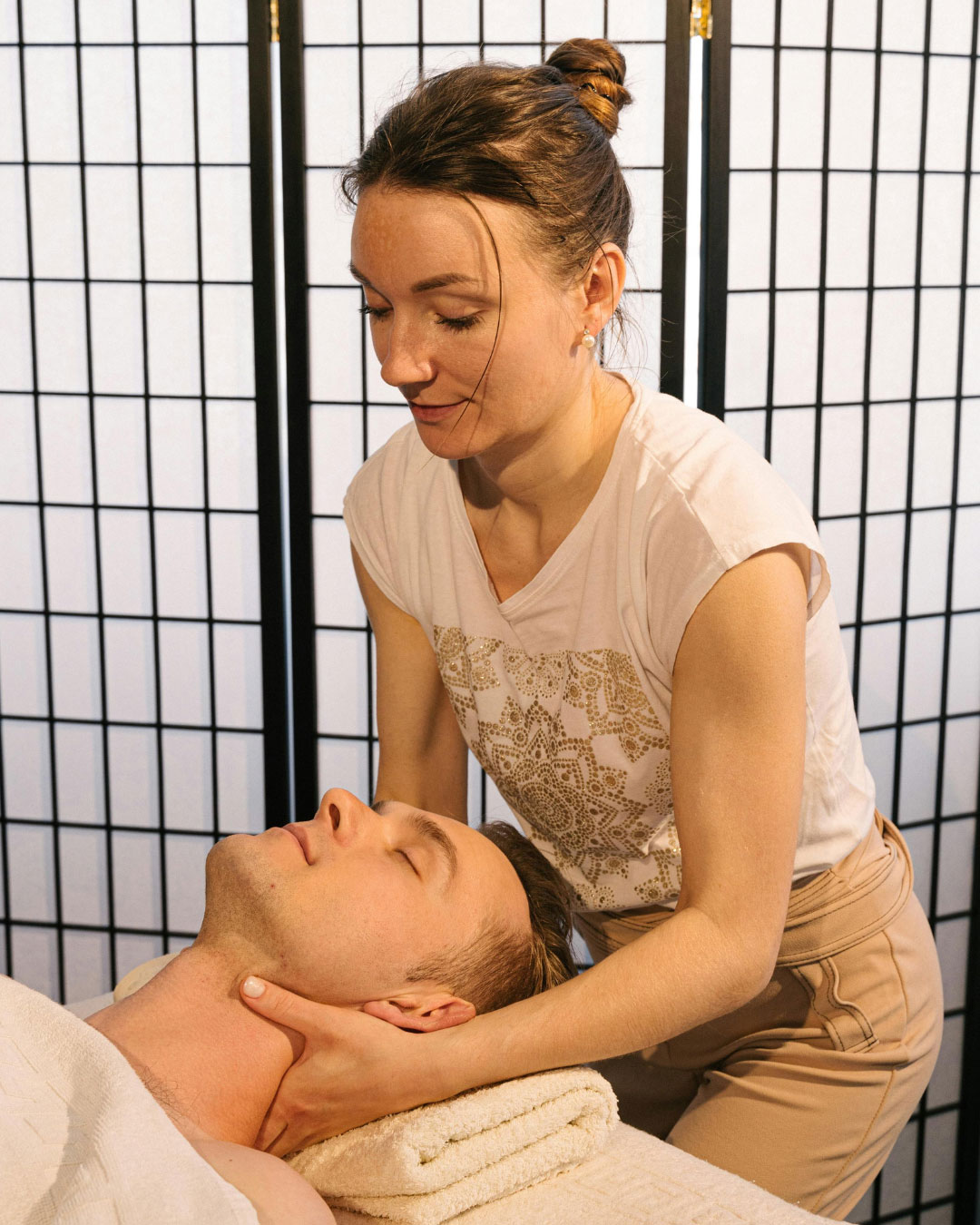
  2. The Treatment: You’ll lie fully clothed on a treatment table. The practitioner will gently place their hands on your head, the base of your spine, or other key areas. You might feel a deep sense of relaxation, subtle warmth, or pulsation. Some people doze off; others are deeply aware of subtle sensations.
  3. The Aftermath: Sessions usually last 45-60 minutes. It’s advised to drink water and take it easy afterwards to allow your body to integrate the work. Effects can be immediate or unfold over the next few days.


Making an Informed Choice: Is Craniosacral Osteopathy Right for You?

If you are considering Craniosacral Osteopathy, here is a practical checklist:

  • View it as Complementary: It is best used as part of a holistic health plan, not as a sole replacement for conventional medical diagnosis and treatment.
  • Check Credentials: In Canada, look for a practitioner who is also a registered healthcare professional (e.g., Doctor of Osteopathy (D.O.), Physiotherapist, Registered Massage Therapist) with post-graduate certification in CST from a recognized institution.
  • Communicate Clearly: Discuss your health conditions openly and ask questions about the practitioner’s experience with your specific concern.
  • Listen to Your Body: Start with a session or two and notice how you respond.


Conclusion: A Gentle Partner on Your Wellness Journey


Craniosacral Osteopathy occupies a unique space in the wellness landscape. While the scientific community continues to probe how and why it might work, countless individuals report meaningful benefits—from crushing migraines to relentless stress. It represents a return to a gentle, patient-led form of healing that prioritizes the body’s innate wisdom.

Whether it’s the power of skilled touch, the profound impact of focused relaxation, or something more, its potential to improve quality of life is what makes it a valuable tool. If you are in Canada and exploring gentle, holistic ways to address chronic pain, recover from injury, or simply find deeper relaxation, it may be worth considering.

At Sync Move Rehab Centre, our integrated team includes practitioners skilled in Craniosacral Osteopathy, always ensuring it is applied safely and appropriately within a broader, evidence-informed rehabilitation framework. We believe in empowering your body’s own healing mechanisms. If you’re curious about whether this gentle therapy could be part of your path to better health, we invite you to contact us or visit our website to learn more or book a consultation.


References

  1. Upledger, J.E., & Vredevoogd, J.D. (1983). Craniosacral Therapy. Eastland Press.
    Link to publisher’s information on the text
  2. Green, C., Martin, C.W., Bassett, K., & Kazanjian, A. (1999). A systematic review of craniosacral therapy: biological plausibility, assessment reliability and clinical effectiveness. Complementary Therapies in Medicine.
    https://www.sciencedirect.com/science/article/abs/pii/S0965229999900195
  3. Jäkel, A., & von Hauenschild, P. (2012). A systematic review to evaluate the clinical benefits of craniosacral therapy. Complementary Therapies in Medicine.
    https://www.sciencedirect.com/science/article/abs/pii/S0965229912000756
  4. Haller, H., et al. (2021). Craniosacral therapy for the treatment of chronic neck pain: A randomized sham-controlled trial. Clinical Journal of Pain.
    https://journals.lww.com/clinicalpain/Abstract/2021/08000/Craniosacral_Therapy_for_the_Treatment_of_Chronic.6.aspx
  5. Statistics Canada. (2022). Perceived life stress among Canadians, 2022.
    https://www150.statcan.gc.ca/n1/daily-quotidien/230322/dq230322b-eng.htm
  6. Matarán-Peñarrocha, G.A., et al. (2011). Influence of Craniosacral Therapy on Anxiety, Depression and Quality of Life in Patients with Fibromyalgia. Evidence-Based Complementary and Alternative Medicine.
    https://www.hindawi.com/journals/ecam/2011/178769/
  7. Jakel, A., & von Hauenschild, P. (2019). Therapeutic effects of cranial osteopathic manipulative medicine: A systematic review. Complementary Medicine Research.
    https://karger.com/cmr/article-abstract/26/1/27/292139/Therapeutic-Effects-of-Cranial-Osteopathic
  8. Castro-Sánchez, A.M., et al. (2016). Benefits of Craniosacral Therapy in Patients with Chronic Low Back Pain: A Randomized Controlled Trial. Journal of Alternative and Complementary Medicine.
    https://www.liebertpub.com/doi/10.1089/acm.2016.0068
  9. American Osteopathic Association. What is Osteopathic Manipulative Treatment?
    https://osteopathic.org/what-is-osteopathic-medicine/osteopathic-manipulative-treatment/
  10. The Upledger Institute International. What is CranioSacral Therapy?
    https://www.upledger.com/therapies/index.php
chiropractic benefits for newborns

A Gentle Start: Understanding Chiropractic Care and Potential Benefits for Newborns in Canada

Imagine holding your newborn for the first time—a tiny, perfect miracle. Amidst the overwhelming love and joy, you also become a detective, learning to decipher every cry, every wiggle, and every sigh. When your baby seems persistently uncomfortable, arches their back constantly, struggles to latch, or always turns their head in one direction, your instinct to find gentle solutions kicks into high gear. In your search for answers, you might hear other parents mention chiropractic care for newborns, and a natural question arises: “Can a chiropractor really help my baby?”

The idea can seem surprising, even concerning. Images of spinal adjustments meant for adults simply don’t apply here. It’s essential to understand from the outset that pediatric chiropractic for infants is a world apart—a practice defined by the gentlest of touches, profound anatomical knowledge, and a singular goal: to support a newborn’s developing nervous system by ensuring their tiny body is free of tension and able to function optimally.

At Sync Move Rehab Centre, where family-centered, collaborative care is our foundation, we believe in providing parents with clear, balanced information. This article aims to gently demystify this specialized care. We’ll explore what it involves, the philosophy behind it, the potential benefits reported by parents and clinicians, and the crucial safety considerations for Canadian families. Our goal is not to advocate, but to inform, empowering you to make confident decisions for your child’s health alongside your medical pediatric team.


The “Why”: Understanding the Need for Gentle Intervention

Newborns are incredibly resilient, yet the birth process is physically demanding. Whether vaginal or via Cesarean section, significant forces are exerted on a baby’s spine, particularly the delicate neck (cervical spine) and the cranial bones of the skull.

  • Vaginal Birth: The journey through the birth canal involves a natural compression and twisting of the body to navigate the pelvis. This can sometimes lead to minor misalignments or, more accurately, restrictions in joint motion and tension in the supportive muscles and ligaments.
  • Cesarean Birth: While often planned and controlled, a C-section is still a major event. The rapid change in pressure, potential for awkward positioning, and the initial lack of the natural compressive forces that help clear fluid from a baby’s lungs can also create physical stress patterns.

These early stresses can sometimes result in what chiropractors call subluxation or vertebral subluxation complex. In the context of an infant, this is not a “bone out of place.” Rather, it refers to a state of diminished mobility, tension, or irritation in the spinal joints and surrounding tissues, which may potentially affect the function of the adjacent nerves.

Since a newborn’s nervous system is the master controller for everything—feeding, sleeping, digesting, growing, and developing—the core idea of chiropractic care is to ensure there is no unnecessary physical interference on this vital communication network.


The “How”: What Does a Chiropractic Check-Up for a Newborn Actually Look Like?

This is where fears can be completely laid to rest. A session with a chiropractor trained in infant care is one of the gentlest clinical experiences imaginable.

A Typical Visit:

  1. A Deep Conversation (The History): The chiropractor will spend most of the initial visit talking with you. They will ask detailed questions about your pregnancy, the labour and delivery story, your baby’s first days, feeding patterns, sleep habits, bowel movements, and your specific observations and concerns. You are the expert on your baby, and their information is vital.
  2. Gentle Observation & Palpation: The chiropractor will observe your baby’s spontaneous movements, posture, and head shape. They will then use the very tips of their fingers to gently feel (palpate) along your baby’s spine, neck, and skull. They are assessing for asymmetries in muscle tone, areas of tension, and the free motion of the tiny joints. To the baby, this often feels like a soothing touch. Many infants sleep through the entire assessment.
  3. The “Adjustment”: If an area of tension or restricted motion is found, the chiropractor will apply a correction. This involves using the amount of pressure you would use to gently press on your own closed eyelid—typically no more than 2-4 ounces of force. It is a light, precise, and rapid fingertip impulse directed at the specific segment. There is no twisting, cracking, or popping. The tool is the practitioner’s educated finger. Techniques may also include gentle cranial sacral therapy or mobilization of other joints like the hips or shoulders.


The Goal: To restore normal motion, alleviate tension in the affected area, and reduce any potential irritation to the developing nervous system. It is about facilitating the body’s own innate ability to settle, regulate, and thrive.

Common Reasons Parents Seek Gentle Chiropractic Care for Newborns

It is critical to state that pediatric chiropractors do not diagnose or treat diseases. They provide specific chiropractic care to address neuro-musculoskeletal dysfunction. Parents commonly seek this supportive care for babies exhibiting challenges that may have a musculoskeletal component, including:

  • Breastfeeding (Latching) Difficulties: A baby with tension or restricted motion in the neck (torticollis) or jaw (TMJ) may find it difficult to turn their head fully, open their mouth wide (a deep latch), or coordinate the suck-swallow-breathe reflex effectively. Releasing this tension can sometimes lead to immediate improvement in latching and a more comfortable experience for both mother and baby.
  • Torticollis and Plagiocephaly: These are often linked. Congenital muscular torticollis is a tightening of one neck muscle (the sternocleidomastoid), causing the baby to prefer turning their head to one side. This constant positioning can lead to positional plagiocephaly (a flat spot on the skull). Chiropractic care can be a valuable adjunct to physiotherapy, helping to release the neck tension and improve range of motion, making prescribed repositioning and stretching exercises more effective.
  • Persistent Fussiness, Colic, and Digestive Discomfort: While the exact cause of colic is unknown, some theories suggest that for some infants, discomfort may stem from nerve irritation related to spinal or cranial tension, potentially affecting digestive function (a condition sometimes referred to as “nerve-mediated colic”). Gentle adjustments aimed at calming the nervous system may help some babies settle more easily.
  • Sleep Disturbances: A baby who is in physical discomfort from tension, reflux, or gas will understandably struggle to achieve deep, restful sleep. By supporting overall nervous system regulation and addressing potential sources of somatic discomfort, chiropractic care may help improve sleep patterns for some infants.
  • Asymmetrical Movements or Posture: Parents might notice their baby always arches their back to one side, favors one arm, or has uneven creases in their thighs. These can be signs of underlying tension or imbalance that gentle care may address.


Examining the Evidence: What Does the Research Say?

The field of pediatric chiropractic research faces challenges, as conducting large-scale, controlled trials on infants is difficult. However, a growing body of peer-reviewed literature and clinical reports provides insight:

  • Safety: The most robust data confirms its safety profile. A major 2019 study in the Journal of Clinical Chiropractic Pediatrics analyzed data from nearly 2,000 pediatric chiropractors and found the risk of a significant adverse event in infants to be exceedingly rare (estimated at 1 in 250,000 visits). Minor, transient reactions like brief fussiness or sleepiness were uncommon.
  • Efficacy for Specific Issues:
    • Breastfeeding: A 2019 case series published in the Journal of Human Lactation documented improvements in latch, sucking, and pain scores for infants with breastfeeding difficulties after chiropractic care.
    • Colic: Multiple studies, including a 2019 systematic review in Chiropractic & Manual Therapies, have reported that parents of infants with colic perceive a significant reduction in crying time following chiropractic care compared to control groups.
    • Torticollis: Research, such as a 2021 study in the Journal of the American Medical Association (JAMA) Pediatrics, highlights the importance of early, multimodal intervention for torticollis. Chiropractic care is recognized by many experts as a potential component of this collaborative approach.
  • The “SENTINEL” Report: A comprehensive 2021 report from the Royal College of Chiropractors (UK), which reviewed a decade of global data, concluded that serious adverse events in pediatric chiropractic are “extremely rare.”

The consensus from the available evidence suggests that when performed by a suitably trained professional, chiropractic care for infants is a low-risk intervention that may offer meaningful support for common functional challenges, particularly when used as part of a coordinated care plan.

Safety First: Essential Questions for Canadian Parents

The single most important factor is the practitioner. In Canada, chiropractic is a regulated health profession. However, pediatric care is a specialization within the profession.


Before booking a visit, parents must ask:

  1. “What is your specific post-graduate training in pediatric and infant chiropractic?” Look for certifications from the International Chiropractic Pediatric Association (ICPA) or the Diplomate in Clinical Chiropractic Pediatrics (DICCP). These signify hundreds of hours of dedicated study.
  2. “What percentage of your practice is devoted to infants and children?” Experience is paramount.
  3. “Can you describe the techniques you use on a newborn?” The answer should involve words like “finger-tip pressure,” “light touch,” “gentle mobilization,” and “ounces of force.” Be wary of anyone who describes adult-style adjustments.
  4. “How do you collaborate with my pediatrician or family doctor?” A responsible practitioner will always view themselves as part of your child’s healthcare team, not a replacement for medical care. They should encourage well-baby checkups, vaccinations, and consultations with specialists like lactation consultants or pediatric physiotherapists.


Red Flags to Avoid:

  • A practitioner who claims to “cure” illnesses like ear infections, asthma, or autism.
  • One who advises you to stop medical treatments or avoid vaccinations.
  • One who cannot clearly explain what they are doing or why.


The Integrated Care Model at Sync Move

At Sync Move Rehab Centre, our philosophy is rooted in collaboration and transparency. If a parent inquires about supportive care for their newborn, our approach is always team-based. We would facilitate conversations between our family-focused practitioners and the child’s medical doctors. We recognize that the gold standard for conditions like torticollis often involves pediatric physiotherapy, and we view gentle chiropractic as a potential complementary support, not a standalone solution. Our goal, as outlined on our About Us page, is to provide personalized treatment plans that draw on the best, safest, and most appropriate interventions for each unique child.


Empowering Parents to Make an Informed Choice

The decision to explore chiropractic care for your newborn is deeply personal. For some families, it remains an unfamiliar path. For others, it has provided a gentle, drug-free tool that helped their baby overcome a difficult hurdle like latching or severe discomfort.

If your baby is struggling with a persistent functional issue and you have addressed immediate medical concerns with your doctor, a consultation with a highly qualified, certified pediatric chiropractor could be a reasonable step. It should be a conversation—a chance to ask questions, observe the practitioner’s approach, and feel 100% comfortable before proceeding.

You are your child’s greatest advocate. Trust your instincts, do your research, and choose a practitioner whose philosophy aligns with your desire for gentle, supportive, and integrated care. The well-being of your newborn is the shared goal of every good healthcare provider.

The team at Sync Move Rehab Centre is here to support Ottawa families with information and compassionate care. If you have questions about supportive, gentle therapies for your infant’s development, we welcome you to reach out for a conversation.


References & Further Reading

  1. International Chiropractic Pediatric Association (ICPA): https://www.icpa4kids.org/ (Premier resource for research and trained practitioners)
  2. Journal of Clinical Chiropractic Pediatrics – Safety Analysis: https://www.clinicalchiropracticpediatrics.com/
  3. Journal of Human Lactation – Case Series on Breastfeeding: https://journals.sagepub.com/doi/10.1177/0890334419835750
  4. Chiropractic & Manual Therapies – Systematic Review on Infant Colic: https://chiromt.biomedcentral.com/articles/10.1186/s12998-019-0251-1
  5. JAMA Pediatrics – Clinical Review on Torticollis: https://jamanetwork.com/journals/jamapediatrics/article-abstract/2783300
  6. The Royal College of Chiropractors (UK) – Sentinel Report 2021: https://rcc-uk.org/sentinel-report/
  7. College of Chiropractors of Ontario – Public Registry: https://www.cco.on.ca/public-register/ (To verify a practitioner’s license)
  8. La Leche League Canada – Breastfeeding Support: https://www.lllc.ca/ (Essential resource for nursing challenges)
  9. Canadian Paediatric Society – Position on Complementary Care: https://cps.ca/en/documents (Provides a medical perspective)
  10. Health Canada – Healthy Child Development: https://www.canada.ca/en/public-health/services/health-promotion/childhood-adolescence.html
What does shockwave therapy do

What Does Shockwave Therapy Do? The Surprising Science of Sound Healing for Pain

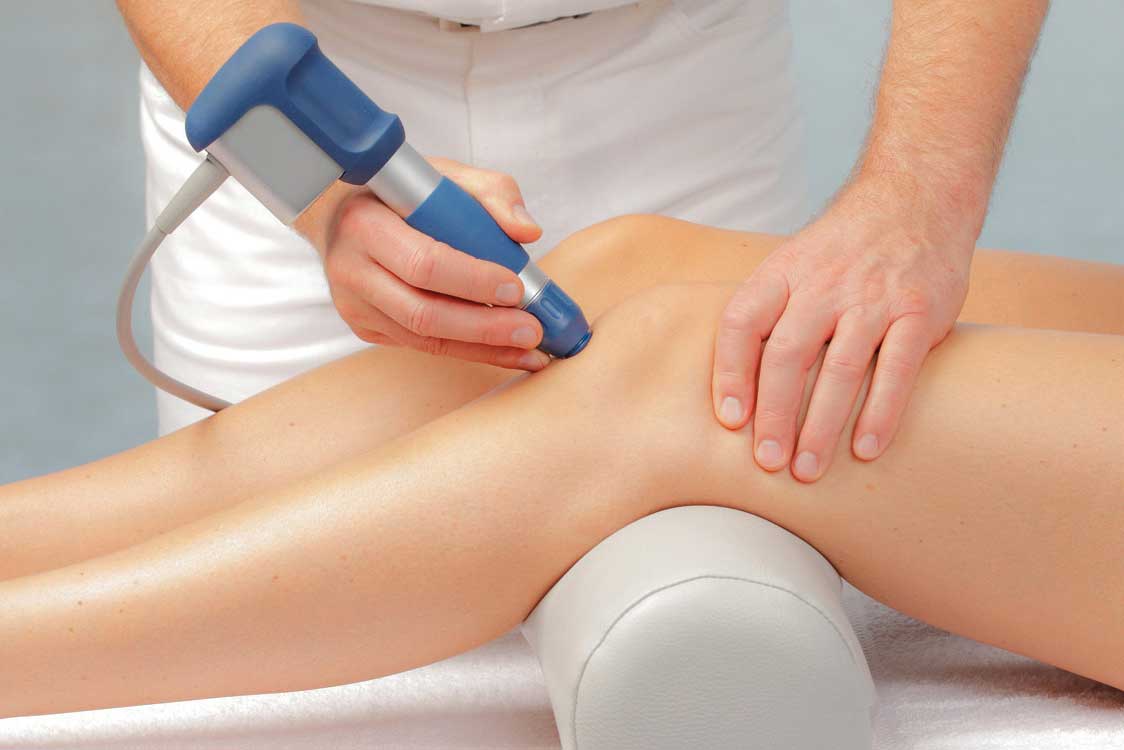
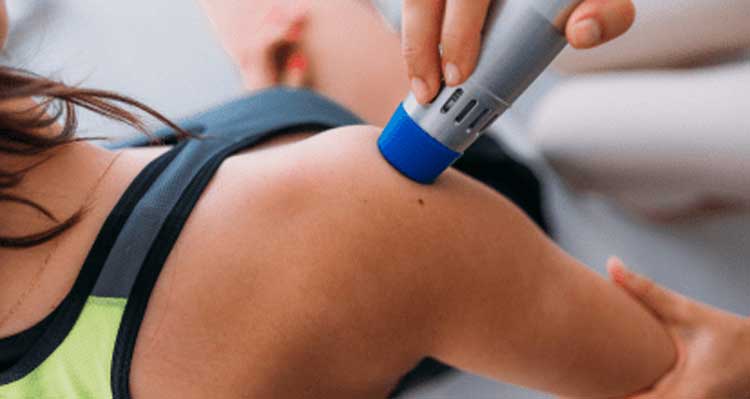
Ever hear a weird, rapid tap-tap-tap-tap sound coming from a physio clinic and wonder what futuristic gadget is at work? Or maybe a friend mentioned they’re trying this “shockwave thing” for their stubborn tennis elbow and you pictured something from a sci-fi movie. Let’s clear the air right away: Shockwave therapy sounds intense, but it’s actually a groundbreaking, non-invasive treatment that’s helping Canadians ditch chronic pain for good. So, what does shockwave therapy do, exactly? Imagine using high-energy sound waves—like targeted sonic booms—to kickstart your body’s natural healing processes in areas that have stubbornly refused to get better. Intrigued? You should be. This isn’t magic; it’s smart science applied to some of the most common, frustrating aches and injuries. From the runner in Vancouver with persistent heel pain to the carpenter in Ontario whose shoulder just won’t quit, shockwave therapy is changing the game in pain management and rehabilitation.


First Things First: Demystifying the “Shock” in Shockwave

The name is the scariest part, we promise. In medicine, a “shockwave” isn’t an electric jolt. Think of it more like the sound wave from a supersonic jet—a rapid, high-energy pulse that travels through a medium. In shockwave therapy, these acoustic waves are generated by a handheld device and delivered precisely through your skin to the injured area.

There are two main types you’ll hear about, and the team at a clinic like Sync Move Rehab Centre will know exactly which one your condition needs:

  1. Focused Shockwave Therapy (FSWT): These waves are focused deeply on a very specific, small point. They’re like a precision laser beam of sound, ideal for targeting problems buried deep in the body.
  2. Radial Shockwave Therapy (RSWT): These waves are more like a shotgun blast of sound—they spread out radially from the point of contact, treating a broader, shallower area. This is often used for larger muscle groups and connective tissue issues.

Both types create a biological reaction in your tissue that’s the secret to the whole process. It’s not about zapping pain away; it’s about convincing your body to finally fix the root cause.


The Core Question: What Does Shockwave Therapy Do Inside Your Body?

Okay, here’s where it gets fascinating. When those controlled acoustic pulses enter your injured tissue, they trigger a cascade of healing events. It’s like flipping a series of long-dormant biological switches. Here’s a breakdown of the key actions:

  1. It Jumpstarts the Healing Cascade (Neovascularization)
    Chronic injuries often suffer from poor blood flow. The tissue is stuck in a painful, inflamed limbo. Shockwave therapyacts as a powerful wake-up call. The micro-trauma from the waves stimulates the formation of new blood vessels(angiogenesis) in the treated area. It’s like drilling new irrigation canals into a parched field. This surge of fresh, oxygen-rich blood delivers essential nutrients and healing factors directly to the damaged tissue, finally allowing the proper repair process to begin.
  2. It Breaks Down the Bad Stuff (Disintegration of Calcifications)
    For conditions like calcific tendonitis (where painful calcium deposits build up in a tendon, often in the shoulder), shockwave therapyis remarkably effective. The energy waves literally break apart those hard, troublesome calcium deposits. The body’s immune system can then safely clear away the tiny fragments, relieving the painful grinding and pinching.
  3. It Resets the Pain Cycle (Hyperstimulation Analgesia)
    This one is clever. The rapid pulses from the device overstimulate the local nerve fibres responsible for sending pain signals to your brain. It’s a bit like flooding the phone lines so the “pain call” can’t get through. This effect can lead to immediate pain reduction. More importantly, it’s believed to decrease the concentration of a key neurotransmitter called “Substance P,” which is heavily involved in chronic pain signalling, potentially leading to longer-term relief.
  4. It Stimulates Collagen Production
    Collagen is the fundamental building block of tendons, ligaments, and fascia. Chronic injuries often involve disorganized, weak collagen scarring. Shockwave therapyprompts your fibroblasts (the cells that make collagen) to get to work, producing fresh, strong, and properly alignedcollagen fibres. This doesn’t just patch the problem; it rebuilds the tissue to be more resilient than before.
  5. It Reduces Muscle Tension and Breaks Down Trigger Points
    The energy waves can also produce a gentle, deep-massage effect on tight muscles and fascia, helping to release those painful, knotted-up trigger points that cause referred pain. It’s like a deep-tissue massage that reaches places hands can’t.


In a nutshell, what does shockwave therapy do? It transforms a stagnant, painful, chronic injury site into a vibrant construction zone for healing, managed by your own body’s innate intelligence.


The “What For?” List: Common Conditions Treated by Shockwave

Now that we know how it works, let’s talk about what it fixes. Shockwave therapy has become a gold-standard treatment for a range of stubborn musculoskeletal conditions, especially those that haven’t responded well to months of traditional rest, ice, or physio.


Plantar Fasciitis: The arch nemesis of runners, teachers, and anyone on their feet. This inflammation of the plantar fascia ligament in the foot causes that infamous stabbing heel pain with the first step in the morning. Studies, including a major 2017 review in The Journal of Orthopaedic Surgery and Research, show shockwave therapy provides significant and lasting pain relief and functional improvement for chronic plantar fasciitis, often when other treatments have failed.


Tendinopathies (Tennis Elbow, Golfer’s Elbow, Achilles Tendonitis): These “overuse” injuries involve degeneration of the tendon. The traditional name “tendonitis” (inflammation) is often a misnomer; it’s more of a failed healing response. Shockwave therapy is exceptionally effective here, directly stimulating the tendon’s repair cells. Research in the American Journal of Sports Medicine has consistently rated it as a highly effective treatment for chronic lateral epicondylitis (tennis elbow).


Shoulder Calcifications and Rotator Cuff Issues: That painful, stiff shoulder that makes reaching for a seatbelt or sleeping on your side agony can often be addressed with shockwave therapy. It effectively disintegrates calcific deposits and promotes healing in the rotator cuff tendons.


Patellar Tendonitis (Jumper’s Knee): A common scourge for basketball, volleyball, and soccer players. The therapy targets the tendon below the kneecap, reducing pain and allowing athletes to return to their sport stronger.


Chronic Muscle Pain and Trigger Points: For deep, persistent muscle knots in the back, neck, or hips that don’t respond to massage, shockwave therapy can offer profound release.


Stress Fractures and Delayed Bone Healing: In some cases, focused shockwaves can even be used to stimulate bone growth and healing in non-union fractures, showcasing its remarkable regenerative power.


By the Numbers: What Does the Data Say?

Let’s talk stats. Chronic pain isn’t a minor issue in Canada. According to a comprehensive report from the Canadian Institute for Health Information (CIHI), about 8 million Canadians, or 1 in 5, live with chronic pain. A significant portion of this involves musculoskeletal conditions like those listed above.

The clinical success rates for shockwave therapy are compelling. For chronic plantar fasciitis, success rates (defined as significant pain reduction and return to function) in clinical studies often range between 70% and 80% after a course of treatment. For tennis elbow, systematic reviews have shown it to be significantly more effective than placebo or corticosteroid injections in the medium to long term. A 2020 meta-analysis in Pain Physician journal concluded that it is a “safe and effective method for the treatment of chronic musculoskeletal disorders.”

What does this mean for you? If you’re part of the large group of Canadians dealing with a pain that’s overstayed its welcome, shockwave therapy offers a scientifically-backed, high-probability solution.


The Experience: What to Expect During a Session at Sync Move Rehab Centre

Curiosity turning into consideration? Here’s a walkthrough of what happens when you come in for shockwave therapy.

  1. Comprehensive Assessment First: No reputable clinic will jump straight to the machine. At Sync Move Rehab Centre, a therapist will first conduct a thorough evaluation—taking your history, examining the area, and possibly using diagnostic ultrasound to visualize the tissue. This ensures shockwave therapy is the right tool for your specific problem.
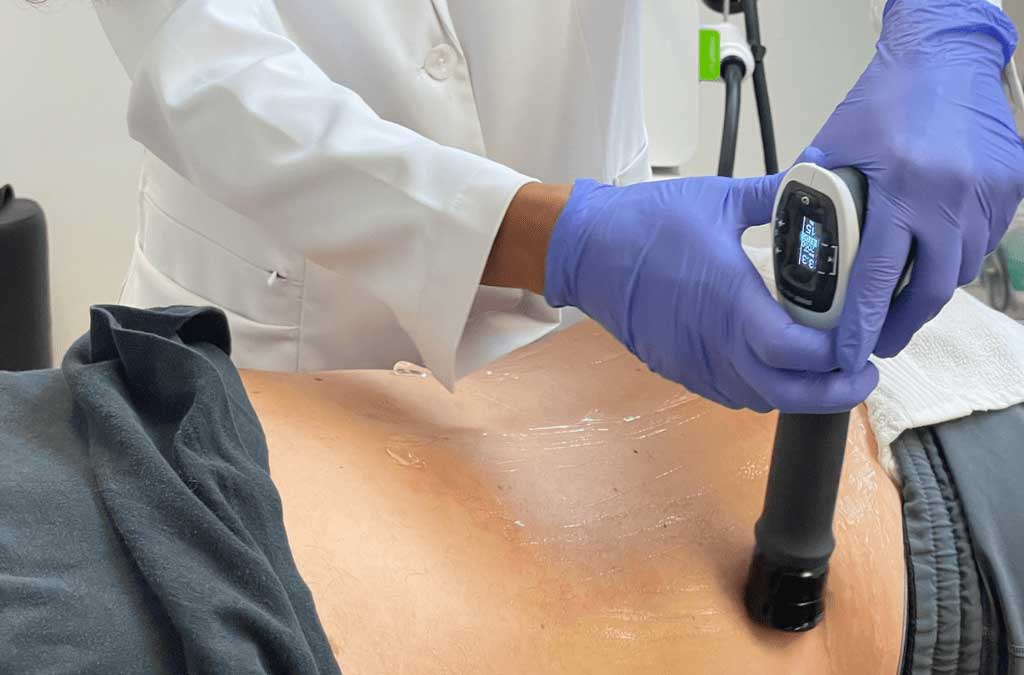
  2. The Treatment: You’ll be positioned comfortably. The therapist will apply a coupling gel to your skin (similar to an ultrasound) and place the handheld applicator on the target area. You’ll hear the rapid tapping sound and feel a deep, percussive sensation. It can be uncomfortable, especially as they focus on the most affected spot, but it should not be intolerable. Sessions are short, typically lasting only about 5-10 minutes per area.
  3. The Protocol: Healing is a process. A typical treatment plan involves 3-5 sessions, spaced about one week apart. The biological healing effects continue to work in the days between sessions.
  4. The Aftermath: It’s normal to feel some soreness in the area for 24-48 hours after treatment—a sign that the healing process has been activated. You’ll be advised to avoid strenuous activity on that area for a day or two but to continue gentle movement. The full benefits often accumulate over the weeks following your final session.


Weighing the Pros and Cons: Is Shockwave Therapy Right for You?

Like any medical intervention, it’s about fit.

The Major Advantages:

  • Non-invasive and Non-surgical: No needles, no incisions, no general anesthesia.
  • Minimal Side Effects: Some temporary soreness, redness, or swelling are the most common issues.
  • Quick Sessions: Fits easily into a lunch break.
  • High Success Rates: For the right conditions, it’s one of the most effective treatments available.
  • Avoids Cortisone Risks: Provides an alternative to repeated corticosteroid injections, which can weaken tendons over time.


Important Considerations & Contraindications:
Shockwave therapy is NOT used for: Acute infections, cancerous tissue, directly over major nerves or blood vessels, or in patients with bleeding disorders or on certain blood thinners. It is also generally avoided in pregnant women. This is why the initial assessment at a professional clinic like Sync Move Rehab Centre is non-negotiable for safety.


The Latest Frontiers: What’s New in Shockwave Research?

The science around shockwave therapy continues to evolve. Exciting new research areas include:

  • Tissue Regeneration: Studies are exploring its use for wound healing, especially in diabetic ulcers, by dramatically enhancing blood vessel growth.
  • Erectile Dysfunction (ED): Low-intensity shockwaves are now an FDA-cleared treatment for certain types of ED, using the same principle of stimulating blood vessel growth—proving its utility far beyond orthopedics.
  • Osteoarthritis: Early research is looking at its potential to modify the progression of osteoarthritis by promoting cartilage health and reducing pain, though this is still experimental.


Making the Decision: Your Path to Considering Shockwave

If you have a chronic (>3 months) musculoskeletal pain that rest, physio, or injections haven’t resolved, asking “what does shockwave therapy do for my specific issue?” is a logical next step.

  1. Talk to Your Doctor or Practitioner: Discuss it with your GP or a regulated healthcare professional like a physiotherapist or chiropractor.
  2. Seek a Qualified Provider: Ensure you go to a clinic with practitioners specifically trained in the application of shockwave therapy. Ask about their experience with your condition.
  3. Manage Expectations: Understand it’s a process, not a one-time miracle cure. Commitment to the short treatment plan is key.

Conclusion: Sound Waves for a Solid Recovery

So, what does shockwave therapy do? It harnesses the power of acoustic energy to break the frustrating cycle of chronic pain. It tells your body, in a language it can’t ignore, to finally heal itself. It’s a testament to how innovative, non-invasive technologies are revolutionizing rehabilitation, offering hope and tangible results without the need for surgery or lengthy medication.

For the countless Canadians sidelined by heel pain, elbow aches, or shoulder stiffness, it represents a path back to activity, comfort, and quality of life. It turns down the volume on pain and turns up the body’s innate healing soundtrack.

If you’re in Canada and tired of living with a stubborn injury, the team at Sync Move Rehab Centre is here to help. Our practitioners are skilled in assessing whether shockwave therapy is the right solution for you and administering it with precision and care. We combine this advanced technology with a full suite of rehabilitation services to guide you through a complete recovery. Ready to explore what this innovative treatment could do for you? Contact Sync Move Rehab Centre today to book a consultation and take the first step towards lasting relief.


References

  1. Lohrer, H., et al. (2017). Shockwave therapy for plantar fasciitis: a meta-analysis of randomized controlled trials. Journal of Orthopaedic Surgery and Research.
    https://josr-online.biomedcentral.com/articles/10.1186/s13018-017-0742-5
  2. American Journal of Sports Medicine. (2008). Shockwave Therapy for Chronic Lateral Epicondylitishttps://journals.sagepub.com/doi/abs/10.1177/0363546508316289
  3. Canadian Institute for Health Information (CIHI). Chronic Pain in Canada.
    https://www.cihi.ca/en/chronic-pain-in-canada-what-we-know-what-we-dont-know-and-why-it-matters
  4. Speed, C. (2014). A systematic review of shockwave therapies in soft tissue conditions: focusing on the evidence. British Journal of Sports Medicine.
    https://bjsm.bmj.com/content/48/21/1538
  5. International Society for Medical Shockwave Treatment (ISMST). What is Shockwave Therapy?
    https://www.shockwavetherapy.org/about-eswt/
  6. National Center for Biotechnology Information (NCBI). Mechanisms of Action of Extracorporeal Shockwave Therapy (ESWT)https://www.ncbi.nlm.nih.gov/pmc/articles/PMC6354166/
  7. Pain Physician Journal. (2020). The Effectiveness of Extracorporeal Shockwave Therapy in Common Musculoskeletal Disordershttps://www.painphysicianjournal.com/current/pdf?article=NDA4OA%3D%3D&journal=129
  8. Wang, C.J. (2012). Extracorporeal shockwave therapy in musculoskeletal disorders. Journal of Orthopaedic Surgery and Research. https://josr-online.biomedcentral.com/articles/10.1186/1749-799X-7-11
  9. U.S. Food & Drug Administration (FDA). Shockwave Devices for Erectile Dysfunctionhttps://www.fda.gov/medical-devices/impotence-treatments/shockwave-devices-treatment-erectile-dysfunction
  10. Physiotherapy Canada. Clinical Practice Guidelines for Shockwave Therapy.
    https://www.physiotherapy.ca/publications-resources/clinical-practice-guidelines
chiropractic benefits for women

Strengthening Her Core: A Guide to Chiropractic Benefits for Women’s Health in Canada

Let’s talk about something most women know all too well: the unique physical demands that come with being a woman. It might be the nagging lower backache that flares up every month, the hip stiffness that appeared during pregnancy and never quite left, or the tension headaches that seem to build right between your shoulder blades after a long day of balancing work, family, and life. For many women across Canada, these aren’t just occasional nuisances—they’re a persistent background hum to daily life, often accepted as “just part of being a woman.”

But what if it doesn’t have to be that way? What if a significant part of managing women’s health isn’t just about hormones or medication, but about the very framework that holds you up—your spine and musculoskeletal system? This is where chiropractic care steps into the spotlight, not as a niche alternative, but as a powerful, proactive pillar of holistic health for women of all ages.

At Sync Move Rehab Centre in Ottawa, we see the remarkable difference it makes when women’s unique physiology is addressed through skilled, evidence-based chiropractic care. Think of your spine as the central command post for your entire nervous system. When spinal joints are moving properly, information flows freely from your brain to every organ, muscle, and cell. When there’s dysfunction—what chiropractors call a subluxation—it’s like static on the line. For women, whose bodies undergo profound changes through menstruation, pregnancy, childbirth, and menopause, maintaining clear communication along this spinal highway is especially crucial.

This article is for the student in Toronto managing period pain, the new mom in Vancouver navigating postpartum recovery, the professional in Calgary battling desk-related back pain, and the active retiree in Halifax looking to maintain her mobility. We’ll explore the many ways modern, gentle chiropractic care supports women’s health journeys, debunk myths, and provide a clear, Canadian perspective on this drug-free approach to feeling your best.

More Than Back Pain: The Whole-Body Approach to Women’s Wellness

While chiropractors are famously sought after for back and neck pain (and for good reason), their scope for women’s health is beautifully broad. A woman’s body is not a static entity; it’s a dynamic system that evolves. Chiropractic care focuses on optimizing the function of the musculoskeletal and nervous systems, which in turn can positively influence many aspects of health.

The Core Connection: Your Spine and Your Health
Your spine protects your spinal cord, the main information superhighway between your brain and body. Nerves branching out from between each vertebra control specific organs and functions. For instance, nerves from the lower spine influence reproductive organs, while nerves from the mid-back connect to digestive functions. By ensuring spinal joints are mobile and aligned, chiropractic care aims to reduce nerve interference, potentially helping your body’s systems—from digestion to hormone regulation—function with less stress and greater ease. It’s about creating an optimal internal environment for health.

Key Life Stages & How Chiropractic Care Can Help

  1. Menstrual Health & Dysmenorrhea (Painful Periods)

For many women, monthly cycles bring debilitating cramps, low back pain, and headaches. While hormones are the primary driver, musculoskeletal tension can significantly amplify the discomfort.

  • How Chiropractic Helps: Misalignments in the lumbar spine and pelvis can affect nerves that go to the reproductive organs and the muscles of the lower back and abdomen. Gentle adjustments can help reduce tension in these areas, improve pelvic alignment, and decrease the severity of cramping and referred back pain. A more balanced pelvis and relaxed musculature can make those difficult days more manageable.
  1. Prenatal & Pregnancy Care

Pregnancy is a time of incredible change: shifting center of gravity, the hormone relaxin loosening ligaments, and the physical strain of carrying extra weight. This often leads to sacroiliac joint pain, sciatica, round ligament pain, and general backache.

  • How Chiropractic Helps: Prenatal chiropractors use specialized techniques and tables to accommodate a growing belly. Gentle adjustments focus on maintaining proper pelvic alignment. This is vital because a misaligned pelvis can reduce the amount of room available for the baby (a condition known as intrauterine constraint) and may lead to a more difficult, prolonged labour. By supporting spinal and pelvic health, chiropractic care can help reduce pregnancy-related pain, improve nervous system function, and may even facilitate an easier birthing process. As highlighted on the Sync Move website, our comprehensive services are designed to create personalized care plans, and this is especially true for our expecting mothers.
  1. Postpartum Recovery

The “fourth trimester” is about healing and adaptation. The body has been through a major event, and the demands of newborn care (nursing, lifting, carrying) often strain an already vulnerable back and neck.

  • How Chiropractic Helps: Postpartum care focuses on restoring balance. Adjustments can help close the pubic symphysis, realign the pelvis that may have shifted during delivery, and address the upper back and neck pain associated with breastfeeding postures. This supportive care is crucial for helping a new mother’s body heal strongly and correctly, setting a foundation for the physical demands of motherhood. Our blog discusses various therapeutic approaches in our post on Making Sense of the Moves: A Friendly Guide to the Classification of Therapeutic Exercise, which complements hands-on chiropractic care perfectly during recovery.
  1. Menopause and Bone Health

During and after menopause, declining estrogen levels accelerate bone loss (osteoporosis) and can lead to increased joint stiffness and aches.

  • How Chiropractic Helps: Chiropractors are trained to screen for osteoporosis and use extremely low-force, gentle techniques (like the Activator Method or drop-table techniques) that are safe for osteoporotic bones. The goal shifts to maintaining mobility, flexibility, and spinal alignment without high-impact force. Care can help manage arthritic pain, improve posture to prevent fractures, and support an active, independent lifestyle.
  1. Stress, Anxiety, and Tension

Women often juggle multiple roles, and chronic stress manifests physically—most commonly as tension in the neck, shoulders, and jaw (TMJ dysfunction), leading to headaches and insomnia.

  • How Chiropractic Helps: Spinal adjustments, particularly to the upper neck (cervical spine), have been shown to reduce muscle tension and decrease the body’s physiological stress response. By calming the nervous system and relieving physical tension points, chiropractic care can be a powerful tool for managing the physical symptoms of stress and improving sleep quality.

The Evidence and Statistics: What Does the Research Say?

Chiropractic care for women is not based on anecdote; it’s supported by a growing body of research and widespread use:

  • Pregnancy Care: A pivotal 2019 study published in JMPT (Journal of Manipulative and Physiological Therapeutics) found that 72% of pregnant women receiving chiropractic care reported clinically significant relief of back pain. Furthermore, research suggests women under chiropractic care may report shorter labour times and reduced need for pain interventions.
  • Dysmenorrhea: A 2016 systematic review in the Journal of Alternative and Complementary Medicine concluded that spinal manipulation showed promise for reducing the pain and duration of primary dysmenorrhea compared to placebo.
  • Popularity in Canada: According to Statistics Canada, women are significantly more likely than men to use chiropractic services. This reflects a proactive approach to managing the unique musculoskeletal stresses they face.
  • Safety Profile: The safety of chiropractic care, including during pregnancy, is well-documented. Techniques are modified, and care is always tailored to the individual’s condition and stage of life.

What to Expect: A Visit Tailored for Women’s Health

Walking into a chiropractor’s office for women-specific care involves a thoughtful, respectful process.

  1. In-Depth Consultation: Your chiropractor will ask detailed questions about your health history, lifestyle, and specific goals—whether it’s managing period pain, preparing for pregnancy, or dealing with menopausal joint stiffness. Honesty here is key.
  2. Comprehensive Examination: This includes posture analysis, range of motion tests, orthopedic and neurological exams, and specific palpation to locate areas of spinal dysfunction or joint restriction.
  3. Personalized Treatment Plan: You’ll receive a clear explanation of the findings and a proposed plan. This plan will outline the gentle techniques to be used (which may include soft tissue therapy and specific adjustments) and will often integrate advice on posture, ergonomics (like desk setup), and targeted exercises.
  4. Gentle, Adapted Techniques: For women, especially during pregnancy or with conditions like osteoporosis, chiropractors utilize a toolbox of low-force methods. The classic “high-velocity, low-amplitude” adjustment is only one option; others include the Activator instrument, drop-table techniques, and gentle mobilization.

Chiropractic as Part of a Holistic Health Team

The most effective approach to women’s health is collaborative. A great chiropractor will view themselves as part of your wellness team. They should:

  • Encourage you to maintain regular check-ups with your family doctor and gynecologist.
  • Be willing to communicate with your other healthcare providers (with your consent).
  • Integrate their care with other supportive therapies, like the physiotherapy and therapeutic exercise programs offered at centres like Sync Move, to ensure you’re not only adjusted but also strengthened and stabilized.

Taking the Next Step Towards Balanced Health

Navigating the various stages of a woman’s life comes with enough challenges without adding preventable pain and dysfunction to the list. Chiropractic care offers a pathway to not only address pain but to actively support your body’s structure and function through every transition.

It’s a proactive choice—a way of investing in your physical foundation so you can live, work, move, and thrive with greater ease and less discomfort. Whether you’re dealing with a specific issue or simply want to maintain your spine’s health as a core component of your overall wellness, chiropractic care provides a safe, drug-free, and evidence-informed option.

If you’re in the Ottawa area and curious about how chiropractic care can be tailored to support your unique health journey, the team at Sync Move Rehab Centre is here to listen and help. We believe in empowering women with knowledge and providing compassionate, expert care.

Your health is your greatest asset. Discover how supporting your spine can support your whole life. Contact Sync Move Rehab Centre today to book a consultation and explore the benefits of chiropractic care for you.


References & Further Reading

  1. The Canadian Chiropractic Association – Women’s Health: https://www.chiropractic.ca/patients/health-information/womens-health/
  2. Journal of Manipulative and Physiological Therapeutics (JMPT) – Chiropractic Care for Back Pain in Pregnancy: https://www.jmptonline.org/article/S0161-4754(18)30446-9/fulltext
  3. American Pregnancy Association – Chiropractic Care During Pregnancy: https://americanpregnancy.org/healthy-pregnancy/is-it-safe/chiropractic-care-during-pregnancy/
  4. Journal of Alternative and Complementary Medicine – Spinal Manipulation for Dysmenorrhea: https://www.liebertpub.com/doi/10.1089/acm.2015.0188
  5. International Chiropractic Pediatric Association (ICPA): https://www.icpa4kids.org/ (Excellent resource for prenatal and family care)
  6. Statistics Canada – Use of Alternative Health Practitioners by Sex: https://www150.statcan.gc.ca/t1/tbl1/en/tv.action?pid=1310009603
  7. The North American Menopause Society – Managing Menopause Symptoms: https://www.menopause.org/for-women
  8. Harvard Health Publishing – The benefits of chiropractic care for back pain: https://www.health.harvard.edu/pain/the-benefits-of-chiropractic-care-for-back-pain
  9. PubMed Central – A review of the safety of chiropractic during pregnancy: https://www.ncbi.nlm.nih.gov/pmc/articles/PMC2647084/
  10. The Society for Women’s Health Research: https://swhr.org/ (For broader context on women’s health research)


massage-therapy

Massage Therapy: Your Guide to Types and Benefits – More Than Just a Luxury

Ever had one of those days where your shoulders are up by your ears, your neck feels like a block of wood, and the idea of someone magically kneading away the tension seems like the best thing in the world? You’re not just imagining that feeling—your body is literally asking for it. Welcome to the wonderful, wide world of massage therapy, a practice as old as time that’s so much more than a spa-day treat. In the hustle and bustle of Canadian life, from the long commutes in Toronto to the physical demands of outdoor work in Alberta, our bodies take a beating. Massage therapy is a scientifically-backed, profoundly effective tool for healing, recovery, and maintaining overall wellness. Forget the fluffy robes and cucumber water for a second (though they are nice!); let’s dive into what massage therapy truly is, the surprising number of forms it can take, and the incredible array of benefits it offers for anyone from a desk-bound professional to a high-performance athlete.


So, What Exactly Is Massage Therapy? Let’s Get Back to Basics

At its heart, massage therapy is the skilled manipulation of your body’s soft tissues—your muscles, connective tissue, tendons, ligaments, and skin. A Registered Massage Therapist (RMT) in Canada uses their hands, forearms, elbows, and sometimes even specialized tools to apply pressure, tension, and movement. But here’s the key: it’s not random poking and prodding. It’s an evidence-informed healthcare practice.

Think of your muscles and fascia (the thin casing of connective tissue that surrounds every structure in your body) like a complex, sticky web. Stress, injury, poor posture, or repetitive movements can cause strands of that web to knot up, stick together, and tighten. This creates pain, restricts movement, and can even affect how your nerves function. A skilled RMT at a clinic like Sync Move Rehab Centre is like a detective and a sculptor combined. They assess your unique “web,” find those areas of dysfunction, and use specific techniques to release adhesions, improve blood flow, and restore normal tissue function. It’s a dialogue with your body, not a monologue.


The Many Faces of Massage: A Tour of Popular Types

Not all massages are created equal. The term “massage therapy” is an umbrella, and underneath it are numerous styles, each with its own philosophy and best-use scenario. Knowing the difference can help you get the right treatment for your needs.

  1. Swedish Massage: The Classic Foundation
    This is likely what pops into your head when you think “massage.” It’s the most common type, characterized by long, gliding strokes (effleurage), kneading (petrissage), friction, tapping (tapotement), and gentle stretching. The goal? General relaxation, improving circulation, and easing muscle tension. It’s a fantastic introduction to massage therapyand a wonderful antidote to general life stress. Perfect for your first visit to a massage therapyclinic when you just need to unwind.
  2. Deep Tissue Massage: Getting to the Root
    As the name suggests, this type targets the deeper layers of muscle and fascia. The therapist uses slower strokes and more intense pressure to break down chronic muscle tension or adhesions (the “knots”) that can form from injury, inflammation, or postural imbalances. It’s not about brute force; it’s about focused, therapeutic pressure. You might feel some discomfort during the process, but it should never be unbearable. This is a go-to for chronic pain, like a stubborn low-back issue or tight shoulders from years at a computer. Many of our clients at Sync Move Rehab Centreseeking relief from specific, deep-seated aches find this approach incredibly effective.
  3. Sports Massage: The Athlete’s Secret Weapon
    Tailored for athletes at all levels—from weekend warriors to professionals—sports massage therapyfocuses on areas of the body that are overused and stressed from repetitive movements. It’s not just for post-event recovery. There are three main types:
  • Pre-Event: Short, stimulating massage to prepare muscles and increase range of motion.
  • Post-Event: Focuses on recovery, reducing muscle soreness, and flushing out metabolic waste like lactic acid.
  • Maintenance: Regular sessions to prevent injuries, correct imbalances, and enhance performance.
    Whether you’re training for a marathon in Vancouver or recovering from a hockey injury in Ontario, this targeted approach is key.
  1. Myofascial Release: The Gentle Persuader
    This technique is less about kneading muscles and more about gentle, sustained pressure applied to the myofascial connective tissue. The goal is to release restrictions and restore mobility. The therapist will often hold a stretch or pressure for several minutes, allowing the fascia to “melt” and lengthen. It can feel subtle but produces profound changes in movement and pain reduction. It’s excellent for conditions with a strong fascial component, like chronic pain syndromes or restricted movement after surgery.
  2. Trigger Point Therapy: The Pinpoint Approach
    Trigger points are those hyper-irritable spots in a muscle that, when pressed, cause referred pain elsewhere. (Ever press a spot in your shoulder and feel a zing in your neck?) This therapy involves applying concentrated pressure directly to these points to release them and deactivate the pain cycle. It can be intense but highly effective for pain with a clear referral pattern.
  3. Lymphatic Drainage Massage: The Subtle Detox
    This is a very light, rhythmic, pumping technique designed to stimulate the flow of lymph fluid around the body. The lymphatic system is your body’s waste-removal network. This type of massage therapyis often used post-surgery (like mastectomies) to reduce swelling (lymphedema), support the immune system, and promote detoxification. It’s incredibly gentle and relaxing.
  4. Prenatal & Postnatal Massage: Support for Motherhood
    Specially designed for the changing bodies of expectant and new mothers. Therapists use specialized positioning (like side-lying with supportive pillows) and techniques to address common issues like lower back pain, sciatica, swelling in the legs and feet, and the general stress of pregnancy and new parenthood. It’s a safe and nurturing way to support health during this transformative time.


The Proof is in the Pudding: The Science-Backed Benefits of Massage

Okay, so it feels good. But does it actually do anything measurable? The resounding answer from a growing body of research is yes. The benefits of massage therapy extend far beyond the massage table.

  1. Pain Relief (The Headliner)
    This is the most common reason people seek treatment. The statistics are compelling:
  • A 2020 report from the Canadian Institute for Health Information (CIHI) noted that chronic pain affects about 1 in 5 Canadians. Massage therapy is a frontline, non-pharmaceutical option for managing this widespread issue.
  • How does it work? Massage reduces pain through multiple mechanisms: it decreases inflammation, increases serotonin and dopamine (natural pain modulators), blocks pain signals from reaching the brain (the “gate control theory”), and physically breaks down the muscular adhesions that cause pain.
  1. Stress, Anxiety, and Mental Well-being
    Let’s talk about the cortisol effect. Cortisol is your primary stress hormone. Chronically high levels are linked to a host of problems. Multiple studies, including one published in the Journal of Clinical Psychiatry, have shown that massage therapysignificantly reduces cortisol levels while boosting serotonin and dopamine. This chemical shift translates to decreased anxiety, improved mood, and a greater sense of relaxation. In a Statistics Canada survey, millions of Canadians reported symptoms of anxiety disorder. Regular massage can be a powerful component of a mental wellness strategy.
  2. Improved Recovery and Performance in Athletes
    For athletes, massage isn’t a luxury; it’s part of the job. Research in journals like The Journal of Strength and Conditioning Researchconsistently shows that post-exercise massage reduces Delayed Onset Muscle Soreness (DOMS), improves perceived recovery, and can enhance range of motion. At Sync Move Rehab Centre, we see this firsthand with our active clients—their recovery windows shorten, and their performance consistency improves.
  3. Enhanced Circulation and Lymphatic Flow
    The physical pressure and movement of massage literally pushes blood through congested areas, releasing new blood into tissue. This improved circulation delivers more oxygen and nutrients to cells while helping to carry away metabolic waste products. It’s like giving your internal plumbing a good flush.
  4. Better Sleep
    The combination of reduced pain, lower stress hormones, and increased relaxation chemicals like serotonin (a precursor to melatonin, the sleep hormone) creates the perfect recipe for improved sleep. Many clients report falling asleep easier and experiencing deeper, more restorative sleep after a session.
  5. Support for Headache and Migraine Sufferers
    Tension-type headaches are often rooted in muscle tightness in the neck, shoulders, and scalp. Targeted massage therapycan reduce the frequency and intensity of these headaches by addressing their muscular cause. A study in the Annals of Behavioral Medicinefound that massage therapy patients had fewer migraine days and better sleep quality during weeks they received treatment.
  6. Improved Posture and Flexibility
    Our modern, sedentary lives are a recipe for poor posture—rounded shoulders, forward head posture, and tight hips. Massage helps by elongating shortened, tight muscles and allowing overstretched, weak muscles to function better. This rebalancing act, especially when combined with the exercise guidance you might receive at a rehab centre, can lead to significant improvements in how you stand, sit, and move.


Choosing Your Massage and Your Therapist: A Canadian Consumer’s Guide

With so many options, how do you choose? Here’s a quick cheat sheet:

  • For general relaxation & stress relief: Start with Swedish Massage.
  • For chronic pain or deep, specific knots: Opt for Deep Tissue or Trigger Point Therapy.
  • For injury recovery or athletic performance: Seek a therapist skilled in Sports Massage.
  • For a feeling of overall tightness and restriction: Myofascial Release might be your answer.
  • For pregnancy or post-surgical swelling: Look for specialists in Prenatal or Lymphatic Drainage massage.

Most Importantly: Check Their Credentials.
In Canada, Massage Therapy is a regulated health profession in most provinces (like Ontario, British Columbia, Alberta, and others). This means your therapist should be a Registered Massage Therapist (RMT). An RMT has completed extensive, accredited education (often 2200+ hours of training), passed rigorous board exams, and must engage in ongoing continuing education. They are also required to carry professional liability insurance. When you book at a reputable clinic like Sync Move Rehab Centre, you are guaranteed treatment from a qualified RMT who works within a regulated scope of practice. This ensures your safety and the effectiveness of your treatment.


What to Expect in a Session:

  1. Thorough Assessment: Your first session will always start with a conversation about your health history and current concerns, followed by a physical assessment of your posture and movement.
  2. Consent and Comfort: Your therapist will explain the treatment plan, get your consent, and ensure you are comfortably positioned and draped (only the area being worked on is exposed).
  3. The Treatment Itself: Communicate! Good therapy is a partnership. Speak up if the pressure is too much or not enough, or if you have any questions.
  4. Aftercare: You might be given advice on hydration, stretching, or heat/ice application. Some muscle soreness the next day is normal, especially after deep tissue work—it’s often called a “therapeutic ache.”


Massage Therapy in the Canadian Healthcare Landscape

A wonderful aspect of massage therapy in Canada is its accessibility. Many extended health insurance plans (through work or privately) provide coverage for treatments by an RMT. It’s always worth checking your policy. Furthermore, massage therapy is increasingly recognized as a vital part of integrative healthcare. At multidisciplinary clinics, RMTs often work alongside physiotherapists, chiropractors, and osteopaths to provide comprehensive care for patients recovering from motor vehicle accidents, workplace injuries, or surgical procedures. This team-based approach, central to the philosophy at Sync Move Rehab Centre, ensures you get coordinated, effective care that addresses all aspects of your recovery.


Not an Indulgence, but an Investment

So, is massage therapy just a feel-good luxury? The evidence, both scientific and anecdotal, shouts a definitive “no.” It is a powerful, evidence-informed modality for managing pain, reducing the physical toll of stress, accelerating recovery, and enhancing overall quality of life. It’s an investment in your physical and mental well-being that pays dividends in how you feel, move, and engage with the world.

Whether you’re dealing with a specific injury, the aches of daily life, or simply the weight of modern stress, your body holds tension and memory. Massage therapy offers a compassionate, skilled way to listen to it, release what no longer serves it, and help it function at its best.

At Sync Move Rehab Centre, our team of Registered Massage Therapists is dedicated to providing personalized, therapeutic treatments that go beyond relaxation to deliver real, lasting results. We believe in the power of touch as medicine and integrate massage seamlessly into holistic rehabilitation plans. Ready to experience the true benefits of professional massage therapy? Visit our website to learn more about our services and book an appointment with one of our skilled RMTs today.


References

  1. Canadian Massage Therapist Alliance. What is Massage Therapy?
    https://www.cmta.ca/about-massage-therapy/
  2. College of Massage Therapists of Ontario. Public Information: The Profession.
    https://www.cmto.com/public-information/the-profession/
  3. Field, T. (2014). Massage therapy research review. Complementary Therapies in Clinical Practice.
    https://www.sciencedirect.com/science/article/abs/pii/S1744388114000756
  4. Canadian Institute for Health Information (CIHI). Chronic Pain in Canada.
    https://www.cihi.ca/en/chronic-pain-in-canada-what-we-know-what-we-dont-know-and-why-it-matters
  5. Statistics Canada. Mental health disorders, 2022.
    https://www150.statcan.gc.ca/n1/daily-quotidien/230718/dq230718b-eng.htm
  6. American Massage Therapy Association. Massage Therapy for Headaches.
    https://www.amtamassage.org/publications/massage-therapy-journal/massage-for-headaches/
  7. Guo, J., et al. (2017). The effect of sports massage on performance and recovery: A systematic review. The Journal of Strength and Conditioning Research.
    https://journals.lww.com/nsca-jscr/Abstract/2017/01000/The_Effect_of_Sports_Massage_on_Performance_and.37.aspx
  8. Rapaport, M.H., et al. (2010). A preliminary study of the effects of repeated massage on hypothalamic–pituitary–adrenal and immune function in healthy individuals. The Journal of Clinical Psychiatry.
    https://www.psychiatrist.com/read-pdf/5862/
  9. Lawler, S.P., & Cameron, L.D. (2006). A randomized, controlled trial of massage therapy as a treatment for migraine. Annals of Behavioral Medicine.
    https://academic.oup.com/abm/article/32/1/50/4569681
  10. National Center for Complementary and Integrative Health (NCCIH). Massage Therapy: What You Need To Know.
    https://www.nccih.nih.gov/health/massage-therapy-what-you-need-to-know
Modern Chiropractic Therapy

Your Backbone to Better Living: A Canadian’s Guide to Modern Chiropractic Therapy

Have you ever had one of those mornings where you get out of bed and something just feels… off? Maybe it’s a stubborn crick in your neck that appeared out of nowhere, a dull ache in your lower back that’s become an unwelcome tenant, or a headache that seems to start right between your shoulder blades. If you’re like millions of Canadians, your first thought might be to pop an over-the-counter pain reliever, try some stretches you saw online, or just hope it goes away with time.

But what if that nagging pain is more than just a temporary nuisance? What if it’s your body’s way of sending a signal—a text message from your nervous system saying, “Hey, we’ve got a communication problem here”? That’s where chiropractic therapy comes in. Far from the spine-cracking stereotype you might have seen in old movies, modern chiropractic care is a sophisticated, evidence-based approach to health that focuses on your body’s innate ability to heal itself.

Think of your spine not just as a stack of bones, but as the central information highway of your body. The nerves that branch out from your spinal cord control everything from your muscle movements and organ function to your sense of touch and pain. When the joints of your spine (the vertebrae) lose their normal motion or alignment—a condition chiropractors call a subluxation—it can create interference on that vital communication line. It’s like having a kink in a garden hose; the flow is disrupted, and everything downstream is affected.

Here at Sync Move Rehab Centre, we take a collaborative view of health. While chiropractic is a distinct and powerful discipline, we often see how it fits perfectly within a broader rehabilitation team—working alongside physiotherapists and massage therapists to address not just the symptom, but the root cause of your discomfort. This guide will walk you through everything you need to know about chiropractic therapy in Canada: what it really is, how it works, what the science says, and how it might be the key to unlocking a more active, pain-free life.


Beyond the “Crack”: What Modern Chiropractic Care Really Is

Let’s clear the air right away. The most famous (and sometimes infamous) aspect of chiropractic is the adjustment—that quick, precise thrust that often results in a popping sound. That sound is just gas releasing from the joint fluid, like opening a soda bottle. It’s not bones grinding, and it’s certainly not the main event. The adjustment is simply the tool; the goal is restoration.

At its core, chiropractic is a health profession that diagnoses, treats, and helps prevent mechanical disorders of the musculoskeletal system, particularly the spine, and their effects on the nervous system and general health. Chiropractors are primary care practitioners; you don’t need a referral to see one. They complete a rigorous academic program (typically a 4-year doctoral degree after undergraduate studies) and are licensed and regulated in every Canadian province.


The Core Philosophy: Your Body as a Self-Healing Machine

Chiropractors operate on several key principles:

  1. Your body has an inborn, intelligent ability to maintain health and heal itself.
  2. Your nervous system is the master controller of this process.
  3. When spinal joints are dysfunctional, they can interfere with nervous system function.
  4. By restoring proper motion and alignment to the spine, chiropractors aim to remove that interference, allowing your body to function at its optimal capacity.

It’s less about “fixing” you and more about removing the obstacles so your body can do what it’s designed to do. It’s a proactive, drug-free, and non-surgical approach.


What Does a Chiropractor Actually Do? A Step-by-Step Visit

Walking into a chiropractor’s office for the first time can feel unfamiliar. Here’s what you can typically expect during an initial visit at a clinic like Sync Move:

Step 1: The Detailed Consultation
This isn’t a rushed chat. Your chiropractor will sit down with you and take a full history. They’ll want to know:

  • The specifics of your main complaint (Where does it hurt? When did it start? What makes it better or worse?).
  • Your overall health history, past injuries, and current lifestyle (job, hobbies, stress levels).
  • Your health goals (Is it just pain relief, or do you want to improve your golf swing, sleep better, or have more energy?).

Step 2: The Comprehensive Physical Exam
Next comes a thorough examination. This goes far beyond just poking your sore spot. It will likely include:

  • Postural Analysis: How do you stand? Is your pelvis level? Are your shoulders even?
  • Orthopedic and Neurological Tests: Checking your reflexes, muscle strength, sensation, and range of motion. They’ll perform specific tests to rule out serious conditions and pinpoint the dysfunctional joints.
  • Palpation: Using their hands to feel for muscle tension, tenderness, and the motion of individual spinal joints.

Step 3: Diagnostic Imaging (If Needed)
Not every patient needs X-rays. They are only used when clinically necessary—for instance, if there’s a history of trauma, suspected pathology, or for a patient with certain risk factors. Chiropractors are trained to read and diagnose from X-rays, MRIs, and other imaging.

Step 4: Diagnosis and Report of Findings
This is a crucial conversation. Your chiropractor will explain what they found, answer the “What’s wrong with me?” question in clear language, and show you any relevant imaging. They will then present a customized treatment plan tailored to your condition and goals. This plan will outline the recommended frequency of visits, the techniques to be used, and what you can expect in terms of progress. No treatment should begin until you fully understand and agree to this plan.

Step 5: The Treatment Itself
Now for the hands-on part. A chiropractic treatment session is often a combination of therapies:

  • The Spinal Adjustment (Manipulation): Using their hands or a small, precise instrument, the chiropractor applies a controlled, sudden force to a specific spinal joint. The goal is to restore its normal range of motion. There are dozens of techniques, from the direct, high-velocity thrust to gentler, low-force methods suitable for babies or those with osteoporosis.
  • Adjunctive Therapies: Most visits include more than just the adjustment. You might also receive:
    • Soft Tissue Therapy: Massage or instrument-assisted techniques to relax tight muscles.
    • Therapeutic Exercises & Stretches: Prescribed to do at home to strengthen weak muscles and maintain the adjustment.
    • Lifestyle & Ergonomic Advice: Tips for sitting at your desk, lifting properly, or choosing a pillow.
    • Modalities: Like ultrasound, electrical stimulation, or heat/ice therapy to reduce pain and inflammation.

Step 6: The Wellness & Maintenance Phase
Once your initial pain is resolved, many patients choose to continue with periodic “wellness” or “maintenance” adjustments. Think of this like dental check-ups or changing the oil in your car—it’s proactive care to prevent minor issues from becoming big problems and to support overall spinal health and function.


The Evidence Files: What Science Says About Chiropractic Care

Chiropractic isn’t just philosophy; it’s backed by a growing mountain of research. Major health bodies have recognized its effectiveness for specific conditions:

  • For Low Back Pain: This is where the evidence is strongest. The American College of Physicians lists spinal manipulation (the chiropractic adjustment) as a first-line, recommended treatment for acute and chronic low back pain, ahead of medication. A landmark 2017 study in the Journal of the American Medical Association (JAMA) reinforced this, showing that chiropractic care was more effective than medication for neck pain and offered significant, long-lasting relief for back pain.
  • For Neck Pain and Headaches: Research, including systematic reviews in the journal Spine, consistently shows that chiropractic spinal manipulation is effective for treating neck-related pain and tension-type headaches. For many, it’s a drug-free alternative to managing chronic headache pain.
  • Beyond the Spine: Evidence also supports chiropractic care for certain extremity problems, like shoulder impingement or knee pain, as joint dysfunction can occur anywhere in the body.


Statistics in the Canadian Context:

  • Chiropractic is the third-largest primary health care profession in Canada, after medicine and dentistry.
  • According to a Statistics Canada survey, over 4.5 million Canadians visit a chiropractor each year.
  • The vast majority of Canadian employee benefit plans include chiropractic coverage, recognizing its role in effective health management.


What Conditions Can Chiropractic Therapy Help With?

While famous for back pain, chiropractors treat a wide array of neuromusculoskeletal issues. Common reasons for visits include:

  • Back and Neck Pain: Acute strains, chronic pain, disc issues, and sciatica.
  • Headaches and Migraines: Particularly cervicogenic headaches (originating from the neck).
  • Joint Pain: In shoulders, elbows, wrists, hips, knees, and ankles.
  • Sports Injuries: From weekend warrior sprains to repetitive strain in athletes.
  • Pregnancy-Related Discomfort: Helping manage back and pelvic pain as the body changes.
  • Repetitive Strain Injuries: Like carpal tunnel syndrome or tendonitis.
  • General Wellness & Prevention: Maintaining mobility, reducing stress on the body, and optimizing function.


The Sync Move Difference: Chiropractic in a Collaborative Setting

One of the unique strengths of receiving care at a multidisciplinary centre like Sync Move Rehab Centre is the seamless integration of services. Chiropractic care isn’t delivered in a silo.

Imagine this scenario: You come in with low back pain. Our chiropractor performs an adjustment to restore joint function in your pelvis. Immediately after, you might see one of our physiotherapists who prescribes specific exercises to stabilize that newly mobile joint and correct the movement pattern that caused the problem in the first place. You could also see a massage therapist to address the surrounding muscle tension. This team-based approach ensures you’re not just getting a quick fix, but a comprehensive solution for lasting results. You can learn more about our collaborative model and the other services we offer on our About Us page.


Safety, Regulation, and Finding the Right Chiropractor in Canada

Is Chiropractic Safe?
When performed by a licensed, trained professional, chiropractic care is widely recognized as extremely safe. The risk of serious complication is very rare—estimated to be a fraction of that associated with common over-the-counter pain medications. Your chiropractor will screen for any contraindications (reasons not to adjust) during your initial exam.

How is it Regulated?
Chiropractic is a regulated health profession in every Canadian province. Practitioners must:

  • Graduate from an accredited chiropractic college.
  • Pass rigorous national and provincial board exams.
  • Be licensed by their provincial regulatory College (e.g., the College of Chiropractors of Ontario).
  • Engage in ongoing continuing education to maintain their license.
    These Colleges protect the public by setting standards of practice and handling any complaints.

What to Look for in a Chiropractor:

  • Good Communication: They should listen, explain things clearly, and make you feel comfortable.
  • A Focus on Active Care: Look for a practitioner who emphasizes your role through exercise and lifestyle advice, not just passive adjustments.
  • A Collaborative Spirit: A great chiropractor will be willing to communicate with your family doctor or other therapists (with your permission).
  • A Clean, Professional Clinic Environment.


Taking the First Step Toward a Healthier Spine

Living with pain or stiffness isn’t something you have to accept as a normal part of life. Whether you’re dealing with a recent injury or decades of wear and tear, your spine—and the nervous system it protects—is central to your well-being.

Chiropractic therapy offers a proven, natural pathway to better health by addressing the mechanical source of many common problems. It empowers you to take an active role in your own recovery and long-term vitality.

If you’re in the Ottawa area and curious about whether chiropractic care is right for you, the team at Sync Move Rehab Centre is here to help. We offer thorough consultations to discuss your concerns and goals, and we’ll work with you to build a personalized plan that may include chiropractic as part of your journey back to optimal health.

Your body is designed to move, feel, and function at its best. Don’t let spinal dysfunction hold you back. Contact Sync Move Rehab Centre today to schedule your initial consultation and discover how modern chiropractic care can be your backbone to better living.


References & Further Reading

  1. The Canadian Chiropractic Association: https://www.chiropractic.ca/
  2. College of Chiropractors of Ontario (Regulatory Body): https://www.cco.on.ca/
  3. Journal of the American Medical Association (JAMA) – Study on Spinal Manipulation for Back Pain: https://jamanetwork.com/journals/jama/fullarticle/2678370
  4. American College of Physicians Guidelines for Low Back Pain: https://www.acpjournals.org/doi/10.7326/M16-2367
  5. World Health Organization (WHO) – Guidelines on Basic Training and Safety in Chiropractic: https://www.who.int/publications/i/item/9789241593717
  6. Spine Journal – Efficacy of Spinal Manipulation for Headaches: https://journals.lww.com/spinejournal/Abstract/2011/10010/Evidence_Based_Guidelines_for_the_Chiropractic.15.aspx
  7. Statistics Canada – Use of Alternative Health Practitioners: https://www150.statcan.gc.ca/n1/pub/82-003-x/2019001/article/00001-eng.htm
  8. National Center for Complementary and Integrative Health (NCCIH) – Spinal Manipulation: https://www.nccih.nih.gov/health/spinal-manipulation-what-you-need-to-know
  9. The Arthritis Society (Canada) – Chiropractic Care and Arthritis: https://arthritis.ca/about-arthritis/arthritis-types-(a-z)/types/osteoarthritis/treatment/chiropractic-care
  10. PubMed Central – A Review of the Safety of Chiropractic Care: https://www.ncbi.nlm.nih.gov/pmc/articles/PMC1784103/
Compression Stockings

Compression Stockings: Benefits and Side Effects – The Ultimate Guide for Canadians

Let’s be honest, the words “compression stockings” don’t exactly spark joy for most people. They might conjure up images of something your grandparent wore or a medical garment you’d rather forget. But what if we told you these unassuming socks are one of the most powerful, accessible, and underrated tools in modern wellness and recovery? Whether you’re a nurse on your feet all day, a long-haul traveller, a post-surgery patient, or a dedicated athlete, understanding the benefits and side effects of compression stockings could be a game-changer for your health and comfort.

So, let’s pull up a chair (and maybe put our feet up) and unravel the mystery. What are the real benefits and side effects of compression stockings? In simple terms, they are specially designed socks or stockings that apply gentle, graduated pressure to your legs and feet. This isn’t just about a tight hug for your calves; it’s a sophisticated engineering feat that helps your circulatory system do its job better, pushing blood back up towards your heart against the pull of gravity. Think of them as a gentle, constant assist for your veins, and a key tool we often recommend at Sync Move Rehab Centre to support overall mobility and recovery.

This guide will walk you through everything you need to know—from the profound benefits that go far beyond tired legs to the potential side effects and how to avoid them. We’ll bust myths, share stats, and help you figure out if compression therapy is the right fit for you.


Compression Stockings


The Science of Squeeze: How Do Compression Stockings Actually Work?

To understand the benefits and side effects of compression stockings, we first need to understand the “how.” It all boils down to basic physics and human physiology. Your heart pumps oxygen-rich blood to your limbs through arteries. But getting the deoxygenated blood back up your legs through your veins is a tougher job, especially when gravity is working against it. Your leg muscles act as a secondary pump; when you walk and contract them, they squeeze the deep veins, pushing blood upward. One-way valves inside the veins prevent the blood from flowing backward.

When this system gets lazy—maybe you’re sitting at a desk for 8 hours or standing still all day—blood can pool in the lower legs. This leads to swelling, heaviness, achiness, and, over time, can contribute to more serious vein issues.

This is where the magic of graduated compression comes in. Unlike regular socks that are equally tight throughout, medical-grade compression stockings are engineered to be tightest at the ankle and gradually decrease in pressure as they go up the leg. This pressure gradient acts like a ladder, helping your veins and valves usher blood efficiently from your feet back to your heart. It gives your circulatory system a helpful nudge, reducing the diameter of major veins so blood flows faster and preventing blood from settling where it shouldn’t.

It’s a simple concept with powerful implications, and it’s a cornerstone of the conservative management strategies we discuss with clients at Sync Move Rehab Centre.


Compression Stockings


More Than Just Socks for Granny: Debunking Common Myths

Before we dive into the specific benefits, let’s clear the air. Compression wear has an image problem, and it’s time for a rebrand.

  • Myth #1: They’re only for old people. Absolutely not! While they are invaluable for seniors, their user base is incredibly diverse. Pregnant women, marathon runners, office workers, flight attendants, and people recovering from surgery all use them. They are for anyone with legs that feel tired, achy, or swollen.
  • Myth #2: They’re unbearably hot and ugly. This might have been true decades ago. Today, compression garments come in a vast array of materials, including moisture-wicking, breathable fabrics perfect for summer. You can find them in various colours, patterns, and even sheer styles that look like fashionable tights.
  • Myth #3: Any tight sock will do. This is a crucial one. Cheap, non-graduated “support” socks that are equally tight throughout the calf can actually do more harm than good, acting like a tourniquet and impeding blood flow. True medical-grade compression is graduated and measured in millimeters of mercury (mmHg), a standard we trust when guiding patients at Sync Move Rehab Centre.

A 2019 study published in the Canadian Journal of Cardiology highlighted that despite their proven efficacy, compression stocking use remains low due to “a lack of awareness and misconceptions about comfort and aesthetics.” It’s time to change that narrative.


The Good Stuff: A Deep Dive into the Benefits of Compression Stockings

Now, let’s get to the good part. Why would you go through the trouble of putting these on? The list of benefits is longer than you might think.

  1. Banishing Tired, Achy, and Swollen Legs

    This is the most common and immediate benefit. If you finish your day feeling like your legs are made of lead, compression stockings can provide noticeable relief. By preventing blood and fluid from pooling in your lower legs, they reduce edema (swelling) and that heavy, fatigued feeling. It’s like giving your legs a constant, gentle massage that helps flush out metabolic waste products that contribute to achiness.

  2. A Powerful Ally Against Varicose and Spider Veins

    Varicose veins are those swollen, twisted, often blue or purple veins you can see under the skin. They occur when vein valves weaken or fail, allowing blood to flow backward and pool. While compression stockings can’t make existing varicose veins disappear, they are a first-line defense for:

  • Preventing them from getting worse. The external pressure supports the weakened vein walls.
  • Alleviating symptoms like aching, throbbing, and swelling associated with them.
  • Preventing their formation in high-risk individuals, such as those with a family history or during pregnancy.
  1. The Gold Standard for Deep Vein Thrombosis (DVT) Prevention

    This is a serious benefit. DVT is a blood clot that forms in a deep vein, usually in the leg. It can be life-threatening if the clot breaks off and travels to the lungs (a pulmonary embolism). Compression stockings are a critical prophylactic tool, especially in high-risk situations:

  • During and after surgery, particularly orthopedic surgeries like knee or hip replacements.
  • During long-distance travel (“economy class syndrome”), where immobility increases clot risk.
  • For hospitalized patients who are largely bedridden.
    A landmark review in the Cochrane Database of Systematic Reviews concluded that graduated compression stockings significantly reduce the risk of DVT in hospital patients undergoing surgery.
  1. Supercharging Athletic Performance and Recovery

    This is where compression wear has exploded in popularity. Athletes from runners to basketball players swear by them. The benefitshere are two-fold:

  • Performance: Some studies suggest compression can improve proprioception (the sense of your body’s position in space) and reduce muscle oscillation (the vibration of muscles during impact), leading to better efficiency and slightly reduced fatigue.
  • Recovery: This is the stronger claim. By enhancing blood flow, compression is thought to help deliver more oxygen to muscles and clear lactate and other metabolic by-products faster after intense exercise, reducing soreness and speeding up recovery time. It’s a tool we often integrate into recovery plans at Sync Move Rehab Centre for active individuals.
  1. A Lifesaver for Lymphedema Management

    Lymphedema is a chronic condition involving swelling, typically in an arm or leg, due to a compromised lymphatic system (often after cancer treatment). While different from circulatory edema, compression garments are the cornerstone of management. They provide the external pressure needed to help move lymphatic fluid out of the affected limb and prevent the buildup that causes swelling.

  2. Supporting Health During and After Pregnancy

    Pregnancy is a beautiful journey, but it can be tough on the legs. Increased blood volume, the pressure of the growing uterus on pelvic veins, and hormonal changes make pregnant women particularly prone to varicose veins, swelling, and DVT. Maternity compression stockings can provide immense relief from these symptoms and support vascular health throughout pregnancy and postpartum.

  3. Helping Wounds Heal: The Role in Managing Venous Ulcers

    For people with chronic venous insufficiency, poor blood flow can lead to painful, hard-to-heal wounds on the lower legs called venous ulcers. Compression therapy is the non-negotiable, primary treatment. By drastically improving venous return and reducing swelling, it creates the optimal environment for these stubborn wounds to finally heal.

The statistics speak volumes. A report from the Canadian Institute for Health Information (CIHI) indicated that venous leg ulcers affect nearly 1% of the Canadian population, costing the healthcare system hundreds of millions annually. Proper compression therapy is a cost-effective and essential intervention.


Compression Stockings


Not Always a Perfect Fit: Understanding the Side Effects and Drawbacks

Now, let’s address the other side of the coin. While the benefits of compression stockings are significant, they are not without potential side effects. Most of these are avoidable with proper use and fit.

  1. Discomfort and Improper Fit

    This is the number one complaint. If stockings are too tight, too loose, or bunched up, they can be uncomfortable or even painful. They can dig into your skin, leaving red marks (which should fade within 20-30 minutes of removal). This is why professional fitting is so crucial. The team at Sync Move Rehab Centrecan advise on how to get the right fit to avoid these issues.

  2. Skin Irritation, Dryness, and Itching
    The materials in the stockings, combined with heat and moisture, can sometimes cause skin irritation, dryness, or itching. This can be mitigated by:
  • Choosing stockings made of breathable, hypoallergenic materials.
  • Wearing them over moisturizer-free skin (apply moisturizer at night after you’ve taken them off).
  • Washing them regularly according to manufacturer instructions to remove sweat and oils.
  1. The Dreaded “Difficulty Putting Them On”

    Let’s not sugarcoat it: getting medical-grade compression stockings on can be a workout. This is a significant barrier for many, especially those with arthritis or limited hand strength. The key is technique and tools:

  • Don’t pull from the top! Turn them inside out until you get to the heel, put your foot in, and then gradually roll them up your leg.
  • Use donning aids. Rubber gloves, metal frames called “donners,” or plastic sleeves can make the process infinitely easier and preserve the life of the stockings.
  1. Breaking the Bank: Cost and Durability

    Quality medical compression stockings are an investment. They typically range from $50 to over $100 per pair and need to be replaced every 3-6 months with regular wear. While some provincial health plans or private insurance may cover them with a doctor’s prescription, it’s not always guaranteed.

  2. Rare but Serious Risks

    In very rare cases, compression stockings can be harmful. This is almost exclusively when they are used incorrectly.

  • Impaired Arterial Blood Flow: For individuals with severe peripheral arterial disease (PAD), where arteries are narrowed and blood flow to the legs is already restricted, compression can be dangerous. The external pressure can further reduce this critical blood supply. It is essential to be assessed by a healthcare professional, like those at Sync Move Rehab Centre, to rule out contraindications like PAD.
  • Nerve Compression: Ill-fitting stockings can, in rare instances, put pressure on superficial nerves, causing temporary numbness or tingling.

The key takeaway is that the vast majority of negative side effects of compression stockings are related to poor fit, incorrect use, or underlying, un-diagnosed health conditions.


Compression Stockings


Navigating the Pressure Maze: Compression Levels and Styles Explained

Not all compression is created equal. Walking into a pharmacy and grabbing a random pair can lead to disappointment. Here’s your cheat sheet:

Compression Levels (mmHg):

  • Mild (8-15 mmHg): Over-the-counter. Great for mild leg fatigue, minor swelling, and travel. Perfect for beginners.
  • Moderate (15-20 mmHg): Also often available over-the-counter. Used for moderate varicose veins, significant swelling during pregnancy, or after sclerotherapy. Good for recovery after athletic events.
  • Firm (20-30 mmHg): The most common medical grade. Usually requires measurement and sometimes a prescription. Used for moderate to severe varicose veins, managing healed venous ulcers, significant lymphedema, and post-surgical DVT prevention.
  • Extra Firm (30-40 mmHg, 40-50 mmHg+): For severe conditions like significant lymphedema, chronic venous insufficiency, and active venous ulcers. Always requires a prescription and professional fitting.

Styles:

  • Knee-High: The most common. Effective for issues localized to the lower leg and feet.
  • Thigh-High: Needed if symptoms extend above the knee.
  • Pantyhose/Waist-High: Best for overall leg symptoms and when thigh-highs tend to roll down.
  • Open-Toe: Can be more comfortable, allow for toe-wiggling, and are useful if you have foot deformities or want to wear them with sandals.

Consulting with a professional at Sync Move Rehab Centre can help you demystify these choices and find the perfect type and pressure for your specific needs.


The Future is Tight: Latest Innovations in Compression Wear

The world of compression isn’t standing still. The latest science is making them smarter and more user-friendly.

  • Smart Compression: Devices that mimic the muscle pump are now available. These are pneumatic sleeves that rhythmically inflate and deflate, providing intermittent pneumatic compression (IPC), which can be even more effective than static stockings for some conditions like severe lymphedema.
  • Wearable Sensors: Researchers are integrating tiny sensors into compression garments to monitor parameters like swelling, activity level, and even blood flow, providing real-time data to patients and clinicians.
  • Advanced Materials: The development of even more breathable, antimicrobial, and sustainable fabrics is ongoing, making compliance easier for long-term users.


Your Action Plan: How to Use Compression Stockings Correctly

Knowing the benefits and side effects of compression stockings is one thing; using them correctly is another.

  1. Get Measured: For anything above mild compression, get professionally measured first thing in the morning when your legs are at their least swollen.
  2. Start Slow: Begin by wearing them for a few hours a day, gradually increasing the time.
  3. Put Them On in the Morning: Don them as soon as you wake up, before gravity has had a chance to cause swelling.
  4. Take Them Off at Night: Unless specifically instructed by your doctor for a condition like an active ulcer, always remove them before bed.
  5. Care for Them: Hand-wash or machine-wash gently in cool water and air-dry. This preserves the elastic and compression.


Compression Stockings


Finding the Right Support in Canada

In Canada, you can find mild compression stockings at most pharmacies. For medical-grade compression, you’ll need a medical supply store, some specialized clinics, or a pharmacy that offers measuring services. A great first step is to speak with a healthcare provider, such as a physiotherapist or your family doctor, who can assess your needs and point you in the right direction. At Sync Move Rehab Centre, we are always here to provide guidance and connect you with the resources you need for your vascular and muscular health.


To Squeeze or Not to Squeeze?

So, where does this leave us on the great compression debate? The evidence is clear: when used correctly, the benefits of compression stockings profoundly outweigh the potential side effects. They are a simple, non-invasive, and powerfully effective tool for a stunningly wide range of conditions—from preventing life-threatening blood clots to simply making a long workday more comfortable.

The potential drawbacks—discomfort, difficulty donning, cost—are real but largely manageable with the right knowledge, fit, and tools. The most critical step is to see them not as a one-size-fits-all solution but as a precise medical tool. Getting professional advice ensures you reap all the rewards without the headaches.

Your journey to happier, healthier legs doesn’t have to be a solo trek. If you’re struggling with leg fatigue, swelling, or are at risk for vascular issues, consider making compression therapy part of your wellness toolkit.

Ready to step into a world of better comfort and circulation? The team at Sync Move Rehab Centre is here to help you understand your options and find the right support for your lifestyle. Contact us today or visit our website at https://syncmove.ca/ to book a consultation and let us help you move forward with confidence and ease.


References

  1. Canadian Society for Vascular Surgery. (2022). Varicose Veinshttps://canadianvascular.ca/Varicose-Veins
  2. Health Canada. (2021). Medical Devices – Compression Garmentshttps://www.canada.ca/en/health-canada/services/medical-devices.html
  3. Sachdeva, A., et al. (2018). Graduated compression stockings for prevention of deep vein thrombosis. Cochrane Database of Systematic Reviews. https://www.cochranelibrary.com/cdsr/doi/10.1002/14651858.CD001484.pub4/full
  4. Partsch, H., & Clark, M. (2019). The science of compression therapy. Phlebology. https://journals.sagepub.com/doi/10.1177/0268355519851934
  5. Canadian Institute for Health Information (CIHI). (2020). Health Indicatorshttps://www.cihi.ca/en/indicators
  6. The Lymphatic Education & Research Network (LE&RN). (n.d.). Compression Therapyhttps://lymphaticnetwork.org/living-with-lymphedema/compression-therapy
  7. American College of Phlebology. (2022). Patient Informationhttps://www.phlebology.org/patient-information/
  8. The Society of Obstetricians and Gynaecologists of Canada (SOGC). (2019). Healthy Pregnancy – Varicose Veinshttps://www.pregnancyinfo.ca/your-pregnancy/healthy-pregnancy/varicose-veins/
  9. MacRae, B. A., et al. (2021). The Effect of Compression Garments on Recovery Following Exercise-Induced Muscle Damage: A Systematic Review. Sports Medicine. https://link.springer.com/article/10.1007/s40279-021-01521-x
  10. Kahn, S. R., et al. (2019). Barriers to Compression Stocking Use in Patients with Venous Disease. Canadian Journal of Cardiology. https://www.onlinecjc.ca/article/S0828-282X(19)30112-0/fulltext
Therapeutic Exercise

Making Sense of the Moves: A Friendly Guide to the Classification of Therapeutic Exercise

Let’s be honest, the phrase “therapeutic exercise” can sound a bit… clinical. It might bring to mind sterile rooms and complicated machines. But what if we told you that therapeutic exercise is simply the art and science of using movement as medicine? It’s the secret sauce behind recovering from an injury, managing a chronic condition, and simply moving through life with more strength and less pain. But with so many different types of exercises out there, how do we make sense of it all? This is where understanding the classification of therapeutic exercise becomes your ultimate roadmap to recovery.

If you’ve ever wondered why your physiotherapist at Sync Move Rehab Centre has you holding a wall sit instead of lifting a heavy weight, or why you’re working on balancing on one leg after a sprain, you’re asking the right question. The classification of therapeutic exercise is the system that healthcare professionals use to choose the right tool for the job. It’s like a master chef’s spice rack—each category of exercise has a unique flavour and purpose, and the magic happens when they’re blended together in the perfect recipe for your body.

In this guide, we’re going to demystify this entire system. We’ll break down the different “families” of therapeutic exercise, explain what each one does, and show you how this knowledge is power when it comes to taking control of your health. So, let’s dive in and explore the fascinating world of the classification of therapeutic exercise.


Therapeutic Exercise


Why Bother Classifying Exercise? It’s Not Just for Experts!

You might be thinking, “Do I really need to know this? Can’t I just do what the physio says?” Of course, trusting your therapist is key. But understanding the “why” behind your exercises is incredibly empowering. It transforms your rehab from a list of chores into a purposeful journey.

Think of it this way: if your car was making a funny noise, you’d want the mechanic to know the difference between a spark plug and a brake pad. Similarly, your body has different systems—your muscles, your nerves, your balance sensors—and each category of exercise targets a specific system. Understanding the classification of therapeutic exercise helps you and your therapist at Sync Move Rehab Centre:

  • Set Clear Goals: Are we building raw strength? Or is the priority improving the range of motion in a stiff joint? The classification guides our target.
  • Create a Safe Progression: We start with foundational exercises and gradually move to more complex ones, ensuring your body is ready for each new challenge.
  • Prevent Re-injury: By strengthening the right systems in the right order, we build a resilient body that’s less likely to get hurt again.
  • Track Your Progress: It allows us to measure improvements in specific areas, like holding a stretch longer or lifting a heavier weight with good form.

A 2021 report from the Canadian Physiotherapy Association highlighted that patients who understand the rationale behind their rehabilitation program show significantly higher adherence and better overall outcomes. So, consider this your backstage pass to the logic behind your recovery plan.


The Foundation: Range of Motion (ROM) Exercises

Before you can be strong, you need to be able to move. That’s where Range of Motion (ROM) exercises come in—they are the bedrock upon which all other movement is built. In the classification of therapeutic exercise, ROM work is all about maintaining or improving the freedom of movement in your joints.

Imagine a rusty door hinge. You wouldn’t start slamming the door open and shut; you’d first carefully oil it and gently work it back and forth. ROM exercises are that “oiling” process for your joints. They are often the very first step in a rehab program, especially after a period of immobilization (like wearing a cast) or surgery.

We can break ROM down into three sub-categories:

  1. Active Range of Motion (AROM)

    This is all you, baby! You use your own muscle power to move a joint through its available range. For example, lifting your arm overhead or bending and straightening your knee without any help. AROM is fantastic because it not only moves the joint but also provides a gentle workout for the muscles that control it.

  2. Passive Range of Motion (PROM)

    Here, an external force does all the work. This could be a therapist at Sync Move Rehab Centre, a mechanical device, or even your other hand moving the affected limb. The muscles around the joint are completely relaxed. PROM is crucial when you’re in too much pain to move yourself, when a muscle is too weak, or when you need to prevent stiffness in a paralyzed limb.

  3. Active-Assistive Range of Motion (AAROM)

    This is the perfect teamwork between you and an outside helper. You use your muscles to initiate the movement, but you get a little help to complete the full range. Think of it as training wheels for your joint. A common example is using a strap around your foot to help pull your leg closer during a hamstring stretch. It allows you to do what you can, while safely exploring a greater range.


When do we use them? After shoulder surgery, to combat arthritis stiffness, or in the early stages of stroke rehabilitation. At Sync Move Rehab Centre, we carefully assess which type of ROM is right for each stage of your healing.


Therapeutic Exercise


Building the Pillars: Strengthening Exercises

Once a joint can move comfortably, the next step in the classification of therapeutic exercise is to make sure the muscles around it are strong and supportive. Weak muscles are like a shaky foundation for a building—everything becomes unstable and prone to injury. Strengthening exercises are designed to improve the muscle’s ability to generate force.

But not all strength is created equal! We classify strengthening exercises based on how the muscle contracts.

  1. Isometric Exercises: The Silent Strength Builders

    The word “isometric” means “same length.” In these exercises, you contract your muscle without actually moving the joint. You’re generating tension, but nothing is going anywhere.

  • What it looks like: Holding a plank, pushing against an immovable wall, or simply tightening your thigh muscle (quadriceps) while your knee is straight.
  • Why it’s awesome: Isometrics are incredibly joint-friendly. They allow you to build strength with very little risk of aggravating an acute injury. They are often the very first strengthening exercise prescribed after an injury.
  1. Isotonic Exercises: The Classics

    This is what most people think of when they hear “strength training.” “Isotonic” means “same tension.” You’re moving a constant resistance through a range of motion. This category has two main phases:

  • Concentric Contraction: The muscle shortens as it contracts. This is the “up” phase of a bicep curl.
  • Eccentric Contraction (The “Braking” Force): This is where the muscle lengthens while under tension. It’s the “down” phase of a bicep curl, where you control the weight instead of just dropping it. Eccentric training is a superstar in rehab! It’s crucial for controlling movement, absorbing force (like when you walk downstairs), and it’s been shown to be highly effective for conditions like Achilles tendinopathy.
  1. Isokinetic Exercises: The High-Tech Option

    This is the Ferrari of strengthening exercises, usually performed on expensive, computerized machines. “Isokinetic” means “same speed.” The machine controls the speed of the movement and provides a resistance that matches your force output throughout the entire range, maximizing effort at every angle. While less common in a typical clinic due to the equipment needed, it’s a gold standard for objective measurement and training in high-performance athletics.

At Sync Move Rehab Centre, we strategically blend these different types of contractions to build robust, resilient muscles that can handle the demands of your daily life and favourite activities.


Therapeutic Exercise


The Unsung Hero: Balance and Coordination Exercises

If strength is the muscle’s ability to generate power, and ROM is the joint’s freedom to move, then balance is the nervous system’s masterful ability to coordinate it all. This part of the classification of therapeutic exercise is often overlooked, but it’s absolutely critical for preventing falls and moving with confidence.

Balance isn’t a single thing; it’s a complex conversation between three systems:

  1. Your Eyes (Vision): You see the horizon.
  2. Your Inner Ears (Vestibular System): They sense your head’s position in space.
  3. Your Joints and Muscles (Proprioception): They send signals to your brain about your body’s position.

Balance exercises work by creatively challenging these systems.

  1. Static Balance: Holding Your Ground

    This is balance in a stationary position. It starts simple (standing on two legs) and progresses in difficulty.

  • Progression: Two legs -> one leg -> two legs on an unstable surface (like a pillow) -> one leg on an unstable surface.
  1. Dynamic Balance: Balance in Motion

    This is where things get fun and functional. Dynamic balance is your ability to maintain stability while your body is moving.

  • What it looks like: Walking in a straight line, walking heel-to-toe (tandem gait), or even more challenging, walking while turning your head side to side. This mimics the real-world task of walking while looking for a friend in a crowd.

The statistics are sobering. According to the Public Health Agency of Canada, 20-30% of seniors experience falls each year, and falls are a leading cause of hospitalization. A proper classification of therapeutic exercise ensures that balance training is never neglected, especially in older adult populations. The team at Sync Move Rehab Centre integrates balance work into almost every rehab plan, because a strong body also needs to be a stable one.


The Power of Endurance: Aerobic Conditioning Exercises

“Cardio” isn’t just for weight loss or a healthy heart. In the world of rehab, aerobic conditioning is a powerful therapeutic tool. This category in the classification of therapeutic exercise focuses on improving the efficiency of your heart, lungs, and circulatory system.

Why is this part of rehab?

  • Promotes Healing: Improved blood flow delivers more oxygen and nutrients to injured tissues, speeding up the recovery process.
  • Boosts Energy: Chronic pain and inactivity are exhausting. Aerobic exercise increases your overall energy levels.
  • Manages Weight: Maintaining a healthy weight reduces stress on weight-bearing joints like the hips, knees, and ankles.
  • Mood Enhancement: It releases endorphins, your body’s natural feel-good chemicals, which is a huge benefit when dealing with the frustration of an injury.

The key in a therapeutic setting is choosing the right kind of cardio. We call this “joint-friendly” or “low-impact” aerobic exercise. Instead of prescribing a high-impact activity like running, which might irritate an injured knee, your therapist at Sync Move Rehab Centre might suggest:

  • Swimming or Aqua Therapy: The buoyancy of water is a dream for sore joints.
  • Stationary Cycling: It builds leg strength and cardio with minimal impact.
  • Elliptical Trainer: This provides a gait-like motion without the pounding of each step.


The Final Piece: Functional and Sport-Specific Exercises

This is where the rubber meets the road. All the ROM, strength, balance, and cardio work culminates in this final, crucial category of the classification of therapeutic exercise. Functional exercises bridge the gap between the clinical setting and the real world.

The principle is simple: train for the movements you need in your life. We take the isolated gains you’ve made and integrate them into complex, coordinated patterns.

  • For a parent: This might mean practicing lifting a weighted car seat with perfect form.
  • For a construction worker: This could involve simulating the motion of lifting a toolbox from the ground.
  • For a gardener: We might work on a controlled “squat and reach” to mimic weeding.

Sport-Specific Training takes this a step further. For an athlete, returning to sport isn’t just about being pain-free; it’s about being performance-ready. This phase of training involves drills that mimic the demands of their sport. A soccer player will work on cutting and pivoting maneuvers. A tennis player will focus on lateral lunges and overhead motions. This ensures that when they step back onto the field or court, their body is not just healed, but re-trained for the specific challenges of their game.


The Sync Move Method: Blending the Categories for Your Success

At Sync Move Rehab Centre, we don’t just pick exercises from a list. We see the classification of therapeutic exercise as a dynamic, fluid guide. Your body is a complex, integrated system, and your therapy should be too.

A typical session with us might look like this:

  1. Warm-up (ROM & Light Aerobic): We start by gently preparing your body with movements to increase blood flow and joint fluid.
  2. Strength & Balance Combo: We might have you perform a bicep curl while standing on one leg. This simultaneously challenges your muscular system and your balance system, which is far more reflective of real life than doing a curl while sitting down.
  3. Functional Integration: We’ll take the strength you’ve built and apply it to a task like getting up from a chair without using your hands, or carrying a weight while walking.
  4. Cool-down (ROM): We finish with gentle stretching to maintain the flexibility we’ve worked on.

This integrated approach is what leads to lasting results. It’s the difference between having a strong muscle in the clinic and having a strong, useful, and coordinated body in the world.


The Future is Moving: Latest Trends in Therapeutic Exercise

The field is always advancing. Here are some exciting developments that build upon the traditional classification of therapeutic exercise:

  • Tele-rehab:

    The use of video conferencing to guide exercises at home. This improves access and adherence, allowing your therapist at Sync Move Rehab Centre to check your form and progress remotely.

  • Exergaming:

    Using consoles like the Nintendo Wii or VR systems for rehab. Games that require squatting, reaching, and balancing make exercise engaging and fun, which is a huge win for adherence, especially with younger patients or those who find traditional exercise boring.

  • Blood Flow Restriction (BFR) Training:

    This involves lightly wrapping a cuff around a limb to partially restrict venous blood flow while performing low-intensity resistance exercises. The fascinating result is that it produces strength and muscle growth similar to high-intensity training, but with much lighter loads. This is a revolutionary tool for rehabbing patients who can’t yet put heavy stress on a healing joint.


Your Movement Prescription Awaits

Understanding the classification of therapeutic exercise is like learning a new language—the language of your own body. It helps you see that every stretch, every weight lifted, and every balance hold has a distinct purpose in the grand symphony of your recovery. From the gentle, early work of restoring range of motion to the empowering final stages of sport-specific training, this classification system ensures that your rehab journey is logical, safe, and laser-focused on your goals.

Movement is medicine, and at Sync Move Rehab Centre, we are experts in prescribing the right dosage. You don’t have to navigate pain and recovery alone.


Ready to experience the power of a truly personalized therapeutic exercise program? Contact the caring team at Sync Move Rehab Centre today. Visit our website at https://syncmove.ca/ to schedule your assessment and take the first step towards a stronger, more balanced, and pain-free life. Let’s build your roadmap to recovery, together.


References

  1. Canadian Physiotherapy Association. (2021). The Value of Physiotherapyhttps://physiotherapy.ca/
  2. Public Health Agency of Canada. (2021). Seniors’ Falls in Canada: Second Reporthttps://www.canada.ca/en/public-health/services/health-promotion/aging-seniors/publications/publications-general-public/seniors-falls-canada-second-report.html
  3. American College of Sports Medicine. (2022). ACSM’s Guidelines for Exercise Testing and Prescriptionhttps://www.acsm.org/
  4. Kisner, C., & Colby, L. A. (2017). Therapeutic Exercise: Foundations and Techniques. Fa Davis.
  5. National Institute on Aging. (2022). Four Types of Exercise Can Improve Your Health and Physical Abilityhttps://www.nia.nih.gov/health/four-types-exercise-can-improve-your-health-and-physical-ability
  6. The Chartered Society of Physiotherapy (UK). (2020). What is physiotherapy? https://www.csp.org.uk/careers-jobs/what-physiotherapy
  7. Loprinzi, P. D., et al. (2019). The Effects of Eccentric Exercise on Muscle Strength and Flexibility in Older Adults. The Journals of Gerontology. https://academic.oup.com/biomedgerontology/article/74/4/518/5067843
  8. Patterson, S. D., et al. (2019). Blood Flow Restriction Exercise: Considerations of Methodology, Application, and Safety. Frontiers in Physiology. https://www.frontiersin.org/articles/10.3389/fphys.2019.00533/full
  9. Arthritis Society Canada. (2022). Exercise and Arthritishttps://arthritis.ca/living-with-arthritis/treatment/self-management/exercise
  10. Heart & Stroke Foundation of Canada. (2021). Physical Activityhttps://www.heartandstroke.ca/healthy-living/healthy-eating/physical-activity
Custom Made Orthotics

What are custom made orthotics? Your Ultimate Guide to Happy, Supported Feet

Let’s start with a little experiment. Take a quick mental inventory of your body. How do your feet feel right now? If the answer is “a bit achy,” “tired,” or you just can’t remember the last time you thought about them without a hint of complaint, you’re not alone. Our feet are the unsung heroes of our daily lives, carrying us thousands of steps each day, often in less-than-ideal footwear. But when foot pain, knee aches, or even back problems start to creep in, it might be time to ask: what are custom made orthotics, and could they be the solution?

In the simplest terms, custom made orthotics are medical devices, crafted specifically for your unique feet, that you place inside your shoes. But to call them just “insoles” is like calling a Formula 1 car “just a vehicle.” They are highly engineered biomechanical marvels designed to correct imbalances, support your arches, and put your entire body back into proper alignment. Think of them as the foundation for a house; if the foundation is crooked or weak, everything built on top—the walls, the windows, the roof—starts to show problems. Your body is the same. Your feet are the foundation, and custom made orthotics provide the stable, level base that your ankles, knees, hips, and back need to function without pain.

This isn’t a one-size-fits-all solution from the pharmacy shelf. It’s a personalized journey into the architecture of your own body. So, if you’ve ever wondered what are custom made orthotics really all about, you’ve come to the right place. This guide will walk you through everything, from the science behind them to the process of getting your own pair at Sync Move Rehab Centre.


Custom Made Orthotics


More Than a Cushy Insole: The Fundamental Difference

It’s the question we hear all the time: “Why can’t I just buy Dr. Scholl’s?” It’s a fair point! Over-the-counter insoles can be great for a little extra cushioning. You might get lucky and find a pair that offers some temporary relief. But the critical difference lies in two words: custom and corrective.

  • Over-the-Counter (OTC) Insoles:

    These are designed for the average foot. They provide general cushioning and arch support, but they don’t address your specific biomechanical needs. It’s like buying a suit off the rack and hoping it fits perfectly—it might be close, but it will never be a perfect fit. They are passive, offering comfort but not correction.

  • Custom Made Orthotics:

    These are your bespoke, tailor-made suit. They are prescribed by a healthcare professional, like the chiropodists and physiotherapists at Sync Move Rehab Centre, after a thorough assessment of your gait, posture, and foot structure. They are not just soft; they are strategically designed with specific posts, wedges, and contours to correct the way you walk and stand. They are active medical devices that change the function of your foot.

A 2018 report from the Canadian Footwear Association highlighted that nearly 75% of Canadians experience significant foot pain at some point in their lives, yet many opt for generic solutions that fail to address the root cause. Understanding what are custom made orthotics is the first step toward moving beyond temporary fixes.


The “Why” Behind the “Ouch”: Common Conditions Custom Orthotics Can Help

So, when do you know it’s time to stop ignoring the signals your body is sending? Custom made orthotics can be a game-changer for a wide range of issues, not just isolated foot pain.

  1. Plantar Fasciitis: The Dreaded Heel Pain

    This is one of the most common culprits of heel pain. It involves inflammation of the thick band of tissue (the plantar fascia) that runs across the bottom of your foot. It often feels like a stabbing pain with your first steps in the morning. Custom made orthoticswork by providing targeted support to the arch, which reduces tension and strain on the plantar fascia, allowing it to heal. It’s one of the most effective, non-surgical treatments available.

  2. Flat Feet (Pes Planus) or High Arches (Pes Cavus)

    Both ends of the arch spectrum can cause problems.

  • Flat Feet:

    When your arches collapse, it can throw your entire leg out of alignment, leading to overpronation (ankles rolling inward), shin splints, knee pain, and even hip problems. Orthotics provide the arch support that your foot naturally lacks, stabilizing the foot and preventing that destructive chain reaction.

  • High Arches:

    This might sound like a good thing, but a rigid, high arch is often a poor shock absorber. The impact from walking and running travels straight up the legs, leading to conditions like metatarsalgia (ball-of-foot pain) and ankle instability. Orthotics for high arches are designed to cushion and distribute pressure more evenly.

  1. Bunions (Hallux Valgus) and Hammertoes

    While orthotics can’t reverse a bunion that has already formed, they can be incredibly effective at slowing their progression and managing the pain. By correcting the alignment of the foot and improving gait mechanics, orthotics reduce the abnormal pressure and friction on the big toe joint that causes bunions to develop and worsen.

  2. Knee, Hip, and Lower Back Pain

    Remember the house foundation analogy? This is where it truly comes to life. If your feet are pronating (rolling in) or supinating (rolling out), it alters the angle of your knees and hips. This misalignment can place uneven stress on the joints and soft tissues, leading to conditions like:

  • Patellofemoral pain syndrome (runner’s knee)
  • Iliotibial (IT) band syndrome
  • Hip bursitis
  • Sciatica and lower back pain
    By correcting the alignment starting at the feet, custom made orthotics can often resolve or significantly reduce pain in these distant areas. It’s a holistic approach to biomechanics that we strongly believe in at Sync Move Rehab Centre.
  1. Arthritis Management

    For those living with osteoarthritis or rheumatoid arthritis in the feet or ankles, every step can be painful. Orthotics can help by off-loading pressure from the most affected joints, reducing inflammation, and providing stability to compensate for weakened structures.

  2. Diabetic Foot Care

    For individuals with diabetes, foot care is critical. Diabetes can cause nerve damage (neuropathy) and poor circulation, making the feet vulnerable to ulcers and infections that can be very difficult to heal. Custom made orthoticsfor diabetic patients are typically made from soft, pressure-redistributing materials to prevent high-pressure points that could lead to skin breakdown.


Custom Made Orthotics


The Journey to Your Custom Orthotics: A Step-by-Step Guide at Sync Move Rehab Centre

The process of getting custom made orthotics is a collaborative and scientific one. It’s not a quick in-and-out affair; it’s about creating a lasting solution. Here’s what you can expect when you come to Sync Move Rehab Centre.

Step 1: The Comprehensive Biomechanical Assessment

This is the most critical part of the process. You can’t fix what you haven’t measured. Your initial appointment will be a deep dive into your musculoskeletal health. It includes:

  • A Detailed History: We’ll talk about your pain, your lifestyle, your footwear, your medical history, and your goals. Are you a runner? A construction worker? Do you stand all day? We need to know the whole story.
  • A Physical Examination: We’ll examine your feet, ankles, knees, and hips. We’ll check your range of motion, muscle strength, and flexibility. We’ll look at your posture from head to toe.
  • Gait Analysis: This is where we see your body in motion. We’ll have you walk (and maybe run) back and forth, observing how your feet hit the ground, how they move through the step, and how they push off. We’re looking for asymmetries and imbalances that are invisible to the naked eye during static standing.

Step 2: The Capture – Making the “Blueprints” of Your Feet

Once we understand the mechanics, we need to capture the precise shape and posture of your feet. The days of messy plaster casts are largely over. Today, we use advanced technology:

  • 3D Laser Scanning:

    This is the gold standard. You’ll place your feet in a neutral, weight-bearing position, and a scanner will create a perfect digital 3D model of your feet. It’s fast, incredibly accurate, and non-invasive.

  • Foam Impressions:

    In some cases, a foam impression box might be used. You press your feet into a special foam, leaving a precise negative impression.

This captured data becomes the digital blueprint from which your orthotics are fabricated. It’s not just a shape; it’s a prescription.

Step 3: The Design and Fabrication

This is where the magic happens behind the scenes. Using the data from your assessment and your foot scan, our partnered orthotic lab technicians design your devices. They don’t just replicate the shape of your feet; they modify it based on the corrections your practitioner has prescribed. They will decide on:

  • The Material:

    A rigid material for control, a soft one for cushioning, or a combination of both (a composite shell).

  • The Posting:

    Strategic additions to the sides of the orthotic to prevent excessive rolling (medial posting for overpronation, lateral posting for oversupination).

  • The Extensions:

    Do you need a heel cup for stability? A metatarsal pad to lift and separate the bones in the ball of your foot?
    This process ensures the final product is truly custom and corrective.

Step 4: The Fitting and Follow-Up

When your orthotics arrive at Sync Move Rehab Centre, you’ll come in for a fitting appointment. This is not just a “here you go” handoff. We will place them in the shoes you brought with you and check the fit meticulously. We’ll have you walk around to ensure they are comfortable and functioning as intended. We will also provide you with detailed instructions on a “breaking-in” schedule—typically starting with just 1-2 hours a day and gradually increasing wear time to allow your body to adapt. A follow-up appointment in a few weeks is standard to ensure everything is progressing perfectly.


Custom Made Orthotics


The Material World: What Are Custom Made Orthotics Made Of?

The materials used are as important as the design. The right choice depends entirely on your condition, activity level, and footwear.

  • Rigid Orthotics:

    Made from firm materials like carbon fiber or rigid plastic. They are designed for maximum control and are typically used for dress shoes or athletic shoes where motion control is the primary goal. They are often thinner and best for conditions like severe overpronation.

  • Soft Orthotics:

    Made from cushioned, compressible materials like EVA foam or PORON. They are designed to absorb shock, reduce pressure, and accommodate deformities. They are ideal for diabetic foot care, arthritic feet, and sensitive feet.

  • Semi-Rigid (Composite) Orthotics:

    This is the most common type. They feature a firm shell for control, layered with softer, cushioning materials on top for comfort. This offers the best of both worlds—correction and comfort—making them versatile for everyday use and sports.

The team at Sync Move Rehab Centre will recommend the best material combination for your specific needs and lifestyle.


Investing in Your Foundation: The Cost and Value in Canada

Let’s talk about the elephant in the room: cost. Custom made orthotics are an investment, typically ranging from $400 to $800 or more per pair in Canada, depending on the complexity and materials. Why the price tag?

  • Expertise: You are paying for the extensive training and time of a healthcare professional.
  • Advanced Technology: 3D scanning and CAD/CAM fabrication are not cheap.
  • Quality Materials: The polymers, foams, and carbon fibers used are high-grade and durable.
  • The Process: It involves multiple appointments and a significant amount of labor.

The good news is that most extended health insurance plans in Canada cover a significant portion, if not all, of the cost of custom made orthotics when prescribed by a certified practitioner. It’s always best to check with your provider. At Sync Move Rehab Centre, we can provide you with a detailed invoice to submit for reimbursement. When you consider the cost of ongoing pain, missed work, and more invasive treatments down the line, orthotics are often a very cost-effective long-term solution.


Beyond the Hype: The Latest Science and Innovations

The field of orthotics is not static. It’s constantly evolving with new research and technology.

  • 3D Printing: This is the next frontier. 3D printing allows for incredible customization, creating complex lattice structures that can be both ultralight and supremely supportive. It allows for zones of varying density and flexibility within a single, seamless device.
  • Smart Orthotics: Researchers are experimenting with embedding tiny sensors into orthotics to monitor pressure distribution, step count, and gait patterns in real-time, providing valuable data to clinicians and patients for ongoing management.
  • Evidence-Based Practice: A 2021 systematic review in the British Journal of Sports Medicine reinforced that foot orthotics are an effective intervention for plantar fasciitis and patellofemoral pain syndrome, providing strong scientific backing for what clinicians have seen for years.


Custom Made Orthotics


Your Orthotics Aren’t Forever: Care and Replacement

To get the most out of your investment, proper care is essential.

  • Care: Wipe them down with a damp cloth. Let them air dry naturally—never put them in a clothes dryer or on a heater.
  • Replacement: Even the best orthotics don’t last forever. The materials break down over time, just like the shocks on a car. A general rule of thumb is to have them reassessed every 2-3 years, or sooner if you notice a change in comfort or a return of symptoms.


Stepping Into a More Comfortable Future

So, what are custom made orthotics? They are far more than just shoe inserts. They are a personalized prescription for your posture, a biomechanical tune-up for your entire body, and a powerful tool for reclaiming a life free from foot, knee, hip, or back pain. They represent a shift from simply managing pain to actively correcting its root cause.

The journey involves a detailed assessment, cutting-edge technology, and expert craftsmanship, all culminating in a device that is uniquely yours. While the initial investment is significant, the return—in terms of pain relief, improved mobility, and enhanced quality of life—is immeasurable.

If you’ve been putting up with aches and pains, wondering if there’s a better way, the answer is a resounding yes. You don’t have to accept discomfort as a normal part of life.


Take the first step on your path to better biomechanical health. Contact the caring and expert team at Sync Move Rehab Centre today. Visit our website at https://syncmove.ca/ to schedule your comprehensive biomechanical assessment and discover how custom made orthotics can help you walk, run, and live in comfort.


References

  1. Canadian Podiatric Medical Association (CPMA). (2022). Position Statement on Custom Foot Orthoticshttps://www.podiatrycanada.org/
  2. The College of Pedorthics of Canada. (2021). Understanding Foot Orthoticshttps://www.pedorthic.ca/
  3. Health Canada. (2020). Medical Devices – Orthotic Insertshttps://www.canada.ca/en/health-canada/services/medical-devices.html
  4. Whittaker, G. A., et al. (2019). Foot orthotics for plantar heel pain: a systematic review and meta-analysis. British Journal of Sports Medicine. https://bjsm.bmj.com/content/55/6/330
  5. Canadian Footwear Association. (2018). National Foot Health Surveyhttps://www.canadianfootwear.ca/
  6. The Arthritis Society (Canada). (2022). Managing Arthritis Foot Painhttps://arthritis.ca/living-with-arthritis/treatment/self-management
  7. Diabetes Canada. (2021). Foot Carehttps://www.diabetes.ca/en-CA/managing-my-diabetes/preventing-complications/foot-care
  8. Mills, K., et al. (2020). The effectiveness of orthotic intervention in patients with patellofemoral pain syndrome: A systematic review. Journal of Foot and Ankle Research. https://jfootankleres.biomedcentral.com/articles/10.1186/s13047-020-00413-z
  9. American Academy of Orthopaedic Surgeons (AAOS). (2022). Orthoticshttps://www.aaos.org/
  10. Banwell, H. A., et al. (2021). *The use of 3D printing in the fabrication of foot orthoses – a review*. Journal of Foot and Ankle Research. https://jfootankleres.biomedcentral.com/articles/10.1186/s13047-021-00487-3